Explore Volcanic Craters and Caldera Lakes: Nature’s Most Captivating Geological Marvels
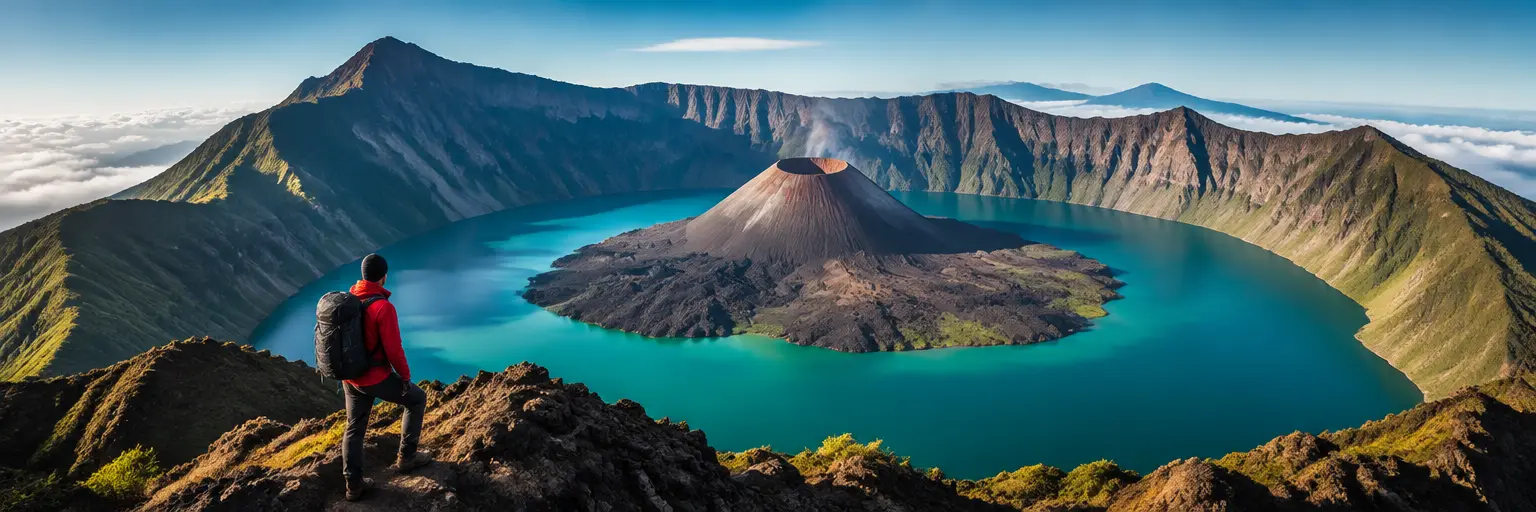
Welcome to the Volcanic Craters and Caldera Lakes subcategory of Volcano Explorers. Here, we dive into the breathtaking depressions born from explosive eruptions and collapsed magma chambers. These features range from steaming fumarole-lined craters to serene, turquoise-filled caldera lakes that attract scientists, travelers, and photographers alike. Whether you’re a geology enthusiast, an adventure seeker, or a curious learner, this guide offers rich insights into how these formations evolve, their ecological importance, and the best ways to explore them safely. Our content is crafted to be both educational and SEO-friendly, ensuring you discover the hidden stories behind Earth’s most dramatic natural amphitheaters.
🔍 Understanding the Origins: How Craters and Calderas Form
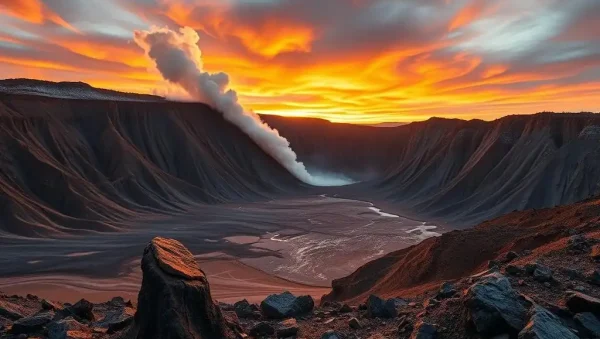
Volcanic craters are typically small, bowl-shaped depressions at the summit of a volcano, created by explosive eruptions that eject material outward. In contrast, calderas are much larger, often circular basins that form when a volcano collapses into its emptied magma chamber after a massive eruption. This distinction matters because caldera lakes, like Crater Lake in Oregon, can reach depths of hundreds of meters and harbor unique microbial ecosystems. Our exploration covers the geological processes—from phreatomagmatic explosions to gradual subsidence—that shape these features.
Understanding these mechanisms helps predict future volcanic activity and assess hazards for nearby communities. For instance, the 1883 Krakatoa eruption formed a caldera that now hosts a series of newer volcanic cones. By studying the morphology of craters and calderas, volcanologists can reconstruct past eruption magnitudes and frequencies. This knowledge is vital for risk assessment, especially in densely populated regions like Indonesia and Japan. We break down complex geophysical concepts into accessible language, helping you grasp how time, pressure, and magma chemistry conspire to craft these stunning landforms.
🌋 Iconic Examples: Famous Craters and Caldera Lakes Worldwide
From the iconic Crater Lake in the United States, with its deep blue waters and Wizard Island, to Indonesia’s Mount Kelimutu, famous for its three color-changing lakes, the world boasts an array of spectacular sites. In Europe, Santorini’s caldera is a flooded volcanic basin that offers dramatic sunsets and rich archaeological history. Meanwhile, Africa’s Ngorongoro Crater, a huge volcanic caldera, is a wildlife haven that supports thousands of animals. Each location provides a unique narrative of volcanic destruction followed by ecological rebirth.
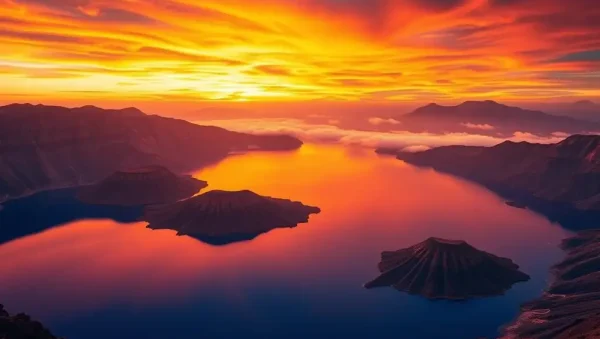
Our detailed profiles highlight geological data, such as age, size, and eruption history, alongside visitor information. For example, the Taal Volcano in the Philippines features a crater lake on an island within a larger caldera lake—a rare “lake within a lake” phenomenon. We also explore less-known gems like Bolivia’s Laguna Colorada, a shallow saline lake whose reddish hue comes from algae and minerals. By showcasing these diverse examples, we aim to inspire your next adventure while deepening your appreciation for Earth’s dynamic surface.
🏞️ Ecological Wonders: Life Thriving in Extreme Conditions
Caldera lakes and crater environments are not barren wastelands; they often host specialized life forms adapted to acidic waters, high temperatures, and mineral-rich sediments. For instance, the acidic crater lake at Mount Pinatubo in the Philippines supports extremophilic microorganisms that thrive in pH levels near 2. Similarly, the warm, alkaline waters of Lake Nyos in Cameroon contain dissolved carbon dioxide that can be lethal if released, yet still harbor unique diatom communities. These ecosystems are invaluable for studying extremophiles, which have applications in biotechnology and astrobiology.
Beyond microorganisms, many caldera lakes support fish, birds, and amphibians. Lake Toba in Sumatra, the largest lake in Southeast Asia, hosts freshwater fish species that evolved after the caldera formed 74,000 years ago. The surrounding highlands are lush with pine forests and endemic orchids. On the other hand, crater lakes can be inhospitable to higher life forms, but their shores often attract waterfowl and insects. We examine the delicate balance between volcanic activity and biodiversity, emphasizing conservation efforts needed to protect these fragile habitats.
📸 Photography & Travel: Capturing the Beauty Safely
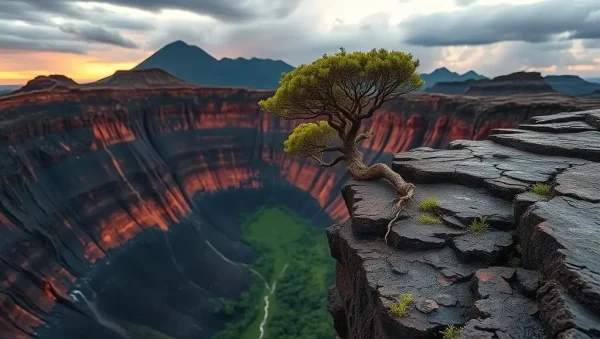
For photographers, volcanic craters and caldera lakes present dramatic contrasts: dark basalt cliffs against turquoise water, steam plumes rising from fumaroles, and the play of light at dawn or dusk. The iconic panoramic view of Crater Lake from Rim Drive is a must-capture, while Iceland’s Kerid Crater offers a vivid red-rimmed basin with a striking blue lake. Travelers should prepare for high altitudes, steep trails, and unpredictable weather. We provide practical tips on best times to visit, necessary permits, and safety gear, ensuring you capture stunning images without endangering yourself.
However, visiting these sites requires respect for their volatile nature. Volcanic areas can experience sudden gas emissions, rockfalls, or hydrothermal explosions. We advise checking real-time volcano alerts from official sources such as the USGS or national geological agencies. For adventurous souls, we recommend flights over active craters, like those over Kilauea in Hawaii, but emphasize that guided tours by certified volcanologists are the safest option. Our travel guides include recommended itineraries, accommodation suggestions, and cultural etiquette, making your journey both memorable and secure.
🌍 Cultural Significance: Legends, Traditions, and Human Interaction
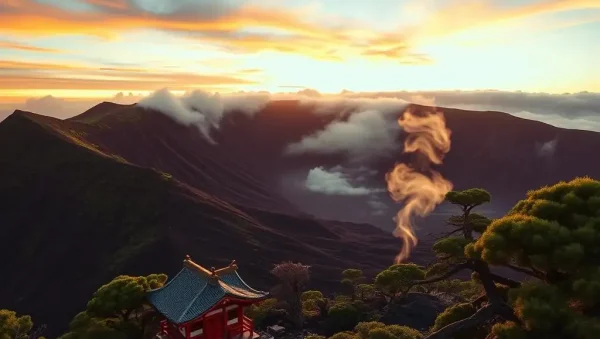
For millennia, humans have revered volcanoes as sacred sites, sources of myth, and fatalistic omens. The caldera lake of Toba is central to Batak folklore, believed to be the home of a powerful dragon. Similarly, the Santorini caldera is linked to the lost city of Atlantis, while Mount Fuji’s crater is a pilgrimage site in Japan. These cultural connections enrich our understanding of how communities coexist with volcanic threats. We explore indigenous rituals, traditional agricultural practices in caldera basins, and how modern tourism reshapes local economies.
Moreover, some caldera lakes provide essential resources—geothermal energy, mineral extraction, or freshwater for irrigation. The Azores’ Sete Cidades caldera lakes are used for trout fishing and are central to local identity. In contrast, Lake Nyos’ risk of limnic eruption has led to engineering interventions to degas the lake, demonstrating human adaptation. By highlighting these narratives, we bridge geology, anthropology, and sustainability, showing that volcanic landscapes are not just hazards but cradles of culture and innovation.
Frequently Asked Questions
What is the difference between a volcanic crater and a caldera?
A volcanic crater is a small, bowl-shaped depression at the summit, typically under one kilometer wide, formed by explosive eruptions. A caldera is a much larger basin, often exceeding several kilometers, created when the volcano collapses into an emptied magma chamber after a massive eruption. Calderas can exist with or without lakes, whereas craters are usually dry or contain small ponds.
Are caldera lakes dangerous to swim in?
Swimming in caldera lakes is generally unsafe. Many are acidic, contain toxic gases like carbon dioxide, or have extreme temperatures. Even in seemingly safe lakes, sudden gas releases or hydrothermal activity can occur. Always heed local warnings, and never enter unless explicitly permitted by park authorities. The risk outweighs any recreational benefit.
Which is the deepest caldera lake in the world?
The deepest caldera lake is Crater Lake in Oregon, USA, with a maximum depth of about 594 meters (1,949 feet). It was formed around 7,700 years ago by the collapse of Mount Mazama. Its remarkable clarity and blue color make it a popular research site for hydrology and limnology.
Can caldera lakes erupt?
Yes, caldera lakes can be sites of phreatomagmatic eruptions, where rising magma contacts water, causing violent steam explosions. Also, dissolved volcanic gases can lead to limnic eruptions, as seen at Lake Nyos in 1986, releasing lethal CO2 clouds. Monitoring gas levels is crucial for early warning systems.
How do I visit a caldera lake safely?
Check official volcano hazard alerts before travel, stick to marked trails, and avoid fumarole and steam vents. Use guides familiar with the area, carry a gas mask if recommended, and have an evacuation plan. Never approach crater edges if unstable, and respect all posted restrictions. Also, inform someone of your itinerary.