Unveiling the Mysteries of Volcanic Barren Ecosystems
Discover the resilience of life in volcanic barren ecosystems. VolcanoExplorers.org unveils the surprising biodiversity thriving in these extreme landscapes, exploring the unique…
Read article
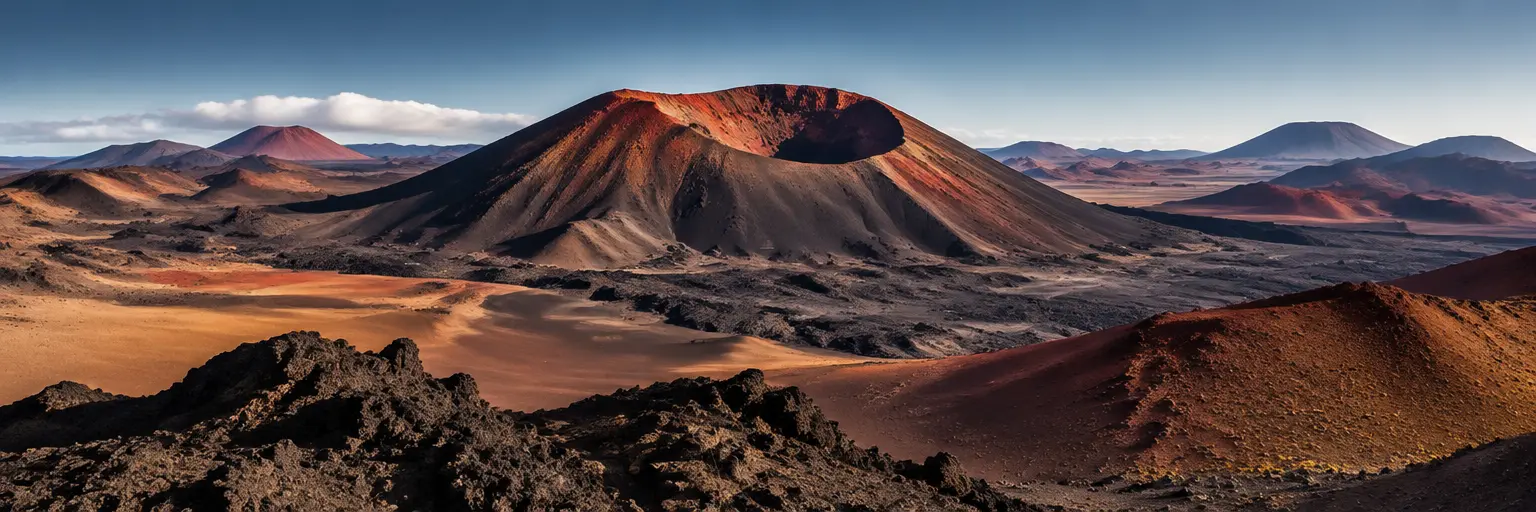
Step into the stark, otherworldly beauty of volcanic deserts and barren landscapes, where the Earth’s raw power has sculpted vast expanses of black lava fields, ash plains, and rocky wastelands. 🌋 These extreme terrains, forged by ancient eruptions and relentless winds, offer a hauntingly silent testament to nature’s destructive and creative forces. From the cracked, sun-scorched crusts of hardened basalt to the shifting, gray dunes of volcanic ash, every inch tells a story of survival against the odds. Explore how life tenaciously clings to these harsh environments, and discover the unique geological features that make them a paradise for volcano explorers, photographers, and adventurers seeking solitude in Earth’s most raw form. Whether you’re fascinated by the formation of lava tubes, the eerie quiet of a solidified lava flow, or the dramatic contrast between stark rock and vivid skies, these landscapes reveal the incredible diversity of our planet’s volcanic heritage. Join us as we traverse these unforgiving yet mesmerizing terrains, uncovering the secrets hidden in their cracks and craters.
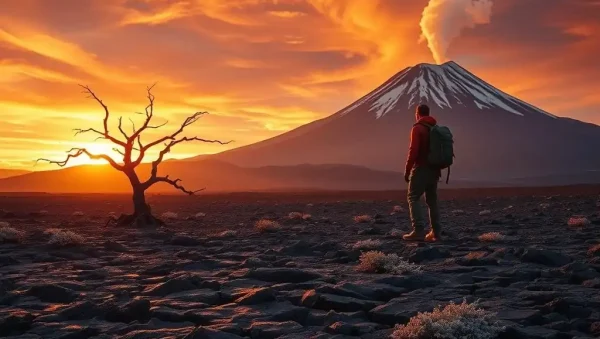
Discover the resilience of life in volcanic barren ecosystems. VolcanoExplorers.org unveils the surprising biodiversity thriving in these extreme landscapes, exploring the unique…
Read article
VolcanoExplorers.org unveils the enduring impact of volcanoes on landscapes, exploring their dramatic power from magma's birth to explosive eruptions. Discover the science,…
Read article
Witness the dramatic volcanic desert life cycle on VolcanoExplorers.org! From fiery eruptions to the eventual stillness of a desolate landscape, explore the…
Read article
Unearthing the past: Discover the surprising historical significance of volcanic ash, revealing human stories etched into landscapes forever altered by fiery eruptions.…
Read article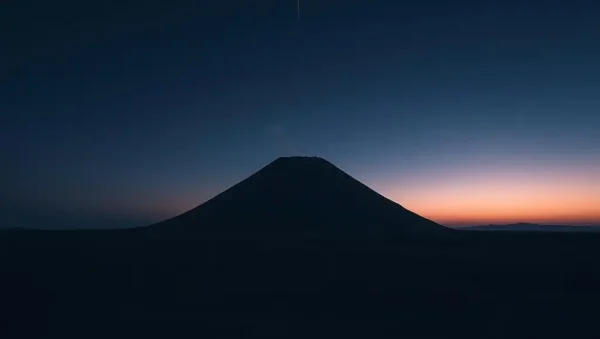
Discover the stark beauty of volcanic landscapes through minimalist photography. VolcanoExplorers.org showcases the power and artistry of nature, offering stunning images alongside…
Read articleVolcanic deserts and barren landscapes are among the most surreal and extreme environments on Earth, forged by ancient lava flows, ashfall, and relentless erosion. These stark terrains—from the black basalt plains of Iceland to the cracked volcanic badlands of Hawaii—offer a unique window into planetary processes and the raw power of geological forces. At VolcanoExplorers.org, this subcategory dives deep into the origins, features, and hidden life of these desolate yet captivating zones, helping you understand why they matter for science, adventure, and even climate research. Whether you are a geology enthusiast, a traveler seeking otherworldly sights, or a student researching extreme habitats, this guide provides actionable insights and vivid descriptions to enrich your knowledge.
Volcanic deserts originate when magma erupts and cools into vast fields of basalt, tephra, or pumice, often leaving behind a landscape devoid of topsoil and vegetation. Subsequent weathering—driven by wind, flash floods, and freeze-thaw cycles—further breaks down these rocks into jagged clinker beds and flat playas, creating a barren mosaic that can persist for millennia. Key examples include the Danakil Depression in Ethiopia and the Atacama Desert margins, where volcanic ash mixes with salt pans.
Understanding formation is crucial because it reveals how eruptive style (explosive vs. effusive) dictates desert morphology. For instance, pyroclastic flows create welded tuff layers, while lava tubes collapse into linear troughs. This section explains the geological timeline and why some deserts remain barren while others slowly transform into fertile soils, offering readers a foundational framework for interpreting these harsh environments.
Barren volcanic landscapes boast distinctive features such as lava tubes, spatter cones, solfatara fields, and desert pavements—surfaces armored by wind-polished pebbles. These geomorphic markers help volcanologists reconstruct past eruption sequences and assess future hazards. For example, hummocky terrain indicates debris avalanches, while playa lakes form in collapsed calderas, often tinted green or red by extremophile microbes.
Visitors can expect to learn how to identify these features in the field or on satellite imagery, enriching both academic study and scenic hikes. The interplay between wind erosion and volcanic rock hardness creates bizarre hoodoos and yardangs, which are prized by photographers and geotourists alike. This content equips you with a mental map of what to look for when exploring places like Mono Lake’s tufa towers or the Painted Desert of Arizona.
Despite their apparent emptiness, volcanic deserts host resilient life forms, from cyanobacteria living under transparent rocks to endolithic fungi that etch tunnels into pumice. These organisms are not just curiosities—they are models for astrobiology, as similar environments exist on Mars and Jupiter’s moon Europa. Microbiologists study these ecosystems to understand how life can persist with minimal water and high heavy-metal concentrations.
For the general reader, this section highlights the surprising biodiversity of barren lands, including desert insects, reptiles, and hardy plants like cactus and sagebrush that colonize sheltered cracks. It also covers human adaptations, such as the Afar people who live near Erta Ale, using volcanic heat for salt mining. This perspective shifts the narrative from “barren” to “brimming with hidden resilience,” making the subcategory more engaging for ecology-minded audiences.
From the Kamchatka Peninsula to the Namib Desert’s volcanic intrusions, this subcategory showcases top destinations for adventurous travelers seeking stark beauty. You will find practical tips for visiting the Valley of Desolation in Iceland or the Craters of the Moon in Idaho, including safety guidelines for unstable ground and toxic gas emissions. Each destination profile covers access routes, best seasons, and permit requirements.
Travelers benefit from curated itineraries that combine volcanic deserts with nearby cultural sites, such as ancient obsidian quarries or pilgrimage shrines. We also emphasize low-impact tourism practices, since these fragile terrains are easily damaged by foot traffic. By highlighting lesser-known spots, we help you avoid crowds while maximizing the sense of otherworldliness, all backed by photogenic descriptions to fuel your wanderlust.
Volcanic deserts are not static; they actively influence regional and global climate. For example, basalt weathering consumes atmospheric CO₂ over long timescales, acting as a natural carbon sink. In contrast, active fumaroles release methane and sulfur gases that can alter local weather patterns. This section explains how researchers monitor these exchanges using eddy covariance towers and satellite spectrometry.
Moreover, barren landscapes contribute mineral dust that fertilizes distant ocean iron cycles, affecting marine productivity. Understanding these processes is vital for climate models and for evaluating geoengineering proposals that mimic volcanic weathering. By reading this, you will grasp the hidden importance of places often dismissed as wastelands, positioning yourself as a more informed citizen or scientist in environmental discussions.
The largest contiguous volcanic desert is the Thjórsárhraun lava field in Iceland, covering roughly 1,400 square kilometers. It formed from a massive eruption about 8,600 years ago. However, the Columbia River Basalt Group in the U.S. spans over 163,000 square kilometers, though much is now vegetated. For a purely barren expanse, the Desierto de la Tatacoa in Colombia is notable for its arid volcanic sediments.
Yes, risks include unstable ground, sharp obsidian, toxic gases like CO₂ and H₂S, and sudden flash floods. Always check local volcano observatory alerts, carry a gas mask and sturdy boots, and avoid venturing near active vents. Guided tours are strongly recommended for unfamiliar areas. Some deserts, like the Danakil, require armed escorts due to political instability, not just geological hazards.
Yes, succession begins within decades with lichens and mosses, followed by grasses and shrubs once organic matter accumulates. However, full soil formation can take thousands of years, especially in dry climates. Human intervention, such as adding compost or using pioneer species, accelerates recovery, as seen in reforestation projects around Mount St. Helens’ blast zone.
Regular deserts are defined by low precipitation, while volcanic deserts are distinguished by their substrate origin—lava, ash, or pumice—regardless of rainfall. For example, Hawaiian barrens receive heavy rain yet remain vegetation-poor due to poor nutrient retention. Conversely, some volcanic areas like the Mojave are also arid, merging both definitions. Thus, the key is the parent material, not just climate.
Common minerals include olivine, pyroxene, feldspar, and quartz from rock breakdown, plus secondary minerals like gypsum, halite, and alunite formed by hydrothermal alteration. Precious opal and volcanic glass (obsidian) are also found. These minerals are economically valuable for construction, agriculture, and jewelry, but extraction must be carefully managed to preserve the landscape.