Discover the Dynamic World of Volcanic Islands
Volcanic islands are nature’s most explosive creations, rising from the ocean floor through fiery eruptions and cooling lava. This subcategory explores their dramatic formation, unique ecosystems, and the delicate balance between destruction and life. Whether you’re a geology enthusiast, a traveler, or an ecology lover, you’ll uncover how these remote landmasses evolve from barren rock into biodiversity hotspots, shaped by tectonic forces and oceanic isolation.
🌋 How Volcanic Islands Are Born
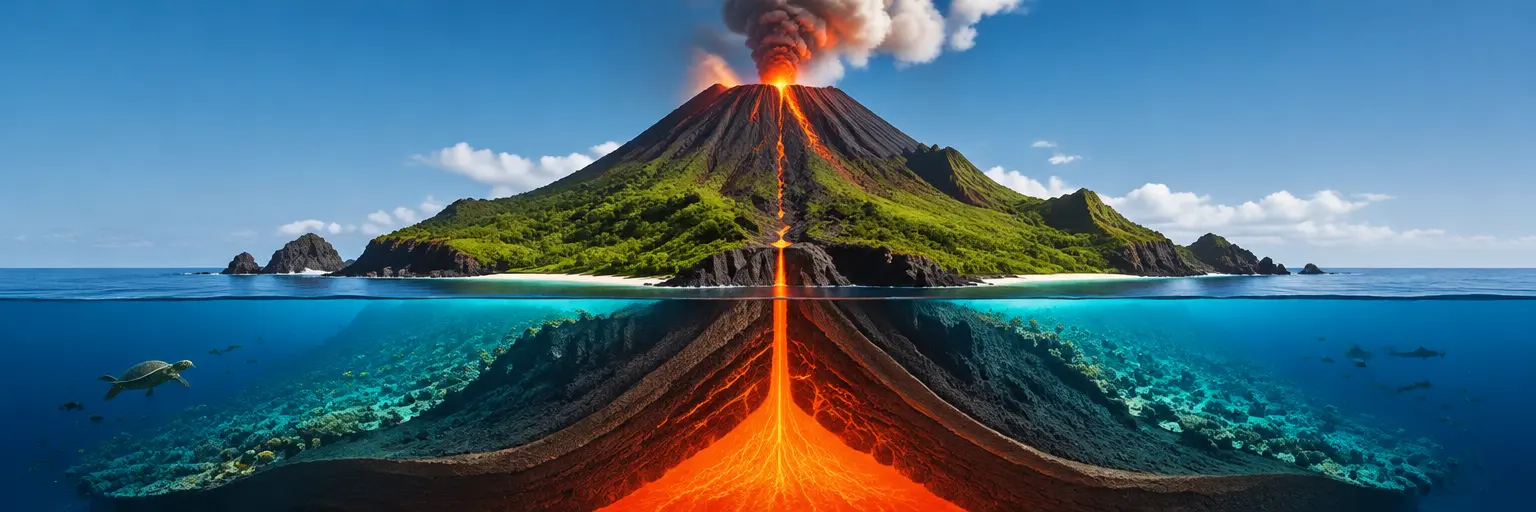
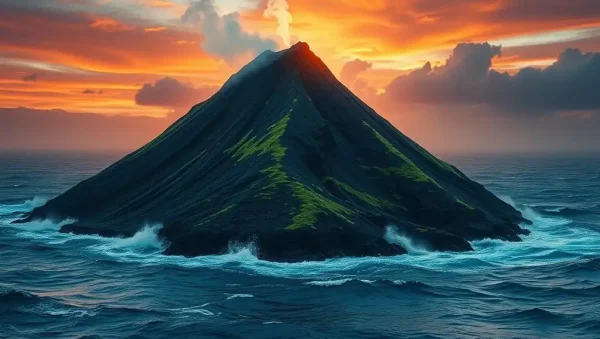
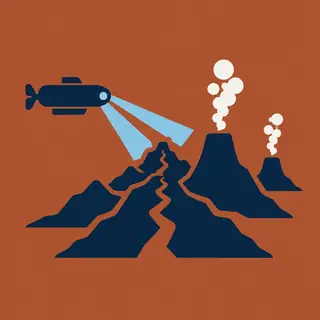
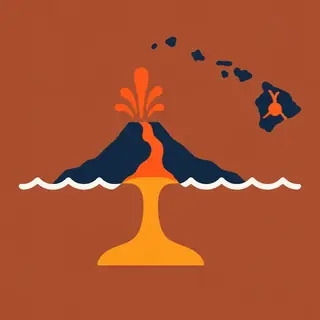
Volcanic islands originate primarily at divergent plate boundaries, hotspots, or subduction zones, where magma breaches the seabed. Over thousands of years, repeated eruptions pile up lava and ash until the summit breaks the ocean’s surface. Key examples include Hawaii’s hotspot chain and Iceland’s mid-Atlantic ridge, each offering unique insights into mantle plumes and plate tectonics. Understanding this process reveals why island shapes, sizes, and rock compositions vary dramatically.
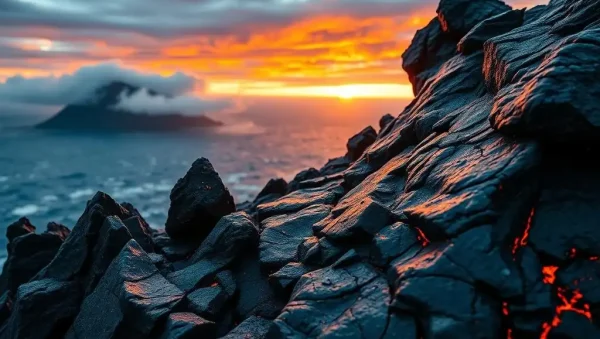
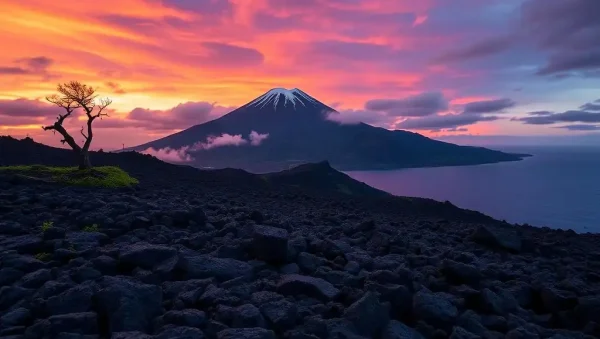
As the island emerges, its growth is often violent—phreatic explosions, lava fountains, and pyroclastic flows shape the initial terrain. This raw geology sets the stage for colonization by life. Island age dictates elevation and erosion, from young, jagged peaks to old, flat atolls. For travelers, this means landscapes that shift from black basalt cliffs to lush green valleys within a few kilometers, a testament to ongoing volcanic activity beneath the surface.
🦎 Colonization: Life Finds a Way
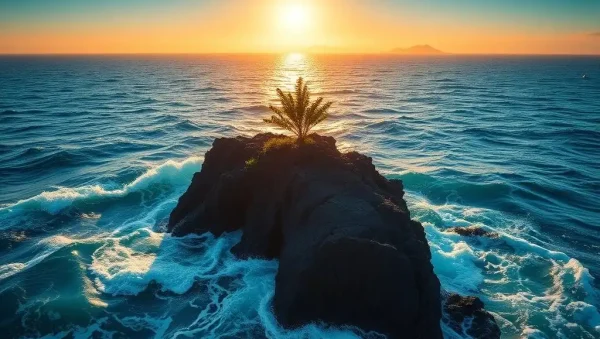
Once volcanic rock cools, pioneer species like lichens and mosses begin breaking down minerals into soil. Seeds arrive via wind, ocean currents, or bird droppings, leading to a predictable succession of plant life. Over centuries, these islands develop endemic species—plants and animals found nowhere else on Earth. The Galápagos finches and Hawaiian honeycreepers are classic examples, evolving distinct traits due to isolation and varied microclimates.
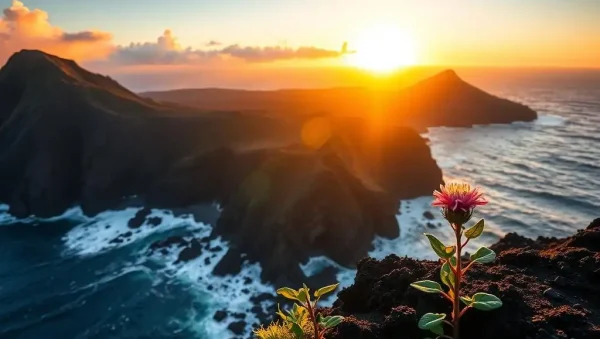
Ecology on volcanic islands is a race against time, as erosion and new eruptions constantly reset the clock. Fresh lava flows create barren zones that slowly regrow, while older areas host dense rainforests. For ecologists, these islands serve as natural laboratories for studying evolution, adaptation, and extinction. Visitors can witness rare species like the giant tortoise or the silversword plant, which thrive only in these volcanic habitats, making conservation efforts critical.
🌱 Unique Ecosystems and Adaptations
The harsh, nutrient-poor soils of volcanic islands force organisms to adapt ingeniously. Plants develop deep root systems, waxy leaves, or nitrogen-fixing bacteria to survive. Animals often become flightless, like the Galápagos cormorant, or evolve gigantism, like the extinct dodo of Mauritius. These adaptations are a direct response to the absence of predators and limited resources, showcasing nature’s creativity under extreme conditions.
Cave-dwelling creatures, volcanic vents, and geothermal springs create microhabitats teeming with specialized life. Chemosynthetic bacteria form the base of food chains near hot vents, supporting unique invertebrates. Above ground, seabirds nest on cliff faces, fertilizing soil with guano, which accelerates plant growth. This interdependence between geology and biology demonstrates how volcanic islands are not just passive rocks but active, thriving ecosystems.
🏝️ Famous Volcanic Islands Worth Exploring
From Iceland’s geothermal landscapes to Indonesia’s Krakatoa, volcanic islands offer unforgettable travel experiences. Santorini’s caldera cliffs, formed by a massive eruption, attract millions seeking dramatic sunsets. The Hawaiian Islands showcase the full lifecycle—from active eruptions on the Big Island to eroded cliffs on Kauai. Each destination provides unique geology, culture, and adventure, from hiking lava tubes to snorkeling over coral reefs.
For the adventurous, visiting an active volcano island means witnessing creation in real-time. Safety is paramount, so always check volcanic activity alerts from local authorities. Japan’s Aogashima and Italy’s Stromboli offer rare circular island calderas with steaming vents, while Ecuador’s Isabela Island is the largest in the Galápagos, featuring six volcanoes. These destinations blend science with wonder, perfect for educational tours or solo expeditions.
⚖️ Threats and Conservation of Volcanic Ecosystems
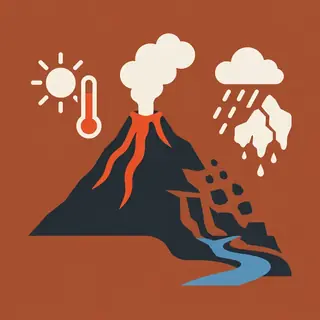
Human activity, invasive species, and climate change pose significant threats to volcanic islands. Introduced rats, goats, and non-native plants disrupt fragile food webs, while rising sea levels erode coastal habitats. Eruptions themselves can devastate endemic populations, but recovery is often surprisingly fast. Conservation programs focus on eradicating invasives, protecting nesting sites, and restoring native vegetation, with success stories from Maui’s seabird colonies to Mauritius’ kestrel revival.
Sustainable tourism is crucial for balancing visitor enjoyment with ecological preservation. Responsible travel choices—staying on marked trails, avoiding souvenirs made from wildlife, and supporting local conservation groups—help ensure these islands survive for future generations. Scientists monitor volcanic activity not only for hazard mitigation but also to understand how life reboots after catastrophic events, offering lessons for planetary resilience.
Frequently Asked Questions
How long does it take for a volcanic island to become habitable?
Vegetation can appear within decades, but a full ecosystem with forests and diverse fauna typically takes hundreds to thousands of years, depending on rainfall, soil formation, and seed dispersal. Islands near continents tend to colonize faster; Hawaii’s oldest islands show mature ecosystems after about 5 million years.
Can volcanic islands disappear?
Yes, through erosion, subsidence, or sea-level rise. Coral atolls are the final stage of a volcanic island that has sunk below the surface. Krakatoa’s 1883 eruption destroyed most of the island, leaving a smaller remnant. However, new eruptions can rebuild islands, as seen with Anak Krakatau.
What are the main differences between hotspot and subduction-zone islands?
Hotspot islands, like Hawaii, form as tectonic plates move over a mantle plume, creating a chain of progressively older islands. Subduction-zone islands, like Japan’s, arise where one plate sinks beneath another, leading to more explosive andesitic eruptions. Hotspot lava is fluid basalt; subduction lava is viscous and gas-rich.
Are there any volcanic islands with no active eruptions?
Many, such as the Canary Islands and Mauritius, are dormant but could erupt again. Some, like Bermuda, are extinct and unlikely to reactivate. Dormant islands often have hot springs or geysers, indicating residual heat. Always check geological surveys for up-to-date activity status.
How do plants first arrive on a new volcanic island?
They arrive via wind (spores, tiny seeds), ocean currents (drifting coconuts, mangroves), or birds (seeds in droppings or stuck to feathers). The first colonizers are typically mosses, lichens, and ferns, followed by salt-tolerant grasses and shrubs, which gradually build soil for larger plants.