Discover the World's Most Breathtaking Geothermal Areas and Hot Springs
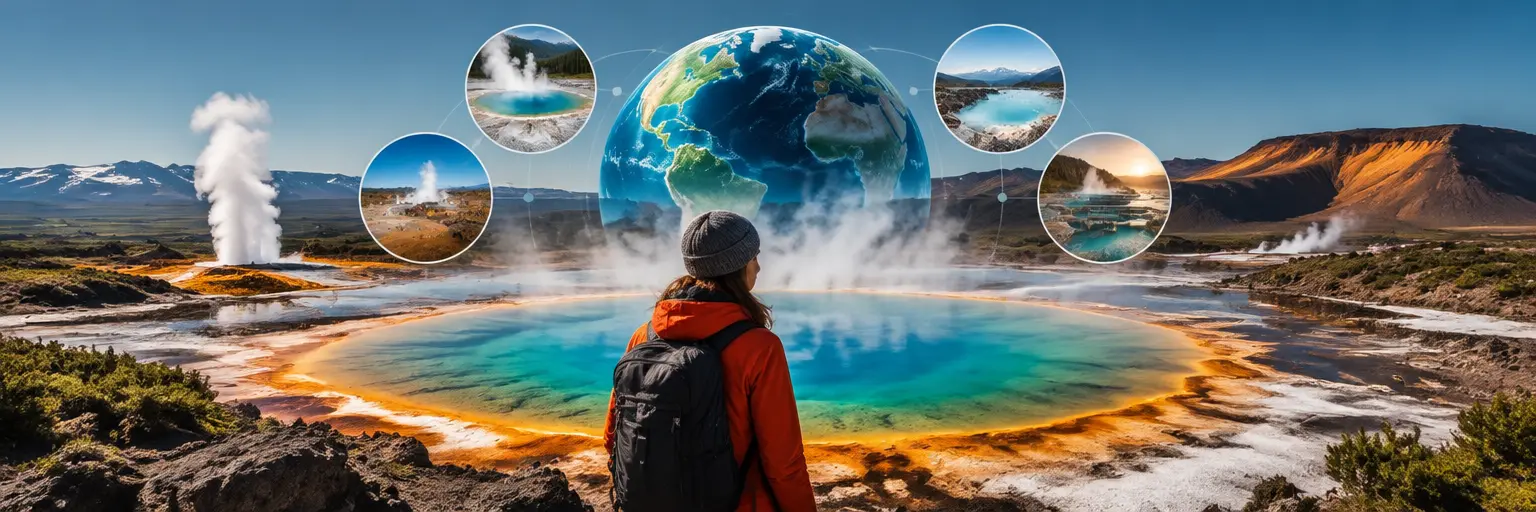
Welcome to the ultimate guide on geothermal areas and hot springs worldwide, brought to you by Volcano Explorers. Here, we journey beyond the crater's edge to explore the steamy, mineral-rich landscapes shaped by Earth's internal heat. From the colorful terraces of Yellowstone to the volcanic baths of Iceland, this subcategory is your gateway to understanding the science, beauty, and cultural significance of these natural thermal wonders. Whether you are a geology enthusiast, a travel planner, or simply curious about nature's hot tubs, you will find expert insights, safety tips, and hidden gems to fuel your next adventure.
🌋 The Science Behind Geothermal Activity and Hot Spring Formation
Geothermal areas occur where underground water meets heated rock, often near volcanic zones or tectonic fault lines. As rainwater seeps deep into the Earth, it is warmed by magma or hot rock, then rises back to the surface as steam, geysers, or hot springs. The unique chemistry—rich in silica, sulfur, and other minerals—gives these waters their vivid colors and therapeutic properties. Understanding this process helps you appreciate why certain regions, like the Ring of Fire, boast such a high concentration of thermal features.
For enthusiasts, this subsection explains the difference between fumaroles, mud pots, and geysers, and how pressure and temperature dictate their behavior. You'll also learn about the geothermal gradient and why some springs boil while others are merely warm. This scientific foundation enriches your visit, turning a simple soak into a profound connection with our planet's dynamic interior.
♨️ Top Destinations for Hot Springs and Geothermal Pools
From Japan's onsen tradition to New Zealand's Rotorua, we highlight the most iconic and off-the-beaten-path thermal baths across the globe. Each destination offers a distinct experience—whether you seek luxury spa resorts, rugged natural pools, or culturally immersive bathing rituals. Our curated list includes Yellowstone National Park (USA), the Blue Lagoon (Iceland), Pamukkale (Turkey), and the geothermal valleys of Chile, complete with practical travel tips and seasonal considerations.
We also cover lesser-known gems like the steaming rivers of Costa Rica and the high-altitude hot springs of the Andes. For each site, you'll find information on accessibility, entrance fees, and nearby accommodations, ensuring your trip is both safe and memorable. This section is designed to inspire wanderlust while providing all the logistical details you need to turn your dream soak into reality.
🧖♀️ Health Benefits and Therapeutic Uses of Mineral-Rich Waters
Soaking in natural hot springs is not just a relaxing pastime; it offers a range of health benefits backed by both tradition and modern science. The mineral content—magnesium, calcium, sulfur, and lithium—can ease muscle pain, improve circulation, and alleviate skin conditions like psoriasis. Many geothermal resorts also offer mud baths and steam caves, believed to detoxify the body and soothe respiratory issues. This section dives into the specific advantages of different water compositions and how to maximize their healing potential safely.
We also address important safety precautions, such as temperature limits, hydration, and time limits, to prevent overheating or dehydration. Additionally, we explore the cultural significance of thermal bathing in societies like the Romans, Japanese, and Turks, where these waters have been integral to wellness and social life for centuries. By understanding these benefits, you can choose the right spring for your needs, whether you're recovering from an injury or simply seeking stress relief.
📸 Photography and Conservation of Geothermal Landscapes
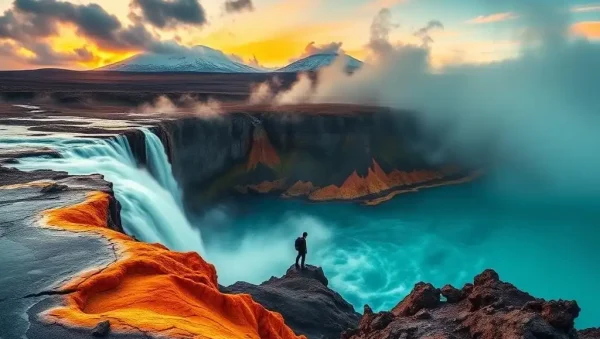
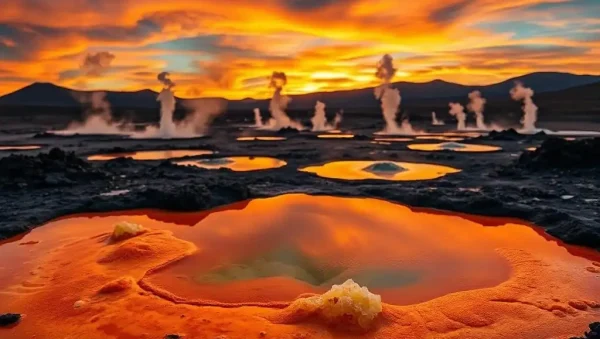
Geothermal areas are among the most photogenic places on Earth, offering vibrant colors, surreal textures, and dramatic steam plumes. In this section, we share expert photography tips—from choosing the right time of day to capturing the contrast between blue pools and orange mineral deposits. We also discuss the ethical considerations of visiting these fragile ecosystems, including staying on designated paths to protect the delicate microbial mats that give the terraces their rainbow hues.
Conservation is a key theme, as many geothermal sites face threats from tourism, geothermal energy extraction, and climate change. We highlight ongoing preservation efforts and how travelers can contribute, such as using eco-friendly sunscreen and supporting local conservation organizations. By documenting these landscapes responsibly, you help ensure they remain pristine for future generations of explorers and scientists.
🗺️ Planning Your Geothermal Adventure: Permits, Seasons, and Safety
Before you pack your swimsuit, you need to understand the logistical requirements of visiting geothermal areas. Many parks require permits, have limited access during certain seasons, and enforce strict safety rules due to unstable ground and hot water. This section provides a comprehensive checklist for planning your trip, including how to check real-time geothermal activity alerts, what to pack (e.g., water shoes, layers), and how to respect local regulations.
We also compare the best times to visit different regions—for instance, Iceland's hot springs are magical under the midnight sun, while Yellowstone's trails open in late spring. Additionally, we offer advice on traveling with children or individuals with mobility issues, ensuring that everyone can enjoy these natural wonders safely. With our guidance, you'll be well-prepared to navigate any geothermal destination confidently.
Frequently Asked Questions
Are hot springs safe to bathe in?
Most developed hot springs are safe, but natural ones can be scalding or acidic. Always check temperature and signage, test with hand first, and avoid entering water above 40°C (104°F). Never submerge your head, and exit if you feel dizzy or unwell. Follow local guidelines, as some springs have strong currents or harmful bacteria.
What is the difference between a geyser and a hot spring?
A hot spring continuously releases warm water, while a geyser is a pressurized system that erupts sporadically when water boils into steam. Geysers require a specific underground structure of silica and narrow channels, which traps heat and pressure until a dramatic release occurs. Hot springs lack that constriction, allowing steady flow.
Can I drink geothermal water?
Generally, no—most geothermal water contains high levels of minerals, sulfur, or heavy metals that are unsafe to drink. Some springs offer filtered or cooled drinking water at resorts, but natural sources should be avoided. If you see signs indicating potable water, it is treated and safe, but otherwise, bring your own bottled water.
Do geothermal areas smell like rotten eggs?
Yes, the distinctive smell comes from hydrogen sulfide gas, a natural byproduct of geothermal activity. While harmless in small concentrations, the odor can be strong and unpleasant to some. It dissipates quickly in open air, but in confined spaces, it may cause headaches or nausea. Most visitors adapt within minutes.
What is the best time of year to visit geothermal sites?
It depends on the location. For Yellowstone, summer (June–September) offers full access, but crowds are heavy. Iceland’s springs are enjoyable year-round, with winter providing a stark contrast and possible northern lights. Spring and autumn are ideal for moderate temperatures and fewer tourists. Always check seasonal closures for trails and facilities.