
The Unexpected Journey of Volcanic Nutrients: Global Soil Enrichment Patterns


Welcome to Volcano Explorers!
Prepare to be amazed. Did you know that the very force of destruction can also be a source of life? Our journey into the fiery heart of volcanoes takes an unexpected turn as we explore the fascinating role of volcanic nutrients in soil enrichment. Discover how these explosive events shape not just landscapes, but also the very foundation of ecosystems across the globe. Uncover the secrets held within the ash and lava, and learn how volcanos breathe life into our planet!
- Introduction: Unveiling the Global Impact of Volcanic Activity on Soil Fertility
- Understanding Volcanic Soil Formation: The Foundation of Nutrient Enrichment
- Key Volcanic Nutrients and Their Impact on Soil Composition
- Global Distribution of Volcanic Soils and Enrichment Patterns
- The Unexpected Journey: How Volcanic Nutrients Travel the Globe
- Benefits of Volcanic Soil Enrichment for Agriculture and Ecosystems
- Challenges and Considerations for Managing Volcanic Soils
- Future Research Directions: Exploring the Full Potential of Volcanic Nutrients
- Conclusion: Appreciating the Far-Reaching Influence of Volcanic Nutrients on Global Soil Health
-
Frequently Asked Questions
- What is the main contribution of volcanic eruptions to soil health?
- How does volcanic activity affect the fertility of soil in the long term?
- What types of nutrients are commonly found in volcanic ash that benefit soil?
- Are there any negative impacts of volcanic eruptions on soil quality?
- How do scientists study the impact of volcanoes on global soil enrichment patterns?
- Final Reflection: The Enduring Legacy of Volcanic Fire
- Ignite Your Curiosity: Unearth the Power of Volcanic Soil!
Introduction: Unveiling the Global Impact of Volcanic Activity on Soil Fertility
VolcanoExplorers.org: Exploring the Fertile Side of Volcanic Landscapes
Volcanoes, often perceived as agents of destruction, also play a crucial role in nurturing life on Earth. At VolcanoExplorers.org, we delve into the multifaceted world of volcanism, and today, we uncover a less explored aspect: the remarkable contribution of volcanoes to global soil fertility. Beyond the dramatic eruptions and lava flows, volcanoes are natural providers of essential nutrients that enrich soils far beyond their immediate surroundings. This article embarks on an exploration of how volcanic activity, through the release and dispersal of volcanic nutrients, shapes soil composition and supports ecosystems across the planet.
Volcanic eruptions eject vast quantities of ash and gases into the atmosphere and onto the land. While the immediate aftermath of an eruption can be devastating, the long-term effects are often surprisingly beneficial. Volcanic materials are rich in minerals and trace elements vital for plant growth. This natural fertilization process, driven by volcanic activity, has been shaping soil fertility for millennia, influencing agricultural productivity and ecosystem health in diverse regions worldwide. Understanding the mechanisms behind this "volcanic nutrients soil enrichment" is key to appreciating the profound and unexpected positive impacts of these geological forces.
Understanding Volcanic Soil Formation: The Foundation of Nutrient Enrichment
The Role of Volcanic Ash in Soil Development: A Detailed Look
Volcanic ash, a product of explosive eruptions, is more than just a nuisance; it is a fundamental building block for fertile volcanic soils. Composed of fine particles of pulverized rock, minerals, and volcanic glass, ash deposits are initially unconsolidated and readily weatherable. This inherent instability is, paradoxically, a strength. The high surface area of ash particles allows for rapid chemical reactions and breakdown, releasing essential nutrients into the developing soil profile. For instance, a single eruption of Mount St. Helens in 1980 deposited ash across several US states, providing a substantial influx of minerals to the affected areas.
The composition of volcanic ash varies depending on the type of volcano and the magma from which it originates. Basaltic ash, common from shield volcanoes like those in Hawaii, is rich in iron, magnesium, and calcium. Andesitic and rhyolitic ashes, typical of stratovolcanoes found in the Andes or Japan, may contain higher proportions of silica and other elements.
Regardless of the specific composition, volcanic ash generally provides a diverse suite of minerals that are crucial for plant nutrition. The physical properties of ash, such as its porosity and water retention capacity, also contribute positively to soil structure, enhancing aeration and drainage in the long run.
Weathering Processes and the Release of Volcanic Nutrients
The journey of volcanic nutrients from rock fragments to plant-available forms is driven by weathering. Both chemical and physical weathering processes play vital roles in breaking down volcanic materials and liberating their nutrient content. Chemical weathering involves reactions between the ash and atmospheric agents like water, oxygen, and carbon dioxide. These reactions dissolve minerals and transform them into forms that plants can absorb through their roots. For example, the weathering of volcanic glass releases silica, while the breakdown of feldspars and ferromagnesian minerals liberates potassium, calcium, magnesium, and iron.
Physical weathering, on the other hand, involves the mechanical breakdown of ash particles into smaller fragments. Processes like freeze-thaw cycles, where water expands upon freezing and fractures rocks, and the abrasive action of wind and rain contribute to increasing the surface area available for chemical weathering. Over time, these combined weathering processes transform volcanic ash into fertile volcanic soils, known as Andisols in soil science.
Andisols are characterized by their dark color, high water-holding capacity, and exceptional fertility, directly attributed to the ongoing release of volcanic nutrients. The time scale for soil formation varies, but in areas with frequent ash deposition, fertile soils can develop relatively quickly, sometimes within decades to centuries.
Key Volcanic Nutrients and Their Impact on Soil Composition
Nitrogen Fixation in Volcanic Soils: A Crucial Process
Nitrogen, an essential macronutrient for plant growth, is often limited in many ecosystems. Volcanic soils, however, often exhibit enhanced nitrogen availability due to unique nitrogen fixation processes associated with volcanic activity. While volcanic eruptions do release some nitrogen gases, the primary mechanism for nitrogen enrichment is biological nitrogen fixation. Certain types of bacteria and archaea, including free-living bacteria like Azotobacter and symbiotic bacteria associated with legumes, are particularly active in volcanic soils. These microorganisms can convert atmospheric nitrogen gas into ammonia and other nitrogen compounds that plants can utilize.
The presence of volcanic minerals and specific soil conditions in volcanic landscapes often promotes the activity of these nitrogen-fixing microorganisms. For example, volcanic ash can provide trace elements like molybdenum and iron, which are cofactors for nitrogenase, the enzyme responsible for nitrogen fixation. Furthermore, the porous nature of volcanic soils and their good aeration create favorable environments for aerobic nitrogen-fixing bacteria. Studies in volcanic regions like Costa Rica and Iceland have shown significantly higher rates of nitrogen fixation in volcanic soils compared to non-volcanic soils, contributing substantially to the overall fertility and supporting lush vegetation in these environments.
Phosphorus Availability in Volcanic Landscapes: Challenges and Solutions
Phosphorus is another crucial macronutrient, often limiting plant growth, particularly in weathered soils. While volcanic rocks contain phosphorus-bearing minerals like apatite, the phosphorus in these minerals is often in forms that are not readily available to plants. This is because phosphorus can be quickly fixed or bound in soils, especially in acidic conditions common in some volcanic regions. The availability of phosphorus in volcanic soils is a complex issue, often requiring specific adaptations from plants and careful management strategies.
However, volcanic activity also presents solutions to phosphorus limitations. Fresh volcanic ash can contain significant amounts of readily available phosphorus. Furthermore, the weathering of volcanic minerals over time slowly releases phosphorus into the soil solution.
Volcanic soils also often contain allophane and imogolite, unique clay minerals that, while capable of phosphorus fixation, can also release phosphorus slowly, acting as a phosphorus buffer. Certain plants and soil microorganisms in volcanic ecosystems have also evolved mechanisms to enhance phosphorus uptake, such as mycorrhizal associations that increase the root surface area for phosphorus absorption and the production of organic acids that can solubilize bound phosphorus in the soil.
The Significance of Potassium and Other Essential Minerals
Beyond nitrogen and phosphorus, volcanic materials are a rich source of potassium and other essential minerals vital for plant health and overall soil fertility. Potassium, another macronutrient, plays a crucial role in plant water regulation, enzyme activation, and disease resistance. Volcanic rocks, particularly basalts, are rich in potassium-bearing minerals like feldspars. Weathering releases potassium ions that are readily available to plants or can be retained in the soil by clay minerals. The abundant potassium supply in volcanic soils contributes to robust plant growth and high agricultural productivity in volcanic regions.
In addition to potassium, volcanic soils are enriched with micronutrients such as iron, zinc, copper, manganese, and boron. These trace elements, although required in smaller amounts, are essential for various plant physiological processes, including photosynthesis, enzyme function, and hormone synthesis.
Volcanic ash acts as a natural multi-mineral fertilizer, providing a balanced suite of nutrients that support healthy plant growth and ecosystem function. For example, studies in volcanic regions have shown that the high availability of iron in volcanic soils contributes to the lush green vegetation, while zinc and copper are crucial for enzyme activities in both plants and soil microorganisms.
Global Distribution of Volcanic Soils and Enrichment Patterns
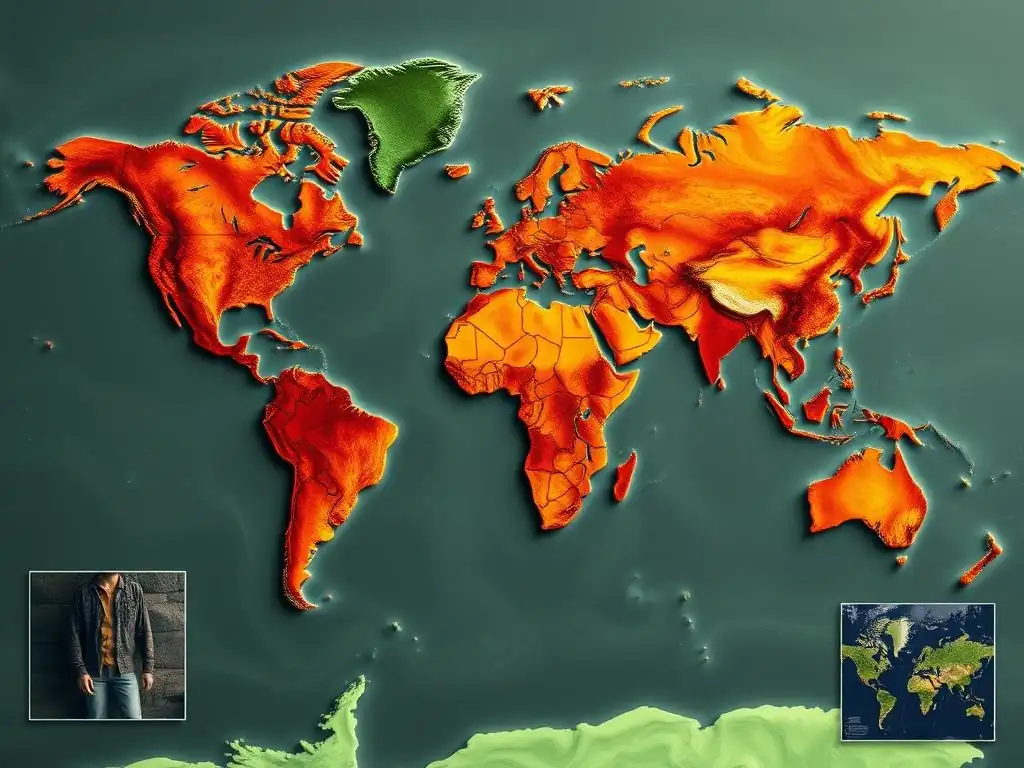
Volcanic Soil Belts: Identifying Regions with High Nutrient Levels
The global distribution of volcanic soils, and consequently volcanic nutrients soil enrichment, is closely linked to tectonic plate boundaries and volcanic activity. The most prominent volcanic soil belts are found along the Pacific Ring of Fire, a horseshoe-shaped region encircling the Pacific Ocean characterized by intense volcanic and seismic activity. This belt includes regions such as Japan, Indonesia, the Philippines, the west coast of North and South America, and New Zealand. Other significant volcanic areas are associated with continental rift zones, like the East African Rift Valley, and hotspots, such as Hawaii and Iceland.
These volcanic belts are characterized by the frequent deposition of volcanic ash and lava flows, leading to the development of extensive areas of Andisols and other volcanic-influenced soils. The concentration of volcanoes in these regions directly translates to a higher prevalence of volcanic nutrients in the soil, contributing to enhanced soil fertility and supporting diverse ecosystems and agricultural practices. Mapping the global distribution of volcanoes and volcanic soils helps identify regions where volcanic nutrients play a significant role in shaping landscape productivity and ecological processes.
Case Studies: Iceland - A Volcanic Soil Hotspot
Iceland, aptly named the "Land of Fire and Ice," is a prime example of a volcanic soil hotspot. Situated on the Mid-Atlantic Ridge, a divergent plate boundary, Iceland is geologically young and highly volcanically active. Frequent eruptions have blanketed the island with volcanic ash and lava flows for millennia, resulting in soils that are predominantly Andisols. These Icelandic volcanic soils are renowned for their fertility, despite the island's high latitude and cool climate. The abundance of volcanic nutrients, particularly phosphorus and potassium, supports surprisingly productive grasslands and agricultural activities, mainly focused on livestock farming and hardy crops.
Studies of Icelandic soils have revealed exceptionally high levels of organically bound nitrogen, reflecting the active nitrogen fixation processes supported by the volcanic environment. The porous nature of Icelandic Andisols also contributes to good drainage and aeration, further enhancing soil health. Despite the challenges of a short growing season and harsh weather conditions, the inherent fertility of volcanic soils in Iceland makes it possible to sustain agriculture and support unique ecosystems adapted to this volcanic landscape. The example of Iceland vividly illustrates the powerful influence of volcanic nutrients soil enrichment even in challenging environments.
Case Studies: Mount Etna Region, Italy - Volcanic Influence on Soil Productivity
Mount Etna, located in Sicily, Italy, is another compelling case study showcasing the positive impact of volcanic activity on soil productivity. Etna is one of Europe's most active volcanoes, regularly erupting and depositing ash on the surrounding slopes. The soils around Mount Etna, classified as Andisols and Vertisols influenced by volcanic materials, are exceptionally fertile and have supported agriculture for centuries. The region is renowned for its citrus groves, vineyards, and olive orchards, all thriving in the nutrient-rich volcanic soils.
The volcanic ash from Mount Etna is rich in potassium, phosphorus, and micronutrients, contributing to the high productivity of the agricultural lands. Studies have shown that the volcanic soils around Etna have higher organic matter content and better water-holding capacity compared to non-volcanic soils in the same region.
Farmers in the Etna region have long recognized the benefits of volcanic ash, sometimes even collecting fresh ash after eruptions to spread on their fields as a natural fertilizer. The Mount Etna example demonstrates the direct link between volcanic nutrients soil enrichment and sustained agricultural productivity in a densely populated and historically significant region.
The Unexpected Journey: How Volcanic Nutrients Travel the Globe
Atmospheric Transport of Volcanic Ash: A Global Dispersal Mechanism
The impact of volcanic nutrients is not limited to the immediate vicinity of volcanoes. One of the most unexpected aspects of volcanic nutrient enrichment is the global dispersal of volcanic ash through atmospheric transport. Large volcanic eruptions, particularly those that inject ash high into the stratosphere, can distribute ash particles across continents and even globally. Prevailing wind patterns, such as jet streams, can carry fine ash particles thousands of kilometers downwind from the eruption source.
While the concentration of ash decreases with distance, even thin layers of volcanic ash deposition can have measurable impacts on soil fertility in distant regions. For example, ash from Icelandic volcanoes has been detected in soils across Europe and even Greenland. These long-range ash deposits, while often subtle, can contribute a pulse of nutrients to ecosystems far removed from the eruption source, influencing soil chemistry and potentially stimulating plant growth in areas that might otherwise be nutrient-limited. Atmospheric transport of volcanic ash represents a significant, yet often overlooked, mechanism for the global redistribution of volcanic nutrients.
River Systems and the Redistribution of Volcanic Materials
Beyond atmospheric dispersal, river systems play a crucial role in redistributing volcanic materials and their associated nutrients across landscapes. Volcanic regions are often characterized by steep slopes and high rainfall, leading to significant erosion and runoff. Rivers draining volcanic areas carry volcanic ash, weathered rock fragments, and dissolved minerals downstream. This fluvial transport of volcanic materials can enrich soils along river floodplains and deltas, far from the volcanic source.
Major river systems originating in volcanic mountain ranges, such as those in the Andes or the Himalayas, transport vast quantities of sediment rich in volcanic nutrients to lowland areas. These nutrient-laden sediments are deposited during floods, replenishing soil fertility in floodplains and delta regions, supporting agriculture and ecosystem productivity in these downstream areas.
The Nile River, for instance, historically relied on fertile volcanic sediments transported from the Ethiopian Highlands, a volcanically active region, to sustain agriculture in the Nile Delta. River systems act as conduits for volcanic nutrient redistribution, extending the influence of volcanic activity far beyond volcanic landscapes themselves.
Glacial Activity and the Long-Term Impact on Soil Enrichment
Glacial activity, particularly in volcanic regions at high latitudes or altitudes, adds another layer of complexity to the journey of volcanic nutrients. Glaciers erode volcanic rocks and transport rock flour, finely ground rock particles, down-valley. This glacial rock flour, often rich in volcanic minerals, is deposited as glacial till or outwash in proglacial areas. Over long timescales, glacial cycles have played a significant role in redistributing volcanic materials and shaping soil landscapes in many regions.
During glacial periods, glaciers grind down volcanic bedrock, creating vast quantities of rock flour. As glaciers retreat, they deposit this rock flour, which weathers over time to release volcanic nutrients. Glacial outwash plains, formed by meltwater streams from glaciers, can also spread volcanic-rich sediments over wide areas.
The long-term impact of glacial activity on soil enrichment is evident in regions like Alaska, Iceland, and the Andes, where glacial deposits contribute significantly to soil fertility and landscape evolution. Glacial processes act as a slow but persistent mechanism for the long-term redistribution and release of volcanic nutrients, shaping soil fertility over geological timescales.
Benefits of Volcanic Soil Enrichment for Agriculture and Ecosystems
Enhanced Crop Yields in Volcanic Regions: Examples and Data
The benefits of volcanic soil enrichment are particularly evident in agriculture. Volcanic soils, with their rich supply of nutrients and favorable physical properties, often support significantly higher crop yields compared to non-volcanic soils. Regions with volcanic soils are often agricultural hotspots, known for their productivity and the quality of their produce.
For example, in Java, Indonesia, volcanic soils support intensive rice cultivation, with yields often exceeding the national average by 20-30%. Similarly, in the volcanic regions of Central America, coffee and sugarcane production are highly successful due to the fertile volcanic soils. In Italy, the volcanic soils around Mount Vesuvius and Mount Etna are renowned for producing high-quality grapes for winemaking and citrus fruits.
Data from FAO and agricultural research institutions consistently demonstrate the positive correlation between volcanic soils and enhanced crop yields across a wide range of crops and regions. The natural fertilization provided by volcanic nutrients translates directly into increased agricultural productivity and food security in many parts of the world.
Biodiversity and the Role of Volcanic Soils in Supporting Unique Ecosystems
Beyond agriculture, volcanic soil enrichment plays a crucial role in supporting biodiversity and shaping unique ecosystems. Volcanic landscapes often exhibit high levels of plant endemism, meaning they harbor plant species found nowhere else. The diverse mineral composition and specific soil conditions of volcanic soils contribute to this ecological uniqueness. Volcanic soils can support a wide range of plant communities, from nutrient-demanding forests to specialized vegetation adapted to volcanic ash plains.
For instance, the Hawaiian Islands, formed by volcanic activity, are renowned for their exceptional biodiversity and high levels of endemism. The volcanic soils of Hawaii support diverse rainforests, dry forests, and alpine shrublands, each harboring unique plant and animal species. Similarly, volcanic regions in the Andes and East Africa are biodiversity hotspots, with volcanic soils contributing to the mosaic of habitats that support a rich array of flora and fauna. Volcanic nutrients soil enrichment is not only beneficial for agriculture but also essential for maintaining the ecological integrity and biodiversity of volcanic landscapes and beyond.
Challenges and Considerations for Managing Volcanic Soils
Soil Erosion and Degradation in Volcanic Landscapes: Mitigation Strategies
Despite their inherent fertility, volcanic soils are not without challenges. One of the primary concerns is soil erosion, particularly in volcanic landscapes with steep slopes and high rainfall. Volcanic ash, especially when freshly deposited, is easily erodible. Deforestation and unsustainable agricultural practices can exacerbate soil erosion in volcanic regions, leading to nutrient loss and land degradation.
Mitigation strategies for soil erosion in volcanic landscapes are crucial for maintaining long-term soil fertility. These strategies include terracing slopes, contour plowing, reforestation, and the use of cover crops to protect the soil surface. Sustainable land management practices that minimize soil disturbance and promote vegetation cover are essential for conserving volcanic soils and preventing nutrient loss. Effective erosion control measures are vital for ensuring the continued benefits of volcanic nutrients soil enrichment in agricultural and natural ecosystems.
The Impact of Human Activities on Volcanic Soil Fertility
Human activities can significantly impact the fertility of volcanic soils, both positively and negatively. While traditional agricultural practices in some volcanic regions, such as ash fertilization around Mount Etna, have harnessed the benefits of volcanic nutrients, modern intensive agriculture and industrial activities can pose threats. Over-fertilization with synthetic fertilizers can disrupt the natural nutrient balance in volcanic soils, potentially leading to nutrient imbalances and environmental pollution.
Industrial activities, such as mining and geothermal energy exploitation, can also have localized impacts on volcanic soil fertility. Pollution from industrial emissions can contaminate volcanic soils with heavy metals and other pollutants, reducing their fertility and posing risks to human and ecosystem health. Sustainable land use planning and responsible industrial practices are crucial for minimizing the negative impacts of human activities on volcanic soil fertility and ensuring the long-term benefits of these valuable natural resources.
Future Research Directions: Exploring the Full Potential of Volcanic Nutrients
Advanced Techniques for Analyzing Volcanic Soil Composition
Future research on volcanic nutrients soil enrichment will benefit from the application of advanced analytical techniques. Techniques such as X-ray fluorescence (XRF) and inductively coupled plasma mass spectrometry (ICP-MS) allow for detailed elemental analysis of volcanic ash and soils, providing precise information on nutrient concentrations and mineral composition. Spectroscopic techniques, such as infrared spectroscopy and nuclear magnetic resonance (NMR), can provide insights into the forms and availability of nutrients in volcanic soils.
Isotope geochemistry can be used to trace the sources and pathways of volcanic nutrients in the environment, helping to understand the processes of nutrient cycling and transport. Advanced microscopy techniques, such as scanning electron microscopy (SEM) and transmission electron microscopy (TEM), can reveal the micro-scale structure of volcanic soils and the interactions between minerals, organic matter, and microorganisms. These advanced analytical tools will enhance our understanding of the complex biogeochemistry of volcanic soils and unlock further insights into the full potential of volcanic nutrients.
Modeling the Long-Term Effects of Volcanic Eruptions on Soil Health
Modeling the long-term effects of volcanic eruptions on soil health is a crucial area for future research. Developing predictive models that integrate volcanic eruption frequency, ash deposition patterns, weathering rates, and nutrient cycling processes will allow for a better understanding of the long-term dynamics of volcanic soil fertility. These models can help assess the sustainability of agricultural practices in volcanic regions and predict the impacts of future volcanic eruptions on soil health and ecosystem resilience.
Integrating climate change scenarios into these models is also essential, as changing climate conditions can influence weathering rates, nutrient cycling, and soil erosion in volcanic landscapes. Long-term monitoring of volcanic soils in different regions, coupled with model simulations, will provide valuable insights into the complex interplay between volcanic activity, environmental factors, and soil health over decadal to centennial timescales. This research will contribute to improved land management strategies and enhanced preparedness for volcanic hazards in volcanic regions worldwide.
Conclusion: Appreciating the Far-Reaching Influence of Volcanic Nutrients on Global Soil Health
Volcanic Nutrients Soil Enrichment: A Vital Component of Earth's Ecosystems
The journey of volcanic nutrients is indeed unexpected and far-reaching. From the explosive release of ash during eruptions to the slow weathering processes and global dispersal mechanisms, volcanic activity plays a vital role in enriching soils across the planet. Volcanic nutrients soil enrichment is a fundamental process that shapes soil fertility, supports agricultural productivity, and contributes to the biodiversity and ecological health of diverse ecosystems. Volcanoes, often viewed as destructive forces, are also natural providers, continuously replenishing essential nutrients that sustain life on Earth.
At VolcanoExplorers.org, we hope this exploration has deepened your appreciation for the intricate connections between volcanic activity and the fertility of our planet's soils. Understanding the benefits and challenges associated with volcanic soils is crucial for sustainable land management and for recognizing the profound influence of geological processes on the ecosystems we depend on. The story of volcanic nutrients is a testament to the complex and interconnected nature of Earth's systems, highlighting the unexpected and often beneficial consequences of even the most dramatic natural events.
Frequently Asked Questions
What is the main contribution of volcanic eruptions to soil health?
Volcanic eruptions release nutrient-rich ash and lava flows that, over time, weather down and contribute essential minerals to the soil. This process is known as volcanic soil enrichment.
How does volcanic activity affect the fertility of soil in the long term?
While initially destructive, volcanic deposits break down over decades and centuries, releasing vital nutrients like phosphorus, potassium, and calcium. This leads to enhanced soil fertility and supports plant growth.
What types of nutrients are commonly found in volcanic ash that benefit soil?
Volcanic ash is rich in minerals such as phosphorus, potassium, calcium, magnesium, and various trace elements. These minerals are essential for plant growth and overall soil health.
Are there any negative impacts of volcanic eruptions on soil quality?
Yes, initially, volcanic eruptions can cause soil sterilization due to extreme heat and acidity. However, this effect is temporary, and nutrients are released as the volcanic material weathers.
How do scientists study the impact of volcanoes on global soil enrichment patterns?
Volcanologists and soil scientists analyze soil samples from volcanic regions to determine their nutrient composition and assess the long-term effects of volcanic activity on soil fertility across the globe.
Final Reflection: The Enduring Legacy of Volcanic Fire
The journey of volcanic nutrients, as we've explored, is far more than a geological phenomenon; it's a testament to the Earth's interconnectedness and its capacity for renewal. The global impact of volcanic nutrients on soil enrichment is a story still unfolding, shaping ecosystems and influencing agricultural productivity in ways we are only beginning to fully understand. The implications for sustainable land management and food security are profound, demanding a deeper appreciation for these natural processes.
This exploration has underscored the vital, yet often unseen, role that volcanic activity plays in nurturing life across continents. Witnessing the long-term impact of these eruptions, from the immediate devastation to the eventual flourishing of life, has been a humbling reminder of nature's resilience. The earth laughs in flowers,
as Ralph Waldo Emerson so eloquently stated, and those flowers often owe their vibrant existence to the ashes of ancient volcanoes.
Now, consider the implications of this knowledge. How can we, as stewards of this planet, better understand and harness the power of volcanic nutrients to enhance soil health and promote sustainable agriculture? Let us strive to learn from the Earth's natural cycles, embracing the lessons hidden within the volcanic landscape, and working towards a future where the legacy of volcanic fire fuels a more fertile and abundant world for all.
Ignite Your Curiosity: Unearth the Power of Volcanic Soil!
Thanks for exploring the fascinating world of volcanic nutrients and their impact on global soil health. We hope you've gained a new appreciation for Earth's dynamic processes and their influence on our ecosystems. Ready to put your knowledge into action?
Here are a few ways to continue your exploration:
- Dive Deep: Research the unique soil composition of a nearby volcanic region and compare it to other areas. Share your findings!
- Join the conversation about sustainable agriculture in volcanic regions and explore solutions that leverage the unique properties of these soils.
- Create a miniature volcanic ecosystem in your garden or terrarium, experimenting with different soil mixtures to see which plants thrive best!
What's the most surprising fact you learned about volcanic nutrient distribution, and how will you apply this knowledge to better understand the world around you? Share your thoughts in the comments below!