
Canary Islands' Black Sands: Unveiling the Secrets of Volcanic Soil Fertility

Welcome to Volcano Explorers!
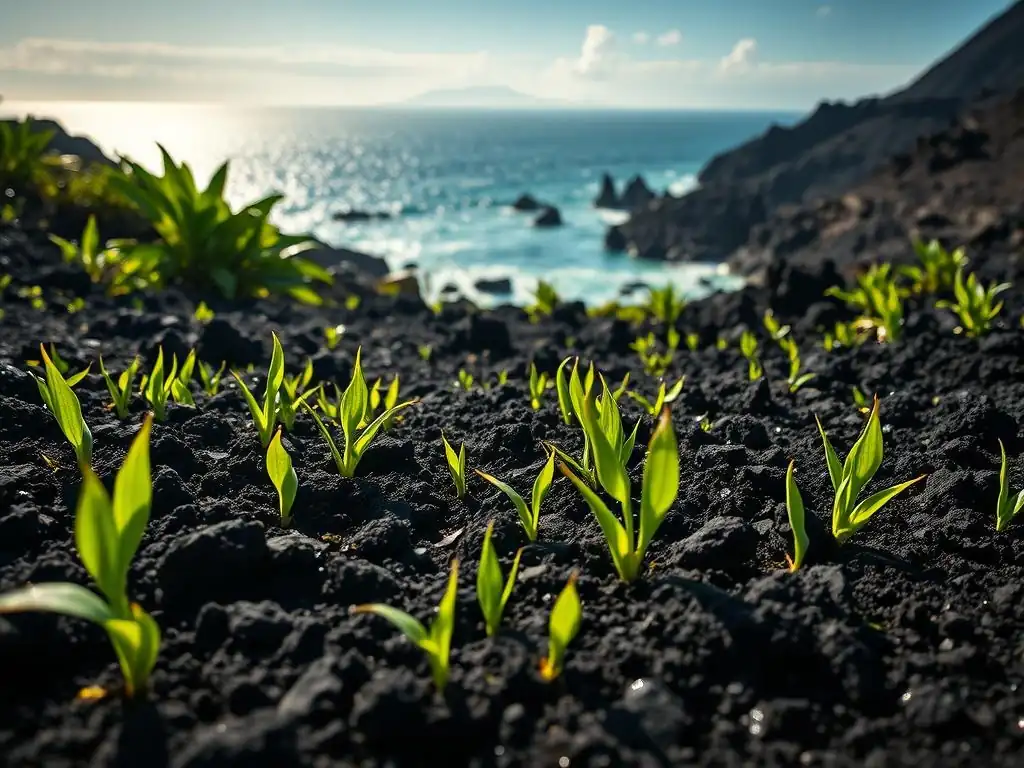
Prepare to be amazed. The Canary Islands, a volcanic paradise, hold secrets buried within their black sands. But what if we told you that this seemingly barren landscape is actually a powerhouse of fertility? Intrigued? Unearth the surprising Canary Islands volcanic soil benefits and discover how these unique geological formations contribute to a thriving ecosystem. The journey begins now...
- Introduction: The Allure of Canary Islands' Volcanic Landscapes
- Understanding the Formation of Black Sand Beaches in the Canary Islands
- The Chemical Composition of Canary Islands' Volcanic Soil
- Canary Islands Volcanic Soil Benefits: A Deep Dive
- Canary Islands Agriculture: Thriving on Volcanic Fertility
- Comparing Canary Islands Volcanic Soil to Other Soil Types
- Sustainable Practices for Managing Volcanic Soil in the Canary Islands
- The Future of Volcanic Soil Research in the Canary Islands
- Conclusion: Appreciating the Vital Role of Volcanic Soil in the Canary Islands Ecosystem
-
Frequently Asked Questions
- How does volcanic soil, like that found in the Canary Islands, contribute to plant growth?
- What are some of the specific benefits of using volcanic soil in agriculture?
- Why is the volcanic soil in the Canary Islands particularly renowned for its fertility?
- Are there any drawbacks to using volcanic soil for agriculture?
- How can I access or utilize volcanic soil from the Canary Islands for my own gardening or agricultural purposes?
- Final Reflection: Embracing the Richness of Volcanic Legacy
- Cultivate Your Curiosity: Unleash the Power of Volcanic Soil!
Introduction: The Allure of Canary Islands' Volcanic Landscapes
Exploring the Unique Ecosystems Thriving on Volcanic Soil
The Canary Islands, an archipelago of volcanic origin off the coast of Northwest Africa, are renowned for their dramatic landscapes, shaped by centuries of volcanic activity. These islands present a unique blend of black volcanic sands, towering lava formations, and surprisingly lush vegetation in certain areas.
This stark contrast is a testament to the remarkable fertility hidden within the seemingly barren volcanic soil. Visitors are often captivated by the black sand beaches, a direct visual cue to the volcanic origins of the islands, but beneath the surface lies a complex and nutrient-rich substrate that supports diverse ecosystems, from endemic flora to specialized agricultural practices.
The apparent paradox of fertile life emerging from volcanic rock is a key aspect of the Canary Islands' allure. These ecosystems, adapted to thrive in mineral-rich volcanic soils, showcase nature's resilience and ingenuity. From the unique dragon trees clinging to rocky slopes to the vineyards cultivated in volcanic ash pits, the flora and fauna of the Canary Islands have evolved in close relationship with the volcanic substrate. Understanding the properties of this volcanic soil is crucial to appreciating the biodiversity and agricultural potential of these fascinating islands and revealing the secrets behind their unique ecosystems.
Understanding the Formation of Black Sand Beaches in the Canary Islands
The Role of Volcanic Eruptions in Creating Black Sand
The striking black sand beaches of the Canary Islands are a direct and immediate consequence of volcanic eruptions. When molten lava, often basaltic in composition in the Canaries, flows into the ocean, the rapid cooling and interaction with seawater causes it to shatter explosively. This process, known as littoral explosions, fragments the lava into sand-sized particles.
Furthermore, volcanic eruptions also eject ash and tephra, which are carried by wind and water currents and eventually deposited along the coastlines, contributing to the formation of these dark-hued beaches. The continuous volcanic activity throughout the islands' geological history has been the primary architect of these distinctive coastal features.
The color of the sand, ranging from dark grey to intense black, is primarily due to the high concentration of dark-colored minerals present in basaltic rock, such as pyroxene, olivine, and magnetite. These minerals are rich in iron and magnesium, contributing to both the color and the inherent fertility of the resulting sand and soil. The black sand beaches are not merely aesthetically pleasing; they are a visible manifestation of the ongoing geological processes that enrich the land and ultimately contribute to the renowned Canary Islands volcanic soil benefits.
Basalt Rock Weathering: The Source of Mineral-Rich Canary Soil
Beyond the dramatic beach formations, the fertile volcanic soil of the Canary Islands is also a product of the slower, yet equally important process of basalt rock weathering. Basalt, the predominant volcanic rock type in the archipelago, is not inherently fertile in its solid form. However, over time, through physical, chemical, and biological weathering processes, basalt breaks down into smaller particles, releasing essential minerals. Physical weathering, driven by temperature fluctuations, wind, and wave action, fractures the rock. Chemical weathering, involving reactions with water, oxygen, and carbon dioxide, further decomposes the mineral structure.
This weathering process is accelerated in the Canary Islands due to the subtropical climate, which provides ample moisture and warmth to drive chemical reactions. The breakdown of basalt releases key plant nutrients, including calcium, magnesium, potassium, and iron, which are crucial for soil fertility.
Furthermore, volcanic ash, deposited during eruptions, is composed of fine particles that readily weather, contributing significantly to the mineral content of the soil. The combination of black sand formation and basalt weathering creates a soil profile uniquely endowed with the minerals necessary to support thriving vegetation and agriculture, showcasing the inherent Canary Islands volcanic soil benefits.
The Chemical Composition of Canary Islands' Volcanic Soil
Key Minerals Contributing to Soil Fertility: Olivine, Pyroxene, and Feldspar
The remarkable fertility of Canary Islands volcanic soil is directly linked to its unique chemical composition, derived from the parent basalt rock. Several key minerals released during weathering play crucial roles in plant nutrition. Olivine, a magnesium iron silicate, is a significant source of magnesium and iron, essential micronutrients for plant growth and chlorophyll production.
Pyroxene, another group of silicate minerals rich in calcium, magnesium, and iron, further contributes to the soil's magnesium and calcium content, vital for plant cell wall development and enzyme activation. Feldspar, a group of aluminum tectosilicate minerals, weathers to release potassium, a macronutrient crucial for plant water regulation, photosynthesis, and overall growth.
The presence of these minerals in readily available forms, thanks to the weathering processes, makes Canary Islands volcanic soil exceptionally fertile. Moreover, volcanic soils often contain trace elements like zinc, copper, and manganese, also essential for plant health, albeit in smaller quantities. The synergistic effect of these minerals creates a nutrient-rich environment that naturally fuels plant growth, reducing the need for artificial fertilizers and contributing to the sustainable agricultural potential often observed in volcanic regions like the Canary Islands.
pH Levels and Their Impact on Plant Growth in Volcanic Soil
The pH level of soil, a measure of its acidity or alkalinity, is a critical factor influencing nutrient availability and plant growth. Volcanic soils, including those in the Canary Islands, typically exhibit a slightly alkaline to neutral pH, often ranging from 6.5 to 7.5. This near-neutral pH is generally considered optimal for most plants as it ensures the maximum availability of essential nutrients. In highly acidic soils, some nutrients become less accessible to plants, while others like aluminum can become toxic. Conversely, in highly alkaline soils, other micronutrients can become unavailable.
The slightly alkaline to neutral pH of Canary Islands volcanic soil is a significant advantage. It facilitates the uptake of macronutrients like nitrogen, phosphorus, and potassium, as well as micronutrients like iron, manganese, and zinc. While some plants prefer slightly acidic or alkaline conditions, the near-neutral pH of volcanic soil supports a broad range of plant species, contributing to the biodiversity observed in the Canary Islands and the diverse agricultural crops that thrive there. The favorable pH is another key factor underpinning the Canary Islands volcanic soil benefits.
Canary Islands Volcanic Soil Benefits: A Deep Dive
Enhanced Water Retention Capabilities of Black Sand Soil
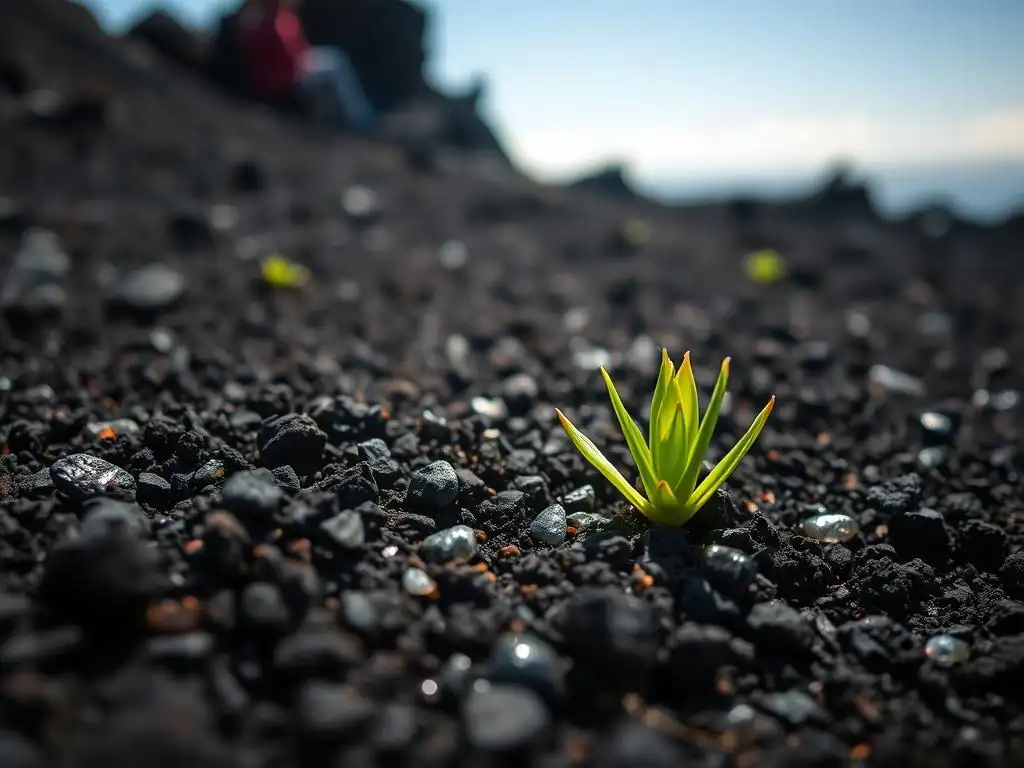
Black sand soil, while seemingly coarse due to its sandy texture, possesses surprisingly good water retention capabilities, a crucial benefit in the often arid or semi-arid climate of the Canary Islands. The porous nature of volcanic sand, derived from fragmented lava, allows it to hold water within its pore spaces.
This water retention is further enhanced by the presence of volcanic ash particles, which, being finer in texture, increase the soil's surface area and water-holding capacity. Compared to purely sandy soils, volcanic black sand exhibits a greater ability to retain moisture, making it more suitable for plant growth, especially in drier environments.
This enhanced water retention is particularly beneficial for agriculture in the Canary Islands, reducing the reliance on irrigation and making efficient use of rainfall. The soil acts like a sponge, absorbing and holding water that plants can access gradually, mitigating the effects of short dry spells and ensuring a more consistent moisture supply to plant roots. This natural water management capability is a significant Canary Islands volcanic soil benefit, contributing to the resilience of local ecosystems and agricultural practices.
Superior Drainage: Preventing Waterlogging in Volcanic Terrain
While volcanic black sand exhibits good water retention, it also provides excellent drainage, a seemingly contradictory but highly advantageous combination. The coarse, porous nature of the volcanic sand, while capable of holding water, also allows excess water to drain away freely. This superior drainage is critical in preventing waterlogging, a condition where soil becomes saturated with water, depriving plant roots of oxygen and leading to root rot and plant stress. Waterlogging is particularly detrimental in heavy rainfall events or areas with poor drainage.
The well-draining nature of volcanic soil in the Canary Islands is crucial in mitigating the risk of waterlogging, especially in areas prone to intense rainfall or fog drip. This balance between water retention and drainage is ideal for plant health, ensuring that roots have access to both water and oxygen. This dual benefit – water retention and drainage – is a key characteristic that sets volcanic soil apart from other soil types and significantly contributes to the Canary Islands volcanic soil benefits for agriculture and natural vegetation.
Rich Nutrient Content: Fueling Plant Growth Naturally
Perhaps the most significant Canary Islands volcanic soil benefit is its inherently rich nutrient content. As detailed previously, the weathering of basalt rock and volcanic ash releases a wealth of essential plant nutrients, including macronutrients like potassium, calcium, and magnesium, and micronutrients like iron, zinc, and copper. This natural abundance of nutrients reduces the need for synthetic fertilizers, which can have negative environmental impacts, such as water pollution and soil degradation. Volcanic soil acts as a natural slow-release fertilizer, continuously replenishing nutrients as minerals weather further.
This inherent fertility translates to vigorous plant growth and high agricultural productivity. Crops grown in volcanic soil often exhibit enhanced nutritional value and resilience to pests and diseases due to the balanced mineral composition. The Canary Islands' agricultural success, particularly in crops like bananas, tomatoes, and grapes, is directly attributable to the rich nutrient profile of their volcanic soils. This natural fertility is not only an environmental advantage but also an economic asset, underpinning the agricultural sector and showcasing the profound Canary Islands volcanic soil benefits.
Canary Islands Agriculture: Thriving on Volcanic Fertility
Unique Crops Adapted to Volcanic Soil Conditions
The fertile volcanic soils of the Canary Islands have fostered a unique agricultural landscape, supporting the cultivation of crops particularly well-adapted to these specific conditions. Bananas, a major export crop, thrive in the well-drained, nutrient-rich volcanic soil, benefiting from the consistent moisture and mineral supply. Tomatoes, another significant agricultural product, also flourish in the volcanic substrate, known for its ability to produce flavorful and robust fruits. Potatoes, particularly the unique "papas arrugadas" (wrinkled potatoes), are traditionally grown in volcanic soil, developing a distinctive taste and texture attributed to the soil composition.
Beyond these major crops, vineyards cultivated in volcanic ash pits, especially in Lanzarote, produce distinctive wines with mineral notes reflecting the soil's terroir. Grapes, adapted to the arid conditions and volcanic soil, yield unique varietals prized for their character. Even certain types of flowers and ornamental plants are cultivated, leveraging the volcanic soil's fertility. This specialization in crops adapted to volcanic soil conditions showcases the practical application of Canary Islands volcanic soil benefits in agriculture.
Traditional Farming Techniques Leveraging Volcanic Soil Benefits
Canarian farmers have developed traditional farming techniques that ingeniously leverage the benefits of volcanic soil. On Lanzarote, the "gerias" are a prime example. These are individual pits dug into the volcanic ash layer ("lapilli"), protecting vines from wind and maximizing moisture retention in the porous volcanic material. This technique directly utilizes the water-retention and drainage properties of the volcanic ash, enabling viticulture in an otherwise arid environment. Terracing, common in mountainous volcanic regions, is another technique to manage soil erosion and maximize arable land on slopes, while also promoting water infiltration in the volcanic soil.
Traditional irrigation methods, often utilizing collected rainwater or fog drip, complement the soil's water-holding capacity, further optimizing water use efficiency. Crop rotation and intercropping, practices passed down through generations, help maintain soil fertility and prevent nutrient depletion. These traditional methods, honed over centuries, demonstrate a deep understanding of Canary Islands volcanic soil benefits and how to sustainably utilize them for agriculture.
Case Study: Geria Vineyards of Lanzarote and its Success with Volcanic Soil
The Geria vineyards of Lanzarote stand as a compelling case study of successful agriculture directly linked to volcanic soil benefits. Lanzarote, the most volcanically active of the Canary Islands in recent history, is characterized by vast fields of black volcanic ash ("lapilli") resulting from the 18th-century eruptions. Faced with this seemingly barren landscape, farmers ingeniously adapted by creating the "gerias," individual pits dug into the lapilli to plant vines. This unique method directly utilizes the lapilli's excellent water retention, absorbing dew and minimal rainfall to sustain the vines.
The volcanic ash also provides a natural mulch, reducing evaporation and suppressing weed growth. Furthermore, the mineral-rich volcanic soil imparts a distinctive mineral character to the wines produced in Geria, contributing to their unique terroir and international recognition. The success of Geria vineyards, producing high-quality wines in an apparently inhospitable volcanic landscape, is a testament to the remarkable Canary Islands volcanic soil benefits and the ingenuity of adapting agricultural practices to these unique conditions.
Comparing Canary Islands Volcanic Soil to Other Soil Types
Volcanic Soil vs. Alluvial Soil: A Nutritional Analysis
Volcanic soil and alluvial soil, while both fertile, differ in their origin and nutritional profiles. Alluvial soils are formed from sediments deposited by rivers and floods, typically rich in organic matter and a mix of minerals eroded from various rock types upstream. Volcanic soils, in contrast, are directly derived from volcanic rock weathering, characterized by a specific mineral composition dominated by minerals like olivine, pyroxene, and feldspar. Nutritionally, volcanic soils often boast higher concentrations of certain micronutrients like iron, magnesium, and calcium compared to alluvial soils, directly reflecting the mineral makeup of basalt.
Alluvial soils may be richer in organic matter initially, particularly in floodplains, but volcanic soils can develop significant organic matter content over time, especially in humid volcanic regions. The mineral content of volcanic soil provides a more sustained and balanced release of nutrients due to the continuous weathering of volcanic minerals. While both soil types can be highly fertile, the specific nutrient profile of volcanic soil, rich in key micronutrients, is a distinct Canary Islands volcanic soil benefit, particularly for certain crops that thrive on these minerals.
Volcanic Soil vs. Clay Soil: Drainage and Aeration Comparison
Volcanic soil and clay soil represent contrasting extremes in terms of drainage and aeration. Clay soils are characterized by fine particles that pack tightly together, resulting in poor drainage and aeration. Water tends to be retained excessively, leading to waterlogging, and oxygen penetration is limited, hindering root respiration. Volcanic soils, particularly those derived from black sand and ash, exhibit excellent drainage and aeration due to their coarser particle size and porous structure. Water drains freely, and air circulation is enhanced, providing optimal conditions for root growth and preventing waterlogging.
While clay soils can be fertile due to their nutrient retention capacity, their poor drainage and aeration can be limiting factors for many plant species. Volcanic soils, despite potentially lower nutrient retention compared to clay in some cases, offer a superior physical environment for root development and nutrient uptake due to their excellent drainage and aeration. This superior physical structure is a crucial Canary Islands volcanic soil benefit, especially in regions with high rainfall or requiring well-drained conditions for specific crops.
Volcanic Soil vs. Sandy Soil: Water Retention Capabilities
Sandy soils, composed of large, coarse particles, are known for their excellent drainage but poor water retention. Water drains through sandy soils rapidly, often leaching nutrients away and making it challenging for plants to access water, especially in arid or semi-arid climates. Volcanic black sand soil, while classified as sandy in texture, exhibits significantly better water retention capabilities than typical sandy soils. The porous nature of volcanic sand and the presence of finer volcanic ash particles enhance its ability to hold water within pore spaces, improving water availability for plants.
Compared to purely sandy soils, volcanic soil provides a more balanced water regime, offering both good drainage and sufficient water retention. This improved water retention, while not as high as clay soils, is a critical Canary Islands volcanic soil benefit, especially in the drier regions of the archipelago. It allows for more efficient water use and reduces the stress on plants during dry periods, making volcanic soil a more favorable medium for plant growth compared to typical sandy soils in similar climatic conditions.
Sustainable Practices for Managing Volcanic Soil in the Canary Islands
Erosion Control Techniques for Black Sand Beaches
Black sand beaches, while visually striking and ecologically important, are vulnerable to erosion, particularly from wave action and human activities. Sustainable management practices are crucial to protect these unique coastal features and the volcanic soil that forms them. Beach nourishment, involving the addition of sand to eroded areas, can help restore beach volume and buffer against wave erosion. Vegetation planting along the coastline, using native dune-stabilizing plants, can further reinforce the sand and reduce wind and water erosion. Controlling coastal development and regulating beach usage are also essential to minimize human-induced erosion.
Implementing sustainable tourism practices, such as designated pathways and boardwalks, can reduce trampling and vegetation damage, preserving the natural protective barriers. Regular monitoring of beach erosion rates and implementing adaptive management strategies are crucial for long-term beach preservation. Protecting black sand beaches is not only about preserving scenic beauty but also about safeguarding the volcanic soil that forms the foundation of these coastal ecosystems and contributes to the overall Canary Islands volcanic soil benefits.
Preserving the Fertility of Volcanic Soil for Future Generations
Maintaining the fertility of volcanic soil for future generations requires adopting sustainable agricultural practices. Avoiding intensive monoculture, which can deplete specific nutrients, and promoting crop rotation and diversification are essential for maintaining soil health. Organic farming methods, minimizing or eliminating the use of synthetic fertilizers and pesticides, help preserve soil microbial biodiversity and prevent soil degradation. Composting and incorporating organic matter into the soil enhance its structure, water retention, and nutrient content, mimicking natural soil-building processes.
Soil conservation techniques, such as terracing on slopes and contour plowing, minimize soil erosion from wind and water. Responsible water management, avoiding over-irrigation and waterlogging, prevents nutrient leaching and soil salinization. Regular soil testing to monitor nutrient levels and pH allows for targeted and efficient nutrient management. By implementing these sustainable practices, the long-term fertility of Canary Islands volcanic soil can be ensured, preserving its valuable agricultural and ecological benefits for generations to come.
The Importance of Organic Farming in Volcanic Landscapes
Organic farming practices are particularly well-suited and beneficial in volcanic landscapes like the Canary Islands, enhancing and preserving the inherent Canary Islands volcanic soil benefits. The natural fertility of volcanic soil reduces the reliance on synthetic fertilizers, aligning perfectly with organic principles. Organic farming emphasizes building soil health through natural methods, such as composting, cover cropping, and crop rotation, further enriching the volcanic soil's organic matter content and microbial activity. Avoiding synthetic pesticides protects soil biodiversity and beneficial microorganisms, contributing to a healthy soil ecosystem.
Organic farming practices also promote water conservation and efficient water use, crucial in volcanic regions that may experience water scarcity. The emphasis on local and adapted crop varieties in organic farming aligns with the unique agricultural landscape of the Canary Islands, fostering biodiversity and resilience. Furthermore, organic produce often commands premium prices, potentially enhancing the economic viability of agriculture in volcanic areas. Promoting organic farming in the Canary Islands not only safeguards the volcanic soil but also contributes to environmental sustainability, biodiversity conservation, and economic development.
The Future of Volcanic Soil Research in the Canary Islands
Ongoing Studies on Soil Microbial Activity
Current research is increasingly focusing on the crucial role of soil microbial communities in volcanic soil fertility. Microorganisms, including bacteria, fungi, and archaea, play vital roles in nutrient cycling, organic matter decomposition, and plant disease suppression. Ongoing studies in the Canary Islands are investigating the diversity and function of microbial communities in volcanic soils, aiming to understand how these microorganisms contribute to soil fertility and plant health in these unique ecosystems. Researchers are exploring the specific adaptations of microbes to volcanic soil conditions, such as tolerance to high mineral concentrations and unique nutrient cycling pathways.
Understanding the complex interactions within the soil microbiome can lead to developing innovative strategies for enhancing soil fertility and promoting sustainable agriculture in volcanic regions. Manipulating microbial communities through bio-inoculants or specific farming practices could potentially unlock further Canary Islands volcanic soil benefits and optimize crop production. Research into soil microbial activity is crucial for a deeper understanding of the intricate processes that underpin volcanic soil fertility.
Potential for Developing New Volcanic Soil-Based Fertilizers
The rich mineral composition of volcanic soil presents an exciting potential for developing new types of natural, volcanic soil-based fertilizers. Volcanic rock dust, finely ground volcanic rock, is already recognized as a valuable soil amendment, providing a slow-release source of essential minerals. Research is exploring the optimal processing methods and application rates for volcanic rock dust fertilizers to maximize their effectiveness and minimize environmental impacts. Developing fertilizers specifically tailored to the nutrient profile of Canary Islands volcanic soil could further enhance agricultural productivity in the region and beyond.
Furthermore, combining volcanic rock dust with organic materials, such as compost or biochar, could create enhanced soil amendments with both mineral and organic components, mimicking the complex composition of natural volcanic soil. Volcanic soil-based fertilizers offer a sustainable alternative to synthetic fertilizers, reducing reliance on chemical inputs and promoting environmentally friendly agricultural practices. Exploring this potential is crucial for leveraging the inherent Canary Islands volcanic soil benefits for sustainable agriculture.
Exploring the Link Between Volcanic Soil and Unique Plant Species
The unique chemical and physical properties of volcanic soil are hypothesized to play a role in the evolution and adaptation of unique plant species found in volcanic regions, including the Canary Islands. Research is investigating the specific plant adaptations to volcanic soil conditions, such as tolerance to high mineral concentrations, efficient nutrient uptake mechanisms, and adaptation to specific pH levels.
Studies are exploring the genetic basis of these adaptations and the evolutionary history of plant species endemic to volcanic environments. Understanding this link between volcanic soil and unique plant species is crucial for biodiversity conservation and for identifying potentially valuable plant resources adapted to challenging soil conditions.
Furthermore, exploring the phytochemistry of plants grown in volcanic soil could reveal unique compounds and medicinal properties influenced by the soil's mineral composition. This research could lead to the discovery of novel plant-based products and a deeper appreciation for the intricate relationship between volcanic soil, plant biodiversity, and ecological uniqueness of regions like the Canary Islands, further highlighting the broader Canary Islands volcanic soil benefits beyond agriculture.
Conclusion: Appreciating the Vital Role of Volcanic Soil in the Canary Islands Ecosystem
The volcanic soil of the Canary Islands is far more than just black sand; it is the foundation of a unique and fertile ecosystem. Its formation from volcanic eruptions and basalt weathering, rich chemical composition dominated by minerals like olivine, pyroxene, and feldspar, and balanced physical properties of water retention and drainage, all contribute to its remarkable fertility. These Canary Islands volcanic soil benefits are not only crucial for the thriving natural vegetation but also underpin a distinctive agricultural landscape, supporting unique crops and traditional farming techniques, exemplified by the Geria vineyards of Lanzarote.
Compared to other soil types, volcanic soil offers a unique combination of nutritional richness and favorable physical properties. Sustainable management practices, including erosion control, organic farming, and ongoing research into soil microbial activity and volcanic soil-based fertilizers, are essential to preserve this valuable resource for future generations. Appreciating the vital role of volcanic soil in the Canary Islands ecosystem is crucial for understanding the islands' biodiversity, agricultural potential, and the intricate interplay between geology, biology, and human adaptation in volcanic landscapes.
Frequently Asked Questions
How does volcanic soil, like that found in the Canary Islands, contribute to plant growth?
Volcanic soil is rich in essential minerals and nutrients released from weathered volcanic rock. These nutrients, such as phosphorus and potassium, significantly boost plant fertility and growth. Its porous nature also promotes excellent drainage and aeration.
What are some of the specific benefits of using volcanic soil in agriculture?
Volcanic soil improves water retention, reducing the need for frequent irrigation. It also offers natural pest resistance due to its mineral composition. Finally, it can enhance the flavor and nutritional content of crops grown in it.
Why is the volcanic soil in the Canary Islands particularly renowned for its fertility?
The Canary Islands' volcanic soil is renowned because it is relatively young and unweathered, meaning it retains a high concentration of beneficial minerals. The specific geological composition of the islands' volcanoes also contributes to its unique properties.
Are there any drawbacks to using volcanic soil for agriculture?
While generally beneficial, volcanic soil can sometimes be slightly acidic, requiring amendment for certain crops. Its dark color can also lead to overheating in some climates. Careful management and analysis are essential.
How can I access or utilize volcanic soil from the Canary Islands for my own gardening or agricultural purposes?
Obtaining volcanic soil directly from the Canary Islands for large-scale use is generally not practical due to transportation costs and regulations. However, commercially available volcanic rock dust or amendments sourced from similar regions can provide comparable benefits. Look for products specifically labeled as being suitable for soil improvement.
Final Reflection: Embracing the Richness of Volcanic Legacy
The exploration of the Canary Islands' volcanic soil, and its remarkable fertility, is more than just an academic exercise; it's a testament to the enduring power of nature's processes. Understanding the Canary Islands volcanic soil benefits is crucial not only for sustainable agriculture in the region but also for gaining insights into soil health and resilience worldwide. The lessons learned from these unique ecosystems can inform practices that promote biodiversity and food security in the face of increasing environmental challenges.
The deep connection between the volcanic landscape and the vibrant life it supports has profoundly shaped the cultural identity of the Canary Islands. This intimate relationship reminds us of the vital role soil plays in sustaining life and shaping communities. To forget how to dig the earth and to tend the soil is to forget ourselves.
- Mahatma Gandhi. This quote encapsulates the essence of our exploration, highlighting the importance of reconnecting with the land and appreciating the intricate web of life it supports.
Now, as you reflect on the secrets unveiled within the black sands of the Canary Islands, consider how you can apply these lessons in your own life. How can you foster a deeper appreciation for the soil beneath your feet? How can you contribute to practices that promote soil health and sustainability in your community? Let the resilience and fertility of the Canary Islands' volcanic soil inspire you to cultivate a more sustainable and interconnected future, one seed, one plant, one mindful action at a time.
Okay, I'm ready. Here's a sample Call to Action (CTA) based on your specifications, tailored for an article titled "Canary Islands' Black Sands: Unveiling the Secrets of Volcanic Soil Fertility" for Volcano Explorers (volcanoexplorers.org):
Cultivate Your Curiosity: Unleash the Power of Volcanic Soil!
Thank you for joining us on this exploration of the Canary Islands' black sands and the incredible fertility they hold. We hope you've discovered the magic hidden within volcanic soil and are inspired by its unique properties. Now, it's time to put that knowledge into action!
Here are a few ways you can continue your volcanic soil adventure:
- Embark on a Journey: Plan a visit to the Canary Islands and witness the beauty of volcanic landscapes firsthand. Take a guided tour focused on the unique flora and fauna thriving in the black sands. This is your chance to experience the power of volcanic soil in person!
- Become a Backyard Alchemist: Research how to amend your own garden soil with volcanic rock dust or locally sourced volcanic ash. Experiment with growing nutrient-demanding plants and observe the difference!
- Share your newfound knowledge! Create a social media post on your favorite platform about the incredible benefits of volcanic soil and tag us @VolcanoExplorersOrg. Let's spread the word!
Ready to get your hands dirty and experience the magic of volcanic soil yourself?