Exploring Volcanic Caves and Lava Tubes Around the World
Welcome to the hidden underworld of our planet—where molten rock once carved majestic tunnels beneath your feet. On this page, Volcano Explorers takes you deep into volcanic caves and lava tubes, natural conduits formed by flowing lava that have cooled into surreal, echoing chambers. These subterranean landscapes are among the most remarkable geological features on Earth, offering a mix of adventure, science, and breathtaking beauty. Whether you are a speleologist, a traveler, or simply curious about Earth’s fiery architecture, this guide will illuminate the world’s most iconic volcanic caves, their formation, ecosystems, and how you can explore them safely.
🌋 How Lava Tubes and Volcanic Caves Form
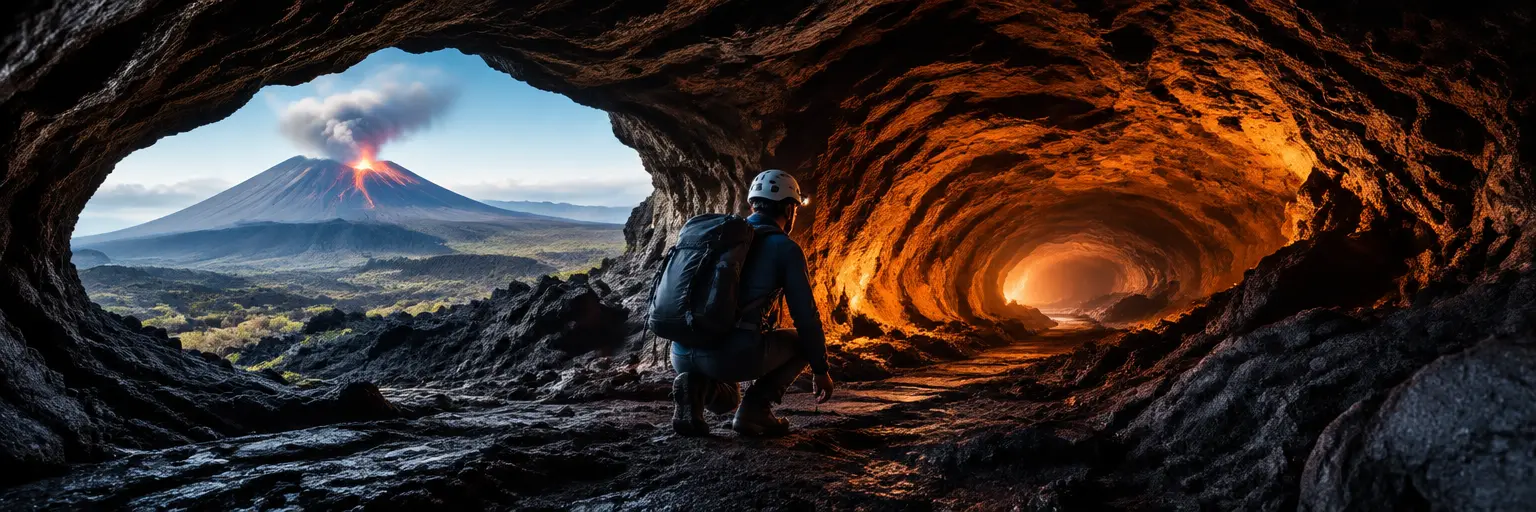
Lava tubes are created when surface lava cools and crusts over, while molten lava continues to flow beneath, eventually draining out to leave a hollow tunnel. This process happens primarily in basaltic eruptions, which produce highly fluid lava. As the eruption wanes, the supply decreases, and the tube empties, leaving behind a cave with smooth, glazed walls, often marked by flow lines and stalactites made of lava drips. Understanding this formation is key to appreciating why these caves exist only in volcanic regions—and why they can be incredibly long, some exceeding 60 kilometers.
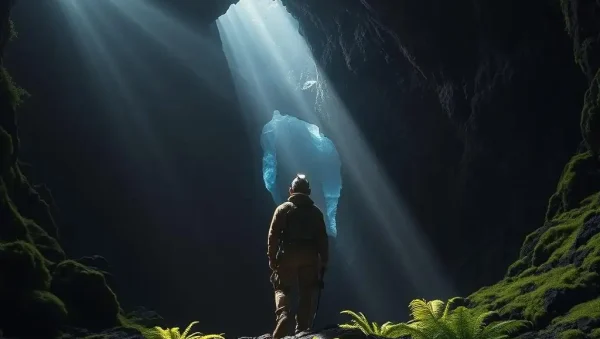
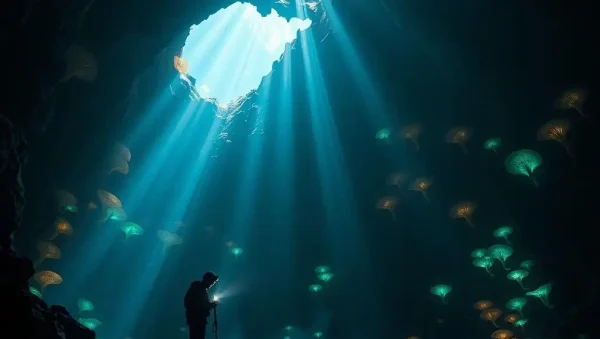
Volcanic caves aren’t just lava tubes; they also include vertical shafts called pit craters, tension cracks, and inflated lava shelves. But lava tubes are the most famous due to their accessibility and size. Their ceilings often collapse in places, creating skylights called “pukas” in Hawaiian terms, which allow vegetation and light to enter, creating unique microhabitats. Learning the mechanics of their creation helps explorers predict cave structure, stability, and where to find the most dramatic features like lava falls and rippled floors.
🗺️ Iconic Lava Tubes You Can Visit—From Hawaii to Iceland
Some of the world’s most accessible and awe-inspiring lava tubes are open to the public. In Hawaii, Thurston Lava Tube (Nāhuku) in Volcanoes National Park is a short, illuminated walk through a lush rainforest, perfect for beginners. Farther afield, Kazumura Cave on the Big Island is one of the longest lava tubes on Earth, stretching over 40 miles—a challenging but unforgettable trek for seasoned explorers. In Iceland, the Raufarhólshellir offers a surreal journey through a brightly lit tube with ice formations in winter, while Vatnshellir on the Snæfellsnes Peninsula takes you 35 meters down into a prehistoric world.
Europe also boasts remarkable sites: the Cueva del Viento in Spain’s Canary Islands is one of the largest volcanic caves in the world, with over 18 kilometers of galleries, some requiring caving gear. In Australia, Undara Lava Tubes offer a unique outback adventure, where ancient lava flows have created vast, cathedral-like chambers that now shelter rare wildlife. Each destination provides a different experience—from family-friendly walks to technical climbs—so planning according to your skill level is essential. Always check access, permits, and seasonal conditions before you go.
🦇 Life in the Dark: Unique Ecosystems Inside Volcanic Caves
Despite the lack of sunlight, volcanic caves are teeming with life, adapted to extreme conditions of constant humidity, darkness, and limited nutrients. Troglobites—organisms that live exclusively in caves—include blind cave crickets, tiny spiders, and specialized bacteria that feed on minerals. In Hawaii, the cave-adapted millipede and the no-eyed big-eyed wolf spider have evolved extraordinary traits. These ecosystems are fragile; even a single footstep can damage microbial mats that have taken centuries to grow. Responsible exploration is non-negotiable to preserve these unique habitats.
Visitors often overlook the invisible life—biofilms of bacteria and fungi that create colorful speleothems (cave formations) like lava stalactites and soda straws. These organisms can also help scientists understand how life might survive on other planets, making volcanic caves prime astrobiology research sites. When you visit, stick to designated paths, avoid touching formations, and never remove anything. Many parks now require disinfection of boots to prevent the spread of white-nose syndrome and other pathogens that could devastate cave fauna.
📸 Photography and Safety Tips for Cave Exploration
Photographing volcanic caves is a rewarding challenge, as low light and high contrast demand special techniques. Use a wide-angle lens to capture the vast tunnel dimensions, and bring a tripod for long exposures of the smooth, swirling rock textures. Artificial lighting is essential—headlamps with adjustable angles work best, but bring extra batteries, as cold and damp conditions drain them quickly. For dramatic shots, use a secondary light to illuminate textures from the side, creating depth. Always shoot in RAW to preserve detail in shadows and highlights. Respect the darkness: never shine lights directly at other explorers, and turn off flash when people are adjusting to low light.
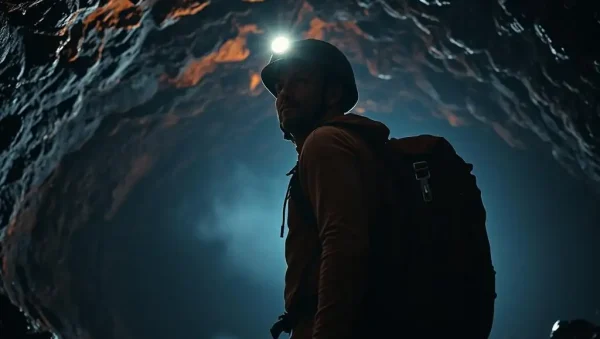
Safety must always come first. Never enter a lava tube without a helmet, as ceilings can have unstable rocks. Wear sturdy boots with ankle support, gloves, and knee pads if crawling. Check the weather—flash floods can quickly fill low tubes, and sudden temperature drops can cause hypothermia. Always inform someone of your plans, carry at least two independent light sources, and bring water and a small first-aid kit. In active volcanic areas, be aware of gas emissions like carbon dioxide that can pool in low spots; if you feel dizzy, leave immediately. Guided tours are highly recommended for first-timers.
🌍 Cultural Significance & Modern Myths of Lava Tubes
For many indigenous cultures, lava tubes are sacred spaces. In Hawaii, Nāhuku was considered a dwelling place of the volcano goddess Pele, and entering it was historically reserved for priests. Similarly, in the Canary Islands, the Guanches used caves as burial sites, leaving behind mummies and artifacts that offer a glimpse into precolonial life. These caves also appear in creation myths—as gateways to the underworld or as paths for ancestral spirits. Respect for these cultural meanings is vital, even when visiting as a tourist, so always follow local customs and signage about sacred areas.
Modern myths often exaggerate the dangers of lava tubes—some imagine them as bottomless pits or filled with monsters. In reality, most are safe when properly explored, but they do harbor real risks like falling rocks, slippery floors, and getting lost in unmarked sections. Science has replaced superstition with mapping and geotechnical assessments, allowing us to enjoy these wonders with knowledge. However, the sense of mystery remains—every bend may reveal a hidden skylight or a hall that echoes with the memory of fire. By approaching with reverence, you honor both the geology and the stories these caves hold.
❓ Frequently Asked Questions
Are all volcanic caves open to the public?
No, many volcanic caves are closed for safety or conservation reasons. Some require permits or guided tours, while others are entirely off-limits to protect fragile ecosystems or unstable structures. Always check with the local park authority or visitor center for current access rules and seasonal closures before planning a visit.
What is the difference between a lava tube and a regular cave?
Lava tubes are formed by flowing lava that cools and drains, leaving a hollow channel, whereas regular caves (like limestone caves) are typically carved by water dissolving rock over millennia. Lava tubes have smooth, glassy walls and often have no connection to surface water sources, while limestone caves usually feature stalactites and stalagmites formed by dripping mineral-rich water.
Do I need special gear to explore a lava tube?
For commercial tours, minimal gear is needed—just comfortable clothes and closed-toe shoes. For independent or advanced explorations, you'll need a helmet, headlamp with spare batteries, gloves, knee pads, water, and a backup light. Some longer or rougher tubes also require ropes and climbing gear if they involve vertical drops.
Can lava tubes be found on other planets?
Yes, NASA and other space agencies have identified lava tubes on the Moon and Mars using satellite imagery. These structures are considered prime candidates for future human habitats because they offer natural shielding from radiation and temperature extremes. Studying Earth’s lava tubes helps scientists prepare for extraterrestrial exploration.
Are there any dangers from volcanic gases in lava tubes?
Yes, especially in recently active volcanic areas, caves can accumulate carbon dioxide and sulfur gases, which are heavier than air and may collect in low spots. Symptoms of exposure include headache, dizziness, and shortness of breath. Always check for gas monitoring systems or ask local rangers about current gas levels before entering.