
The Cultural Connection to Volcanic Earth: Traditions and Beliefs Around Fertile Firelands

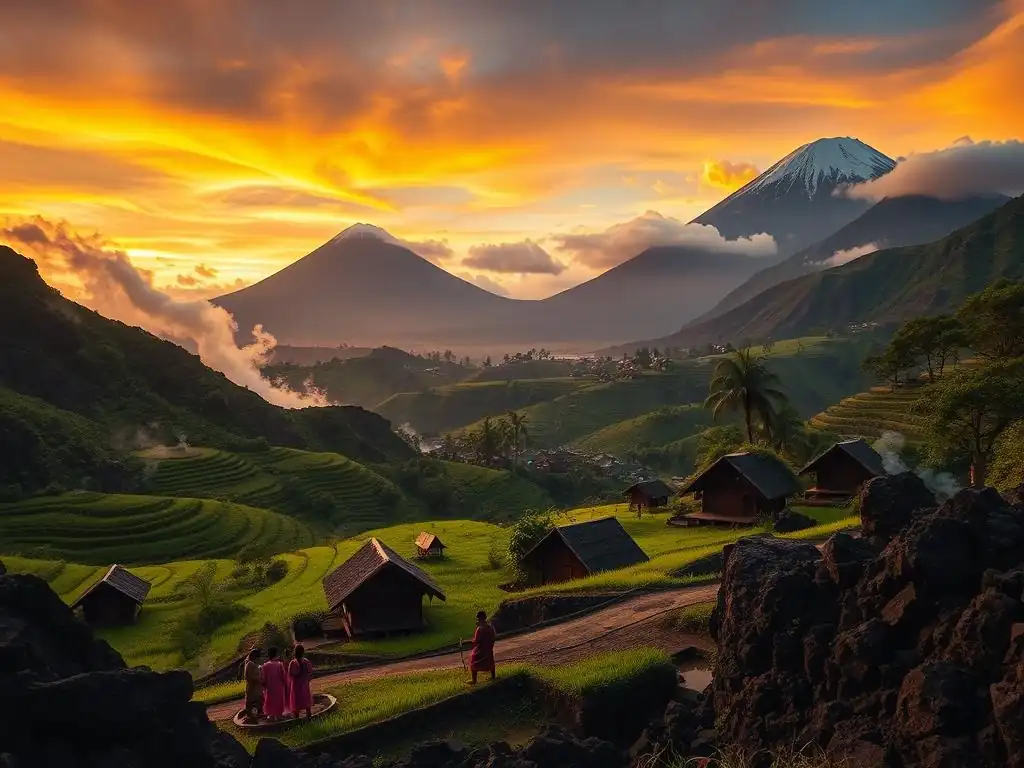
Welcome to Volcano Explorers!
Prepare to be captivated by the raw power and profound beauty of volcanoes. But beyond the science and spectacle, lies a deeper connection – one woven into the fabric of human culture for millennia. Are you ready to discover the fascinating ways societies around the globe have interpreted the fiery heart of our planet? Delve into "Volcanic Traditions and Beliefs" and uncover the secrets held within these fertile firelands. What beliefs have shaped our understanding of these powerful forces? Let the exploration begin...
- Introduction: Exploring the Intersection of Volcanoes and Culture
- Volcanic Soils and their Significance in Ancient Beliefs
- Global Perspectives on Volcanic Traditions and Beliefs
- Rituals and Ceremonies in Volcanic Regions
- Volcanic Activity and its Impact on Cultural Narratives
-
The Interwoven Relationship: Volcanic Landscapes and Local Identities
- Volcanic Materials in Traditional Arts and Crafts: Obsidian tools in Mesoamerica, volcanic rock carvings in Easter Island
- Architecture and Construction Utilizing Volcanic Resources: Roman use of pozzolanic ash in concrete, traditional Balinese architecture using volcanic stone
- Cuisine Shaped by Volcanic Soils: Coffee cultivation in volcanic regions of Colombia and Ethiopia, Taro cultivation in Hawaii
- Modern Interpretations of Volcanic Cultural Significance
- Conclusion: The Enduring Legacy of Volcanic Traditions
-
Frequently Asked Questions
- What are some common themes in volcanic traditions and beliefs around the world?
- How do volcanic traditions and beliefs influence the lives of people living near volcanoes?
- What role does storytelling play in preserving volcanic traditions and beliefs?
- Can volcanic traditions and beliefs contribute to modern volcano monitoring and risk mitigation strategies?
- How do different cultures view the impact of volcanic eruptions on the environment and society?
- Final Reflection: Embracing the Volcanic Legacy
- Unearth Your Own Connection: Embark on a Volcanic Journey!
Introduction: Exploring the Intersection of Volcanoes and Culture
Volcanoes: More Than Just Geological Wonders
Volcanoes, in their raw and awe-inspiring power, are often perceived primarily through a scientific lens. We study their geological formations, analyze their eruptions, and monitor their activity with sophisticated instruments. However, to limit our understanding of volcanoes to mere geological phenomena is to overlook a profound dimension: their deep integration into human culture.
Across millennia, volcanic landscapes have not just been backdrops to human civilization but active participants in shaping our traditions, beliefs, and societal structures. From the fertile soils they create to the dramatic events they unleash, volcanoes have profoundly influenced human societies living in their vicinity, weaving themselves into the very fabric of cultural identity.
Beyond the scientific data and geological surveys, volcanoes resonate deeply within the human psyche. Their eruptions, capable of both creation and destruction, evoke a sense of primal power that has captivated and terrified humanity since the dawn of time. This duality—the life-giving soil and the life-threatening eruption—has fostered a complex relationship between people and volcanoes, one that extends far beyond the practicalities of survival and into the realms of mythology, spirituality, and art. Understanding volcanic traditions and beliefs is crucial to grasping the full spectrum of human experience in volcanic regions, revealing how nature and culture are inextricably intertwined.
The Enduring Link Between People and Volcanic Landscapes
The connection between humanity and volcanic landscapes is not a recent development; it is an ancient and enduring relationship forged over centuries of co-existence. For communities living near volcanoes, these geological giants are not distant, impersonal forces but rather immediate and influential neighbors. Volcanoes dictate agricultural practices through their rich soils, influence settlement patterns due to eruption risks, and shape spiritual worldviews through their dramatic displays of power. This intimate interaction has resulted in a wealth of volcanic traditions and beliefs that reflect a deep understanding and respect for these dynamic environments.
This enduring link is evident in the diverse ways cultures around the world have adapted to and interpreted volcanic activity. From the construction of homes with volcanic stone to the development of unique agricultural techniques utilizing volcanic ash, human societies have learned to live with, and even thrive because of, volcanoes.
Furthermore, the unpredictable nature of volcanic eruptions has instilled a sense of resilience and adaptability in these communities, fostering social structures and cultural practices designed to mitigate risks and celebrate the benefits of living in fertile, albeit potentially volatile, firelands. The study of these traditions offers valuable insights into human adaptability and the profound impact of the natural environment on cultural development.
Volcanic Soils and their Significance in Ancient Beliefs
The Fertility Paradox: Volcanic Ash and Bountiful Harvests
One of the most significant ways volcanoes have influenced human culture is through the paradoxical nature of volcanic soil fertility. While volcanic eruptions can be devastating, the ash and weathered volcanic rock they deposit break down over time, releasing essential nutrients that enrich the soil. This creates incredibly fertile land, capable of supporting abundant agriculture. This "fertility paradox" – destruction leading to creation – has been recognized and revered by cultures for millennia, deeply influencing their volcanic traditions and beliefs.
Ancient civilizations, often lacking the scientific understanding of soil chemistry we possess today, observed this phenomenon firsthand. They witnessed the immediate devastation of eruptions but also the subsequent flourishing of vegetation in the aftermath.
This cycle of destruction and rebirth was often interpreted through a spiritual lens, with volcanic eruptions seen as acts of powerful deities that, while sometimes destructive, ultimately provided for the community. Archaeological evidence from volcanic regions around the world, such as the Mediterranean, Mesoamerica, and Southeast Asia, reveals long-term agricultural settlements that thrived on volcanic soils, directly linking human prosperity to these geological processes and shaping associated volcanic traditions and beliefs.
Deities of Fire and Earth: Volcanoes as Sacred Sites
Given their powerful and dualistic nature, it is unsurprising that volcanoes have been widely regarded as sacred sites across various cultures. Many ancient societies believed volcanoes to be dwelling places of gods and spirits, powerful entities capable of influencing human destiny. These deities were often associated with both fire and earth, reflecting the volcanic processes of molten rock emerging from the earth's depths. This reverence for volcanoes as sacred spaces is a cornerstone of many volcanic traditions and beliefs.
Volcanic craters and slopes became sites of worship, pilgrimage, and ritual offerings. Temples and shrines were often constructed on or near volcanoes, further solidifying their sacred status. Examples range from the ancient Romans who viewed Mount Etna as the forge of Vulcan, the god of fire, to indigenous cultures in the Andes who worshipped volcanic peaks as "apus," powerful mountain spirits.
These beliefs often intertwined with creation myths, with volcanoes sometimes depicted as the origin points of the world or the dwelling places of ancestral spirits. The pervasive presence of volcanic deities and sacred sites underscores the profound spiritual significance attributed to volcanoes in various cultures and their central role in shaping volcanic traditions and beliefs.
Global Perspectives on Volcanic Traditions and Beliefs
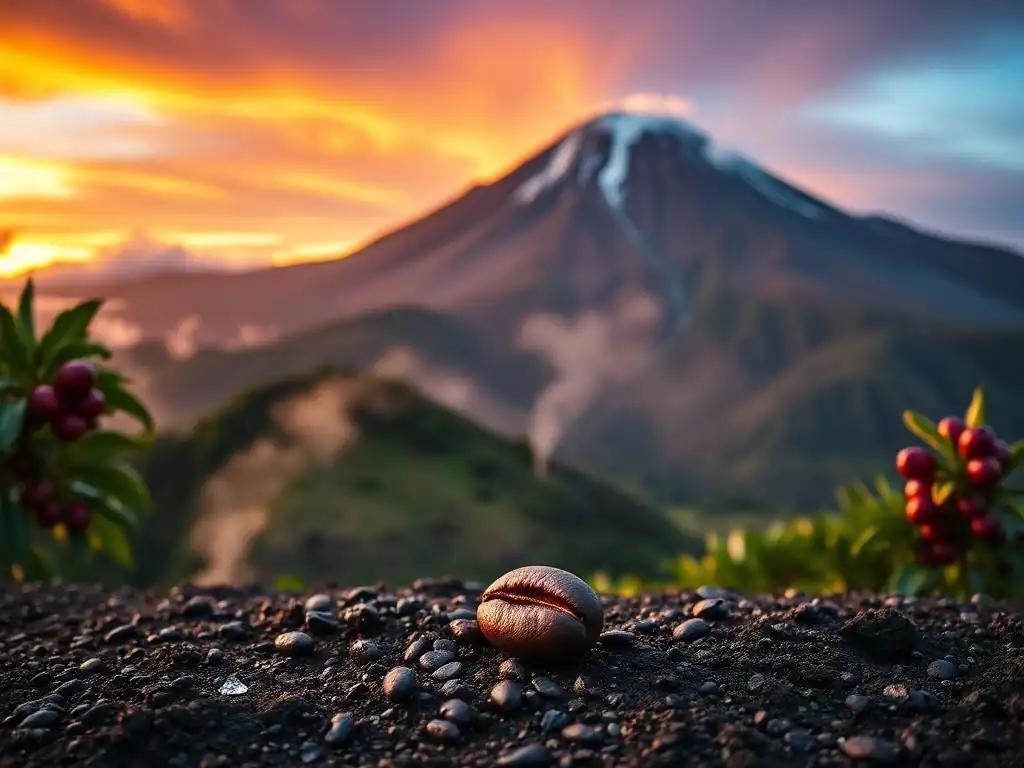
Hawaiian Volcano Goddess Pele: Creation and Destruction
Perhaps one of the most iconic examples of volcanic traditions and beliefs is found in Hawaiian mythology with the goddess Pele. Pele, the fiery deity of volcanoes, fire, lightning, and wind, is deeply revered and feared in Hawaiian culture. She is believed to reside in the Kīlauea volcano on the Big Island and is responsible for volcanic eruptions and lava flows. Pele embodies the dual nature of volcanoes: she is capable of immense destruction, reshaping landscapes and displacing communities, but also of creation, as lava flows eventually solidify and create new land.
Hawaiian volcanic traditions and beliefs surrounding Pele are rich and complex. Offerings are traditionally made to appease her and seek her favor, often consisting of ohelo berries, gin, and flowers. Legends and stories about Pele are passed down through generations, detailing her fiery temper, her travels across the islands, and her interactions with other gods and humans.
The deep respect and reverence for Pele highlight the central role of volcanoes in Hawaiian cosmology and the enduring power of these natural forces in shaping cultural identity and spiritual practices. The ongoing volcanic activity in Hawaii ensures that Pele remains a vibrant and relevant figure in contemporary Hawaiian culture.
Indonesian Volcano Worship: Offerings to Mount Merapi
Indonesia, situated within the Pacific Ring of Fire, is home to numerous active volcanoes, and volcanic traditions and beliefs are deeply ingrained in its diverse cultures. Mount Merapi in Java, one of Indonesia's most active and revered volcanoes, serves as a powerful example. Local communities living around Merapi maintain intricate rituals and ceremonies aimed at appeasing the volcano's spirits and ensuring their safety and prosperity. These practices reflect a long-standing understanding of the volcano's power and unpredictability.
Offerings, known as labuhan, are regularly made to Mount Merapi, typically consisting of food, flowers, and cloth. These ceremonies are often led by traditional leaders or shamans and are timed to coincide with significant dates in the Javanese calendar or in response to signs of increased volcanic activity. The belief system surrounding Merapi is complex, involving ancestral spirits and guardian entities believed to inhabit the volcano. These volcanic traditions and beliefs are not merely relics of the past but are actively practiced and adapted in modern Indonesian society, demonstrating the enduring influence of volcanoes on cultural and spiritual life.
Japanese Volcanic Mythology: Kami and Mount Fuji
In Japan, volcanoes are also deeply intertwined with mythology and spirituality, shaping unique volcanic traditions and beliefs. Mount Fuji, Japan's iconic and highest peak, is an active stratovolcano and holds immense cultural and spiritual significance. Considered one of Japan's "Three Holy Mountains," Fuji is revered as a sacred site and a dwelling place of kami, the Shinto spirits or gods. While not as directly associated with wrathful deities like Pele, Mount Fuji embodies a serene yet powerful presence within Japanese spirituality.
Ascending Mount Fuji has long been a spiritual practice in Shinto and Buddhism, with pilgrims traditionally climbing to the summit to connect with the kami and witness the sunrise. Shinto shrines are located at the base and summit of Fuji, further solidifying its sacred status.
The symmetrical beauty of Mount Fuji has also inspired countless works of art, poetry, and literature throughout Japanese history, reflecting the deep aesthetic and spiritual appreciation for this volcanic mountain. Japanese volcanic traditions and beliefs related to Fuji showcase a different facet of human-volcano interaction, emphasizing reverence, pilgrimage, and artistic inspiration rather than solely focusing on appeasement or fear.
Rituals and Ceremonies in Volcanic Regions
Appeasing the Volcano: Traditional Practices for Safety and Prosperity
Given the inherent risks associated with living near active volcanoes, many cultures have developed elaborate rituals and ceremonies aimed at appeasing volcanic deities or spirits. These practices are central to volcanic traditions and beliefs, reflecting a desire to maintain harmony with the powerful forces of nature and ensure community safety and prosperity. These rituals are not simply acts of superstition but rather represent a sophisticated system of cultural adaptation to a challenging environment.
These appeasement rituals vary widely across cultures but often share common elements. Offerings of food, animals, valuable objects, or even symbolic representations of human sacrifice have been historically documented. Prayers, chants, and dances are performed to communicate with the volcanic deities and seek their protection.
The timing of these rituals can be crucial, often coinciding with periods of heightened volcanic activity or important agricultural cycles. For instance, communities near Mount Etna in Sicily have historically held processions and religious festivals dedicated to Saint Agatha, the patron saint of Catania, seeking her intercession to protect them from eruptions. These volcanic traditions and beliefs highlight the proactive role of communities in managing perceived volcanic risk through cultural practices.
Volcanic Festivals: Celebrating the Power of Nature
Beyond appeasement, many volcanic regions also host festivals that celebrate the power and beauty of volcanoes. These events are not solely about fear mitigation but also about acknowledging and honoring the life-giving aspects of volcanic landscapes and reinforcing community bonds. These volcanic festivals are vibrant expressions of volcanic traditions and beliefs, showcasing cultural resilience and adaptation.
These festivals often incorporate traditional music, dance, costumes, and storytelling, all centered around the theme of volcanoes. They may feature reenactments of volcanic eruptions, symbolic offerings to volcanic deities, or processions that showcase the unique cultural identity of the region. For example, the Timkat festival in Ethiopia, while primarily a Christian celebration, incorporates elements of ancient volcano worship and acknowledges the importance of the Ethiopian highlands, many of which are volcanic.
In other regions, harvest festivals might be linked to the fertile volcanic soils, indirectly celebrating the volcano's contribution to agricultural abundance. These volcanic traditions and beliefs expressed through festivals demonstrate a multifaceted relationship with volcanoes, encompassing both respect and celebration.
The Role of Shamans and Healers in Volcanic Communities
In many traditional volcanic communities, shamans, healers, or spiritual leaders play a crucial role in interpreting volcanic phenomena and mediating between the human and spiritual realms. These individuals are custodians of volcanic traditions and beliefs, possessing specialized knowledge of rituals, prophecies, and healing practices related to volcanic environments. Their role extends beyond spiritual guidance to encompass community well-being and risk management.
Shamans in volcanic regions are often believed to be able to communicate with volcanic spirits or deities, interpret signs of impending eruptions, and perform rituals to appease these forces. They may also use volcanic materials, such as geothermal waters or volcanic ash, in traditional healing practices. Their knowledge of local plants and minerals, often enriched by volcanic soils, further enhances their role as healers.
The authority and influence of these spiritual figures are deeply intertwined with volcanic traditions and beliefs, shaping community responses to volcanic activity and ensuring the continuity of cultural practices across generations. Their presence underscores the importance of indigenous knowledge systems in understanding and living with volcanic landscapes.
Volcanic Activity and its Impact on Cultural Narratives
Myths and Legends Born from Eruptions: The Legend of the Laki Fissure Eruption in Iceland
Volcanic eruptions, with their dramatic and often devastating consequences, have profoundly shaped cultural narratives, giving rise to myths, legends, and folklore that attempt to explain these powerful natural events. These stories are integral to volcanic traditions and beliefs, serving as both explanations and cautionary tales passed down through generations. One striking example is the Icelandic legend surrounding the Laki fissure eruption of 1783-1784.
The Laki eruption, one of the largest basalt lava eruptions in recorded history, had catastrophic consequences for Iceland. The volcanic smog and ash cloud, known as the "Mist Hardship," led to widespread crop failure, livestock deaths, and famine, resulting in a significant population decline. Icelandic folklore, reflecting volcanic traditions and beliefs, interpreted this disaster through a religious lens, often attributing it to divine punishment for societal sins.
Legends emerged of vengeful spirits and supernatural forces unleashed by the eruption. These narratives, while reflecting the anxieties and suffering of the time, also served to reinforce social cohesion and moral codes within the community in the face of immense adversity. The Laki eruption and its associated legends demonstrate how volcanic events become deeply embedded in cultural memory and shape volcanic traditions and beliefs.
Volcanoes as Symbols of Power, Renewal, and Destruction
Across cultures, volcanoes are potent symbols, embodying a complex interplay of power, renewal, and destruction. This symbolic richness is central to understanding volcanic traditions and beliefs, as it reflects the multifaceted nature of these geological forces and their impact on human experience. Volcanoes are not simply natural hazards; they are powerful metaphors that resonate deeply within the human psyche.
As symbols of power, volcanoes represent immense geological forces, capable of reshaping landscapes and unleashing tremendous energy. Their eruptions are awe-inspiring displays of nature's might, inspiring both fear and respect. However, volcanoes also symbolize renewal, as the fertile soils they create foster new life and agricultural abundance after periods of destruction.
This cycle of destruction and rebirth is a recurring theme in volcanic traditions and beliefs, often linked to concepts of creation myths and cyclical time. The destructive capacity of volcanoes, on the other hand, serves as a constant reminder of nature's unpredictable and sometimes violent nature, shaping cultural attitudes towards risk and resilience. This symbolic duality makes volcanoes powerful and multifaceted cultural icons.
Oral Histories and the Transmission of Volcanic Knowledge
In many volcanic regions, particularly those with strong oral traditions, knowledge about volcanoes, eruptions, and related cultural practices is transmitted through oral histories passed down through generations. These oral narratives are vital for preserving volcanic traditions and beliefs, ensuring that valuable knowledge and cultural heritage are not lost over time. Oral histories are not merely historical accounts but also living repositories of cultural wisdom and adaptation strategies.
These narratives often incorporate detailed descriptions of past eruptions, including the signs and precursors of volcanic activity, the impacts on the environment and communities, and the traditional responses and coping mechanisms. They may also include stories of ancestral interactions with volcanoes, accounts of volcanic deities or spirits, and explanations of rituals and ceremonies.
The accuracy and longevity of oral volcanic histories have been validated in some cases by geological and historical records, demonstrating the effectiveness of this form of knowledge transmission. These oral traditions are crucial for maintaining volcanic traditions and beliefs and ensuring that communities are prepared for future volcanic events, blending cultural memory with practical knowledge.
The Interwoven Relationship: Volcanic Landscapes and Local Identities
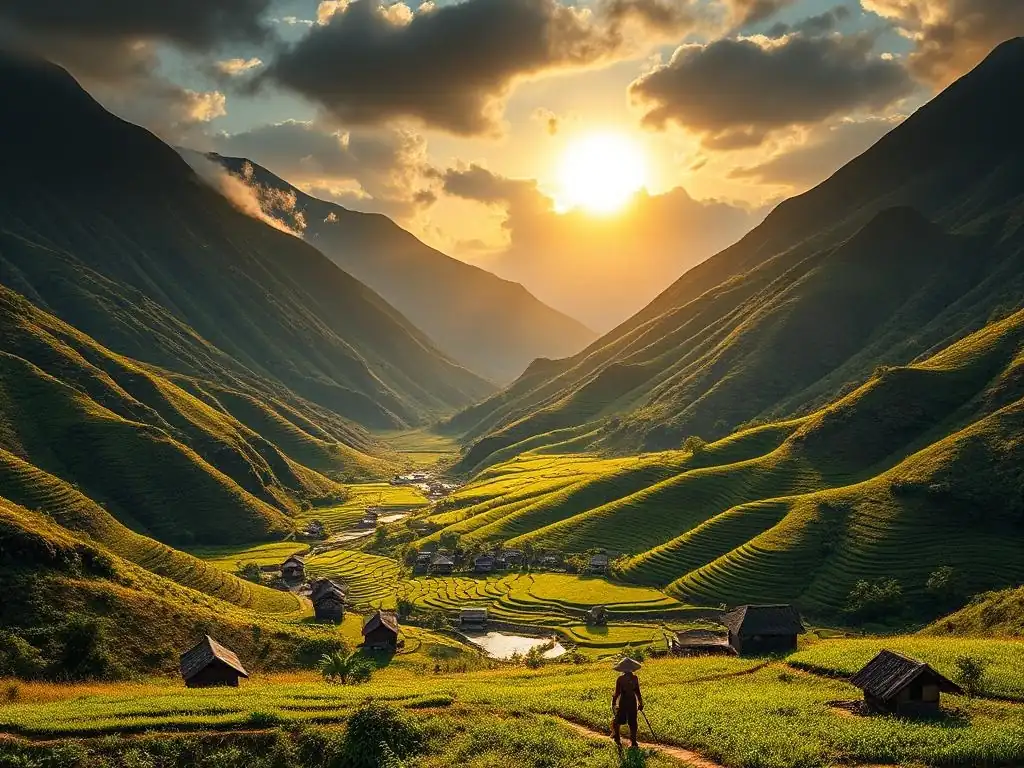
Volcanic Materials in Traditional Arts and Crafts: Obsidian tools in Mesoamerica, volcanic rock carvings in Easter Island
The intimate relationship between volcanic landscapes and local cultures is further manifested in the utilization of volcanic materials in traditional arts and crafts. These materials, readily available in volcanic regions, become integral components of cultural expression and identity. The use of volcanic materials in art and crafts is a tangible manifestation of volcanic traditions and beliefs, demonstrating how the environment shapes cultural practices.
Obsidian, a volcanic glass formed from rapidly cooled lava, was highly valued in Mesoamerica for its sharpness and was used to create tools, weapons, and ceremonial objects. The Maya and Aztec civilizations extensively traded and utilized obsidian, incorporating it into their artistic and technological practices.
On Easter Island, volcanic tuff, a consolidated volcanic ash, was used to carve the iconic Moai statues, monumental figures that are central to Rapa Nui culture. Volcanic rock, in general, has been used globally for carving, sculpting, and creating decorative objects, reflecting the artistic adaptation to locally available resources and reinforcing volcanic traditions and beliefs through material culture.
Architecture and Construction Utilizing Volcanic Resources: Roman use of pozzolanic ash in concrete, traditional Balinese architecture using volcanic stone
Volcanic materials have also played a significant role in architecture and construction in volcanic regions. Their unique properties, such as durability, insulation, and availability, have made them valuable building resources for centuries. The use of volcanic materials in architecture is a practical application of volcanic traditions and beliefs, showcasing human ingenuity in adapting to and utilizing the volcanic environment.
The Romans famously utilized pozzolanic ash, a volcanic ash found near Pozzuoli, Italy, to create a remarkably strong and durable concrete. This Roman concrete, incorporating volcanic ash, enabled the construction of monumental structures like the Pantheon and the Colosseum, demonstrating the innovative use of volcanic resources in ancient engineering.
In Bali, Indonesia, traditional architecture extensively utilizes volcanic stone, such as andesite and basalt, for building temples, homes, and walls. The dark, porous volcanic stone provides natural cooling and is readily available on the volcanic island, reflecting a harmonious integration of architecture with the volcanic landscape and reinforcing volcanic traditions and beliefs through built environments.
Cuisine Shaped by Volcanic Soils: Coffee cultivation in volcanic regions of Colombia and Ethiopia, Taro cultivation in Hawaii
The fertility of volcanic soils not only influences agricultural practices but also shapes local cuisines and culinary traditions. The unique mineral composition of volcanic soils imparts distinctive characteristics to crops grown in these regions, contributing to regional culinary identities. Cuisine influenced by volcanic soils is a subtle yet significant aspect of volcanic traditions and beliefs, demonstrating how the environment shapes even the most fundamental aspects of daily life.
Coffee cultivation thrives in volcanic regions around the world, including Colombia, Ethiopia, and Indonesia. The well-drained, nutrient-rich volcanic soils provide ideal conditions for coffee plants, contributing to the distinctive flavors and aromas of volcanic coffees. In Hawaii, taro, a staple crop in Polynesian cuisine, is traditionally cultivated in flooded fields enriched by volcanic soils and water.
The mineral-rich volcanic water and soil contribute to the quality and taste of Hawaiian taro. Similarly, grape cultivation for wine production in volcanic regions like Santorini, Greece, and Mount Etna, Sicily, results in wines with unique mineral notes and characteristics, reflecting the terroir influenced by volcanic geology. These examples illustrate how volcanic soils indirectly shape volcanic traditions and beliefs through their influence on local food cultures.
Modern Interpretations of Volcanic Cultural Significance
Volcano Tourism and its Impact on Local Communities
In the modern era, volcanoes have become increasingly popular tourist destinations, attracting visitors drawn to their dramatic landscapes and geological wonders. Volcano tourism offers economic opportunities for local communities in volcanic regions but also presents challenges related to cultural preservation and environmental sustainability. The impact of volcano tourism on local communities is a contemporary aspect of volcanic traditions and beliefs, highlighting the evolving relationship between humans and volcanoes in the 21st century.
Volcano tourism can generate revenue for local economies through visitor spending on accommodation, tours, souvenirs, and local products. It can also create employment opportunities in the tourism sector. However, uncontrolled tourism can also lead to negative impacts, such as environmental degradation, disruption of local cultural practices, and commodification of cultural heritage. Striking a balance between promoting sustainable tourism and preserving volcanic traditions and beliefs is crucial for ensuring that volcano tourism benefits local communities without undermining their cultural integrity and environmental well-being. Responsible volcano tourism should prioritize community involvement, cultural sensitivity, and environmental protection.
Preserving Volcanic Heritage: Protecting Cultural Sites and Traditions
As modernization and globalization increasingly impact volcanic regions, the preservation of volcanic heritage, including cultural sites and traditions, becomes increasingly important. Protecting volcanic traditions and beliefs is essential for maintaining cultural diversity and ensuring that future generations can learn from and appreciate the rich history of human-volcano interactions. Preservation efforts require a multifaceted approach, involving local communities, governments, and international organizations.
Preservation initiatives may include documenting and revitalizing traditional languages, rituals, and ceremonies associated with volcanoes. Protecting archaeological sites and cultural landscapes related to volcanic history is also crucial. Community-based cultural tourism can play a role in supporting preservation efforts by generating income for local communities while promoting cultural awareness. Education and awareness programs are essential for raising public understanding of the importance of volcanic traditions and beliefs and fostering respect for cultural heritage in volcanic regions. Collaborative efforts are needed to ensure the long-term preservation of this unique and valuable cultural heritage.
The Ongoing Dialogue Between Science and Indigenous Knowledge
In contemporary volcanic regions, there is a growing recognition of the value of integrating scientific volcanology with indigenous knowledge systems. This dialogue between science and traditional knowledge can lead to a more holistic and effective approach to volcanic risk management and cultural understanding. The integration of science and indigenous knowledge represents a modern evolution of volcanic traditions and beliefs, reflecting a more nuanced and collaborative approach to human-volcano interactions.
Scientific volcanology provides valuable tools and techniques for monitoring volcanic activity, assessing hazards, and developing mitigation strategies. Indigenous knowledge, accumulated over generations of living in volcanic environments, offers unique insights into volcanic behavior, local environmental indicators, and effective community-based coping mechanisms. Combining these knowledge systems can enhance volcanic hazard assessment, improve early warning systems, and develop culturally appropriate risk reduction strategies. This interdisciplinary approach, recognizing the complementary strengths of both science and volcanic traditions and beliefs, fosters a more sustainable and resilient relationship between human communities and volcanic landscapes.
Conclusion: The Enduring Legacy of Volcanic Traditions
Recognizing the Importance of Cultural Understanding in Volcanic Regions
Understanding volcanic traditions and beliefs is not merely an academic exercise; it is crucial for fostering a more comprehensive and nuanced understanding of human-volcano interactions. Recognizing the cultural dimension of volcanoes is essential for effective communication, collaboration, and sustainable development in volcanic regions. Cultural understanding is not just about appreciating past traditions but also about addressing contemporary challenges and building a more resilient future.
Ignoring cultural perspectives in volcanic risk management can lead to misunderstandings, mistrust, and ineffective interventions. Engaging with local communities, respecting their volcanic traditions and beliefs, and incorporating indigenous knowledge into planning and decision-making processes are essential for building trust and ensuring community ownership of risk reduction efforts. Cultural sensitivity is also crucial in volcano tourism, ensuring that tourism activities are respectful of local cultures and contribute to the preservation of cultural heritage. Recognizing the importance of cultural understanding is fundamental for fostering harmonious and sustainable relationships between human societies and volcanic environments.
Celebrating the Rich Tapestry of Human-Volcano Interactions
The study of volcanic traditions and beliefs reveals a rich and diverse tapestry of human-volcano interactions across cultures and throughout history. From ancient myths and rituals to contemporary art and tourism, volcanoes have profoundly shaped human societies and cultural expressions. Celebrating this rich tapestry is not only an act of cultural appreciation but also an acknowledgment of the enduring power and influence of nature on human civilization.
Volcanoes, in their dual roles as agents of creation and destruction, have challenged and inspired humanity for millennia. The diverse ways in which cultures have adapted to, interpreted, and celebrated volcanoes demonstrate the remarkable resilience and creativity of the human spirit. By studying and celebrating volcanic traditions and beliefs, we gain a deeper appreciation for the complex and dynamic relationship between humanity and the natural world, recognizing that our cultural identities and histories are inextricably intertwined with the powerful forces of volcanic earth.
Frequently Asked Questions
What are some common themes in volcanic traditions and beliefs around the world?
Many cultures see volcanoes as both destructive and life-giving forces. They often associate volcanoes with deities, spirits, or ancestors, reflecting a deep respect for their powerful natural energy.
How do volcanic traditions and beliefs influence the lives of people living near volcanoes?
These beliefs often shape daily life and community practices, including rituals, ceremonies, and social structures designed to appease the volcano or honor its power. They can also impact land use and resource management.
What role does storytelling play in preserving volcanic traditions and beliefs?
Storytelling is crucial for passing down knowledge about volcanic activity, its history, and the cultural significance attached to it. These narratives help maintain cultural identity and provide context for understanding volcanic phenomena.
Can volcanic traditions and beliefs contribute to modern volcano monitoring and risk mitigation strategies?
Yes, local knowledge and observations embedded in these traditions can offer valuable insights into volcanic behavior, complementing scientific monitoring techniques. This can lead to more effective risk communication.
How do different cultures view the impact of volcanic eruptions on the environment and society?
Some cultures see eruptions as a punishment or cleansing event, while others view them as opportunities for renewal and increased soil fertility. These diverse perspectives shape responses to volcanic crises and long-term adaptation strategies.
Final Reflection: Embracing the Volcanic Legacy
The exploration of volcanic traditions and beliefs, as we've seen, isn't just an archaeological dig into the past; it's a vital understanding of how humanity has consistently adapted and thrived in the face of powerful natural forces. The enduring connection between cultures and volcanic landscapes highlights a profound respect for the Earth's dynamic energy and its capacity for both destruction and creation. This connection continues to shape communities today, influencing everything from agricultural practices to spiritual rituals.
The influence of volcanic earth on cultural identity is undeniable, shaping not only physical landscapes but also the very fabric of societies. Understanding these traditions allows us to appreciate the resilience and ingenuity of communities who have learned to coexist with, and even benefit from, these powerful forces. We are all children of the volcano,
as an old Hawaiian saying goes, reminding us that our origins are intrinsically linked to the Earth's fiery heart. This sentiment underscores the deep-seated reverence and understanding that many cultures hold for these geological wonders.
As we conclude this journey through volcanic traditions and beliefs, I invite you to consider your own relationship with the natural world. How can we learn from these ancient practices to foster a more sustainable and respectful coexistence with our planet? Let us embrace the lessons of the fertile firelands, recognizing the power and fragility of our Earth, and strive to become better stewards of its legacy for generations to come.
Unearth Your Own Connection: Embark on a Volcanic Journey!
Thank you for exploring the fascinating world of volcanic cultures and traditions. We hope you've gained a new appreciation for the deep connection between people and these powerful landscapes. Now, let's put that knowledge into action!
Here's how you can explore further:
- Visit a local museum or cultural center to learn more about indigenous volcanic traditions in your area or a region you plan to visit. Discover firsthand how people have lived harmoniously with volcanoes for centuries.
- Share this article with friends and family interested in culture, geology, or travel! Let's expand the conversation about the rich heritage of volcanic regions.
- Record your own observations of nature. Whether it's a photograph or a journal entry, consider documenting your connection to nature and the role fire plays in your life.
What small step will you take today to deepen your appreciation for the cultural heritage surrounding volcanic lands? We'd love to hear your plans in the comments!