
Black Gold of the Earth: Exploring the Unseen Wealth in Volcanic Soils

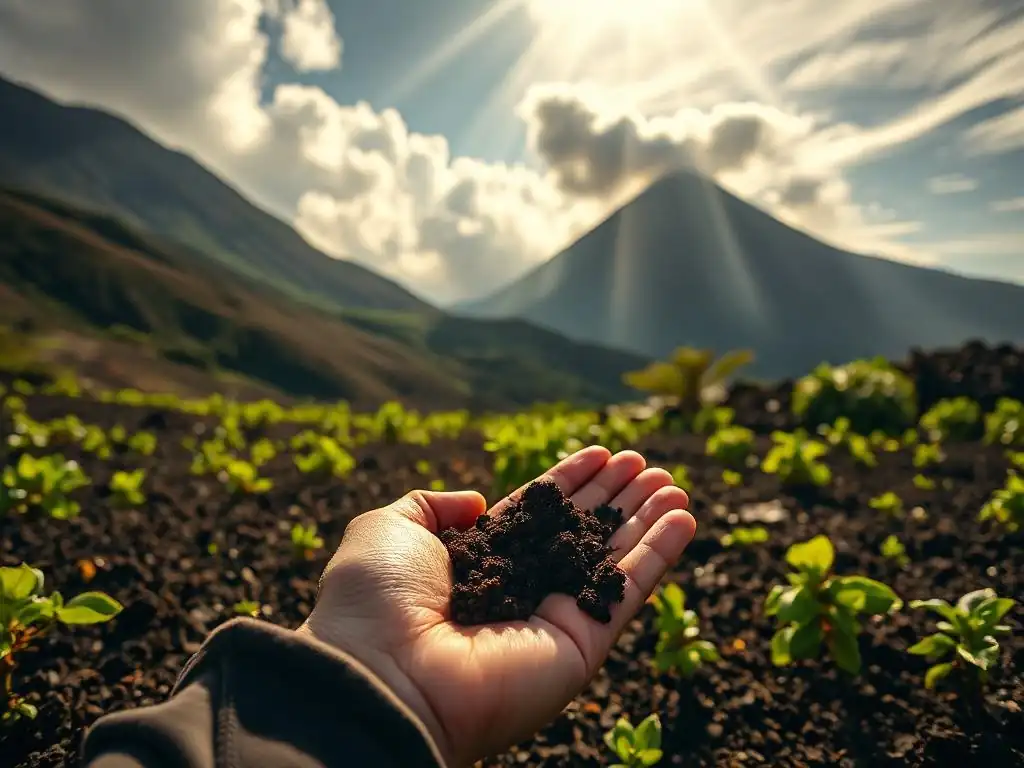
Welcome to Volcano Explorers!
Prepare to be surprised. Beyond the fiery spectacle and raw power, volcanoes hold a secret – a hidden treasure buried within their ashen slopes. Intrigued? Dive into our exploration of the Benefits of Volcanic Soil Fertility, and discover how these seemingly barren landscapes nurture life and abundance. Uncover the unexpected wealth waiting beneath the surface…
- The Bountiful Earth: Exploring the Fertility of Volcanic Soils
- Introduction: Understanding the Significance of Volcanic Soils
- Formation of Volcanic Soils: A Geological Process
- Benefits of Volcanic Soil Fertility: A Natural Agricultural Advantage
- Crop Production in Volcanic Soils: A Global Perspective
- Challenges and Management of Volcanic Soils
- Future Research and Utilization of Volcanic Soils
- Conclusion: Recognizing the Value of Volcanic Soils
- Frequently Asked Questions
- Final Reflection: Cultivating a Future from Volcanic Legacy
- Unleash the Power of Volcanic Soil in Your Garden!
The Bountiful Earth: Exploring the Fertility of Volcanic Soils
Introduction: Understanding the Significance of Volcanic Soils
Volcanic soils, often referred to as Andisols by soil scientists, are among the most fertile on Earth, a stark contrast to the destructive power often associated with volcanoes. These soils, derived from volcanic ash, lava flows, and other volcanic ejecta, are surprisingly productive, supporting vibrant ecosystems and thriving agricultural communities in volcanic regions around the globe.
Understanding the inherent fertility of volcanic soils is crucial not only for appreciating the complex interplay between geological processes and life but also for exploring sustainable agricultural practices that can benefit from the unique properties of these natural resources. This article delves into the fascinating world of volcanic soils, exploring their formation, the benefits they offer for agriculture, and the challenges associated with their management, ultimately highlighting the unseen wealth they represent for our planet.
Formation of Volcanic Soils: A Geological Process
The creation of volcanic soils is a geological process that begins with volcanic eruptions and continues through weathering and biological activity over time. Unlike soils formed from sedimentary or metamorphic rocks, volcanic soils originate from the rapid cooling and solidification of molten rock. This unique genesis imparts distinctive characteristics to these soils, setting them apart in terms of mineral composition, texture, and overall fertility. The type of volcanic material, the climate, topography, and time all play crucial roles in shaping the final properties of volcanic soils, leading to a diverse range of soil types across different volcanic landscapes.
Volcanic Ash and Lava's Contribution to Soil Composition
Volcanic ash, ejected explosively during eruptions, is a primary contributor to the formation of fertile volcanic soils. This ash is composed of fine particles of volcanic glass, minerals, and rock fragments, rich in essential plant nutrients like phosphorus, potassium, calcium, and magnesium. The glassy nature of volcanic ash, particularly its high content of allophane and imogolite, contributes to the soil's ability to retain water and nutrients.
Lava flows, while initially forming solid rock, also contribute to soil formation over time. As lava rocks weather, they release minerals that enrich the soil profile, although their contribution is generally slower compared to the more readily weatherable volcanic ash. The combination of ash and lava, along with other volcanic ejecta like pumice and volcanic bombs, creates a complex mineralogical foundation for these uniquely fertile soils.
Weathering and Nutrient Release from Volcanic Materials
The transformation of volcanic materials into fertile soil is significantly driven by weathering processes. Both physical and chemical weathering play crucial roles in breaking down volcanic ash and rocks, releasing plant-available nutrients. Physical weathering, including freeze-thaw cycles and the abrasive action of wind and water, fractures the volcanic materials, increasing their surface area and making them more susceptible to chemical weathering.
Chemical weathering, primarily through hydrolysis and dissolution, breaks down the minerals in volcanic materials, releasing essential nutrients in forms that plants can readily absorb. For example, the weathering of volcanic glass releases silica, aluminum, and various cations, contributing to the soil's nutrient pool and its characteristic physical properties. This continuous release of nutrients from weathering makes volcanic soils naturally fertile and capable of supporting long-term agricultural productivity.
Climatic Influence on Volcanic Soil Development
Climate exerts a profound influence on the development of volcanic soils. Temperature and rainfall patterns significantly affect the rate and type of weathering processes. In humid and warm climates, chemical weathering is accelerated, leading to faster soil formation and nutrient release. Higher rainfall also promotes leaching, which can, in some cases, remove soluble nutrients from the topsoil.
However, the unique mineralogy of volcanic soils, particularly their high content of short-range order minerals like allophane, helps to retain many nutrients even under high rainfall conditions. In contrast, in drier climates, physical weathering may be more dominant, and soil development can be slower. The type of vegetation, also influenced by climate, further impacts soil formation through the addition of organic matter and the cycling of nutrients. Therefore, the specific climatic conditions of a volcanic region are a critical factor in determining the characteristics and fertility of its volcanic soils.
Benefits of Volcanic Soil Fertility: A Natural Agricultural Advantage

The exceptional fertility of volcanic soils offers significant advantages for agriculture, making them highly prized for crop production around the world. These benefits stem from a combination of factors, including their unique mineral composition, physical properties, and inherent resilience. The natural fertility of volcanic soils reduces the need for synthetic fertilizers and pesticides, contributing to more sustainable and environmentally friendly agricultural practices. Understanding and harnessing these benefits is crucial for maximizing agricultural productivity in volcanic regions and for potentially applying these principles to improve soil health in other areas.
Nutrient Richness of Volcanic Soils: Fueling Plant Growth
Volcanic soils are naturally rich in essential plant nutrients, providing a readily available source for healthy plant growth. They typically contain high levels of phosphorus, potassium, calcium, magnesium, and micronutrients like iron, zinc, and copper, all vital for plant development and productivity. For instance, studies in volcanic regions of Costa Rica have shown that Andisols contain significantly higher levels of phosphorus compared to other soil types in the region, often two to three times greater.
This natural abundance of nutrients reduces the reliance on synthetic fertilizers, which are costly and can have negative environmental impacts. The slow and continuous release of nutrients from weathering volcanic minerals ensures a sustained supply throughout the growing season, promoting vigorous plant growth and high yields. This inherent nutrient richness is a primary reason why volcanic soils are so highly valued for agriculture.
Water Retention and Drainage Capabilities of Volcanic Soils
Volcanic soils exhibit a unique combination of excellent water retention and drainage capabilities, crucial for optimal plant growth. Their porous structure, derived from volcanic ash and pumice, allows them to hold significant amounts of water, making them less susceptible to drought stress. At the same time, this porosity ensures good drainage, preventing waterlogging and root diseases.
Research in volcanic soils of Japan has demonstrated their high water-holding capacity, with some Andisols capable of retaining up to 60% of their volume in water. This balanced water regime is particularly beneficial in regions with irregular rainfall patterns, providing a buffer against both drought and excessive moisture. The ability to efficiently manage water is a key factor contributing to the productivity and resilience of agriculture on volcanic soils.
Enhanced Soil Structure and Aeration for Healthy Root Development
The physical structure of volcanic soils is highly favorable for root development and plant health. They are typically characterized by a loose, friable texture with good pore space, allowing for excellent aeration and root penetration. This structure is largely due to the presence of volcanic ash particles and the formation of aggregates stabilized by unique clay minerals like allophane. Well-aerated soils provide roots with access to oxygen, essential for respiration and nutrient uptake.
Furthermore, the loose texture reduces soil compaction, allowing roots to explore a larger volume of soil and access more nutrients and water. Studies comparing root growth in volcanic soils versus non-volcanic soils have shown significantly greater root biomass and depth in volcanic soils, highlighting the structural advantages they offer for plant development. This enhanced soil structure is a critical factor in the overall health and productivity of plants grown in volcanic soils.
Natural Resistance to Pests and Diseases in Volcanic Soils
Volcanic soils often exhibit a natural resistance to certain pests and diseases, contributing to healthier crops and reduced reliance on chemical pesticides. This resistance is attributed to several factors, including the unique mineral composition of the soil, its well-drained nature, and the presence of beneficial microorganisms. The high silica content in volcanic soils can strengthen plant cell walls, making them more resistant to fungal and insect attacks.
Good drainage minimizes waterlogging, which can create favorable conditions for root diseases. Furthermore, volcanic soils can harbor diverse and beneficial microbial communities that suppress soilborne pathogens and promote plant health. While not entirely immune to pests and diseases, the natural resistance of volcanic soils provides a significant advantage for sustainable agriculture, reducing the need for synthetic pesticides and promoting healthier, more resilient crops.
Crop Production in Volcanic Soils: A Global Perspective
The fertility of volcanic soils has made them centers of agricultural production in many regions around the world. From the fertile slopes of Mount Etna in Italy to the volcanic islands of Indonesia and the Andean highlands of South America, these soils support a wide variety of crops and sustain millions of people. Understanding the global distribution of agriculture on volcanic soils highlights their importance for food security and provides valuable insights into sustainable land management practices in these dynamic landscapes.
Flourishing Agriculture in Volcanic Regions
Volcanic regions around the globe are renowned for their flourishing agriculture, directly linked to the inherent fertility of their soils. In Southeast Asia, particularly in Indonesia and the Philippines, volcanic islands are densely populated and intensely cultivated, producing rice, coffee, spices, and a variety of fruits and vegetables. The volcanic soils of Italy's Mount Vesuvius and Mount Etna are famous for producing high-quality grapes for wine production, as well as olives, citrus fruits, and vegetables.
In Central America, volcanic soils support coffee, bananas, and sugarcane plantations. The highlands of Ethiopia, with their volcanic soils, are the birthplace of coffee and a major producer of grains and pulses. These examples demonstrate the widespread and significant role of volcanic soils in supporting diverse and productive agricultural systems across different continents and climatic zones.
Case Studies: Successful Farming with Volcanic Soil
Numerous case studies highlight the success of farming on volcanic soils and demonstrate the practical benefits of their fertility. In Kona, Hawaii, coffee cultivation on volcanic soils has become a world-renowned industry, producing premium Kona coffee prized for its unique flavor and quality. The volcanic soils of the Canary Islands, Spain, are used to cultivate bananas, tomatoes, and grapes, utilizing unique terracing techniques to manage the steep slopes and maximize soil utilization.
In the Andean region, traditional farming systems, such as those practiced in Peru and Ecuador, have long relied on the fertility of volcanic soils to grow potatoes, quinoa, and other staple crops, often employing sophisticated irrigation and terracing systems developed over centuries. These case studies illustrate the long-term sustainability and productivity of agriculture on volcanic soils when managed effectively and adapted to local environmental conditions.
Volcanic Soils and Sustainable Agriculture Practices
Volcanic soils are particularly well-suited to sustainable agriculture practices due to their inherent fertility and resilience. Their natural nutrient richness reduces the need for synthetic fertilizers, minimizing environmental pollution and promoting soil health. The excellent water retention and drainage properties contribute to efficient water use and reduce the risk of soil erosion.
Furthermore, the diverse microbial communities in volcanic soils can enhance nutrient cycling and suppress soilborne diseases, further supporting sustainable crop production. Practices such as agroforestry, crop rotation, and conservation tillage are particularly effective in volcanic soil regions, helping to maintain soil fertility, conserve water, and enhance biodiversity. By leveraging the natural advantages of volcanic soils and adopting sustainable farming techniques, agricultural systems in these regions can be both productive and environmentally responsible.
Challenges and Management of Volcanic Soils

While volcanic soils offer numerous benefits, they also present certain challenges that need to be addressed for sustainable agricultural management. These challenges include potential issues with acidity, erosion, nutrient imbalances, and the presence of volcanic hazards. Understanding these challenges and implementing appropriate mitigation strategies are crucial for ensuring the long-term productivity and environmental integrity of volcanic soil regions.
Potential Issues: Acidity, Erosion, and Nutrient Imbalance
Despite their overall fertility, volcanic soils can exhibit certain limitations. Some volcanic soils, particularly those derived from ash rich in sulfur, can be naturally acidic, which can limit the availability of certain nutrients like phosphorus and calcium and can be toxic to some plants. The loose, ashy texture of volcanic soils can also make them susceptible to erosion, especially on steep slopes and in areas with intense rainfall.
Furthermore, while generally nutrient-rich, volcanic soils can sometimes exhibit imbalances in certain nutrients. For instance, some volcanic soils may be deficient in nitrogen or molybdenum, requiring targeted nutrient management strategies. These potential issues highlight the need for careful assessment and management of volcanic soils to optimize their agricultural potential and minimize environmental risks.
Mitigation Strategies for Volcanic Soil Management
Effective management strategies are essential to mitigate the challenges associated with volcanic soils and maintain their long-term productivity. For acidic volcanic soils, liming can be used to raise the pH and improve nutrient availability. To combat erosion, terracing, contour plowing, and cover cropping are effective techniques, particularly on sloping lands. Soil conservation practices are crucial to maintain the valuable topsoil layer.
Nutrient imbalances can be addressed through targeted fertilization, using organic amendments and carefully selecting crops that are well-adapted to the specific nutrient conditions of the soil. Integrating livestock and crop production can also enhance nutrient cycling and soil fertility management. These mitigation strategies, tailored to the specific characteristics of each volcanic soil and local environmental conditions, are vital for sustainable land management.
Sustainable Practices for Maintaining Volcanic Soil Health
Maintaining the health and fertility of volcanic soils requires the adoption of sustainable agricultural practices that promote soil conservation and enhance ecosystem services. No-till or reduced tillage farming minimizes soil disturbance, reducing erosion and improving soil structure. Crop rotation and intercropping diversify cropping systems, improve nutrient cycling, and reduce pest and disease pressure.
The use of organic amendments, such as compost and animal manure, enhances soil organic matter content, improves water retention, and provides a slow-release source of nutrients. Agroforestry systems, integrating trees into agricultural landscapes, can further enhance soil health, provide shade, and diversify farm income. By implementing these sustainable practices, farmers can ensure the long-term health and productivity of volcanic soils, contributing to both food security and environmental sustainability.
Future Research and Utilization of Volcanic Soils
The unique properties of volcanic soils continue to be a subject of ongoing research, exploring novel agricultural applications and developing advanced management techniques. Future research directions are focused on optimizing the utilization of volcanic soils for sustainable agriculture, mitigating environmental risks, and harnessing their potential for innovative agricultural technologies. Exploring the full potential of these fertile soils is crucial for addressing global food security challenges and promoting environmentally sound agricultural practices.
Novel Agricultural Applications of Volcanic Soil
Research is exploring novel agricultural applications of volcanic soils beyond traditional crop production. The high water retention and nutrient-holding capacity of volcanic materials, particularly volcanic ash and pumice, are being investigated for use in soil amendments to improve the properties of degraded or infertile soils in non-volcanic regions. Volcanic rock dust, a byproduct of quarrying volcanic materials, is being studied as a natural soil amendment to enhance soil fertility and sequester carbon.
Furthermore, the unique mineral composition of volcanic soils is being explored for potential applications in biofertilizers and biopesticides, leveraging beneficial microorganisms associated with these soils. These novel applications highlight the potential for volcanic soils and their derivatives to contribute to sustainable agriculture beyond their traditional geographical boundaries.
Technological Advancements in Volcanic Soil Management
Technological advancements are playing an increasingly important role in optimizing the management of volcanic soils. Precision agriculture technologies, such as GPS-guided soil sampling and variable rate fertilization, allow for site-specific nutrient management, maximizing fertilizer efficiency and minimizing environmental impacts. Remote sensing and GIS technologies are used for monitoring soil health, assessing erosion risk, and mapping soil properties across volcanic landscapes.
Biotechnology and genomics are being applied to study the microbial communities in volcanic soils and identify beneficial microorganisms that can enhance plant growth and disease resistance. These technological advancements are providing farmers and researchers with new tools to better understand, manage, and sustainably utilize volcanic soils.
Conservation Efforts for Volcanic Soil Ecosystems
Recognizing the ecological and agricultural value of volcanic soils, conservation efforts are crucial for protecting these unique ecosystems. Sustainable land management practices, as discussed earlier, are fundamental for conserving soil health and preventing erosion. Protected area designations in volcanic regions can help to safeguard representative examples of volcanic soil ecosystems and their biodiversity.
Community-based conservation initiatives, involving local farmers and communities in sustainable land management and conservation efforts, are essential for long-term success. Raising awareness about the importance of volcanic soils and promoting responsible land use practices are crucial for ensuring the continued provision of ecosystem services and agricultural productivity from these valuable natural resources.
Conclusion: Recognizing the Value of Volcanic Soils
Volcanic soils represent a remarkable natural resource, offering exceptional fertility and supporting thriving agricultural systems around the world. Their formation is a testament to the powerful geological forces shaping our planet, and their inherent properties provide a natural advantage for sustainable agriculture.
Understanding the benefits of volcanic soil fertility, as well as the challenges associated with their management, is crucial for ensuring their long-term productivity and ecological integrity. By embracing sustainable practices, leveraging technological advancements, and fostering conservation efforts, we can continue to harness the "black gold of the earth" and recognize the invaluable contribution of volcanic soils to global food security and environmental sustainability.
Frequently Asked Questions
What makes volcanic soil so fertile?
Volcanic soil, or andisol, is rich in weathered volcanic rock, which slowly releases essential minerals and nutrients like phosphorus and potassium, crucial for plant growth. Its unique porous structure also aids in water retention and drainage.
How does volcanic soil differ from other types of soil?
Unlike many soils, volcanic soil is typically young and nutrient-rich. It has a distinct mineral composition derived from volcanic ash and rock, leading to higher fertility compared to older, more depleted soils.
What are the primary benefits of volcanic soil fertility for agriculture?
The superior fertility of volcanic soil results in higher crop yields, improved plant health, and a reduced need for synthetic fertilizers, promoting sustainable agricultural practices.
Are there any downsides to farming in volcanic soil?
While fertile, volcanic soil can sometimes be rocky and require specific preparation. Depending on the volcano's activity, there is also the inherent risk of volcanic eruptions and ashfall, which can damage crops.
Where can I find examples of successful agriculture utilizing volcanic soil?
Regions like Hawaii, Iceland, and parts of Italy showcase thriving agricultural practices that leverage the natural fertility of volcanic soils. These areas produce a variety of crops, benefitting from the soil's rich mineral content.
Final Reflection: Cultivating a Future from Volcanic Legacy
The exploration of volcanic soils, once considered barren landscapes, reveals a profound truth: the earth holds untapped potential for sustainable abundance. This article has illuminated the remarkable benefits of volcanic soil fertility, showcasing its capacity to nourish ecosystems and support thriving agricultural practices. Understanding this inherent wealth is not merely an academic exercise; it's a crucial step towards addressing global food security and promoting environmentally conscious farming.
The transformative power of volcanic soils extends far beyond crop yields. It represents a shift in perspective, urging us to recognize the inherent value in seemingly desolate environments and to embrace nature's ingenious solutions. This understanding resonates deeply with the growing movement towards regenerative agriculture and a renewed appreciation for the earth's natural cycles. Look deep into nature, and then you will understand everything better.
- Albert Einstein. This quote encapsulates the essence of our journey into the heart of volcanic soils, reminding us that profound wisdom lies hidden within the natural world, waiting to be discovered and applied.
As we conclude this exploration, I invite you to consider the implications of volcanic soil fertility in your own life. How can you support sustainable agricultural practices that harness the power of nature's bounty? How can you advocate for policies that protect and preserve these valuable resources? Let us all strive to cultivate a future where the black gold of the earth nourishes not only our bodies but also our planet, ensuring a legacy of abundance for generations to come.
Unleash the Power of Volcanic Soil in Your Garden!
Thank you for exploring the fascinating world of volcanic soils and their hidden potential. We hope you've gained a new appreciation for this fertile resource and its incredible benefits for plant life. Now, it's time to put that knowledge into practice!
- Start small: Experiment with volcanic soil amendments in your garden or potted plants and see the difference!:
- Dive deeper: Research local sources of volcanic rock dust or soil and explore its unique mineral composition.
- Share your knowledge: Encourage fellow gardeners to embrace the benefits of volcanic soil and join the #VolcanoExplorers gardening community!
What will you grow with the power of volcanic soil? Share your plans in the comments below!