The Future of Volcanic Landscapes: Climate Change and Erosion
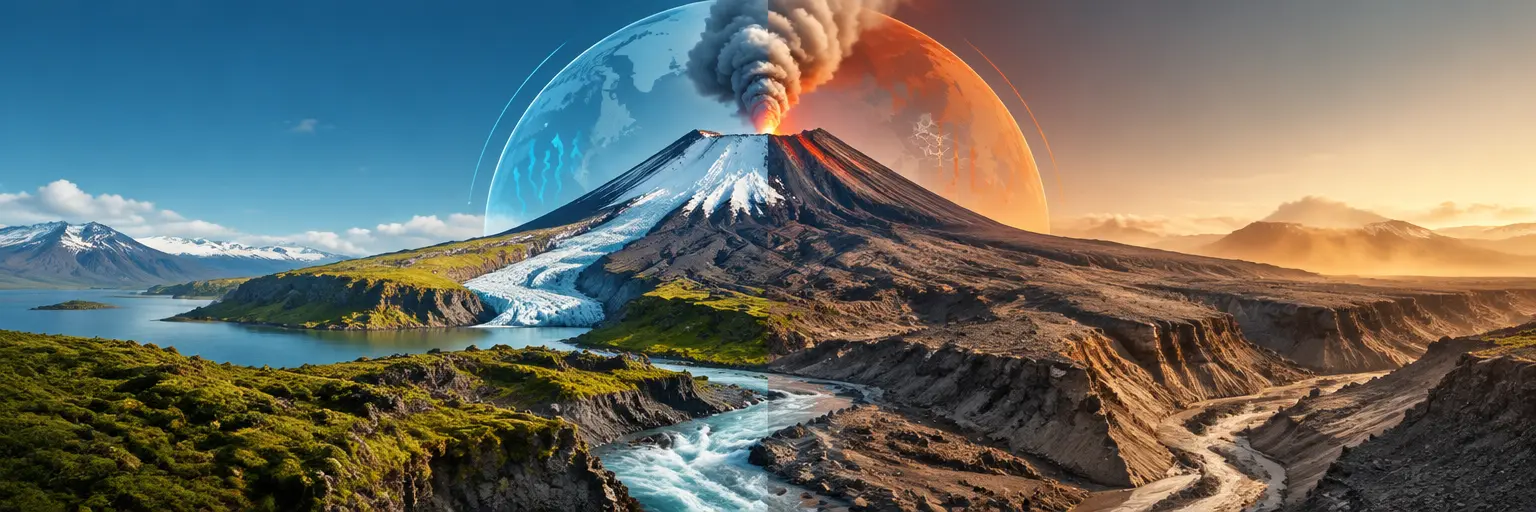
Volcanic landscapes are never static; they are constantly sculpted by the forces of eruption, weathering, and time. However, a new and powerful variable is entering the equation: human-induced climate change. As global temperatures rise, precipitation patterns shift, and sea levels climb, the processes of erosion on volcanoes are accelerating and changing in unprecedented ways. This subcategory on VolcanoExplorers.org digs deep into how our changing climate is shaping the future of these dramatic terrains, from the rapid decay of volcanic rock to the transformation of fertile slopes.
🌋 Accelerated Chemical Weathering and Rock Decay
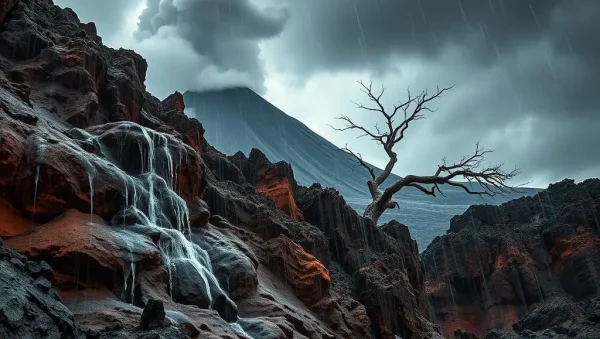
One of the most immediate impacts of a warming climate is the intensification of chemical weathering. Volcanic rocks, particularly basalt and ash deposits, are highly reactive to water containing dissolved carbon dioxide. With more frequent and intense rainfall events, especially in tropical and temperate regions, the process of hydrolysis and carbonation speeds up dramatically, causing rocks to break down faster than natural cycles dictate. This can lead to unstable slopes and altered soil chemistry.
For volcano explorers and local communities, this means more than just crumbly trails. Faster decomposition of volcanic rock releases essential nutrients like magnesium and calcium into the soil, but it also weakens the structural integrity of steep cliffs and crater walls. This accelerates the natural life cycle of a volcanic peak, turning solid lava flows into clay-rich soils within centuries rather than millennia. Understanding this process is crucial for predicting landslides and for assessing long-term hazards in volcanic regions.
🌪️ Changing Precipitation Patterns and Debris Flows
Climate models predict a shift towards more extreme weather events, including prolonged droughts followed by intense, short-duration downpours. On the slopes of active and dormant volcanoes, this creates the perfect recipe for catastrophic erosion. Loose volcanic ash and unconsolidated tephra, once held in place by vegetation, can be rapidly stripped away by these flash floods, generating powerful lahars and debris flows without any accompanying volcanic eruption.
The result is a landscape that is reshaped by water as much as by fire. These rainfall-induced lahars carry massive boulders and carve deep ravines into ancient lava flows, destroying infrastructure and altering drainage basins. Future volcanic hazard maps will need to integrate these climate-induced events, as the risk of erosion-triggered flows is set to increase significantly across all dormant volcanic provinces, presenting a new challenge for disaster preparedness.
🧊 Glacial Retreat and Paraglacial Dynamics
For the many volcanoes that host summit glaciers, such as Mount Rainier, Nevado del Ruiz, and Mount Kilimanjaro, climate change is causing a rapid retreat of their icy cover. Glaciers serve as a protective armor, shielding the loose volcanic debris beneath from wind and water erosion. As they melt and vanish, they expose vast quantities of fresh, unconsolidated glacial till and volcanic ash, leading to a phase known as paraglacial adjustment—an accelerated period of landscape modification.
This rapid exposure creates highly unstable slopes, increasing the frequency of rockfalls and glacial-outburst floods (jökulhlaups). Furthermore, the loss of these glaciers removes a critical water source for surrounding ecosystems and human populations, fundamentally altering the hydrology of the volcanic region. The future volcanic landscape will be much steeper, rockier, and more prone to periodic sediment surges, transforming high-altitude tourism and mountaineering experiences drastically.
🌊 Sea-Level Rise and Coastal Volcanic Erosion
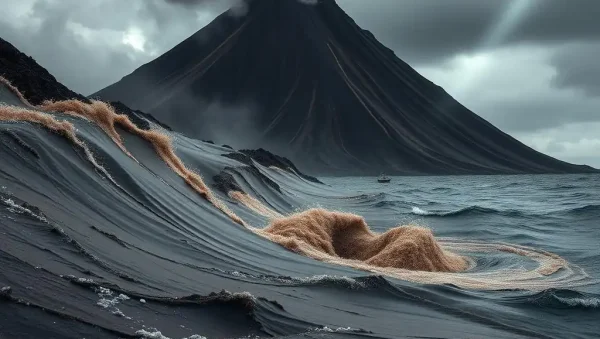
Nearly a third of the world's active and dormant volcanoes are located on coastlines, and rising sea levels pose a direct and existential threat to their structure. Wave action, aided by more frequent and powerful storm surges, relentlessly undercuts the base of sea-cliffs and volcanic peninsulas, accelerating coastal erosion to rates that easily outpace the growth of new land from lava flows. This leads to the collapse of sea stacks, volcanic arches, and even entire flank sections over time.
The iconic rugged shorelines of places like the Canary Islands and Hawaii are facing rapid transformation. This erosion not only threatens human settlements but also destroys critical nesting habitats and archaeological sites found on volcanic coasts. In the coming decades, geologists will need to monitor these coastal areas closely, as the interaction between marine attack and volcanic landforms becomes a primary driver of landscape evolution, potentially triggering massive underwater landslides that can generate tsunamis.
🌿 Vegetation Succession and Landscape Stabilization
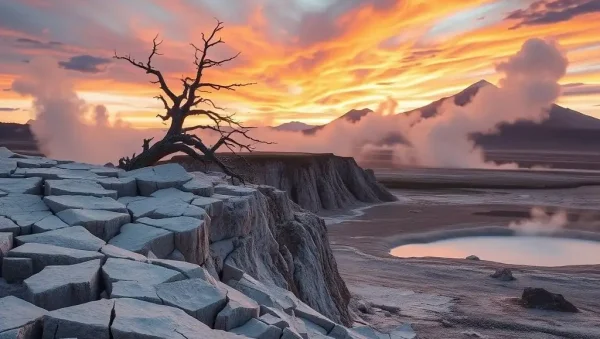
In a counterintuitive twist, climate change is also modifying the biological "healing" process of volcanic landscapes. Warmer temperatures and increased atmospheric carbon dioxide can promote faster plant growth on newly deposited volcanic substrates, potentially stabilizing loose ash horizons quicker than in previous cooler climates. However, this benefit is often offset by increased drought stress and forest fires, which can strip away this protective vegetation and re-expose the land to erosion.
The future mosaic of a volcanic landscape will be dictated by this delicate balance between plant colonization and fire disturbance. Areas that were previously barren lava fields for centuries may suddenly support dense forests, while other lush, vegetated slopes may transform into scrublands or deserts. For explorers, this means the visual character of these landscapes will change continuously, and ecological succession models must be updated to account for the combined effects of higher CO2 and aridity. Violent storms will wash away more soil, altering river systems and sediment delivery to the ocean.
Frequently Asked Questions
How does climate change specifically increase erosion on a volcano?
Climate change intensifies the hydrological cycle, leading to more frequent, intense rainfall and glacial melt. These increased water flows find it easy to mobilize loose ash and weathered volcanic rock, accelerating downslope movement. Additionally, rising temperatures speed up chemical weathering reactions, weakening rock structure, while melting ice exposes fresh, unconsolidated debris to wind and water, collectively escalating erosion rates well beyond natural levels.
Will the shape of famous volcanoes like Mount Fuji change drastically?
Yes, but slowly. Mount Fuji and similar stratovolcanoes will experience accelerated gully erosion on their flanks, altering their smooth symmetry. On shorter timescales, debris flows will carve deeper channels, and the frost-weathering zone will shrink. Over a century, you may see steeper ravines and broader talus slopes. The overall silhouette will remain, but fine details of its slope profile will become more rugged and unstable due to these climate-driven erosional processes.
What is a "lahar" and how is it linked to climate change?
A lahar is a violent, fast-moving mudflow composed of volcanic ash, rock debris, and water, typically flowing down a volcano's river valleys. While often eruption-driven, rains can trigger them. Climate change increases the frequency of extreme rainfall events and accelerates glacial melt, which supplies the water needed to create destructive lahars. Thus, the risk and frequency of non-eruptive climate-induced lahars are projected to rise sharply in the coming decades.
Are there any benefits to faster erosion on volcanic soils?
Yes, there can be. Faster physical breaking down of fresh rocks exposes more mineral surface area to chemical weathering, releasing essential minerals like phosphorus and potassium into the ecosystem. This can lead to periods of very high soil fertility, boosting agricultural yields. In dynamic volcanic regions, this allows for rapid regrowth of vegetation, which can temporarily outpace erosion and create thriving rainforests, though this benefit is fragile and often reversed by fire.
Can we do anything to stop or slow down the erosion of volcanic landscapes?
Localized efforts can slow erosion, such as terracing, reforestation with deep-rooted native plants, and the construction of sediment-check dams to trap debris flows. However, these are only stopgaps. Stopping the underlying cause requires a dramatic global reduction of greenhouse gas emissions. Until then, geologists and engineers focus on monitoring unstable slopes and implementing early-warning systems in populated areas to mitigate the hazards of accelerated erosion.