Volcanic Ash and Pasturelands: Enhancing Grazing Lands for Livestock
Discover how volcanic ash, far from being destructive, can enrich pasturelands. Volcanic ash benefits for livestock are explored, revealing improved soil fertility…
Read article
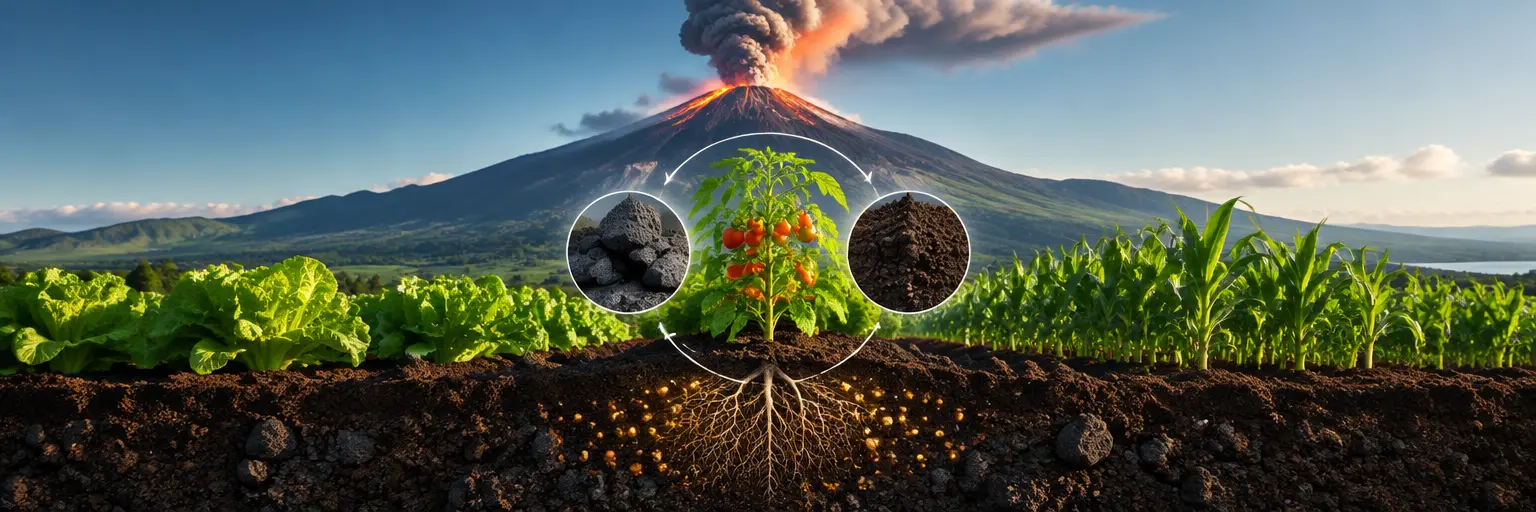
Discover how volcanic eruptions transform barren landscapes into some of the most fertile soils on Earth—a fascinating paradox of destruction and renewal. At Volcano Explorers, we unravel the complex relationship between volcanic ash, lava, and agricultural productivity, showing how nutrient-rich minerals like potassium, phosphorus, and trace elements boost crop yields for centuries. While eruptions can devastate farmland instantly, the long-term benefits are remarkable: volcanic soils, such as Andisols, retain water efficiently, resist erosion, and support thriving vineyards, coffee plantations, and staple crops worldwide. From the terraced slopes of Indonesia to the lush plains of Iceland, learn how ancient eruptions shaped modern food systems and how farmers adapt to volcanic hazards. Explore case studies of regions where volcanic fertility drives economies, the role of microbial life in soil recovery, and sustainable practices that balance risk with reward. Whether you’re a gardener curious about volcanic minerals or a traveler admiring green valleys in calderas, this page reveals the hidden bounty beneath the ash—a testament to nature’s resilience and humanity’s ingenuity.
Discover how volcanic ash, far from being destructive, can enrich pasturelands. Volcanic ash benefits for livestock are explored, revealing improved soil fertility…
Read article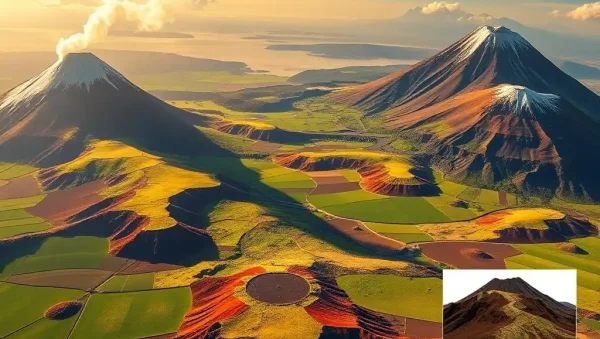
Volcanic soil, surprisingly fertile, holds immense agricultural potential. VolcanoExplorers.org explores advanced volcanic soil mapping techniques, revealing prime farming areas and unlocking the…
Read article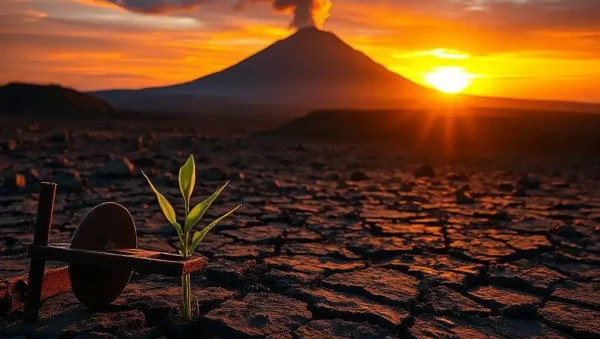
Volcanic eruptions devastate landscapes, but life finds a way. Learn how communities are reclaiming land after volcano eruption, restoring agriculture and rebuilding…
Read article
Volcanic soils, while challenging, foster surprisingly resilient agriculture. VolcanoExplorers.org explores the ingenious solutions farmers near active volcanoes employ to overcome unique obstacles…
Read article
Volcanic soils boast incredible fertility benefits, a consequence of the rich mineral deposits left behind after eruptions. Discover the science behind this…
Read article
Volcanic soils, fertile yet fragile, face erosion challenges. VolcanoExplorers.org explores sustainable volcanic soil management strategies crucial for preserving these unique landscapes and…
Read articleVolcanic eruptions may seem destructive, yet they are also Earth’s most potent fertilizer factories. When lava, ash, and tephra cool and weather, they release a wealth of minerals—potassium, phosphorus, calcium, magnesium, and trace elements—that rejuvenate exhausted soils. At VolcanoExplorers.org, this subcategory explores how volcanic landscapes sustain thriving farms, from lush vineyards on Etna’s slopes to coffee plantations in Java. Discover the science behind volcanic soil genesis, the techniques farmers use to cultivate these rich terrains, and the hidden challenges of heavy metal toxicity and erosion. Whether you are a gardener, an agronomist, or simply fascinated by nature’s resilience, this page offers a deep, SEO-rich dive into the extraordinary bond between fire and food.
Volcanic soils, primarily classified as Andisols, are among the most fertile on Earth. They form from ash deposits rich in volcanic glass, which weathers rapidly under rainfall and microbial activity. This process releases amorphous minerals like allophane and imogolite, which create a crumbly texture that holds water and nutrients exceptionally well. Crucially, these soils are loaded with phosphorus, potassium, and calcium—elements that plants crave. Their high cation exchange capacity (CEC) means they can retain essential ions, preventing nutrient leaching even during heavy rains. For farmers, this translates to reduced fertilizer input and increased yields, especially for crops like maize, potatoes, and beans. However, the chemistry varies by eruption type, so understanding parent material is key to maximizing productivity.
The mineral assemblage in volcanic soils also includes iron and aluminum oxides, which can bind phosphorus tightly under certain pH conditions, leading to "phosphorus fixation." This is a common challenge in tropical volcanic regions, where acidic soils reduce nutrient availability. To mitigate this, agronomists often recommend lime amendments and organic matter additions. Interestingly, the porosity of Andisols allows exceptional root penetration and aeration, promoting vigorous crop development. For instance, the famed terra rossa derived from volcanic basalt in Italy’s Mount Etna region supports robust olive and citrus groves. By reading this section, you will grasp the exact nutrient profiles and physical traits that make volcanic soils a farmer’s hidden treasure.
Volcanic slopes produce some of the world’s most prized agricultural products, thanks to the unique interplay of altitude, drainage, and mineral-rich soils. In Italy, the vineyards of Campania and Sicily—like those around Mount Vesuvius and Etna—yield grapes with pronounced minerality, leading to robust red wines and fragrant whites. Similarly, the highlands of Costa Rica and Guatemala, dotted with volcanoes like Arenal and Atitlán, grow Arabica coffee beans celebrated for their bright acidity and chocolaty notes. The volcanic ash provides a slow-release nutrient supply that enhances flavor complexity, something flat, ancient soils cannot replicate. This terroir effect extends to tea, cocoa, and even quinoa in the Andes, where volcanic fertility supports indigenous farming systems.
Farmers exploit these slopes using ancient techniques like terracing and agroforestry, which prevent erosion and maintain soil moisture. For example, in Indonesia, the fertile slopes of Mount Merapi host extensive rice paddies and vegetable farms, feeding millions. The microclimates created by volcanic elevation—cooler nights, sunny days, and natural irrigation from snowmelt—further boost crop quality. However, accessing these areas can be hazardous due to ongoing volcanic activity, so communities develop risk-adapted agriculture, such as planting short-cycle crops on safe flanks. This section is a must-read for foodies and travelers who want to understand why a volcanic origin translates into superior, premium-priced products.
After an eruption, the path from barren ash field to productive farmland is both challenging and rewarding. The first step is often erosion control—ash is loose and easily swept away by wind or rain. Farmers use straw mulching, windbreaks, and rapid planting of fast-growing grasses to stabilize the soil. Next, they test for residual toxicity from gases like sulfur dioxide or fluorine, which can persist in ash. In many cases, cleaning or tilling ash into the topsoil accelerates microbial colonization and organic matter accumulation. The addition of compost and nitrogen-fixing crops, such as legumes, helps rebuild soil structure and nutrient cycles. For example, in Iceland, farmers have used native lupines to fix nitrogen on volcanic deserts, transforming them into pastureland over decades.
Modern precision agriculture also plays a role: drones map ash thickness, while soil sensors monitor moisture and pH in real time. In regions like the Pacific Northwest (USA), volcanic soils support massive wheat and apple production using conservation tillage that preserves soil organic carbon. For smallholders in developing nations, the use of biochar—a charcoal-like substance made from crop waste—has shown promise in improving volcanic soil’s water retention and nutrient exchange. This section provides actionable insights for farmers, gardeners, and disaster response teams. You will learn how to assess ash quality, choose resilient crops, and apply sustainable amendments to restore fertility faster, turning a natural disaster into an agricultural opportunity.
Despite their fertility, volcanic soils come with hidden drawbacks. Erosion is the most immediate threat—fresh ash lacks cohesion and can create massive landslides or valley-filling lahars. Long-term, soils can suffer from phosphorus fixation and aluminum toxicity in acidic conditions, stunting root growth and reducing yields. Conversely, some volcanic regions are naturally high in heavy metals like arsenic, cadmium, or mercury, which can accumulate in crops and pose health risks. For example, rice grown on volcanic soils in parts of Indonesia has been found to exceed safe lead levels. Additionally, the rapid weathering of volcanic glass releases high levels of soluble salts early on, which can osmotically damage young plants until leaching occurs. This is why careful water management is critical.
Farmers must implement soil testing and remediation strategies, such as adding gypsum to displace aluminum or adjusting irrigation to flush salts. In Java, rotational planting with deep-rooted perennials helps recycle nutrients and reduce metal uptake. Scientists are also developing volcanic-safe crop varieties, tolerant to aluminum and with low metal accumulation. Furthermore, climate change—including increased rainfall intensity—accelerates erosion, so cover cropping and contour plowing are now standard practices. This section is essential for anyone involved in land management or food safety, as it highlights the delicate balance required to reap volcanic rewards without succumbing to its dangers.
Volcanic regions feed over 8% of the world’s population, particularly in developing countries where arable land is scarce. Countries like Indonesia, Ethiopia, Mexico, and Peru rely heavily on volcanic slopes for staple crops like rice, maize, teff, and potatoes. This agricultural bounty is not accidental—volcanic soil’s inherent fertility allows continuous cropping for decades without synthetic fertilizers, supporting smallholder livelihoods. International organizations like FAO promote volcanic soil conservation as part of climate-smart agriculture, recognizing their high carbon storage potential. For instance, Andisols store up to 3 times more soil organic carbon than other mineral soils, mitigating greenhouse gas emissions. Thus, protecting these soils is a double victory for food security and climate resilience.
However, population pressure and urbanization are encroaching on volcanic farmland, while unsustainable practices like slash-and-burn degrade soil health. This section explores case studies from Rwanda’s terraced volcanic hills—where beans and bananas thrive—to the Philippines’ pineapple plantations on Mount Pinatubo’s ash fields. It also examines the role of volcanic islands like Hawaii, where agroforestry systems integrate tree crops to prevent erosion. By understanding these global patterns, policymakers and farmers can replicate successful models. You will discover practical solutions, such as agroecological zoning and community-based reforestation, that ensure volcanic fertility benefits future generations. This content is invaluable for development workers, agronomists, and environmental advocates.
It depends on the eruption’s thickness and type. Thin ash layers (
Not always. While many are acidic (pH 4–5), some, especially those from mafic rocks like basalt, can be neutral to slightly alkaline. The pH depends on rainfall, vegetation, and mineral composition. Regular liming is common in humid tropic volcanic areas to neutralize acidity.
Yes, but ash is low in organic matter and may contain acidic compounds. Mix ash with compost and aged manure, ensure proper drainage, and test for heavy metals. Root vegetables like carrots and onions do well, while leafy greens may need extra nitrogen.
Crops like coffee, tea, grapes, potatoes, quinoa, barley, and certain legumes thrive due to mineral richness and good drainage. In Hawai’i, taro grows wonderfully on volcanic plains. However, crops sensitive to aluminum (e.g., wheat) may struggle on acidic volcanic soils.
Absolutely—fresh ash is rich in essential minerals like potassium, phosphorus, calcium, magnesium, sulfur, and trace elements like zinc and copper. As it weathers, these become plant-available. However, micronutrients like selenium can be toxic in excess, so moderation and soil testing are key.