
Volcanic Soil Erosion: Challenges and Solutions for Sustainable Land Management

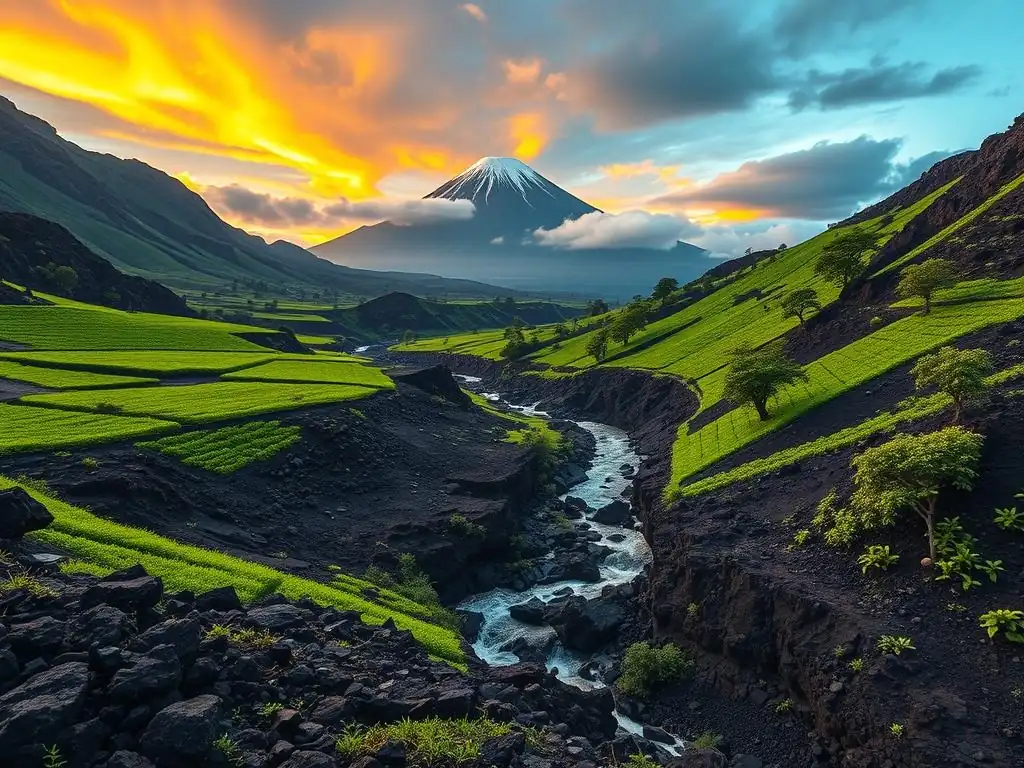
Welcome to Volcano Explorers, where the Earth's fiery heart meets inquisitive minds. Ever wondered how landscapes forged in fire can also nurture life? Prepare to be surprised. Delve into our latest article where we unravel the secrets of sustainable volcanic soil management, exploring how we can harness the power of these fertile lands while mitigating the risks of erosion. What if the key to a greener future lies beneath the shadow of a volcano? Let's find out...
- Introduction: The Dual Nature of Volcanic Soil
-
Frequently Asked Questions
- What are the main challenges associated with volcanic soil erosion?
- Why is sustainable land management crucial in volcanic regions?
- What are some effective solutions for mitigating volcanic soil erosion?
- How does volcanic activity impact long-term soil health and sustainability?
- What role do local communities play in sustainable volcanic soil management?
- Final Reflection: Cultivating Resilience from Volcanic Ashes
- Unearth Solutions: Protect Our Volcanic Lands!
Introduction: The Dual Nature of Volcanic Soil
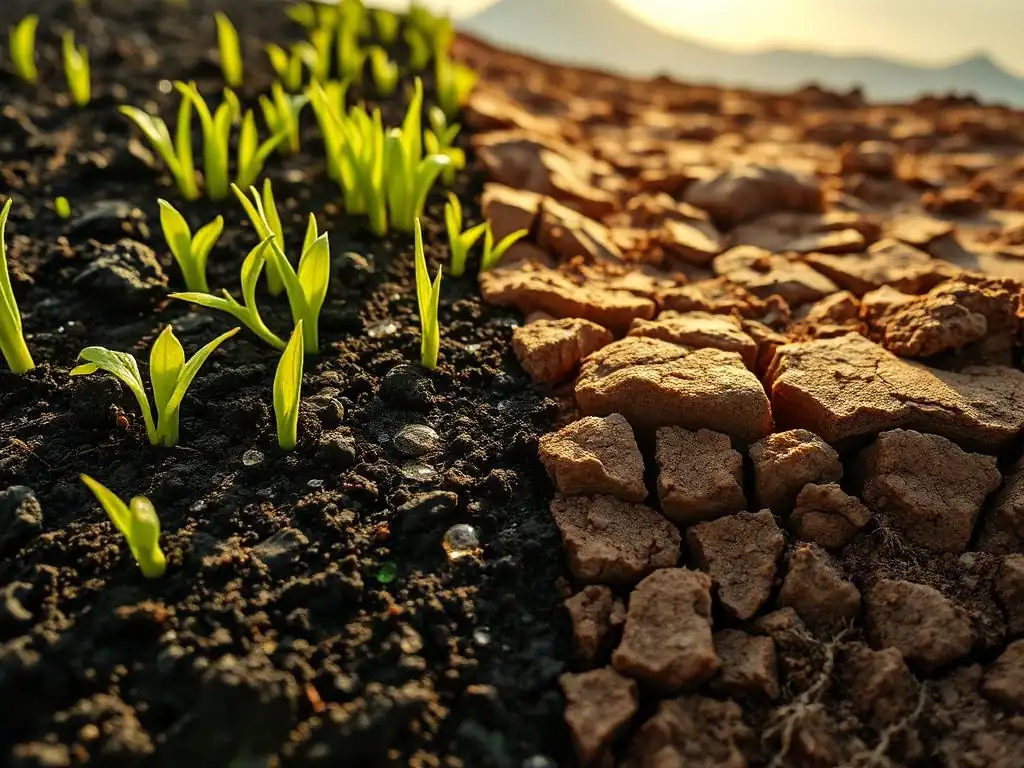
Understanding the Paradox: Volcanic Fertility and Erosion Risk
Volcanic soils, particularly Andisols derived from volcanic ash, are renowned for their exceptional fertility, a characteristic that has drawn populations to volcanic regions for centuries. This fertility stems from a unique combination of factors. Fresh volcanic ash is rich in essential plant nutrients such as phosphorus, potassium, calcium, magnesium, and micronutrients like iron, copper, and zinc.
Furthermore, the porous nature of volcanic ash enhances water infiltration and aeration, creating an ideal environment for root development. The presence of allophane and imogolite, clay minerals characteristic of Andisols, further contributes to fertility by efficiently retaining nutrients and water, making them readily available to plants. This inherent richness makes volcanic soils highly productive for agriculture, supporting diverse ecosystems and human livelihoods.
However, this very fertility is intertwined with a significant vulnerability: high susceptibility to erosion. The light and unconsolidated nature of volcanic ash, while beneficial for aeration, renders it easily erodible, especially on sloping volcanic terrains. The lack of strong aggregation in newly formed Andisols means that soil particles are easily detached and transported by water and wind.
Regions with intense rainfall, common in many volcanic areas, exacerbate this issue, leading to rapid soil loss. Furthermore, the often steep slopes of volcanic cones and flanks naturally promote runoff, accelerating erosion processes. This paradox of fertile yet fragile soils presents a critical challenge for sustainable land management in volcanic regions.
Why Sustainable Volcanic Soil Management Matters
Sustainable volcanic soil management is paramount for ensuring the long-term productivity and resilience of volcanic landscapes and the communities that depend on them. The consequences of unchecked soil erosion in these regions are far-reaching, impacting agricultural yields, water quality, ecosystem health, and local economies. Declining soil fertility due to erosion directly translates to reduced crop production, threatening food security and livelihoods, especially in areas heavily reliant on agriculture. For example, in regions like the Philippines and Indonesia, where volcanic soils are extensively cultivated, soil erosion poses a significant threat to rice and vegetable production, staple crops for millions.
Moreover, eroded volcanic soil, rich in nutrients and fine particles, becomes a major non-point source pollutant. Sedimentation of rivers and streams degrades water quality, harming aquatic ecosystems and impacting downstream water users. Nutrient runoff can lead to eutrophication in lakes and coastal waters, disrupting aquatic life and potentially causing harmful algal blooms.
Beyond agriculture and water resources, soil erosion contributes to land degradation, loss of biodiversity, and increased vulnerability to landslides and other natural hazards. Sustainable volcanic soil management, therefore, is not merely an agricultural concern but a crucial element for environmental protection, disaster risk reduction, and the overall well-being of communities living in volcanic areas. Implementing effective erosion control measures and adopting sustainable land use practices are essential investments for securing a healthy and productive future in these dynamic and often challenging environments.
Frequently Asked Questions
What are the main challenges associated with volcanic soil erosion?
Volcanic soils, while fertile, are often unstable due to their young age and high sand content, leading to rapid erosion from wind and water, especially after volcanic eruptions.
Why is sustainable land management crucial in volcanic regions?
Sustainable land management is essential to preserve soil fertility, reduce erosion, and protect water resources in areas prone to volcanic activity, ensuring long-term agricultural productivity and ecosystem health.
What are some effective solutions for mitigating volcanic soil erosion?
Solutions include implementing terracing, reforestation with native species, and using cover crops to stabilize the soil and prevent erosion, promoting sustainable agriculture practices.
How does volcanic activity impact long-term soil health and sustainability?
Volcanic activity can initially enrich the soil with nutrients but also cause significant soil degradation through eruptions, ashfall, and landslides, making sustainable management critical for long-term viability.
What role do local communities play in sustainable volcanic soil management?
Local communities are vital for implementing and maintaining sustainable practices. Their knowledge and participation are crucial for adapting strategies to specific local conditions and ensuring long-term success.
Final Reflection: Cultivating Resilience from Volcanic Ashes
The exploration of volcanic soil erosion and its sustainable management is not merely an academic exercise; it is a critical imperative for global food security and environmental stability. As volcanic regions become increasingly vulnerable to climate change and unsustainable agricultural practices, the need for innovative and adaptive strategies becomes ever more pressing.
The enduring impact of volcanic soil, both its potential for unparalleled fertility and its susceptibility to devastating erosion, continues to shape the cultural and social landscapes of communities living in its shadow. My own understanding of this delicate balance has deepened through this research, revealing the profound interconnectedness between human actions and the natural world. We have not inherited the earth from our ancestors, but borrowed it from our children.
This ancient proverb reminds us that our responsibility extends beyond the present, demanding that we safeguard these precious resources for generations to come.
Let us all, therefore, reflect on the lessons learned from the challenges and solutions presented in this exploration of sustainable volcanic soil management. Consider how you, in your own sphere of influence, can contribute to fostering a more resilient and equitable future. Whether through supporting sustainable farming practices, advocating for responsible land management policies, or simply educating yourself and others, your actions can help transform the ashes of adversity into fertile ground for a brighter tomorrow.
Unearth Solutions: Protect Our Volcanic Lands!
Thank you for exploring the challenges of volcanic soil erosion and the importance of sustainable land management. Now, let's take action to protect these unique and vital ecosystems.
Here's how you can make a difference:
- Implement soil conservation best practices in your garden or community. This is a direct way to contribute to a solution.
- Share this article to raise awareness about volcanic soil erosion.
- Support local environmental conservation organizations near volcanic regions by volunteering your time or donating. You might be surprised by the impact you can have!
What innovative strategies could best prevent soil erosion on volcanic landscapes? Share your ideas in the comments below!