
The Resilience of Volcanic Agriculture: Overcoming Challenges and Thriving


Welcome to Volcano Explorers, where the Earth breathes fire and landscapes are forged in molten rock. Ever wondered how life can possibly thrive in the shadow of such immense power? Our latest exploration delves into the surprising world of volcanic agriculture, uncovering the challenges and innovative solutions that allow communities to cultivate fertile lands born from destruction. But is this delicate balance sustainable? Discover the secrets within...
- Introduction: Volcanic Soil Fertility and the Promise of Agriculture
- Understanding Volcanic Agriculture: A Unique Farming System
-
Volcanic Agriculture Challenges Solutions: Addressing the Obstacles
- Challenge 1: Soil Acidity in Volcanic Regions: Understanding the pH Imbalance
- Challenge 2: Water Management in Volcanic Landscapes: Drainage and Irrigation
- Challenge 3: Heavy Metal Contamination in Volcanic Soils: Assessing the Risks
- Challenge 4: Volcanic Hazards and Agricultural Vulnerability: Eruption Risks
- Volcanic Agriculture Best Practices: Optimizing Yields and Sustainability
- Case Studies: Successful Volcanic Agriculture Initiatives Around the World
- The Future of Volcanic Agriculture: Innovation and Adaptation
- Conclusion: Embracing the Potential of Volcanic Agriculture
-
Frequently Asked Questions
- What are the main challenges faced by farmers practicing volcanic agriculture?
- How does volcanic ash affect soil fertility, and what can be done to improve it?
- What are some successful examples of crops that thrive in volcanic soil?
- What sustainable agriculture techniques can mitigate the risks associated with volcanic eruptions?
- How can communities living near volcanoes balance agricultural needs with safety concerns?
- Final Reflection: Cultivating Hope from Ash
- Cultivate Your Own Volcanic Spirit!
Introduction: Volcanic Soil Fertility and the Promise of Agriculture
Volcanic landscapes, often perceived as barren and hazardous due to eruptions and seismic activity, surprisingly hold immense potential for agriculture. The very processes that create volcanic formations also lay the foundation for incredibly fertile soils over time. While the initial aftermath of a volcanic event can be devastating, the long-term weathering of volcanic rock releases essential minerals and nutrients that are vital for plant growth.
This inherent fertility has supported thriving agricultural practices in volcanic regions across the globe for centuries, showcasing a remarkable synergy between natural forces and human ingenuity. Understanding the unique characteristics of volcanic soils and the specific challenges and solutions associated with farming in these dynamic environments is crucial to appreciate the resilience and potential of volcanic agriculture.
Understanding Volcanic Agriculture: A Unique Farming System
What is Volcanic Agriculture? Defining the Practice
Volcanic agriculture is a specialized farming system practiced in regions directly influenced by volcanic activity, primarily characterized by soils derived from volcanic materials. These soils, known as Andisols, are formed through the weathering of volcanic ash, lava flows, and other volcanic ejecta. Volcanic agriculture is not merely about farming on volcanic land; it's about adapting agricultural techniques to the specific properties and challenges presented by these unique soils and the volcanic environment itself.
This adaptation encompasses crop selection, soil management practices, and strategies to mitigate volcanic hazards. It's a system deeply intertwined with the geological processes of volcanic regions, leveraging the inherent fertility while navigating the inherent risks.
The Benefits of Volcanic Soils for Crop Production: Nutrient-Rich Landscapes
Volcanic soils are renowned for their exceptional fertility, a characteristic stemming from their mineral-rich composition. Fresh volcanic ash, for example, is packed with essential plant nutrients like phosphorus, potassium, calcium, magnesium, and micronutrients such as iron, zinc, and copper. As volcanic materials weather, these nutrients are gradually released, providing a sustained source of nourishment for plants.
Furthermore, Andisols often possess excellent physical properties, including good drainage and water retention, as well as a porous structure that promotes aeration and root penetration. These combined attributes contribute to high agricultural productivity in volcanic regions, often surpassing yields in areas with less fertile soil types. Studies in regions like Java, Indonesia, have demonstrated significantly higher rice yields on volcanic soils compared to non-volcanic soils in similar climatic conditions, highlighting the inherent advantages.
Key Crops Thriving in Volcanic Regions: Coffee, Grapes, and Taro
The rich nutrient profile and favorable physical properties of volcanic soils support a diverse range of crops. Certain crops, however, exhibit exceptional performance in these environments. Coffee, particularly Arabica coffee, is famously cultivated in volcanic regions of Central and South America, East Africa, and Indonesia. The volcanic soils contribute to the distinctive flavor profiles and high quality associated with these coffees.
Grapevines also thrive in volcanic soils, especially in regions like Italy (Mount Etna, Vesuvius), the Canary Islands, and Santorini, Greece. The mineral composition of volcanic soils is believed to impart unique characteristics to the wines produced in these areas. Beyond export crops, staple foods like taro, a root vegetable, are also widely cultivated in volcanic islands of the Pacific, demonstrating the versatility of volcanic agriculture in supporting both commercial and subsistence farming.
Volcanic Agriculture Challenges Solutions: Addressing the Obstacles
Challenge 1: Soil Acidity in Volcanic Regions: Understanding the pH Imbalance
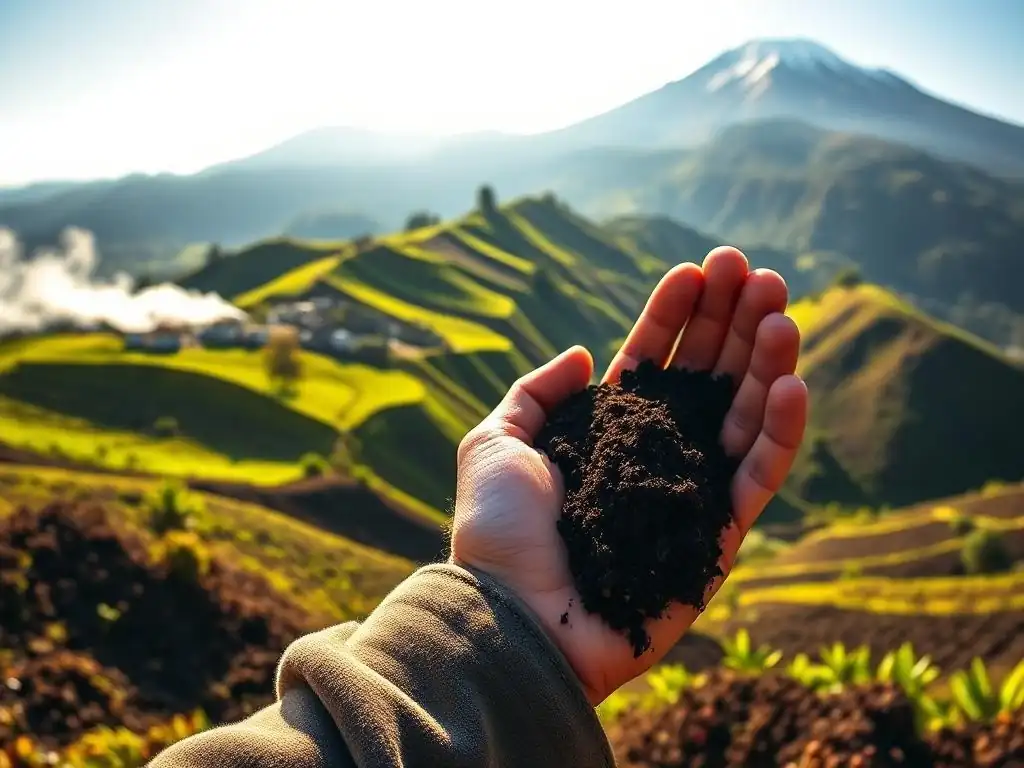
While volcanic soils are fertile, they often present challenges, particularly in terms of soil acidity. Fresh volcanic ash and pumice can initially have a very low pH, making the soil highly acidic. This acidity is primarily due to the presence of aluminum and iron ions, which are released during weathering and can be toxic to plants at high concentrations.
Soil acidity can limit the availability of essential nutrients like phosphorus, calcium, and magnesium, even if they are present in the soil. It also affects the activity of beneficial soil microorganisms, which are crucial for nutrient cycling and soil health. In regions with high rainfall, the leaching of bases like calcium and magnesium can further exacerbate soil acidity over time, posing a significant constraint to agricultural productivity.
Solutions for Soil Acidity: Liming and other Amendments
Addressing soil acidity in volcanic agriculture is crucial for optimizing crop yields. Liming is a widely practiced and effective solution. Applying lime, which is typically calcium carbonate or dolomite, neutralizes soil acidity by reacting with the acidic components and raising the pH. The amount of lime needed depends on the initial soil pH and the buffer capacity of the soil. Regular soil testing is essential to determine the appropriate liming rate.
Beyond liming, other soil amendments can also be used to mitigate acidity. Organic matter, such as compost and manure, can improve soil buffering capacity and reduce the negative effects of acidity. The use of acid-tolerant crops is another adaptive strategy. Certain crops, like potatoes and blueberries, are more tolerant of acidic conditions than others, making them suitable choices for volcanic regions with persistent soil acidity issues.
Challenge 2: Water Management in Volcanic Landscapes: Drainage and Irrigation
Water management in volcanic landscapes presents a dual challenge: dealing with both excessive drainage and the need for irrigation. Volcanic soils, especially those rich in pumice and ash, often have excellent drainage due to their porous structure. While good drainage is beneficial in preventing waterlogging, it can also lead to rapid water loss, making crops vulnerable to drought stress, particularly during dry seasons.
Conversely, in regions with high rainfall, the same porous structure can lead to rapid percolation of water, potentially leaching nutrients from the topsoil and impacting water availability for plants during drier periods. The topography of volcanic regions, often characterized by steep slopes, further complicates water management, increasing runoff and erosion risks.
Solutions for Water Management: Techniques for Efficient Water Use
Efficient water management in volcanic agriculture requires a combination of techniques to conserve water and ensure adequate moisture for crops. Irrigation is often necessary, especially during dry periods. Drip irrigation and sprinkler irrigation are effective methods for delivering water directly to plant roots, minimizing water loss through evaporation and runoff. Water harvesting techniques, such as collecting rainwater or diverting stream water, can supplement irrigation water sources.
Improving soil water retention is also crucial. Incorporating organic matter into the soil enhances its water-holding capacity, reducing the need for frequent irrigation. Terracing on sloping volcanic lands can slow down runoff, increase water infiltration, and reduce soil erosion, further improving water availability for crops. Choosing drought-tolerant crops and employing mulching techniques are additional strategies to optimize water use in volcanic agricultural systems.
Challenge 3: Heavy Metal Contamination in Volcanic Soils: Assessing the Risks
Volcanic soils, while naturally rich in minerals, can also contain elevated levels of heavy metals. These heavy metals, such as arsenic, cadmium, lead, and mercury, are naturally present in volcanic rocks and ash. While in many cases, these levels are within acceptable limits, in certain volcanic regions, particularly those with specific types of volcanic rocks or hydrothermal activity, heavy metal concentrations can be high enough to pose a risk of soil contamination.
The uptake of heavy metals by crops grown in contaminated soils can be a concern for food safety, potentially impacting human health through the consumption of contaminated produce. Assessing the levels of heavy metals in volcanic soils is therefore essential to identify potential risks and implement appropriate mitigation strategies.
Solutions for Heavy Metal Remediation: Minimizing Contamination Impact
Addressing heavy metal contamination in volcanic agricultural soils requires a multi-faceted approach. Phytoremediation, using plants to remove or stabilize heavy metals in soil, is a promising biological technique. Certain plant species are known to accumulate heavy metals in their tissues, effectively extracting them from the soil.
These plants can then be harvested and disposed of safely. Soil amendments, such as biochar and activated carbon, can also be used to immobilize heavy metals in the soil, reducing their bioavailability and uptake by plants. Liming, which raises soil pH, can also reduce the mobility of some heavy metals, like lead and cadmium.
In severely contaminated areas, crop selection becomes crucial. Choosing crops that have low uptake rates of specific heavy metals or cultivating non-food crops can minimize the risk of food chain contamination. Regular soil and crop monitoring for heavy metal levels is essential to ensure food safety and assess the effectiveness of remediation efforts.
Challenge 4: Volcanic Hazards and Agricultural Vulnerability: Eruption Risks
Perhaps the most significant challenge to volcanic agriculture is the inherent risk of volcanic hazards. Volcanic eruptions can directly devastate agricultural lands through lava flows, pyroclastic flows, ashfall, and volcanic gases. Ashfall, even in relatively small quantities, can bury crops, contaminate water sources, and disrupt agricultural activities.
Pyroclastic flows and lava flows can completely destroy fields and infrastructure. Volcanic gases, such as sulfur dioxide and hydrogen sulfide, can be toxic to plants and animals, causing widespread damage to agricultural ecosystems. The unpredictable nature of volcanic eruptions and the potential for rapid and widespread destruction make agricultural activities in active volcanic regions inherently vulnerable.
Mitigation Strategies for Volcanic Eruption Impacts on Agriculture: Crop Diversification and Early Warning Systems
Mitigating the impact of volcanic hazards on agriculture requires a combination of proactive strategies. Crop diversification is a key approach. Relying on a wide variety of crops reduces the risk of losing the entire harvest in a single volcanic event. Different crops have varying levels of vulnerability to different volcanic hazards.
Early warning systems are crucial for providing timely alerts about impending eruptions, allowing farmers to take protective measures, such as harvesting crops early, evacuating livestock, and covering sensitive crops. Volcano monitoring and forecasting are essential components of effective early warning systems. Developing ashfall contingency plans, including methods for ash removal from fields and infrastructure, and strategies for protecting water sources, can minimize the disruption caused by ashfall events. Long-term land-use planning and zoning regulations can help to limit agricultural development in areas of highest volcanic risk, promoting safer and more sustainable agricultural practices in volcanic regions.
Volcanic Agriculture Best Practices: Optimizing Yields and Sustainability
Sustainable Farming Techniques in Volcanic Environments: Preserving Soil Health
Sustainable farming practices are paramount in volcanic agriculture to maintain soil health and long-term productivity. Given the dynamic nature of volcanic environments and the potential for soil degradation, adopting conservation-oriented approaches is crucial. Crop rotation is a fundamental sustainable practice. Rotating different crops can improve soil fertility, reduce pest and disease pressure, and enhance soil structure.
No-till or reduced-tillage farming minimizes soil disturbance, preserving soil organic matter and reducing erosion, particularly important in sloping volcanic landscapes. Integrated nutrient management, combining organic and inorganic fertilizers based on soil testing, ensures efficient nutrient use and minimizes environmental impacts. Promoting biodiversity in agricultural systems, through agroforestry and intercropping, enhances ecosystem resilience and provides multiple benefits, including soil conservation, pest control, and diversified income streams.
Crop Selection for Volcanic Regions: Choosing the Right Plants
Choosing the right crops is a critical factor for success in volcanic agriculture. Selecting crops that are well-adapted to the specific conditions of volcanic soils and the local climate is essential. Considering soil pH, water availability, and potential volcanic hazards are key aspects of crop selection. As mentioned earlier, acid-tolerant crops may be preferable in regions with acidic volcanic soils.
Drought-tolerant crops are suitable for areas prone to water scarcity. Fast-maturing crops can be advantageous in regions with a short growing season or where there is a risk of volcanic eruptions disrupting agricultural cycles. Local knowledge and traditional farming practices often provide valuable insights into suitable crop varieties that have been successfully cultivated in volcanic environments for generations. Diversifying crop choices beyond staple crops can also enhance resilience and market opportunities.
Soil Conservation Strategies for Volcanic Agriculture: Preventing Erosion and Degradation
Soil erosion is a significant threat in volcanic regions, particularly on steep slopes and in areas with intense rainfall. Volcanic soils, while structurally sound, can be vulnerable to erosion if not managed properly. Implementing soil conservation strategies is crucial to prevent soil loss and maintain soil fertility. Terracing, as mentioned earlier, is an effective technique for reducing slope steepness and controlling runoff.
Contour plowing and planting along contour lines also help to slow down water flow and minimize erosion. Cover cropping, planting non-cash crops between main crops or during fallow periods, protects the soil surface from erosion, improves soil structure, and adds organic matter. Windbreaks, planting rows of trees or shrubs, can reduce wind erosion in exposed volcanic landscapes. Maintaining adequate vegetation cover on agricultural lands is a fundamental principle of soil conservation in volcanic agriculture.
Case Studies: Successful Volcanic Agriculture Initiatives Around the World
Case Study 1: Canary Islands - A Model for Sustainable Volcanic Farming
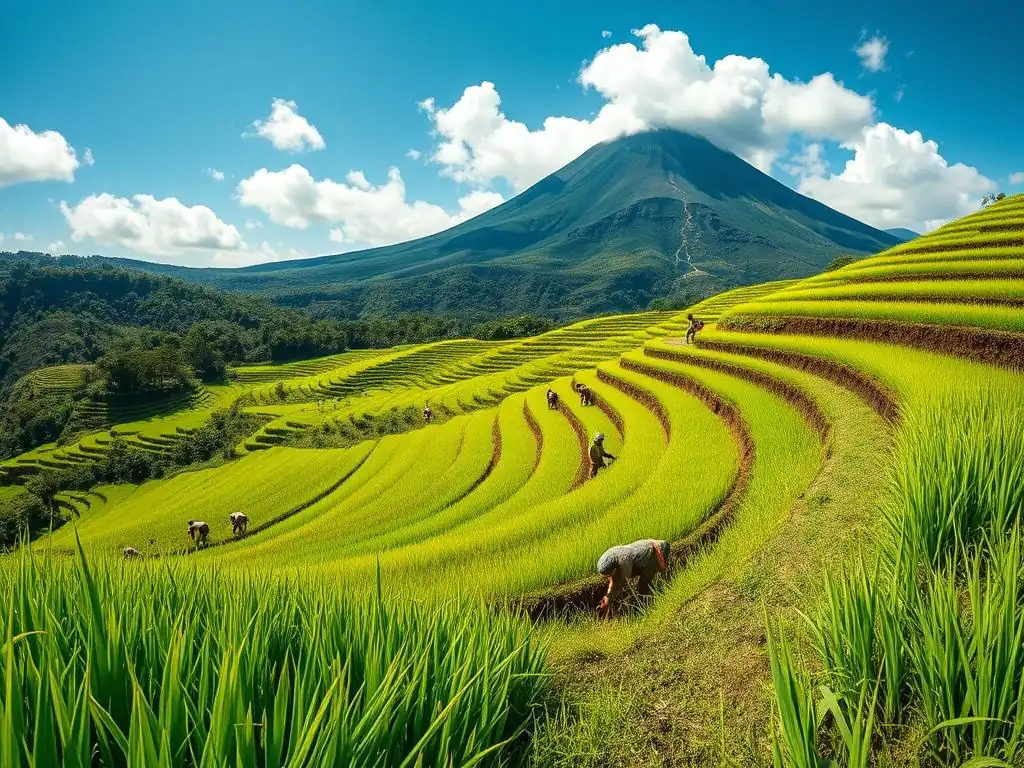
The Canary Islands, a volcanic archipelago off the coast of Northwest Africa, exemplify sustainable volcanic agriculture. The islands boast unique volcanic landscapes and fertile soils, supporting a diverse agricultural sector. Farmers in the Canary Islands have developed innovative techniques to overcome the challenges of volcanic terrain and water scarcity. Terracing is extensively practiced, creating arable land on steep slopes and conserving water.
The cultivation of grapes for wine production is a significant economic activity, with unique grape varieties adapted to the volcanic soils and climate. Banana cultivation is another major crop, benefiting from the rich volcanic soils and mild temperatures. Sustainable water management practices, including water harvesting and efficient irrigation, are crucial in this relatively dry environment. The Canary Islands demonstrate a long history of adapting agricultural practices to the volcanic environment, showcasing a model of resilience and sustainability.
Case Study 2: Mount Etna, Italy - Innovation in Crop Production on Volcanic Soils
Mount Etna, an active volcano in Sicily, Italy, provides another compelling case study of successful volcanic agriculture. The fertile volcanic soils on the slopes of Mount Etna support a thriving agricultural region, renowned for its high-quality produce. Grape cultivation is a dominant agricultural activity, with vineyards producing distinctive Etna DOC wines, highly valued for their mineral complexity derived from the volcanic soils. Olive groves and citrus orchards also flourish on the volcanic slopes.
Farmers in the Etna region have developed specialized techniques to manage the challenges of volcanic soils and the risk of eruptions. Innovative irrigation systems and soil management practices are employed to optimize crop yields. The proximity to an active volcano necessitates constant monitoring and adaptation, but the rewards of cultivating these fertile volcanic lands are evident in the high-value agricultural products of the Etna region.
The Future of Volcanic Agriculture: Innovation and Adaptation
Emerging Technologies for Volcanic Agriculture: Improving Efficiency and Resilience
The future of volcanic agriculture is intertwined with the adoption of emerging technologies to enhance efficiency and resilience. Precision agriculture technologies, such as GPS-guided machinery, remote sensing, and variable rate application of fertilizers, can optimize resource use and improve yields in volcanic environments. Drones equipped with multispectral cameras can monitor crop health, identify areas of stress, and assess soil conditions, providing valuable data for informed decision-making.
Vertical farming and hydroponics, while still in early stages of adoption in volcanic regions, offer potential solutions for increasing food production in limited land areas and reducing reliance on soil-based agriculture, particularly in areas vulnerable to volcanic hazards. Biotechnology and genetic improvement can play a role in developing crop varieties that are more tolerant to soil acidity, drought, and heavy metals, further enhancing the resilience of volcanic agriculture.
The Role of Research in Advancing Volcanic Agriculture: New Discoveries and Insights
Continued research is essential to unlock the full potential of volcanic agriculture and address its challenges. Soil science research focused on understanding the complex properties of Andisols, nutrient dynamics, and heavy metal behavior is crucial for developing targeted soil management strategies. Crop breeding programs aimed at developing cultivars specifically adapted to volcanic soil conditions and volcanic hazards are needed.
Research on sustainable water management techniques, including efficient irrigation methods and water harvesting strategies, is vital in water-scarce volcanic regions. Socioeconomic research exploring the livelihoods of volcanic farming communities, their adaptation strategies, and the role of local knowledge is essential for developing inclusive and sustainable agricultural development pathways. Interdisciplinary research, combining geological, agricultural, and social science perspectives, is key to advancing volcanic agriculture in a holistic and sustainable manner.
The Importance of Community Involvement in Volcanic Agriculture: Local Knowledge and Collaboration
Community involvement is paramount for the success and sustainability of volcanic agriculture. Local farming communities possess invaluable traditional knowledge about volcanic soils, climate, and suitable farming practices, accumulated over generations of experience. Integrating this local knowledge with scientific research and technological innovations is crucial for developing context-specific and effective agricultural solutions.
Participatory approaches, involving farmers in research, extension, and decision-making processes, ensure that agricultural development initiatives are relevant, responsive to local needs, and culturally appropriate. Farmer cooperatives and community-based organizations play a vital role in promoting knowledge sharing, collective action, and access to resources and markets. Strengthening community-based institutions and fostering collaboration among farmers, researchers, extension agents, and policymakers are essential for building resilient and thriving volcanic agricultural systems.
Conclusion: Embracing the Potential of Volcanic Agriculture
Volcanic Agriculture: A Path to Sustainable Food Production
Volcanic agriculture, despite the inherent challenges posed by volcanic environments, represents a remarkable example of human adaptation and resilience. The fertile volcanic soils, when managed sustainably, offer significant potential for food production and contribute to local livelihoods in volcanic regions around the world. Addressing the challenges of soil acidity, water management, heavy metal contamination, and volcanic hazards requires a combination of scientific knowledge, technological innovation, and community-based approaches.
By embracing sustainable farming practices, leveraging emerging technologies, and fostering collaboration, volcanic agriculture can play an increasingly important role in ensuring food security and promoting sustainable development in these dynamic and often underappreciated landscapes. Recognizing and harnessing the potential of volcanic agriculture is not just about overcoming obstacles; it's about unlocking a path to sustainable food production in some of the most naturally fertile, yet challenging, environments on Earth.
Frequently Asked Questions
What are the main challenges faced by farmers practicing volcanic agriculture?
The primary challenges include nutrient imbalances in the volcanic soil, high acidity that hinders plant growth, and the potential for crop damage from ashfall during eruptions.
How does volcanic ash affect soil fertility, and what can be done to improve it?
Volcanic ash can initially provide essential minerals, but its long-term impact can lead to nutrient deficiencies. Farmers often use techniques like crop rotation and composting to improve soil health.
What are some successful examples of crops that thrive in volcanic soil?
Certain crops, like grapes, coffee, and some vegetables, are well-suited to volcanic soils because they can tolerate specific nutrient profiles and drainage conditions.
What sustainable agriculture techniques can mitigate the risks associated with volcanic eruptions?
Implementing water management systems to combat erosion, using protective covers for crops, and developing early warning systems are crucial for mitigating eruption risks.
How can communities living near volcanoes balance agricultural needs with safety concerns?
Balancing needs involves land-use planning that considers eruption hazards, implementing evacuation plans, and developing disaster-resistant farming practices to ensure long-term sustainability.
Final Reflection: Cultivating Hope from Ash
The exploration of volcanic agriculture reveals more than just innovative farming techniques; it showcases the unyielding human spirit's capacity to thrive even amidst apparent devastation. The lessons learned from these resilient communities resonate profoundly today, as we face increasingly unpredictable environmental challenges and the urgent need for sustainable food production.
The story of volcanic agriculture is not just about overcoming obstacles; it's about transforming them into opportunities. It's a testament to the power of adaptation and the deep connection between humanity and the land, a connection that feels increasingly vital in our disconnected modern world. The ultimate measure of a man is not where he stands in moments of comfort and convenience, but where he stands at times of challenge and controversy.
- Martin Luther King, Jr. This quote perfectly encapsulates the spirit of those who have mastered the art of cultivating life from volcanic ash.
As you reflect on the challenges and solutions presented in this article, consider how the principles of resilience, innovation, and community collaboration can be applied to your own life. Embrace the spirit of the volcanic farmer – see potential where others see only destruction, and cultivate hope from the ashes of adversity. Let their story inspire you to find creative solutions to the challenges you face and to build a more sustainable and resilient future for all.
Cultivate Your Own Volcanic Spirit!
Thank you for exploring the remarkable resilience of volcanic agriculture with us! We hope you've gained a newfound appreciation for the ingenuity of farmers who thrive in challenging environments. Now, it's time to translate that inspiration into action.
Here's how you can connect with this powerful story:
- Begin by supporting sustainable volcanic agriculture: Seek out and purchase produce from regions known for their volcanic soils, ensuring you're backing farmers who embrace these unique ecosystems.
- Dive deeper by researching the specific crops that thrive in volcanic regions. Share your findings with friends and family, sparking conversations about the ingenuity of volcanic agriculture.
- Reflect on the resourcefulness and resilience that volcanic farmers demonstrate. How can you apply these lessons to your own life and challenges?
What small change can you make today to embrace the spirit of resilience and innovation you've witnessed in volcanic agriculture? Share your thoughts in the comments below!