Volcanic Impact on Marine Ecosystems: Life Beneath the Waves
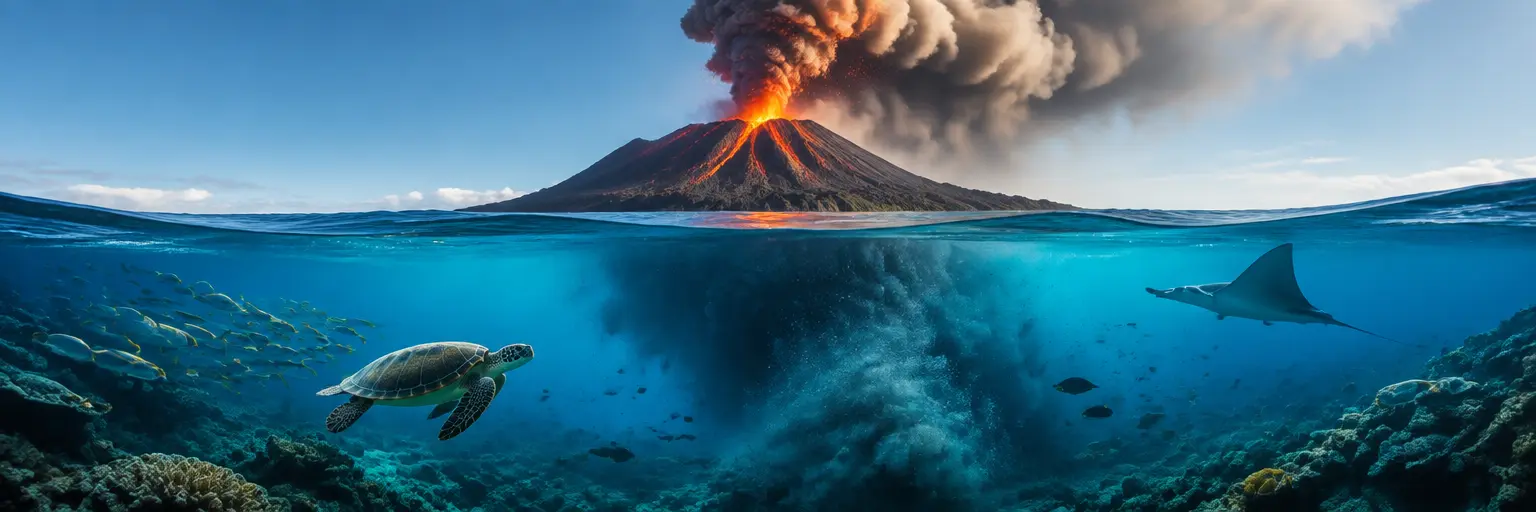
When volcanoes erupt beneath the ocean or send ash into coastal waters, they trigger profound changes in marine life. At Volcano Explorers, we uncover how these fiery events shape underwater habitats, from nutrient-rich blooms to devastating die-offs. This subcategory explores the dual nature of volcanic impact on marine ecosystems—destruction and renewal—while highlighting the resilience of ocean life. Learn how scientists track these changes and what they mean for the planet’s health.
🌋 Nutrient Injection: How Volcanic Ash Fertilizes Ocean Life
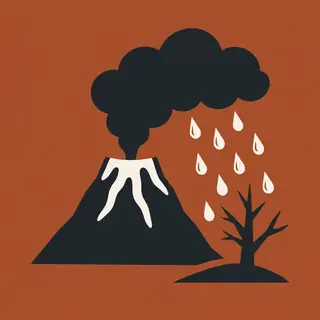
Volcanic eruptions release iron, phosphorus, and other trace elements that act as natural fertilizers for phytoplankton, the base of the marine food web. When ash falls on the ocean surface, it dissolves and stimulates rapid growth of these microscopic algae, creating large blooms that support zooplankton, fish, and even whales. This process can temporarily boost productivity in otherwise nutrient-poor waters, as seen after the 2008 Kasatochi eruption in Alaska, which triggered a massive phytoplankton surge.
However, the effect is not always uniform. Phytoplankton blooms depend on the ash’s mineral composition, particle size, and local ocean currents. In some cases, excessive nutrients can lead to harmful algal blooms that deplete oxygen and kill marine life. Researchers use satellite imagery and water sampling to measure these impacts, helping predict whether an eruption will benefit or harm regional fisheries. Understanding this balance is crucial for managing marine resources near active volcanic zones.
🌊 Hydrothermal Vents: Oases of Life on the Seafloor
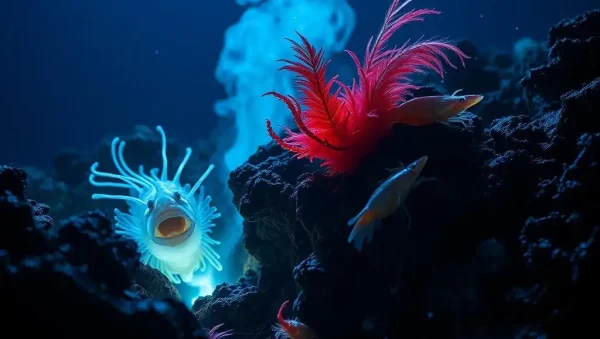
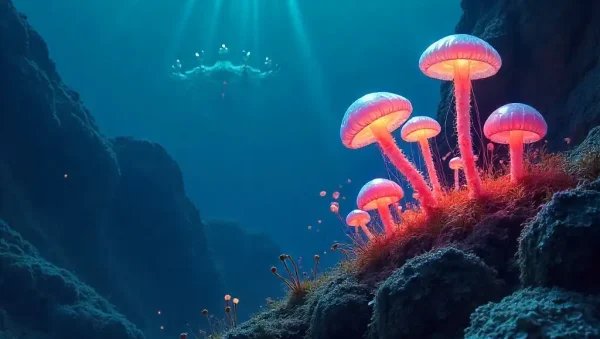
Volcanic activity along mid-ocean ridges creates hydrothermal vents—cracks in the ocean floor where superheated, mineral-rich water escapes. These vents support unique ecosystems that thrive without sunlight, relying on chemosynthesis. Bacteria convert hydrogen sulfide and other chemicals into energy, forming the base of a food chain that includes giant tube worms, shrimp, and crabs. These communities are among the most productive on Earth, with biomass densities rivaling coral reefs.
For scientists, hydrothermal vents offer a window into early Earth life and potential life on other planets. Endemic species found only at vents have evolved extraordinary adaptations, such as heat-resistant enzymes and symbiotic relationships with bacteria. However, deep-sea mining threatens these fragile habitats, and volcanic eruptions can destroy vents overnight. Conservation efforts now focus on mapping vent sites and establishing marine protected areas to preserve their biodiversity.
🐟 Direct Mortality: Lava Flows, Acidification, and Toxic Gases
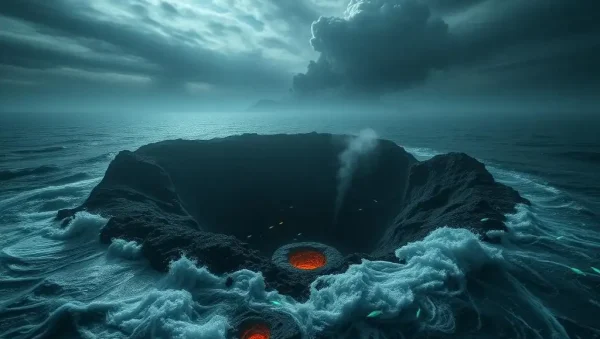
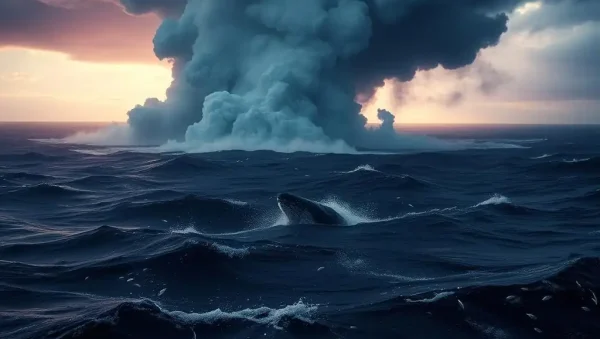
Explosive eruptions or lava entering the ocean can raise water temperatures dramatically, instantly killing fish and invertebrates in shallow coastal zones. The 2018 Kilauea eruption created a lava delta that boiled seawater, producing a white plume of steam and hydrochloric acid, which acidified nearby waters and killed coral reefs. Toxic gases like sulfur dioxide also dissolve into seawater, creating acidic conditions that harm shellfish and disrupt calcium carbonate formation.
Beyond immediate mortality, volcanic inputs can cause long-term habitat degradation. Sediment from ash smothers benthic organisms, while heavy metals like mercury accumulate in the food chain. Yet, recovery is often swift in temperate waters, as currents disperse toxins and new larvae colonize disturbed areas. Monitoring programs in Hawaii and Iceland track these recovery patterns, offering lessons for managing pollution from human sources.
🌱 Ecosystem Succession: From Devastation to Recovery
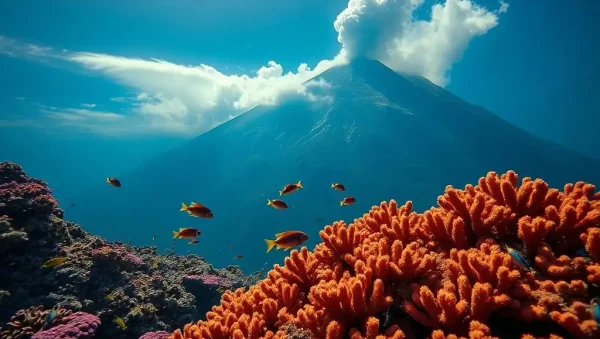
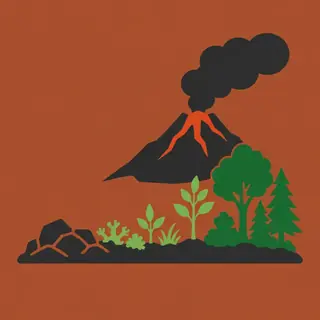
Volcanic disturbances often set the stage for ecological succession, where pioneer species colonize barren substrates and gradually rebuild ecosystems. For example, after the 1883 Krakatoa eruption destroyed surrounding reefs, new coral settlements appeared within decades, driven by larvae drifting from distant reefs. This resilience demonstrates the sea’s capacity for self-restoration, though recovery times vary from years to centuries depending on water depth and proximity to source populations.
Key pioneer species include fast-growing algae and encrusting corals, which stabilize the seabed and create habitats for mobile fauna. Over time, competitive species replace pioneers, leading to climax communities that may differ from pre-eruption states. Scientists study these sequences to understand how marine ecosystems respond to repeated disturbances, informing conservation strategies for climate-vulnerable reefs. Citizen science projects now involve divers in documenting post-eruption recovery, expanding data collection.
🛰️ Monitoring and Prediction: Protecting Coastal Communities
Advances in remote sensing and seafloor observatories allow volcanologists to detect underwater eruptions in real time. Instruments measure seismic tremors, changes in water temperature, and pH levels, providing early warnings for coastal fisheries and tourism. The USGS and other agencies integrate these data with oceanographic models to forecast ash dispersal and acidification risks, helping communities prepare for ecosystem shifts.
For local populations, early warning systems are critical for mitigating economic losses. In the Azores and Canary Islands, authorities use buoy-based sensors to alert aquaculture farms of potential volcanic plumes. Educational programs teach fishermen how to identify signs of impending eruptions, such as discolored water or fish kills. By bridging volcanology and marine biology, these efforts enhance resilience and ensure sustainable use of ocean resources.
Frequently Asked Questions
How does volcanic ash affect fish populations?
Volcanic ash can reduce visibility and clog fish gills, causing stress and mortality in high concentrations. However, mild ash falls increase nutrient levels, boosting plankton and fish productivity. Overall impacts depend on eruption size, proximity, and ocean conditions, with recovery occurring within months to years.
Can volcanic eruptions cause ocean acidification?
Yes, when lava or volcanic gases like carbon dioxide and sulfur dioxide enter seawater, they lower pH levels. This weakens calcium carbonate shells and skeletons of marine organisms, such as corals and mollusks. Effects are usually localized and temporary, but repeated eruptions can amplify stress.
What life forms exist at hydrothermal vents?
Hydrothermal vents host unique fauna including giant tube worms (Riftia pachyptila), blind shrimp, and yeti crabs. These species rely on chemosynthetic bacteria for energy, lacking sunlight. They exhibit bizarre adaptations like heat shock proteins and symbioses with microbes that oxidize sulfide or methane.
How long does it take for coral reefs to recover after an eruption?
Recovery times vary: shallow reefs near active volcanoes may take decades, while deeper or remote sites can recover within years. Success depends on larval supply, water quality, and substrate stability. Some reefs never return to their original species composition, instead shifting to more tolerant corals.
Are marine ecosystems permanently damaged by eruptions?
Most volcanic impacts are temporary, as ocean currents dilute toxins and larval dispersal replenishes populations. However, large eruptions can cause local extinctions, and chronic emissions from volcanoes may alter ecosystem structure. With monitoring and protection, many affected areas show remarkable resilience.