
DeepSea Mysteries: Uncovering the Bizarre Creatures Thriving Near Volcanic Vents

Welcome to Volcano Explorers!
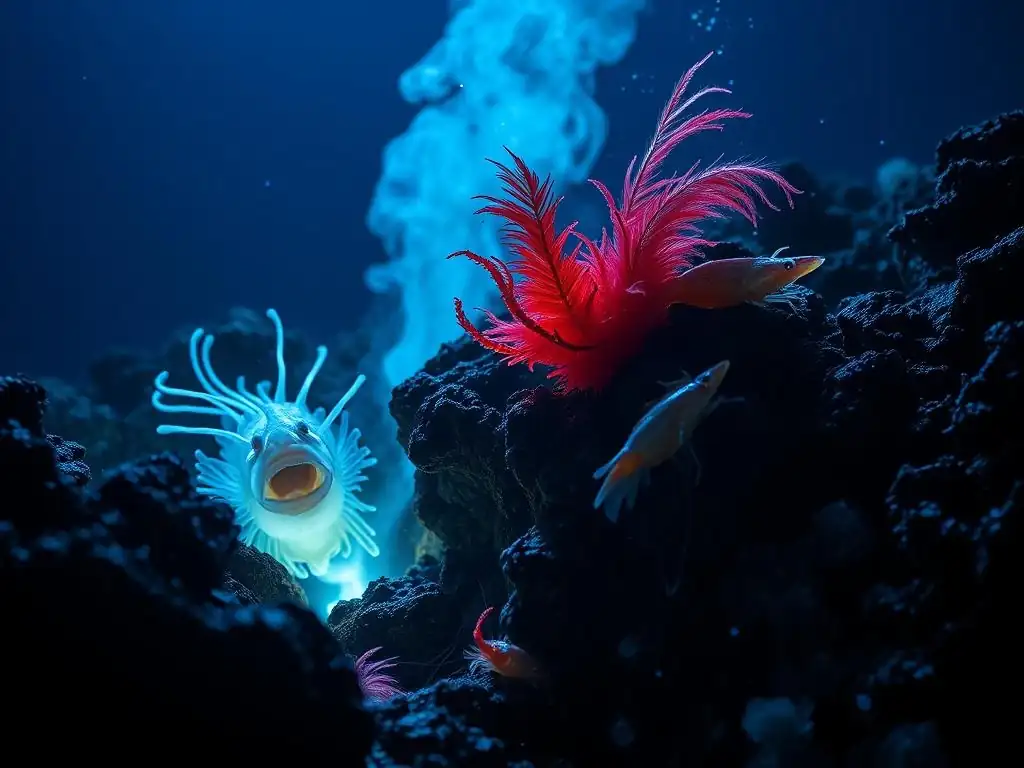
Imagine a world shrouded in perpetual darkness, where crushing pressures reign supreme. But even here, life finds a way, clinging to existence near the fiery breath of volcanic vents. Prepare to be amazed as we plunge into the abyssal depths to uncover the bizarre and fascinating creatures that thrive in this extreme environment. What secrets do these deep-sea ecosystems hold, and what can they tell us about the power of volcanoes to shape life on Earth? Dive in and explore the mysteries surrounding volcanic vent deep sea creatures – you won't believe what awaits!
- Hydrothermal Vent Ecosystems: Unveiling Life in Extreme Environments
- Introduction: Exploring Hydrothermal Vent Ecosystems
- Geochemical Influences: Shaping Vent Environments
- Chemosynthesis: The Foundation of Vent Life
- Unique Inhabitants: Adaptations to Extreme Conditions
- Adaptations for Survival: Evolutionary Strategies
- Conservation Challenges: Protecting Vulnerable Ecosystems
- Future Exploration: Unveiling the Unknown
- Conclusion: Appreciating the Wonders and Vulnerability of Hydrothermal Vent Ecosystems
-
Frequently Asked Questions
- What are volcanic vents in the deep sea, and why are they significant?
- What kind of bizarre creatures can survive near deep-sea volcanic vents?
- How do these deep-sea creatures get their energy without sunlight?
- Are deep-sea volcanic vent ecosystems fragile, and how are they threatened?
- What makes the study of deep-sea volcanic vent creatures important for science?
- Final Reflection: Echoes of Creation in the Abyss
- Dive Deeper: Unveil the Secrets of the Abyss!
Hydrothermal Vent Ecosystems: Unveiling Life in Extreme Environments
Introduction: Exploring Hydrothermal Vent Ecosystems
NOAA Ocean Exploration: Diving Deep for Discovery
The National Oceanic and Atmospheric Administration (NOAA) Ocean Exploration program stands as a beacon of discovery in the largely uncharted territory of the deep sea. Driven by the spirit of scientific inquiry and the need to understand our planet's last frontiers, NOAA Ocean Exploration embarks on missions that push the boundaries of human knowledge. Utilizing remotely operated vehicles (ROVs) and autonomous underwater vehicles (AUVs), NOAA scientists and their collaborators venture into the abyssal depths, revealing ecosystems and geological features previously unseen by human eyes.
These expeditions are crucial for understanding the complex interactions within our oceans, particularly in extreme environments like those surrounding volcanic vents, which are home to some of the most unusual life forms on Earth. NOAA's work is not just about exploration; it's about building a comprehensive understanding of the ocean's role in the Earth system and informing responsible stewardship of these vast and vital habitats.
NOAA's deep-sea exploration initiatives have been instrumental in advancing our understanding of hydrothermal vent ecosystems. For instance, the Okeanos Explorer, NOAA’s dedicated ocean exploration vessel, has conducted numerous expeditions to volcanic regions in the Pacific, Atlantic, and Arctic oceans. These voyages have led to the discovery of new vent fields, species previously unknown to science, and a deeper appreciation for the intricate ecological processes that sustain life in these extreme environments.
Through publicly accessible data and outreach programs, NOAA shares the wonders of the deep sea with the world, inspiring the next generation of ocean explorers and fostering a global commitment to ocean conservation. Their commitment to exploration underscores the importance of continued research into volcanic vent deep sea creatures and the unique ecosystems they inhabit.
Hydrothermal Vents: Oases of Life in the Deep Sea
Hydrothermal vents are remarkable geological features found predominantly along mid-ocean ridges, where tectonic plates spread apart and volcanic activity is prevalent. These vents are essentially fissures in the Earth's crust from which geothermally heated water is discharged. Unlike the cold, dark, and sparsely populated abyssal plains that characterize the deep sea, hydrothermal vents are vibrant oases teeming with life. These “underwater hot springs” release superheated water, often exceeding 300°C (572°F), laden with dissolved minerals and chemicals from the Earth's interior. This seemingly hostile environment, devoid of sunlight, paradoxically supports complex ecosystems fueled not by photosynthesis, but by chemosynthesis.
The discovery of hydrothermal vents and their associated ecosystems in 1977 revolutionized our understanding of life on Earth. Scientists aboard the research submersible Alvin, exploring the Galapagos Rift, stumbled upon these unexpected biological communities. Prior to this, it was believed that all life on Earth ultimately depended on sunlight.
The vent ecosystems demonstrated a completely different paradigm, where life thrives in the absence of sunlight, fueled by chemical energy derived from the Earth's crust. These deep-sea hydrothermal vents are not only biological hotspots but also geological wonders, showcasing the dynamic interplay between volcanic activity, ocean chemistry, and the evolution of life in extreme environments. The unique conditions at these volcanic vent deep sea locations have fostered the evolution of bizarre creatures found nowhere else on the planet.
Geochemical Influences: Shaping Vent Environments
Volcanic Activity and Hydrothermal Vent Formation
Volcanic activity is the fundamental driving force behind the formation and sustenance of hydrothermal vents. These vents are typically located in volcanically active regions, primarily along mid-ocean ridges where tectonic plates diverge. As magma rises from the Earth's mantle beneath these ridges, it heats the surrounding crustal rocks.
Seawater percolates down through cracks and fissures in the ocean floor, coming into contact with these hot rocks. This interaction superheats the seawater and causes it to leach out minerals and chemicals from the basalt rock of the oceanic crust. The heated, chemically enriched water then becomes buoyant and rises back towards the seafloor, eventually venting out through hydrothermal vents.
The type of volcanic activity and the geological setting significantly influence the characteristics of hydrothermal vents. For example, vents associated with fast-spreading ridges, like the East Pacific Rise, tend to be characterized by higher temperatures and a greater flux of vent fluid. Conversely, vents found in slower spreading ridge systems, such as the Mid-Atlantic Ridge, may exhibit lower temperatures and different chemical compositions.
Furthermore, volcanic eruptions, both on land and underwater, can dramatically alter vent activity, sometimes leading to the creation of new vents or the cessation of existing ones. The dynamic nature of volcanic processes ensures that hydrothermal vent environments are constantly changing, adding to the complexity and fascination of these deep-sea ecosystems and influencing the types of volcanic vent deep sea creatures that can survive there.
Chemical Composition of Vent Fluids: A Unique Broth
The fluid emanating from hydrothermal vents is far from ordinary seawater; it's a chemically complex "broth" with a unique composition that underpins the entire vent ecosystem. As seawater circulates through the hot, fractured rocks beneath the seafloor, it undergoes significant chemical alterations. It becomes enriched in various dissolved minerals and gases leached from the crust, including hydrogen sulfide (H₂S), methane (CH₄), iron (Fe), manganese (Mn), and other trace metals.
At the same time, the vent fluid typically loses magnesium and sulfate from seawater through chemical reactions with the rocks. The temperature of vent fluids can range dramatically, from relatively "low-temperature" diffuse flow vents around 20-30°C (68-86°F) to high-temperature "black smokers" and "white smokers" that can reach temperatures exceeding 400°C (752°F).
Hydrogen sulfide is a particularly crucial component of vent fluid as it serves as the primary energy source for chemosynthetic bacteria, the foundation of the vent food web. The concentration of hydrogen sulfide and other chemicals varies depending on the geological setting, the temperature of the vent, and the depth of the vent field.
For instance, vents in volcanic arcs may have different chemical signatures compared to those on mid-ocean ridges due to variations in the underlying magma sources and crustal rocks. The specific chemical cocktail of vent fluid at each location shapes the types of microbial communities that can thrive and, consequently, dictates the structure and composition of the entire hydrothermal vent ecosystem, influencing the types of volcanic vent deep sea creatures that can flourish.
Chemosynthesis: The Foundation of Vent Life
The Role of Chemosynthetic Bacteria: Primary Producers
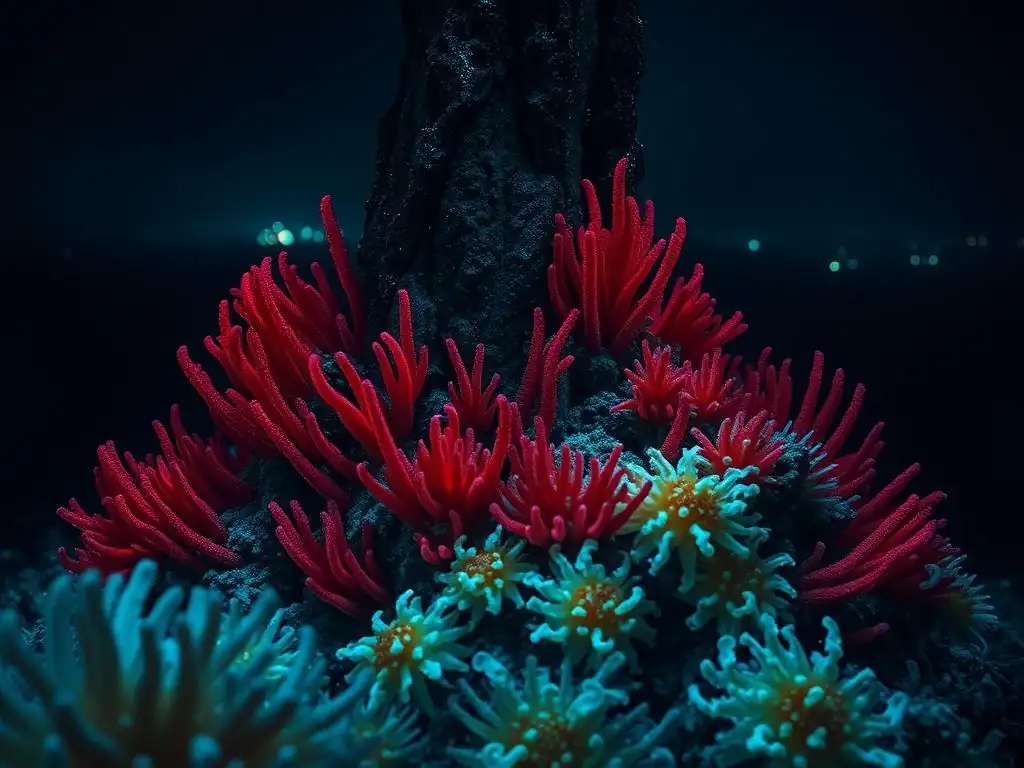
In the sunless depths of hydrothermal vents, photosynthesis, the process that fuels most ecosystems on Earth, is impossible. Instead, these ecosystems are sustained by chemosynthesis, a process where certain bacteria and archaea derive energy from chemical reactions, primarily the oxidation of inorganic compounds present in the vent fluids. These chemosynthetic microorganisms act as the primary producers in vent ecosystems, analogous to plants in terrestrial and shallow-water marine environments. They form the base of the food web, converting chemical energy into organic matter that supports a diverse community of organisms.
Among the most important chemosynthetic bacteria at hydrothermal vents are sulfur-oxidizing bacteria. These microbes utilize hydrogen sulfide, a toxic gas abundant in vent fluids, as their energy source. They oxidize hydrogen sulfide to produce energy and synthesize organic compounds from carbon dioxide and water.
Other types of chemosynthetic microbes may utilize methane, hydrogen, or ammonia as energy sources, contributing to the overall productivity of the vent ecosystem. These microscopic organisms are not only crucial for energy production but also play a vital role in nutrient cycling within the vent environment. The abundance and diversity of these chemosynthetic bacteria directly support the remarkable array of volcanic vent deep sea creatures observed in these habitats.
Symbiotic Relationships: Harnessing Chemosynthesis
A defining feature of hydrothermal vent ecosystems is the prevalence of symbiotic relationships, particularly between chemosynthetic bacteria and larger invertebrate animals. Many vent animals have evolved to host chemosynthetic bacteria within or on their bodies, forming mutually beneficial partnerships. This symbiosis allows animals to directly access the energy produced by chemosynthesis, effectively bypassing the traditional food chain. One of the most iconic examples of this is the giant tube worm Riftia pachyptila. These worms lack a mouth and digestive system; instead, they harbor billions of sulfur-oxidizing bacteria within a specialized organ called the trophosome.
The tube worm provides the bacteria with a protected environment and a constant supply of hydrogen sulfide and oxygen, which it extracts from the vent fluid and seawater. In return, the bacteria produce organic compounds that nourish the tube worm. Similar symbiotic relationships are found in other vent invertebrates, including certain species of clams, mussels, and shrimp.
These symbioses are highly efficient, allowing vent animals to thrive in an environment where food resources are otherwise scarce. The success of these symbiotic partnerships highlights the remarkable adaptations that volcanic vent deep sea creatures have evolved to exploit the unique energy source available at hydrothermal vents.
Unique Inhabitants: Adaptations to Extreme Conditions
Tube Worms (Riftia pachyptila): Masters of Sulfide Uptake
Riftia pachyptila, the giant tube worm, is arguably the most emblematic creature of hydrothermal vent ecosystems. These sessile invertebrates can grow to impressive lengths, exceeding 2 meters (6.5 feet), and are characterized by their bright red plumes that protrude from protective white tubes. Their most remarkable adaptation is their reliance on chemosynthetic bacteria for nutrition, as they lack a digestive system entirely. Riftia has evolved a specialized organ called the trophosome, which constitutes a significant portion of its body mass. This organ is densely packed with billions of sulfur-oxidizing bacteria.
To facilitate the symbiosis, Riftia possesses a highly specialized hemoglobin in its blood that can bind both oxygen and hydrogen sulfide, transporting these chemicals to the bacteria within the trophosome. This is particularly noteworthy because hydrogen sulfide is toxic to most aerobic organisms, including the tube worm itself in high concentrations. The red plume, richly supplied with blood vessels, is the site of gas exchange, efficiently capturing oxygen and hydrogen sulfide from the surrounding vent fluid and seawater.
Riftia tube worms are typically found clustered around high-temperature vents, forming dense aggregations that are a hallmark of these deep-sea ecosystems. Their unique adaptations make them masters of sulfide uptake and integral components of volcanic vent deep sea creature communities.
Vent Shrimp (Rimicaris exoculata): Sensory Adaptations in Darkness
Vent shrimp, particularly Rimicaris exoculata, are another fascinating group of inhabitants of hydrothermal vent ecosystems. Found in massive swarms around black smoker vents in the Atlantic Ocean, Rimicaris exoculata shrimp exhibit striking adaptations to the extreme conditions of these environments, particularly the complete darkness and unique chemical cues. Unlike many deep-sea shrimp, Rimicaris exoculata lacks functional eyes in the traditional sense.
Instead, they possess a highly specialized, light-sensitive organ on their back, the dorsal organ. This organ is thought to detect faint infrared radiation emitted by the hot vent fluid, allowing them to locate and orient themselves towards the vents in the pitch black depths.
Furthermore, Rimicaris exoculata also harbors chemosynthetic bacteria, though in a different manner than tube worms. Bacteria are found attached to their mouthparts and gill chambers, suggesting a role in both nutrition and detoxification. These shrimp are thought to graze on the bacteria and potentially filter them from the vent fluid.
Their sensory adaptations extend beyond light detection; they also possess chemoreceptors that allow them to navigate the complex chemical gradients around vents, locating areas with optimal concentrations of hydrogen sulfide and other chemicals. The swarming behavior of Rimicaris exoculata likely provides protection from predators and facilitates feeding and reproduction in the challenging vent environment, highlighting the unique sensory adaptations of volcanic vent deep sea creatures.
Pompeii Worms (Alvinella pompejana): Tolerance to Extreme Temperatures
The Pompeii worm, Alvinella pompejana, holds the record for being the most heat-tolerant animal known to science. This polychaete worm resides in hydrothermal vent ecosystems, specifically on the walls of black smoker chimneys, where it experiences an extraordinary temperature gradient. The worm's tail is anchored in vent fluid reaching temperatures as high as 80°C (176°F), while its head protrudes into the surrounding cold, deep-sea water, which is typically around 2°C (35.6°F). This means the Pompeii worm can tolerate a temperature difference of over 75°C (135°F) along its body length.
The mechanisms behind this extreme heat tolerance are still being investigated, but several factors are believed to contribute. Pompeii worms secrete a fleece-like covering of bacteria on their backs, which may act as an insulating layer, protecting them from the extreme heat. These bacteria are also thought to be chemosynthetic and may contribute to the worm's nutrition.
Additionally, Pompeii worms likely possess specialized proteins and cellular adaptations that allow their tissues to function at high temperatures without denaturing. The remarkable heat tolerance of Alvinella pompejana exemplifies the extreme adaptations that volcanic vent deep sea creatures have evolved to thrive in some of the most thermally challenging environments on Earth.
Adaptations for Survival: Evolutionary Strategies
Tolerance to High Temperatures, Pressures, and Toxic Chemicals
Hydrothermal vent ecosystems present a trifecta of extreme environmental challenges: high temperatures, immense hydrostatic pressure, and exposure to toxic chemicals. The organisms that thrive in these environments have evolved a suite of remarkable adaptations to cope with these stressors. Tolerance to high temperatures, as exemplified by the Pompeii worm, involves specialized proteins and enzymes that remain stable and functional at temperatures that would denature proteins in most other organisms. These proteins often have altered amino acid sequences and increased structural stability, allowing them to maintain their three-dimensional shape and catalytic activity at elevated temperatures.
The immense pressure of the deep sea, which can be hundreds of times greater than at sea level, also necessitates specific adaptations. Deep-sea organisms often have flexible cell membranes and lack gas-filled cavities, which would be compressed under pressure. Furthermore, their enzymes and proteins are often pressure-adapted, meaning they function optimally under high hydrostatic pressure.
Tolerance to toxic chemicals, such as hydrogen sulfide and heavy metals, is crucial for survival in vent environments. Many vent organisms have detoxification mechanisms to neutralize these toxins, often involving specialized enzymes and binding proteins. These multifaceted adaptations underscore the remarkable evolutionary strategies employed by volcanic vent deep sea creatures to conquer these extreme habitats.
Specialized Enzymes for Chemosynthesis and Detoxification
The unique biochemical environment of hydrothermal vents has driven the evolution of specialized enzymes in vent organisms, playing crucial roles in both chemosynthesis and detoxification. Chemosynthetic bacteria, the primary producers of vent ecosystems, possess a diverse array of enzymes that catalyze the oxidation of inorganic compounds, such as hydrogen sulfide, methane, and ammonia. These enzymes are highly efficient in capturing the chemical energy released from these reactions and converting it into usable forms, like ATP. For example, sulfur-oxidizing bacteria utilize enzymes like sulfide:quinone reductase and adenosine-5'-phosphosulfate reductase to oxidize hydrogen sulfide.
Vent animals that engage in symbiosis with chemosynthetic bacteria also rely on specialized enzymes to facilitate the uptake and transport of chemicals required for chemosynthesis. The hemoglobin of Riftia pachyptila, capable of binding both oxygen and hydrogen sulfide, is a prime example of such a specialized protein. Furthermore, detoxification enzymes are essential for vent organisms to cope with the high concentrations of toxic compounds in vent fluids.
Enzymes like rhodanese, which detoxifies cyanide, and various metal-binding proteins help to mitigate the harmful effects of heavy metals and other toxins. The evolution of these specialized enzymes highlights the intricate biochemical adaptations that underpin life in hydrothermal vent ecosystems and enable volcanic vent deep sea creatures to thrive in chemically challenging conditions.
Morphological and Physiological Adaptations
Beyond biochemical adaptations, volcanic vent deep sea creatures exhibit a range of remarkable morphological and physiological adaptations that enhance their survival in these extreme environments. The absence of sunlight has driven the evolution of sensory systems adapted for darkness.
Vent shrimp, like Rimicaris exoculata, have developed infrared-sensing organs to locate vents, while others rely heavily on chemoreception and mechanoreception to navigate and find food. Many vent animals, particularly those living in high-temperature zones, have evolved elongated body shapes, such as tube worms and Pompeii worms, which allow them to exploit thermal gradients, positioning parts of their bodies in different temperature regimes.
Physiologically, vent organisms often exhibit adaptations related to respiration and circulation in low-oxygen, high-pressure environments. Some vent animals have evolved specialized hemoglobins with high oxygen-binding affinity to efficiently extract oxygen from the surrounding water. Others have developed efficient circulatory systems to deliver oxygen and nutrients throughout their bodies, even under high pressure.
Furthermore, many vent invertebrates have reduced or absent hard shells or exoskeletons, which may be energetically costly to produce and maintain in the resource-limited vent environment and potentially less advantageous under high pressure. These diverse morphological and physiological adaptations collectively contribute to the success and unique biodiversity of volcanic vent deep sea creature communities.
Conservation Challenges: Protecting Vulnerable Ecosystems
Threats: Deep-Sea Mining and Climate Change
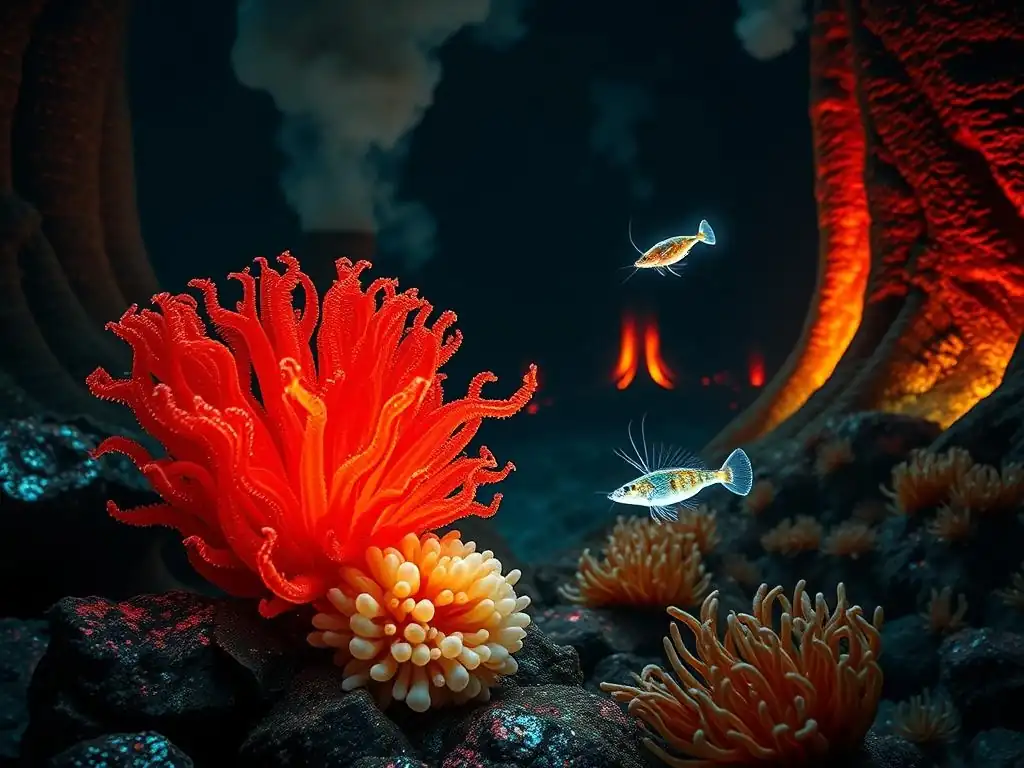
Hydrothermal vent ecosystems, despite their remoteness and seemingly inhospitable nature, are increasingly facing anthropogenic threats, primarily from deep-sea mining and climate change. Deep-sea mining for polymetallic sulfides, which are rich in copper, zinc, gold, and silver, is a growing concern. These sulfide deposits often form around hydrothermal vents, making vent ecosystems direct targets for mining activities.
Mining operations can cause direct habitat destruction through seafloor excavation and sediment plumes that can smother vent communities and disrupt water chemistry. The slow growth rates and limited dispersal abilities of many vent species make them particularly vulnerable to disturbance, and recovery from mining impacts is likely to be extremely slow, if possible at all.
Climate change poses a more diffuse but equally significant threat to hydrothermal vent ecosystems. Ocean acidification, caused by the absorption of excess atmospheric carbon dioxide by the oceans, can impact the physiology of vent organisms, particularly those with calcium carbonate shells or skeletons, although many vent organisms do not possess such structures. Changes in ocean temperature and circulation patterns due to climate change could alter vent fluid chemistry and the dispersal of vent larvae, potentially disrupting vent community structure and connectivity.
Furthermore, increased frequency and intensity of extreme weather events could indirectly impact vent ecosystems through changes in deep-sea currents and nutrient supply. These combined threats underscore the urgent need for conservation measures to protect these unique and vulnerable volcanic vent deep sea creature habitats.
Conservation Efforts: Research and Management Strategies
Recognizing the vulnerability of hydrothermal vent ecosystems, various conservation efforts are underway, focusing on research, policy development, and management strategies. Scientific research plays a crucial role in understanding vent ecosystem functioning, biodiversity, and resilience to disturbance. Long-term monitoring programs are essential to track changes in vent communities and assess the impacts of human activities and climate change.
Research into the genetic connectivity of vent populations is crucial for informing the design of effective marine protected areas. International collaborations, such as those facilitated by the Intergovernmental Oceanographic Commission (IOC) of UNESCO and the International Seabed Authority (ISA), are vital for coordinating research and conservation efforts across national boundaries.
Marine Protected Areas (MPAs) are a key management tool for conserving hydrothermal vent ecosystems. Several countries and international bodies have established MPAs in vent regions, aiming to limit or prohibit destructive activities like mining. Effective MPA design requires careful consideration of vent distribution, species ranges, and connectivity.
Furthermore, sustainable management practices for deep-sea mining are being developed through the ISA, which regulates mining activities in international waters. These efforts include environmental impact assessments, mitigation measures, and the establishment of preservation reference zones. Raising public awareness about the importance and vulnerability of hydrothermal vent ecosystems is also critical for fostering support for conservation action and ensuring the long-term protection of these remarkable volcanic vent deep sea creature habitats.
Future Exploration: Unveiling the Unknown
Technological Advancements in Deep-Sea Research
The exploration of hydrothermal vent ecosystems is intrinsically linked to technological advancements in deep-sea research. Continued progress in submersible technology, remotely operated vehicles (ROVs), and autonomous underwater vehicles (AUVs) is enabling scientists to access deeper, more remote vent fields and conduct more sophisticated studies. Next-generation ROVs are equipped with advanced sensors, high-resolution cameras, and robotic arms, allowing for detailed observation, sampling, and experimentation at vent sites. AUVs are expanding the spatial scale of exploration, capable of surveying vast areas of the deep seafloor and mapping vent plumes and chemosynthetic activity.
Developments in underwater communication and data transmission are improving real-time access to deep-sea data and enabling remote operation of research equipment. Ocean observatories, permanently installed at vent sites, provide continuous, long-term monitoring of vent conditions and biological communities.
Furthermore, advancements in molecular techniques, such as metagenomics and environmental DNA (eDNA) analysis, are revolutionizing our understanding of vent microbial diversity and ecosystem functioning. These technological innovations are not only expanding our ability to explore and study known vent areas but also opening up new frontiers in deep-sea research, promising to unveil even more unknown aspects of volcanic vent deep sea creature life.
Understanding Life's Origins and Potential Biotechnological Applications
Hydrothermal vent ecosystems hold immense scientific significance for understanding life's origins and also possess significant potential for biotechnological applications. The conditions at hydrothermal vents – high temperatures, chemical-rich fluids, and the absence of sunlight – are thought to resemble those of early Earth, when life first arose. Studying vent ecosystems provides insights into the potential environments and metabolic pathways of early life forms.
Chemosynthetic microorganisms, in particular, are considered to be evolutionary ancient and may represent some of the earliest forms of life on our planet. The unique microbial communities at vents are thus invaluable for studying the origins and early evolution of life.
Beyond their relevance to origins of life research, hydrothermal vent organisms are a rich source of novel biomolecules with potential biotechnological applications. Enzymes from thermophilic vent microbes, adapted to function at high temperatures, are highly valuable for industrial processes, such as polymerase chain reaction (PCR) in molecular biology and biofuel production.
Other vent organisms produce unique compounds with potential pharmaceutical applications, including anticancer, antimicrobial, and antiviral agents. The exploration of vent biodiversity and the bioprospecting of vent organisms are thus not only scientifically important but also hold promise for developing new technologies and products that benefit society, further emphasizing the importance of studying volcanic vent deep sea creatures and their extraordinary adaptations.
Conclusion: Appreciating the Wonders and Vulnerability of Hydrothermal Vent Ecosystems
The Resilience and Importance of Deep-Sea Life
Hydrothermal vent ecosystems are testaments to the resilience and adaptability of life on Earth. Despite existing in environments characterized by extreme temperatures, pressures, and toxic chemicals, these deep-sea oases teem with a remarkable diversity of life.
The organisms inhabiting these volcanic vent deep sea locations have evolved extraordinary adaptations, both biochemical and physiological, to not only survive but thrive in these seemingly hostile conditions. From the giant tube worm's symbiotic relationship with chemosynthetic bacteria to the Pompeii worm's unparalleled heat tolerance, vent creatures showcase the incredible plasticity of life and its capacity to colonize even the most extreme corners of our planet.
These ecosystems are not only biological wonders but also play crucial roles in global ocean processes. Hydrothermal vents contribute to the chemical balance of the oceans, releasing geothermally heated and chemically enriched fluids that influence ocean chemistry and circulation patterns. Vent microbial communities are key players in nutrient cycling and carbon sequestration in the deep sea.
Furthermore, vent ecosystems serve as important feeding grounds and migratory pathways for some deep-sea animals, contributing to the overall biodiversity and functioning of the deep ocean. Understanding and appreciating the resilience and importance of deep-sea vent life is essential for promoting responsible stewardship of these unique and valuable ecosystems.
NOAA Ocean Exploration: Continuing Deep-Sea Research and Conservation
NOAA Ocean Exploration remains at the forefront of deep-sea research and conservation, playing a vital role in expanding our knowledge of hydrothermal vent ecosystems and advocating for their protection. Through continued expeditions, technological innovation, and international collaborations, NOAA is committed to exploring the uncharted depths and uncovering the remaining mysteries of volcanic vent deep sea creature life. Their ongoing research efforts are crucial for understanding the ecological processes, biodiversity, and connectivity of vent ecosystems, providing the scientific basis for effective conservation strategies.
NOAA's commitment extends beyond exploration to encompass education and outreach, sharing the wonders of the deep sea with the public and inspiring the next generation of ocean stewards. By fostering a greater appreciation for the deep ocean and the unique ecosystems it harbors, NOAA is contributing to a global movement towards ocean conservation and sustainable management. The continued dedication of organizations like NOAA Ocean Exploration is paramount for ensuring the long-term protection of hydrothermal vent ecosystems and preserving the extraordinary biodiversity they harbor for future generations.
Frequently Asked Questions
What are volcanic vents in the deep sea, and why are they significant?
Volcanic vents are underwater fissures that release geothermally heated water and minerals into the ocean. They are significant because they support unique ecosystems independent of sunlight.
What kind of bizarre creatures can survive near deep-sea volcanic vents?
Creatures like giant tube worms, vent shrimp, and extremophile bacteria thrive near these vents. They have adapted to the extreme temperatures and chemical-rich environment.
How do these deep-sea creatures get their energy without sunlight?
They rely on chemosynthesis, a process where bacteria convert chemicals from the vent fluids (like hydrogen sulfide) into energy. This forms the base of the food chain in these ecosystems.
Are deep-sea volcanic vent ecosystems fragile, and how are they threatened?
Yes, these ecosystems are fragile. They are threatened by deep-sea mining, climate change affecting ocean currents, and potential damage from scientific exploration.
What makes the study of deep-sea volcanic vent creatures important for science?
Studying these creatures provides insights into life in extreme conditions, the origins of life on Earth, and potential applications in biotechnology and medicine. It also helps us understand planetary geology and potential for life on other planets.
Final Reflection: Echoes of Creation in the Abyss
The exploration of volcanic vents and their bizarre inhabitants is not merely a scientific endeavor; it is a profound reminder of the resilience and adaptability of life itself. These extreme environments, once thought uninhabitable, teem with creatures that challenge our understanding of biology, forcing us to reconsider the very definition of what is possible. The ongoing discoveries in these deep-sea ecosystems hold vital clues to the origins of life on Earth and potentially, elsewhere in the universe.
The existence of these thriving communities, fueled by chemosynthesis rather than photosynthesis, has fundamentally altered our perception of the biosphere. This realization underscores the interconnectedness of all life and the importance of protecting even the most seemingly remote and inhospitable environments. The sea, once it casts its spell, holds one in its net of wonder forever.
- Jacques Cousteau. This quote encapsulates the enduring fascination and responsibility we have towards understanding and preserving the mysteries hidden within the deep sea.
Let us carry the lessons learned from these volcanic vent deep sea creatures into our own lives. Just as these organisms have adapted and thrived in the face of extreme adversity, so too can we embrace change, innovate in the face of challenges, and find strength in the unexpected. Consider the profound implications of their existence: if life can flourish in such harsh conditions, what limitations are we placing on ourselves? Dare to explore your own depths, embrace the unknown, and discover the extraordinary potential that lies within you.
Dive Deeper: Unveil the Secrets of the Abyss!
Thank you for exploring the fascinating world of deep-sea creatures with us! Now that you've glimpsed the bizarre beauty flourishing near volcanic vents, it's time to translate that wonder into action and continue your underwater journey.
- Embark on a virtual expedition: Explore interactive 3D models of hydrothermal vents and the unique organisms that call them home. Research scientists and oceanographic institutes offering virtual tours, and share your favorites on social media.
- Become a Citizen Scientist: Contribute valuable data by identifying species in underwater photographs or analyzing deep-sea research videos. (Several organizations accept such help, though Volcano Explorers itself does not.)
- Share the Wonder: Spread the word about these incredible ecosystems! Tell your friends and family 3 crazy facts you learned from this article.
What's the strangest deep-sea creature you've discovered today, and how will you share its story with the world?