
Ocean Currents and Volcanic Ash: A Global Marine Impact Story

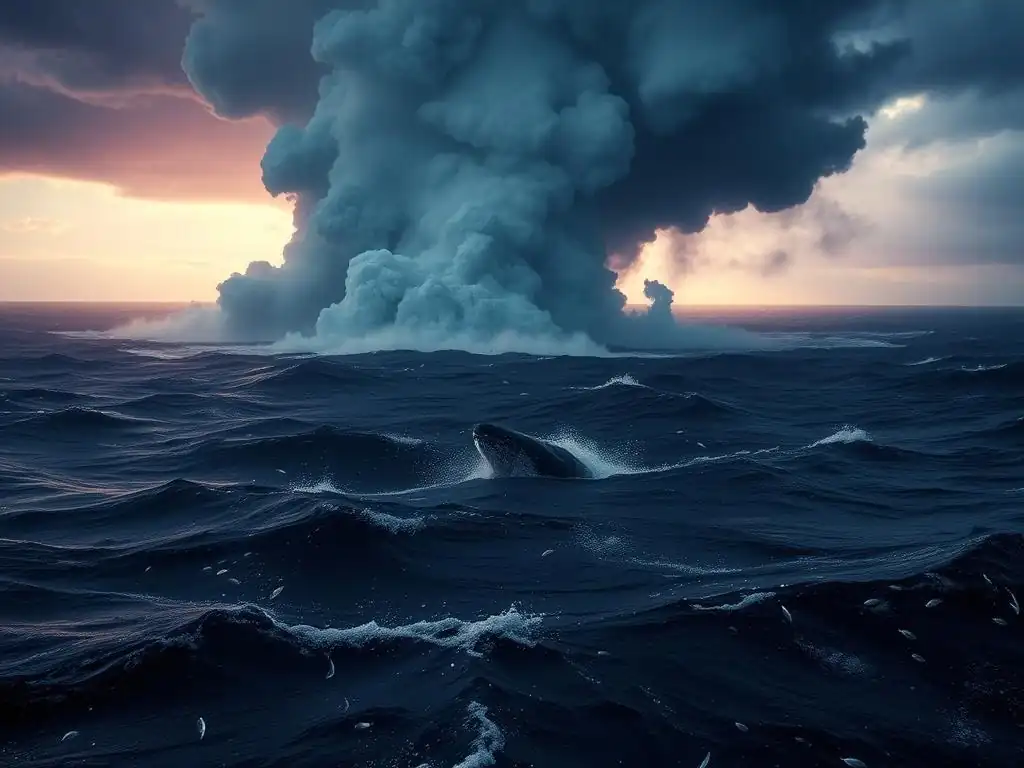
Welcome to Volcano Explorers, where the Earth's fiery heart meets the digital realm. Ever wondered how a volcanic eruption, miles away, can ripple through our oceans? Dive in to uncover the surprising and significant Marine Impact of Volcanic Ash, a story carried by ocean currents across the globe. But that's just the beginning… what secrets do these ash plumes hold, and what does it mean for marine life? Prepare to explore a world where fire and water collide, revealing a dynamic and interconnected planet.
- Introduction: The Intertwined Destinies of Volcanoes and Oceans
-
Frequently Asked Questions
- What is the primary way volcanic ash from land-based eruptions reaches the ocean?
- How does volcanic ash impact marine phytoplankton populations?
- What are some of the potential consequences of volcanic ash deposition on coral reefs?
- Can volcanic ash affect marine animal life beyond phytoplankton and coral reefs?
- How do ocean currents play a role in the distribution of volcanic ash in the marine environment?
- Final Reflection: Navigating the Murky Waters of Volcanic Ash
- Dive Deeper: Protect Our Oceans from Volcanic Fallout!
Introduction: The Intertwined Destinies of Volcanoes and Oceans
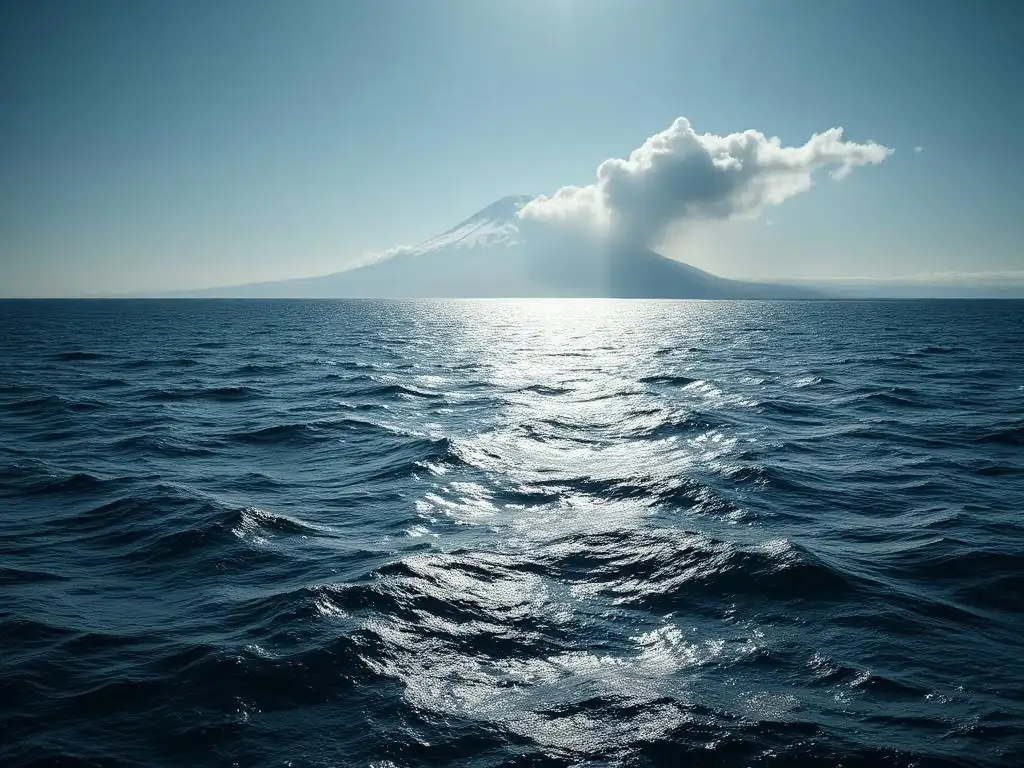
Exploring the Connection Between Volcanic Eruptions and Marine Ecosystems
Volcanoes and oceans, seemingly disparate forces of nature, are profoundly interconnected, especially when considering the global reach of volcanic eruptions and the vastness of marine ecosystems. Volcanic eruptions, whether explosive or effusive, release a significant amount of material into the atmosphere, including volcanic ash. This ash, composed of fine particles of rock, mineral, and volcanic glass, doesn't remain confined to the atmosphere; a substantial portion eventually settles onto land and, crucially, into the oceans. This deposition marks the beginning of a complex interaction that can have both immediate and long-lasting consequences for marine life and ocean chemistry.
The connection is further amplified by ocean currents, which act as global conveyor belts, distributing volcanic ash across vast distances. These currents can carry ash plumes far beyond the immediate vicinity of an eruption, impacting marine ecosystems thousands of kilometers away.
Understanding this intricate relationship between volcanic eruptions, ash dispersal, and ocean dynamics is crucial for comprehending the full spectrum of environmental effects, particularly the marine impact of volcanic ash, and for developing strategies to mitigate potential harm to these vital ecosystems. The fate of volcanic ash in the ocean is not just a matter of simple sedimentation; it triggers a cascade of physical, chemical, and biological processes that reshape marine environments in ways we are only beginning to fully appreciate.
Frequently Asked Questions
What is the primary way volcanic ash from land-based eruptions reaches the ocean?
Volcanic ash primarily reaches the ocean through atmospheric dispersal by wind and subsequent deposition or through direct entry via volcanic eruptions near the coast. River systems can also transport ash to the sea.
How does volcanic ash impact marine phytoplankton populations?
Initially, volcanic ash can stimulate phytoplankton growth by providing essential nutrients like iron. However, excessive ash deposition can block sunlight, leading to a decrease in phytoplankton productivity.
What are some of the potential consequences of volcanic ash deposition on coral reefs?
Heavy ashfall can smother coral reefs, blocking sunlight and hindering their ability to photosynthesize. This can lead to coral bleaching and even mortality, damaging the reef ecosystem.
Can volcanic ash affect marine animal life beyond phytoplankton and coral reefs?
Yes, volcanic ash can negatively impact various marine animals. The ash can irritate gills of fish and other aquatic organisms and can also contaminate the food chain, posing a risk to marine mammals and seabirds.
How do ocean currents play a role in the distribution of volcanic ash in the marine environment?
Ocean currents act as major dispersal mechanisms for volcanic ash. They can transport ash over vast distances, affecting marine ecosystems far from the original eruption site and influencing its long-term impact.
The journey of volcanic ash across ocean currents, as explored in this article, highlights a profound and often overlooked truth: our planet's ecosystems are interconnected in ways we are only beginning to fully understand. The "Marine Impact of Volcanic Ash," far from being a localized event, resonates globally, demonstrating the far-reaching consequences of natural phenomena and the vulnerability of marine life to seemingly distant events.
This intricate dance between volcanic eruptions and ocean currents has undeniably shaped, and continues to shape, the health of our oceans. Witnessing the resilience and fragility of marine ecosystems in the face of such disturbances underscores the urgent need for comprehensive research and conservation efforts. The sea, once it casts its spell, holds one in its net of wonder forever.
- Jacques Cousteau. This quote encapsulates the deep connection we have with the ocean and the responsibility we bear to protect it from both natural and anthropogenic threats.
As we conclude this exploration of the marine impact of volcanic ash, let us not simply absorb the information presented, but rather, allow it to ignite a deeper sense of responsibility. Consider how your own actions, however small, contribute to the overall health of our planet. Let us all strive to be more conscious stewards of the ocean, advocating for policies that protect marine ecosystems and fostering a greater understanding of the delicate balance that sustains life beneath the waves.
Dive Deeper: Protect Our Oceans from Volcanic Fallout!
Thank you for exploring the fascinating and critical link between ocean currents and volcanic ash. Understanding the potential impact on our marine ecosystems is the first step; now it's time to act. You can help safeguard these vital environments in several ways:
- Report any volcanic ash sightings near coastlines to [link to volcanoexplorers.org/ash-watch]. Your observations are crucial for monitoring and research.
- Share our interactive map illustrating global ash deposit zones with your network to raise awareness of this often-overlooked environmental concern.
- Support marine conservation organizations dedicated to studying and mitigating the effects of volcanic events on ocean life. Consider donating your time or resources to a reputable group.
What steps will you take to protect our oceans from the far-reaching effects of volcanic ash? Share your ideas in the comments below!