
The Survivors: Unveiling the Plant Species Uniquely Adapted to Volcanic Landscapes

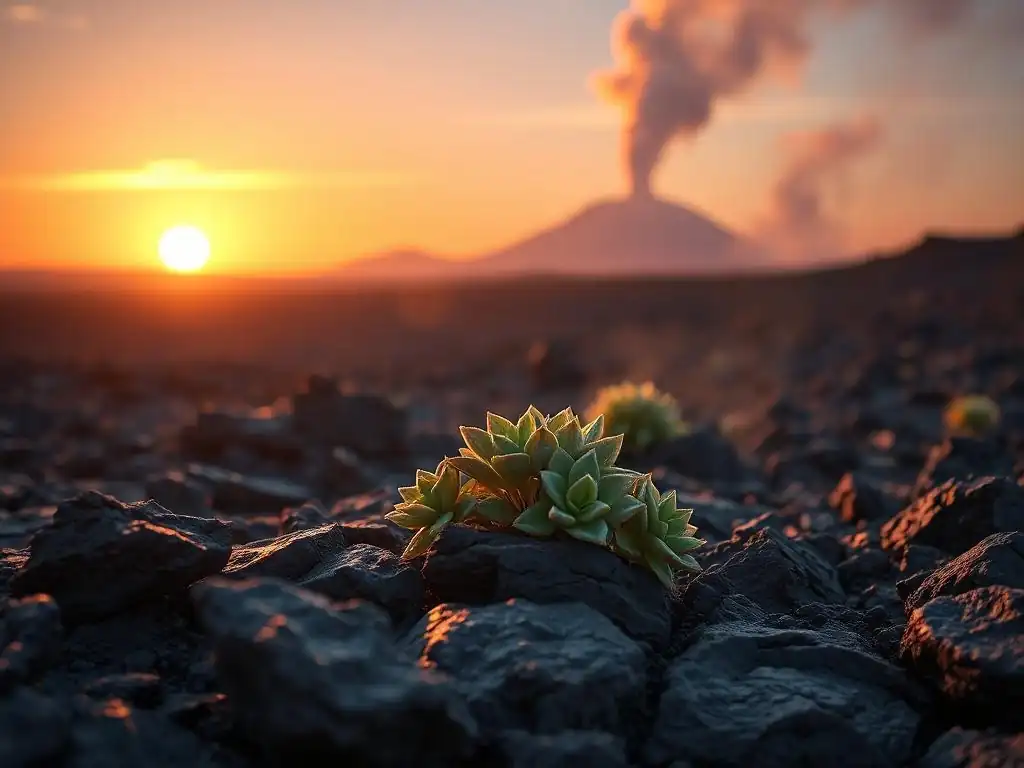
Welcome! Ever wondered how life can thrive amidst the raw power and destruction of a volcano? VolcanoExplorers.org invites you to unravel a fascinating paradox: the resilience of nature in the face of seemingly insurmountable odds. Today, we're diving deep into the world of volcanic plant adaptations, exploring the incredible strategies these botanical pioneers use to not only survive but flourish in these extreme environments. Prepare to be amazed as we uncover the secrets of these tenacious survivors, and perhaps, leave you pondering the remarkable adaptability of life itself.
- Introduction: Life Thriving on Volcanic Ground - An Overview
-
Frequently Asked Questions
- What are some key challenges plants face when colonizing volcanic landscapes?
- How do plants adapt to survive in nutrient-poor volcanic soil?
- What are some examples of plant species that thrive in volcanic environments?
- How do plants cope with high levels of toxic elements found in volcanic soils?
- Why is understanding volcanic plant adaptations important?
- Final Reflection: Resilience Rooted in Fire
- Rediscover the Resilience of Volcanic Flora!
Introduction: Life Thriving on Volcanic Ground - An Overview
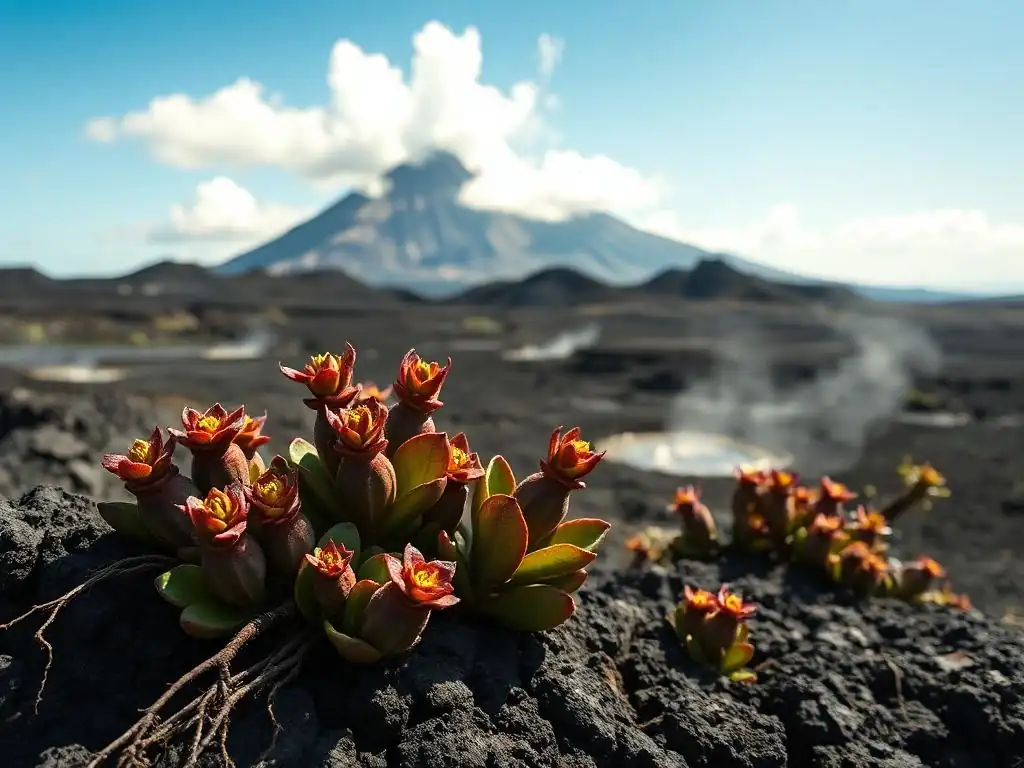
The Harsh Reality of Volcanic Environments for Plant Life
Volcanic environments present some of the most challenging conditions for plant survival on Earth. Immediately following an eruption, landscapes are often covered in ash, pumice, and lava flows, effectively stripping away existing vegetation and topsoil. The newly formed volcanic soils, or tephra, are characteristically infertile, lacking in essential nutrients like nitrogen and phosphorus, which are crucial for plant growth.
Furthermore, volcanic soils can be highly unstable, prone to erosion, and possess poor water retention capabilities, leading to drought stress for plants attempting to establish themselves. The air itself can be toxic, laden with volcanic gases such as sulfur dioxide and hydrogen fluoride, which can damage plant tissues and inhibit photosynthesis. The combination of these factors creates a formidable barrier for most plant species, making volcanic terrains seemingly inhospitable.
Beyond the immediate aftermath of eruptions, the long-term conditions remain challenging. Volcanic soils often exhibit extreme acidity or alkalinity, depending on the type of volcanic rock and subsequent weathering processes. Heavy metals, naturally present in volcanic materials, can become bioavailable in these soils, posing toxicity risks to plants.
Temperature fluctuations can be extreme, with surface temperatures on dark volcanic rock soaring during the day and plummeting at night. Moreover, the constant threat of future eruptions and associated seismic activity adds another layer of unpredictability and stress to these ecosystems, demanding exceptional resilience from any plant life that dares to colonize them.
Volcanic Plant Adaptations Explained: A Story of Resilience
Despite the seemingly insurmountable obstacles, life finds a way, even in the face of volcanic devastation. Across the globe, a fascinating array of plant species has evolved remarkable adaptations, allowing them to not only survive but thrive in these extreme volcanic landscapes. These are the pioneer species, the first colonizers of barren volcanic grounds, playing a vital role in ecosystem recovery and succession.
Understanding volcanic plant adaptations explained reveals a compelling story of resilience, showcasing nature's ingenuity in overcoming environmental adversity. These adaptations are not mere tolerance; they are sophisticated strategies, honed over millennia, that enable plants to exploit the unique niches offered by volcanic environments.
From specialized root systems that anchor plants in unstable substrates to physiological mechanisms that cope with nutrient scarcity and toxic elements, volcanic plant adaptations explained demonstrate the power of natural selection. These plants are not simply survivors; they are ecosystem engineers, gradually transforming harsh volcanic terrains into habitable environments for a wider range of life.
By studying these remarkable species and their survival strategies, we gain valuable insights into ecological resilience, plant evolution, and the potential for bioremediation and ecosystem restoration in other disturbed environments. The story of volcanic plant adaptations explained is a testament to the enduring power of life and its capacity to flourish even in the most extreme corners of our planet.
Frequently Asked Questions
What are some key challenges plants face when colonizing volcanic landscapes?
Volcanic landscapes present several challenges, including nutrient-poor soil, high concentrations of toxic elements, and extreme temperature fluctuations after eruptions.
How do plants adapt to survive in nutrient-poor volcanic soil?
Some plants develop symbiotic relationships with fungi (mycorrhizae) to enhance nutrient absorption. Others are adapted to efficiently extract nutrients from the scarce resources available.
What are some examples of plant species that thrive in volcanic environments?
The ʻŌhiʻa lehua tree in Hawaii and certain species of lupine are well-known examples. They exhibit specialized adaptations for surviving in these harsh conditions.
How do plants cope with high levels of toxic elements found in volcanic soils?
Certain plants have developed mechanisms to tolerate or exclude toxic elements like heavy metals. They may also accumulate these elements in their tissues for detoxification.
Why is understanding volcanic plant adaptations important?
Studying these adaptations provides insights into ecological resilience and can inform reforestation efforts in disturbed volcanic areas. It also helps us understand plant evolution in extreme environments.
Final Reflection: Resilience Rooted in Fire
The journey through volcanic landscapes, as we've explored, reveals a profound truth: life finds a way, even in the face of seemingly insurmountable adversity. The remarkable adaptations of these plant species are not just scientific curiosities; they are powerful testaments to the enduring strength and adaptability inherent in the natural world, a lesson particularly relevant in our own era of rapid environmental change.
The story of these volcanic plants resonates deeply because it mirrors our own struggles and triumphs. Witnessing their tenacity reminds us that even from the ashes of destruction, new beginnings are possible. The ultimate measure of a man is not where he stands in moments of comfort and convenience, but where he stands at times of challenge and controversy.
- Martin Luther King, Jr. This quote perfectly encapsulates the spirit of these plants, standing strong in the face of constant challenge.
Now, consider the lessons these resilient plants offer. How can their strategies for survival inform our own approaches to challenges, both personal and global? Let us embrace the spirit of adaptation, learn from the survivors, and cultivate our own resilience in the face of an ever-changing world.
Okay, here's a CTA designed for the end of an article titled "The Survivors: Unveiling the Plant Species Uniquely Adapted to Volcanic Landscapes" on the website Volcano Explorers (volcanoexplorers.org):
Rediscover the Resilience of Volcanic Flora!
Thank you for exploring the incredible adaptations of plants thriving in volcanic landscapes. You now have a deeper understanding of the power of nature to overcome even the most challenging environments. Ready to take your newfound knowledge a step further?
Here are a few ways to connect with the world of volcanic botany:
- Plan a visit to a local botanical garden and see if they feature any volcanic plant species. Share your photos on social media using #VolcanoExplorers!
- Dive deeper by researching a specific volcanic plant species discussed in the article. What else can you learn about its survival strategies?
- Consider supporting conservation efforts dedicated to protecting these fragile volcanic ecosystems. Every contribution helps ensure their survival.
What's one surprising adaptation you learned about volcanic plants that inspires you to protect these unique landscapes? Share your thoughts in the comments below!