
From Volcanic Wasteland to Agricultural Wonderland: Case Studies of Ash Fertilization


Welcome to Volcano Explorers, where the earth breathes fire!
Ever considered that the destructive force of a volcano could actually be a source of life? Dive into "From Volcanic Wasteland to Agricultural Wonderland," our latest exploration in the Volcanic Impact on Environment category. Prepare to be amazed as we unearth the surprising Benefits of Ash Fertilization, revealing how volcanic eruptions can pave the way for incredibly fertile landscapes. But how does a barren wasteland transform into an agricultural paradise? Keep reading to unlock the secrets…
- Introduction: The Paradox of Volcanic Ash - Destruction and Fertility
- Volcanic Ash Composition and Soil Enrichment: The Science Behind the Benefits
-
Case Study 1: Mount St. Helens - A Success Story of Ash-Enhanced Agriculture
- Pre-Eruption Agricultural Challenges: Soil Erosion and Nutrient Depletion
- Post-Eruption Ash Distribution and Implementation Strategies: Direct Application and Incorporation
- Agricultural Transformation: Increased Crop Yields and Improved Soil Health after Ash Application
- Lessons Learned from Mount St. Helens: Best Practices for Ash Fertilization
- Case Study 2: Iceland - Utilizing Volcanic Ash for Sustainable Farming
-
Case Study 3: Mount Etna - Recovery of Land after Eruption through Ash Fertilization
- The Initial Devastation: Land Degradation and Ecosystem Disruption
- The Role of Ash in Ecosystem Restoration: Colonization by Endemic Plant Species
- Monitoring Long-Term Soil Health and Biodiversity: Soil Organic Matter and Plant Cover
- From Barren Landscape to Thriving Ecosystem: A Case of Natural Recovery
- Potential Risks and Mitigation Strategies for Ash Fertilization
- The Future of Ash Fertilization: Research, Innovation, and Global Applications
- Conclusion: Harnessing the Power of Volcanoes for Sustainable Agriculture
-
Frequently Asked Questions
- What exactly is ash fertilization, and how does it work?
- Which types of volcanic ash are most beneficial for agricultural use?
- Are there any risks associated with using volcanic ash as fertilizer?
- How long does the effect of ash fertilization typically last?
- Can ash fertilization be used on all types of soil and crops?
- Final Reflection: Reaping the Rewards of Renewal
- Unleash the Power of Volcanic Ash in Your Garden!
Introduction: The Paradox of Volcanic Ash - Destruction and Fertility
Understanding the Dual Nature of Volcanic Eruptions: From Devastation to Renewal
Volcanic eruptions are often perceived as purely destructive events, and rightfully so. The immediate aftermath of a major eruption can be catastrophic. Pyroclastic flows incinerate everything in their path, lava flows bury landscapes under molten rock, and volcanic ash blankets vast areas, collapsing roofs and disrupting ecosystems. The sheer force of an eruption can reshape terrain in minutes, leaving behind a seemingly barren wasteland. Consider the 1980 eruption of Mount St. Helens in Washington State; it obliterated forests, triggered massive landslides, and deposited ash over hundreds of square miles, initially appearing to be an ecological disaster of immense proportions.
However, beneath this veneer of destruction lies a remarkable potential for renewal. Volcanic eruptions, while devastating in the short term, are also powerful geological processes that redistribute minerals and nutrients across the landscape. The very ash that chokes the air and darkens the sky is, in fact, a potent source of essential elements for plant growth.
Over geological timescales, volcanic activity has been instrumental in creating some of the world's most fertile soils. This duality, the capacity for both destruction and creation, is a key characteristic of volcanic phenomena and the central point when exploring the benefits of ash fertilization.
The Promise of Ash Fertilization: Turning Volcanic Ash into Agricultural Gold
The concept of utilizing volcanic ash as a soil amendment, leveraging the benefits of ash fertilization, might seem counterintuitive at first glance. After all, ash is associated with devastation, not agricultural bounty. Yet, farmers in volcanic regions have long recognized the positive impact of ash deposits on crop yields.
This traditional knowledge is now increasingly supported by scientific research that validates the potential of volcanic ash to enhance soil fertility and improve agricultural productivity. The promise of ash fertilization lies in its ability to transform seemingly infertile volcanic landscapes into productive agricultural lands, offering a sustainable and natural approach to soil enrichment.
Volcanic ash, when properly managed and applied, can act as a natural fertilizer, providing a slow-release source of vital nutrients that plants need to thrive. This is particularly significant in regions where soils are naturally poor in essential minerals or have been depleted through intensive agriculture. By understanding the composition of volcanic ash and its interaction with soil, we can unlock the agricultural gold hidden within these seemingly destructive deposits, turning a volcanic wasteland into an agricultural wonderland, and maximizing the benefits of ash fertilization.
Volcanic Ash Composition and Soil Enrichment: The Science Behind the Benefits
Essential Nutrients in Volcanic Ash: A Natural Fertilizer Composition
The benefits of ash fertilization are intrinsically linked to the chemical and mineralogical composition of volcanic ash. This composition is highly variable, depending on the type of volcano, the magma source, and the eruption style. However, generally, volcanic ash is a complex mixture of finely ground rock particles, volcanic glass shards, and various minerals. Crucially, it often contains significant amounts of essential plant nutrients. These include macronutrients like phosphorus (P), potassium (K), calcium (Ca), magnesium (Mg), and sulfur (S), as well as micronutrients such as iron (Fe), zinc (Zn), copper (Cu), and manganese (Mn).
For example, basaltic ash, common in eruptions from shield volcanoes like those in Hawaii and Iceland, is typically rich in magnesium, calcium, and iron. Andesitic ash, produced by stratovolcanoes such as Mount St. Helens, often contains substantial amounts of phosphorus and potassium. A study on the ash from the 2010 Eyjafjallajökull eruption in Iceland revealed significant concentrations of plant-available phosphorus, potassium, calcium, and magnesium.
These nutrients are released gradually as the ash weathers, providing a sustained source of nourishment for plants, unlike synthetic fertilizers that can leach away quickly. This slow-release characteristic is a key aspect of the long-term benefits of ash fertilization.
The Role of Ash in Improving Soil Properties: Texture, Drainage, and Water Retention
Beyond its nutrient content, volcanic ash contributes to the benefits of ash fertilization by improving the physical properties of soil. The fine particle size and porous nature of ash can significantly alter soil texture, drainage, and water retention capacity. In clay-heavy soils, the addition of volcanic ash can loosen the soil structure, improving aeration and drainage. This is because the coarser ash particles create macropores, facilitating water infiltration and reducing waterlogging. Conversely, in sandy soils, the fine ash particles can help to bind soil particles together, increasing water retention and preventing nutrient leaching.
Research conducted in Costa Rica, a country with extensive volcanic soils, has shown that soils amended with volcanic ash exhibit improved aggregate stability and water-holding capacity compared to non-amended soils. The ash particles act as binding agents, creating more stable soil aggregates that are less susceptible to erosion and compaction.
Furthermore, the high surface area of volcanic ash enhances its capacity to retain water and nutrients, making them more available to plant roots. This dual action of improving both drainage in clay soils and water retention in sandy soils is a significant benefit of ash fertilization across a range of soil types.
Identifying Ash Suitable for Fertilization: Mineral Content, pH, and Particle Size
While volcanic ash offers numerous benefits for soil fertility, not all ash is equally beneficial, and some types might even pose risks. Therefore, understanding how to identify ash suitable for fertilization is crucial for maximizing the benefits of ash fertilization. Key factors to consider include the mineral content, pH, and particle size distribution of the ash.
Ideally, ash for fertilization should be rich in essential plant nutrients and low in heavy metals or other toxic elements. The pH of the ash is also important; slightly acidic to neutral ash is generally preferred as highly alkaline ash can raise soil pH to levels unsuitable for many crops.
Particle size is another critical factor. Fine ash particles (<2mm) are generally more beneficial for soil amendment as they have a larger surface area and weather more rapidly, releasing nutrients more quickly. Very coarse ash or pumice fragments may not be as effective and could even hinder cultivation.
Before applying volcanic ash for fertilization, it is advisable to conduct a basic analysis of its nutrient content and pH. Local agricultural extension services or soil testing laboratories can provide guidance on assessing ash quality and determining appropriate application rates. This careful assessment is essential to ensure that the benefits of ash fertilization are realized while mitigating potential risks.
Case Study 1: Mount St. Helens - A Success Story of Ash-Enhanced Agriculture
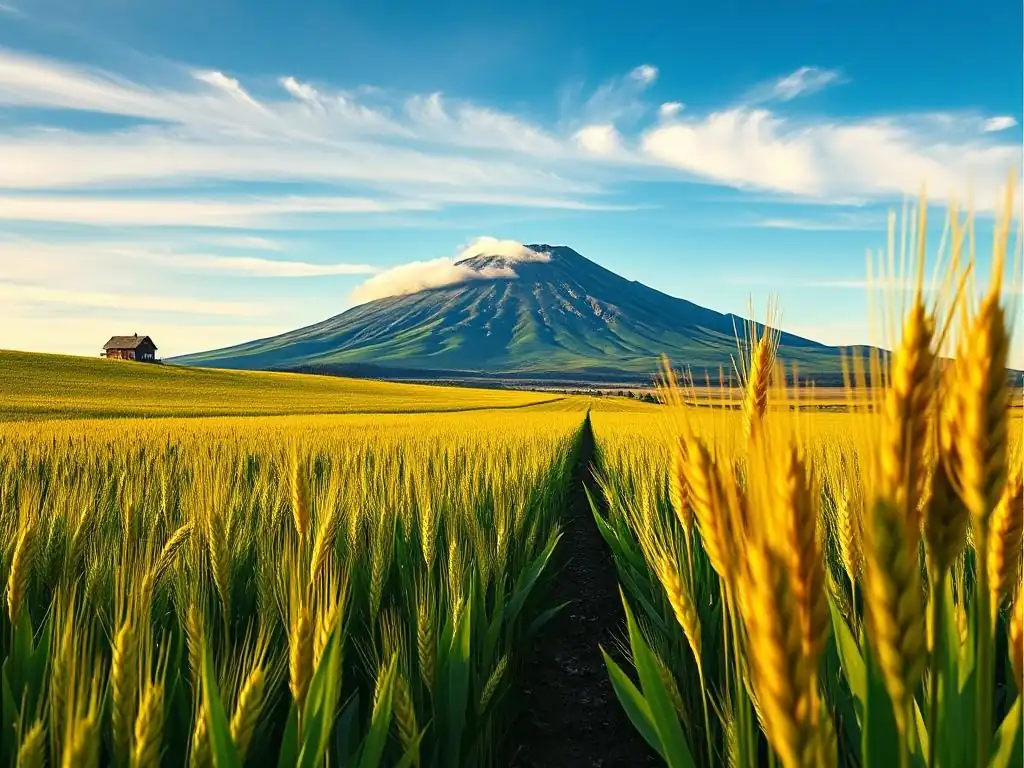
Pre-Eruption Agricultural Challenges: Soil Erosion and Nutrient Depletion
Before the cataclysmic eruption of Mount St. Helens in 1980, the surrounding agricultural lands, while productive, faced typical challenges common to many farming regions. Soil erosion, particularly on sloping lands, was a persistent issue, leading to the loss of topsoil and valuable nutrients. Decades of conventional agricultural practices had also contributed to nutrient depletion in some areas, requiring regular applications of synthetic fertilizers to maintain crop yields. Farmers in the region were familiar with the need for soil conservation measures and nutrient management strategies to sustain agricultural productivity.
The pre-eruption soils in the vicinity of Mount St. Helens were primarily composed of volcanic ash from previous eruptions, already exhibiting some inherent fertility. However, continuous cultivation and the removal of biomass through harvesting had gradually reduced the natural nutrient reserves. Phosphorus, in particular, was often a limiting nutrient in these soils, requiring supplementation for optimal crop growth. Therefore, while the land was agriculturally viable, there was a recognized need for ongoing efforts to combat soil degradation and maintain soil fertility, even before the dramatic changes brought about by the 1980 eruption.
Post-Eruption Ash Distribution and Implementation Strategies: Direct Application and Incorporation
The 1980 eruption of Mount St. Helens deposited a massive blanket of volcanic ash across a wide area, ranging in depth from a few millimeters to over 15 centimeters in some locations. Initially, this ashfall was perceived as a major agricultural setback, burying crops and covering fields in a layer of grey dust. However, agricultural scientists and farmers quickly recognized the potential benefits of this volcanic ash for soil fertilization. The immediate strategy was to manage the ash in a way that would minimize its negative impacts and maximize its positive contributions to soil fertility.
In many areas, farmers directly incorporated the ash into the topsoil through plowing and tilling. This mixing process helped to dilute the ash and integrate its nutrients into the existing soil profile. In areas with thicker ash deposits, some farmers opted to remove a portion of the ash before incorporating the remainder, particularly if the ash was very coarse or contained large pumice fragments.
Extension services provided guidance on optimal ash management practices, including recommended tillage depths and nutrient management adjustments. The focus was on transforming the seemingly detrimental ashfall into a valuable soil amendment through strategic application and incorporation.
Agricultural Transformation: Increased Crop Yields and Improved Soil Health after Ash Application
The agricultural transformation following the Mount St. Helens eruption has been remarkable and stands as a testament to the benefits of ash fertilization. Studies conducted in the years after the eruption revealed significant improvements in soil health and crop yields in ash-affected areas. Researchers observed increases in soil phosphorus availability, potassium levels, and micronutrient concentrations in ash-amended soils. These nutrient enhancements directly translated into improved plant growth and increased crop productivity.
For instance, wheat yields in some areas showed a notable increase compared to pre-eruption levels and control areas unaffected by ashfall. Similarly, pasturelands exhibited improved forage production, supporting increased livestock grazing capacity. Farmers reported that crops grown in ash-amended soils were not only more productive but also exhibited enhanced disease resistance and improved nutritional quality. The Mount St. Helens case study provides compelling evidence of the long-term agricultural benefits of volcanic ash, demonstrating its potential to revitalize soil fertility and boost crop production.
Lessons Learned from Mount St. Helens: Best Practices for Ash Fertilization
The Mount St. Helens eruption and its aftermath have provided valuable lessons and best practices for ash fertilization that are applicable to other volcanic regions worldwide. One key lesson is the importance of timely and appropriate ash management. Prompt incorporation of ash into the soil, before it is compacted by rainfall or wind, is crucial for maximizing its benefits.
Another key takeaway is the need for soil testing and nutrient monitoring after ash application to adjust fertilization strategies accordingly. While volcanic ash provides a wealth of nutrients, it may not be a perfectly balanced fertilizer for all crops or soil types.
Furthermore, the Mount St. Helens experience highlights the importance of considering the specific characteristics of the ash, including its particle size, mineral composition, and pH, when developing fertilization plans. Coarse ash may require different management approaches compared to fine ash. Finally, the success story of Mount St. Helens underscores the resilience of agricultural systems and the potential for natural processes, even seemingly destructive ones like volcanic eruptions, to contribute to long-term soil health and agricultural sustainability. The benefits of ash fertilization, when understood and properly managed, can be substantial and transformative.
Case Study 2: Iceland - Utilizing Volcanic Ash for Sustainable Farming
The Historical Context: Traditional Uses of Volcanic Ash in Agriculture
In Iceland, a land forged by volcanic activity, the utilization of volcanic ash in agriculture is not a new phenomenon but a practice deeply rooted in historical tradition. For centuries, Icelandic farmers have recognized the benefits of ash fertilization, intuitively understanding its capacity to improve soil fertility and enhance crop production in a challenging environment. Historically, volcanic ash deposits, particularly from frequent eruptions of volcanoes like Hekla and Katla, were considered a valuable resource.
Icelandic sagas and historical records mention the use of "móaska" or "soil ash," referring to volcanic ash mixed with organic materials and applied to fields to improve soil quality. This traditional practice reflects a long-standing awareness of the benefits of ash fertilization in this volcanic island nation. Given Iceland's naturally young and often nutrient-poor soils derived from volcanic rock, the contribution of volcanic ash to soil fertility has been particularly significant in sustaining agriculture for generations.
Modern Applications of Ash Fertilization: Pasture Improvement and Vegetable Production
Modern Icelandic agriculture continues to leverage the benefits of ash fertilization, albeit with more scientific understanding and refined application techniques. Today, volcanic ash is primarily used to improve pasturelands, which are crucial for sheep farming, a cornerstone of Icelandic agriculture. Ash application on pastures enhances grass growth and forage quality, increasing livestock carrying capacity and overall agricultural productivity. Studies in Iceland have demonstrated that ash fertilization can significantly boost pasture yields, particularly in areas with nutrient-deficient soils.
Furthermore, volcanic ash is also utilized in vegetable production, especially in greenhouse cultivation, which is increasingly important in Iceland's short growing season. Ash-amended growing media provide essential nutrients and improve water retention, creating optimal conditions for vegetable crops. Research is ongoing to optimize ash application rates and techniques for different crops and soil types in Iceland, further enhancing the benefits of ash fertilization in modern agricultural practices.
Economic and Environmental Impacts: A Sustainable Agriculture Model
The utilization of volcanic ash in Icelandic agriculture presents a compelling example of a sustainable agricultural model, showcasing both economic and environmental benefits. Economically, ash fertilization reduces the reliance on expensive imported synthetic fertilizers, lowering input costs for farmers and enhancing the economic viability of agriculture, particularly in remote rural areas. Environmentally, it promotes a more circular economy by utilizing a natural, locally available resource – volcanic ash – rather than relying on industrially produced fertilizers that often have a significant carbon footprint.
Furthermore, the slow-release nature of nutrients in volcanic ash minimizes nutrient leaching and reduces the risk of water pollution associated with excessive synthetic fertilizer use. Iceland's case demonstrates that the benefits of ash fertilization extend beyond just improved crop yields, contributing to a more sustainable and resilient agricultural system that is well-adapted to the unique environmental conditions of a volcanic island nation.
Overcoming Challenges: Wind Erosion and Short Growing Seasons
Despite the numerous benefits, utilizing volcanic ash in Icelandic agriculture also presents certain challenges that need to be addressed. One significant challenge is wind erosion of ash, especially in sparsely vegetated areas. Iceland's strong winds can easily mobilize fine ash particles, leading to soil loss and dust storms. Mitigation strategies, such as establishing windbreaks and promoting vegetation cover, are essential to minimize wind erosion and ensure the long-term benefits of ash fertilization.
Another challenge is Iceland's short growing season, limited by its high latitude and cool climate. While volcanic ash improves soil fertility, it cannot extend the growing season itself. Therefore, agricultural practices in Iceland are adapted to maximize productivity within this short window, often utilizing greenhouses and focusing on cold-tolerant crops. Research and innovation continue to explore ways to further optimize ash fertilization and overcome these environmental challenges, ensuring the continued sustainability of Icelandic agriculture.
Case Study 3: Mount Etna - Recovery of Land after Eruption through Ash Fertilization
The Initial Devastation: Land Degradation and Ecosystem Disruption
Mount Etna, Europe's largest active volcano, has shaped the landscape and ecology of eastern Sicily for millennia. While its frequent eruptions are a constant presence in the lives of local communities, they also bring periods of significant devastation. Major eruptions of Mount Etna can cause widespread land degradation, burying agricultural fields and natural ecosystems under thick layers of lava and ash. The immediate aftermath of such eruptions is characterized by ecosystem disruption, loss of vegetation cover, and significant challenges for agriculture.
The 1928 eruption of Mount Etna, for example, famously engulfed the town of Mascali, demonstrating the destructive power of lava flows. Ashfalls from Etna's eruptions can also blanket vast areas, impacting agriculture, infrastructure, and human health. Initially, these volcanic deposits are sterile and devoid of organic matter, presenting a seemingly barren landscape. The recovery process from such devastation is often slow and complex, requiring natural ecological succession and, in some cases, human intervention.
The Role of Ash in Ecosystem Restoration: Colonization by Endemic Plant Species
Despite the initial devastation, volcanic ash from Mount Etna plays a crucial role in the long-term ecosystem restoration and the natural benefits of ash fertilization. The ash, rich in essential minerals released from Etna's basaltic lava, acts as a natural fertilizer, promoting the colonization of barren volcanic terrain by pioneer plant species. These pioneer species, often adapted to harsh conditions, are the first to establish themselves on the newly deposited ash, initiating the process of ecological succession.
Mount Etna is home to a unique flora, including several endemic plant species specifically adapted to volcanic environments. These plants are particularly well-suited to colonize ash-covered landscapes, benefiting from the nutrient-rich ash and contributing to the gradual build-up of soil organic matter. The ash provides a substrate for root establishment and a source of essential nutrients, facilitating the recovery of vegetation cover and the re-establishment of ecosystem functions.
Monitoring Long-Term Soil Health and Biodiversity: Soil Organic Matter and Plant Cover
Long-term monitoring studies on Mount Etna have documented the gradual recovery of soil health and biodiversity in areas affected by volcanic eruptions. Researchers have observed a progressive increase in soil organic matter content in ash-derived soils over time. This organic matter accumulation is driven by the decomposition of plant biomass, which is facilitated by the nutrient availability in the volcanic ash. As soil organic matter increases, soil structure improves, water retention capacity enhances, and nutrient cycling processes become more efficient.
Concurrently with soil development, plant cover expands, with a gradual increase in plant species diversity. The endemic plant species of Mount Etna play a key role in this process, contributing to the stabilization of the volcanic landscape and the restoration of ecosystem biodiversity. The long-term ecological recovery of Mount Etna demonstrates the inherent resilience of natural ecosystems and the vital role of volcanic ash in driving soil formation and promoting plant colonization in volcanic environments.
From Barren Landscape to Thriving Ecosystem: A Case of Natural Recovery
The ecological history of Mount Etna provides a compelling example of how a barren volcanic landscape can, over time, transform into a thriving ecosystem, largely due to the benefits of ash fertilization. The initial devastation caused by eruptions is followed by a natural recovery process, driven by the nutrient-rich volcanic ash and the adaptive capacity of endemic plant species. This natural recovery is a testament to the long-term fertility benefits of volcanic ash and its role in shaping volcanic landscapes and supporting biodiversity.
While human intervention, such as reforestation efforts, can sometimes accelerate the recovery process, the case of Mount Etna primarily showcases the power of natural ecological succession driven by volcanic ash. The transformation from a barren, ash-covered landscape to a biodiverse and productive ecosystem is a remarkable example of nature's resilience and the inherent fertility potential of volcanic ash, highlighting its long-term ecological benefits.
Potential Risks and Mitigation Strategies for Ash Fertilization
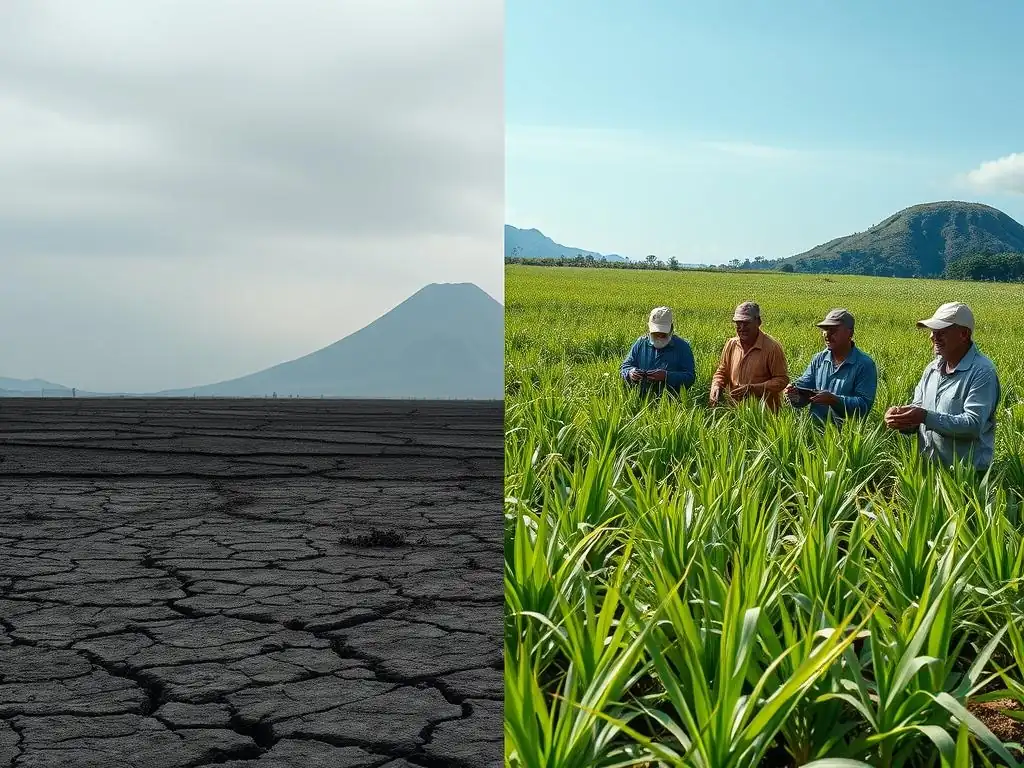
Heavy Metal Contamination: Identifying and Minimizing Risks
While volcanic ash offers numerous benefits as a natural fertilizer, it is essential to acknowledge potential risks associated with its use, particularly the risk of heavy metal contamination. Volcanic ash can contain trace amounts of heavy metals, such as arsenic (As), cadmium (Cd), lead (Pb), and mercury (Hg), depending on the volcanic source and magma composition. While these metals are naturally occurring in the Earth's crust, elevated concentrations in ash could pose a risk to soil and plant health, and potentially enter the food chain.
The risk of heavy metal contamination from ash fertilization is generally low, especially when using ash from volcanoes with basaltic or andesitic magma compositions, which typically have lower heavy metal concentrations. However, it is prudent to assess the heavy metal content of ash before widespread application, particularly if the ash originates from volcanoes known to have metalliferous ore deposits.
Soil testing after ash application can also help monitor heavy metal levels and ensure they remain within safe limits. Selecting ash sources with low heavy metal concentrations and applying ash at appropriate rates are key mitigation strategies to minimize this potential risk.
Ash Application Rate: Determining Optimal Levels to Avoid Toxicity
Determining the optimal ash application rate is crucial to maximizing the benefits of ash fertilization while avoiding potential negative impacts. Applying too little ash may not provide sufficient nutrients to significantly improve soil fertility, while excessive application can lead to imbalances in soil nutrient ratios or even phytotoxicity. The optimal ash application rate depends on several factors, including the nutrient content of the ash, the initial fertility status of the soil, the crop type being grown, and the particle size distribution of the ash.
Generally, application rates ranging from a few millimeters to a few centimeters of ash depth are considered beneficial for agricultural purposes. For example, studies on Mount St. Helens ash fertilization have used application rates of around 2-5 cm of ash incorporated into the topsoil. However, for specific ash types and soil conditions, it is advisable to conduct field trials or consult with agricultural experts to determine the most appropriate application rate. Over-application of ash, particularly if it is very fine-grained, can also lead to soil compaction and reduced aeration, negating some of the benefits of ash fertilization.
Environmental Considerations: Protecting Water Sources and Preventing Erosion
Environmental considerations are paramount when implementing ash fertilization strategies. Protecting water sources from potential contamination and preventing soil erosion are crucial aspects of sustainable ash management. While volcanic ash itself is generally not considered a major pollutant, improper handling and application could pose some environmental risks. For instance, runoff from ash-amended fields, particularly in areas with steep slopes or heavy rainfall, could carry ash particles and associated nutrients into water bodies, potentially leading to eutrophication if nutrient levels are excessive.
Therefore, implementing soil conservation practices, such as contour plowing, terracing, and cover cropping, is important to minimize erosion and runoff from ash-amended lands. Furthermore, avoiding ash application directly adjacent to watercourses and establishing buffer zones can help protect water quality. Proper storage and handling of volcanic ash are also important to prevent wind dispersal and water contamination. Sustainable ash management practices should integrate environmental safeguards to ensure the long-term benefits of ash fertilization without compromising ecosystem health.
Sustainable Ash Management Practices: Liming and Controlled Application
Sustainable ash management practices are essential to maximize the benefits of ash fertilization while mitigating potential risks and environmental impacts. These practices include liming, controlled application, and long-term monitoring. In cases where volcanic ash is acidic, liming with calcium carbonate or other liming agents can help to raise the soil pH to a more neutral level, improving nutrient availability and reducing potential aluminum toxicity. Controlled application, using appropriate application rates and methods, ensures that ash is applied efficiently and effectively, minimizing waste and potential environmental impacts.
Long-term monitoring of soil health, nutrient levels, and crop performance after ash fertilization is crucial to assess the long-term benefits and identify any potential issues that may arise over time. This monitoring data can inform adaptive management strategies and ensure the continued sustainability of ash fertilization practices. By adopting these sustainable ash management practices, we can harness the power of volcanoes for agricultural benefit in a responsible and environmentally sound manner, ensuring the long-term benefits of ash fertilization.
The Future of Ash Fertilization: Research, Innovation, and Global Applications
Exploring New Technologies for Ash Processing and Application
The future of ash fertilization holds exciting possibilities, driven by ongoing research and innovation in ash processing and application technologies. Current research is exploring methods to further enhance the benefits of ash fertilization, such as processing ash to optimize nutrient release rates, reduce particle size variability, and remove potential contaminants. Technological advancements in precision agriculture, such as variable rate applicators and GPS-guided machinery, can enable more controlled and targeted ash application, maximizing efficiency and minimizing environmental impacts.
Furthermore, research is investigating the potential of combining volcanic ash with other soil amendments, such as biochar or compost, to create synergistic effects and further enhance soil fertility and carbon sequestration. Nanotechnology may also play a role in the future, with the development of nano-fertilizers based on volcanic ash minerals, offering enhanced nutrient delivery and uptake by plants. These technological advancements promise to unlock even greater benefits from ash fertilization and expand its applicability in diverse agricultural systems.
The Potential for Ash Fertilization in Nutrient-Poor Tropical Soils
The potential for ash fertilization is particularly significant in nutrient-poor tropical soils, which often suffer from low fertility, acidity, and nutrient leaching. Many tropical regions are also located in volcanically active areas, making volcanic ash a readily available and potentially valuable resource for soil improvement. Volcanic ash can address multiple soil fertility constraints in tropical soils, providing essential nutrients, raising pH in acidic soils, and improving water retention capacity.
Studies conducted in various tropical countries, including Costa Rica, Indonesia, and the Philippines, have demonstrated the positive effects of volcanic ash on crop yields in nutrient-poor soils. Ash fertilization has shown promise in improving the productivity of crops such as rice, maize, coffee, and bananas in tropical environments. Further research and development efforts focused on adapting ash fertilization techniques to specific tropical soil types and cropping systems could unlock significant agricultural benefits and contribute to food security in these regions. The benefits of ash fertilization are especially relevant in the context of sustainable agriculture in the tropics.
Supporting Research and Education on Volcanic Ash Benefits
Realizing the full potential of ash fertilization requires sustained research and education efforts to enhance our understanding of volcanic ash properties, optimize application techniques, and disseminate knowledge to farmers and agricultural practitioners. Continued research is needed to further investigate the long-term effects of ash fertilization on soil health, crop productivity, and ecosystem function in diverse environments. Research should also focus on identifying and mitigating potential risks associated with ash use, such as heavy metal contamination and environmental impacts.
Education and outreach programs are crucial to raise awareness among farmers and policymakers about the benefits of ash fertilization and promote its adoption as a sustainable agricultural practice. This includes developing practical guidelines for ash collection, processing, application, and management, tailored to specific regional and agricultural contexts. Volcano Explorers, with its focus on volcanic science and outreach, can play a vital role in promoting knowledge and awareness of ash fertilization benefits and supporting research and education in this field.
Conclusion: Harnessing the Power of Volcanoes for Sustainable Agriculture
Reaping the Agricultural Benefits of Volcanic Ash: A Sustainable Solution
Volcanic ash, often viewed as a byproduct of destructive natural events, is increasingly recognized as a valuable resource for sustainable agriculture. The agricultural benefits of volcanic ash are multifaceted, encompassing nutrient enrichment, soil physical property improvement, and long-term soil health enhancement. Case studies from Mount St. Helens, Iceland, and Mount Etna, among others, provide compelling evidence of the transformative potential of ash fertilization in diverse agricultural and ecological contexts.
By harnessing the power of volcanoes through responsible ash management, we can unlock a natural and sustainable solution for improving soil fertility, boosting crop yields, and reducing reliance on synthetic fertilizers. Ash fertilization offers a pathway towards more resilient and environmentally friendly agricultural systems, particularly in volcanic regions and nutrient-poor areas worldwide. The benefits of ash fertilization align with the principles of sustainable agriculture, promoting resource efficiency, environmental stewardship, and long-term productivity.
The Importance of Responsible Ash Management: Ensuring Long-Term Benefits
Responsible ash management is paramount to ensuring the long-term benefits of ash fertilization and mitigating potential risks. This includes careful ash characterization, appropriate application rate determination, implementation of soil conservation practices, and ongoing monitoring of soil health and environmental impacts. Sustainable ash management practices should be tailored to specific ash types, soil conditions, and agricultural systems, taking into account local environmental regulations and community needs.
Collaboration between scientists, farmers, policymakers, and volcano observatories is essential to develop and implement effective ash management strategies that maximize the benefits of ash fertilization while minimizing potential negative consequences. By adopting a responsible and holistic approach to ash management, we can ensure that the agricultural benefits of volcanic ash are realized sustainably and contribute to long-term food security and environmental well-being.
Volcano Explorers' Role in Promoting Knowledge and Awareness of Ash Fertilization
Volcano Explorers, as a platform dedicated to exploring the world of volcanoes, has a unique role to play in promoting knowledge and awareness of ash fertilization. By disseminating information about the science, benefits, and best practices of ash fertilization, Volcano Explorers can contribute to a wider understanding of this sustainable agricultural approach. The website can serve as a valuable resource for farmers, researchers, educators, and the general public interested in learning more about the agricultural potential of volcanic ash.
Through articles, educational materials, case studies, and interactive content, Volcano Explorers can highlight the benefits of ash fertilization and inspire further research, innovation, and adoption of this sustainable practice worldwide. By showcasing the positive side of volcanic eruptions and the remarkable potential of volcanic ash, Volcano Explorers can foster a more nuanced and appreciative understanding of these powerful natural phenomena and their contribution to a fertile and sustainable planet.
Frequently Asked Questions
What exactly is ash fertilization, and how does it work?
Ash fertilization is the process where volcanic ash deposited by eruptions enhances soil fertility. The ash contains essential minerals that act as natural fertilizers, enriching the soil.
Which types of volcanic ash are most beneficial for agricultural use?
Generally, ash from basaltic or andesitic volcanoes is considered more beneficial. This ash is usually rich in nutrients like phosphorus, potassium, and calcium, vital for plant growth.
Are there any risks associated with using volcanic ash as fertilizer?
Yes, there are potential risks. High ash deposits can initially smother plants and alter soil pH. Also, some ash may contain harmful elements depending on the volcano's composition.
How long does the effect of ash fertilization typically last?
The duration of ash fertilization's benefits varies. It depends on factors like ash composition, rainfall, and plant type, but the effects can last from several years to decades, providing long-term soil enrichment.
Can ash fertilization be used on all types of soil and crops?
No, ash fertilization is not suitable for all situations. Its effectiveness depends on the existing soil conditions and the specific needs of the crop. Careful analysis is needed to determine its applicability and potential benefits.
Final Reflection: Reaping the Rewards of Renewal
The journey from barren volcanic landscape to fertile farmland, as explored throughout this article, underscores the profound and often overlooked benefits of ash fertilization. What was once considered a destructive force of nature can, with understanding and application, become a catalyst for agricultural abundance, offering a sustainable and resourceful approach to soil enrichment in a world increasingly concerned with environmental impact.
The transformative power of volcanic ash, as demonstrated in our case studies, resonates deeply with the cyclical nature of life and the potential for renewal even in the face of devastation. This exploration has not only highlighted the scientific advantages of ash fertilization but also reinforced the importance of embracing innovative and sustainable practices in agriculture. The ultimate goal of farming is not the growing of crops, but the cultivation and perfection of human beings.
- Masanobu Fukuoka. This quote encapsulates the broader implications of our findings: by nurturing the land, we are ultimately nurturing ourselves and future generations.
As you reflect on the potential of ash fertilization, consider the broader implications for sustainable agriculture and resource management. How can we, individually and collectively, embrace innovative solutions that harness the power of nature to create a more resilient and abundant future? Let us strive to learn from the earth's lessons, transforming challenges into opportunities and cultivating a world where even the ashes of destruction can give rise to new life and prosperity.
Unleash the Power of Volcanic Ash in Your Garden!
Thank you for exploring the incredible potential of volcanic ash as a natural fertilizer! We hope you've gained valuable insights into how seemingly barren landscapes can become thriving agricultural havens. Now, it's time to put this knowledge into practice and experience the benefits firsthand.
Here's how to get started:
- Begin with a small, controlled experiment in your garden, carefully collecting and testing local volcanic ash. Document your findings and share your results to contribute to the scientific understanding of ash fertilization.
- Research online maps showing ash composition to understand any nutrient deficiencies in your soil and create a balanced fertilizer blend.
- Share this article with fellow gardeners and environmental enthusiasts to spread awareness of this sustainable agricultural approach.
Ready to transform your garden using the power of volcanic ash? What exciting results do you anticipate from your experiments?