
Unearthing Earth's Hidden Fertilizer: The Astonishing Power of Volcanic Ash

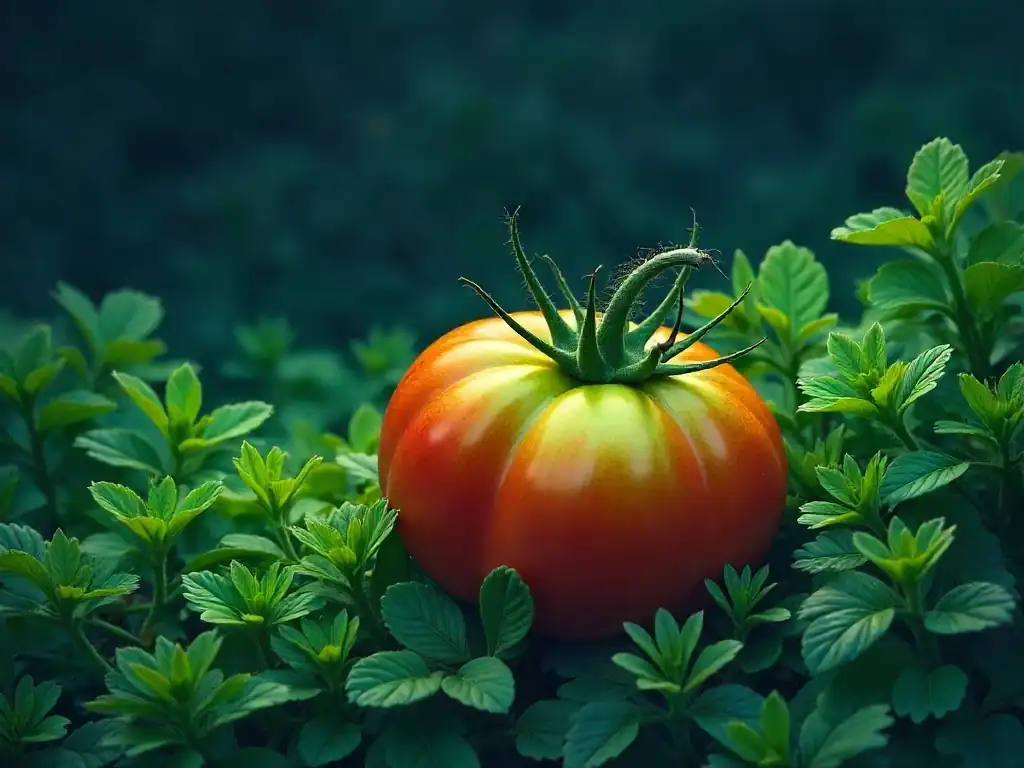
Welcome to Volcano Explorers, where we peel back the layers of Earth's fiery heart! Prepare to be surprised: Beyond the obvious destruction, volcanic ash holds a secret. Did you know this seemingly devastating byproduct actually possesses incredible benefits, acting as a potent natural fertilizer? Unearth the astonishing power of volcanic ash and discover how this gift from the Earth can revitalize landscapes, fueling new life in the wake of destruction. Keep reading to explore this fascinating phenomenon and more!
- Introduction: Volcanic Ash - More Than Just a Nuisance
- Understanding Volcanic Ash Composition and Formation
-
Frequently Asked Questions
- What are the primary benefits of volcanic ash for soil?
- How does volcanic ash contribute to long-term soil health?
- Are there any negative effects of volcanic ash on plant life or the environment?
- How can volcanic ash be safely used as a fertilizer in agriculture?
- What is the overall impact of volcanic ash on ecosystems around volcanoes?
- Final Reflection: Embracing the Earth's Fiery Gift
- Ignite Your Garden: Unleash the Power of Volcano Ash!
Introduction: Volcanic Ash - More Than Just a Nuisance
Volcanic ash, the seemingly unwelcome byproduct of explosive volcanic eruptions, is often perceived as a destructive force, disrupting air travel, damaging infrastructure, and posing health hazards. News reports frequently highlight the chaos and disruption caused by ash clouds, focusing on the immediate negative impacts on human activities.
However, beneath this veneer of destruction lies a remarkable secret: volcanic ash is not merely a nuisance but a potent natural fertilizer, capable of rejuvenating soils and fostering plant growth with astonishing efficiency. This seemingly destructive material holds within it the building blocks of life, offering a pathway to soil enrichment and enhanced agricultural productivity that has been recognized for centuries and is increasingly relevant in our quest for sustainable agricultural practices.
Understanding Volcanic Ash Composition and Formation
The Mineral Makeup of Volcanic Ash: A Natural Nutrient Source
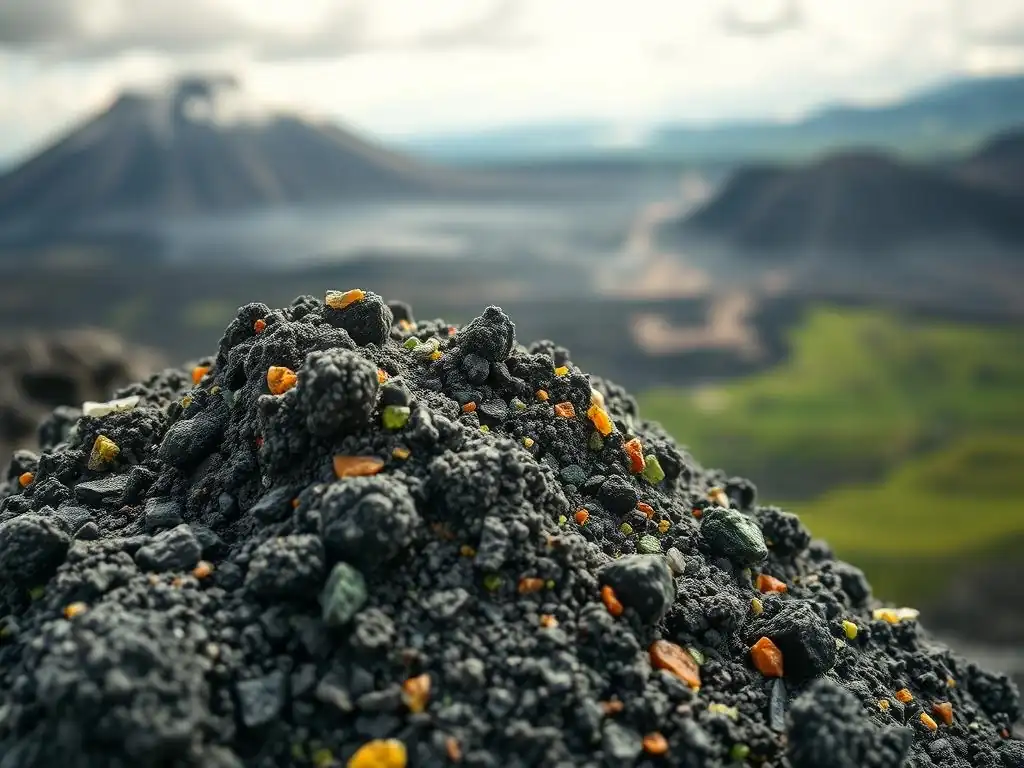
Volcanic ash is far from the simple dust it might appear to be. Instead, it is a complex mixture of finely fragmented volcanic glass, minerals, and rock particles ejected during volcanic eruptions. The precise composition of volcanic ash varies depending on the type of volcano and the magma it erupts, but it consistently contains a wealth of essential plant nutrients.
These include vital elements like silicon, calcium, potassium, iron, magnesium, and phosphorus, all locked within the glassy fragments and mineral crystals. For instance, basaltic ash, common in eruptions from shield volcanoes like those in Hawaii, is particularly rich in magnesium and iron, while ash from stratovolcanoes, known for explosive eruptions, often contains significant amounts of potassium and phosphorus. This naturally occurring blend of minerals acts as a slow-release fertilizer, gradually enriching the soil over time.
How Eruptions Create This Potent Soil Amendment
The very process of volcanic eruption is what imbues ash with its fertilizing potential. During an explosive eruption, magma, molten rock from deep within the Earth, is violently fragmented and propelled into the atmosphere. As this material cools and solidifies in the air, it forms the fine particles we know as volcanic ash.
The rapid cooling process traps essential minerals within the glassy matrix of the ash particles, creating a porous structure with a large surface area. This large surface area is key to its fertilizing properties, allowing for a gradual release of nutrients as the ash weathers and breaks down in the soil.
Furthermore, the eruption process itself can contribute to soil enrichment by depositing ash over wide areas, effectively distributing these beneficial minerals across landscapes, sometimes hundreds of kilometers from the volcano itself. The 1991 eruption of Mount Pinatubo in the Philippines, for example, deposited ash across vast regions of Southeast Asia, impacting soil composition and agricultural productivity in the years that followed.
Frequently Asked Questions
What are the primary benefits of volcanic ash for soil?
Volcanic ash acts as a natural fertilizer, enriching the soil with essential minerals like phosphorus, potassium, and calcium. This improves soil fertility and enhances plant growth.
How does volcanic ash contribute to long-term soil health?
The ash's porous nature improves soil aeration and drainage, preventing compaction and supporting a healthy root system. It also helps retain moisture, which is crucial for plant survival during dry periods.
Are there any negative effects of volcanic ash on plant life or the environment?
Yes, a thick layer of ash can physically smother plants, block sunlight, and contaminate water sources. Also, excessive ash can temporarily increase soil acidity, harming sensitive vegetation.
How can volcanic ash be safely used as a fertilizer in agriculture?
Mix the ash with existing soil to avoid overwhelming plants. Ensure the ash is well-weathered to reduce acidity. Consider testing the soil's pH and nutrient levels to determine the appropriate ash application rate.
What is the overall impact of volcanic ash on ecosystems around volcanoes?
While initially disruptive, volcanic ash ultimately fosters biodiversity and resilience. The nutrient-rich soil supports diverse plant communities, which, in turn, benefit local wildlife and the overall ecosystem.
Final Reflection: Embracing the Earth's Fiery Gift
The exploration of volcanic ash, as we've seen, is far more than a geological curiosity; it's a journey into understanding the inherent regenerative power of our planet. From revitalizing depleted soils to fostering vibrant ecosystems, the benefits of volcanic ash are not just historical anecdotes, but a potent solution for contemporary agricultural challenges and a testament to nature's resilience.
The realization that something born from destruction can be such a powerful source of life deeply resonates. It reminds us that even in the face of adversity, there is potential for renewal and growth. This understanding has profoundly influenced how I view the natural world, shifting my perspective from one of passive observation to active appreciation of its intricate and often surprising processes. The best fertilizer is the footprint of the farmer.
- This old saying, while not directly about volcanic ash, perfectly encapsulates the active role we must take in nurturing our land, utilizing the resources available to us, including the earth's fiery gifts.
Now, consider the implications of this knowledge. How can we, as individuals and as a society, better integrate the lessons of volcanic ash into our practices? Let us embrace the potential of this natural resource, not just for agricultural gain, but as a symbol of hope and resilience, reminding us that even from the ashes, new life can flourish. Let us strive to understand and harness the earth's hidden gifts, ensuring a more sustainable and vibrant future for all.
Okay, here's a CTA crafted for an article titled "Unearthing Earth's Hidden Fertilizer: The Astonishing Power of Volcanic Ash" on a website called Volcano Explorers with the domain volcanoexplorers.org:
Ignite Your Garden: Unleash the Power of Volcano Ash!
Thank you for diving into the fascinating world of volcanic ash and its incredible potential to revitalize your garden! Now that you've discovered this natural fertilizer, it's time to put this knowledge into action and witness the magic firsthand.
Here are a few ways to get started:
- Embrace Nature's Gift: Source a local source of volcanic ash to amend your garden soil and supercharge your plant growth.
- Share the Wealth: Spread the knowledge! Share this article with your fellow gardening enthusiasts and let them discover the secret to flourishing gardens.
- Explore the Possibilities:Research other less-known volcanic byproducts and their potential applications in sustainable agriculture or home improvement.
Ready to start experimenting with volcanic ash in your garden? What plants are you most excited to see thrive with this volcanic boost?