
Soil's Silent Struggle: The LongTerm Effects of Volcanic Acid Rain on Land

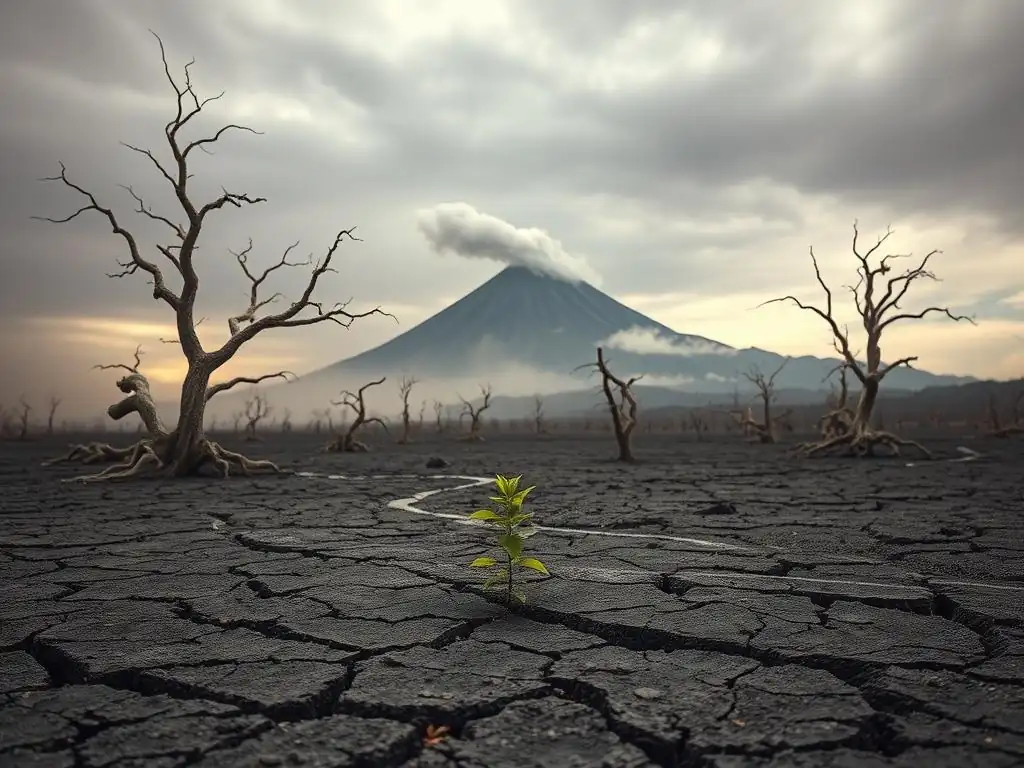
Welcome to Volcano Explorers, where the earth breathes fire and science meets spectacle!
Have you ever considered the silent battles waged in the aftermath of a volcanic eruption? Beyond the immediate devastation, a persistent threat lurks: volcanic acid rain. Dive into our latest exploration, "Soil's Silent Struggle," where we uncover the longterm effects of volcanic acid rain on our planet's delicate ecosystems. Prepare to be surprised by the unseen consequences and discover how these fiery giants continue to shape our world, even after the smoke clears. Intrigued? The story unfolds below...
- Introduction: Understanding the Devastating Reach of Volcanic Acid Rain
- What is Volcanic Acid Rain? Formation and Composition
- Longterm Effects of Volcanic Acid Rain on Soil Chemistry
-
Biological Impacts: The Effects on Soil Organisms and Plant Life
- Microbial Communities Under Stress: The Impact on Soil Biodiversity
- Root Damage and Reduced Plant Growth: The Direct Effects on Vegetation
- Long-Term Consequences for Forest Ecosystems: Mount St. Helens Impact on Pacific Northwest Forests
- Agricultural Land Vulnerability: The Threat to Crop Production
- Case Studies: Examining Real-World Examples of Longterm Damage
- Mitigation and Remediation Strategies: Restoring Soil Health After Volcanic Acid Rain
- Longterm Monitoring and Research: Understanding the Full Scope of the Problem
- Conclusion: Protecting Our Soils from the Silent Threat
-
Frequently Asked Questions
- What is volcanic acid rain and how does it form?
- What are the immediate effects of volcanic acid rain on soil?
- What are the long-term impacts of volcanic acid rain on soil health?
- How does volcanic acid rain affect plant life growing in contaminated soil?
- What can be done to mitigate the long-term effects of volcanic acid rain on soil?
- Final Reflection: The Enduring Legacy of Volcanic Ash
- Revitalize Your Earth: Become a Soil Guardian!
Introduction: Understanding the Devastating Reach of Volcanic Acid Rain
The Unseen Threat: Volcanic Acid Rain's Impact on Soil Health
Volcanic eruptions are dramatic events, instantly reshaping landscapes with lava flows and pyroclastic surges. However, a less immediate but equally devastating consequence follows these eruptions: volcanic acid rain. While the immediate effects of eruptions are visible and often catastrophic, the insidious impact of acid rain on soil health unfolds over months, years, and even decades, creating a silent struggle beneath our feet.
This phenomenon, often overlooked in the immediate aftermath of volcanic events, poses a significant long-term threat to ecosystems and agriculture, impacting soil fertility, microbial life, and plant health far beyond the eruption zone. Understanding the long-term effects of volcanic acid rain is crucial for assessing the full environmental cost of volcanic activity and developing strategies for land recovery and sustainable management.
The repercussions of volcanic acid rain extend beyond simple acidity. It initiates a cascade of chemical reactions within the soil, altering its fundamental composition and functionality. These changes are not always immediately apparent but accumulate over time, leading to a gradual degradation of soil quality. This degradation can manifest in various forms, including nutrient depletion, the release of toxic metals, and a decline in beneficial soil organisms. The slow, creeping nature of this damage makes it a particularly insidious threat, often escaping immediate attention while silently undermining the very foundation of terrestrial life – the soil itself.
Why Soil Matters: The Foundation of Terrestrial Ecosystems
Soil is far more than just dirt; it is a complex and dynamic living system, the very foundation upon which terrestrial ecosystems are built. It provides physical support for plants, anchors their roots, and supplies them with essential nutrients and water. Healthy soil acts as a natural filter, purifying water and preventing pollutants from reaching groundwater and waterways.
It is also a vast reservoir of biodiversity, teeming with billions of microorganisms – bacteria, fungi, protozoa, and invertebrates – that play vital roles in nutrient cycling, decomposition of organic matter, and soil structure maintenance. This intricate web of life within the soil is essential for maintaining ecosystem health and productivity.
The importance of soil extends to human societies as well. Agriculture, the cornerstone of our food security, is entirely dependent on fertile soil. Healthy soils are crucial for producing the food, fiber, and fuel that sustain human populations.
Beyond agriculture, soil plays a vital role in carbon sequestration, helping to regulate the global climate. Degradation of soil, therefore, has far-reaching consequences, impacting not only natural ecosystems but also human well-being and global environmental stability. Recognizing the fundamental importance of soil highlights the severity of the threat posed by volcanic acid rain and underscores the need for understanding and mitigating its long-term effects.
What is Volcanic Acid Rain? Formation and Composition
The Chemistry of Volcanic Acid Rain: Sulfur Dioxide and Other Culprits
Volcanic acid rain is a form of precipitation that is made acidic by emissions from volcanic eruptions. While normal rain is slightly acidic (around pH 5.6) due to dissolved carbon dioxide, volcanic acid rain can have a significantly lower pH, sometimes reaching levels comparable to lemon juice or even battery acid in extreme cases.
The primary culprit behind this increased acidity is sulfur dioxide (SO₂), a gas abundantly released during volcanic eruptions. However, other volcanic gases, including hydrogen sulfide (H₂S), hydrogen chloride (HCl), and hydrogen fluoride (HF), also contribute to the acidity, although typically to a lesser extent than sulfur dioxide.
The chemical reactions that lead to volcanic acid rain are complex and occur in the atmosphere. Sulfur dioxide, once released into the atmosphere, undergoes oxidation processes. The most significant reaction involves its interaction with water vapor and oxygen in the presence of sunlight and catalysts, such as dust particles or other atmospheric aerosols.
This process transforms sulfur dioxide into sulfuric acid (H₂SO₄), a strong acid. Similarly, hydrogen sulfide can be oxidized to sulfuric acid, and hydrogen chloride dissolves in water to form hydrochloric acid (HCl). These acids then dissolve in atmospheric water droplets, forming acid rain that falls to the earth.
From Eruption to Acid Rain: The Atmospheric Transformation
The journey from volcanic eruption to acid rain is a dynamic atmospheric process. During an eruption, vast plumes of gas and ash are ejected high into the atmosphere, sometimes reaching the stratosphere. These plumes contain significant quantities of sulfur dioxide and other acid-forming gases. As these gases disperse and interact with atmospheric moisture, the formation of acid rain begins. The distance and area affected by volcanic acid rain depend on several factors, including the intensity and duration of the eruption, the amount of sulfur dioxide released, wind patterns, and precipitation levels.
Initially, the acid rain may be concentrated in areas downwind of the volcano, but as the volcanic plume disperses and atmospheric circulation patterns distribute the gases, acid rain can affect areas hundreds or even thousands of kilometers away from the eruption site. For instance, the 1991 eruption of Mount Pinatubo in the Philippines, one of the largest volcanic eruptions of the 20th century, released massive amounts of sulfur dioxide into the stratosphere.
This resulted in a global layer of sulfate aerosols, leading to a measurable increase in acid rain acidity across vast regions of the planet for several years after the eruption. This example highlights the far-reaching atmospheric impact of volcanic emissions and the potential for widespread acid rain deposition.
Longterm Effects of Volcanic Acid Rain on Soil Chemistry
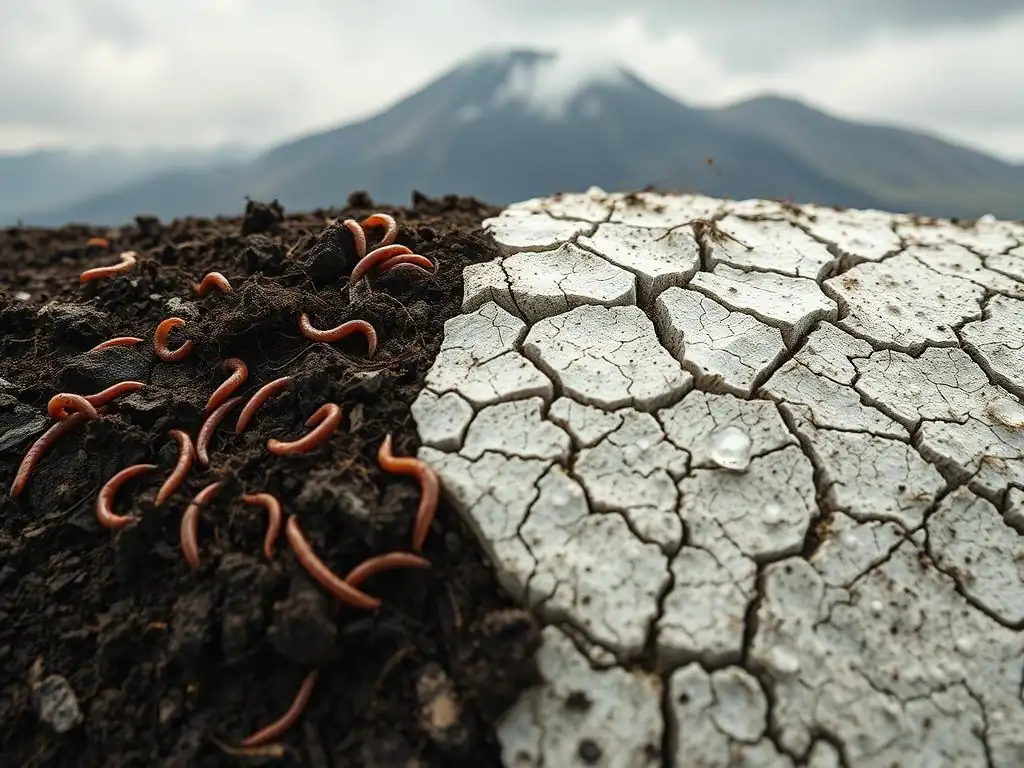
Soil Acidification: The Primary Consequence of Volcanic Activity
The most immediate and significant long-term effect of volcanic acid rain on soil chemistry is acidification. The deposition of sulfuric acid and other acids directly increases the hydrogen ion concentration in the soil solution, lowering the soil pH. This acidification is not a transient event; it can persist for years, decades, or even centuries, depending on the buffering capacity of the soil and the frequency of volcanic eruptions in the region. Soils with low buffering capacity, such as sandy soils or soils with low clay content, are particularly vulnerable to long-term acidification from volcanic acid rain.
Soil acidification triggers a cascade of chemical changes that negatively impact soil fertility and ecosystem health. Increased acidity can accelerate the weathering of soil minerals, releasing certain elements while making others less available to plants. Furthermore, acidic conditions can alter the solubility and mobility of various elements in the soil, leading to nutrient imbalances and potential toxicity. The long-term persistence of soil acidification due to volcanic acid rain represents a major challenge for ecosystem recovery and agricultural productivity in volcanically active regions.
Changes in Soil pH: How Volcanic Acid Rain Alters Soil Acidity Levels
Soil pH is a critical indicator of soil health, influencing a wide range of chemical and biological processes. The optimal pH range for most plants and soil microorganisms is near neutral (around pH 6.0 to 7.0). Volcanic acid rain pushes soil pH towards more acidic levels, often drastically altering the chemical environment.
A decrease of even one pH unit represents a tenfold increase in acidity. For example, a soil with a pH of 6.0 becoming pH 5.0 due to volcanic acid rain is now ten times more acidic. Extreme cases have seen soil pH plummeting to below 4.0 after significant volcanic acid rain events.
These dramatic shifts in soil pH have profound consequences. Acidic conditions affect the availability of essential plant nutrients. For instance, phosphorus, a crucial nutrient for plant growth, becomes less available to plants in acidic soils as it gets fixed by iron and aluminum oxides. Conversely, the solubility of certain toxic metals, such as aluminum and manganese, increases under acidic conditions, potentially reaching levels that are toxic to plants and soil organisms. The long-term alteration of soil pH by volcanic acid rain, therefore, creates a chemically stressful environment that can severely limit plant growth and disrupt soil biological activity.
Impact on Soil Nutrients: Depletion and Imbalance
Volcanic acid rain significantly disrupts soil nutrient dynamics, leading to both depletion of essential nutrients and imbalances in nutrient availability. The acidic deposition accelerates the leaching of vital nutrients from the soil profile, making them unavailable to plants. Simultaneously, it can increase the solubility of other elements, sometimes to toxic levels, creating a complex scenario of nutrient deficiency and toxicity. This nutrient imbalance is a major factor contributing to the long-term degradation of soil fertility after volcanic acid rain events.
Leaching of Essential Minerals: Calcium, Magnesium, and Potassium Loss
Acidic conditions caused by volcanic acid rain promote the leaching of essential base cations, such as calcium (Ca²⁺), magnesium (Mg²⁺), and potassium (K⁺), from the soil. These elements are crucial macronutrients for plant growth and play vital roles in various plant physiological processes. The hydrogen ions (H⁺) from acid rain displace these positively charged cations from soil exchange sites, making them more mobile and susceptible to being washed away by rainwater. This leaching process is particularly pronounced in sandy soils with low cation exchange capacity.
The loss of calcium, magnesium, and potassium leads to nutrient deficiencies in plants, hindering their growth and making them more vulnerable to diseases and environmental stresses. For example, calcium deficiency can impair cell wall development in plants, while magnesium is essential for chlorophyll production and photosynthesis. Potassium plays a crucial role in water regulation and disease resistance. The long-term depletion of these essential minerals due to volcanic acid rain significantly reduces soil fertility and the capacity to support healthy plant growth.
Increased Solubility of Toxic Metals: Aluminum and Manganese Toxicity
While essential nutrients are leached away, volcanic acid rain also increases the solubility of certain toxic metals naturally present in soils, most notably aluminum (Al) and manganese (Mn). Under normal soil pH conditions, these metals are often bound to soil particles and are relatively immobile and non-toxic. However, as soil pH decreases due to acid rain, these metals are released into the soil solution in their ionic forms (Al³⁺ and Mn²⁺), becoming more bioavailable and potentially toxic to plants and soil organisms.
Aluminum toxicity is a major concern in acidified soils. Aluminum ions can damage plant roots, inhibiting water and nutrient uptake. They can also interfere with various metabolic processes within plants, leading to reduced growth and yield. Manganese toxicity, although less common than aluminum toxicity, can also occur in acidic soils and can cause similar symptoms in plants, including leaf discoloration and stunted growth. The increased solubility of these toxic metals due to volcanic acid rain creates an additional stress factor for plants and soil organisms, exacerbating the negative impacts of soil acidification and nutrient imbalances.
Biological Impacts: The Effects on Soil Organisms and Plant Life
Microbial Communities Under Stress: The Impact on Soil Biodiversity
Soil microbial communities are highly sensitive to changes in soil pH and chemistry caused by volcanic acid rain. These communities, composed of bacteria, fungi, archaea, and other microorganisms, are essential for numerous soil processes, including nutrient cycling, decomposition of organic matter, and disease suppression. Acidification from volcanic acid rain can significantly alter the composition and activity of these microbial communities, often leading to a decrease in microbial diversity and a shift in the dominant microbial groups.
Certain microbial groups are more tolerant of acidic conditions than others. For example, fungi are generally more acid-tolerant than bacteria. Acid rain can, therefore, lead to a shift in the balance between fungal and bacterial populations in the soil. This shift can have cascading effects on soil processes. For instance, bacterial communities are often more important for nitrogen cycling, while fungi play a crucial role in decomposition and nutrient mobilization. Changes in microbial community structure and function due to volcanic acid rain can disrupt these essential soil processes, impacting overall soil health and ecosystem functioning.
Root Damage and Reduced Plant Growth: The Direct Effects on Vegetation
Volcanic acid rain directly affects plant vegetation through multiple pathways, primarily through root damage and foliar injury. The increased acidity and elevated concentrations of toxic metals in the soil solution create a hostile environment for plant roots. Acidic conditions can damage root cell membranes, impairing their ability to absorb water and nutrients. Aluminum toxicity, in particular, is a major cause of root damage in acidified soils. Aluminum ions can inhibit root growth, reduce root branching, and thicken root cell walls, making roots less efficient in their uptake functions.
Beyond root damage, acid rain can also directly affect plant foliage, especially during rainfall events. Acidic precipitation can leach nutrients from leaves, damage leaf cuticles, and interfere with photosynthesis. While foliar damage is often more pronounced in areas with frequent acid rain events not related to volcanoes, volcanic acid rain can contribute to this effect, particularly during periods of intense volcanic activity. The combined effects of root damage and potential foliar injury from volcanic acid rain lead to reduced plant growth, decreased productivity, and increased plant susceptibility to other stresses, such as drought and disease.
Long-Term Consequences for Forest Ecosystems: Mount St. Helens Impact on Pacific Northwest Forests
The 1980 eruption of Mount St. Helens in Washington State provides a compelling case study of the long-term consequences of volcanic activity, including acid rain, on forest ecosystems in the Pacific Northwest. While the immediate devastation from the eruption was localized, the deposition of volcanic ash and subsequent acid rain had broader and longer-lasting impacts on surrounding forests. Studies conducted in the decades following the eruption have documented significant changes in soil chemistry and forest health in areas affected by Mount St. Helens volcanic emissions.
Research in the Mount St. Helens region has shown that volcanic ash deposition initially altered soil physical and chemical properties. While ash can provide some nutrients, it also contributed to soil acidification in certain areas. Furthermore, acid rain events following the eruption exacerbated soil acidification and nutrient leaching.
Long-term studies have revealed changes in forest composition, with shifts in tree species abundance and reduced growth rates in some areas. The recovery of forest ecosystems around Mount St. Helens is a slow process, highlighting the long-term ecological consequences of volcanic disturbances and the persistent effects of acid rain on forest health and resilience.
Agricultural Land Vulnerability: The Threat to Crop Production
Agricultural lands are particularly vulnerable to the long-term effects of volcanic acid rain. Crop plants, unlike native vegetation, are often less adapted to acidic soil conditions and nutrient imbalances. Volcanic acid rain can directly impact crop yields and quality through soil acidification, nutrient depletion, and toxic metal contamination. The economic consequences for agriculture in volcanically active regions can be significant, affecting food security and livelihoods.
Acidification of agricultural soils by volcanic acid rain can reduce the availability of essential nutrients like phosphorus, calcium, and magnesium, which are critical for crop growth. Many common crops, such as wheat, corn, and soybeans, are sensitive to low soil pH and aluminum toxicity.
Acidic conditions can also negatively impact beneficial soil microorganisms that are important for nutrient cycling and disease suppression in agricultural systems. The long-term degradation of agricultural soil quality due to volcanic acid rain poses a persistent threat to crop production and necessitates the implementation of mitigation and remediation strategies to maintain agricultural productivity in volcanically active areas.
Case Studies: Examining Real-World Examples of Longterm Damage
Mount Pinatubo Eruption: A Case Study of Soil Degradation
The 1991 eruption of Mount Pinatubo in the Philippines serves as a significant case study illustrating the widespread and long-term effects of volcanic acid rain on soil degradation. This eruption was one of the largest volcanic events of the 20th century, injecting massive quantities of sulfur dioxide into the stratosphere. The resulting global sulfate aerosol layer led to a measurable increase in acid rain acidity across vast regions, including areas far removed from the Philippines. While the immediate impacts were felt globally, the long-term consequences for soil in the Philippines and surrounding areas are particularly instructive.
Studies conducted after the Mount Pinatubo eruption documented significant soil acidification in areas downwind of the volcano. Soil pH decreased in many agricultural regions, leading to increased aluminum solubility and nutrient leaching. Rice paddies, a crucial agricultural system in the Philippines, were particularly affected.
Acid rain contributed to reduced rice yields in the years following the eruption. Furthermore, the eruption's ashfall, while initially providing some nutrients, also contributed to longer-term soil changes, interacting with acid rain effects to create a complex scenario of soil degradation and recovery. The Mount Pinatubo case highlights the potential for large volcanic eruptions to trigger widespread and persistent soil acidification with significant agricultural and ecological consequences.
The Effects of the Eyjafjallajökull Eruption on Local Agriculture: Icelandic Grasslands
The 2010 eruption of Eyjafjallajökull in Iceland, while smaller than Mount Pinatubo, provides a valuable case study of the localized but intense effects of volcanic acid rain on agriculture, particularly on Icelandic grasslands. Icelandic agriculture is heavily reliant on grasslands for livestock grazing and hay production. The Eyjafjallajökull eruption released significant amounts of volcanic ash and gases, including sulfur dioxide, which led to acid rain deposition across parts of Iceland. This acid rain directly impacted grassland soils and vegetation, affecting agricultural productivity.
Research following the Eyjafjallajökull eruption revealed that acid rain deposition caused soil acidification in grassland areas, particularly in regions that received significant ashfall. While Icelandic soils are naturally somewhat acidic, the volcanic acid rain exacerbated this condition. Studies documented changes in soil pH, increased leaching of nutrients, and some evidence of aluminum mobilization.
The eruption also deposited fluorine on grasslands, which, while not directly related to acid rain, is another volcanic emission that can impact livestock health through contaminated forage. The Eyjafjallajökull eruption underscores the vulnerability of agricultural systems, even in developed countries, to the impacts of volcanic acid rain and the need for understanding localized effects in addition to global impacts.
Monitoring Soil Recovery After Volcanic Eruptions: Remote Sensing and Field Studies
Monitoring soil recovery after volcanic eruptions is crucial for assessing the long-term environmental impacts and guiding remediation efforts. A combination of remote sensing techniques and field studies is essential for tracking soil recovery processes over time. Remote sensing technologies, such as satellite imagery and aerial surveys, offer a broad-scale perspective on vegetation recovery and changes in land cover. These techniques can help identify areas that are recovering slowly or showing signs of persistent degradation.
Field studies, involving soil sampling and analysis, provide detailed information about the chemical and biological changes occurring in the soil. Regular soil monitoring can track changes in soil pH, nutrient levels, and the abundance and diversity of soil microorganisms. By combining remote sensing data with detailed field measurements, scientists can gain a comprehensive understanding of soil recovery trajectories after volcanic eruptions.
This information is vital for developing effective strategies for soil remediation and sustainable land management in volcanically active regions. Furthermore, long-term monitoring programs are essential for assessing the effectiveness of remediation efforts and for predicting future soil recovery patterns in response to volcanic disturbances.
Mitigation and Remediation Strategies: Restoring Soil Health After Volcanic Acid Rain
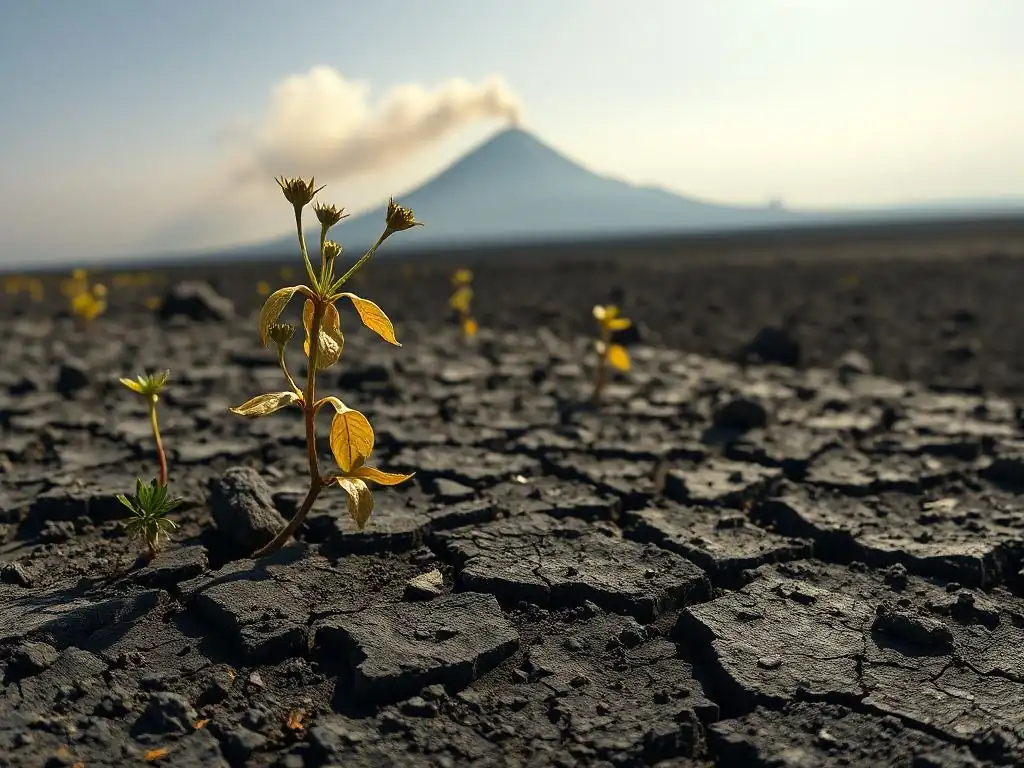
Liming: Counteracting Soil Acidity
Liming is a widely used and effective remediation strategy for counteracting soil acidity caused by volcanic acid rain. Liming involves the application of calcium- or magnesium-rich materials, such as agricultural lime (calcium carbonate), dolomitic lime (calcium magnesium carbonate), or quicklime (calcium oxide), to the soil. These materials react with the acidic components in the soil, neutralizing the acidity and raising the soil pH back towards a more neutral range.
The application of lime increases the availability of essential nutrients like calcium and magnesium, which are often depleted in acidified soils. It also reduces the solubility and toxicity of aluminum and manganese, making the soil environment less stressful for plants and soil organisms. Liming is a relatively cost-effective and readily available remediation technique, making it a practical option for restoring soil health in areas affected by volcanic acid rain.
However, the amount of lime required and the frequency of application will depend on the degree of soil acidification and the buffering capacity of the soil. Soil testing is crucial to determine the appropriate liming rate and to monitor soil pH over time to ensure effective and sustainable soil remediation.
Phytoremediation: Using Plants to Remove Contaminants
Phytoremediation is a nature-based approach to soil remediation that utilizes plants to remove, degrade, or stabilize contaminants in the soil. Certain plant species have the ability to accumulate or tolerate high concentrations of toxic metals in their tissues, or to stimulate microbial activity that can degrade pollutants. Phytoremediation can be a valuable tool for addressing soil contamination resulting from volcanic acid rain, particularly in cases of heavy metal accumulation.
For example, some plant species are known to be hyperaccumulators of certain metals, meaning they can take up and store unusually high concentrations of metals in their shoots and leaves. These plants can be used to extract toxic metals from contaminated soils. Other plants can promote the activity of soil microorganisms that can degrade organic pollutants or immobilize metals in the soil.
Phytoremediation is often a slower process than chemical remediation techniques like liming, but it is a more sustainable and environmentally friendly approach. It can be particularly effective in combination with other remediation strategies, and it can contribute to long-term soil restoration and ecosystem recovery.
Sustainable Land Management Practices: Promoting Soil Resilience
Beyond specific remediation techniques, implementing sustainable land management practices is crucial for promoting long-term soil resilience and mitigating the effects of future volcanic acid rain events. Sustainable practices focus on maintaining and enhancing soil health, improving soil structure, and increasing soil organic matter content. These practices can make soils more resistant to acidification and nutrient leaching, and enhance their capacity to recover from volcanic disturbances.
Examples of sustainable land management practices include no-till farming, cover cropping, crop rotation, and the use of organic amendments like compost and manure. No-till farming minimizes soil disturbance, which can help to maintain soil structure and reduce erosion. Cover crops protect the soil surface from erosion, improve soil organic matter content, and can help to cycle nutrients.
Crop rotation can break pest and disease cycles and improve soil fertility. Organic amendments enhance soil structure, water holding capacity, and nutrient availability. Adopting these sustainable practices can build soil resilience, making agricultural and natural ecosystems more resistant to the long-term impacts of volcanic acid rain and other environmental stresses.
Longterm Monitoring and Research: Understanding the Full Scope of the Problem
The Role of Volcanologists in Assessing Environmental Damage
Volcanologists play a critical role in assessing the environmental damage caused by volcanic eruptions, including the long-term effects of volcanic acid rain on soil. Volcanologists monitor volcanic activity, track gas emissions, and model the dispersal of volcanic plumes. This information is essential for understanding the extent and intensity of acid rain deposition in surrounding areas. Volcanologists also collaborate with soil scientists, ecologists, and agricultural experts to assess the impacts of volcanic acid rain on soil health, ecosystems, and agriculture.
Volcanological research provides crucial data on the composition of volcanic gases, the rate of gas release, and the atmospheric processes that lead to acid rain formation. This information is used to develop predictive models for acid rain deposition and to assess the potential risks to soil and water resources.
Volcanologists also contribute to hazard assessments and risk management strategies in volcanically active regions, providing scientific expertise to guide land use planning and mitigation efforts. Their ongoing monitoring and research are essential for understanding the full scope of the environmental problems associated with volcanic activity and for informing effective responses to these natural hazards.
Future Research Directions: Addressing Knowledge Gaps
Despite significant progress in understanding the effects of volcanic acid rain, several knowledge gaps remain that require further research. Future research should focus on refining our understanding of the long-term impacts of volcanic acid rain on soil microbial communities and their functional roles in soil processes. More research is needed to investigate the complex interactions between volcanic ash deposition, acid rain, and other environmental factors in shaping soil recovery trajectories. Furthermore, research is needed to develop more effective and sustainable remediation strategies for volcanic acid rain-affected soils, particularly in diverse environmental and agricultural settings.
Improved modeling of acid rain formation and deposition patterns is crucial for better predicting the spatial extent and intensity of acid rain impacts. Long-term monitoring programs are essential for tracking soil recovery over decades and centuries, and for assessing the effectiveness of different remediation approaches. Interdisciplinary research collaborations, involving volcanologists, soil scientists, ecologists, agricultural scientists, and social scientists, are needed to address the multifaceted challenges posed by volcanic acid rain and to develop integrated strategies for mitigation, adaptation, and sustainable land management in volcanically active regions.
Conclusion: Protecting Our Soils from the Silent Threat
The Importance of Understanding and Mitigating the Longterm Effects of Volcanic Acid Rain
Understanding and mitigating the long-term effects of volcanic acid rain is of paramount importance for safeguarding soil health, ecosystem integrity, and agricultural productivity in volcanically active regions. Volcanic acid rain represents a silent threat that can undermine the very foundation of terrestrial life – the soil – over extended periods. Its insidious nature often masks the gradual degradation of soil quality, leading to long-term consequences that can be difficult and costly to reverse. Recognizing the long-term impacts of volcanic acid rain is the first step towards developing effective strategies for soil protection and restoration.
Mitigation and remediation efforts are crucial for minimizing the negative consequences of volcanic acid rain. These efforts should encompass both proactive measures, such as sustainable land management practices that enhance soil resilience, and reactive measures, such as liming and phytoremediation, to restore soil health after volcanic events. Effective mitigation strategies require a comprehensive approach that integrates scientific research, monitoring programs, policy interventions, and community engagement. Protecting our soils from the silent threat of volcanic acid rain is an essential investment in environmental sustainability and human well-being in volcanically active landscapes.
Call to Action: Supporting Research and Conservation Efforts for Soil Health
Addressing the long-term effects of volcanic acid rain requires a collective call to action. Supporting research initiatives focused on understanding the complex interactions between volcanic activity, acid rain, and soil ecosystems is crucial. Increased funding for long-term monitoring programs is needed to track soil recovery, assess the effectiveness of remediation strategies, and predict future trends. Conservation efforts aimed at promoting soil health, biodiversity, and ecosystem resilience in volcanically active regions should be prioritized.
Furthermore, public awareness campaigns are needed to educate communities living near volcanoes about the long-term risks of volcanic acid rain and the importance of soil conservation. Collaboration between scientists, policymakers, land managers, and local communities is essential for developing and implementing effective strategies for mitigating the impacts of volcanic acid rain and ensuring the long-term health and productivity of our soils. By working together, we can protect this vital natural resource from the silent threat of volcanic acid rain and build more resilient and sustainable landscapes for future generations.
Frequently Asked Questions
What is volcanic acid rain and how does it form?
Volcanic acid rain forms when volcanic gases, like sulfur dioxide, are released into the atmosphere and react with water, oxygen, and other chemicals. This creates sulfuric acid and other acidic compounds that fall to the ground as acid rain.
What are the immediate effects of volcanic acid rain on soil?
The immediate effects include soil acidification, which lowers the pH level. This can lead to the leaching of essential nutrients like calcium and magnesium from the soil, making it less fertile.
What are the long-term impacts of volcanic acid rain on soil health?
Long-term exposure can cause irreversible changes in soil composition and structure. This hinders plant growth, reduces agricultural productivity, and can contribute to soil erosion over time.
How does volcanic acid rain affect plant life growing in contaminated soil?
Acid rain damages plant tissues, inhibits photosynthesis, and makes plants more susceptible to disease and pests. The increased acidity of the soil also limits the availability of essential nutrients, stunting growth.
What can be done to mitigate the long-term effects of volcanic acid rain on soil?
Mitigation strategies include applying lime to neutralize soil acidity and adding organic matter to improve soil structure and nutrient retention. Implementing erosion control measures is also crucial to prevent further soil degradation.
Final Reflection: The Enduring Legacy of Volcanic Ash
The preceding exploration of volcanic acid rain's impact on soil underscores a critical truth: environmental consequences often unfold over decades, even centuries. The immediate devastation of an eruption is readily apparent, but the insidious, long-term effects on soil health, biodiversity, and agricultural productivity demand our sustained attention and proactive mitigation strategies. Ignoring these silent struggles jeopardizes not only ecosystems but also the livelihoods of communities dependent on the land.
The persistent acidity leached into the soil, the disruption of nutrient cycles, and the slow poisoning of plant life are all testament to the enduring power of volcanic events. This understanding compels us to reconsider our relationship with the natural world, acknowledging the interconnectedness of seemingly disparate events and the profound responsibility we bear to protect vulnerable ecosystems. We have forgotten how to be good guests, how to walk lightly on the earth as its other creatures do.
- Barbara Ward. This quote reminds us that our actions, or inactions, have lasting consequences.
Ultimately, the lessons learned from studying the longterm effects of volcanic acid rain extend far beyond volcanic regions. They serve as a powerful reminder of the delicate balance within our environment and the importance of long-term thinking in environmental stewardship. Let us, therefore, use this knowledge to advocate for sustainable land management practices, invest in research that deepens our understanding of these complex processes, and, most importantly, cultivate a deeper respect for the soil beneath our feet, recognizing it as the foundation of life itself.
Revitalize Your Earth: Become a Soil Guardian!
Thanks for diving deep into the fascinating, yet concerning, world of volcanic acid rain's impact on our soil. You've now gained valuable insights into this critical environmental challenge. Now, let's put that knowledge into action and help heal our planet, one step at a time.
Here's how you can get involved:
- Become a Citizen Scientist: Report any signs of unusual soil degradation near volcanic areas through our dedicated reporting form on VolcanoExplorers.org. Your observations matter!:
- Spread awareness! Share this article with friends and family to educate them about the silent struggle our soil faces.
- Plant native, acid-tolerant species in your own garden or community spaces to help rebuild soil health.
What specific action, inspired by this article, will you take this week to contribute to soil health and volcanic environmental awareness?