
Volcanic Acid Rain and Cultural Heritage: Protecting Monuments from Acidic Decay

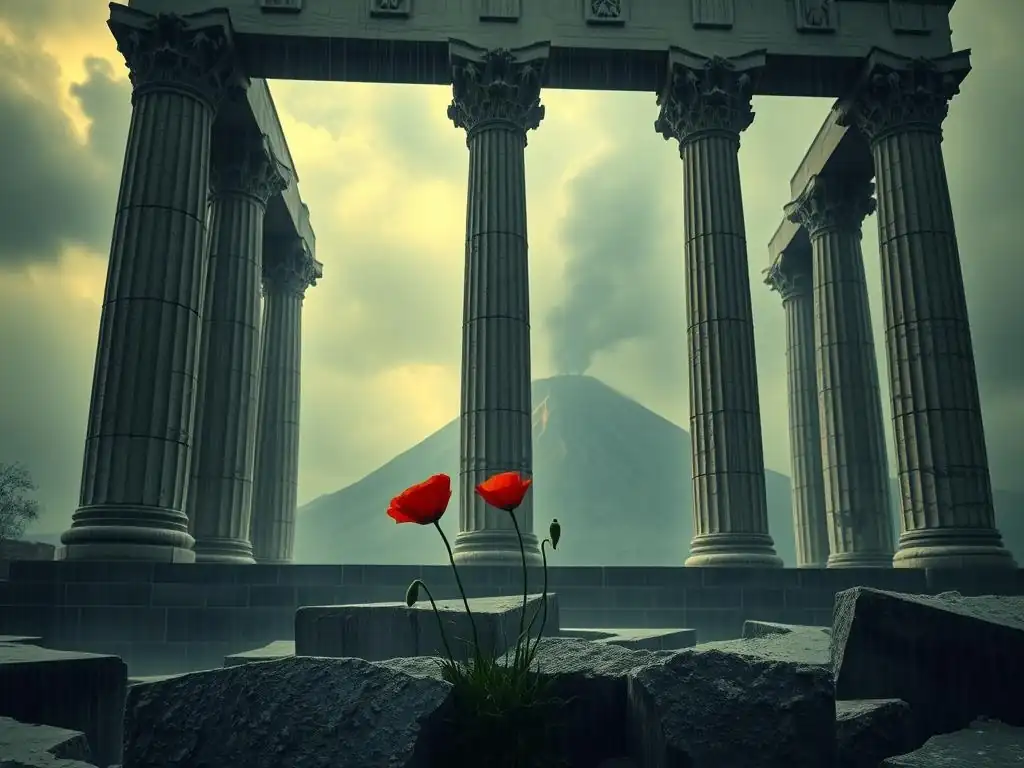
Welcome to Volcano Explorers, where the Earth's fiery heart meets human history. Ever wondered how the very breath of a volcano can slowly erode the legacies we've carved in stone? Dive into our latest exploration – Protecting Monuments from Acid Rain – and uncover the surprising connection between volcanic activity and the preservation of our cultural heritage. What secrets does acidic decay hold, and how can we safeguard these silent witnesses to time? The answers await within...
- Understanding Volcanic Acid Rain and Its Impact
- The Threat to Cultural Heritage Sites Near Active Volcanoes
- Strategies for Protecting Monuments from Acid Rain
- Monitoring and Mitigation of Volcanic Acid Rain's Effects
- The Role of Volcanology in Preserving Cultural Heritage
- Sustainable Solutions for Protecting Monuments and Managing Volcanic Risks
- Future Research and Innovations in Monument Protection
-
Frequently Asked Questions
- How does volcanic acid rain form and what makes it so corrosive?
- What types of monuments are most vulnerable to damage from volcanic acid rain?
- What are some of the methods used to protect monuments from volcanic acid rain?
- How can communities living near active volcanoes prepare for and mitigate the impact of acid rain on cultural heritage sites?
- Besides direct erosion, what other indirect effects of volcanic acid rain can damage monuments and cultural sites?
- Final Reflection: Preserving History Against the Acidic Tide
- Rediscover the Past: Help Preserve Our Volcanic Heritage!
Understanding Volcanic Acid Rain and Its Impact
What is Volcanic Acid Rain? Formation and Composition
Volcanic acid rain is a form of precipitation that is made acidic by emissions from a volcano. Unlike typical acid rain caused by industrial pollution, volcanic acid rain is a natural phenomenon, directly linked to volcanic eruptions and degassing. When volcanoes erupt, they release large quantities of gases into the atmosphere, including sulfur dioxide (SO2), hydrogen sulfide (H2S), and hydrogen chloride (HCl).
These gases react with water vapor in the atmosphere, undergoing a series of chemical reactions to form sulfuric acid (H2SO4), sulfurous acid (H2SO3), and hydrochloric acid (HCl). These acids then dissolve in atmospheric moisture, eventually falling to the earth as acid rain, snow, fog, or dry deposition.
The composition of volcanic acid rain can vary depending on the specific gases released by the volcano, the atmospheric conditions, and the distance from the volcanic source. Generally, sulfur-based acids are the most prevalent components, stemming from the oxidation of sulfur dioxide. However, in areas very close to volcanic vents, hydrochloric acid can be a significant contributor due to the direct emission of hydrogen chloride gas.
The pH of volcanic acid rain can be significantly lower than normal rain, sometimes reaching levels as low as pH 2 or even lower in extreme cases. For context, normal rain has a pH of around 5.6, while pH 2 is comparable to lemon juice, indicating a highly acidic environment.
The Chemistry of Acidic Decay: How Volcanic Emissions Damage Materials
The destructive power of volcanic acid rain on materials stems from its chemical reactivity. Acidic solutions, by definition, contain a high concentration of hydrogen ions (H+), which are highly reactive and can participate in various chemical reactions with materials, especially those that are alkaline or composed of carbonates or metals. When acid rain comes into contact with stone monuments, particularly those made of limestone or marble (calcium carbonate - CaCO3), a chemical reaction occurs known as acid dissolution.
The acid reacts with the calcium carbonate, breaking it down into calcium ions, bicarbonate ions, and water. This process is evident in the gradual erosion and dissolving of the stone surface, leading to loss of detail and structural weakening over time.
Metals are also highly susceptible to damage from volcanic acid rain. Acids are corrosive to many metals, accelerating the process of oxidation or other forms of chemical degradation. For instance, when acid rain interacts with iron or steel, it promotes the formation of rust (iron oxide), which is a weaker and less stable material than the original metal.
Copper and bronze, often used in statues and architectural details, can also corrode, forming a green patina of copper sulfate and other compounds. This corrosion not only detracts from the aesthetic appearance of the monument but also weakens its structural integrity. Even materials like concrete, while more resistant than limestone, can be slowly degraded by prolonged exposure to acid rain, especially the cement matrix that binds the aggregate together.
Identifying Vulnerable Materials: Stone, Metal, and Organic Compounds
Identifying materials vulnerable to volcanic acid rain is crucial for prioritizing conservation efforts at cultural heritage sites near active volcanoes. Among stones, calcareous stones like limestone, marble, and travertine are particularly susceptible due to their high calcium carbonate content, as explained earlier.
These stones are widely used in historical monuments and buildings worldwide, making them a significant concern in volcanically active regions like Italy (with Vesuvian monuments), Indonesia (near Mount Merapi), and Japan (around various volcanic areas). Sandstone, while less reactive than limestone, can also be affected, especially if it contains calcareous cement or clay minerals that are vulnerable to acid attack.
Metals commonly used in monuments and outdoor structures, such as iron, steel, copper, bronze, and even lead, are all at risk from acid rain corrosion. Iron and steel are particularly prone to rusting, while copper and bronze develop patinas that, while sometimes aesthetically appreciated, represent material loss and surface alteration. Beyond inorganic materials, organic materials also suffer from acid deposition.
Although less directly related to stone monuments, wooden components of historical structures, textiles, paper, and even some types of paints and dyes can degrade under acidic conditions. Acid rain can weaken cellulose fibers in wood and paper, causing them to become brittle and discolored. Protective coatings used on monuments, if not acid-resistant, can also be damaged, losing their effectiveness and potentially exacerbating the underlying material damage.
The Threat to Cultural Heritage Sites Near Active Volcanoes
Case Studies: Monuments at Risk from Volcanic Acid Rain
Several historical sites globally stand as stark reminders of the threat volcanic acid rain poses to cultural heritage. Pompeii and Herculaneum, the Roman cities buried by the eruption of Mount Vesuvius in 79 AD, are continuously exposed to acid rain from ongoing volcanic activity and degassing in the region. While initially preserved by volcanic ash, the excavated ruins, including buildings made of limestone, brick, and marble, face ongoing decay due to acidic deposition.
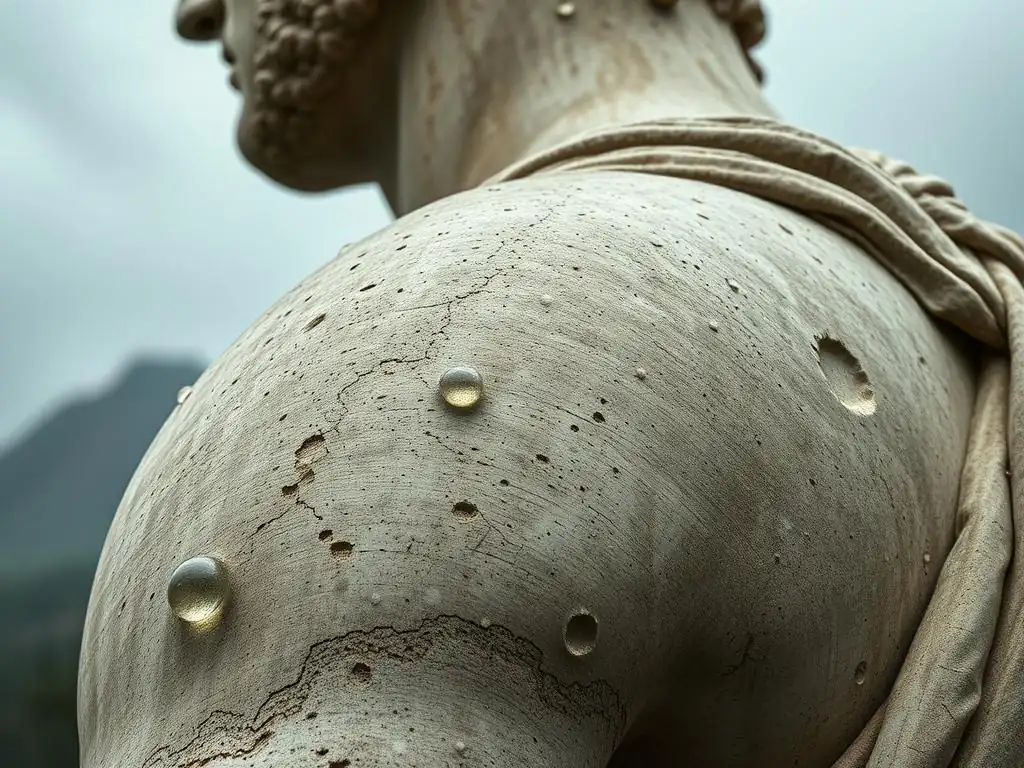
Studies have shown accelerated erosion rates in these archaeological sites compared to areas less affected by volcanic emissions. The marble surfaces of statues and buildings exhibit noticeable pitting and dissolution, requiring constant conservation efforts.
In Indonesia, the Borobudur Temple, a 9th-century Mahayana Buddhist monument made of volcanic stone, faces threats from multiple active volcanoes in Java. While the andesite stone used in its construction is relatively resistant to acid compared to limestone, the sheer scale of the monument and the prolonged exposure to volcanic acid rain contribute to its gradual degradation. Furthermore, sulfurous gases from volcanoes can react with moisture to form sulfuric acid mist, which can deposit on the temple surfaces and accelerate weathering.
Similarly, in Central America, Mayan ruins in Guatemala and El Salvador, located near active volcanic regions, are also susceptible to acid rain damage. The intricate stucco decorations and limestone carvings of these sites are vulnerable to dissolution and erosion, necessitating ongoing monitoring and conservation programs to mitigate the impact of volcanic emissions.
Analyzing the Damage: Visual Signs and Material Degradation
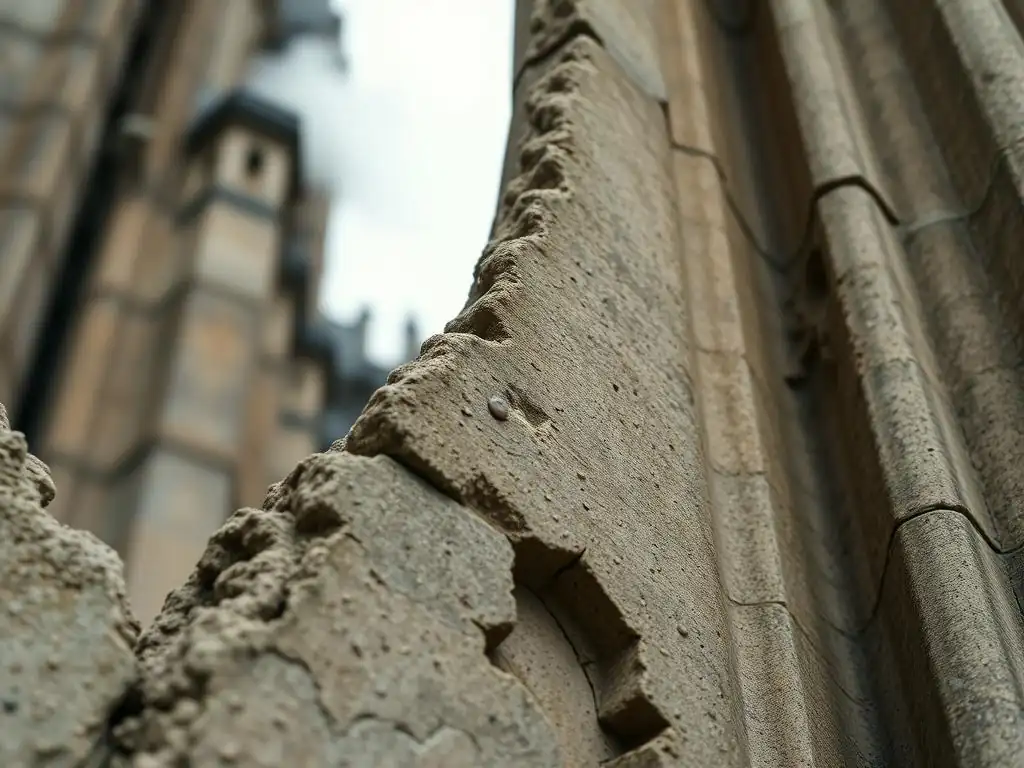
Visual inspection is often the first step in assessing the damage caused by volcanic acid rain to monuments. On stone surfaces, common signs include surface erosion, characterized by a loss of sharp edges and details in carvings and inscriptions. Discoloration or staining can also be evident, often appearing as whitish or yellowish patches on darker stones or dark streaks on lighter stones, resulting from chemical reactions and the deposition of acidic compounds.
"Sugaring" is another visual indicator, where the stone surface becomes granular and crumbly, resembling sugar, due to the weakening of the stone matrix. Cracking and fracturing, while potentially caused by various factors, can be exacerbated by acid rain, as the chemical weathering weakens the stone and makes it more susceptible to physical stress.
Material degradation is not just visual; it also involves changes in the physical and chemical properties of the materials. Acid rain can lead to a decrease in the compressive strength of stone, making it more fragile and susceptible to structural failure. Porosity and permeability of stone can increase as the surface erodes, allowing for greater water absorption, which in turn can accelerate further decay cycles, including freeze-thaw damage in colder climates.
Chemical analysis of stone samples can reveal the presence of sulfates, nitrates, and chlorides, indicating the deposition of acidic pollutants. Microscopic examination can show the extent of surface dissolution and the alteration of the stone's mineral structure, providing a more detailed understanding of the damage mechanisms at play.
Long-Term Effects of Acidic Deposition on Historical Structures
The long-term effects of acidic deposition from volcanic activity can be devastating for historical structures. Continuous exposure to acid rain leads to cumulative damage, meaning that the effects are not just immediate but worsen over time. This chronic exposure results in a gradual but relentless erosion of the monument's surface, leading to an irreversible loss of original material and artistic detail. Inscriptions become illegible, sculptures lose their sharpness, and architectural ornaments become featureless over time. This erosion not only diminishes the aesthetic and historical value of the monument but also weakens its structural integrity.
Beyond surface erosion, long-term acidic deposition can penetrate deeper into the material, causing internal damage that is not immediately visible. In stone, this can lead to subsurface cracking and weakening, making the structure more vulnerable to collapse, especially during earthquakes or other natural stresses. In metals, prolonged corrosion can thin structural elements, reducing their load-bearing capacity and increasing the risk of failure.
The cost of long-term damage is not only measured in material loss but also in the escalating expenses of conservation and restoration. Monuments that are consistently exposed to volcanic acid rain require more frequent and intensive interventions, placing a significant financial burden on heritage organizations and local communities. In some cases, the damage may become so extensive and irreversible that complete restoration is no longer feasible, leading to the permanent loss of irreplaceable cultural heritage.
Strategies for Protecting Monuments from Acid Rain
Preventive Measures: Reducing Exposure to Acidic Precipitation
Preventive measures are paramount in mitigating the impact of volcanic acid rain on cultural heritage. Reducing the monument's exposure to acidic precipitation is the primary goal of these strategies. One approach is through physical barriers, such as shelters or roofs, to shield vulnerable structures from direct rainfall.
While not always aesthetically or practically feasible for large monuments or archaeological sites, temporary or partial shelters can be implemented for particularly sensitive elements or during periods of heightened volcanic activity. Careful urban planning and landscaping around heritage sites can also play a role. Maintaining green spaces and vegetation can help to buffer acid rain effects to some extent by intercepting rainfall and absorbing some pollutants before they reach the monument.
Material selection for repairs and new constructions in the vicinity of monuments is another crucial preventive measure. Choosing acid-resistant materials, such as certain types of granite or specially treated concrete, can minimize future damage. When replacing damaged components of historical structures, compatible materials that are also resistant to acid attack should be prioritized, ensuring both aesthetic consistency and enhanced durability.
Regular maintenance and cleaning are also essential preventive actions. Removing accumulated dirt, pollutants, and biological growth from monument surfaces can reduce the retention of acidic compounds and moisture, thereby slowing down the degradation process. However, cleaning methods must be carefully chosen to avoid causing further damage to the delicate surfaces.
Applying Protective Coatings: Types, Application, and Effectiveness
Protective coatings offer a direct way to shield monument surfaces from the corrosive effects of acid rain. Various types of coatings are available, each with its own properties and suitability for different materials and environments. Consolidants, often based on silanes or siloxanes, penetrate the stone surface and strengthen the material from within, while also providing a degree of water repellency and acid resistance.
Surface coatings, such as acrylic resins or fluoropolymers, create a barrier layer on top of the stone, physically preventing acid rain from directly contacting the material. The choice of coating depends on factors like the type of stone, the climate, the expected level of acid rain exposure, and the desired aesthetic appearance.
Application of protective coatings requires careful preparation and expertise. The monument surface must be thoroughly cleaned and dried before coating application. Coatings are typically applied by brushing, spraying, or rolling, ensuring even coverage and proper penetration or adhesion. Regular inspection and maintenance of coatings are crucial, as they can degrade over time due to weathering, UV radiation, and physical abrasion.
Re-application may be necessary every few years to maintain effective protection. The effectiveness of coatings varies depending on the type of coating, the material being protected, and the severity of acid rain. While coatings can significantly reduce the rate of acid-induced decay, they are not a permanent solution and must be part of a comprehensive conservation strategy. Furthermore, the reversibility and long-term impact of coatings on the monument material must be carefully considered to avoid unintended consequences.
Implementing Drainage Systems: Minimizing Water Contact
Minimizing water contact is a key strategy in protecting monuments from acid rain damage, as water acts as the primary medium for acidic deposition and the subsequent chemical reactions. Implementing effective drainage systems around and on monuments can significantly reduce the amount of water that comes into prolonged contact with vulnerable surfaces.
For ground surfaces around monuments, proper grading and landscaping can divert rainwater away from the base of the structure, preventing waterlogging and rising damp, which can exacerbate acid rain damage, especially to foundations and lower sections. Surface drains and channels can be installed to collect and redirect rainwater away from critical areas.
On the monument itself, design modifications or additions can improve water shedding. Sloping surfaces, drip edges, and gutters can be incorporated to encourage rainwater to run off quickly and efficiently, minimizing dwell time on vulnerable surfaces. For example, adding or restoring original rooflines and overhangs can provide substantial protection to walls and facades.
Internal drainage systems within the monument, where feasible, can help to manage water penetration and prevent accumulation in cavities or structural elements. Regular maintenance of drainage systems is essential to ensure their continued effectiveness. Clearing gutters, drains, and channels of debris, leaves, and blockages prevents water from backing up and overflowing onto monument surfaces, defeating the purpose of the drainage system.
Creating Buffer Zones: Distance and Vegetation as Protective Barriers
Creating buffer zones around cultural heritage sites offers a more holistic and environmentally friendly approach to mitigating acid rain impacts. Distance itself acts as a buffer, as acid rain concentrations tend to decrease further away from the volcanic source. Establishing a spatial buffer zone around a monument can reduce the overall exposure to acidic deposition. Vegetation plays a crucial role in buffer zones.
Trees and other plants can intercept acid rain, reducing the amount that reaches the ground and monument surfaces directly. The canopy of trees can capture rainwater, and some pollutants can be absorbed by leaves and bark. Soil in vegetated areas also acts as a filter, neutralizing some of the acidity in rainwater before it percolates into the ground.
The type of vegetation in a buffer zone is important. Deciduous trees are generally preferred over coniferous trees, as coniferous needles can acidify the soil when they decompose. A mix of trees, shrubs, and groundcover plants can create a more effective buffer zone, providing multiple layers of interception and filtration.
Buffer zones can also serve other beneficial functions, such as improving air quality, reducing noise pollution, and creating a more aesthetically pleasing environment around the heritage site. The size and design of a buffer zone should be tailored to the specific site, considering factors like the prevailing wind direction, the intensity of volcanic emissions, and the surrounding landscape. Integrating buffer zones into urban planning and heritage management strategies can contribute to long-term protection of cultural heritage in volcanically active regions.
Conservation and Restoration Techniques for Acid-Damaged Monuments
Cleaning Methods: Removing Acidic Deposits Safely
Cleaning is often the first step in restoring acid-damaged monuments, but it must be approached cautiously to avoid further harm. The primary goal of cleaning is to remove harmful acidic deposits, pollutants, and biological growth without damaging the underlying material. Gentle methods are always preferred over aggressive techniques. Water washing, using deionized or purified water, is often a safe and effective initial cleaning method. Low-pressure water spray can remove surface dirt, dust, and some soluble acidic deposits. However, water washing alone may not be sufficient to remove firmly adhered pollutants or biological stains.
Non-ionic detergents can be used in conjunction with water washing to enhance cleaning effectiveness. These detergents help to lift and emulsify dirt and pollutants without chemically reacting with the monument material. Mechanical cleaning methods, such as soft brushing or air abrasion, can be used for more stubborn deposits, but they must be applied carefully to avoid scratching or abrading the surface. Chemical cleaning methods, using specialized cleaning agents, may be necessary for heavily soiled or stained surfaces.
However, chemical cleaning should only be undertaken by trained conservators, as improper use of chemicals can cause irreversible damage. The choice of cleaning method depends on the type of material, the nature and extent of soiling, and the desired level of cleaning. Thorough rinsing after cleaning is essential to remove any cleaning residues that could potentially cause long-term damage.
Repairing and Replacing Damaged Materials: Matching Original Components
Repairing and replacing damaged materials is a crucial aspect of monument restoration after acid rain damage. The guiding principle in conservation is to preserve as much original material as possible. Repairing damaged areas is always preferred over complete replacement, whenever feasible. Repair techniques vary depending on the type and extent of damage.
Cracks and fissures in stone can be repaired by filling them with compatible repair mortars or resins. Lost or eroded details can be reconstructed using specialized sculpting techniques and materials that match the original stone in color, texture, and composition. Consolidation of weakened or friable stone can strengthen the material and prevent further deterioration.
When replacement is unavoidable, due to extensive damage or material loss, the new materials must be carefully selected to match the original components as closely as possible. This includes sourcing stone or other materials from quarries that produce stone with similar geological characteristics to the original material. Traditional craftsmanship techniques should be employed to ensure that replacement elements are fabricated and installed in a manner consistent with the original construction methods.
The goal is to achieve a seamless integration of new and old materials, preserving the aesthetic and historical integrity of the monument. Documentation of all repair and replacement work is essential for future conservation efforts and for maintaining a record of the monument's restoration history.
Consolidation and Strengthening: Preserving Structural Integrity
Consolidation and strengthening treatments are vital for preserving the structural integrity of acid-damaged monuments. Acid rain weakens the material matrix of stone and other materials, making them more susceptible to cracking, crumbling, and structural failure. Consolidation aims to strengthen weakened materials by introducing consolidants that penetrate the material and bind its components together. Silanes and siloxanes are commonly used consolidants for stone, as they are compatible with many types of stone and can penetrate deeply into the porous structure. These consolidants react with the stone minerals, creating a stronger and more cohesive material.
Strengthening techniques may also involve structural interventions, particularly for monuments that have suffered significant damage or are at risk of collapse. This can include reinforcing weakened structural elements with internal supports, such as stainless steel rods or carbon fiber reinforcements. Grouting techniques can be used to fill voids and stabilize loose or detached elements.
Structural monitoring may be implemented to track any further movement or deterioration and to assess the effectiveness of consolidation and strengthening treatments. The choice of consolidation and strengthening methods depends on the type of material, the nature and extent of structural damage, and the overall conservation objectives. These treatments are often complex and require specialized expertise to ensure their effectiveness and long-term compatibility with the monument.
Monitoring and Mitigation of Volcanic Acid Rain's Effects
Establishing Monitoring Programs: Assessing Acid Rain Levels and Material Degradation
Establishing comprehensive monitoring programs is crucial for effectively managing the impact of volcanic acid rain on cultural heritage. Monitoring should encompass both the levels of acid rain deposition and the condition of the monuments themselves. Acid rain monitoring involves collecting and analyzing rainwater samples at regular intervals to measure pH levels, sulfate, nitrate, and chloride concentrations, and other relevant parameters.
Rain gauges and automatic samplers can be strategically placed around heritage sites to collect representative samples. Meteorological data, such as wind direction and rainfall amounts, should also be recorded to correlate acid rain events with weather patterns and volcanic activity.
Monument condition monitoring involves regular inspections and assessments of the state of preservation of vulnerable structures. Visual inspections, photographic documentation, and condition mapping are used to track changes in surface erosion, cracking, discoloration, and other forms of material degradation. Non-destructive testing techniques, such as ultrasonic testing or laser scanning, can be employed to assess internal damage and structural changes without physically altering the monument.
Material samples may be periodically collected for laboratory analysis to measure changes in chemical composition, strength, and porosity. Data from both acid rain and monument condition monitoring programs should be integrated to understand the relationship between acidic deposition and material degradation rates. This information is essential for developing effective mitigation strategies and for evaluating the success of conservation interventions.
Utilizing Remote Sensing Technology: Detecting Acidic Deposition Patterns
Remote sensing technologies offer valuable tools for monitoring and mitigating the effects of volcanic acid rain over large areas, particularly in remote or inaccessible volcanic regions. Satellite-based sensors can detect volcanic gas plumes, particularly sulfur dioxide (SO2), which is a primary precursor to volcanic acid rain. Monitoring SO2 emissions can provide early warning of potential acid rain events and help to track the dispersion patterns of volcanic pollutants. Thermal infrared imagery can detect temperature anomalies associated with volcanic activity, providing further insights into degassing and eruption patterns.
Airborne remote sensing, using aircraft or drones equipped with specialized sensors, can provide higher-resolution data on acid deposition patterns and vegetation stress in the vicinity of volcanoes. Hyperspectral imaging can identify changes in vegetation health and detect areas affected by acid deposition based on spectral reflectance characteristics. LiDAR (Light Detection and Ranging) technology can create detailed 3D models of monument surfaces, allowing for precise measurement of erosion and surface changes over time.
Remote sensing data can be integrated with Geographic Information Systems (GIS) to map acid rain risk zones, identify vulnerable heritage sites, and prioritize conservation efforts. These technologies enable a more synoptic and efficient assessment of acid rain impacts compared to traditional ground-based monitoring methods, particularly over large and complex landscapes.
Collaborating with Local Communities and International Organizations: Sharing Knowledge and Resources
Effective mitigation of volcanic acid rain impacts on cultural heritage requires collaboration and knowledge sharing at multiple levels. Local communities living near active volcanoes are often the first responders to volcanic events and possess valuable traditional knowledge about volcanic risks and environmental changes. Engaging local communities in monitoring programs, conservation efforts, and public awareness campaigns is essential for building local ownership and ensuring the long-term sustainability of heritage protection initiatives. Collaboration with local authorities and government agencies is crucial for integrating heritage protection into regional planning and volcanic hazard management strategies.
International organizations, such as UNESCO, ICOMOS (International Council on Monuments and Sites), and ICCROM (International Centre for the Study of the Preservation and Restoration of Cultural Property), play a vital role in providing technical expertise, funding support, and international frameworks for heritage conservation. Sharing knowledge and best practices among researchers, conservators, and heritage managers from different volcanic regions is essential for developing effective and adaptable mitigation strategies.
International collaborations can facilitate the exchange of scientific data, monitoring technologies, and conservation techniques. Joint research projects and workshops can promote capacity building and enhance the collective ability to address the challenges of protecting cultural heritage from volcanic acid rain globally.
The Role of Volcanology in Preserving Cultural Heritage
Understanding Volcanic Activity and Predicting Acid Rain Events
Volcanology plays a fundamental role in preserving cultural heritage threatened by volcanic acid rain. A deep understanding of volcanic processes, eruption dynamics, and gas emissions is essential for predicting acid rain events and assessing their potential impact. Volcanologists monitor volcanoes using a range of techniques, including seismometers to detect earthquakes, gas sensors to measure volcanic gas emissions, GPS to track ground deformation, and satellite imagery to observe thermal activity and gas plumes. Analyzing these data helps to understand the current state of volcanic activity and to forecast potential eruptions and associated hazards, including acid rain.
Developing accurate models for predicting volcanic acid rain events requires integrating volcanological data with meteorological information and atmospheric chemistry models. These models can simulate the dispersion of volcanic gases, their chemical reactions in the atmosphere, and the resulting patterns of acid deposition. Predictive models can help to identify areas at highest risk from acid rain, allowing for targeted monitoring and preventive measures at vulnerable heritage sites.
Volcanological expertise is also crucial for assessing the long-term volcanic hazard and for informing long-term conservation planning. Understanding the frequency and intensity of past eruptions and degassing events can provide insights into the potential future acid rain risk and guide the development of sustainable mitigation strategies.
Developing Early Warning Systems for Acidic Deposition
Early warning systems are critical for minimizing the damage caused by volcanic acid rain to cultural heritage. These systems rely on real-time monitoring of volcanic activity and atmospheric conditions to detect and forecast acid rain events. Volcanic monitoring data, such as seismic activity, gas emissions, and ground deformation, are continuously analyzed to identify signs of increased volcanic unrest that could lead to acid rain. Meteorological data, including wind patterns, humidity, and precipitation forecasts, are integrated to predict the trajectory and intensity of acid rain events.
Early warning systems can utilize automated alerts and communication channels to disseminate timely information to heritage managers, local communities, and emergency responders. Warnings can provide information on the expected timing, intensity, and geographical extent of acid rain events, allowing for proactive measures to be taken to protect vulnerable monuments. These measures may include covering sensitive surfaces, implementing temporary shelters, or evacuating movable objects.
Regular drills and preparedness exercises are essential to ensure that early warning systems are effective and that communities are well-prepared to respond to acid rain threats. The development and implementation of robust early warning systems require close collaboration between volcanologists, meteorologists, heritage professionals, and emergency management agencies.
Educating the Public on the Risks and Mitigation Strategies
Public education and awareness campaigns are vital for building resilience and fostering a culture of conservation in communities living near active volcanoes. Educating the public about the risks of volcanic acid rain, its impacts on cultural heritage and the environment, and the available mitigation strategies is essential for promoting responsible behavior and community participation in heritage protection. Educational programs can target different audiences, including local residents, tourists, school children, and heritage professionals. Information can be disseminated through various channels, such as public lectures, workshops, brochures, websites, and social media.
Educational materials should explain the science behind volcanic acid rain, its effects on different materials, and the importance of protecting cultural heritage. Practical guidance on simple mitigation measures that individuals and communities can take, such as using protective coverings, maintaining drainage systems, and reporting signs of damage, should be provided.
Promoting responsible tourism practices, such as respecting heritage sites, avoiding activities that could exacerbate acid rain damage, and supporting local conservation initiatives, is also important. Community engagement in monitoring programs, clean-up campaigns, and conservation projects can further enhance public awareness and foster a sense of shared responsibility for protecting cultural heritage from volcanic acid rain.
Sustainable Solutions for Protecting Monuments and Managing Volcanic Risks
Integrating Cultural Heritage Preservation into Volcanic Hazard Management Plans
Sustainable protection of cultural heritage in volcanic regions requires integrating heritage preservation into broader volcanic hazard management plans. Traditionally, volcanic hazard management has focused primarily on protecting human lives and infrastructure. However, cultural heritage is also a valuable and irreplaceable asset that deserves explicit consideration in hazard planning. Volcanic hazard assessments should include specific evaluations of the risks to cultural heritage sites, taking into account factors such as proximity to volcanic vents, prevailing wind directions, and the vulnerability of monument materials to acid rain and other volcanic hazards.
Volcanic hazard management plans should incorporate strategies for protecting cultural heritage sites before, during, and after volcanic events. Pre-event planning should include vulnerability assessments, development of emergency preparedness plans for heritage sites, and integration of heritage protection measures into land-use planning and building codes. During volcanic crises, emergency response plans should prioritize the protection of cultural heritage, including measures to mitigate acid rain damage, secure vulnerable structures, and evacuate movable collections.
Post-event recovery plans should include provisions for assessing damage to heritage sites, undertaking emergency stabilization and restoration works, and integrating long-term heritage recovery into overall community recovery efforts. Integrating cultural heritage preservation into volcanic hazard management ensures a more comprehensive and sustainable approach to risk reduction and community resilience.
Promoting Sustainable Tourism and Responsible Site Management
Sustainable tourism and responsible site management are crucial for the long-term preservation of cultural heritage in volcanic regions. Tourism can be a significant economic driver for communities living near volcanoes, but it can also pose threats to heritage sites if not managed sustainably. Over-tourism can lead to physical damage, increased pollution, and cultural disruption. Sustainable tourism practices aim to minimize negative impacts and maximize positive contributions to heritage preservation and local communities. This includes promoting low-impact tourism activities, such as guided tours, eco-trails, and cultural experiences that respect the environment and heritage values.
Responsible site management involves implementing measures to protect heritage sites from tourism-related damage, including visitor management strategies, infrastructure improvements, and interpretation programs. Visitor management strategies can include controlled access, designated pathways, and limits on visitor numbers to reduce physical wear and tear. Infrastructure improvements, such as erosion control measures, drainage systems, and protective barriers, can enhance site resilience.
Interpretation programs can educate visitors about the cultural significance of the sites, the threats they face, and the importance of responsible tourism behavior. Revenue generated from tourism can be reinvested in heritage conservation and community development, creating a positive feedback loop that supports both heritage preservation and sustainable livelihoods.
Fostering a culture of conservation is essential for ensuring the long-term protection of cultural heritage from acid rain degradation. This involves promoting a societal value system that recognizes the importance of cultural heritage, understands the threats it faces, and actively engages in its preservation. A culture of conservation is built through education, public awareness campaigns, community engagement, and policy support.
Educational programs, as discussed earlier, play a key role in raising awareness and building knowledge about heritage values and conservation principles. Public awareness campaigns can use various media to communicate the importance of heritage protection and to mobilize public support for conservation initiatives.
Community engagement is crucial for fostering a sense of ownership and responsibility for heritage preservation at the local level. Involving communities in decision-making processes, conservation projects, and monitoring programs empowers them to become active stewards of their heritage.
Policy support from governments and international organizations is essential for providing the legal frameworks, financial resources, and institutional mechanisms needed for effective heritage conservation. Creating a culture of conservation requires a long-term commitment from all stakeholders – governments, heritage professionals, local communities, and the public – working together to value and protect our shared heritage from the insidious threat of acid rain degradation, ensuring its survival for future generations.
Future Research and Innovations in Monument Protection
Exploring New Materials and Technologies for Acid Rain Resistance
Future research and innovation are crucial for developing more effective and sustainable solutions for protecting monuments from acid rain. Exploring new materials and technologies for acid rain resistance is a key area of investigation. Researchers are investigating advanced protective coatings with enhanced durability, self-healing properties, and improved aesthetic compatibility with historical materials. Nanomaterials, such as nanoparticles and nanofibers, are being explored for their potential to create coatings with superior barrier properties and resistance to degradation. Bio-based materials and environmentally friendly coatings are also being investigated as sustainable alternatives to traditional synthetic coatings.
Developing new construction and repair materials that are inherently resistant to acid rain is another important research direction. This includes investigating modified concrete formulations, acid-resistant stones, and composite materials for use in new constructions and for replacing damaged elements in historical structures. Technologies for in-situ consolidation and strengthening of weakened materials are also being advanced.
This includes exploring new consolidants with improved penetration, durability, and compatibility, as well as non-destructive techniques for applying consolidants and monitoring their effectiveness. Robotics and automation are being explored for their potential to improve the efficiency and precision of monument conservation tasks, such as cleaning, coating application, and repair work, especially in challenging or hazardous environments.
Developing Predictive Models for Long-Term Damage Assessment
Developing more sophisticated predictive models for long-term damage assessment is essential for proactive heritage management and resource allocation. Current models often rely on simplified assumptions about acid rain deposition and material degradation processes. Future research should focus on developing more realistic and comprehensive models that take into account a wider range of factors, such as variations in acid rain composition, microclimatic conditions, material properties, and biological growth. Integrating climate change projections into damage assessment models is also crucial, as changes in precipitation patterns, temperature, and atmospheric pollution levels can influence acid rain impacts.
Advanced modeling techniques, such as machine learning and artificial intelligence, can be applied to analyze large datasets of monitoring data, material properties, and environmental variables to develop more accurate and data-driven predictive models. These models can be used to forecast the long-term degradation trajectory of monuments under different acid rain scenarios and to assess the effectiveness of various mitigation strategies.
Predictive models can also help to prioritize conservation interventions and allocate resources more efficiently by identifying monuments at highest risk and estimating the cost-effectiveness of different protection measures. Improved predictive capabilities will enable heritage managers to make more informed decisions and to adopt a more proactive and preventative approach to heritage conservation in acid rain-prone regions.
Enhancing International Collaboration for Cultural Heritage Preservation near Volcanoes
Enhancing international collaboration is crucial for addressing the global challenge of cultural heritage preservation near volcanoes. Volcanic acid rain is a transboundary issue, and many countries with rich volcanic heritage face similar challenges in protecting their monuments. International collaboration can facilitate the exchange of knowledge, expertise, and resources among researchers, conservators, heritage managers, and policymakers from different volcanic regions. Joint research projects can be undertaken to investigate common problems, develop innovative solutions, and share best practices.
International workshops, conferences, and training programs can provide platforms for knowledge sharing, capacity building, and networking among heritage professionals working in volcanic areas. Establishing international networks and partnerships can facilitate the sharing of monitoring data, conservation technologies, and emergency response protocols.
International organizations, such as UNESCO, ICOMOS, and ICCROM, can play a leading role in coordinating international collaboration, setting standards, and providing technical assistance to countries facing challenges in protecting their volcanic heritage. Strengthening international cooperation is essential for building a global community of practice dedicated to preserving cultural heritage from the threats of volcanic acid rain and other volcanic hazards, ensuring that these invaluable cultural resources are safeguarded for future generations worldwide.
Frequently Asked Questions
How does volcanic acid rain form and what makes it so corrosive?
Volcanic acid rain forms when volcanic gases, primarily sulfur dioxide, react with water in the atmosphere. This creates sulfuric acid, which is highly corrosive and damages many materials.
What types of monuments are most vulnerable to damage from volcanic acid rain?
Monuments made of limestone and marble are particularly vulnerable. These materials are composed of calcium carbonate, which reacts readily with acid, causing them to dissolve and erode.
What are some of the methods used to protect monuments from volcanic acid rain?
Protection methods include applying protective coatings to the stone surfaces, using shelters or enclosures, and implementing regular cleaning to remove acidic deposits.
How can communities living near active volcanoes prepare for and mitigate the impact of acid rain on cultural heritage sites?
Communities can establish monitoring programs to track acid rain levels, develop emergency response plans, and educate residents about protecting vulnerable structures.
Besides direct erosion, what other indirect effects of volcanic acid rain can damage monuments and cultural sites?
Acid rain can damage surrounding vegetation, leading to soil erosion and instability, which can indirectly affect monuments. It can also pollute water sources, impacting the overall environment of the site.
Final Reflection: Preserving History Against the Acidic Tide
The preceding exploration of volcanic acid rain and its devastating impact on cultural heritage underscores a critical truth: the past is not immune to the present's environmental challenges. The vulnerability of our monuments, silent witnesses to history, to the corrosive effects of acidic decay demands immediate and sustained attention. Ignoring this threat is akin to erasing chapters from our collective story, leaving future generations with a fragmented and incomplete understanding of their heritage.
This issue resonates deeply because it highlights the delicate balance between natural forces and human legacy. The slow, relentless erosion of these irreplaceable structures serves as a stark reminder of our responsibility to act as stewards of the past. It's a call to acknowledge the interconnectedness of environmental health and cultural preservation. We are not owners of the Earth, but only custodians of it for future generations.
This quote, often attributed to various indigenous cultures, perfectly encapsulates the ethical imperative to protect these monuments, not just for ourselves, but for those who will inherit them.
Now, consider the implications of this knowledge. What steps can you, as an individual, take to support efforts in protecting monuments from acid rain? Perhaps it's advocating for stricter environmental regulations, supporting organizations dedicated to conservation, or simply educating yourself and others about the issue. The preservation of our cultural heritage is a shared responsibility, and every action, no matter how small, contributes to safeguarding these invaluable treasures for the future. Let us all strive to be active participants in this vital endeavor.
Okay, here's a CTA for the end of an article titled "Volcanic Acid Rain and Cultural Heritage: Protecting Monuments from Acidic Decay" on a website called Volcano Explorers (volcanoexplorers.org):
Rediscover the Past: Help Preserve Our Volcanic Heritage!
Thanks for exploring the impact of volcanic acid rain on our cultural monuments! We hope you’ve gained valuable insights into the challenges these historical sites face and the importance of protecting them. Now, it's time to take action and contribute to their preservation.
Here are a few ways you can help:
- Become a Citizen Scientist: Report instances of acid rain damage near volcanic regions. This helps us map affected areas and advocate for better protection measures.
- Share this article with your network and spark conversations about the importance of cultural heritage preservation in volcanic areas. Let's raise awareness!
- Research local heritage preservation organizations and explore opportunities to volunteer your time or donate to their efforts. Even small contributions make a difference.
What actions will you take today to help protect our shared volcanic heritage from the effects of acid rain?