Unlocking Prosperity: The Economic Opportunities of Volcanic Regions
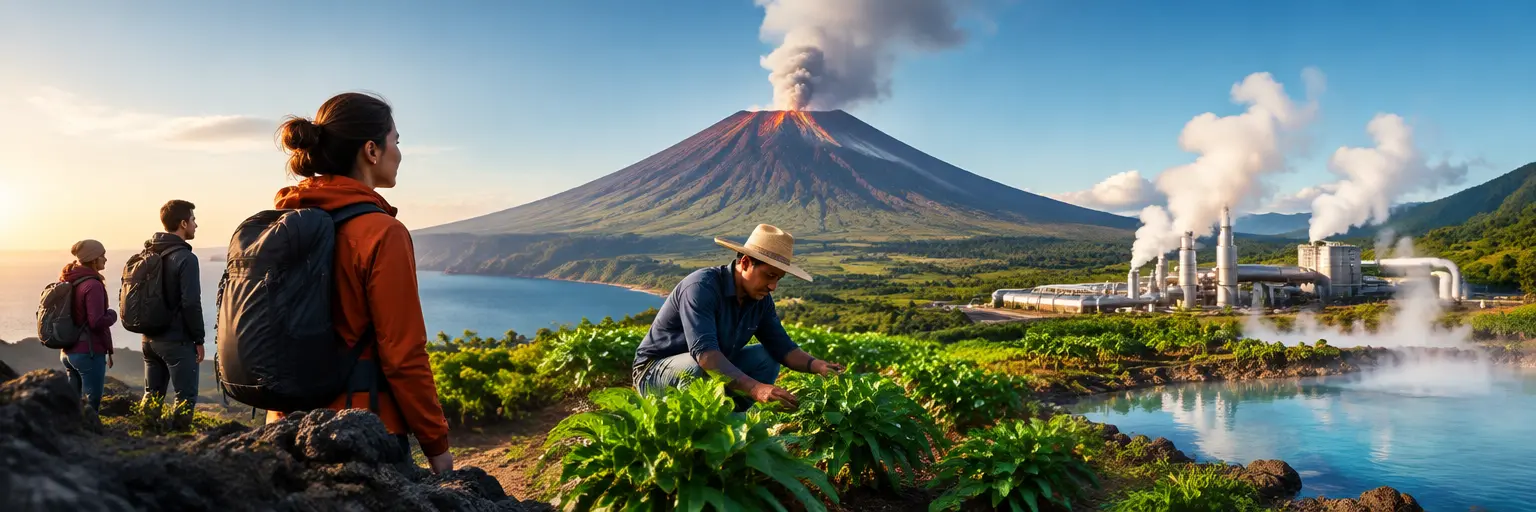
Volcanic regions are far more than sites of destruction; they are dynamic engines of economic growth, offering unique resources that fuel tourism, agriculture, and renewable energy. For communities living with volcanoes, these natural features provide a distinct competitive advantage, transforming ash-laden soils and geothermal heat into sustainable livelihoods. This guide explores how the raw power of the earth can be harnessed into profitable ventures, from exclusive travel experiences to cutting-edge energy solutions. Discover how living with volcanoes can mean thriving alongside them, leveraging their gifts for long-term prosperity and innovation.
🌋 Thriving Tourism: Volcano-Based Travel and Adventure
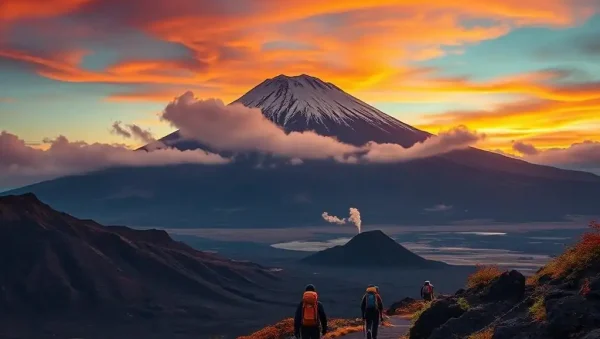
Volcano tourism is a booming niche that attracts millions of thrill-seekers and nature enthusiasts annually. From guided hikes up active craters to helicopter tours over glowing lava flows, these destinations offer unparalleled experiences that can't be found elsewhere. Local economies benefit directly through entrance fees, guided services, and hospitality, creating a powerful incentive for conservation and safety management. Unlike passive sightseeing, volcanic adventure tourism often involves specialized gear and expert guides, fostering a high-value market that supports small businesses.
Beyond adrenaline, volcanic regions offer cultural and educational tourism, including museums, hot springs, and black-sand beaches. These attractions extend the tourist season and appeal to families and researchers alike. By developing sustainable tourism infrastructure, communities can manage visitor impact while maximizing revenue. Successful examples, like Iceland's Blue Lagoon or Mount Vesuvius in Italy, demonstrate how volcanic landmarks become iconic brands, drawing repeat visitors and global media attention that further stimulate regional economic development.
🌾 Fertile Ground: Agricultural Bounty in Volcanic Soil
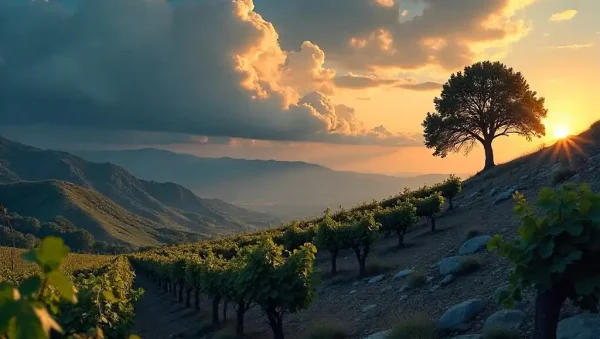
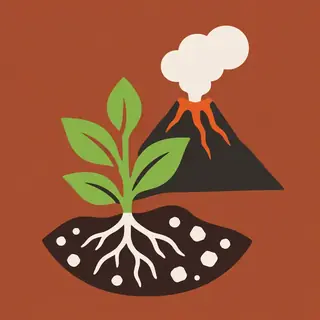
Volcanic soils, known as Andisols, are among the most fertile on Earth, rich in minerals like phosphorus, potassium, and trace elements. This natural fertility supports high-yield farming of specialty crops, from coffee and wine grapes to exotic fruits and vegetables. Regions like Hawaii, Java, and the Canary Islands have built global reputations for their unique produce, commanding premium prices in international markets. The porous nature of volcanic soil also retains water efficiently, reducing irrigation costs and making agriculture more resilient during dry spells.
Agricultural innovation in these areas includes terracing, greenhouse cultivation, and organic farming that leverage the soil's natural strength. Farmers can diversify into agritourism, offering tours, tastings, and farm stays that connect consumers directly to volcanic-grown products. Additionally, the mineral-rich water from volcanic aquifers supports aquaculture and bottling industries. By investing in cooperative processing and branding, rural volcanic communities can transform subsistence farming into a profitable export sector, ensuring food security and economic stability for generations.
⚡ Geothermal Power: Clean Energy from the Earth's Core
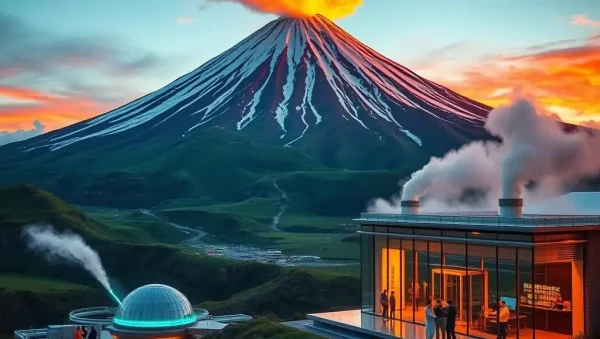
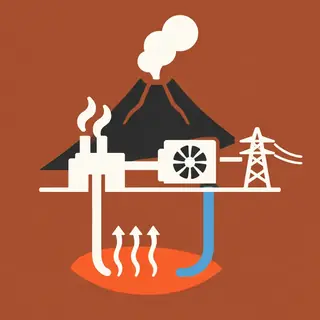
Geothermal energy represents a reliable, low-carbon power source that has transformed volcanic regions into energy hubs. By tapping into underground reservoirs of steam and hot water, facilities generate electricity and provide direct heating for homes, greenhouses, and industrial processes. Unlike solar or wind, geothermal provides a constant base-load supply, making it an essential component of modern renewable energy grids. Countries like the Philippines, Indonesia, and New Zealand have expanded capacity, creating thousands of jobs in engineering, drilling, and plant operation.
The economic impact extends well beyond electricity generation. Geothermal heat supports aquaculture, food dehydration, and spa tourism, creating a cluster of dependent industries. Governments can also earn significant revenue through export of technology and expertise, as seen in Icelandic consulting firms working globally. Furthermore, geothermal projects often include community benefit agreements, providing local funding for schools and hospitals. As global demand for clean energy rises, volcanic regions are uniquely positioned to lead the transition, making this subcategory a cornerstone of sustainable economic strategy.
🏭 Industrial Applications: Minerals and Manufacturing
Volcanic ash and rock, such as pumice, basalt, and perlite, are valuable raw materials for construction, filtration, and cosmetics. These lightweight, durable materials are used in cement, insulation, and abrasives, feeding a steady industrial supply chain. Quarrying and processing plants create direct employment and stimulate ancillary services like transport and machinery maintenance. Many volcanic regions also produce mineral-rich thermal waters that are bottled and sold globally for their health benefits, adding another export revenue stream.
Innovative manufacturing leverages volcanic glass and zeolites for environmental technologies, including water purification and soil remediation. Small-scale artisan industries, such as jewelry made from lava stone, add cultural value and support local craftspeople. By establishing industrial parks and research partnerships, volcanic communities can move beyond raw material extraction into higher-value finished products. This diversification reduces dependency on tourism or agriculture alone, creating a robust economic basket that withstands market fluctuations and natural hazards.
🏞️ Community and Policy: Sustaining Long-Term Growth
Sustainable economic development in volcanic regions requires careful planning and community engagement. A robust risk management framework, including early warning systems and land-use zoning, protects investments and lives, thereby attracting external capital. Local authorities can encourage risk-informed entrepreneurship by offering incentives for disaster-resilient infrastructure and business interruption insurance. Collaborative governance ensures that Indigenous knowledge and local traditions are integrated into tourism and resource management, fostering social cohesion and equitable profit-sharing.
Education and vocational training programs are vital to build a skilled workforce for the geothermal, tourism, and agriculture sectors. Universities and technical institutes in volcanic regions can offer specialized courses, from volcanology to sustainable hospitality, ensuring that the local population benefits from growth. International partnerships and certification can open export markets for volcanic products, while transparent policies attract impact investors interested in climate resilience. By prioritizing inclusive, green growth, these communities not only survive but thrive, proving that living with volcanoes is a strategic advantage in the 21st-century economy.
Frequently Asked Questions
What are the main economic benefits of living near a volcano?
The primary benefits include access to fertile soil for high-yield agriculture, abundant geothermal energy for power and heating, and unique tourism attractions that draw global visitors. These resources create diverse income streams, from farming and energy production to hospitality and industrial manufacturing, boosting local employment and infrastructure development.
How does geothermal energy compare to other renewable sources?
Geothermal energy provides a consistent, 24/7 power supply unlike solar or wind, which depend on weather. It has a small land footprint and emits significantly lower greenhouse gases than fossil fuels. Initial drilling costs are high, but operational costs are low, making it highly cost-effective over the plant's long lifespan.
Can agriculture be sustainable on volcanic slopes?
Yes, with proper soil conservation techniques like terracing, mulching, and crop rotation, volcanic slopes can support sustainable farming indefinitely. The soil's natural fertility reduces the need for synthetic fertilizers, and agroforestry practices can prevent erosion while maintaining biodiversity and water retention.
Are there risks to developing tourism in active volcanic zones?
Yes, there are inherent risks, including eruption hazards, gas emissions, and unstable terrain. However, these can be mitigated through advanced monitoring, strict safety protocols, and trained guides. Sustainable tourism also includes crowd management and evacuation plans, ensuring visitor safety while preserving the natural ecosystem.
What kinds of jobs do geothermal plants create?
Geothermal plants create jobs in geology, drilling, mechanical engineering, plant operation, and maintenance. Additionally, there are roles in project management, environmental compliance, and community liaison. Indirectly, they support local businesses through increased payroll and procurement of supplies, from food to safety equipment.