Insurance and Financial Risk Management in Volcanic Zones
Living near a volcano means embracing breathtaking views alongside the constant hum of geological uncertainty. While volcanic eruptions are rare, their financial impact can be catastrophic. This subcategory offers a practical roadmap to protect your assets, income, and family. We focus on turning volcanic risk into manageable, budget-friendly decisions, from specialized insurance riders to emergency liquidity strategies. Expect clear, actionable guidance on policies, deductibles, and mitigation investments that can slash your premiums. Whether you own a home in Japan, a farm in Iceland, or a business in Hawaii, this is your financial resilience toolkit.
🌋 Understanding Volcanic Insurance Coverage Basics
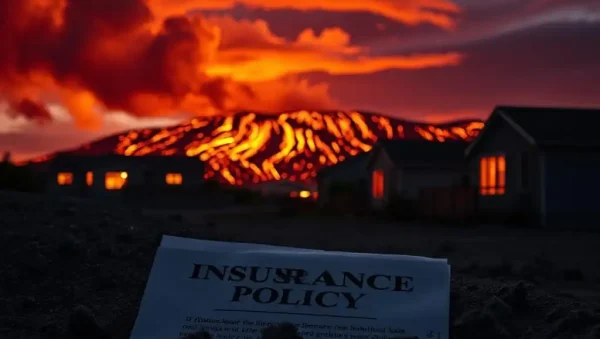
Standard homeowners' policies routinely exclude volcanic ash, lava flow, and blast damage, leaving many residents unknowingly underinsured. Here, you will learn about separate “volcanic endorsement” policies or specialty lines from regional insurers like GeoVentures or Hawaii’s LavaSafe Alliance. We break down what exactly counts as a covered event—often including ash fall cleanup, structural repair, and land restoration—versus exclusions like indirect business interruption without a rider. You will also find guidance on documenting property value, evidence of pre-existing upgrades, and co-insurance clauses that can void claims if you underreport replacement costs.
Consider this section your primer for policy language that frequently confuses newcomers. We explain “volcanic eruption” definitions, waiting periods after a seismic event, and how multiple hazard triggers (earthquake plus lava) interact with separate deductibles. You will also get a checklist of optional coverages: temporary relocation, geothermal vent damage, and business inventory loss due to ash contamination. By comparing real sample premiums from three risk zones—low, moderate, and high—you can estimate your own annual cost and negotiate better terms with clarity.
💰 Emergency Savings and Liquidity Planning for Eruptions
Insurance reimbursements take months, so immediate cash reserves are your first line of defense. This section outlines a three-tier liquidity system: a one-month “go bag” fund in high-denomination cash, a six-month buffer in a high-yield savings account, and a larger line of credit pre-approved with local credit unions. We show you how to calculate daily expenses during a prolonged ash fall, including hotel stays, water delivery, and generator fuel. You will also learn about “volcanic hardship withdrawals” from retirement accounts—though we caution against them unless absolutely necessary.
Beyond personal savings, we explore community-level financial tools like mutual aid group contributions and municipal disaster bonds. For homeowners, we practicalize “pre-eruption renovation” funding, such as installing fire-resistant roofing that doubles as a premium discount. Also crucial is documenting every asset with photos, receipts, and serial numbers stored in a cloud vault—your insurer will rely on this to expedite payouts. Finally, we cover how to structure a home equity line of credit (HELOC) before an emergency, when your credit score is healthy and property values remain stable, not after an eruption triggers panic.
🏢 Business Continuity and Business Interruption Insurance
Small businesses in volcanic zones face unique shutdown risks—from ash clogging ventilation systems to roads closed for weeks. Here, we dissect Business Interruption (BI) policies that compensate lost income during mandatory shutdowns, but only if you add a “civil authority” clause. You will learn how to set a provisional “recovery period” with your insurer, covering not just repair time but also the slower return of tourists and commuting customers. We also break down “extra expense” coverage, which pays for renting equipment or alternate workspaces, plus the vital contingency of supply chain disruption from ash-contaminated raw materials.
For hospitality and agriculture sectors, we delve into specialized “agri-volcanic” riders covering crop contamination, greenhouse collapse, and livestock respiratory damage. You will also get a template for creating a Business Continuity Plan (BCP) that insurance underwriters reward with lower rates—including digital record backups, remote work protocols, and evacuation drills. We emphasize quantifying “maximum allowable downtime” for your operation, which helps you choose a policy duration, and we share real examples of how wineries in Chile and lodges in Iceland successfully claimed after past eruptions. Strategic use of deductibles can cut premiums by 15-20% if you set an emergency fund explicitly for that purpose.
📉 Investment Strategies for High-Risk Volcanic Regions
Property values in volcanic zones are volatile—both literally and financially. This section offers a diversified approach: maintain no more than 30% of your net worth in local real estate, and pair it with investable assets in geothermal energy stocks, mining operations, or disaster-reconstruction companies. We explain “volatility indexing” for such markets, using history from Vesuvius and Mount St. Helens to show post-eruption rebounds of 6-9% annually while clean-up proceeds. You will also learn about “catastrophe bonds” (cat bonds) that pay high yields but lose principal if a specific eruption occurs—ideal for sophisticated investors.
We also cover insurance-linked securities (ILS) funds that pool eruption risks across regions, smoothing your exposure geographically. On a personal level, we advise “eruption-proofing” your portfolio by rebalancing into utilities, healthcare, and basic consumer goods that remain stable during crises. Then, we detail tax incentives available in designated volcanic hazard areas—like write-offs for retrofitting, depreciation of ash-affected equipment, and casualty loss deductions on federal returns. A step-by-step guide helps you claim these benefits correctly without triggering IRS audits, and we compare short-term speculative plays (buying land for cheap after an eruption) versus long-term annuity plans from local banks.
🏠 Government Aid, Grants, and Subsidies
Local and national agencies often step in when private insurance hits its ceiling. We map the landscape of FEMA’s Individual Assistance program, which can cover temporary housing, home repairs, and even medical costs if you register within 60 days of a declaration. You will also learn about Small Business Administration (SBA) low-interest disaster loans—available to homeowners and renters, not just businesses—with rates as low as 2.5% for uninsured losses. For farmers, the USDA’s Disaster Assistance programs offer compensation for crop and livestock losses, but only if you meet emergency reporting deadlines. We explain how to document damage systematically for easier approval.
Beyond federal aid, many volcanic regions—like Kakamuni prefecture or Sicily’s Catania province—offer local tax abatements, utility bill waivers, and grants for installing volcanic hazard mitigation systems. This section provides a universal application template that adapts to any jurisdiction, emphasizing before-and-after photos, receipts, and official eruption warnings as evidence. You will also find negotiation tactics for property tax reassessments after ash lowers real estate values, plus a list of NGOs that provide cash grants for vulnerable households. Never miss a deadline: we provide a calendar of typical openings and a checklist for compiling financial hardship letters.
Frequently Asked Questions
Will my standard homeowners insurance cover volcanic ash damage?
Typically no. Most standard policies exclude all volcanic perils, including ash fall. You must purchase a separate endorsement or standalone policy. Check if your insurer offers “windstorm” or “earthquake” riders that may partially apply, but assume you need explicit volcanic coverage. Contact your state’s insurance department if your provider refuses to disclose exclusions clearly.
How soon after an eruption can I file an insurance claim?
File immediately after the event, but be aware of waiting periods—some policies require a 72-hour hold post-eruption to confirm the hazard has ceased. Take timestamped photos and keep daily logs of disruption. Claims for ash cleanup must often be submitted within 14 days, while structural damage deadlines vary from 30 to 90 days. Always contact your insurer before cleaning anything.
What financial documents should I store in advance for a volcanic emergency?
Store digital copies of your insurance policy pages, home inventory videos, recent bank statements, tax returns, titles or leases, and proof of income. Use a waterproof and fireproof safe for originals, and maintain a cloud backup. Also keep a printed list of emergency contacts, including your insurance agent’s direct line and your local disaster recovery center phone number.
Are there tax deductions for living in a high-risk volcanic zone?
Yes, you can deduct casualty losses that exceed 10% of your adjusted gross income, but only if the disaster is federally declared. Additionally, certain retrofitting costs (e.g., installing protective vents) may qualify for Residental Energy Credits in some states. Consult a tax professional familiar with your locality, as rules vary by country and municipality.
Can I get business interruption insurance if I operate a small shop near a volcano?
Yes, but you must explicitly add volcanic eruption to your policy’s named perils, and often a “dependent property” clause for nearby suppliers. Premiums run 15-30% higher than standard. You’ll need to provide a detailed income statement and estimated downtime period. Without this coverage, closing due to ash fall won’t pay you a cent.