
Volcanic Fruit Orchards: Sweet Rewards from Volcanic Land


Welcome to Volcano Explorers, where the Earth's raw power meets human resilience! Ever wondered how something so destructive can also be incredibly life-giving? Dive in to discover the surprising benefits of volcanic soil for farming and uncover the secrets behind surprisingly lush landscapes thriving in the shadow of fiery giants. Get ready to explore the science, the stories, and the unexpected sweetness that erupts from volcanic land.
- Introduction: The Unexpected Bounty of Volcanoes
- Understanding the Unique Composition of Volcanic Soil
- The Benefits of Volcanic Soil for Farming: A Detailed Look
- Case Studies: Successful Volcanic Fruit Orchards Around the World
- Types of Fruits That Flourish in Volcanic Soil
- Challenges and Mitigation Strategies for Volcanic Fruit Farming
- Economic Opportunities: Volcanic Fruit Farming and Local Communities
- The Future of Volcanic Fruit Orchards: Innovation and Sustainability
- Conclusion: Embracing the Potential of Volcanic Lands
-
Frequently Asked Questions
- What makes volcanic soil so beneficial for farming, especially for fruit orchards?
- How does volcanic activity contribute to the fertility of the soil over time?
- Are there any drawbacks to farming on volcanic soil?
- What specific types of fruit trees thrive particularly well in volcanic soil?
- How do farmers adapt their practices to maximize the benefits of volcanic soil and mitigate potential risks?
- Final Reflection: The Enduring Bounty of Fire
- Harvest Your Own Volcanic Inspiration!
Introduction: The Unexpected Bounty of Volcanoes
Exploring the Fertile Paradox: How Volcanic Soil Benefits Agriculture
Volcanoes, often perceived as harbingers of destruction and devastation, are paradoxically also creators of life and fertility. While eruptions can certainly be catastrophic, burying landscapes under ash and lava, the long-term legacy of volcanic activity is often one of enhanced soil fertility.
This might seem counterintuitive, given the immediate destructive power of eruptions, but the volcanic materials deposited during these events are rich in minerals and nutrients that, over time, transform into remarkably fertile soils. These soils, far from being barren wastelands, become havens for agriculture, particularly for fruit orchards, offering unique and significant benefits that are increasingly recognized and valued.
The relationship between volcanoes and agriculture is not merely a historical accident; it's a scientifically demonstrable phenomenon. The very processes that make volcanoes formidable – the eruption of magma, ash, and volcanic gases – are the same processes that contribute to the creation of soils teeming with essential elements for plant growth.
From the ancient civilizations that thrived on the slopes of Vesuvius to modern-day farmers cultivating the volcanic terrains of Indonesia and Japan, the understanding and utilization of the benefits of volcanic soil for farming have been a cornerstone of agricultural success in volcanic regions. This seemingly contradictory nature of volcanoes – destroyers and creators – forms the heart of the fascinating story of volcanic fruit orchards.
Volcano Explorers' Guide to Fruit Orchards Thriving in Volcanic Regions
Welcome, fellow Volcano Explorers, to an exploration of a sweeter side of volcanic landscapes – the world of volcanic fruit orchards. While our website often delves into the fiery depths of volcanic science and the thrilling aspects of eruptions, today we turn our attention to the unexpected agricultural bounty that these geological powerhouses provide.
This guide is designed to illuminate the unique advantages of volcanic soil for fruit cultivation, showcasing why certain regions around the globe, marked by their volcanic past or present activity, are renowned for their exceptional fruit production. We will journey through the science behind this fertility, examine real-world examples of successful volcanic fruit orchards, and discover the types of fruits that particularly flourish in these mineral-rich environments.
Whether you are a seasoned volcanologist, an aspiring farmer, a curious traveler, or simply someone with a penchant for delicious and unique fruits, this exploration will reveal the intricate connection between volcanic activity and agricultural prosperity. We will uncover the specific properties of volcanic soil that make it so beneficial, discuss the challenges and innovative solutions in volcanic fruit farming, and ultimately celebrate the remarkable resilience of nature and the ingenuity of communities that have learned to harness the benefits of volcanic soil for farming, transforming potentially hazardous volcanic landscapes into fruitful paradises.
Join us as we delve into the fascinating world where fire meets fruit, and discover the sweet rewards from volcanic land.
Understanding the Unique Composition of Volcanic Soil
Mineral-Rich Ash: The Foundation for Fruitful Orchards
Volcanic ash, the seemingly unwelcome byproduct of explosive eruptions, is in fact a treasure trove of minerals essential for plant life. When a volcano erupts, it spews forth not only molten rock but also fragmented volcanic glass, rock particles, and mineral crystals, all collectively known as volcanic ash. This ash, far from being inert dust, is composed of a complex array of elements derived from the Earth's mantle and crust.
Upon deposition, and through the processes of weathering, these minerals are gradually released into the soil, becoming readily available for plant uptake. The composition of volcanic ash varies depending on the type of volcano and the magma source, but generally, it is rich in elements like silicon, calcium, magnesium, potassium, iron, and phosphorus – all vital macronutrients and micronutrients for plant growth and development.
The fine-grained nature of volcanic ash also contributes to its soil-enriching properties. These tiny particles have a large surface area, which enhances their chemical reactivity and water retention capacity. As ash weathers, it forms clay minerals, which further improve soil structure, water holding capacity, and cation exchange capacity – the ability of the soil to retain and release nutrients.
For instance, volcanic ash-derived soils in regions like the Pacific Northwest of the United States and parts of Japan are known for their high allophane and imogolite content, unique clay minerals that contribute significantly to their fertility and water retention. Therefore, volcanic ash is not merely a nuisance to be cleared away; it is the very foundation upon which incredibly fertile and productive agricultural lands are built, providing the essential mineral building blocks for thriving fruit orchards and diverse ecosystems.
Essential Nutrients: Nitrogen, Phosphorus, and Potassium in Volcanic Landscapes
While volcanic ash provides a broad spectrum of minerals, the presence and availability of essential macronutrients like nitrogen, phosphorus, and potassium (NPK) are particularly crucial for plant growth and fruit production. Volcanic soils, in their nascent state directly after ash deposition, may not be immediately rich in nitrogen.
Nitrogen, being highly mobile and often lost through volatilization and leaching, needs to be replenished through natural processes like atmospheric deposition, nitrogen fixation by microorganisms, and the decomposition of organic matter. However, volcanic materials inherently contain minerals that, over time, contribute to improved nitrogen cycling in the soil, indirectly enhancing nitrogen availability for plants.
Phosphorus and potassium are often more directly abundant in volcanic materials. Volcanic rocks and ash frequently contain significant amounts of phosphorus-bearing minerals like apatite and potassium-bearing minerals like feldspars. As these minerals weather, they release phosphorus and potassium into the soil solution, making them accessible to plant roots.
Furthermore, the slightly acidic nature of some volcanic soils can enhance the solubility of these minerals, further improving nutrient availability. Studies conducted on volcanic soils in regions like Costa Rica and Indonesia have consistently shown higher levels of available phosphorus and potassium compared to non-volcanic soils in similar climatic conditions. This natural endowment of essential nutrients significantly reduces the need for synthetic fertilizers, promoting more sustainable and potentially organic farming practices in volcanic fruit orchards and contributing to the overall benefits of volcanic soil for farming.
The Role of Soil Drainage in Volcanic Regions
Beyond nutrient content, soil drainage is another critical characteristic of volcanic soils that greatly benefits fruit orchards. Volcanic materials, particularly pumice and scoria, are inherently porous and well-draining. Even fine-grained volcanic ash, when deposited and weathered, often leads to the formation of soils with excellent drainage properties.
This is because the porous nature of volcanic particles and the development of stable soil aggregates create macropores, which facilitate the rapid movement of water and air through the soil profile. Good drainage is paramount for fruit trees, as waterlogged soil can lead to root rot, oxygen deprivation, and ultimately, reduced fruit yield and tree health.
The well-drained nature of volcanic soils also has implications for nutrient availability and uptake. While good drainage prevents waterlogging, it also ensures adequate aeration in the root zone, which is essential for root respiration and nutrient absorption. Furthermore, well-drained soils warm up faster in the spring, promoting earlier root activity and plant growth.
In regions with high rainfall, such as many volcanic islands and mountain ranges, the excellent drainage of volcanic soils is particularly advantageous, mitigating the risk of waterlogging and creating ideal conditions for fruit tree cultivation. For example, the volcanic slopes of Mount Etna in Sicily and the Canary Islands are renowned for their well-drained soils, which are crucial for the success of their citrus and grape orchards, demonstrating yet another facet of the benefits of volcanic soil for farming.
The Benefits of Volcanic Soil for Farming: A Detailed Look
Enhanced Fruit Quality: Taste, Size, and Nutritional Value
The unique mineral composition of volcanic soil directly translates into enhanced fruit quality, impacting taste, size, and nutritional value. Fruits grown in volcanic soils are often reported to have a more intense and complex flavor profile. This is attributed to the balanced supply of micronutrients and trace elements present in volcanic soils, which are crucial for the synthesis of flavor compounds and aromatic substances in fruits.
For instance, studies on grapes grown in volcanic regions like Santorini, Greece, have shown that the unique minerality of the volcanic soil contributes to the distinctive taste and aroma of Assyrtiko wines produced there. Similarly, tomatoes grown in volcanic soils around Mount Vesuvius are prized for their intense sweetness and rich flavor, qualities directly linked to the soil's composition.
Beyond taste, volcanic soil can also influence fruit size and appearance. The balanced nutrient availability promotes optimal plant growth and fruit development, often resulting in larger and more uniformly sized fruits. Furthermore, the rich mineral content can enhance the vibrant color and overall visual appeal of fruits, making them more attractive to consumers.
Nutritionally, fruits grown in volcanic soils are often richer in vitamins, minerals, and antioxidants. The increased uptake of micronutrients from the soil translates into higher levels of essential vitamins like vitamin C and minerals like potassium and magnesium in the fruit.
Additionally, the stress conditions imposed by volcanic environments, such as mineral imbalances or periodic ashfall, can trigger plants to produce higher levels of protective compounds like antioxidants, further enhancing the nutritional value of the fruit. Therefore, the benefits of volcanic soil for farming extend beyond yield to encompass significant improvements in the overall quality and nutritional profile of the harvested fruits.
Increased Crop Yields: Optimizing Fruit Production in Volcanic Environments
Volcanic soils, when properly managed, have the potential to significantly increase crop yields in fruit orchards. The inherent fertility of these soils, stemming from their rich mineral content and excellent drainage, provides an optimal foundation for plant growth and productivity. The balanced supply of macronutrients and micronutrients ensures that fruit trees have access to all the necessary elements for vigorous vegetative growth and abundant fruit production. Moreover, the well-drained nature of volcanic soils promotes healthy root development, which is crucial for efficient nutrient and water uptake, further contributing to increased yields.
In regions where traditional soils are less fertile or have poor physical properties, the adoption of volcanic soil management techniques, or even the direct use of volcanic materials as soil amendments, can lead to dramatic improvements in crop yields. For example, in some parts of Africa and Asia, where soils are often nutrient-depleted and degraded, incorporating volcanic ash or pumice into the soil has been shown to enhance soil fertility and significantly boost agricultural productivity.
Furthermore, the long-term fertility of volcanic soils reduces the need for frequent fertilizer applications, leading to more sustainable and cost-effective farming practices. While initial soil management and preparation might be necessary to optimize pH and nutrient balance, the inherent benefits of volcanic soil for farming in terms of sustained fertility and yield potential make it a valuable resource for fruit orchard development and agricultural intensification.
Natural Pest and Disease Resistance: Silica Content and Improved Plant Health
Volcanic soils can contribute to natural pest and disease resistance in fruit trees, offering an additional advantage for farmers. One key factor in this resistance is the high silica content often found in volcanic soils. Silica, absorbed by plants in the form of silicic acid, is deposited in plant tissues, strengthening cell walls and creating a physical barrier against insect pests and fungal pathogens.
This enhanced structural integrity makes plants less susceptible to pest infestations and disease infections, reducing the need for chemical pesticides and fungicides. Studies have shown that plants grown in silica-rich soils exhibit increased resistance to various pests, including aphids, spider mites, and fungal diseases like powdery mildew and grey mold.
Furthermore, the balanced mineral nutrition provided by volcanic soils contributes to overall plant health and vigor, making fruit trees naturally more resilient to stress and disease. Healthy plants with strong immune systems are better equipped to defend themselves against pathogens and pests. The presence of beneficial microorganisms in volcanic soils, fostered by the unique soil environment, also plays a role in disease suppression and plant health promotion.
These microorganisms can compete with pathogens for resources, produce antagonistic compounds, and induce systemic resistance in plants. Therefore, the benefits of volcanic soil for farming extend beyond nutrient provision and yield enhancement to include a significant contribution to natural pest and disease management, leading to more sustainable and environmentally friendly fruit production practices.
Case Studies: Successful Volcanic Fruit Orchards Around the World
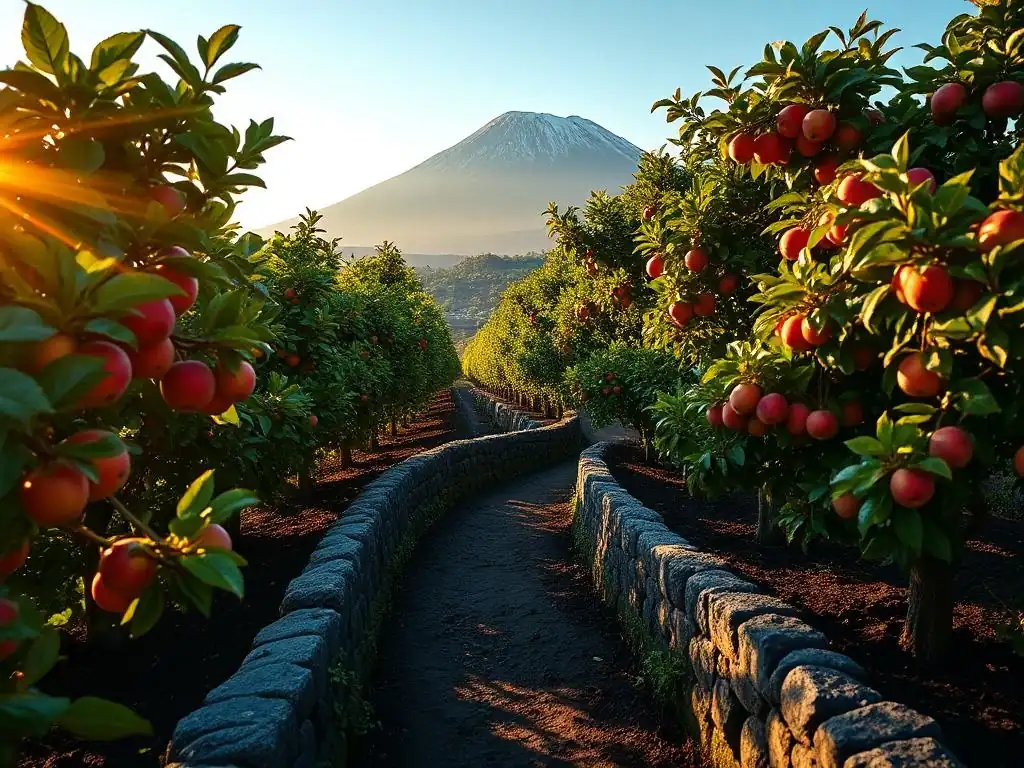
Etna's Orchards, Italy: A Story of Volcanic Farming Success
The slopes of Mount Etna in Sicily, Italy, provide a compelling case study of successful volcanic fruit farming. Etna, one of Europe's most active volcanoes, has shaped the landscape and soil composition of the surrounding region for millennia. The volcanic soils around Etna, known as Andosols, are incredibly fertile, rich in minerals like potassium, phosphorus, and micronutrients, and possess excellent drainage properties.
This unique soil environment, combined with the Mediterranean climate, has fostered a thriving agricultural tradition, particularly for fruit orchards, for centuries. Citrus fruits, especially oranges and lemons, are a major crop, alongside vineyards producing renowned Etna DOC wines, and olive groves.
The success of Etna's orchards is a testament to the benefits of volcanic soil for farming. Farmers in the region have long understood and utilized the inherent fertility of the volcanic soil, employing traditional farming practices that complement the natural advantages. The well-drained soil minimizes the risk of root diseases, while the mineral-rich composition contributes to the exceptional flavor and quality of Etna's citrus fruits, which are highly sought after both domestically and internationally.
Despite the challenges posed by volcanic activity, including occasional ashfall and seismic events, the agricultural communities around Etna have adapted and thrived, demonstrating the enduring potential of volcanic landscapes for sustainable and productive fruit farming. The Consortium of Etna DOC wines, for example, actively promotes the unique terroir of the volcanic region, highlighting the crucial role of volcanic soil in the distinctive character of their wines and the agricultural heritage of the area.
The Maipo Valley in Chile, nestled in the foothills of the Andes Mountains, offers another striking example of how volcanic soil contributes to premium fruit production, particularly in viticulture. The Andes are a volcanically active mountain range, and volcanic ash deposits have significantly influenced the soil composition of the Maipo Valley.
The soils here are predominantly alluvial, formed from sediments carried down from the Andes, but they contain a significant component of volcanic ash, which imparts unique characteristics. These volcanic-influenced soils are well-drained, moderately fertile, and rich in minerals, creating ideal conditions for growing high-quality grapes, especially Cabernet Sauvignon, which is the flagship variety of the region.
Maipo Valley vineyards are renowned for producing world-class Cabernet Sauvignon wines, often characterized by their intense fruit flavors, elegant structure, and distinctive mineral notes. The volcanic ash component in the soil is considered a key factor in the terroir of the Maipo Valley, contributing to the unique characteristics of these wines.
Winemakers in the region actively manage their vineyards to leverage the benefits of volcanic soil for farming, employing techniques like cover cropping and minimal tillage to maintain soil health and optimize grape quality. The success of the Maipo Valley as a premium wine region underscores the significant role that volcanic-influenced soils can play in producing exceptional fruit and establishing distinctive agricultural terroirs, attracting global recognition and economic prosperity.
Lessons Learned: Best Practices from Thriving Volcanic Orchards
From the sun-drenched slopes of Etna to the Andean foothills of the Maipo Valley, successful volcanic fruit orchards around the world offer valuable lessons in best practices for volcanic agriculture. One key takeaway is the importance of understanding and adapting to the specific characteristics of volcanic soils in each region.
While volcanic soils share common advantages like mineral richness and good drainage, they also exhibit variations in pH, nutrient balance, and texture depending on the volcanic source and weathering processes. Successful farmers in volcanic regions are adept at soil testing and management, tailoring their fertilization and irrigation strategies to the specific needs of their orchards and vineyards.
Another crucial lesson is the integration of traditional knowledge with modern agricultural techniques. In many volcanic regions, generations of farmers have developed sustainable farming practices that are well-suited to the local environment. These practices, often involving crop diversification, intercropping, and organic fertilization, can be combined with modern technologies like precision irrigation and soil monitoring to optimize productivity and minimize environmental impact.
Furthermore, community collaboration and regional branding play a significant role in the success of volcanic fruit farming. By working together to promote the unique quality and terroir of their volcanic fruits, farmers can access premium markets and build resilient local economies. Ultimately, the thriving volcanic orchards around the world demonstrate that by embracing the benefits of volcanic soil for farming, respecting traditional wisdom, and fostering innovation, communities can cultivate sustainable and prosperous agricultural systems in even the most dynamic and challenging volcanic landscapes.
Types of Fruits That Flourish in Volcanic Soil
Stone Fruits: Cherries, Peaches, and Plums in Volcanic Terroir
Stone fruits, including cherries, peaches, plums, and apricots, often thrive exceptionally well in volcanic terroir. These fruits, known for their fleshy pulp and hard pit or "stone" at the center, benefit significantly from the well-drained and mineral-rich nature of volcanic soils. Cherries, for example, are particularly sensitive to waterlogging and root diseases, making the excellent drainage of volcanic soils a crucial advantage.
The balanced nutrient supply in volcanic soil also contributes to the development of sweet and flavorful cherries with vibrant color and firm texture. Regions like the Pacific Northwest of the United States, with its volcanic soils from past Cascade Range eruptions, are renowned for their cherry production, showcasing the suitability of volcanic landscapes for these fruits.
Peaches and plums also flourish in volcanic soils, benefiting from the same drainage and nutrient advantages as cherries. The mineral composition of volcanic soil can enhance the sweetness and aroma of peaches, while also contributing to their disease resistance. Plums, with their diverse varieties, are also well-adapted to a range of volcanic soil conditions, producing flavorful and juicy fruits.
In regions like the Mediterranean, where volcanic activity has shaped the landscape for millennia, stone fruit orchards have been a staple of agriculture for centuries, testament to the long-term benefits of volcanic soil for farming these fruit types. The slightly acidic nature of some volcanic soils is also often well-suited to stone fruits, which generally prefer a slightly lower pH for optimal nutrient uptake.
Berries: Strawberries, Blueberries, and Raspberries Benefiting from Volcanic Ash
Berries, including strawberries, blueberries, raspberries, and blackberries, are another group of fruits that demonstrate remarkable success in volcanic soil environments. These small, often delicate fruits are particularly sensitive to soil conditions, and volcanic soils provide a range of advantages that promote their growth and productivity. Strawberries, for instance, require well-drained soil to prevent root rot and fungal diseases.
Volcanic soils, with their excellent drainage and aeration, create an ideal environment for strawberry cultivation. Furthermore, the mineral content of volcanic ash contributes to the sweetness and flavor intensity of strawberries, enhancing their market appeal. Regions like Japan and parts of Europe with volcanic soils are known for their high-quality strawberry production.
Blueberries and raspberries, belonging to the Vaccinium and Rubus genera respectively, also benefit from volcanic soil characteristics. Blueberries, in particular, thrive in acidic soils, and some volcanic soils naturally exhibit a slightly acidic pH, which is advantageous for blueberry cultivation. The well-drained nature of volcanic soils is also crucial for blueberry root health, preventing waterlogging and promoting vigorous growth.
Raspberries, while slightly less acid-loving than blueberries, also benefit from the good drainage and mineral richness of volcanic soils. The benefits of volcanic soil for farming berries are evident in the successful berry farms found in volcanic regions around the world, producing flavorful and nutritious fruits that capitalize on the unique soil environment.
Pome Fruits: Apples and Pears Adapting to Volcanic Landscapes
Pome fruits, such as apples and pears, while perhaps slightly less directly associated with volcanic regions than stone fruits or berries, also demonstrate adaptability and success in volcanic landscapes. Apples and pears, known for their core and fleshy fruit surrounding it, are relatively adaptable to a range of soil conditions, but volcanic soils offer certain advantages that can enhance their growth and fruit quality.
The well-drained nature of volcanic soils is beneficial for apple and pear trees, preventing waterlogging and promoting healthy root development. While apples and pears are not as demanding in terms of specific mineral compositions as some other fruits, the balanced nutrient supply in volcanic soils generally supports their growth and fruit production.
In certain volcanic regions, specific varieties of apples and pears have been cultivated for generations, adapted to the local volcanic terroir. For example, in some volcanic regions of Italy and Spain, heritage apple and pear varieties are grown in volcanic soils, prized for their unique flavor and texture characteristics, which are influenced by the soil composition and microclimate.
While large-scale commercial apple and pear production is not exclusively concentrated in volcanic regions, the adaptability of these pome fruits to volcanic landscapes and the potential for developing unique regional varieties highlight the broader benefits of volcanic soil for farming a diverse range of fruit types, including apples and pears. Careful variety selection and appropriate soil management practices are key to maximizing the potential of volcanic soils for pome fruit cultivation.
Challenges and Mitigation Strategies for Volcanic Fruit Farming
Soil Acidity and pH Management in Volcanic Orchards
While volcanic soils offer numerous benefits, they also present certain challenges, particularly concerning soil acidity and pH management. Fresh volcanic ash can sometimes be acidic, depending on the volcanic gases released during eruptions. Over time, weathering processes can also lead to soil acidification in volcanic regions, especially in areas with high rainfall.
Excessive soil acidity (low pH) can limit the availability of certain essential nutrients, such as phosphorus and molybdenum, and can also increase the toxicity of elements like aluminum and manganese, which can be detrimental to plant growth and fruit production. Therefore, managing soil pH is crucial for successful volcanic fruit farming.
Mitigation strategies for soil acidity in volcanic orchards include liming, which involves adding calcium-rich materials like agricultural lime or dolomite to the soil to raise the pH. The type and amount of liming material needed will depend on the initial soil pH, soil texture, and the specific fruit crop being grown. Regular soil testing is essential to monitor pH levels and adjust liming applications as needed.
In addition to liming, incorporating organic matter into the soil, such as compost or cover crops, can also help buffer soil pH and improve nutrient availability. Selecting fruit varieties that are tolerant of slightly acidic soil conditions can also be a useful adaptation strategy. Effective soil pH management is a key aspect of maximizing the benefits of volcanic soil for farming and ensuring long-term orchard productivity in volcanic regions.
Water Management and Irrigation in Volcanic Regions
Despite the generally excellent drainage of volcanic soils, water management and irrigation are still critical considerations for volcanic fruit farming. While good drainage prevents waterlogging, it can also lead to rapid water loss, especially in regions with low rainfall or during dry seasons.
Volcanic soils, particularly those rich in pumice and scoria, can have low water-holding capacity, meaning that water drains through them quickly and may not be retained long enough for plant uptake. Therefore, irrigation is often necessary to supplement rainfall and ensure adequate water supply for fruit trees, especially during critical growth stages like flowering and fruit development.
Efficient irrigation techniques are particularly important in volcanic regions to conserve water and optimize its use. Drip irrigation and micro-sprinkler systems are highly effective, delivering water directly to the root zone and minimizing water loss through evaporation and runoff. Soil moisture monitoring is also crucial to determine when and how much to irrigate, avoiding both over-watering and under-watering.
Mulching around fruit trees with organic materials can help conserve soil moisture by reducing evaporation and suppressing weed growth. In some volcanic regions, water scarcity can be a significant challenge, necessitating the development of water-efficient irrigation strategies and the exploration of alternative water sources, such as rainwater harvesting or treated wastewater. Effective water management is essential for realizing the full benefits of volcanic soil for farming and ensuring sustainable fruit production in volcanic environments.
Protecting Orchards from Volcanic Ashfall and Eruptions
Perhaps the most unique challenge of volcanic fruit farming is the direct threat posed by volcanic ashfall and eruptions. While volcanic ash is beneficial for soil fertility in the long term, heavy ashfall during or after an eruption can have immediate negative impacts on fruit orchards. Ashfall can bury trees, damage fruit, contaminate water sources, and disrupt agricultural activities. The abrasive nature of volcanic ash can also damage plant foliage and fruit surfaces, reducing fruit quality and marketability. Furthermore, volcanic eruptions can cause physical damage to orchards through lava flows, pyroclastic flows, and lahars (volcanic mudflows).
Protecting orchards from volcanic hazards requires a combination of preparedness measures and mitigation strategies. Developing early warning systems and evacuation plans is crucial for ensuring the safety of farmers and communities in volcanic regions. During ashfall events, strategies like shaking trees to remove ash, washing ash off fruit and foliage, and providing temporary shelters for young trees can help minimize damage.
In the long term, selecting eruption-resistant fruit varieties and implementing orchard designs that minimize ash accumulation can enhance resilience. Building protective structures, such as windbreaks or nets, can also help reduce ash deposition in orchards. Investing in research and development to improve volcanic hazard monitoring, forecasting, and mitigation techniques is essential for supporting sustainable volcanic fruit farming and mitigating the risks associated with living and farming near active volcanoes, while still capitalizing on the benefits of volcanic soil for farming.
Economic Opportunities: Volcanic Fruit Farming and Local Communities
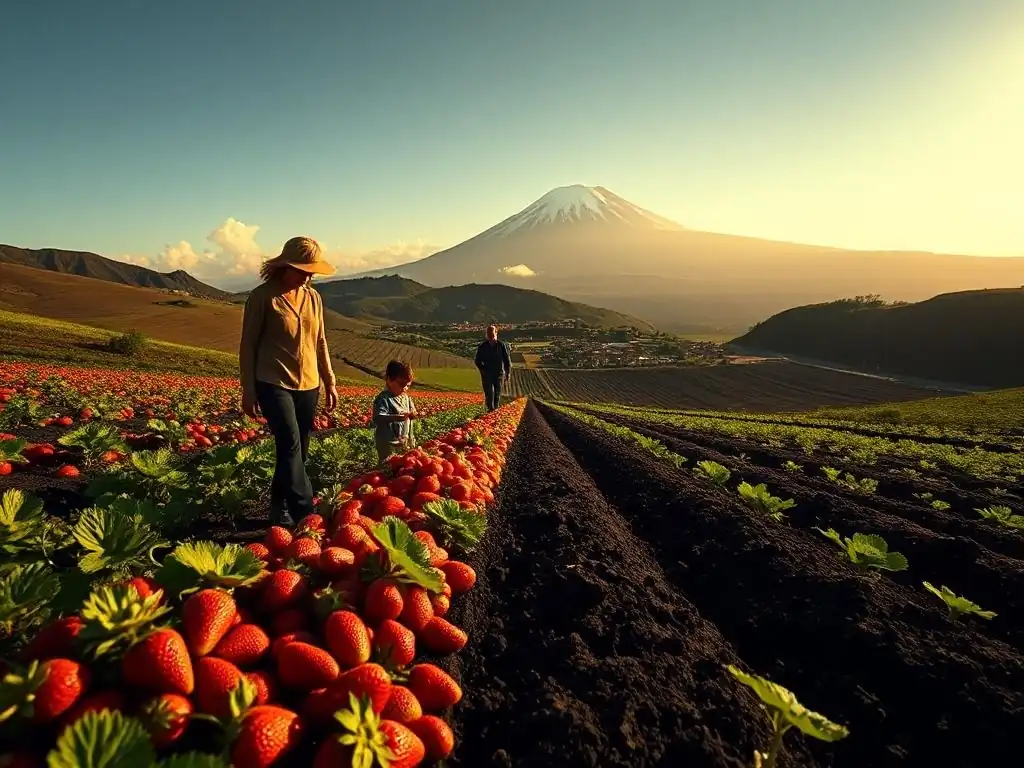
Tourism and Agri-Tourism: Attracting Visitors to Volcanic Orchards
Volcanic fruit farming presents significant economic opportunities for local communities, extending beyond direct fruit sales to include tourism and agri-tourism. The unique combination of volcanic landscapes, fertile orchards, and distinctive fruit products can be a powerful draw for tourists. Volcanic regions with thriving fruit orchards can develop agri-tourism initiatives that attract visitors interested in experiencing volcanic agriculture firsthand. Orchard tours, fruit picking experiences, farmers' markets showcasing volcanic fruits, and wine tastings in volcanic vineyards are all examples of agri-tourism activities that can generate revenue and create jobs in local communities.
The narrative of "volcanic fruit" itself has a strong appeal, evoking images of fertile lands born from dramatic geological forces. Marketing fruit as "volcanic fruit" can add value and differentiate it in the marketplace, attracting consumers who are interested in unique and terroir-driven products. Volcanic regions can also leverage their volcanic heritage to develop geotourism, which combines geological attractions with cultural and agricultural experiences.
Volcano tours, geological museums, and educational centers focusing on volcanic processes can be integrated with visits to fruit orchards and farms, creating a comprehensive tourism offering. By strategically developing tourism and agri-tourism initiatives, volcanic fruit farming communities can diversify their income streams, enhance their economic resilience, and promote the benefits of volcanic soil for farming to a wider audience.
Supporting Local Economies Through Fruit Production and Sales
Fruit production and sales are the cornerstone of the economic opportunities associated with volcanic fruit farming, directly supporting local economies in volcanic regions. The high fertility of volcanic soils and the potential for producing premium quality fruits can create a competitive advantage for farmers in these areas. By focusing on niche markets, specialty fruits, and value-added products like jams, juices, and dried fruits, volcanic fruit farmers can maximize their income and build sustainable businesses. Direct sales to consumers through farmers' markets, farm stands, and online platforms can also increase profitability and strengthen local food systems.
Volcanic fruit farming can also contribute to rural development and employment generation in volcanic regions, often areas that are geographically isolated or economically disadvantaged. Fruit orchards can provide stable employment opportunities in farming, processing, and marketing, helping to retain populations in rural areas and reduce out-migration.
Furthermore, the development of a thriving fruit farming sector can stimulate related industries, such as agricultural supply businesses, food processing facilities, and transportation services, creating a multiplier effect on the local economy. By prioritizing local sourcing, fair trade practices, and sustainable farming methods, volcanic fruit farming can become a driving force for inclusive and resilient economic development in volcanic communities, directly linking economic prosperity to the benefits of volcanic soil for farming.
Sustainable Farming Practices in Volcanic Environments
Sustainable farming practices are essential for ensuring the long-term economic and environmental viability of volcanic fruit farming. Given the dynamic and sometimes fragile nature of volcanic environments, adopting sustainable approaches is particularly crucial. This includes minimizing soil erosion, conserving water resources, reducing reliance on synthetic fertilizers and pesticides, and promoting biodiversity. Soil conservation practices, such as terracing, contour planting, and cover cropping, are vital for preventing soil loss on volcanic slopes, which can be prone to erosion, especially after ashfall events. Water-efficient irrigation techniques, as discussed earlier, are essential for conserving water in often well-drained volcanic soils.
Integrated pest management (IPM) strategies, which prioritize biological control methods and minimize the use of chemical pesticides, are important for protecting both human health and the environment. Organic farming practices, which prohibit the use of synthetic fertilizers and pesticides altogether, are increasingly being adopted in volcanic fruit orchards, appealing to consumers who value environmentally friendly and health-conscious products.
Promoting biodiversity in volcanic farming systems, through practices like agroforestry and hedgerow planting, can enhance ecosystem services, such as pollination and pest control, and contribute to the overall resilience of the agricultural landscape. By embracing sustainable farming practices, volcanic fruit farmers can not only protect the environment but also enhance the long-term benefits of volcanic soil for farming, ensuring the continued productivity and prosperity of their orchards and communities.
The Future of Volcanic Fruit Orchards: Innovation and Sustainability
Research and Development: Optimizing Volcanic Soil for Agriculture
The future of volcanic fruit orchards hinges on continued research and development focused on optimizing volcanic soil for agriculture. Further research is needed to fully understand the complex interactions between volcanic soil properties, fruit tree physiology, and environmental factors. This includes investigating the long-term effects of volcanic ash deposition on soil fertility, nutrient cycling, and plant health. Developing soil management strategies tailored to specific volcanic soil types and fruit crops is crucial for maximizing productivity and sustainability. This could involve research on soil amendments, fertilization techniques, and irrigation management optimized for volcanic conditions.
Advances in precision agriculture technologies, such as remote sensing, GPS-guided machinery, and soil sensors, can be applied to volcanic fruit farming to improve resource efficiency and optimize orchard management. These technologies can enable farmers to monitor soil conditions, plant health, and water status in real-time, allowing for targeted interventions and reduced input use. Research into fruit variety selection and breeding for volcanic environments is also important.
Developing fruit varieties that are specifically adapted to volcanic soil conditions, climate, and potential volcanic hazards can enhance resilience and productivity. Collaboration between researchers, farmers, and policymakers is essential to translate research findings into practical applications and support the continued innovation and development of volcanic fruit farming, further unlocking the benefits of volcanic soil for farming.
Climate Change Adaptation in Volcanic Fruit Growing Regions
Climate change poses significant challenges to agriculture globally, and volcanic fruit growing regions are no exception. Changes in temperature, precipitation patterns, and extreme weather events can impact fruit yields, quality, and disease incidence. Adapting to climate change is therefore crucial for the future sustainability of volcanic fruit orchards. This includes implementing climate-smart agriculture practices, such as water-efficient irrigation, drought-tolerant fruit varieties, and soil conservation techniques, to mitigate the impacts of changing climate conditions.
Developing climate-resilient fruit varieties through breeding and genetic improvement is another important adaptation strategy. This could involve selecting varieties that are more tolerant to heat stress, drought, or changes in chilling requirements. Diversifying fruit crops and farming systems can also enhance resilience to climate change by reducing reliance on single crops and creating more robust agricultural landscapes.
Implementing early warning systems for extreme weather events, such as heat waves, droughts, and heavy rainfall, can help farmers prepare and mitigate potential damage to their orchards. Sharing knowledge and best practices on climate change adaptation among volcanic fruit farming communities is essential for building collective resilience and ensuring the long-term viability of this unique agricultural system in the face of a changing climate, continuing to harness the benefits of volcanic soil for farming even under new environmental pressures.
Preserving the Unique Heritage of Volcanic Fruit Farming
Preserving the unique heritage of volcanic fruit farming is essential for maintaining cultural diversity, protecting traditional knowledge, and ensuring the long-term sustainability of this valuable agricultural system. Volcanic fruit farming is often deeply intertwined with local culture, traditions, and landscapes, representing a unique form of agricultural heritage. Documenting and preserving traditional farming practices, fruit varieties, and local knowledge associated with volcanic fruit farming is crucial for safeguarding this heritage for future generations.
Supporting local farmers and communities engaged in volcanic fruit farming is also vital for preserving this heritage. This can include providing technical assistance, access to markets, and financial incentives for sustainable farming practices.
Promoting the cultural and historical significance of volcanic fruit farming to consumers and the wider public can help raise awareness and appreciation for this unique agricultural heritage. Developing educational programs, cultural events, and tourism initiatives that highlight the history, traditions, and unique qualities of volcanic fruit farming can contribute to its preservation and promotion.
Establishing protected designations of origin (PDOs) or geographical indications (GIs) for volcanic fruits can help safeguard their authenticity, quality, and cultural heritage, while also providing economic benefits to local producers. By actively preserving the unique heritage of volcanic fruit farming, we can ensure that this valuable agricultural tradition continues to thrive and contribute to the cultural and economic vibrancy of volcanic regions for generations to come, celebrating the enduring legacy of the benefits of volcanic soil for farming.
Conclusion: Embracing the Potential of Volcanic Lands
The Enduring Appeal of Volcanic Fruit: A Taste of the Earth
The enduring appeal of volcanic fruit lies in its unique connection to the earth, a taste imbued with the mineral richness and geological history of volcanic landscapes. Volcanic fruits are not merely agricultural products; they are expressions of terroir, reflecting the specific soil composition, climate, and environmental conditions of their volcanic origins.
The distinct flavors, textures, and nutritional qualities of volcanic fruits set them apart, offering a sensory experience that is both unique and deeply rooted in place. Consumers are increasingly seeking out authentic, terroir-driven foods, and volcanic fruits, with their compelling narrative and distinctive characteristics, are perfectly positioned to meet this demand.
The story of volcanic fruit orchards is a testament to the resilience of nature and the ingenuity of human adaptation. It is a story of transforming seemingly destructive volcanic forces into sources of fertility and abundance, creating fruitful landscapes from volcanic fire.
The cultivation of fruit in volcanic regions is not only an agricultural practice; it is a cultural expression, a way of life deeply intertwined with the volcanic environment. By appreciating and supporting volcanic fruit farming, we are not only enjoying delicious and nutritious food but also contributing to the preservation of unique agricultural heritage, the sustainable development of volcanic communities, and the continued exploration of the remarkable benefits of volcanic soil for farming.
Volcano Explorers: Continuing the Journey of Discovery in Volcanic Agriculture
As Volcano Explorers, our journey into the world of volcanic fruit orchards is just one facet of our ongoing exploration of the dramatic and awe-inspiring world of volcanoes. We have seen how these geological powerhouses, while capable of destruction, are also creators of fertile lands that support thriving agricultural systems. The benefits of volcanic soil for farming are undeniable, providing a foundation for exceptional fruit production and unique economic opportunities for volcanic communities.
But our exploration is far from over. There is still much to discover about the intricate relationship between volcanoes and agriculture, the long-term sustainability of volcanic farming systems, and the potential for further innovation and development in this fascinating field.
VolcanoExplorers.org will continue to delve into the science behind volcanic fertility, share stories of successful volcanic fruit orchards around the world, and provide resources and information for those interested in learning more about volcanic agriculture. We invite you to join us on this ongoing journey of discovery, to explore the sweet rewards from volcanic land, and to appreciate the remarkable potential of living and farming with volcanoes.
Together, we can continue to unravel the mysteries of these powerful natural forces and celebrate the unexpected bounty they offer, ensuring that the legacy of volcanic fruit farming continues to flourish for generations to come.
Frequently Asked Questions
What makes volcanic soil so beneficial for farming, especially for fruit orchards?
Volcanic soil is rich in essential minerals like phosphorus and potassium, which are crucial for plant growth. Its excellent drainage and water retention properties also contribute to healthy root development.
How does volcanic activity contribute to the fertility of the soil over time?
Volcanic eruptions deposit new layers of ash and rock, which weather down to release nutrients. This process continuously replenishes the soil and maintains its long-term fertility.
Are there any drawbacks to farming on volcanic soil?
While beneficial, volcanic soil can sometimes be highly acidic, requiring amendments like lime to adjust the pH. It can also be unstable in certain areas prone to landslides.
What specific types of fruit trees thrive particularly well in volcanic soil?
Fruit trees like apples, cherries, and grapes often flourish in volcanic soil due to its nutrient richness and drainage. The specific suitability depends on the local climate and soil composition.
How do farmers adapt their practices to maximize the benefits of volcanic soil and mitigate potential risks?
Farmers often employ techniques like crop rotation and cover cropping to improve soil structure and nutrient management. They also use erosion control measures to protect against landslides and soil loss.
Okay, here's a final reflection tailored for your article "Volcanic Fruit Orchards: Sweet Rewards from Volcanic Land," optimized for the keyword "benefits of volcanic soil for farming":
Final Reflection: The Enduring Bounty of Fire
The journey through volcanic fruit orchards reveals a truth that resonates deeply today: nature's most destructive forces can also be the source of incredible abundance. In a world increasingly concerned with sustainable agriculture and food security, understanding and harnessing the benefits of volcanic soil for farming is not just an interesting fact, but a vital pathway to enriching our lands and feeding our future.
The impact of volcanic soil extends far beyond the sweet taste of the fruit it nurtures. It's a testament to resilience, a reminder that even in the face of devastation, life finds a way – and thrives. The rich mineral composition and excellent drainage of volcanic soil create conditions that foster exceptional growth and flavor. As the Roman philosopher Seneca wisely observed, Every new beginning comes from some other beginning's end.
This quote perfectly encapsulates the transformative power of volcanic activity, turning barren landscapes into fertile grounds.
Now, consider the lessons learned from these volcanic fruit orchards. How can we apply this understanding of nature's cycles to our own lives and communities? Let us embrace the potential for renewal and transformation, seeking out opportunities to cultivate growth and abundance, even in the most challenging environments. The earth has shown us its secrets; it is up to us to listen and learn.
Harvest Your Own Volcanic Inspiration!
Thanks for exploring the fascinating world of volcanic fruit orchards with us! We hope you’ve discovered a newfound appreciation for the sweet rewards that can blossom from even the most unexpected landscapes. Ready to take that inspiration and cultivate your own growth?
Here are a few ideas to get you started:
- Begin researching if volcanic soil exists in your region, and what plants thrive in it. Understanding your local landscape is the first step to cultivating something extraordinary.
- Share this article with a friend who loves unique gardening ideas or is looking for a new sustainable food source.
- Discover other sustainable or unexpected sources of food and share what you find with the Volcano Explorers Community.
What unique plants are you inspired to grow after learning about the volcanic orchards? Share your ideas and let's cultivate a discussion!