
Volcanic Vineyards: Where Fire and Earth Cultivate Exquisite Wines

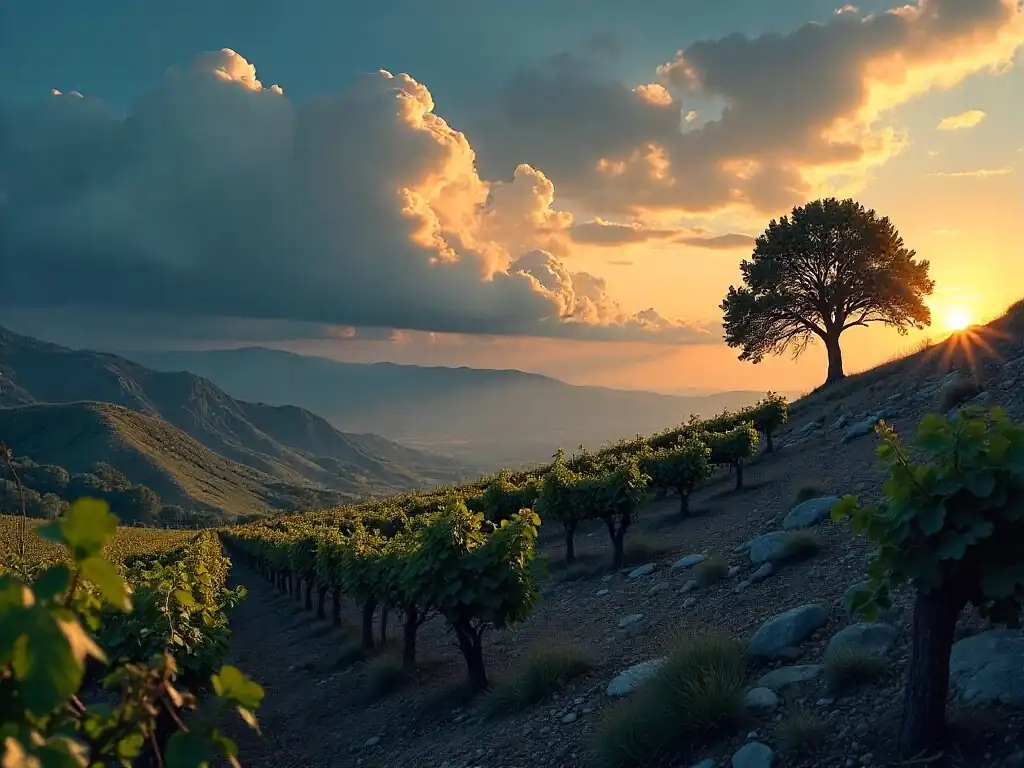
Welcome to Volcano Explorers!
Prepare to be amazed. Did you know the very ground beneath a volcano can yield some of the world's most extraordinary flavors? We invite you to journey with us and uncover the secrets behind volcanic soil wine production. Discover how the fiery heart of the Earth nurtures vineyards, creating wines with a unique and unforgettable terroir. But what makes these wines so special? Let's explore the fascinating connection between fiery landscapes and exquisite vintages...
- Introduction: The Unique Terroir of Volcanic Wine Production
- The Science Behind Volcanic Soil and Wine Quality
- Geographical Hotspots: Famous Volcanic Wine Regions Around the World
- Grape Varieties Suited for Volcanic Terroir
- The Challenges and Benefits of Volcanic Wine Production
- Sustainable Volcanic Vineyards: Protecting the Land and the Wine
- The Economic Impact of Volcanic Soil Wine Production on Local Communities
- The Future of Volcanic Vineyards: Innovation and Sustainability
- Conclusion: Savoring the Flavors of Fire and Earth
-
Frequently Asked Questions
- How does volcanic soil contribute to the unique characteristics of wine?
- What are the primary benefits of growing grapes in volcanic soil for wine production?
- Which wine regions are particularly known for their use of volcanic soil in viticulture?
- Does volcanic soil impact the acidity levels in wine grapes?
- Are there any risks associated with growing grapes in volcanic regions?
- Final Reflection: The Enduring Legacy of Fire and Wine
- Ignite Your Senses: Taste the Volcanic Difference!
Introduction: The Unique Terroir of Volcanic Wine Production
Exploring the Symbiotic Relationship Between Volcanoes and Viticulture
The dramatic landscapes forged by volcanic activity might seem an unlikely setting for delicate vineyards. Yet, paradoxically, these very terrains, born from fire and geological upheaval, are increasingly recognized as prime locations for cultivating exceptional wines.
This seemingly counterintuitive relationship stems from the unique soil composition and environmental conditions that volcanic regions offer, creating a symbiotic bond between the raw power of nature and the refined art of viticulture. For centuries, astute winemakers have observed that vines planted in volcanic soils produce grapes with distinctive characteristics, resulting in wines that express a singular terroir, a sense of place intrinsically linked to the volcanic origins of the land.
This connection is not merely romantic; it is deeply rooted in scientific principles. Volcanic eruptions, while destructive, deposit mineral-rich ash and lava flows that gradually weather into fertile soil. These soils, often characterized by excellent drainage and unique mineral profiles, provide the foundation for vineyards to flourish.
The very elements that shape volcanic landscapes – the altitude, the slope, the exposure to sunlight, and even the presence of geothermal activity – all contribute to the distinctive character of wines produced in these regions. This intricate interplay between geological forces and viticultural practices underscores the fascinating and productive relationship between volcanoes and the world of wine.
Understanding Volcanic Terroir: More Than Just Soil
The term "terroir" in winemaking encompasses far more than just the soil composition; it represents the complete environmental context in which a vine grows and grapes ripen. In volcanic regions, terroir takes on an even more nuanced and compelling dimension. While volcanic soil is undoubtedly a critical component, contributing essential minerals and influencing water retention, it is only one piece of a complex puzzle.
The altitude of volcanic slopes, often reaching significant heights, plays a crucial role in moderating temperatures, extending the growing season, and enhancing aroma development in grapes. The aspect, or the direction a vineyard faces, determines sun exposure, influencing ripening and sugar accumulation.
Furthermore, the microclimate within volcanic regions is often distinct. Proximity to bodies of water, like the Mediterranean Sea surrounding Mount Etna or the Atlantic Ocean influencing the Azores, introduces maritime breezes that temper extreme temperatures and contribute to humidity regulation.
Even the geological history of the volcanic area, the type of eruption, and the age of the volcanic rock contribute to the specific mineral makeup of the soil and the overall terroir expression. Therefore, understanding volcanic terroir requires a holistic perspective, appreciating the intricate dance between soil, climate, topography, and even the human hand in shaping the unique character of volcanic wines.
The Science Behind Volcanic Soil and Wine Quality
Mineral Composition: How Volcanic Rock Influences Wine Flavor Profiles
Volcanic soils are renowned for their complex mineral composition, a direct inheritance from the volcanic rock from which they are derived. These rocks, formed from cooled magma or lava, are rich in elements like potassium, phosphorus, iron, magnesium, calcium, and a spectrum of trace minerals. As these volcanic rocks slowly weather and break down over millennia, they release these minerals into the soil, making them available for vine roots to absorb. It is this mineral uptake that is widely believed to contribute to the distinctive flavor profiles often associated with volcanic wines.
While the precise mechanisms are still under scientific investigation, the presence of these minerals is thought to influence various aspects of wine character. For example, potassium can affect acidity levels in grapes, while magnesium and calcium can play roles in tannin structure and mouthfeel. Some studies suggest that specific minerals, like iron, might contribute to the perceived minerality in wines, often described as flinty, smoky, or saline notes.
However, it's crucial to understand that the relationship is not simple. The bioavailability of these minerals, the vine’s uptake efficiency, and the complex interactions within the soil and the grape are all factors that influence the final wine. Nevertheless, the unique mineral fingerprint of volcanic soils is a significant contributor to the distinctiveness of wines produced in these regions.
Drainage and Water Retention: Key Factors in Vineyard Health on Volcanic Slopes
Volcanic soils often exhibit a paradoxical combination of excellent drainage and good water retention, properties that are highly beneficial for vineyard health and wine quality. The porous nature of volcanic rock fragments, such as pumice and basalt, creates a soil structure that allows excess water to drain away efficiently, preventing waterlogging and root diseases. This is particularly crucial in regions prone to heavy rainfall, ensuring that vines are not stressed by overly saturated conditions. Good drainage also encourages roots to delve deeper into the soil in search of water and nutrients, contributing to vine resilience and longevity.
Simultaneously, volcanic soils can also retain sufficient moisture to sustain vines during drier periods. The weathered volcanic material, along with organic matter, can create micropores within the soil structure that hold onto water molecules, making them available to the roots over time. This balanced water management is especially important in regions with Mediterranean climates, characterized by hot, dry summers.
The ability of volcanic soils to drain well while retaining adequate moisture helps to regulate vine water stress, promoting healthy grape ripening and contributing to balanced acidity and concentration in the resulting wines. This natural water management capacity is a key advantage of volcanic terroirs.
The Impact of Altitude and Climate on Volcanic Vineyard Wine Quality
Altitude and climate are inextricably linked in volcanic wine regions and exert a profound influence on wine quality. Many volcanic vineyards are situated at significant altitudes, often on the slopes of volcanoes themselves. This elevation plays a critical role in moderating temperatures, especially in warmer climates. For every 100 meters increase in altitude, temperatures typically decrease by approximately 0.6 degrees Celsius.
This cooling effect at higher altitudes is vital for preserving acidity in grapes, extending the ripening period, and promoting the development of complex aromas. Grapes grown at higher elevations often experience a greater diurnal temperature range – the difference between daytime and nighttime temperatures. This variation is crucial for balanced sugar accumulation and the development of phenolic compounds, contributing to color, tannins, and flavor complexity in wines.
Furthermore, volcanic regions often benefit from specific mesoclimates influenced by their geographical location and topography. For instance, vineyards on volcanic islands or coastal volcanic areas are often moderated by maritime breezes, which help to regulate temperatures, reduce humidity, and prolong the growing season. The combination of altitude and these unique mesoclimates creates ideal conditions for producing wines with freshness, aromatic intensity, and a distinct sense of place. The interplay between volcanic soils and these altitude-driven climatic nuances is fundamental to the exceptional quality and character of volcanic wines.
Geographical Hotspots: Famous Volcanic Wine Regions Around the World
Santorini, Greece: Assyrtiko Wine Production in Volcanic Ash
Santorini, a breathtaking Greek island in the Aegean Sea, is perhaps the most iconic volcanic wine region globally. The island's dramatic caldera landscape, a remnant of a massive volcanic eruption around 1600 BC, is sculpted from layers of volcanic ash, pumice, and lava. This unique volcanic soil, known as "aspa," is the foundation for Santorini's famed Assyrtiko wines.
Assyrtiko, a native white grape variety, thrives in this harsh, windswept environment, producing wines of exceptional minerality, high acidity, and citrus-driven aromas. The vineyards are trained in a distinctive "kouloura" or basket shape, protecting the grapes from the strong Aegean winds and intense sun.
The volcanic ash soil of Santorini is exceptionally poor in organic matter but rich in minerals and possesses excellent drainage. This, combined with the hot, dry Mediterranean climate and the cooling influence of the Aegean Sea, results in low-yielding vines that produce intensely flavored grapes. Santorini Assyrtiko wines are celebrated for their crispness, salinity, and aging potential, reflecting the unique volcanic terroir of this Aegean gem. The annual wine production of Santorini is relatively small, estimated at around 7,000 tons of grapes, making these wines highly sought after globally for their distinctive volcanic character.
Mount Etna, Sicily: Nerello Mascalese and the Legacy of Volcanic Winemaking
Mount Etna, Europe's largest active volcano, dominates the landscape of eastern Sicily and is home to a rapidly growing and increasingly acclaimed wine region. The volcanic slopes of Etna, reaching altitudes of over 1,000 meters, are covered in a mosaic of vineyards planted on ancient lava flows and volcanic ash soils.
Nerello Mascalese, a native red grape variety, is the star of Etna Rosso wines, often compared to Pinot Noir for its elegance, finesse, and complex aromatic profile. Winemaking on Etna has a long history, dating back centuries, but it has experienced a resurgence in recent decades, attracting international attention and investment.
The volcanic soils of Etna are incredibly diverse, varying in composition and texture depending on the age and type of lava flows. These soils are generally rich in minerals, particularly iron and magnesium, and offer excellent drainage. The high altitude, combined with the Mediterranean climate and significant diurnal temperature variation, creates ideal conditions for slow and balanced grape ripening.
Etna Rosso wines are characterized by their bright acidity, fine tannins, and complex aromas of red fruit, spice, and volcanic minerality. The total vineyard area on Mount Etna is estimated to be around 1,200 hectares, producing a significant volume of high-quality volcanic wines that showcase the unique terroir of this active volcanic landscape.
The Canary Islands: Unique Grape Varieties Thriving in Volcanic Landscapes
The Canary Islands, a Spanish archipelago off the coast of Northwest Africa, are entirely volcanic in origin and boast a remarkable diversity of wine regions and unique grape varieties. Each island, from Lanzarote with its black volcanic ash fields to Tenerife with its towering Mount Teide volcano, offers distinct terroirs shaped by volcanic activity and Atlantic influences.
The pre-phylloxera grape varieties, many of which are indigenous to the islands, have adapted to the unique volcanic soils and climatic conditions, producing wines of singular character. Lanzarote, for example, is famous for its Malvasía Volcánica grape, grown in dramatic lunar landscapes of black volcanic ash pits, called "gerias," dug to protect the vines from the constant winds and retain moisture.
The volcanic soils across the Canary Islands are diverse, ranging from black volcanic ash to red volcanic clay, but they share common characteristics of being mineral-rich and well-drained. The Atlantic trade winds and the influence of the Canary Current moderate the warm subtropical climate, creating conditions suitable for viticulture.
Wines from the Canary Islands are often characterized by their volcanic minerality, saline notes, and distinctive aromatic profiles, reflecting the unique grape varieties and volcanic terroirs. The total vineyard area across the Canary Islands is estimated to be around 8,000 hectares, showcasing a wide array of volcanic wine styles and traditions.
Azores, Portugal: Verdelho and the Atlantic Influence
The Azores, a Portuguese archipelago in the mid-Atlantic, are another compelling example of volcanic islands producing distinctive wines. These islands, formed by volcanic activity, are characterized by rugged landscapes, fertile volcanic soils, and a strong maritime climate.
Verdelho, a white grape variety, is the flagship of Azorean winemaking, thriving in the volcanic soils and producing wines with bracing acidity, citrus and tropical fruit notes, and a characteristic saline minerality. The vineyards of Pico Island, a UNESCO World Heritage site, are particularly striking, with vines planted within "currais," small walled enclosures built from black basalt stones to protect them from the wind and the salty Atlantic air.
The volcanic soils of the Azores are rich in minerals and possess excellent drainage, while the Atlantic climate brings abundant rainfall and moderate temperatures. The combination of volcanic terroir and maritime influence imparts a unique character to Azorean wines, often described as Atlantic wines for their freshness, salinity, and vibrant acidity.
The use of basalt stone walls in Pico's vineyards not only provides protection but also absorbs heat during the day and releases it at night, creating a microclimate beneficial for grape ripening. The total vineyard area in the Azores is relatively small, estimated at around 250 hectares, but the region is gaining recognition for its unique volcanic wines that express the wild and beautiful Atlantic terroir.
Grape Varieties Suited for Volcanic Terroir
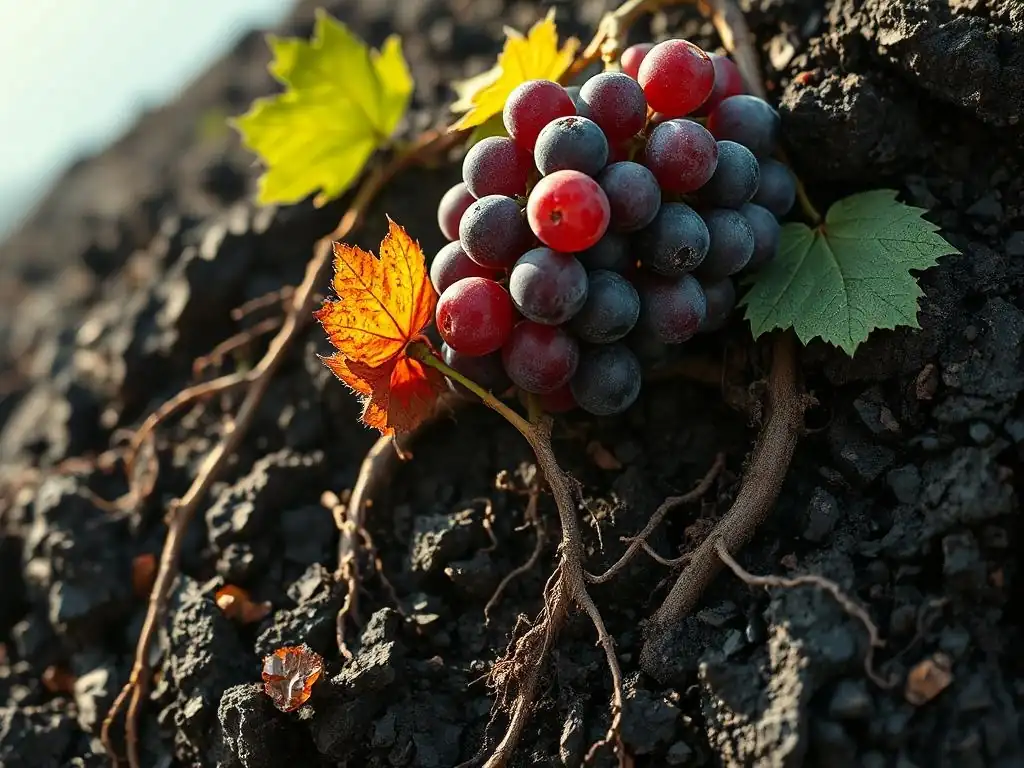
Exploring the Characteristics of Grapes that Thrive in Volcanic Ash
Certain grape varieties exhibit a remarkable affinity for volcanic terroirs, thriving in the unique soil conditions and expressing their full potential in these environments. These grapes often share characteristics that make them well-suited to the challenges and benefits of volcanic soils, such as tolerance to mineral-rich soils, adaptability to well-drained conditions, and the ability to develop complexity and character in response to the specific terroir. Furthermore, many of these varieties are indigenous to volcanic regions, suggesting a long history of adaptation and co-evolution with these unique environments.
Grapes that thrive in volcanic ash often possess thick skins, which can provide protection against the intense sun and winds common in volcanic regions, as well as contribute to tannin structure and phenolic complexity in the resulting wines. They may also exhibit naturally high acidity, which is often enhanced by the mineral uptake from volcanic soils, resulting in wines with freshness and aging potential.
The ability to ripen fully while retaining acidity is a crucial trait for grapes grown in volcanic regions, where diurnal temperature variations can be significant. The specific characteristics of these grape varieties, combined with the unique attributes of volcanic terroir, contribute to the distinctive and highly sought-after qualities of volcanic wines.
Assyrtiko - Santorini's Signature White Wine
Assyrtiko is the undisputed queen of Santorini, a white grape variety perfectly adapted to the island's harsh volcanic terroir. It is renowned for its remarkable ability to retain high acidity even in hot climates, making it ideal for producing crisp, refreshing wines in the sunny Aegean. Assyrtiko vines are remarkably drought-resistant, a crucial trait for surviving in Santorini's dry volcanic ash soils with limited water retention. The grape's thick skin provides protection against the strong winds and intense sun, contributing to its resilience in this challenging environment.
Assyrtiko wines are characterized by their pronounced minerality, often described as flinty or saline, a direct expression of Santorini's volcanic soil. They exhibit vibrant citrus aromas, particularly lemon and grapefruit, alongside notes of green apple and herbs. Despite its full body and rich texture, Assyrtiko maintains a refreshing acidity that provides excellent balance and aging potential.
The dry style is the most common, but Assyrtiko is also used to produce sweet wines, known as Vinsanto, made from sun-dried grapes. Assyrtiko is a true testament to the symbiotic relationship between grape variety and volcanic terroir, showcasing the unique character that can be achieved when nature and viticulture converge.
Nerello Mascalese - Etna's Elegant Red Wine
Nerello Mascalese is the principal red grape variety of Mount Etna, often hailed as Sicily's answer to Pinot Noir for its elegance, finesse, and complex aromatic profile. This late-ripening variety thrives on the high-altitude volcanic slopes of Etna, benefiting from the cool nights and significant diurnal temperature variation that contribute to balanced ripening and aroma development. Nerello Mascalese is well-suited to the well-drained volcanic soils of Etna, particularly the sandy, lava-derived soils that promote good aeration and root penetration.
Nerello Mascalese wines are typically light to medium-bodied with bright acidity, fine tannins, and a complex array of aromas. Red fruit notes, such as cherry and raspberry, are prominent, often accompanied by spicy, earthy, and floral nuances. The volcanic terroir imparts a distinctive minerality to Nerello Mascalese wines, often described as smoky or volcanic ash-like.
While capable of producing wines for early drinking, Nerello Mascalese also possesses aging potential, developing further complexity and tertiary aromas over time. It is a variety that truly captures the essence of Etna's volcanic terroir, producing wines that are both elegant and expressive of their unique origin.
The Challenges and Benefits of Volcanic Wine Production
While volcanic regions offer unique advantages for viticulture, they also present inherent risks and challenges that winemakers must navigate. The most obvious risk is volcanic eruptions themselves. Active volcanoes pose a direct threat to vineyards located on their slopes, with lava flows, ashfall, and pyroclastic flows capable of devastating vineyards and infrastructure. Seismic activity, often associated with volcanic regions, can also cause damage to vineyards and wineries. Winemakers in these areas must be prepared for potential disruptions and have contingency plans in place.
Beyond the dramatic risks, vineyard management in volcanic regions can also be challenging. Volcanic soils, while mineral-rich, can sometimes be infertile and require careful soil management to ensure vine health. The steep slopes often associated with volcanoes make vineyard work physically demanding and may necessitate terracing, which is costly and labor-intensive. Water management can also be complex, requiring careful irrigation strategies to balance the excellent drainage of volcanic soils with the water needs of the vines, especially in drier climates. Despite these challenges, the rewards of producing wines with unique volcanic character often outweigh the risks for dedicated winemakers.
The Rewards: Unique Flavors, High Demand, and Sustainable Practices
The rewards of volcanic wine production are multifaceted, extending beyond just the economic benefits. The most significant reward is the production of wines with unique and distinctive flavor profiles that are highly sought after by wine consumers and critics alike. Volcanic wines are often praised for their minerality, complexity, and sense of place, attributes that are directly linked to the volcanic terroir. This distinctiveness translates into higher demand and premium pricing for volcanic wines, creating economic opportunities for producers in these regions.
Furthermore, volcanic wine production often encourages sustainable practices. The challenging terrain and the desire to preserve the unique terroir often lead to traditional and environmentally friendly viticultural techniques. The natural drainage of volcanic soils can reduce the need for synthetic pesticides and herbicides. The focus on indigenous grape varieties and low-intervention winemaking further contributes to the sustainability and authenticity of volcanic wine production. The combination of unique flavors, high demand, and sustainable practices makes volcanic wine production a rewarding endeavor for both producers and consumers who appreciate terroir-driven, characterful wines.
Sustainable Volcanic Vineyards: Protecting the Land and the Wine
Environmentally Friendly Practices in Volcanic Wine Regions
Sustainability is not just a trend but an imperative in volcanic wine regions, where the delicate balance between viticulture and the fragile volcanic environment must be carefully maintained. Environmentally friendly practices are increasingly adopted to protect the unique ecosystems, preserve soil health, and ensure the long-term viability of volcanic vineyards. These practices encompass various aspects of vineyard management, from soil conservation and water management to biodiversity promotion and reduced chemical inputs.
Soil erosion control is crucial on the steep slopes of volcanic vineyards. Terracing, cover cropping, and no-till farming are common techniques to minimize soil loss and maintain soil fertility. Water conservation is also paramount, with drip irrigation and drought-resistant rootstocks employed to optimize water use in often arid volcanic climates. Promoting biodiversity within and around vineyards through hedgerows, insectaries, and natural pest control methods helps to create a balanced ecosystem and reduce reliance on synthetic pesticides. These environmentally conscious practices not only protect the volcanic landscape but also contribute to the authenticity and quality of volcanic wines.
The Role of Organic and Biodynamic Farming in Preserving Volcanic Terroir
Organic and biodynamic farming methods are gaining traction in volcanic wine regions as winemakers seek to further enhance the expression of terroir and minimize their environmental impact. Organic viticulture prohibits the use of synthetic pesticides, herbicides, and fertilizers, relying instead on natural alternatives to manage pests and diseases and improve soil fertility. Biodynamic farming takes this a step further, viewing the vineyard as a holistic ecosystem and incorporating principles of soil health, biodiversity, and lunar cycles into vineyard management.
Both organic and biodynamic approaches emphasize soil health as the foundation of vine health and wine quality. By promoting healthy soil microbiology and enhancing soil structure, these methods aim to improve nutrient availability, water retention, and overall vine resilience.
The reduced reliance on synthetic inputs minimizes the potential for soil and water contamination and helps to preserve the natural biodiversity of volcanic ecosystems. Winemakers who embrace organic and biodynamic farming in volcanic regions believe that these practices not only protect the environment but also allow for a purer and more authentic expression of the unique volcanic terroir in their wines.
The Economic Impact of Volcanic Soil Wine Production on Local Communities
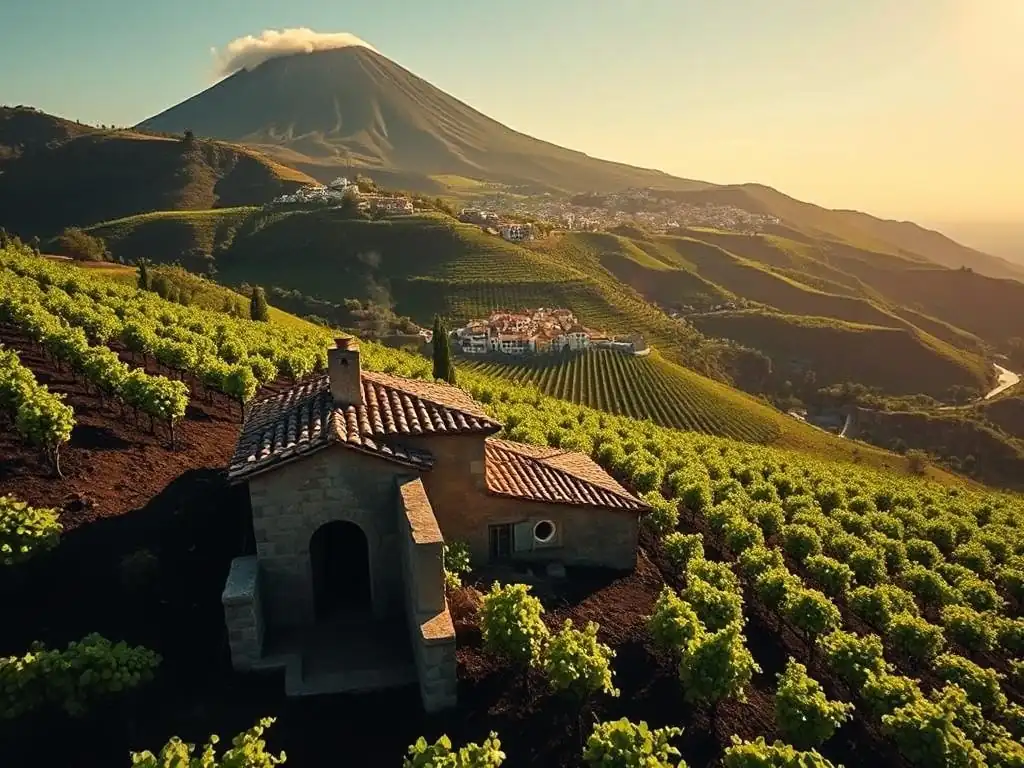
Tourism and Wine Tasting Experiences in Volcanic Regions
Volcanic wine regions are increasingly recognized as attractive tourist destinations, drawing wine enthusiasts and nature lovers alike. The dramatic volcanic landscapes, combined with the unique wines produced, create a compelling draw for visitors seeking authentic and memorable experiences. Wine tourism in volcanic regions offers a range of activities, from vineyard tours and wine tastings to hiking volcanic trails and exploring geological wonders. Many volcanic wine regions have developed wine routes and tasting rooms, providing opportunities for visitors to sample local wines, learn about the terroir, and meet the winemakers.
The economic benefits of wine tourism extend beyond the wineries themselves, supporting local businesses such as restaurants, hotels, and tour operators. Wine tourism creates jobs, generates revenue for local economies, and promotes the cultural heritage of volcanic regions. The unique character of volcanic wines serves as a powerful marketing tool, attracting visitors and enhancing the overall appeal of these destinations. Volcanic wine regions that successfully integrate wine tourism into their economic strategy can create a sustainable and thriving local economy based on their unique natural and cultural assets.
Creating Jobs and Supporting Local Economies Through Volcanic Wine Production
Volcanic soil wine production is not just an agricultural activity; it is a significant economic driver for local communities in volcanic regions. Viticulture and winemaking create a range of jobs, from vineyard workers and cellar hands to winemakers, marketing professionals, and hospitality staff. The wine industry supports local economies through direct employment, as well as indirectly through related sectors such as tourism, agriculture suppliers, and transportation. In many volcanic regions, wine production is a cornerstone of the local economy, providing livelihoods and contributing to community development.
The premium nature of many volcanic wines and the growing demand for terroir-driven wines further enhance the economic potential of volcanic wine production. By focusing on quality and authenticity, volcanic wine regions can create value-added products that command higher prices and generate greater economic returns for local producers. Sustainable practices and wine tourism further contribute to the long-term economic viability and resilience of volcanic wine regions. The economic impact of volcanic wine production extends beyond individual wineries, fostering community prosperity and preserving the cultural heritage of these unique and often remote regions.
The Future of Volcanic Vineyards: Innovation and Sustainability
Adapting to Climate Change in Volcanic Wine Regions
Climate change poses a significant challenge to viticulture globally, and volcanic wine regions are not immune to its impacts. Rising temperatures, altered rainfall patterns, and increased frequency of extreme weather events are already affecting vineyards in many volcanic areas. Adapting to these changes is crucial for the future sustainability of volcanic wine production. Winemakers are exploring various strategies to mitigate the effects of climate change, including adopting drought-resistant grape varieties, implementing water-efficient irrigation techniques, and adjusting vineyard management practices to cope with heat stress.
Research into rootstocks that are better adapted to warmer and drier conditions is also underway. Exploring higher altitude vineyard sites, where temperatures are cooler, may become increasingly important in some volcanic regions. Furthermore, innovative winemaking techniques, such as canopy management to shade grapes and yeast selection for warmer fermentation temperatures, are being investigated. Collaboration and knowledge sharing within volcanic wine regions are essential to develop effective adaptation strategies and ensure the long-term resilience of these unique viticultural landscapes in the face of climate change.
Research and Development in Volcanic Wine Production Techniques
Continued research and development are vital for advancing volcanic wine production and unlocking the full potential of these unique terroirs. Scientific research is ongoing to better understand the complex interactions between volcanic soils, grape varieties, and wine quality. Studies are investigating the specific mineral uptake by vines in volcanic soils and its impact on wine flavor profiles. Research into the microbial diversity of volcanic vineyard soils and its role in terroir expression is also gaining momentum.
Technological innovations are also playing a role in volcanic wine production. Precision viticulture techniques, such as remote sensing and GPS-guided vineyard management, are being used to optimize resource use and improve vineyard efficiency. Advanced winemaking technologies, such as controlled fermentation and oak aging, are being refined to enhance wine quality and express terroir characteristics. Collaboration between research institutions, wineries, and local communities is essential to drive innovation and ensure that volcanic wine production remains at the forefront of quality and sustainability in the global wine industry.
Conclusion: Savoring the Flavors of Fire and Earth
Appreciating the Unique Qualities of Volcanic Wine
Volcanic wines are more than just beverages; they are expressions of a unique confluence of geological forces, environmental conditions, and human ingenuity. They embody the power and drama of volcanic landscapes, translating the mineral richness of volcanic soils and the climatic nuances of volcanic regions into distinctive sensory experiences.
The characteristic minerality, vibrant acidity, and complex aromatic profiles of volcanic wines set them apart, offering wine enthusiasts a chance to taste the terroir in its purest form. Appreciating volcanic wines is about recognizing the intricate relationship between fire and earth, nature and culture, and savoring the unique qualities that these exceptional wines offer.
Exploring Volcanic Wine Regions: A Journey for Wine Enthusiasts
For wine enthusiasts seeking adventure and discovery, exploring volcanic wine regions is a rewarding journey. From the dramatic caldera of Santorini to the slopes of Mount Etna and the volcanic landscapes of the Canary Islands and Azores, these regions offer a captivating blend of natural beauty, cultural heritage, and exceptional wines.
Visiting volcanic vineyards allows one to witness firsthand the unique terroir, meet the passionate winemakers, and experience the local culture. Wine tourism in volcanic regions is not just about tasting wine; it is about immersing oneself in a world where fire and earth collaborate to create something truly extraordinary, a journey that tantalizes the senses and deepens one's appreciation for the art and science of winemaking in volcanic landscapes.
Frequently Asked Questions
How does volcanic soil contribute to the unique characteristics of wine?
Volcanic soil, rich in minerals and nutrients, provides a unique terroir that impacts the grape's flavor profile. It often leads to wines with distinct minerality and complex aromas.
What are the primary benefits of growing grapes in volcanic soil for wine production?
Volcanic soil offers excellent drainage, preventing waterlogging and root rot, which is crucial for healthy vines. It also provides a balanced supply of nutrients, contributing to the grape's quality.
Which wine regions are particularly known for their use of volcanic soil in viticulture?
Regions like Mount Etna in Sicily and the Canary Islands are renowned for producing wines from grapes grown in volcanic soil. These wines often exhibit unique and sought-after characteristics.
Does volcanic soil impact the acidity levels in wine grapes?
Yes, volcanic soil can influence the acidity of grapes. It often contributes to higher acidity in the resulting wine, leading to a crisp and refreshing taste.
Are there any risks associated with growing grapes in volcanic regions?
While beneficial, growing grapes near active volcanoes carries the risk of ashfall and volcanic gases, which can damage vines. Therefore, careful monitoring and mitigation strategies are necessary.
Final Reflection: The Enduring Legacy of Fire and Wine
The journey through volcanic vineyards reveals a profound truth: resilience and beauty can emerge from the most unlikely of places. The story of volcanic soil wine production is not just about unique terroir and distinctive flavors; it's a testament to the human spirit's ability to harness the power of nature, even in its most volatile forms, to create something truly exceptional. This connection between fire and earth, destruction and creation, continues to resonate deeply in a world grappling with its own challenges.
The influence of volcanic terroir on wine extends far beyond the bottle. It shapes entire communities, fosters sustainable practices born of necessity, and reminds us of the delicate balance between humanity and the environment. Witnessing the dedication of winemakers who coax life from seemingly barren landscapes is a powerful reminder of our own potential for adaptation and innovation. The best and most beautiful things in the world cannot be seen or even touched - they must be felt with the heart.
- Helen Keller. This quote encapsulates the essence of volcanic soil wine; it's an experience that transcends taste, touching something deeper within us.
As you savor your next glass of volcanic soil wine, I invite you to reflect on the journey it represents. Consider the fiery origins, the resilient vines, and the passionate hands that brought it to your table. Let it be a reminder that even in the face of adversity, extraordinary things can flourish. Embrace the unexpected, seek out the unique, and appreciate the enduring legacy of fire and wine.
Ignite Your Senses: Taste the Volcanic Difference!
Thank you for exploring the fascinating world of volcanic vineyards with us! We hope you've discovered a newfound appreciation for the unique terroir that shapes these extraordinary wines. Now, it's time to experience the magic firsthand.
Here's how to delve deeper into the volcanic wine adventure:
- Seek out a bottle of wine from a volcanic region, such as Santorini, Etna, or the Canary Islands. Explore your local wine shop or search online for these unique offerings.
- Research a volcanic vineyard that piques your interest. Learn about its history, grape varietals, and the specific volcanic soil it thrives in. Perhaps even plan a future trip!
- Share this article with a fellow wine enthusiast or adventure seeker. Let them experience the unique flavors born from fire and earth.
What unique volcanic wine have you discovered, and what made it stand out? Share your tasting notes in the comments below!