
Volcanic Flower Farms: Blooming Businesses in Volcanic Regions

Welcome to Volcano Explorers, where the Earth breathes fire!
Ever wondered how something so destructive can also give life? Beyond the fiery eruptions and molten landscapes lies a secret: the incredible power of volcanic soil. Dive into our article, " Volcanic Flower Farms: Blooming Businesses in Volcanic Regions" and discover the surprising benefits of volcanic soil for farming, a testament to nature's resilience and a vital resource for communities living in the shadow of these magnificent giants. What makes this soil so special, and how are innovative farmers harnessing its power? Explore the "Living with Volcanoes" section and uncover the secrets within!
- Introduction: Harnessing Volcanic Soil Benefits for Flower Farming
-
Frequently Asked Questions
- What makes volcanic soil so beneficial for farming?
- What types of crops typically thrive in volcanic soil?
- Are there any drawbacks to farming in volcanic regions?
- How do volcanic flower farms overcome the challenges of their environment?
- What are the long-term sustainability considerations for volcanic flower farms?
- Final Reflection: The Enduring Bloom of Volcanic Legacy
- Cultivate Your Own Volcanic Inspiration!
Introduction: Harnessing Volcanic Soil Benefits for Flower Farming
Volcanoes and Unexpected Prosperity: The Rise of Volcanic Flower Farms
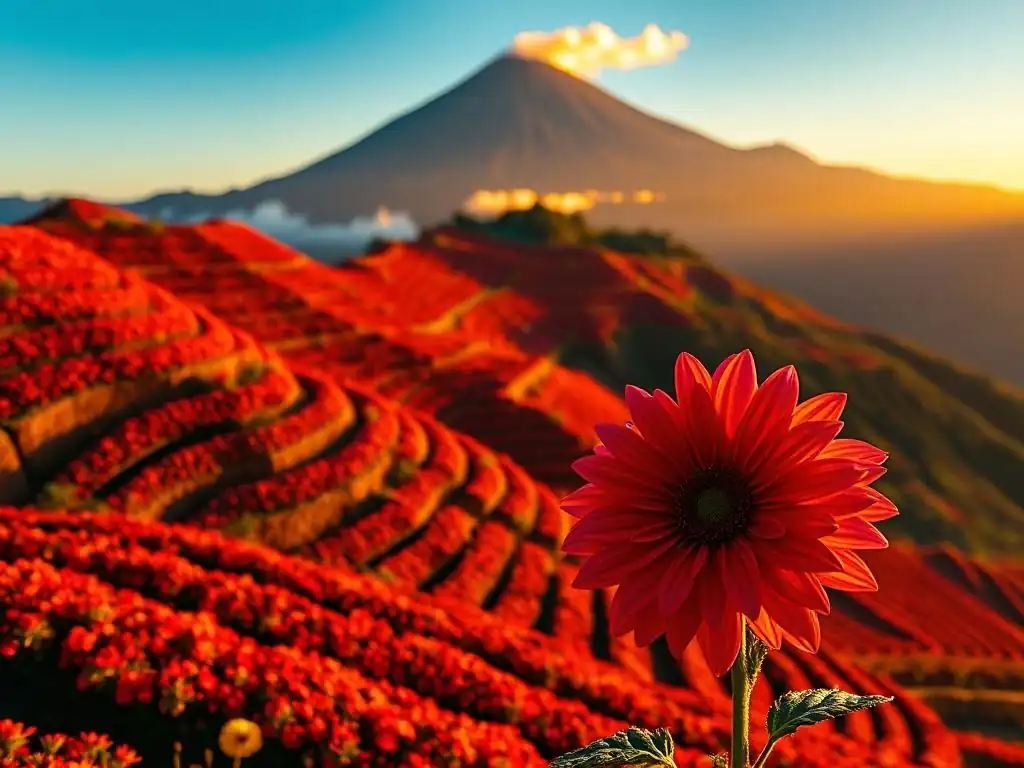
Volcanoes, often associated with destruction and devastation, paradoxically lay the foundation for unexpected prosperity in certain regions. While eruptions can be catastrophic, the volcanic soil formed over time from cooled lava and ash is incredibly fertile. This rich soil, packed with minerals and nutrients, creates unique opportunities for agriculture, particularly in the niche market of flower farming. Against the backdrop of dramatic volcanic landscapes, a burgeoning industry is taking root: volcanic flower farms. These farms are not just surviving; they are thriving, leveraging the unique benefits of volcanic soil to cultivate vibrant and sought-after blooms.
The concept of harnessing volcanic soil benefits for farming is not new, but its application to specialized crops like flowers represents an innovative approach to land use in volcanic areas. Historically, volcanic regions have been recognized for their agricultural potential, often supporting staples like coffee, fruits, and vegetables.
However, the delicate and demanding nature of flower cultivation, coupled with the premium placed on unique and high-quality floral products, makes volcanic soil an especially valuable asset. This article will explore how the inherent characteristics of volcanic soil contribute to the success of flower farms, turning potentially hazardous volcanic areas into blooming economic hubs.
The Allure of Volcanic Soil: A Foundation for Thriving Floral Businesses
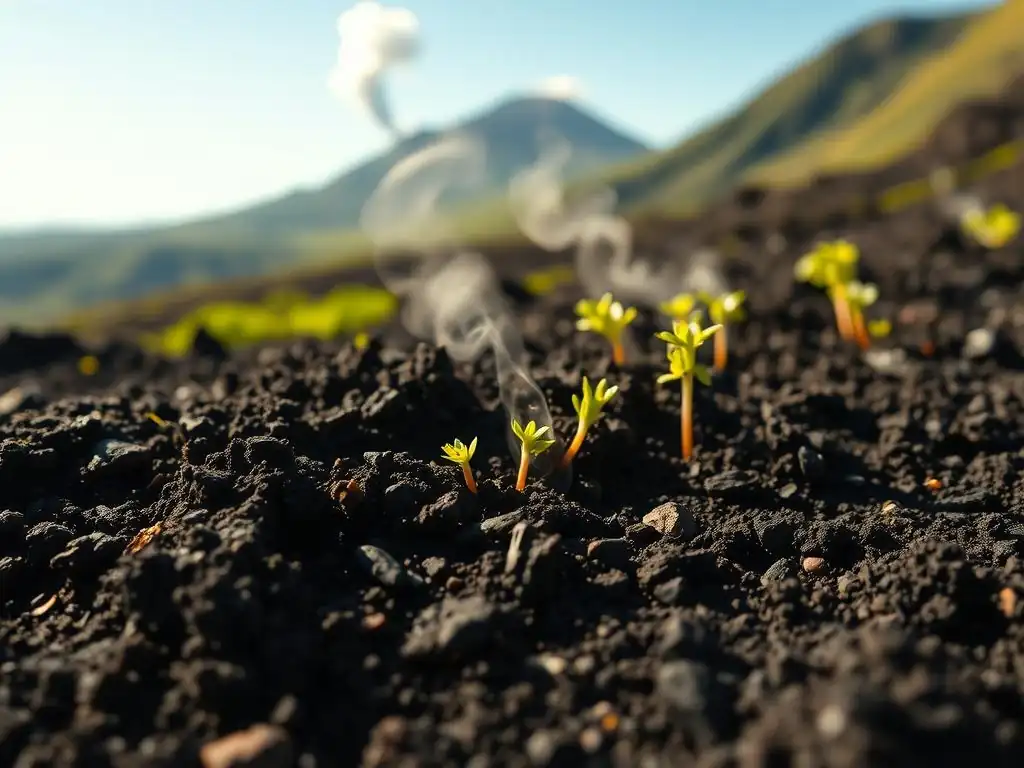
The allure of volcanic soil for flower farming lies in its exceptional composition and physical properties, which directly translate into healthier, more vibrant, and longer-lasting blooms. Unlike soils depleted by intensive agriculture or naturally lacking in essential nutrients, volcanic soil is often naturally rich in minerals such as phosphorus, potassium, calcium, magnesium, and various micronutrients crucial for plant growth and flowering. These minerals are released slowly over time, providing a sustained source of nourishment for plants, reducing the need for heavy fertilization.
Furthermore, the porous structure of volcanic soil, often derived from weathered volcanic rock and ash, offers excellent drainage and aeration. This is particularly critical for flower cultivation, as many floral species are susceptible to root rot and fungal diseases in waterlogged conditions. The well-draining nature of volcanic soil prevents water from stagnating around the roots, promoting healthy root development and reducing the risk of disease.
This natural advantage minimizes the need for artificial drainage systems and chemical treatments, contributing to more sustainable and cost-effective flower farming practices. The combination of rich mineral content and superior drainage makes volcanic soil a highly desirable medium for cultivating a wide variety of flowers, forming a robust foundation for thriving floral businesses in volcanic regions.
Frequently Asked Questions
What makes volcanic soil so beneficial for farming?
Volcanic soil is rich in essential minerals like phosphorus and potassium, promoting plant growth and health. Its porous nature also provides excellent drainage.
What types of crops typically thrive in volcanic soil?
Many crops benefit, but common examples include coffee, grapes, sugarcane, and certain types of flowers. These plants often display enhanced flavor and yield.
Are there any drawbacks to farming in volcanic regions?
Yes, potential hazards include volcanic eruptions, ashfall, and the need for careful management of soil acidity.
How do volcanic flower farms overcome the challenges of their environment?
They utilize techniques like soil amendments, terracing, and early warning systems for volcanic activity to mitigate risks and enhance productivity.
What are the long-term sustainability considerations for volcanic flower farms?
Maintaining soil health through responsible farming practices and adapting to climate change are crucial for the long-term viability of these businesses.
Okay, here's a final reflection designed to close your article "Volcanic Flower Farms: Blooming Businesses in Volcanic Regions," optimized for the keyword "Volcanic soil benefits for farming," and following the structure you provided:
Final Reflection: The Enduring Bloom of Volcanic Legacy
The vibrant success of volcanic flower farms, as we've explored, underscores the profound and often overlooked volcanic soil benefits for farming that continue to shape landscapes and livelihoods. From nutrient-rich foundations to naturally pest-resistant environments, these geological gifts are not just historical curiosities, but active drivers of thriving economies and breathtaking floral displays in volcanic regions around the world.
The resilience and beauty cultivated in these unique environments serve as a powerful reminder of nature's capacity for renewal and adaptation. Witnessing these blooming businesses, built upon the very ashes of destruction, inspires a deep appreciation for the interconnectedness of geology, agriculture, and human ingenuity. The earth laughs in flowers.
- Ralph Waldo Emerson. This simple truth, amplified by the volcanic landscape, speaks volumes about the potential for growth and prosperity even in the most challenging circumstances.
As we conclude this exploration, let us carry forward a renewed understanding of the volcanic soil benefits for farming and the remarkable potential they hold. Consider how you might apply the lessons of resilience, adaptation, and resourcefulness, learned from these volcanic flower farms, to cultivate your own "blooming business" – whether it be in agriculture, innovation, or simply in nurturing the seeds of your own personal growth. Let the enduring bloom of the volcanic legacy inspire you to find fertile ground, even in unexpected places.
Cultivate Your Own Volcanic Inspiration!
Thanks for exploring the incredible world of volcanic flower farms with us! We hope you've been inspired by the resilience and beauty found in these unique landscapes and the dedicated individuals who cultivate them. Now, let's turn that inspiration into action.
Here are a few ways you can connect with this incredible story:
- Learn more and support volcanic flower farms! Discover a farm—near or far—and consider purchasing their unique blooms or contributing to their sustainable practices.
- Share the beauty: Post a photo of your favorite flowers on social media, tagging #VolcanoExplorers and inspiring others with nature's resilience.
- Plan a future adventure: Research eco-tourism opportunities in volcanic regions and add a visit to a flower farm to your travel bucket list!
What steps will you take to support these blooming businesses and the communities that surround them? Share your ideas in the comments below!