Unlocking the Power Beneath Your Feet: Geothermal Heating and Power in Volcanic Regions
Volcanic regions are not just landscapes of destruction; they are treasure troves of renewable energy. Geothermal heating and power in volcanic regions harness the immense heat trapped beneath the Earth’s crust, turning fiery magma into a sustainable resource for electricity and direct heating. At Volcano Explorers, we dive deep into how this natural marvel works, from high-enthalpy steam fields to low-temperature district heating networks. Whether you are an energy enthusiast, a sustainable living advocate, or a curious traveler, this guide will illuminate how volcanic heat powers homes, industries, and entire cities—while offering a cleaner alternative to fossil fuels.
🌋 How Volcanic Heat Is Captured for Geothermal Energy
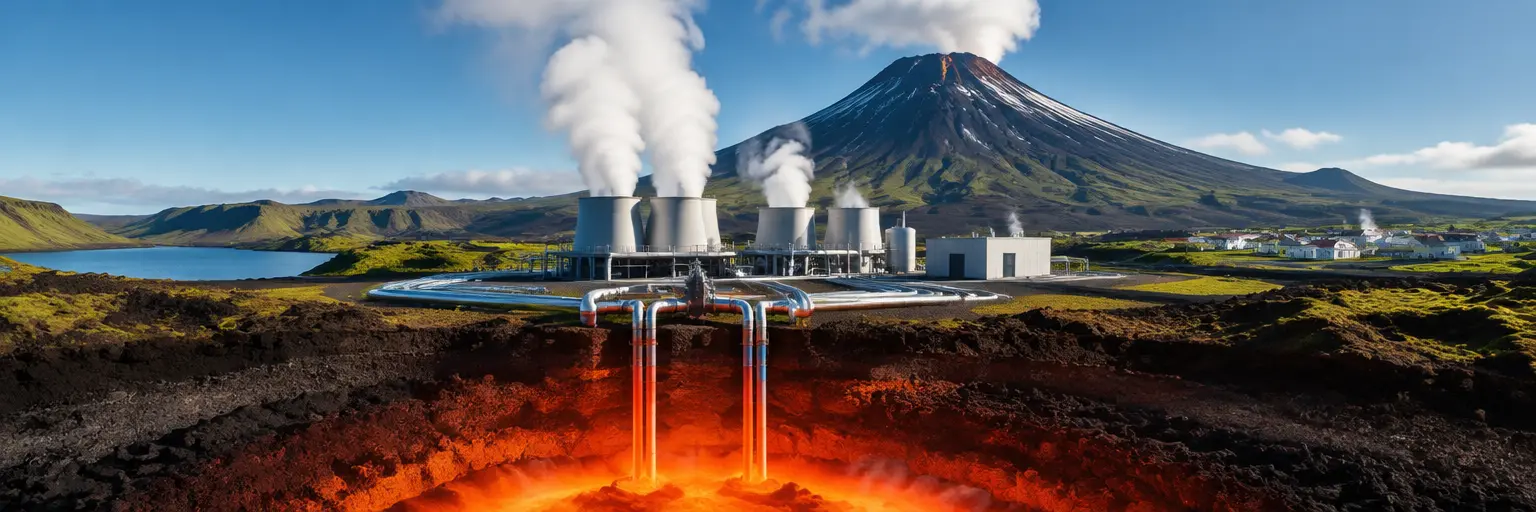
Volcanic regions feature exceptionally high geothermal gradients, where underground temperatures can exceed 200°C at shallow depths. The process begins with drilling wells—often 1 to 3 kilometers deep—into fractured rock or porous reservoirs filled with superheated water or steam. This fluid is brought to the surface under pressure, then directed to turbines that spin generators to produce electricity. For direct heating, the hot brine is piped into heat exchangers to warm buildings, greenhouses, or industrial processes. The key is the hydrological cycle: cold water is injected back into the reservoir to maintain pressure and sustainability over decades.
Modern facilities like Iceland’s Hellisheiði Power Station use this exact method, generating over 300 MW of electricity and heat simultaneously. The beauty lies in the system’s closed-loop nature—water is recycled, and emissions are minimal. For residents near volcanoes, this means a reliable, baseload energy source that does not fluctuate with weather, unlike solar or wind. Moreover, volcanic geothermal plants have a small land footprint, preserving scenic landscapes while producing power.
⚡ Powering Cities with Volcanic Geothermal Plants
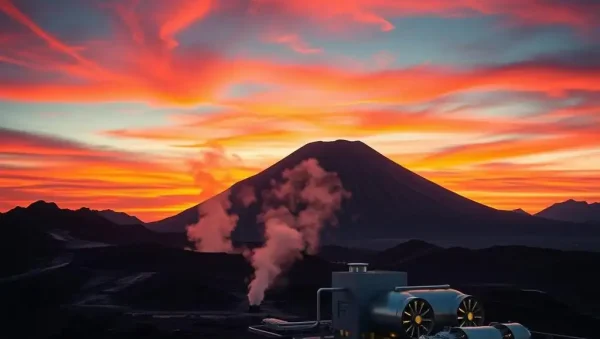
Iceland leads the world, deriving nearly 30% of its electricity from geothermal—mostly in volcanic zones like the Reykjanes Peninsula. The 200 MW Reykjanes Power Station sits directly on the Mid-Atlantic Ridge, tapping 300°C brine from 2,000 meters below. Meanwhile, New Zealand’s Wairakei and Kawerau plants harness the Taupō Volcanic Zone, supplying steady electricity to North Island. In the Philippines, the Tiwi and MakBan facilities capitalize on the country’s volcanic arc, producing over 800 MW collectively. These case studies prove that volcanic geology plus advanced engineering equals a scalable, green energy solution.
What can you expect from these projects? Local job creation, energy independence, and reduced carbon footprints. For example, Kenya’s Olkaria field in the East African Rift generates over 200 MW, powering 500,000 homes while cutting diesel imports. However, development requires careful seismic monitoring to avoid triggering earthquakes or depleting reservoirs. Leading operators use microseismic imaging and tracer tests to balance extraction with recharge. This technical finesse ensures that volcanic regions become long-term energy allies, not short-term exploitation zones.
🏠 Direct Geothermal Heating for Homes and Greenhouses
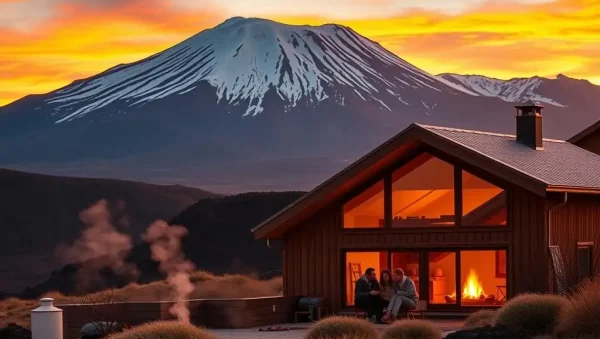
Beyond electricity, volcanic heat provides district heating—the direct distribution of hot water through insulated pipes to communities. Reykjavík’s pioneering system uses low-temperature (80–100°C) geothermal water to heat 95% of the city’s buildings. This eliminates the need for oil boilers, reducing urban air pollution drastically. Greenhouses in Iceland grow tropical fruits like bananas and tomatoes using volcanic warmth, proving that agriculture thrives in cold climates when geothermal is available. This technology is also spreading to Italy’s Tuscany, where geothermal heat supports spa resorts and pasta-drying facilities.
For homeowners in volcanic zones, installing a geothermal heat pump (which extracts heat from shallow ground) can lower heating bills by up to 70% compared to electric resistance. Even without deep drilling, the constant ground temperature in volcanic areas—often 15–25°C—offers exceptional efficiency. Municipal initiatives in Japan’s Kyushu region and France’s Alsace show how public-private partnerships can finance such infrastructure. Expect lower maintenance costs and a drastic reduction in fossil fuel reliance, making these systems ideal for sustainable living near volcanic landscapes.
🌱 Environmental Benefits and Sustainability Challenges
Geothermal energy in volcanic regions emits up to 90% less CO₂ than natural gas per megawatt-hour. It also avoids the land destruction of hydroelectric dams and the visual pollution of wind farms. However, managing induced seismicity and hydrogen sulfide (H₂S) emissions is critical. Modern plants use scrubbers to convert H₂S into elemental sulfur, a valuable byproduct. Reinjection of cooled brine prevents surface pollution and maintains reservoir pressure. For example, the Larderello field in Italy has operated since 1913, proving that careful stewardship can sustain production for over a century.
Still, not all volcanic sites are viable—permeability, temperature, and water chemistry dictate feasibility. High-salinity brines can corrode pipes, requiring titanium or specialized alloys. Moreover, open-loop systems risk contaminating freshwater aquifers if casing fails. That is why environmental impact assessments are mandatory before drilling. When done right, geothermal supports circular economies, with heat and minerals extracted in cascade. Some plants even recover lithium from geothermal brines, providing battery metals for EVs. This dual value turns volcanic regions into strategic hubs for the green transition.
🛠️ Technology Innovations and Future Prospects
Next-generation Enhanced Geothermal Systems (EGS) are unlocking volcanic-like zones without natural reservoirs. By injecting water into hot, dry rock (e.g., granite at 300°C), engineers fracture it to create artificial permeability. The U.S. FORGE project in Utah and the European HORIZON 2020 initiative demonstrate breakthroughs in stimulation and monitoring. Additionally, closed-loop designs—where a working fluid circulates in a sealed pipe—eliminate water loss and seismic risk entirely. These systems can operate in volcanic regions where traditional wells fail, expanding geothermal potential 10-fold.
Future plants aim for cogeneration of electricity, heat, and hydrogen via electrolysis using surplus power. For instance, Japan’s Hachijojima volcanic island tests green hydrogen production from geothermal steam. Iceland’s CarbFix project injects CO₂ into basalt, mineralizing it within two years—turning a plant into a carbon sink. With global geothermal capacity projected to triple by 2030, volcanic regions are poised to be the backbone of clean baseload energy. Your takeaway? Expect cheaper, safer, and smarter geothermal as automation and AI optimize reservoir management.
Frequently Asked Questions
Is geothermal energy safe for people living near volcanoes?
Yes, when properly engineered. Modern plants monitor ground movement with seismometers and shut down automatically if abnormal tremors occur. Reinjection of fluids reduces earthquake risk, and gas treatment prevents toxic exposure. Decades of operation in Iceland and New Zealand show minimal impact, while benefits—stable employment and clean energy—greatly outweigh hazards.
How much does it cost to install a geothermal heat pump in a volcanic region?
Costs range from $15,000 to $35,000 for a residential system, including drilling and equipment. However, volcanic areas often have shallow high-temperature ground, reducing drilling depth. Tax credits and utility rebates can cut upfront costs by 30%. Long-term savings on heating typically repay the investment within 7–12 years, making it financially attractive.
Can geothermal power cause the volcanic eruption to become more active?
No. Geothermal wells extract fluid or heat from shallow reservoirs (1–3 km), while volcanic magma chambers sit at 5–10 km depths. There is no direct connection. Pressure changes in the reservoir are negligible compared to the immense forces driving magma ascent. Global data shows zero induced volcanic eruptions from geothermal activities.
What are the main downsides of geothermal energy in volcanic zones?
Potential issues include H₂S odor, land subsidence if too much water is removed, and high initial drilling costs. There is also a small risk of induced seismicity—but it is akin to minor tremors, not destructive quakes. Mitigation measures like injection, casing, and real-time monitoring effectively minimize these concerns.
Which countries have the most geothermal power in volcanic regions?
Iceland (30% of electricity), El Salvador (25%), Costa Rica (15%), Kenya (12%), and New Zealand (18%) lead. The U.S. (California’s Geysers and Hawaii) and the Philippines also rank high. All these nations leverage volcanic arcs or hotspots, proving that volcanic regions are the premier locations for geothermal energy.