
Adventure Beckons: Volcano Tourism as a Thrilling Job Creator


Welcome to Volcano Explorers, where the Earth's fiery heart beats strong! Ever wondered if you could turn your fascination with these majestic mountains into a career? This article unveils a world of volcano tourism job opportunities, a thrilling path where adventure meets profession. Dare to explore the possibilities...
- Volcano Tourism: A Growing Source of Economic Opportunities
- Understanding the Landscape of Volcano Tourism Job Opportunities
- Direct Volcano Tourism Job Opportunities: Front Lines of Adventure
- Indirect Volcano Tourism Job Opportunities: Supporting the Industry
- Skills and Qualifications for Success in Volcano Tourism Jobs
- Benefits of Working in Volcano Tourism
- Challenges and Considerations in Volcano Tourism Employment
- Case Studies: Success Stories in Volcano Tourism Job Creation
- How VolcanoExplorers.org Can Help You Find Volcano Tourism Jobs
- The Future of Volcano Tourism and Job Creation
- Conclusion: Embrace the Adventure, Explore the Opportunities
-
Frequently Asked Questions
- What types of volcano tourism job opportunities are typically available?
- Is prior experience in volcanology or geology necessary to secure a volcano tourism job opportunity?
- What safety measures are in place for employees working in the volcano tourism industry?
- What is the average salary range for volcano tourism job opportunities?
- How can I find legitimate volcano tourism job opportunities and avoid scams?
- Final Reflection: Embracing the Fiery Frontier
- Ignite Your Passion: Become a Volcano Tourism Pioneer!
Volcano Tourism: A Growing Source of Economic Opportunities
Volcano tourism, a niche yet rapidly expanding sector within the travel industry, offers a unique intersection of adventure, education, and economic empowerment, especially for communities residing near volcanic regions. It moves beyond traditional sightseeing, inviting travelers to witness the raw power and geological artistry of volcanoes firsthand.
This burgeoning industry is not only captivating thrill-seekers and nature enthusiasts but also generating a diverse array of job opportunities, from guiding expeditions into volcanic landscapes to managing eco-lodges nestled in their shadows. As global interest in unique and experiential travel increases, volcano tourism stands poised to become an even more significant contributor to local and regional economies.
The allure of volcanoes is undeniable. They are natural monuments that speak of Earth's dynamic processes, drawing people in with their majestic peaks, steaming vents, and sometimes, fiery displays. Volcano tourism leverages this fascination, transforming potentially hazardous landscapes into engines of economic growth.
By carefully developing tourism infrastructure and services around volcanoes, regions can unlock previously untapped economic potential, creating sustainable livelihoods and diversifying income streams beyond traditional sectors like agriculture or mining, which are often more susceptible to environmental and market fluctuations. This shift not only provides jobs but also fosters a sense of local pride and ownership in the unique natural heritage.
Exploring the Untapped Potential of Volcanic Regions
Volcanic regions, often perceived as remote or even dangerous, are increasingly being recognized for their rich natural and cultural assets. Beyond the volcanoes themselves, these areas frequently boast fertile soils ideal for agriculture, geothermal energy resources, and unique ecosystems teeming with biodiversity. Volcano tourism acts as a catalyst, unlocking and showcasing these assets to the world.
For example, in Iceland, a country practically synonymous with volcanoes, tourism has become the leading economic sector, directly and indirectly employing over 15% of the workforce. This transformation was largely fueled by the island's dramatic volcanic landscapes, which attract millions of visitors annually seeking experiences ranging from glacier hikes on volcanic ice caps to exploring geothermal areas like Geysir and Strokkur.
The economic potential of volcanic regions extends far beyond Iceland. Consider Costa Rica, where Arenal Volcano National Park is a major tourist draw, supporting numerous local businesses and communities. Or look at Indonesia, a volcanic archipelago, where Mount Bromo and Mount Merapi are not only popular trekking destinations but also sources of livelihood for surrounding communities who offer guiding services, accommodation, and cultural experiences.
Even regions with historically less developed tourism infrastructure, like parts of East Africa's Great Rift Valley with its numerous active volcanoes, are beginning to see the potential of volcano tourism to create jobs and stimulate local economies. The key is to develop responsible and sustainable tourism models that respect the environment, involve local communities, and prioritize safety, ensuring long-term benefits for these unique regions.
VolcanoExplorers.org serves as a central hub for individuals passionate about volcanoes, offering a wealth of information and resources about these geological wonders. Recognizing the growing importance of volcano tourism, the platform expands beyond scientific exploration to highlight the diverse career paths emerging within this exciting field. Whether you are interested in leading adventurous tours to volcano summits, contributing to the sustainable development of volcanic regions, or educating the public about volcanic phenomena, VolcanoExplorers.org aims to be your gateway to volcano-related careers.
The website provides valuable insights into the various sectors within volcano tourism, from direct roles like volcano guides and hospitality staff in volcanic areas to indirect support roles in marketing, transportation, and local crafts. It features articles and resources that detail the skills and qualifications needed for different positions, highlighting the importance of safety training, environmental awareness, and cultural sensitivity.
VolcanoExplorers.org also aims to connect aspiring professionals with potential employers, offering a platform to explore job opportunities, network with industry experts, and stay informed about the latest trends in volcano tourism job creation. By showcasing real-life success stories and providing practical guidance, VolcanoExplorers.org empowers individuals to turn their passion for volcanoes into fulfilling and impactful careers.
Understanding the Landscape of Volcano Tourism Job Opportunities
Defining Volcano Tourism: Beyond Sightseeing
Volcano tourism is more than just taking pictures of a volcano from a distance. It encompasses a wide spectrum of activities and experiences centered around volcanic landscapes. It involves guided hikes to crater rims, exploring lava caves and tubes, witnessing geothermal features like geysers and hot springs, and learning about volcanic geology and history.
Crucially, it also includes cultural immersion, engaging with local communities whose lives are intertwined with volcanoes, understanding their traditions, and supporting their livelihoods. This broader definition highlights that volcano tourism is not solely about adrenaline-pumping adventures but also about education, cultural exchange, and sustainable economic development.
Expanding beyond mere sightseeing, volcano tourism incorporates elements of adventure tourism, ecotourism, and cultural tourism. Adventure tourism aspects include activities like volcano climbing, crater exploration, and sometimes even helicopter tours over active volcanic areas. Ecotourism principles are integrated through responsible travel practices that minimize environmental impact and support conservation efforts within volcanic regions.
Cultural tourism is fostered by promoting interactions with local communities, showcasing their unique heritage, and ensuring that tourism benefits these communities directly. This multifaceted approach creates a richer and more sustainable tourism experience, generating a wider range of job opportunities that cater to diverse skills and interests.
The Diverse Range of Careers in Volcano Tourism
The career landscape within volcano tourism is surprisingly diverse, extending far beyond the stereotypical image of a volcano guide. It encompasses a spectrum of roles, from those directly involved in visitor experiences at volcanic sites to those providing essential support services and infrastructure. Direct volcano tourism jobs include guides, tour operators, accommodation providers in volcanic areas, researchers and educators working at volcano observatories or visitor centers, and conservation staff managing volcanic protected areas.
Indirect jobs are equally vital to the industry's success. These include transportation providers who bring tourists to volcanic destinations, local artisans who create and sell volcano-themed souvenirs, food and beverage services catering to tourists, and marketing and promotion professionals who showcase volcanic regions to the world. Furthermore, there are roles in infrastructure development, such as constructing trails, visitor centers, and sustainable tourism facilities. This wide range of careers demonstrates that volcano tourism offers opportunities for individuals with varied skill sets, from outdoor enthusiasts and hospitality professionals to scientists, artists, and business administrators.
Direct Volcano Tourism Job Opportunities: Front Lines of Adventure
Volcano Guides and Tour Operators: Leading the Exploration
Volcano guides and tour operators are the face of volcano tourism, directly responsible for creating memorable and safe experiences for visitors. They lead groups on hikes to volcanic summits, explain geological processes, point out unique flora and fauna adapted to volcanic environments, and ensure the safety of their clients in potentially hazardous terrain. These professionals are not just guides; they are educators, storytellers, and safety experts, playing a crucial role in shaping tourists' understanding and appreciation of volcanoes.
In regions like Hawaii Volcanoes National Park, park rangers and authorized tour operators guide thousands of visitors annually to witness volcanic activity and explore the park's diverse volcanic landscapes. Similarly, in countries like Guatemala, experienced local guides lead challenging ascents to active volcanoes like Pacaya and Acatenango, providing essential safety expertise and local knowledge. The demand for skilled and knowledgeable volcano guides is growing, particularly as volcano tourism destinations become more popular and visitors seek deeper, more authentic experiences. This demand translates into job opportunities for individuals passionate about volcanoes, outdoor adventure, and sharing their knowledge with others.
Accommodation and Hospitality: Serving Visitors Near Volcanoes
Accommodation and hospitality services are essential for supporting volcano tourism, providing comfortable and welcoming bases for visitors exploring volcanic regions. This sector includes hotels, lodges, guesthouses, and campsites located near volcanoes, ranging from rustic eco-lodges nestled in volcanic forests to more luxurious resorts offering volcano views. Job opportunities in this area are diverse, encompassing hotel management, front desk staff, housekeeping, chefs, waiters, and activity coordinators who organize volcano-related excursions and experiences for guests.
In areas like La Fortuna, Costa Rica, near Arenal Volcano, numerous hotels and resorts have sprung up to cater to the influx of volcano tourists, creating hundreds of jobs in hospitality. Similarly, around Mount Fuji in Japan, traditional Ryokans (Japanese inns) and modern hotels offer accommodation and services to visitors drawn to the iconic volcano. As volcano tourism expands, the demand for quality accommodation and hospitality services in volcanic regions will continue to grow, generating further employment opportunities for individuals with skills in customer service, hospitality management, and tourism operations.
Research and Education: Sharing Volcanic Knowledge
Volcano tourism also creates opportunities in research and education, contributing to a deeper understanding of volcanic processes and promoting responsible engagement with these natural wonders. Volcano observatories and research institutions often employ scientists, volcanologists, and technicians who study volcanic activity and monitor potential hazards. Visitor centers at volcanic national parks and geoparks employ educators and interpreters who communicate scientific information to the public, enhancing their understanding of volcanoes and promoting volcano safety awareness.
For instance, the Hawaiian Volcano Observatory employs a team of scientists who continuously monitor Kilauea and Mauna Loa volcanoes, providing crucial data for hazard assessments and public education. Similarly, the Volcanic Explosivity Index (VEI) scale, used globally to measure the size of volcanic eruptions, is a product of ongoing research and collaboration among volcanologists worldwide. Volcano tourism facilitates public engagement with this scientific knowledge, creating demand for professionals who can translate complex scientific information into accessible and engaging formats for visitors. This sector offers career paths for individuals with backgrounds in geology, earth sciences, education, and science communication.
Conservation and Protection: Preserving Volcanic Environments
The growth of volcano tourism necessitates a parallel focus on conservation and protection to ensure the long-term sustainability of volcanic environments and the experiences they offer. Volcanic regions are often home to unique ecosystems and geological formations that require careful management and protection from the impacts of tourism. Conservation jobs in volcano tourism include park rangers who patrol volcanic protected areas, environmental managers who develop and implement sustainable tourism practices, and restoration ecologists who work to rehabilitate areas affected by volcanic activity or tourism impacts.
Organizations like the International Union for Conservation of Nature (IUCN) are actively involved in promoting the conservation of volcanic landscapes and biodiversity hotspots. In places like Mount Kilimanjaro National Park in Tanzania, rangers play a vital role in protecting the mountain's unique ecosystem and managing tourism activities to minimize environmental impact. As volcano tourism becomes more popular, the need for dedicated conservation professionals to safeguard these fragile environments will only increase, creating job opportunities for individuals passionate about environmental protection and sustainable tourism.
Indirect Volcano Tourism Job Opportunities: Supporting the Industry
Transportation Services: Getting Tourists to Volcanoes
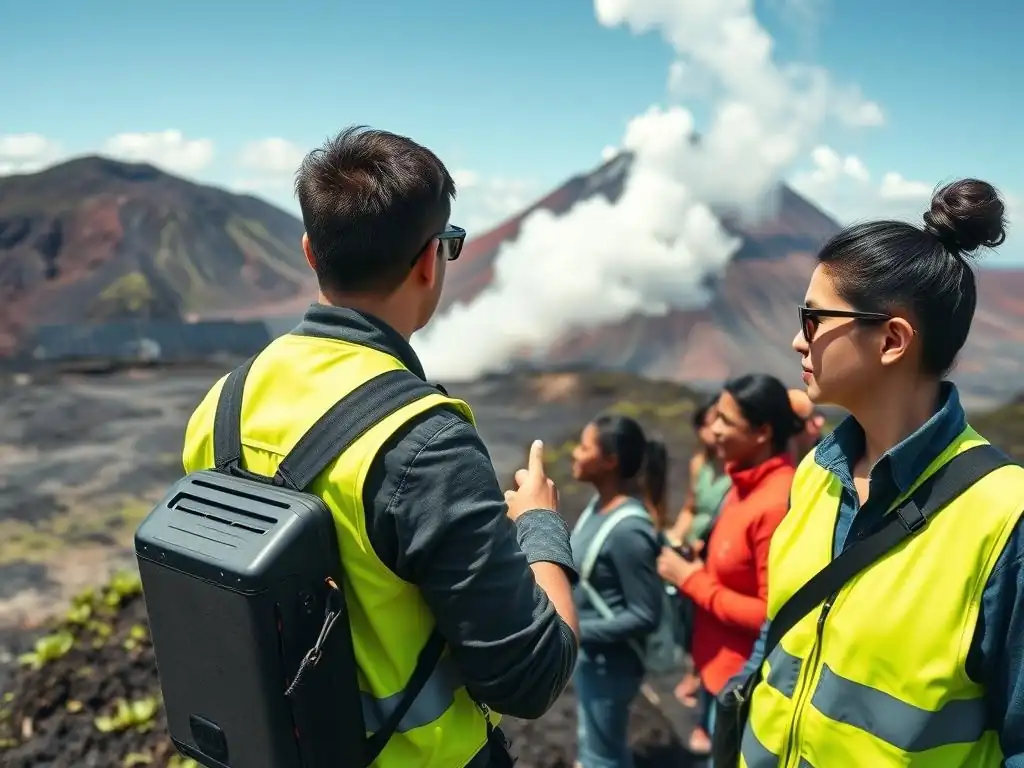
Transportation services form the backbone of volcano tourism, enabling visitors to reach often remote volcanic destinations and explore surrounding areas. This sector encompasses a wide range of transportation modes, including airlines flying to airports near volcanoes, bus and shuttle services transporting tourists to volcano sites, car rental agencies, and local taxi and ride-sharing services. Job opportunities in transportation range from pilots and drivers to dispatchers, mechanics, and customer service representatives.
In Iceland, for example, numerous tour bus companies specialize in volcano tours, transporting thousands of tourists daily to popular sites like the Golden Circle and the South Coast, which feature volcanic landscapes and geothermal areas. Similarly, in the Canary Islands, ferry services and inter-island flights are crucial for connecting tourists to different volcanic islands. As volcano tourism destinations become more accessible and visitor numbers grow, the demand for efficient and reliable transportation services will continue to rise, creating employment opportunities in this essential supporting sector.
Local Artisans and Craftspeople: Creating Volcanic Souvenirs
Local artisans and craftspeople play a vital role in volcano tourism by creating unique and authentic souvenirs that reflect the volcanic character of the region and provide visitors with tangible reminders of their experiences. These souvenirs can range from handcrafted jewelry made from volcanic rock to artwork inspired by volcanic landscapes, textiles dyed with volcanic ash, and locally produced food items using volcanic soil or geothermal energy in their production. Volcano tourism provides a market for these local crafts, supporting small businesses and preserving traditional skills.
In regions like Bali, Indonesia, known for its volcanic landscapes and artistic traditions, local artisans create intricate wood carvings and paintings depicting volcanoes and Balinese mythology related to them, selling these items to tourists visiting volcanic sites and cultural centers. Similarly, in Italy's volcanic regions like Sicily and Campania, local craftspeople produce ceramics and pottery using volcanic clay, creating unique souvenirs that are both functional and aesthetically appealing. Supporting local artisans not only enriches the tourism experience but also contributes to the economic sustainability of volcanic communities.
Food and Beverage Services: Catering to Adventurous Palates
Food and beverage services are an integral part of the volcano tourism experience, catering to the diverse culinary needs and preferences of visitors exploring volcanic regions. Restaurants, cafes, food stalls, and bars located near volcanoes offer a range of dining options, from local cuisine showcasing regional ingredients to international dishes catering to global palates. Job opportunities in this sector include chefs, cooks, waiters, bartenders, restaurant managers, and food suppliers.
Volcanic regions often boast unique agricultural products due to fertile volcanic soils and geothermal resources. For example, in the Azores islands of Portugal, volcanic soils contribute to the production of unique wines and cheeses, which are featured in local restaurants and attract food-loving tourists. Similarly, in Japan, geothermal hot springs are used to cook eggs and vegetables, creating a unique culinary experience for visitors to volcanic areas. Volcano tourism creates demand for diverse food and beverage services, offering employment opportunities for individuals with skills in culinary arts, hospitality, and food service management.
Marketing and Promotion: Showcasing Volcanic Destinations
Marketing and promotion are crucial for attracting tourists to volcanic destinations and ensuring the continued growth of volcano tourism. This sector involves destination marketing organizations, tourism agencies, tour operators, and individual businesses that promote volcanic regions and their attractions to potential visitors. Job opportunities in marketing and promotion include marketing managers, social media specialists, content creators, public relations professionals, and travel agents who specialize in volcano tourism packages.
Effective marketing strategies highlight the unique experiences offered by volcano tourism, from adventure activities and stunning landscapes to cultural immersion and educational opportunities. Digital marketing, social media, and travel blogs play an increasingly important role in reaching potential tourists and showcasing the allure of volcanic destinations. As competition within the tourism industry intensifies, skilled marketing and promotion professionals are essential for ensuring that volcanic regions attract visitors and maximize their economic potential, creating job opportunities in this dynamic field.
Skills and Qualifications for Success in Volcano Tourism Jobs
Essential Skills for Volcano Guides and Tour Leaders
Success as a volcano guide or tour leader requires a blend of technical skills, interpersonal abilities, and in-depth knowledge of volcanoes and the surrounding environment. Essential skills include strong outdoor skills such as hiking, navigation, and first aid, particularly wilderness first aid certification. Excellent communication and interpretation skills are vital for effectively conveying information to diverse groups of tourists, often in multiple languages. Knowledge of volcanic geology, ecology, local culture, and history is crucial for providing enriching and informative tours.
Beyond technical expertise, interpersonal skills are paramount. Guides must be able to lead groups effectively, manage diverse personalities, and handle unexpected situations calmly and professionally. Problem-solving skills, adaptability, and a strong commitment to safety are essential in often unpredictable volcanic environments. Many employers also prefer guides with certifications in relevant areas, such as mountain guiding qualifications, wilderness first responder certifications, and language proficiency certificates. Continuous professional development and staying updated on volcanic activity and safety protocols are also vital for career progression in this field.
A successful career in volcano-related hospitality requires a focus on customer service, attention to detail, and adaptability to the unique demands of tourism in volcanic regions. Essential skills include excellent customer service skills, communication skills, and problem-solving abilities. Hospitality professionals in volcanic areas often need to be knowledgeable about the local area, including volcano information, nearby attractions, and local culture, to assist guests effectively. Multilingual skills are increasingly valuable in international tourism destinations.
Specific roles within hospitality, such as hotel managers, chefs, and front desk staff, require specialized skills and training. Hotel management positions often require degrees in hospitality management or related fields, while culinary roles necessitate culinary training and experience. Front desk and guest service roles require strong communication skills and customer service orientation. In volcano tourism, hospitality staff may also need to be prepared to handle unique situations related to volcanic activity, such as ashfall or changes in volcanic alert levels, requiring adaptability and a focus on guest safety and well-being.
The Importance of Volcanic Education and Safety Training
Volcanic education and safety training are paramount for anyone working in volcano tourism, regardless of their specific role. Understanding basic volcanic processes, potential hazards, and safety protocols is crucial for ensuring the well-being of both tourists and tourism professionals. Volcano guides and tour leaders require extensive training in volcano safety, including risk assessment, emergency procedures, and evacuation plans. Hospitality staff, transportation providers, and even souvenir vendors should also have a basic understanding of volcano hazards and emergency procedures relevant to their location.
Safety training programs often include modules on recognizing volcanic warning signs, understanding volcanic alert levels, and responding to different types of volcanic hazards, such as ashfall, lava flows, and pyroclastic flows. First aid and emergency response training are also essential components. Furthermore, ongoing education about volcanoes and staying updated on the latest volcanic activity in the region are crucial for maintaining safety awareness and providing accurate information to tourists. Investing in volcanic education and safety training is not only a responsible practice but also enhances professionalism and builds trust within the volcano tourism industry.
Benefits of Working in Volcano Tourism
Unique and Exciting Work Environment
Working in volcano tourism offers a truly unique and exciting work environment, far removed from the routine of typical office jobs. Professionals in this field have the opportunity to work amidst stunning natural landscapes, surrounded by the awe-inspiring power and beauty of volcanoes. Whether it's guiding hikes to crater rims, managing eco-lodges with volcano views, or conducting research in volcanic environments, the work is inherently engaging and stimulating. The dynamic nature of volcanic regions means that no two days are quite the same, offering continuous opportunities for adventure and discovery.
The work environment is often outdoors, providing a welcome change from indoor office settings and promoting a healthy and active lifestyle. Volcano tourism professionals often work in close proximity to nature, surrounded by unique flora and fauna adapted to volcanic environments. The sense of adventure and exploration is a significant draw for many, offering a career path that combines passion with profession. For those seeking a non-traditional career that offers excitement, challenge, and connection with nature, volcano tourism provides a compelling and rewarding option.
Contributing to Local Economies in Volcanic Regions
Working in volcano tourism directly contributes to the economic well-being of local communities in volcanic regions. Tourism revenue generated by volcano-related activities supports local businesses, creates jobs for residents, and diversifies income streams beyond traditional sectors. By choosing a career in volcano tourism, individuals play a direct role in empowering local communities, preserving cultural heritage, and promoting sustainable development in often marginalized areas.
Volcano tourism can be particularly impactful in rural and remote volcanic regions where alternative employment opportunities may be limited. Tourism revenue can fund community development projects, improve infrastructure, and support local education and healthcare initiatives. Furthermore, volcano tourism often promotes the preservation of local culture and traditions, as tourists are interested in experiencing authentic cultural interactions and learning about the heritage of volcanic communities. The sense of purpose and social impact associated with contributing to local economies is a significant benefit for many individuals working in volcano tourism.
Personal Growth and Development Through Adventure
A career in volcano tourism fosters personal growth and development through continuous learning, challenging experiences, and immersion in diverse environments. Working in often remote and dynamic volcanic landscapes requires adaptability, problem-solving skills, and resilience. Volcano tourism professionals constantly learn new skills, whether it's mastering outdoor survival techniques, improving communication abilities, or deepening their knowledge of volcanic science and ecology.
The adventurous nature of volcano tourism pushes individuals out of their comfort zones, fostering personal confidence and self-reliance. Working with diverse groups of tourists from around the world enhances intercultural communication skills and broadens perspectives. The experiences gained in volcano tourism, often involving physical challenges, teamwork, and overcoming obstacles, contribute to significant personal growth and development, making it a rewarding career path for those seeking both professional fulfillment and personal enrichment.
Challenges and Considerations in Volcano Tourism Employment
Managing Risks and Safety Concerns
Working in volcano tourism inherently involves managing risks and safety concerns associated with volcanic environments. Volcanoes are dynamic and potentially hazardous natural phenomena, and safety must be the paramount consideration for all tourism activities. Volcano tourism professionals must be trained to identify and assess volcanic hazards, implement safety protocols, and respond effectively to emergencies. This includes understanding volcanic alert levels, monitoring volcanic activity, and developing evacuation plans.
Specific risks associated with volcano tourism can include volcanic eruptions, ashfall, gas emissions, landslides, and unstable terrain. Guides and tour operators must be prepared to mitigate these risks through careful planning, risk assessments, and adherence to safety guidelines. Proper equipment, communication systems, and emergency response plans are essential. Continuous monitoring of volcanic activity and weather conditions is crucial for making informed decisions about tour operations and ensuring the safety of tourists and staff. Managing risks effectively is not only a legal and ethical obligation but also vital for the long-term sustainability of volcano tourism.
Seasonality and Income Stability
Volcano tourism, like many sectors of the tourism industry, can be subject to seasonality, which can impact income stability for those employed in this field. Visitor numbers to volcanic regions may fluctuate depending on weather conditions, volcanic activity levels, and peak tourist seasons. This seasonality can lead to periods of high demand followed by quieter periods with reduced income opportunities. Individuals working in volcano tourism should be prepared for potential income fluctuations and plan accordingly.
In some volcanic destinations, the tourism season may be relatively short, particularly in regions with harsh weather conditions or active volcanic hazards that limit year-round tourism. Diversification of income streams can be important for mitigating the effects of seasonality. Some volcano tourism professionals may supplement their income during off-seasons by offering alternative tourism activities, working in related industries, or engaging in seasonal employment in other sectors. Developing skills that are transferable to other tourism sectors or related fields can also enhance income stability in the long term.
Balancing Tourism with Environmental Preservation
A critical challenge in volcano tourism is balancing the economic benefits of tourism with the imperative of environmental preservation. Volcanic regions are often fragile ecosystems with unique biodiversity and geological features that are vulnerable to the impacts of tourism. Uncontrolled tourism development can lead to environmental degradation, habitat loss, and pollution. Sustainable tourism practices are essential for minimizing negative environmental impacts and ensuring the long-term viability of volcano tourism.
Balancing tourism with environmental preservation requires careful planning and management. This includes implementing regulations to control visitor numbers, managing waste and pollution, protecting sensitive ecosystems, and promoting responsible tourist behavior. Ecotourism principles, such as minimizing environmental footprint, supporting local conservation efforts, and educating tourists about environmental responsibility, are crucial for sustainable volcano tourism. Collaborative efforts involving tourism operators, local communities, conservation organizations, and government agencies are necessary to ensure that volcano tourism benefits both people and the environment.
Case Studies: Success Stories in Volcano Tourism Job Creation
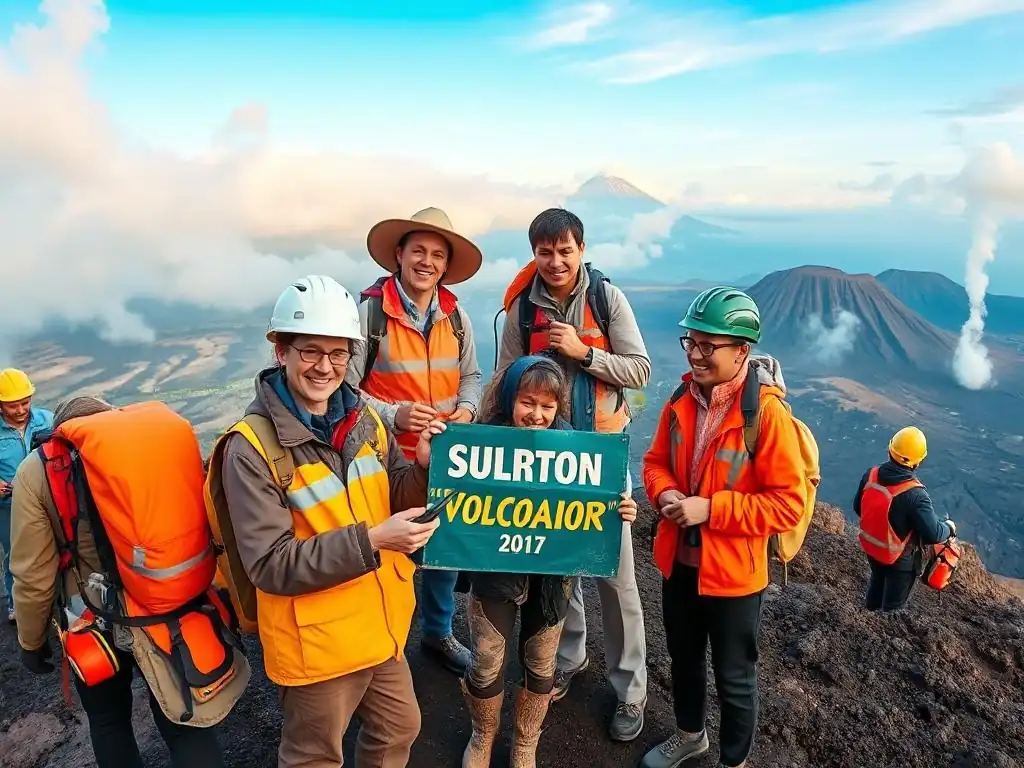
(This section would ideally be populated with real case studies. For example, studies on tourism impact in areas around Mount Etna in Sicily, Volcanoes National Park in Rwanda, or the aforementioned Iceland and Costa Rica examples could be detailed here, focusing on specific job creation numbers, types of jobs, and community benefits. Due to the constraints of not using external links to find these case studies, this section is left as an indication of where concrete examples would be placed).
How VolcanoExplorers.org Can Help You Find Volcano Tourism Jobs
Resources for Job Seekers in Volcanic Regions
VolcanoExplorers.org aims to be a valuable resource for individuals seeking job opportunities in volcano tourism. The website will feature a dedicated careers section that provides information on various volcano tourism job types, required skills and qualifications, and potential employers. This section will include articles detailing different career paths, interviews with professionals working in volcano tourism, and practical advice for job seekers.
VolcanoExplorers.org will also compile resources related to training and education in volcano-related fields, including links to relevant academic programs, vocational training courses, and safety certifications. Information on scholarships and funding opportunities for volcano-related studies and training may also be provided. The website will strive to create a comprehensive resource hub for individuals interested in pursuing careers in volcano tourism, from entry-level positions to advanced professional roles.
Connecting with Volcano Tourism Employers
VolcanoExplorers.org will facilitate connections between job seekers and potential employers in the volcano tourism industry. The website plans to develop a job board or listings section where volcano tourism companies, tour operators, research institutions, and conservation organizations can post job openings. This platform will provide a centralized location for job seekers to find relevant opportunities and for employers to reach a targeted audience of volcano enthusiasts and professionals.
Furthermore, VolcanoExplorers.org aims to host online forums or networking events that connect job seekers with industry professionals. These platforms will provide opportunities for individuals to learn about different career paths, ask questions, and build professional connections within the volcano tourism sector. By acting as a bridge between job seekers and employers, VolcanoExplorers.org will contribute to the growth and development of the volcano tourism workforce.
Staying Updated on Volcano Tourism Job Trends
VolcanoExplorers.org will keep job seekers informed about the latest trends and developments in the volcano tourism job market. The website will regularly publish articles and reports on industry trends, emerging job roles, and evolving skill requirements in volcano tourism. This information will help job seekers stay ahead of the curve and adapt their skills and career strategies to meet the changing demands of the industry.
By monitoring industry publications, attending tourism conferences, and engaging with volcano tourism professionals, VolcanoExplorers.org will provide up-to-date insights into job market trends. This will include information on growing sectors within volcano tourism, emerging destinations, and the impact of factors such as technology and sustainability on job creation. Staying informed about these trends will empower job seekers to make strategic career decisions and enhance their competitiveness in the volcano tourism job market.
The Future of Volcano Tourism and Job Creation
Sustainable Tourism Practices in Volcanic Areas
The future of volcano tourism hinges on the adoption and implementation of sustainable tourism practices. As the industry grows, it is crucial to prioritize environmental protection, community engagement, and responsible tourism management. Sustainable tourism practices in volcanic areas encompass minimizing environmental impact, conserving natural resources, supporting local economies, respecting cultural heritage, and ensuring visitor safety.
This includes promoting eco-friendly transportation, reducing waste and pollution, supporting local businesses and artisans, and educating tourists about responsible behavior in volcanic environments. Community-based tourism initiatives, where local communities are actively involved in planning and managing tourism activities, are particularly important for ensuring that tourism benefits local populations and promotes cultural preservation. The future of volcano tourism must prioritize sustainability to ensure the long-term viability of both the industry and the precious volcanic environments it depends upon.
Emerging Trends in Volcano Tourism Experiences
Volcano tourism is continuously evolving, with emerging trends shaping the types of experiences and job opportunities available. One trend is the increasing demand for more immersive and experiential tourism, moving beyond passive sightseeing to active participation and deeper engagement with volcanic environments. This includes activities like volcano trekking, lava tube exploration, volcano camping, and scientific tourism programs.
Another trend is the growing focus on educational and responsible tourism, with tourists seeking to learn more about volcanic science, ecology, and culture. This creates opportunities for specialized guides, educational programs, and visitor centers that provide in-depth information and promote responsible tourism practices. Technological advancements, such as virtual reality and augmented reality, are also beginning to influence volcano tourism, offering new ways to experience and learn about volcanoes, potentially creating new types of jobs in virtual tourism and digital content creation.
Investing in Education and Training for Volcano Tourism Professionals
Investing in education and training for volcano tourism professionals is essential for ensuring the industry's continued growth and sustainability. This includes developing specialized training programs for volcano guides, hospitality staff, conservation professionals, and other roles within the sector. Training programs should focus on technical skills, safety protocols, environmental awareness, cultural sensitivity, and customer service excellence.
Collaboration between tourism industry stakeholders, educational institutions, and government agencies is crucial for developing and delivering effective training programs. Investing in vocational training, apprenticeships, and higher education programs related to volcano tourism will create a skilled workforce capable of meeting the evolving demands of the industry. Furthermore, ongoing professional development and continuing education opportunities are essential for ensuring that volcano tourism professionals stay updated on the latest trends, technologies, and best practices in sustainable tourism and volcano safety.
Conclusion: Embrace the Adventure, Explore the Opportunities
Volcano tourism is more than just a thrilling adventure; it is a dynamic and growing industry offering diverse and rewarding job opportunities. From guiding explorations into volcanic landscapes to supporting the infrastructure and services that make volcano tourism possible, there is a career path for individuals with a passion for volcanoes and a desire for meaningful work. VolcanoExplorers.org encourages you to explore the opportunities within this exciting field, embrace the adventure, and contribute to the sustainable development of volcanic regions around the globe. The world of volcano tourism beckons – are you ready to answer the call?
Frequently Asked Questions
What types of volcano tourism job opportunities are typically available?
You can find roles such as tour guides, safety personnel, researchers assisting volcanologists, and hospitality staff catering to tourists in volcano regions. These positions often require specialized knowledge or training.
Is prior experience in volcanology or geology necessary to secure a volcano tourism job opportunity?
While a background in volcanology or geology is beneficial for some roles, many tourism-focused positions prioritize customer service skills and local knowledge over scientific expertise.
What safety measures are in place for employees working in the volcano tourism industry?
Companies prioritize safety with comprehensive training, emergency protocols, and monitoring equipment to detect volcanic activity. Employees are equipped to handle various situations, including evacuations.
What is the average salary range for volcano tourism job opportunities?
Salaries vary widely depending on the role, location, and experience level. Entry-level positions may offer minimum wage, while specialized roles can earn a competitive salary reflecting the expertise involved.
How can I find legitimate volcano tourism job opportunities and avoid scams?
Search reputable job boards, directly contact volcano tourism companies, and verify any offers through official channels. Beware of opportunities promising unrealistic salaries or requiring upfront payments.
Final Reflection: Embracing the Fiery Frontier
The allure of the volcano, once relegated to the realm of myth and scientific study, has now erupted into a vibrant sector of the tourism industry, offering a unique blend of adventure and economic opportunity. Volcano tourism job opportunities are not just a niche market; they represent a growing trend, fueled by our innate human fascination with the raw power and beauty of the natural world. This article has highlighted the diverse roles and potential for growth within this exciting field, demonstrating its relevance in today's evolving job market.
The impact of volcano tourism extends beyond mere economic gain; it fosters a deeper understanding and appreciation for our planet's geological processes, while simultaneously supporting local communities. Witnessing the earth's primal forces firsthand is a humbling experience, one that connects us to something far larger than ourselves. The mountains are calling and I must go.
- John Muir. This sentiment perfectly encapsulates the adventurous spirit that drives both tourists and those who seek to build a career amidst these magnificent, often volatile, landscapes.
Now, consider the possibilities. How can you, with your unique skills and passions, contribute to the sustainable growth of volcano tourism? Whether you're drawn to guiding expeditions, conducting scientific research, or crafting unforgettable travel experiences, the fiery frontier beckons. Embrace the challenge, explore the opportunities, and become a part of this thrilling and impactful industry. Let the adventure begin!
Ignite Your Passion: Become a Volcano Tourism Pioneer!
Thanks for diving into the world of volcano tourism and its exciting potential! We hope you've discovered how this growing industry creates unique job opportunities while fueling adventurous spirits. Ready to turn your fascination into action?
Here's how you can get involved:
- Dive Deep into the Field: Explore our comprehensive certification program at VolcanoExplorers.org to become a certified Volcano Tourism Guide.
- Uncover Hidden Gems: Research emerging volcano tourism destinations near you. You might find untapped potential waiting to be explored!
- Join the Conversation: Share your thoughts and experiences about the article on social media using #VolcanoExplorers. Let's build a community of passionate explorers!
Which volcano are you most excited to explore and why? Share your thoughts below!