Cultural Adaptation and Traditions in Volcanic Communities
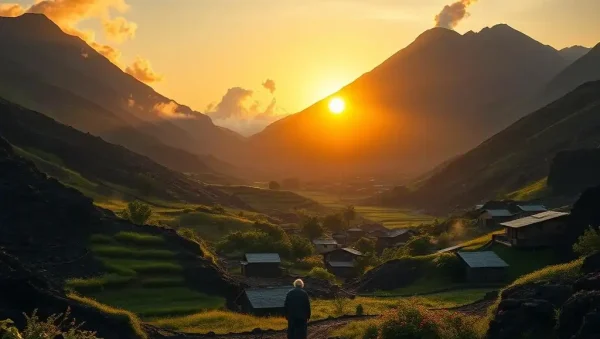
Living on the slopes of an active volcano might seem perilous, yet for millions of people worldwide, it is a way of life steeped in resilience, reverence, and deep-rooted tradition. This subcategory explores how communities from Iceland to Indonesia have not only survived but thrived in the shadow of volcanic giants. You will discover how ancient knowledge, agricultural innovation, spiritual belief, and modern science blend to shape unique cultural identities. From sacred rituals honoring fire gods to ingenious farming on ash-enriched soil, these societies offer profound lessons in adaptation. Explore how volcanic landscapes influence cuisine, architecture, festivals, and disaster preparedness, and learn why many residents would never trade their fiery home for anywhere else on Earth.
🌋 Indigenous Wisdom and Volcanic Risk Perception
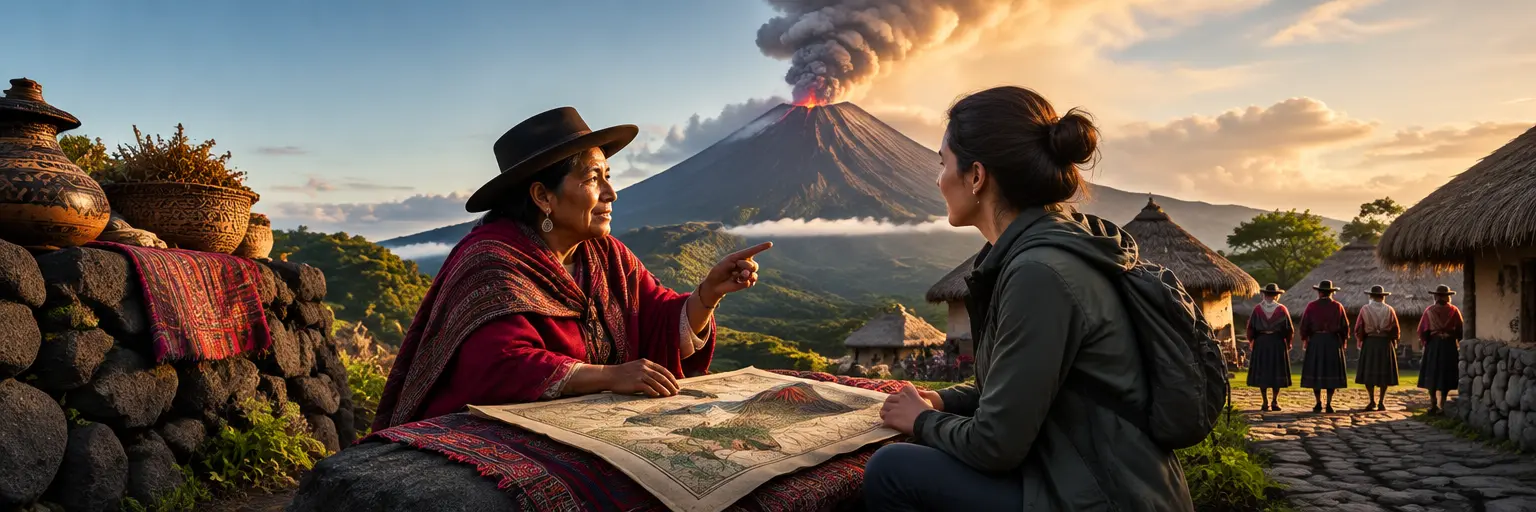
Communities living near active volcanoes often possess generations of accumulated environmental knowledge that complements modern seismology. This indigenous wisdom includes reading natural signs—such as animal behavior, water temperature changes, and subtle ground disturbances—that precede eruptions. For example, in Hawaii, traditional oral histories recount past lava flows and guide settlement patterns even today. This knowledge is not static; it evolves with each volcanic event, creating a living database of hazard awareness. By blending ancestral observation with contemporary monitoring, residents develop a sophisticated risk perception that balances caution with a deep sense of belonging to the land. Recognizing this expertise is essential for effective disaster risk reduction, as it fosters trust and community-led preparedness strategies.
🏘️ Volcanic Architecture and Sustainable Living
Volcanic landscapes provide both challenges and remarkable building materials. Communities have adapted by constructing homes using basalt, pumice, and volcanic tuff, which offer natural insulation and durability against seismic activity. In places like the Canary Islands, traditional dry-stone houses with low profiles are designed to withstand ash falls, while in Indonesia, earthquake-resistant wooden structures with steep roofs shed heavy tephra. Beyond dwellings, entire settlements are organized around safe zones, evacuation routes, and raised platforms for livestock. Modern architecture now integrates these time-tested principles with cutting-edge engineering, such as flexible foundations and fire-resistant cladding. This harmonization of heritage and innovation demonstrates how human ingenuity transforms volcanic hazards into habitable, sustainable spaces.
🌾 Fertile Soils and Agricultural Rituals
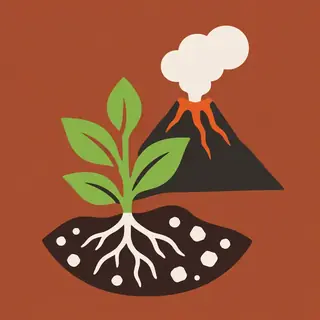
The ash and weathered lava of volcanic regions create some of the planet’s most nutrient-dense soils, making agriculture a cornerstone of local economies. Farmers cultivate everything from coffee on Java’s slopes to vineyards on Mount Etna’s terraces, adapting planting schedules to volcanic activity cycles. This intimate relationship with the land has spurred unique rituals, such as the Balinese Ngusaba ceremony, where offerings are made to mountain gods for a bountiful harvest. In Mexico, the Nahua people perform rain dances near Popocatépetl to appease volcanic deities. These traditions are not mere superstition; they reinforce community cohesion and environmental stewardship. Moreover, volcanic geothermals are harnessed for greenhouse heating, while ash is used to improve soil structure, proving that volcanic adversity can cultivate remarkable agricultural resilience.
⛩️ Spiritual Beliefs and Sacred Volcano Worship
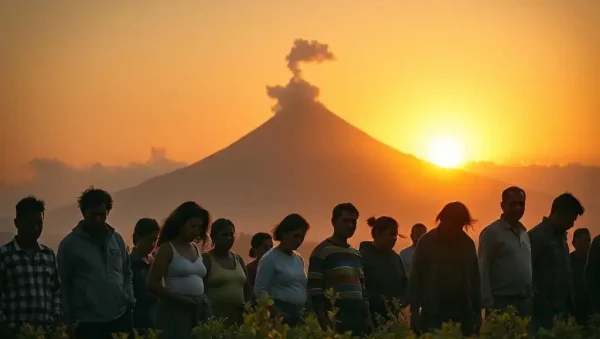
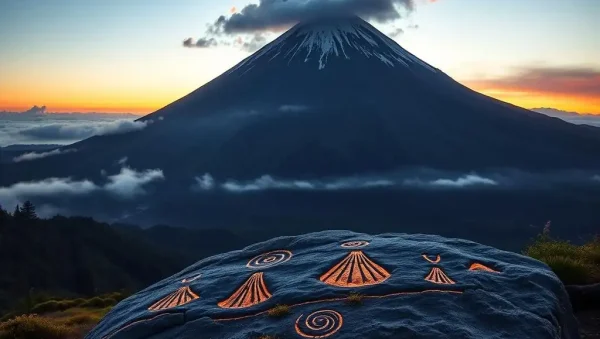
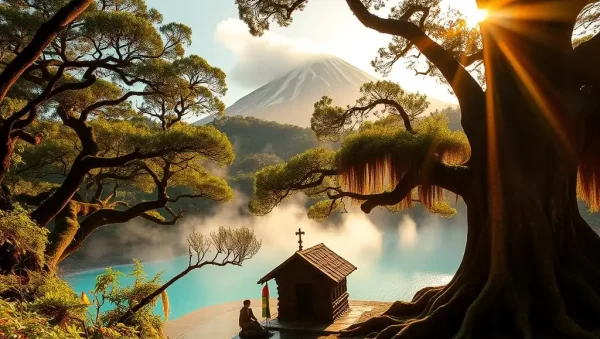
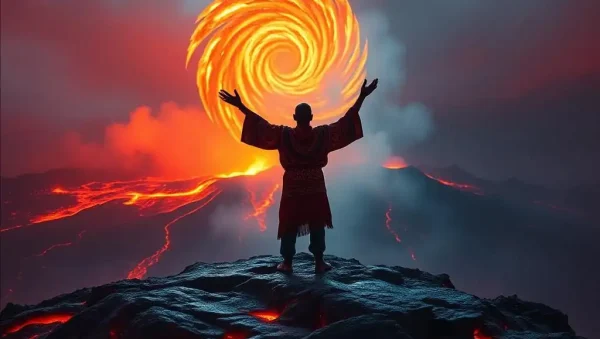
For countless cultures, volcanoes are not just geological features but living deities, ancestors, or portals to the underworld. In Japan, Mt. Fuji is venerated as a Shinto goddess, while Hawaii honors Pele, the fiery goddess of volcanoes, with offerings of gin and dance. These beliefs deeply influence daily life, from the placement of shrines to the timing of festivals. On the slopes of Mount Merapi in Indonesia, royal shamans communicate with spirits to predict eruptions, and annual sacrifices are made to calm the mountain. Such spiritual frameworks provide psychological comfort and a sense of control over unpredictable nature. Even as societies modernize, these traditions persist, often blending with Catholic or Islamic practices, creating syncretic rituals that safeguard cultural identity and community bonds.
🛡️ Modern Emergency Preparedness Rooted in Culture
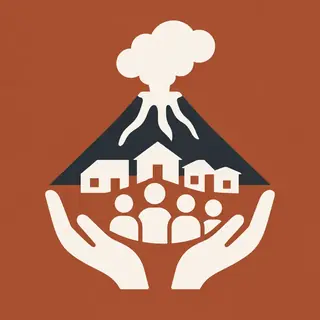
Contemporary volcanic hazard management is increasingly integrating cultural practices to enhance effectiveness. Evacuation drills, for example, are now held during local religious holidays, ensuring participation and honoring traditional calendars. In Iceland, community meetings combine volcanology updates with storytelling about past eruptions, making risk communication relatable. Italy’s Vesuvius region uses ancient Roman graffiti to educate citizens about historical lahars. Furthermore, cultural heritage sites—such as Pompeii—serve as living classrooms, teaching both residents and visitors about the consequences of ignoring warning signs. This fusion of science and tradition respects local autonomy, reduces distrust, and transforms passive plans into active community commitments. Ultimately, the most resilient volcanic communities view preparedness not as a burden but as an expression of cultural pride and intergenerational responsibility.
Frequently Asked Questions
What are common cultural beliefs about volcanoes?
Across the Pacific Ring of Fire, volcanoes are often seen as abodes of gods or spirits. In Hawaii, Pele is feared and loved, while Indonesian communities view mountains as ancestors. Such beliefs drive rituals, taboos, and land-use rules that protect people while preserving ecological balance.
How do volcanic soils benefit local agriculture?
Volcanic ash breaks down into rich minerals like potassium, phosphorus, and calcium, creating highly fertile and water-retentive soils. This allows intensive cultivation, often yielding premium crops such as wine grapes, coffee, and vegetables, making these regions agricultural hotspots.
What traditional signs do communities use to predict eruptions?
Communities watch for unusual animal migration, drying wells, sulfur smells, and rumbling vibrations. In Japan, fishermen note changes in fish behavior. These observations, passed down orally, offer early warnings that complement instrumental data, especially where monitoring infrastructure is limited.
Can modern architecture withstand volcanic hazards?
Yes, through reinforced concrete, aerodynamic roof shapes to shed ash, and flexible joints that absorb seismic shocks. Many new buildings use volcanic rock as insulation, blending durability with local material availability. Community-designed shelters often integrate historical building wisdom for added resilience.
Why do people choose to stay near active volcanoes?
Beyond soil fertility, many residents have generational ties, cultural identity, and economic opportunities tied to geothermal energy, tourism, and agriculture. Additionally, volcanic landscapes offer breathtaking beauty and unique livelihoods. With improved monitoring and early warning systems, informed residents weigh these benefits against manageable risks.