Agriculture in Volcanic Soils: Benefits and Challenges
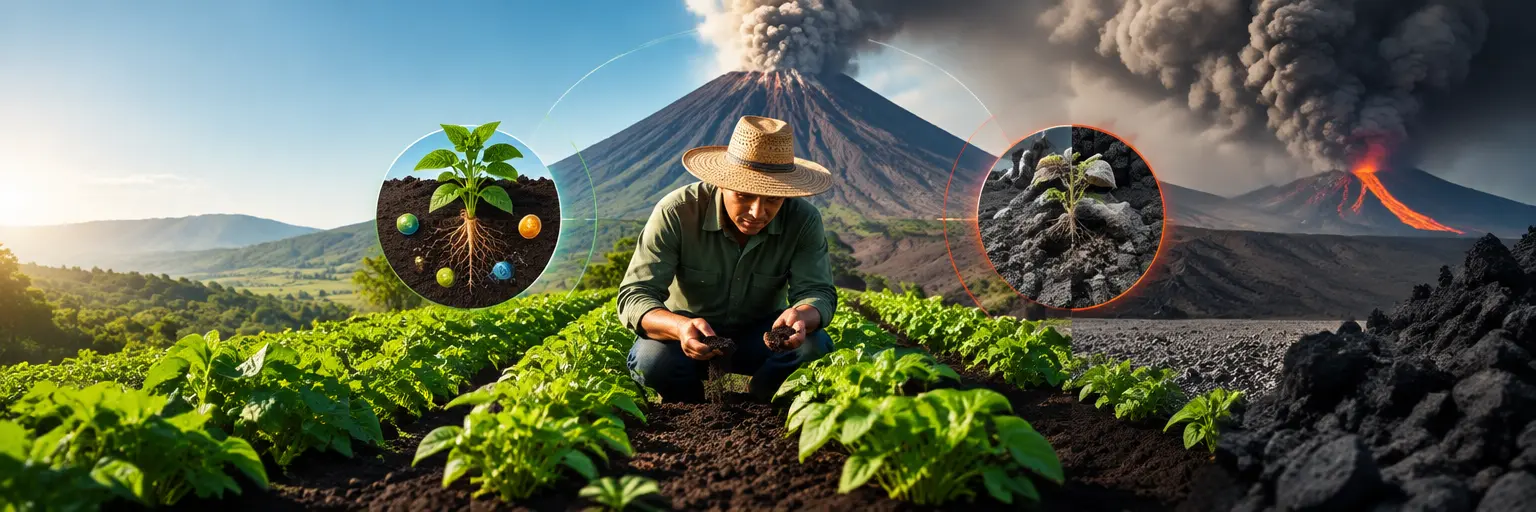
Volcanic soils, known as Andisols, are among the most fertile on Earth, yet they present a paradox of abundance and fragility. For farmers and gardeners living near active or dormant volcanoes, these soils offer exceptional nutrient richness, but they also demand careful management due to unique physical and chemical properties. This subcategory explores how volcanic activity shapes agriculture, from ancient terraces on Mount Vesuvius to modern vineyards on Etna’s slopes, while addressing the practical hurdles of cultivating land that is both a gift and a geological hazard. Discover how mineral-rich ash and lava weathering create a farming paradox.
🌋 Nutrient-Rich Composition of Volcanic Soils
Volcanic soils are prized for their high content of phosphorus, potassium, calcium, and magnesium, released as ash and lava break down over time. This natural fertilization cycle supports robust crop growth with minimal synthetic inputs, making these lands ideal for coffee, bananas, grapes, and root vegetables. The rapid weathering of volcanic glass creates amorphous minerals like allophane, which retain water and nutrients exceptionally well, giving plants a steady supply even during dry spells.
However, this nutrient bounty is not uniform. Fresh volcanic ash can be acidic, locking up essential elements like nitrogen and zinc, while older soils may become overly leached in tropical climates. Farmers must test soil pH regularly and amend with organic matter or lime to unlock full fertility. The soil’s high organic carbon content also makes it a carbon sink, but this same property can lead to phosphorus fixation—where nutrients bind tightly and become unavailable to plants—requiring targeted fertilization strategies.
🌱 Water Retention and Drainage Balance
One of the standout benefits of volcanic soils is their remarkable water-holding capacity, often absorbing twice as much water as sandy soils. This sponge-like behavior reduces irrigation needs and protects crops during drought, a crucial advantage in regions with erratic rainfall. The porous structure also allows excess water to drain quickly, preventing root rot in heavy rain events common near volcanic slopes.
Yet, this balance is delicate. Over-irrigation or intense rainfall can cause waterlogging in fine-textured Andisols, leading to anaerobic conditions that suffocate roots and promote fungal diseases. Additionally, the same porosity that aids drainage can make soils prone to erosion on steep volcanic terrains. Implementing contour farming, mulching, and cover cropping is essential to stabilize slopes and maintain the soil’s structural integrity while reaping its moisture benefits.
⛰️ Cultivation on Steep Volcanic Slopes
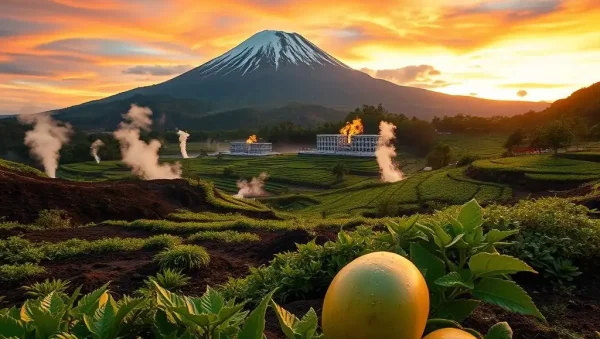
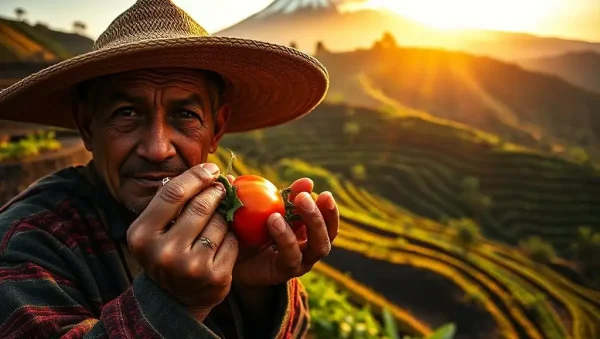
Volcanic landscapes often feature dramatic slopes, which pose significant challenges for mechanized agriculture but offer unique advantages for certain crops. Terraced farming, as seen in the Philippines’ Banaue Rice Terraces or Italy’s Amalfi Coast, transforms steep hillsides into productive platforms that reduce runoff and maximize sunlight exposure. These ancient techniques remain vital for growing high-value crops like olives, citrus, and wine grapes, which thrive in well-drained, sun-drenched volcanic soils.
However, slope farming increases labor costs and limits the use of heavy machinery, pushing many growers toward manual harvesting or specialized equipment. Landslides and lahars (volcanic mudflows) are ever-present risks, particularly during rainy seasons after eruptions. Farmers must invest in erosion control measures like retaining walls, vegetation buffers, and drainage channels. Despite these hurdles, the premium quality of produce from such slopes—often richer in flavor and minerals—commands higher market prices, making the effort economically viable.
🌾 Adapting to Volcanic Eruption Hazards
Living and farming on volcanic soil means accepting periodic disruptions from eruptions, including ashfall, lava flows, and toxic gases. Ashfall can smother crops, block sunlight, and contaminate water supplies, while acidic gases like sulfur dioxide damage leaves and reduce photosynthesis. Yet, many farmers have adapted by planting resilient species, using protective covers, and timing planting cycles around known volcanic activity patterns.
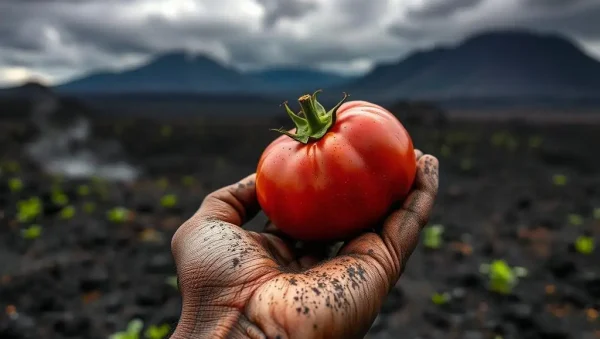
After an eruption, volcanic ash can actually rejuvenate exhausted soils, adding fresh minerals and resetting nutrient cycles. This has led to a "slash-and-burn" mentality where farmers rely on eruptions to replenish fertility. However, immediate recovery requires cleaning ash off plants, irrigating to wash away acidic particles, and testing soil for heavy metals like arsenic or cadmium. Community co-ops often provide shared resources for rapid cleanup and replanting, turning a crisis into an opportunity for regeneration.
🍇 Specialty Crops and Volcanic Terroir
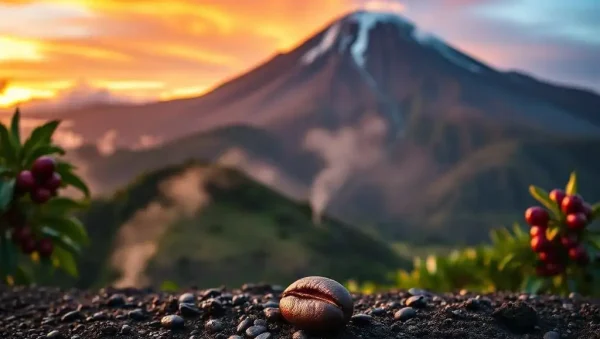
Volcanic soils are celebrated for imparting distinct flavors and qualities to agricultural products, a concept known as terroir. Wine regions like Santorini (Greece), Mount Etna (Italy), and Napa Valley’s volcanic areas produce grapes with intense minerality and crisp acidity, fetching premium prices globally. Similarly, volcanic coffee from Java, Sumatra, and Hawaii is prized for its complex aromas, while volcanic-grown vegetables like potatoes in the Canary Islands show enhanced sweetness and texture.
This terroir effect arises from the soil’s unique mineral profile and water dynamics, which stress plants slightly to concentrate flavors. However, replicating these conditions elsewhere is impossible, creating a niche market advantage for local farmers. Challenges include low yields due to young soils and the need for specialized knowledge to manage phenolic compounds. Certification schemes and geographical indications help protect these products, ensuring that the volcanic origin remains a mark of quality and sustainability.
Frequently Asked Questions
What crops grow best in volcanic soils?
Crops like coffee, bananas, grapes, sweet potatoes, and citrus thrive in volcanic soils due to their rich mineral content and good drainage. Root vegetables, such as carrots and potatoes, also benefit from the loose, aerated structure. Legumes and grains can grow well if soil acidity is managed. However, avoid water-sensitive plants without proper drainage planning.
How long does volcanic soil remain fertile after an eruption?
Fertility can last from decades to centuries, depending on climate and rainfall. In humid tropical regions, rapid weathering releases nutrients quickly but may leach them within 50 years. In dry climates, fertility persists longer. Regular organic amendments and crop rotation can extend productivity indefinitely, as seen in ancient volcanic farmlands.
Can you farm on active volcanic slopes safely?
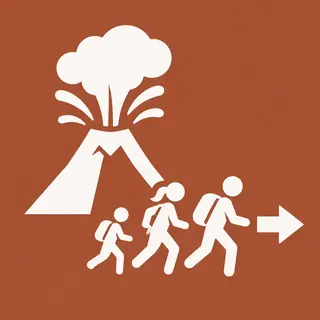
Yes, but with strict monitoring and preparedness. Choose crops with short growth cycles to harvest before expected eruptions, avoid planting in lahar-prone valleys, and establish evacuation routes. Use greenhouses or row covers to protect against ashfall. Always stay informed via local volcanic observatories and have insurance to mitigate losses.
Are volcanic soils acidic or alkaline?
Fresh volcanic ash tends to be acidic, with pH ranging from 4.0 to 6.0, due to sulfur compounds. Over time, weathering can shift pH toward neutral or slightly alkaline, especially in drier areas. Testing pH is essential; if too acidic, apply agricultural lime to raise pH and unlock nutrient availability.
Why are some volcanic soils prone to phosphorus fixation?
Andisols contain high levels of allophane and aluminum oxides, which tightly bind phosphorus into insoluble complexes, making it unavailable to plants. This is why volcanic soils sometimes show phosphorus deficiencies despite high total phosphorus. To address this, use phosphorus-rich organic fertilizers or apply phosphorus in bands near roots.