Case Studies of Successful Volcano Community Resilience
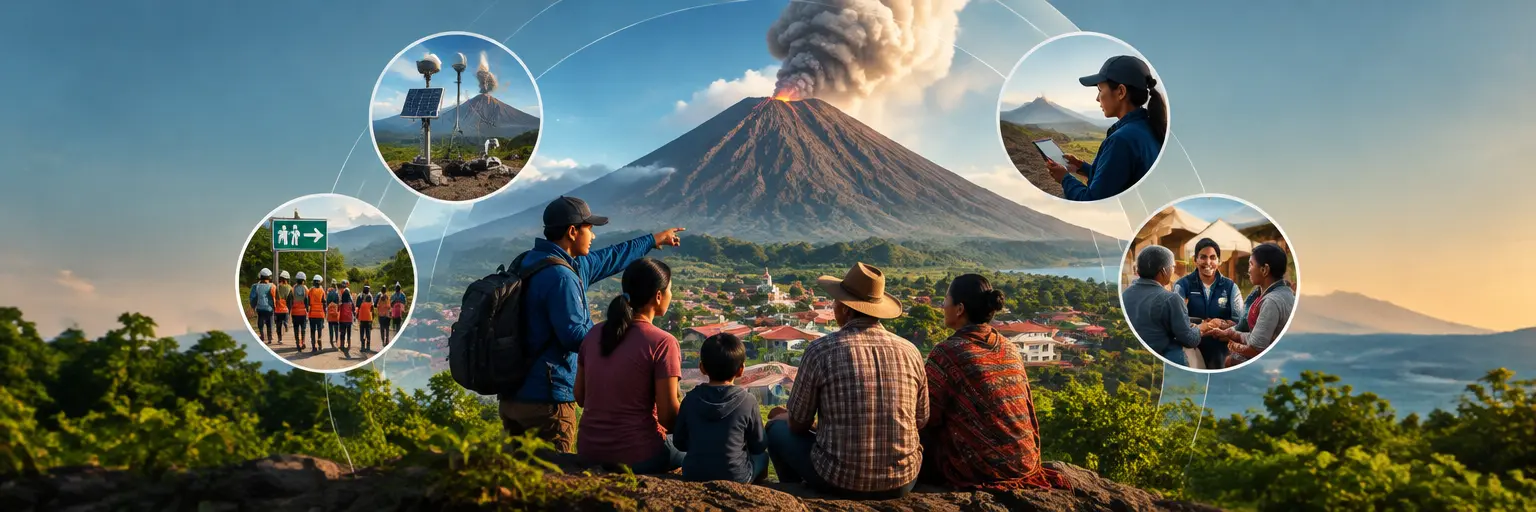
Volcanoes are among Earth’s most formidable forces, yet communities worldwide have repeatedly demonstrated extraordinary capacity to adapt, prepare, and thrive in their shadow. This subcategory dives deep into real-world examples where proactive planning, indigenous knowledge, and modern science have converged to protect lives and livelihoods. By examining these triumphs, you’ll uncover actionable lessons in hazard mitigation, evacuation logistics, and long-term recovery—essential insights for policymakers, educators, and residents of volcanic regions. Each case study highlights not just survival, but the cultivation of robust social systems that turn vulnerability into strength, making this a cornerstone resource for anyone committed to coexisting with active volcanic landscapes.
🌋 Mount Pinatubo: The 1991 Evacuation That Saved Thousands
The 1991 eruption of Mount Pinatubo in the Philippines remains the gold standard for pre-eruption crisis management. Over 200,000 people evacuated ahead of the cataclysmic blast, thanks to decades of geological monitoring and the integration of U.S. Geological Survey data with local expertise. The strategic establishment of a 10-km danger zone, combined with clear communication channels from barangay officials to national agencies, prevented a death toll that could have exceeded 20,000. Community resilience here was built on rigorous drills, stockpiled supplies, and the unusual step of temporarily relocating entire towns, proving that scientific foresight plus civilian cooperation saves lives.
Beyond the immediate evacuees, resettlement programs transformed displacement into opportunity. Former evacuation centers became permanent housing with livelihood training, such as small-scale farming of lahar-resistant crops. The case underscores that resilience isn’t merely about avoiding disaster—it’s about redesigning socioeconomic structures to absorb shocks. You’ll find detailed timelines, geospatial maps, and firsthand accounts from residents that illustrate how panic was minimized through trusted local leaders, pre-arranged transport routes, and continuous public education campaigns. This example serves as a blueprint for volcanic megacities facing similar risks today.
🏝️ Iceland’s Heimaey: Turning a Disaster into a Geothermal Boom
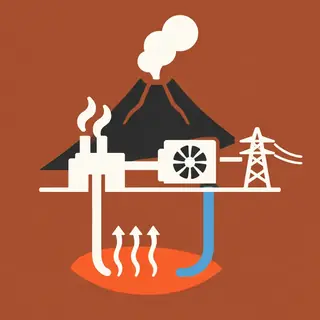
When Eldfell erupted on the island of Heimaey in 1973, residents used fire hoses to cool advancing lava, a desperate yet ingenious tactic that saved the harbor from closure. Within months, the community converted this crisis into a renewable energy asset. Today, the island’s geothermal systems, originally drilled for monitoring, provide 100% of local heating and electricity. This case study examines how adaptive governance—where municipal authorities collaborated with engineers and vulcanologists—accelerated recovery through innovative infrastructure. The resilience pillar here is not just physical rebuilding but psychological recovery, with public memorials and a volcano-themed museum reinforcing communal identity.
What made Heimaey succeed where others falter was its pre-existing social cohesion and flexible land-use policies. Evacuation of 5,000 residents occurred overnight using fishing boats, illustrating how maritime resources double as emergency transport. Post-eruption, the island expanded its fish-processing industry, using volcanic ash as a natural filter for wastewater treatment. By studying this case, you’ll learn how to leverage volcanic byproducts for economic diversification, how to design shelters that double as public utilities, and how to foster a “culture of readiness” among island populations. It’s a powerful testament that even small communities can outsmart lava flows with innovation.
🌏 Tonga’s Hunga Tonga–Hunga Haʻapai: Pacific Islands’ Communication Lifelines
The 2022 submarine eruption severed Tonga’s undersea cable, isolating the nation for weeks. Yet community resilience prevailed through a pre-established network of radio amateurs, church-based alert systems, and traditional knowledge of tsunami signs. This case study explores how low tech meets high stakes: residents recognized receding shorelines as a warning signal passed down generations, triggering self-evacuation to high ground before official alerts arrived. NGOs and diaspora groups used satellite phones donated after Cyclone Gita (2018) to coordinate food drops, showing that resilient infrastructure is often repurposed from previous disasters.
Critical here was the “hub-and-spoke” model where outer islands acted as relay stations, ensuring no community was fully cut off. The Tongan government’s investment in earthquake-resistant schools, which doubled as evacuation shelters, proved vital. You’ll discover how cultural beliefs—such as attributing eruptions to ancestor spirits—were integrated into official risk messaging rather than dismissed, fostering trust. This narrative demonstrates that resilience in island nations hinges on redundant communication, respect for indigenous wisdom, and aid that strengthens local capacities instead of creating dependency.
🌄 Indonesia’s Merapi: Community Monitoring & “Sister Village” Strategy
Mount Merapi, one of Earth’s most active volcanoes, has cultivated a resilience model based on volunteer “Juru Kunci” (keykeepers) who monitor gas emissions and ground deformation daily. This case study highlights the “Sister Village” program, where lowland communities partner with highland villages to host evacuees, pre-arranging livestock shelters, school spaces, and food supplies. The result? During the 2010 eruption, over 1,400 lives were saved despite a fast-moving pyroclastic flow. The strategy’s genius lies in habit: residents practice evacuation drills every month, making response almost automatic during real crises.
This Indonesian approach emphasizes social capital over heavy technology. Mobile phone networks are supplemented by bamboo gong signals and mosque loudspeakers, ensuring warnings reach even remote farmers. The case details how local “village resilience teams” are trained in search-and-rescue, first aid, and logistics, with periodic refreshers funded by the national disaster agency. By partnering with local universities, communities access volcanic ash analysis to predict hazard zones. Here, resilience is inherently participatory—every resident knows their role, from tricycle drivers to schoolteachers—creating a self-sustaining safety net that scales globally.
🌿 Costa Rica’s Poás: Tourism Resilience and Biodiversity Recovery
Poás Volcano’s 2017-2019 phreatic eruptions forced a two-year park closure, devastating nearby tourism-dependent towns. This case study details how stakeholders pivoted to virtual tours, geotourism products (like volcanic rock jewelry), and agro-tourism ventures around coffee plantations fertilized by mineral-rich ash. Resilience was led by a coalition of park rangers, hoteliers, and scientists who co-designed a “Living with Volcanoes” certification program. Visitors now receive safety briefings that include indigenous legends, transforming fear into education. The result: visitor numbers rebounded 40% higher than pre-eruption levels by 2023, proving that sustainable tourism can coexist with volatile geologic forces.
Beyond economics, this story celebrates ecological resilience. After ash fall, endemic plant species like the Poás magnolia recolonized barren craters, guided by rewilding efforts using drone-seeded spores. Locals now serve as citizen scientists, monitoring fumarole temperatures via smartphone apps. The case offers a template for diversifying revenues so that a single industry (tourism) doesn’t become a vulnerability. You’ll also learn how to develop crisis communication plans that reassure visitors without downplaying risk, and how to turn disaster sites into living classrooms—valuable for any national park near active volcanoes.
Frequently Asked Questions
What defines a “successful” community resilience case study?
Success is measured by measurable loss reduction (e.g., zero fatalities), swift recovery timelines (under two years), and strengthened future capacity. It includes social preparedness—established trust networks, rehearsal drills—and adaptive infrastructure like multisport shelters. Key indicators are improved early warning systems, post-disaster economic diversification, and preservation of cultural identity. Crucially, success is participatory, meaning residents co-create solutions, not just follow mandates.
How can indigenous knowledge improve volcano preparedness?
Indigenous knowledge offers localized hazard signals, such as animal behavior changes or groundwater shifts, that complement instrument data. For instance, in Tonga, oral histories of “saltwater rising” prompted early evacuation. Integrating this lore builds community trust, as residents see their traditions valued. Agencies can co-create warning systems mixing modern sensors with oral flags, ensuring alerts are respected and acted upon. This fusion also preserves heritage while saving lives.
What are the biggest barriers to resilience in poorer nations?
Common barriers include limited funding for monitoring equipment, poor infrastructure for rapid evacuation, and weak institutional coordination. Land tenure disputes often delay resettlement. To counter these, successful cases prioritize low-cost tools (e.g., rain gauges), leverage diaspora remittances for logistics, and use decentralized drills that don’t require heavy machinery. Global partnerships like UNDRR’s “Making Cities Resilient” provide grants and technical training to bridge gaps.
How do communities maintain vigilance between eruptions?
Maintaining vigilance requires ongoing education, including school curricula on volcanic hazards and regular community drills, even during quiet periods. Rotation of preparedness committees prevents burnout, while “anniversary events”—like Merapi’s annual disaster simulation—keep skills fresh. Citizen science programs, where residents track minor gas changes via apps, make monitoring habitual. Crucially, leaders must celebrate preparedness wins publicly to keep morale high without triggering alarm fatigue.
Can tourism and volcanic risk coexist sustainably?
Yes, through zoning that limits development in highest-risk zones, dynamic risk communication (e.g., volcano alert levels shown at park entrances), and insurance schemes covering eruption-related cancellations. Success relies on multilayered livelihoods—hotels also operating farms, guides trained as emergency wardens. Certification programs, like Costa Rica’s, incentivize resilience practices. Transparent hazard maps and regular safety audits create trust, letting visitors appreciate volcanoes without unnecessary danger.