Mental Health and Well-being in Volcanic Hazard Zones: Coping with Uncertainty
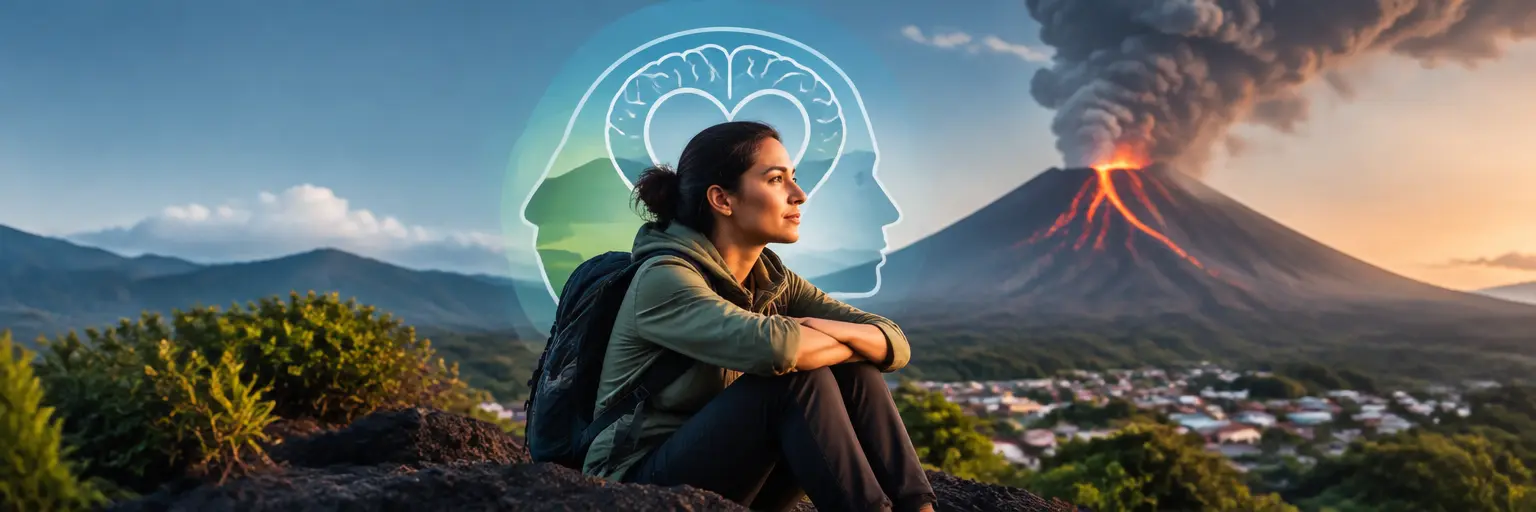
Living near an active volcano brings unique challenges, not just to physical safety, but to your emotional and psychological resilience. The constant monitoring of seismic activity, the threat of evacuation, and the unpredictable nature of eruptions can create chronic stress and anxiety. This section of VolcanoExplorers.org is dedicated to the often-overlooked aspect of volcanic living: mental health. Here, we explore practical strategies, community support systems, and psychological insights to help residents, first responders, and families navigate the emotional weight of dwelling in the shadow of a giant. Discover how to build mental fortitude, manage fear, and foster a sense of calm amidst the geological chaos.
🌋 Understanding "Volcano Anxiety" and Chronic Stress
Volcano anxiety is a real, measurable phenomenon distinct from general worry. It involves a persistent hyper-vigilance to ground tremors, ash fall, or changes in gas emissions. This heightened state can lead to sleep disturbances, irritability, difficulty concentrating, and physical symptoms like headaches or fatigue. For many living in hazard zones, the brain rewires itself to interpret every rumble as a potential disaster, even when monitoring agencies report normal activity.
This chronic stress activates the body’s fight-or-flight response, which, when prolonged, can deplete your immune system and emotional reserves. The key is to recognize these symptoms early, not as personal weakness, but as a normal adaptation to a genuinely stressful environment. We provide evidence-based techniques to lower your baseline anxiety, including structured breathing exercises, grounding practices and establishing daily routines that anchor you, helping your nervous system recover between threat alerts.
🧠 Building Psychological Resilience Before an Eruption
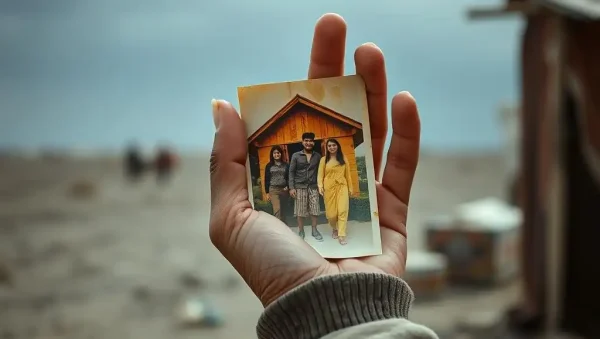
Resilience is not about ignoring danger, but about proactively preparing your mind to handle potential crises without crumbling. One of the most effective tools is creating a "mental evacuation plan" that includes not just physical supplies, but emotional ones—photos, a journal, or a favorite playlist that can provide comfort in temporary shelters. Anticipating emotional reactions, such as panic or denial, allows you to practice coping strategies in advance.
Pre-eruption resilience also involves normalizing fear through education. When you understand volcanic behavior—the difference between a volcanic tremor and an earthquake, or the meaning of alert levels—you reduce the terror of the unknown. We recommend joining community preparedness drills with a focus on emotional support roles. Knowing you have a designated task, whether it’s helping a neighbor or documenting the event, shifts you from a passive victim to an active participant, which significantly boosts psychological control and self-efficacy.
🤝 The Role of Community Support in Volcanic Regions
Isolation amplifies anxiety; connection mitigates it. In volcanic hazard zones, community bonds are a critical buffer against psychological distress. Shared experience creates a powerful sense of solidarity—knowing your neighbor also hears the same low rumble at night makes the sound less alien. Establishing neighborhood check-in networks, both for physical wellbeing and emotional support, creates a safety web that bureaucratic systems cannot replace.
We delve into how to cultivate these networks, from organizing regular, informal coffee meetups to creating dedicated social media groups for sharing non-critical updates and personal concerns. Crucially, we discuss the importance of "psychological first aid" within communities—training residents to listen without judgment, offer practical help, and recognize signs of serious distress in others. When an evacuation is ordered, these pre-existing relationships ensure that no one feels abandoned, and that children, elderly neighbors, and pets are not just logistically cared for, but emotionally supported through the upheaval.
🌱 Recovery and Post-Eruption Mental Health Care
The period after an eruption—whether minor or devastating—is often the most psychologically challenging. While the acute danger may have passed, the aftermath brings loss, displacement, and the daunting task of rebuilding. Post-eruption mental health care focuses on processing trauma, managing survivor’s guilt, and navigating the slow process of returning to a new sense of normalcy. Professional help, such as grief counseling and trauma-focused cognitive behavioral therapy, is often essential.
Beyond professional care, we emphasize the importance of pacing yourself through recovery. Avoid making major life decisions immediately after an event, as cortisol levels remain elevated. Rebuilding routines, even simple ones like a morning walk or cooking a familiar meal, helps restore a sense of order. We also guide on how to talk to children about what they witnessed, using age-appropriate language that validates their fears while offering reassurance. For those who have lost property or loved ones, we provide resources for finding both local and regional mental health specialists experienced in disaster-related trauma.
🧘 Practical Daily Coping Strategies for High-Risk Areas
Integrating simple, daily mindfulness practices into your routine can significantly lower your stress baseline. We recommend a "volcano check-in" ritual—once a day, you consciously observe your physical and emotional state, acknowledge any tension, and then release it through muscle relaxation or deep breathing. This intentional practice converts passive worry into active self-care, breaking the cycle of constant vigilance.
Another effective strategy is structured digital detoxing. Constant alerts and news feeds keep your stress hormones elevated. We advise setting specific times to check official hazard info—perhaps twice daily—and muting notifications outside those windows. Additionally, we explore the therapeutic benefits of grounding techniques, like gardening or hiking near safe volcanic areas, which reconnect you with the earth in a positive way. Engaging in creative outlets—painting, journaling, or even collecting volcanic rock specimens as a hobby—also gives you a tangible means to express complex emotions without needing words.
🛡️Supporting First Responders and Evacuees
First responders, emergency coordinators, and volunteers who remain in hazard zones face a unique psychological burden—compassion fatigue and secondary trauma. Their exposure to others’ distress, compounded by their own physical risk, requires special mental health provisions. We outline evidence-based protocols for shift rotation, debriefing sessions, and confidential counseling services that organizations should prioritize to ensure their personnel can sustain their critical roles without breaking down.
For evacuees, the displacement experience is often more traumatic than the eruption itself. The loss of home, routine, and community cohesion can trigger severe anxiety and depression. We provide a guide to navigating temporary shelters with your emotional health intact, including advocating for private quiet spaces, maintaining contact with loved ones through whatever means available, and setting realistic expectations for the duration of your displacement. We also discuss the "new normal" post-return—recognizing that the psychological recovery from a major event often takes longer than physical reconstruction, and that seeking ongoing support is a sign of strength, not weakness.
Frequently Asked Questions
What is the first sign of volcano anxiety I should watch for?
The most common initial sign is a persistent sleep disruption, such as difficulty falling asleep or constant vivid dreams about eruptions. You may also notice an increased startle response to harmless sounds like low-flying aircraft or distant thunder. If these symptoms last more than two weeks and interfere with daily functioning, it is worth reaching out to a counselor or support group.
How can I help a child who is terrified of a volcanic eruption?
Begin by reassuring them of concrete safety plans—knowing exactly what your family will do will significantly reduce their fears. Use simple, factual language about lava and ash, avoiding metaphors that may frighten them further. Let them ask questions openly, and validate their feelings without dismissing them. Engaging in a calming activity, like drawing the volcano or building a model together, allows them to process their worries through play.
Are there professional mental health resources specifically for volcanic areas?
Yes, many hazard-prone regions have disaster mental health networks. Contact your local health department or emergency management agency to find trained crisis counselors. Organizations like the American Red Cross and international NGOs often deploy psychological support teams to volcanic zones. Online teletherapy services that specialize in disaster trauma are also an accessible option, even in remote areas near volcanoes.
Does living near a volcano cause permanent psychological damage?
Not necessarily. While chronic exposure to hazard conditions can lead to elevated anxiety, the majority of people exhibit remarkable resilience, especially with strong community ties and proactive coping strategies. The brain adapts over time to assess risk with more accuracy, reducing baseline fear. However, intensive or repeated evacuations may trigger post-traumatic stress disorder, making professional help beneficial for preventing long-term damage.
What role does community ritual play in mental recovery after an eruption?
Community rituals—like annual remembrance events, shared rebuilding efforts, or even group hikes to view new lava flows—provide a structured way to process collective trauma. They affirm that the community has survived and persists, which is deeply reinforcing. These rituals also help integrate the event into the group’s identity without letting it define them, fostering a forward-looking perspective that is crucial for long-term well-being.