Volcanoes in Mythology and Folklore Worldwide
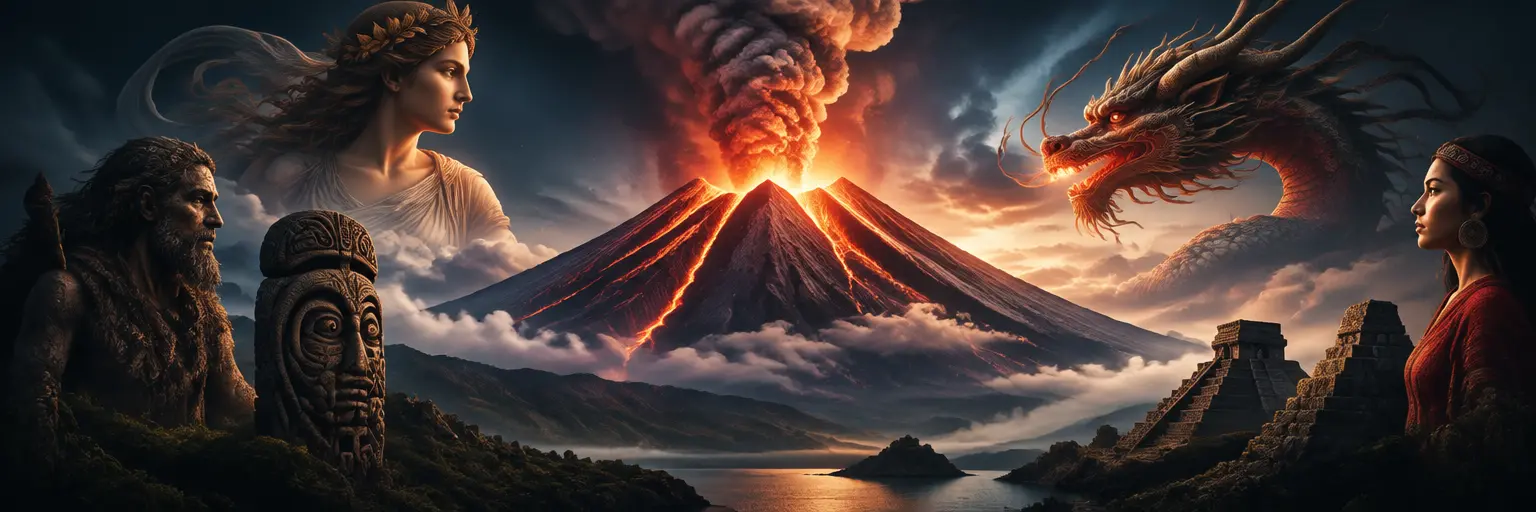
Volcanoes have captivated human imagination for millennia, serving as both physical landmarks and powerful symbols in the myths and legends of cultures across the globe. At VolcanoExplorers.org, we delve into the rich tapestry of stories that surround these fiery mountains—from the Hawaiian goddess Pele to the Roman god Vulcan, and from Japanese dragon spirits to Icelandic giants. This subcategory explores how ancient peoples interpreted volcanic eruptions, why they worshipped or feared these natural phenomena, and how those narratives continue to influence modern art, literature, and even science. Here, you’ll discover that volcanoes are not just geological wonders but also cultural touchstones that reveal deep human fears, reverence, and creativity.
🌋 Divine Forges and Heavenly Wrath: Volcano Gods Across Cultures
Many ancient civilizations attributed volcanic eruptions to the actions of powerful deities who either forged weapons, punished mortals, or guarded the underworld. In Roman mythology, Vulcan—the god of fire and metalworking—was believed to have his forge beneath Mount Etna, where he crafted thunderbolts for Jupiter and armor for heroes. Similarly, the Greek god Hephaestus was associated with volcanic islands like Lemnos. Meanwhile, in Mesoamerican cultures, the Aztecs revered Xiuhtecuhtli, the fire god, who could cause the earth to tremble and erupt when angered by human sin.
These divine interpretations often served practical purposes: they provided explanations for unpredictable natural disasters and offered a framework for appeasement through rituals and sacrifices. The concept of the volcano as a forge or a gateway to the underworld persists in modern storytelling, from Tolkien’s Mount Doom to contemporary fantasy series. Understanding these deities helps visitors appreciate how deeply volcanoes were woven into the spiritual and social fabric of ancient societies, shaping everything from religious ceremonies to political authority.
🌺 Pele’s Sacred Fire: Hawaiian Volcano Myths and Living Traditions
Hawaiian mythology offers one of the most vibrant and still-practiced volcano folklore traditions in the world, centered on Pele, the goddess of fire, lightning, wind, and volcanoes. According to legend, Pele travels from her home in Kīlauea’s crater, shaping the islands with her fiery temper and creating new land through eruptions. Locals and visitors alike still leave offerings—such as gin, berries, or ti leaves—at her sacred sites, and many believe that taking lava rocks from the island brings her curse. The mythology also includes her sister Hiʻiaka, who embodies the growth of vegetation and the nurturing side of volcanic activity.
For modern travelers and researchers, these stories provide a unique lens for understanding volcanic processes, as native Hawaiians accurately predicted eruptions by observing Pele’s “anger” through earthquakes and steam vents. The survival and adaptation of Pele’s myth demonstrate how indigenous knowledge can coexist with scientific study. At Volcano Explorers, we highlight how these living traditions not only enrich cultural heritage but also foster a respectful coexistence with volcanic landscapes, encouraging visitors to view eruptions as creative forces rather than solely destructive ones.
🐉 Fire Dragons and Underworld Serpents: Asian and European Folklore
In Japan, volcanoes are often linked to serpentine dragons or vengeful spirits; for example, Mount Fuji is sacred to the goddess Sengen, while Mount Ontake is believed to harbor the dragon god Ryūjin who controls tides and tremors. Chinese folklore similarly features fire-breathing dragons that reside in volcanoes, with eruptions seen as their exhaling. In European traditions, Norse mythology describes the fire giant Surtr, who wields a flaming sword and will engulf the world in flames during Ragnarök, linking volcanoes like Iceland’s Eldfell to apocalyptic prophecies. These dragon and giant narratives often symbolize chaos, renewal, or the boundary between life and death.
Across these cultures, volcanoes frequently serve as liminal spaces—places where the normal rules of the world bend, allowing gods, spirits, and heroes to interact. In medieval Iceland, sagas told of trolls turned to stone by sunlight near volcanic peaks, while Greek legends featured the imprisoned monster Typhon beneath Mount Etna, whose struggles caused seismic activity. Exploring these tales reveals a shared human tendency to personify natural forces, making them relatable and comprehensible. For readers, this section offers a fascinating cross-cultural comparison, showing how geography and climate shaped unique yet surprisingly similar mythic explanations for volcanic phenomena.
🗿 Creation Stories and Fertility Rites: Volcanoes in the Americas and Pacific
Indigenous peoples of the Americas and the Pacific have long integrated volcanoes into their creation myths and agricultural cycles. In the Andes, the Inca worshipped the mountain spirits (apus) and considered volcanoes like Cotopaxi as protectors of crops and herds, performing capacocha rituals—including, in some cases, human sacrifices—to appease them during eruptions. Similarly, the Navajo in the American Southwest tell of the turquoise mountain (Mount Taylor) and the fire god who taught them the art of weaving, while in the Philippines, the Aeta people believe Mount Pinatubo is the home of ancestral spirits who must be honored with offerings before and after harvests.
These stories highlight the dual role of volcanoes as both destroyers and creators, capable of devastating land but also enriching soils with minerals that support agriculture. In Hawaiian and Pacific Islander traditions, eruptions are seen as the birth of new land—a positive, generative act despite the danger. By documenting these rituals and narratives, VolcanoExplorers.org helps preserve indigenous knowledge that is often threatened by modernization. Visitors will gain a deep appreciation for how volcanic landscapes have shaped not only physical environments but also the worldviews, social structures, and survival strategies of the communities that inhabit them.
📖 Modern Legends and Mythmaking: Volcanoes in Pop Culture and Global Narratives
The mythological footprint of volcanoes extends into contemporary media, where writers and filmmakers reinvent ancient archetypes for new audiences. From the eruption of Mount Doom in J.R.R. Tolkien’s The Lord of the Rings—a direct nod to Norse Ragnarök—to the fiery lair of the Fire Nation in *Avatar: The Last Airbender*, volcanoes remain potent symbols of ultimate power and moral judgment. Modern Indonesian folklore often blends Hindu epics with local volcano myths, as seen in the annual Yadnya Kasada festival held on Mount Bromo, where sacrifices are thrown into the crater to appease gods and reduce seismic risk. Even in scientific discourse, phrases like “the volcano of emotions” reflect how deeply these metaphors have penetrated everyday language.
This section examines how contemporary retellings both preserve and transform traditional folklore, ensuring that volcanoes remain relevant in an age of digital media and climate change awareness. The rise of volcano tourism, combined with viral videos of eruptions like Kīlauea’s 2018 event, has created new communal narratives that blend awe, fear, and scientific curiosity. By analyzing these modern myths, we invite readers to see volcanoes not just as physical entities but as cultural artifacts that evolve with human society. Whether in blockbuster films or local festivals, the mythic volcano continues to erupt its stories into our collective consciousness.
Frequently Asked Questions
What is the most famous volcano god in Hawaiian mythology?
The most famous volcano god is Pele, the goddess of fire, lightning, wind, and volcanoes, who resides in Kīlauea crater. She is revered for creating the Hawaiian islands through eruptions and remains a central figure in ongoing cultural practices, with offerings still left at her sacred sites by both locals and visitors.
Why did ancient cultures sacrifice animals or humans to volcanoes?
Many cultures believed volcanic eruptions were punishments from angry deities or spirits, so sacrifices were offered to appease them and prevent disasters. For example, the Inca performed capacocha rituals at Andean volcanoes, and some Filipino groups offered animals or valuables. These acts aimed to restore balance and ensure safety, reflecting deep spiritual belief systems.
How does Japanese folklore explain volcanic eruptions?
Japanese folklore often attributes eruptions to dragon gods, such as Ryūjin, or to vengeful spirits that have been disturbed. Mount Fuji’s goddess Sengen is seen as protective, while other volcanoes like Mount Ontake are linked to supernatural beings controlling earthquakes. These tales served as both warnings and ways to honor the mountain spirits.
Are there any volcanoes today that are still considered sacred?
Yes, many active volcanoes are still held sacred. Kīlauea in Hawaii is sacred to Pele, and Mount Bromo in Indonesia is revered by the Tenggerese people, who hold annual ceremonies. Mount Fuji remains a holy site in Shinto, and some Andean peaks like Cotopaxi are treated as living mountain spirits (apus) with ongoing rituals.
How do modern movies and books use volcano myths?
Modern media often adapts ancient volcano myths for new narratives. Tolkien’s Mount Doom draws from Norse Ragnarök and fire giants, while films like Dante’s Peak use volcanic eruption as a backdrop for human resilience. These stories preserve the awe-inspiring power of volcanoes, blending spectacle with deeper themes of destruction, creation, and redemption, keeping mythological symbolism alive for contemporary audiences.