
The Dark Side of Volcano Myths: Tales of Fear, Destruction, and Loss

Welcome to Volcano Explorers.
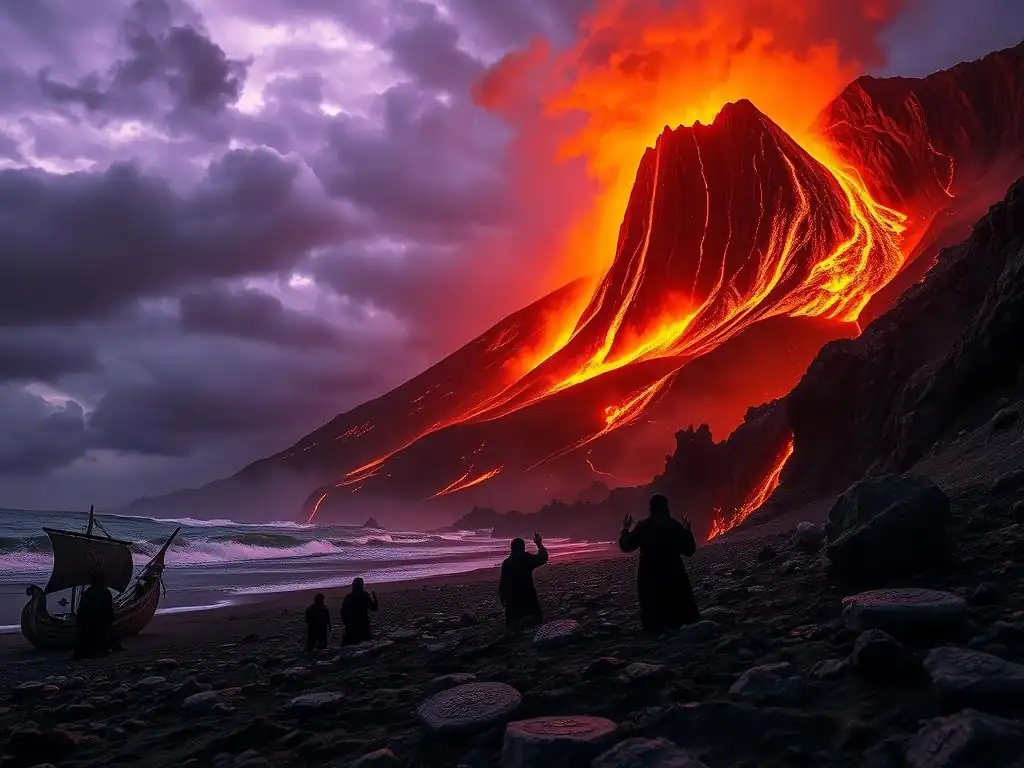
Prepare to journey beyond the science and spectacle, for today we uncover the shadowy side of these fiery giants. Dive into the chilling realm of volcano myths and legends, where tales of destruction and sacrifice intertwine with the very essence of human fear. Are these just stories, or echoes of a deeper, more primal understanding of nature's raw power? Dare to explore the dark side... if you're ready to face the truth behind the flames.
- Volcano Myths and Legends: Exploring the Shadow of Volcanic Lore
- Destruction and Devastation: Volcanoes as Agents of Divine Wrath
- Fear and Sacrifice: Appeasing the Volcano Gods
- Loss and Grief: Volcanoes as Symbols of Mortality
- Deconstructing the "Dark Side": Finding Meaning in Volcanic Mythology
-
Frequently Asked Questions
- What are some common themes found in volcano myths and legends?
- How do volcano myths and legends reflect the culture of people living near volcanoes?
- Do volcano myths and legends always portray volcanoes as destructive forces?
- How do volcanologists use the information in volcano myths and legends?
- What can we learn from studying volcano myths and legends?
- Final Reflection: Echoes of Fire and Fear
- Discover the Stories Within the Stone
Volcano Myths and Legends: Exploring the Shadow of Volcanic Lore
Understanding the Dual Nature of Volcano Mythology
Volcano myths and legends are as diverse and fiery as the volcanic landscapes that inspire them. Across cultures and continents, where volcanoes punctuate the horizon, stories have emerged to explain these formidable forces of nature. These narratives are not simply whimsical tales; they are profound expressions of human understanding, fear, and respect for the raw power that lies beneath our feet.
Often, volcano mythology is characterized by a duality – a blend of awe and terror, creation and destruction, life and death. This duality reflects the very nature of volcanoes themselves, capable of both nurturing fertile lands and unleashing devastating eruptions.
However, beneath the surface of many volcano myths, a darker current flows. While some legends celebrate the creative potential of volcanic fire, many more delve into the destructive capabilities, portraying volcanoes as agents of wrath, harbingers of doom, and symbols of profound loss.
This "dark side" of volcano mythology is not merely a collection of scary stories; it provides invaluable insight into the anxieties and existential questions that volcanoes have provoked in human societies throughout history. Exploring this darker aspect reveals a deeper understanding of how humanity has grappled with the immense and sometimes terrifying power of the natural world.
The Allure and Terror of Volcanic Power in Ancient Tales
The sheer spectacle of a volcanic eruption – the earth trembling, the sky darkening with ash, molten rock flowing like rivers of fire – is inherently awe-inspiring and terrifying. Ancient civilizations, lacking the scientific understanding we possess today, naturally interpreted these events through a mythological lens. Volcanoes, in their dramatic displays of power, became focal points for narratives that sought to explain the inexplicable. These tales often imbued volcanoes with consciousness, agency, and a capacity for both benevolence and malevolence, mirroring the unpredictable nature of eruptions themselves.
For instance, consider the stories surrounding Mount Etna in Sicily. Greek mythology, deeply intertwined with this active volcano, depicted Etna as the forge of Hephaestus, the god of fire and metalworking. While this association highlights the creative and transformative power of volcanic fire, it also hints at the dangerous, uncontrolled energy contained within.
Legends spoke of the monstrous Typhon being imprisoned beneath Etna, his struggles causing earthquakes and eruptions. This dual imagery – the divine forge and the imprisoned monster – encapsulates the alluring and terrifying aspects of volcanic power that permeate ancient volcano myths. The mountain was not just a geographical feature; it was a living entity, imbued with supernatural forces capable of both creation and catastrophic destruction.
Destruction and Devastation: Volcanoes as Agents of Divine Wrath
Volcanoes as Punishments: Stories of Offended Gods and Angry Spirits
Across numerous cultures, volcano myths frequently depict eruptions as acts of divine punishment. When societies faced unexplained disasters or societal upheavals coinciding with volcanic activity, it was a natural inclination to interpret these events as manifestations of divine displeasure. Volcanoes, in this context, became the instruments of vengeful gods or angered spirits, unleashing their fiery wrath upon humanity for perceived transgressions. These narratives served as powerful moral lessons and cautionary tales, reinforcing social norms and spiritual beliefs.
For example, in some indigenous cultures of Central and South America, volcanic eruptions were believed to be triggered by the anger of mountain spirits or deities. These spirits, often associated with the volcano itself, were thought to be easily offended by human actions, such as disrespect for sacred lands, breaches of tribal customs, or moral failings within the community.
Eruptions, therefore, were not random natural events but targeted punishments, demanding atonement and appeasement to restore balance and quell the divine rage. These myths highlight the pervasive fear of divine retribution and the understanding of volcanoes as powerful agents capable of delivering such punishment on a grand scale.
The Role of Volcano Eruptions in Apocalyptic Legends
The sheer scale of a major volcanic eruption, capable of darkening skies, triggering tsunamis, and altering climates, is undeniably apocalyptic in its impact. It's no surprise then that volcanic eruptions have found their way into apocalyptic legends and prophecies across various cultures. These myths often depict volcanoes not just as instruments of localized punishment but as catalysts for global catastrophes, signaling the end of an era or the destruction of the world as known. The dramatic and far-reaching consequences of eruptions lend themselves readily to narratives of world-ending events.
Consider the legend of Ragnarök in Norse mythology, the twilight of the gods and the destruction of the cosmos. While not explicitly volcanic, Ragnarök features elements reminiscent of volcanic devastation: the sun turns black, the earth trembles, fire giants emerge, and the world is consumed by fire and water. The imagery evokes the chaos and destruction associated with large-scale volcanic events.
Similarly, in some interpretations of biblical prophecies, volcanic eruptions and associated phenomena like earthquakes and darkness are seen as signs of the end times. These apocalyptic volcano myths reflect a deep-seated fear of global cataclysm and the recognition of volcanoes as forces capable of contributing to such widespread devastation.
Mount Vesuvius and the Destruction of Pompeii: Divine Retribution or Natural Disaster?
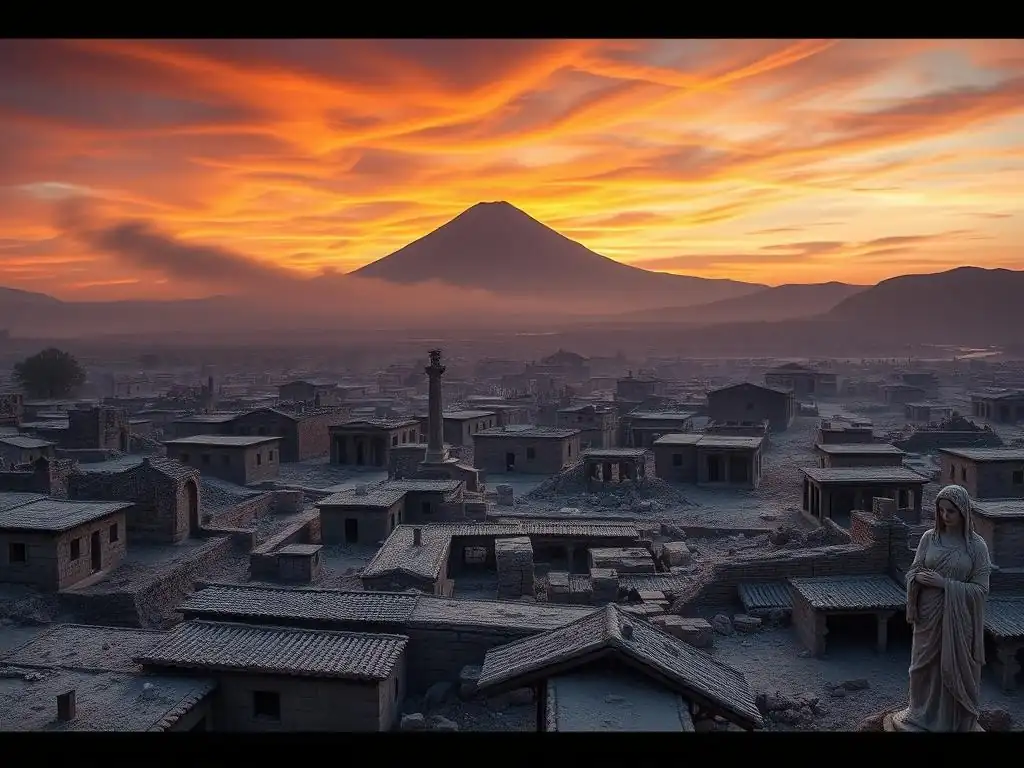
The catastrophic eruption of Mount Vesuvius in 79 AD, which buried the Roman cities of Pompeii and Herculaneum, stands as a stark historical example that inevitably became intertwined with interpretations of divine retribution. While we understand today that this was a natural disaster caused by volcanic activity, for many in antiquity, and even in subsequent centuries, the destruction was viewed through a lens of divine judgment. The sudden and complete annihilation of prosperous cities fueled speculation that the eruption was not merely a random act of nature but a targeted punishment for the sins of Pompeii and its inhabitants.
Roman society during the first century AD was, by some accounts, characterized by moral decay and decadence. Pompeii, in particular, with its famously preserved frescoes and artifacts, reveals a society that embraced sensual pleasures and perhaps disregarded traditional Roman virtues. In the aftermath of the eruption, it was easy for religious and moralistic interpretations to emerge, casting Vesuvius as an instrument of divine wrath, cleansing the land of its perceived impurities.
This interpretation, while lacking scientific basis, highlights the human tendency to seek meaning and purpose in even the most devastating natural events, often resorting to narratives of divine judgment when faced with incomprehensible loss. Whether divine retribution or natural disaster, the eruption of Vesuvius cemented the image of volcanoes as powerful forces capable of unleashing unimaginable destruction and inspiring narratives of fear and consequence.
Fear and Sacrifice: Appeasing the Volcano Gods
Human Sacrifice and Volcanic Offerings in Ancient Civilizations
The profound fear and respect that volcanoes inspired in ancient societies often manifested in practices of appeasement, including offerings and, in some extreme cases, human sacrifice. When faced with the unpredictable and destructive power of volcanoes, people sought to placate the perceived deities or spirits residing within these mountains, hoping to avert eruptions or mitigate their impact. These practices, while often viewed with horror from a modern perspective, were deeply rooted in the belief that volcanoes were sentient beings capable of being influenced by human actions and offerings.
Historical accounts and archaeological evidence suggest that various cultures, particularly those living in close proximity to active volcanoes, engaged in ritualistic offerings. These offerings ranged from valuable goods and food to animal sacrifices and, tragically, human sacrifices. The Aztecs, for instance, are known to have performed human sacrifices to appease their gods, and some interpretations suggest that volcanic deities may have been among those to whom such offerings were made.
Similarly, in some Polynesian cultures, legends and oral traditions speak of human sacrifices offered to volcano gods in times of crisis or to ensure continued volcanic quiescence. These practices reveal the extreme measures people were willing to take to mitigate the perceived threat of volcanic wrath and maintain harmony with the powerful forces of nature.
The Psychological Impact of Volcanoes on Myth Creation
The psychological impact of living near an active volcano cannot be overstated. The constant awareness of latent power beneath the surface, the occasional tremors, and the potential for catastrophic eruption create a climate of anxiety and uncertainty. This psychological pressure significantly shaped the creation and perpetuation of volcano myths. Myths provided a framework for understanding and coping with these anxieties, offering explanations for volcanic behavior and strategies for interacting with these powerful natural forces.
Volcano myths often served as a form of psychological defense mechanism. By personifying the volcano as a deity or spirit, people could create a sense of agency and control in the face of an otherwise uncontrollable force. Appeasement rituals and offerings provided a means to actively engage with the volcano, fostering a feeling of influence, even if illusory.
The stories themselves, often passed down through generations, reinforced cultural norms and survival strategies in volcanic environments. The dark and fearful aspects of many volcano myths reflect the very real anxieties and psychological burdens carried by communities living under the shadow of these awe-inspiring yet potentially devastating mountains.
Offerings to Pele: Hawaiian Rituals to Placate the Volcano Goddess
The Hawaiian volcano goddess Pele provides a compelling example of a complex and enduring volcano mythology centered around appeasement and respect. Pele, residing in the Kīlauea volcano on the Big Island of Hawai'i, is a powerful and volatile deity, embodying both the creative and destructive forces of volcanism. Traditional Hawaiian culture developed elaborate rituals and offerings designed to honor Pele, acknowledge her power, and, crucially, to maintain a harmonious relationship with her, hoping to avoid her wrath.
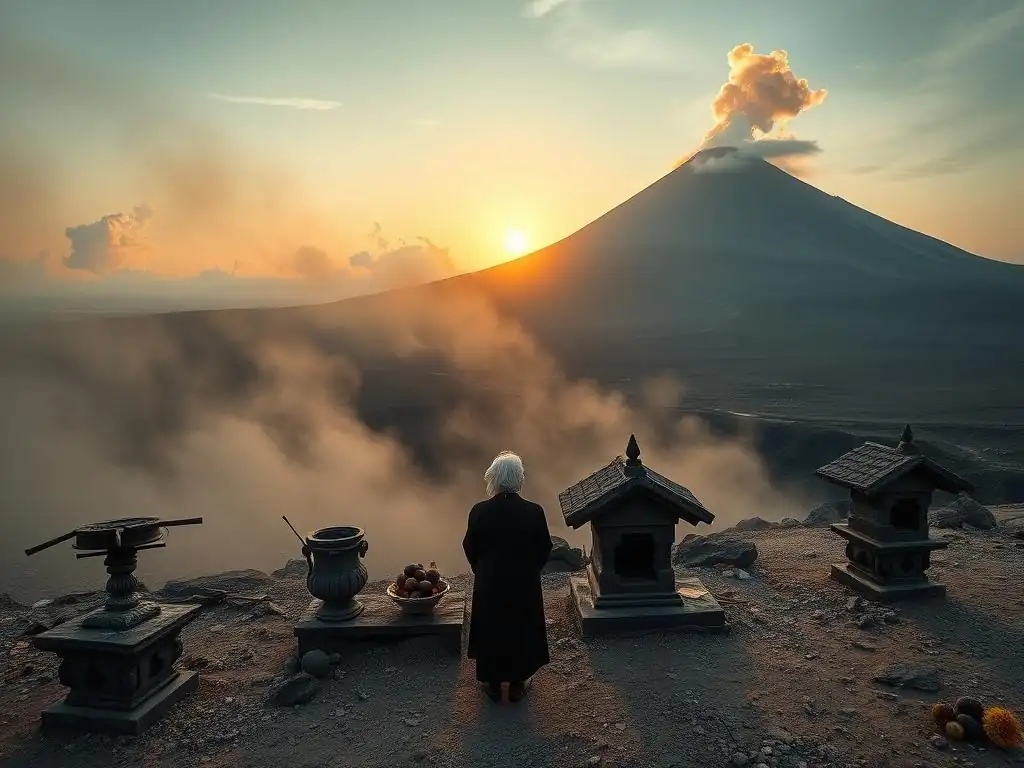
Offerings to Pele were traditionally varied and symbolic. They included gifts of ʻohelo berries, considered sacred to Pele, as well as leis made of native flowers, and even strands of human hair. These offerings were not simply acts of supplication but expressions of respect and reciprocity within a complex spiritual ecosystem.
Traditional Hawaiian chants and hula dances also played a significant role in honoring Pele and maintaining a connection to the volcanic forces she represented. Even today, despite modern scientific understanding of volcanism, many Native Hawaiians continue to respect Pele and observe traditional protocols, demonstrating the enduring power of volcano mythology and the deep-seated desire to maintain balance and appease the forces of nature, particularly those as potent and awe-inspiring as volcanoes.
Loss and Grief: Volcanoes as Symbols of Mortality
Volcanoes and the Remembrance of Catastrophic Eruptions
Volcanic eruptions, especially those of catastrophic magnitude, leave indelible marks on both the landscape and collective memory of affected societies. The devastation, loss of life, and long-term disruption caused by major eruptions become woven into cultural narratives, serving as reminders of human vulnerability in the face of nature's power and as poignant symbols of mortality. Volcano myths often act as vehicles for preserving these memories, transmitting lessons learned from past disasters, and processing the grief associated with such profound loss.
The story of the Minoan eruption of Thera (modern Santorini) around 1600 BCE, widely believed to have contributed to the decline of Minoan civilization, provides a compelling example. While not explicitly a myth in the traditional sense, the eruption and its aftermath became a foundational narrative of loss and societal collapse in the Aegean region.
The sheer scale of the eruption, the tsunami it generated, and the environmental consequences likely deeply impacted Minoan society and contributed to the emergence of legends and stories reflecting this catastrophe. Volcano myths, in this context, serve as cultural repositories of historical trauma, ensuring that the lessons and grief associated with past volcanic disasters are not forgotten.
The Connection Between Volcanoes and the Underworld in Myth
Across diverse cultures, a recurring theme in volcano mythology is the association of volcanoes with the underworld or the realm of the dead. The fiery depths of a volcano, the plumes of smoke and ash rising from its crater, and the rumbling sounds emanating from within evoke imagery of subterranean realms and the dwelling places of spirits and deities associated with death and the afterlife. This connection between volcanoes and the underworld reflects a primal human understanding of volcanoes as portals to the unknown and potentially dangerous realms beneath the surface of the earth.
In Greek mythology, as mentioned earlier, Mount Etna was not only the forge of Hephaestus but also the prison of Typhon, a monstrous figure associated with chaos and the underworld. Similarly, in some indigenous cultures of Central America, volcanoes were seen as entrances to Xibalba, the Mayan underworld.
This association is not merely symbolic; it reflects a deeper understanding of the earth's interior as a mysterious and potentially dangerous realm, mirroring the unknown and often feared realm of death. Volcano myths, in this sense, use the powerful imagery of volcanoes to explore and articulate human anxieties about mortality and the mysteries of what lies beyond life.
Volcanoes as Metaphors for the Cycle of Life and Death
While the destructive aspects of volcanoes are readily apparent, they are also fundamentally creative forces, shaping landscapes, creating fertile soils, and contributing to the geological evolution of our planet. This dual nature – destruction and creation – makes volcanoes potent metaphors for the cyclical processes of life and death that are central to human experience and understanding of the world. Volcano myths, in their exploration of both the dark and light sides of volcanic power, often reflect this cyclical perspective, acknowledging the inherent interconnectedness of destruction and renewal.
The Hawaiian goddess Pele, again, embodies this duality. While capable of unleashing destructive eruptions, Pele is also seen as a creator of new land, with lava flows extending the islands and forming new coastlines. This cyclical process of destruction and creation is mirrored in many volcano myths worldwide.
Volcanic eruptions, while causing immediate devastation, are followed by periods of regrowth and renewal, with volcanic ash enriching the soil and fostering new life. Volcano myths, in their entirety, can be interpreted as reflections on this fundamental cycle of life, death, and rebirth, using the dramatic and transformative power of volcanoes as a powerful metaphor for the enduring rhythms of the natural world and human existence.
Deconstructing the "Dark Side": Finding Meaning in Volcanic Mythology
The Enduring Power of Volcano Myths and Legends
Despite advancements in scientific understanding of volcanism, volcano myths and legends continue to hold a powerful grip on the human imagination. These stories, passed down through generations, are not merely relics of a pre-scientific past; they are enduring expressions of human experience, fear, wonder, and the ongoing quest to understand our place in the natural world. The "dark side" of volcano mythology, with its tales of destruction, divine wrath, and sacrifice, remains relevant because it speaks to fundamental human anxieties and existential questions that persist even in the modern era.
The enduring power of these myths stems from their ability to tap into deep-seated human emotions and experiences. The fear of natural disasters, the search for meaning in suffering, the need to explain the inexplicable – these are timeless human concerns that volcano myths address in compelling and resonant ways.
Moreover, these stories connect us to past generations and cultures, providing insights into how different societies have grappled with the power and unpredictability of nature. Volcano myths, even in their darker aspects, offer a valuable window into the human condition and our enduring relationship with the dynamic and often awe-inspiring forces of the Earth.
From Fear to Respect: Evolving Perceptions of Volcanoes
While many volcano myths initially arose from fear and a desire to appease perceived volcanic deities, our understanding and perception of volcanoes have evolved over time, particularly with the rise of scientific inquiry. While fear remains a natural response to volcanic hazards, a more nuanced perspective has emerged, one that blends respect for volcanic power with a growing appreciation for their role in shaping our planet and supporting life.
This evolving perception is reflected in how we now approach volcanoes – not just as objects of fear but also as subjects of scientific study, sources of geothermal energy, and even destinations for eco-tourism.
Modern volcanology has demystified many aspects of volcanic activity, providing explanations for eruptions based on geological processes rather than divine intervention. However, this scientific understanding has not entirely displaced the sense of awe and respect that volcanoes inspire. Indeed, for many, scientific knowledge enhances this respect, revealing the immense forces at play beneath the Earth's surface and the complex interplay between volcanoes and the planet's systems. The shift from primarily fear-based interpretations to a more balanced perspective that incorporates both scientific understanding and a sense of awe is a testament to humanity's evolving relationship with these powerful natural phenomena.
The Importance of Preserving Volcanic Folklore for Future Generations
In an increasingly globalized and technologically driven world, it is crucial to preserve and value the rich tapestry of volcano myths and legends from diverse cultures. These stories, often transmitted orally or through traditional art forms, represent a valuable cultural heritage, offering unique insights into human history, beliefs, and interactions with the environment. Preserving volcanic folklore is not simply an act of historical preservation; it is an investment in understanding the human experience and fostering a deeper appreciation for the complex relationship between humanity and the natural world.
Documenting and safeguarding volcano myths and legends ensures that these cultural narratives are not lost to future generations. This preservation effort can take various forms, including recording oral traditions, documenting artistic representations of volcano myths, and supporting cultural heritage initiatives in volcanic regions. By preserving this folklore, we not only enrich our understanding of the past but also provide valuable resources for contemporary society. Volcano myths, with their blend of fear, respect, and wonder, can continue to inspire, educate, and remind us of the enduring power and significance of volcanoes in the human story.
Frequently Asked Questions
What are some common themes found in volcano myths and legends?
Many volcano myths and legends revolve around themes of divine wrath, human sacrifice, or the creation and destruction of the world. These stories often reflect a fear of the unpredictable power of volcanoes.
How do volcano myths and legends reflect the culture of people living near volcanoes?
Volcano myths often incorporate local beliefs and traditions, offering explanations for volcanic activity that are intertwined with the cultural values and historical experiences of nearby communities. These narratives also serve as warnings.
Do volcano myths and legends always portray volcanoes as destructive forces?
While many myths emphasize the destructive potential of volcanoes, some also acknowledge their role in creating fertile land or providing geothermal energy. These stories recognize the dual nature of volcanoes.
How do volcanologists use the information in volcano myths and legends?
While not scientifically accurate, volcano myths can provide clues about past eruptions, particularly in areas with long oral traditions. This information can be used to augment geological data and improve hazard assessments.
What can we learn from studying volcano myths and legends?
Studying these narratives offers insights into how different cultures have historically understood and responded to volcanic hazards. It also highlights the enduring power of volcanoes to inspire awe and fear.
Okay, here's a final reflection designed to close your article "The Dark Side of Volcano Myths: Tales of Fear, Destruction, and Loss," optimized for the keyword "volcano myths and legends," and following the structure you provided:
Final Reflection: Echoes of Fire and Fear
The stories we've explored reveal that volcano myths and legends are not simply quaint tales of the past, but powerful reflections of humanity's enduring relationship with a force both awe-inspiring and terrifying. These narratives, born from the ashes of destruction and the glow of molten rock, continue to resonate today, reminding us of the unpredictable power of nature and the fragility of our existence.
The enduring influence of these myths underscores the primal fear that volcanoes evoke, a fear that transcends geographical boundaries and cultural differences. Understanding these stories allows us to connect with the anxieties and hopes of past generations, offering a valuable perspective on how we, too, grapple with the unpredictable forces that shape our world. Myth is the hidden part of every story, the buried part, the region that is still unexplored because there are as yet no words to signify it.
- Jeanette Winterson
As we close this exploration of volcano myths and legends, let us remember that these stories are more than just accounts of destruction and loss. They are also testaments to the resilience of the human spirit, our capacity for hope in the face of overwhelming odds, and our enduring need to understand the world around us. Consider how these ancient narratives shape your own perception of nature's power, and how you might use this understanding to foster a deeper respect for the delicate balance of our planet.
Discover the Stories Within the Stone
Thank you for exploring the darker side of volcano myths. We hope you now have a deeper appreciation for the power and cultural significance of these often-misunderstood narratives. Now, we invite you to contribute to the understanding and preservation of these compelling stories.
Here’s how you can get involved:
- Preserve a local legend: Document an oral tradition related to volcanoes in your community or region and share it with local historians, libraries, and cultural centers. This vital work helps ensure these stories aren’t lost to time.
- Research and share a myth or legend from around the globe on social media, highlighting how the fear of a specific volcano impacted the people who lived near it. Use the hashtag #VolcanoMythsExplored to connect with others.
- Consider how understanding these myths can inform our approach to volcanic hazards today. We welcome thoughtful reflections in the form of guest blog posts on Volcano Explorers!
What surprising insight did you gain from these volcanic myths that you’ll share with others?