
Pele, the Fire Goddess: Myths and Legends of Hawaii's Volcanic Deity

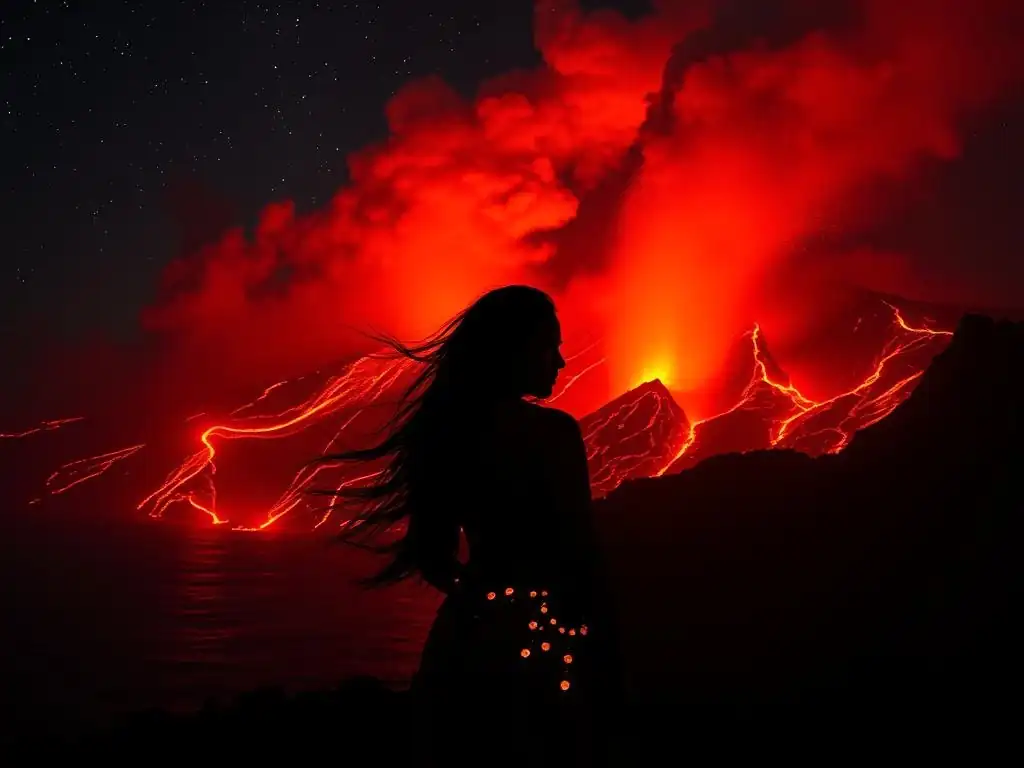
Welcome to Volcano Explorers, where the Earth breathes fire and molten rock shapes our planet! Ever wondered who truly commands these fiery landscapes? Dive into the heart of Hawaiian lore as we unveil the captivating myths surrounding Pele, the volcanic goddess of Hawaii. Her stories are more than just legends – they're a window into the profound connection between humanity and the raw power of volcanoes. Intrigued? Discover how these ancient tales continue to shape the cultural landscape of the islands... and perhaps, even influence the eruptions themselves.
- Introduction to Hawaiian Volcano Goddess Myths and Legends
- Who is Pele? Unveiling the Hawaiian Fire Goddess
- Key Myths and Legends of Pele, the Volcano Goddess
- Pele's Domains: Understanding Volcanic Activity Through Mythology
- Pele's Temperament: Exploring the Dual Nature of the Volcano Goddess
- Cultural Significance of Pele in Modern Hawaii
- Modern Interpretations of Pele: Science and Mythology Intertwined
- Conclusion: The Enduring Legacy of Pele, the Fire Goddess of Hawaii
- Frequently Asked Questions
- Final Reflection: The Enduring Flame of Pele
- Unleash Your Inner Explorer: Discover Pele's Power!
Introduction to Hawaiian Volcano Goddess Myths and Legends
The Enduring Power of Pele in Hawaiian Culture
Hawaiian volcano goddess myths are deeply woven into the cultural fabric of the islands, and none is more prominent than the legend of Pele. For generations, Hawaiians have revered Pele, the fiery deity believed to reside within the volcanoes, particularly Kilauea on the Big Island. Her stories are not mere tales; they are living narratives that explain the dynamic landscape of Hawaii, the power of nature, and the delicate balance between creation and destruction. These myths serve as a crucial part of Hawaiian identity, shaping societal values, traditions, and the relationship with the natural world.
The power of Pele's myths extends beyond simple storytelling. They are integral to understanding Hawaiian cosmology, the origins of the islands themselves, and the forces that continue to shape them. Oral traditions, chants (oli), and dances (hula) have preserved these legends, ensuring their transmission across centuries. Even in modern Hawaii, Pele's presence is palpable, influencing contemporary art, literature, and even scientific understanding of volcanic activity. Respect for Pele and her manifestations is not just a matter of folklore but a deeply ingrained cultural practice that acknowledges the raw power of the volcanic landscape.
VolcanoExplorers.org: Exploring Pele's World
VolcanoExplorers.org serves as an ideal platform to delve into the captivating world of Pele and Hawaiian volcano goddess myths. Understanding Pele's legends provides a unique lens through which to appreciate the geological wonders of Hawaii. By exploring these myths, visitors can gain a richer understanding of the cultural significance of volcanoes, moving beyond just the scientific aspects. The website aims to bridge the gap between cultural narratives and scientific knowledge, offering a holistic perspective on volcanoes and their impact on human societies.
Through dedicated sections, VolcanoExplorers.org will present Pele's stories in an engaging and informative manner. Readers can explore the different facets of Pele's character, from her fiery temper to her creative force. By understanding the myths associated with specific volcanic features, such as Kilauea and Halemaʻumaʻu crater, the website aims to enhance the visitor's appreciation of these geological sites. Moreover, by placing these myths within the broader context of global volcano mythology, VolcanoExplorers.org provides a comparative and enriching learning experience for anyone fascinated by volcanoes and their cultural significance.
Who is Pele? Unveiling the Hawaiian Fire Goddess
Pele's Origins: A Tale of Creation and Destruction
Pele's origin story is as dramatic and fiery as her volcanic domain. According to Hawaiian mythology, Pele is believed to have originated from the mythical land of Kahiki, often associated with Tahiti or other Polynesian islands. The legends tell of Pele being born from Haumea, the Earth Mother, and Kane Milohai, a creator god. However, different versions of the myth exist, some stating she emerged from the primordial darkness called Po, highlighting her ancient and powerful connection to the very beginnings of existence.
Pele's journey to Hawaii was marked by conflict and volcanic activity. Driven from her homeland due to disputes with her siblings, particularly her water goddess sister Na-maka-o-Kaha'i, Pele traveled across the ocean, using her paoa, a magical digging stick, to create fire pits wherever she landed.
Each attempt to settle resulted in volcanic eruptions and further displacement, until she finally found her permanent home in the crater of Kilauea on the island of Hawaii. This journey of fire and creation, marked by both destruction and the birth of new lands, epitomizes Pele's dual nature and her role as a force of transformative change.
Pele's Family: Gods and Goddesses in Hawaiian Mythology
Pele is not an isolated deity; she is part of a complex and interconnected family of gods and goddesses within Hawaiian mythology. Her siblings play significant roles in the narratives, often representing contrasting natural forces. As mentioned, Na-maka-o-Kaha'i, her elder sister, is a prominent figure, embodying the power of the ocean and often depicted as Pele's rival. This rivalry represents the constant interplay and conflict between volcanic fire and oceanic waters in the formation of the Hawaiian Islands.
Other notable siblings include Kane and Kanaloa, two of the four major Hawaiian gods, often associated with creation and fresh water respectively. Pele's brothers, Kāne-hoa-lani and Kā-moho-aliʻi, are also significant figures, with Kā-moho-aliʻi often acting as Pele's protector and associated with sharks and navigation. Understanding Pele's family relationships is crucial to grasping the broader context of Hawaiian mythology and the intricate web of forces that govern the natural world according to Hawaiian beliefs. These familial connections emphasize the interconnectedness of all elements of nature, from fire and water to earth and sky, within the Hawaiian cosmological framework.
Key Myths and Legends of Pele, the Volcano Goddess
Pele and Her Siblings: Stories of Rivalry and Power
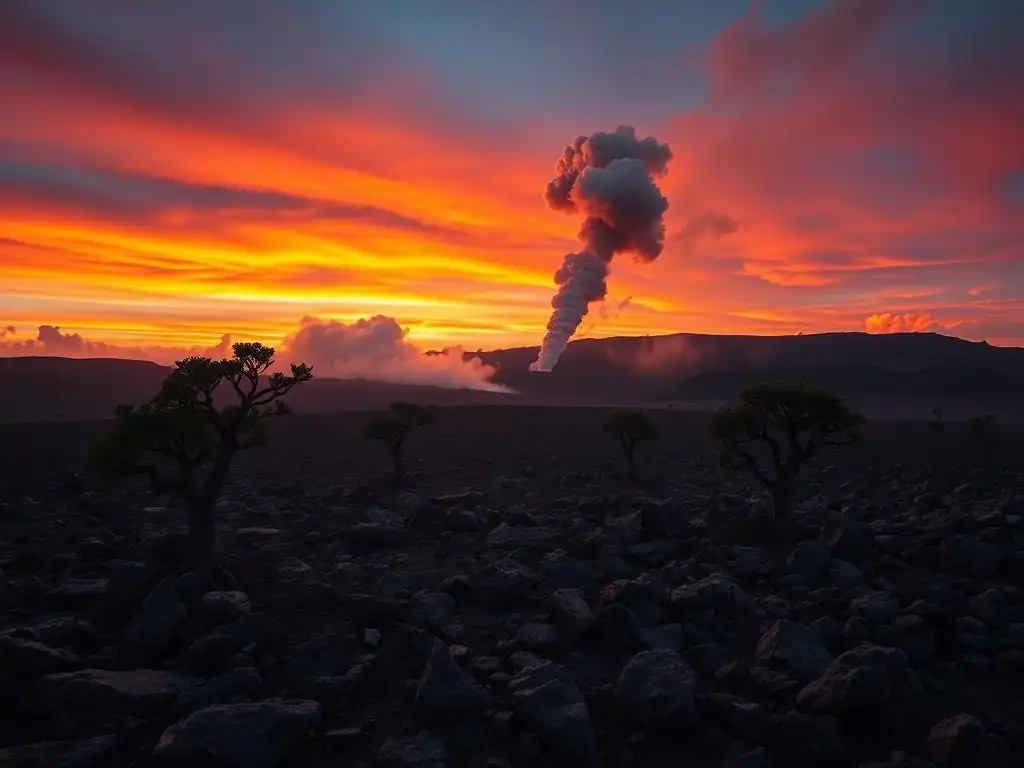
The tales of Pele and her siblings are rich with drama, reflecting the powerful forces of nature they embody. The most famous rivalry is undoubtedly that between Pele and Na-maka-o-Kaha'i. Legends recount numerous clashes between the fire goddess and the sea goddess, often sparked by jealousy or territorial disputes. These conflicts are not merely personal squabbles; they represent the fundamental struggle between volcanic land creation and oceanic erosion, forces constantly at play in shaping the Hawaiian archipelago.
One prominent myth details a romantic entanglement between Pele and Na-maka-o-Kaha'i's husband, leading to a fierce battle. In some versions, Pele is dismembered by her sister, her body scattered across the islands, with her spirit finding refuge in Kilauea. This dramatic narrative explains the volcanic activity across different islands and emphasizes the enduring power of Pele's spirit even in the face of physical defeat. These sibling rivalries serve as powerful allegories for the dynamic and often volatile relationship between different natural elements in the Hawaiian environment.
The Legend of Pele and Kamapua'a: A Clash of Fire and Fertility
The legend of Pele and Kamapua'a is a fascinating tale of contrasting forces: fire and fertility, destruction and growth. Kamapua'a, a pig-god, is depicted as a mischievous and powerful demigod associated with rain, agriculture, and procreation. Their relationship is characterized by both intense conflict and passionate attraction, embodying the tension between volcanic barrenness and the lush vegetation that eventually reclaims volcanic landscapes.
Myths describe Kamapua'a's persistent attempts to woo Pele, often met with fiery rejection. His ability to transform into various forms, including a pig and different plants, represents his connection to the fertile aspects of nature. Pele's resistance to Kamapua'a highlights the destructive potential of volcanic eruptions, which can initially devastate the land. However, their eventual reconciliation, in some versions of the myth, symbolizes the cyclical nature of creation and destruction. Volcanic eruptions, while initially destructive, ultimately enrich the soil, fostering new life and vegetation, thus mirroring the complex interplay between Pele and Kamapua'a.
Pele and the Creation of the Hawaiian Islands: A Volcanic Genesis
Pele is intrinsically linked to the creation of the Hawaiian Islands, viewed as the primary architect of the archipelago's volcanic landscape. Her journey from Kahiki, marked by her digging stick and fiery temperament, is interpreted as the process of volcanic island formation. As she moved southeastward across the Pacific, each island she touched is said to have been formed by her volcanic activity, starting with Niihau and Kauai and culminating in her current residence at Kilauea on the Big Island of Hawaii, the youngest island in the chain.
This southward progression of Pele's journey aligns remarkably with the scientific understanding of the Hawaiian island chain's formation. Geologists explain that the islands were created by the Pacific Plate moving over a stationary hotspot of magma deep beneath the Earth's crust. As the plate moved, volcanoes erupted, forming islands in a chain, with the oldest islands to the northwest and the youngest to the southeast, precisely mirroring the direction of Pele's legendary migration. This parallel between mythology and geology reinforces the profound connection Hawaiians have perceived between Pele and the very creation of their island home.
Pele's Domains: Understanding Volcanic Activity Through Mythology
Kilauea: Home of Pele and the Most Active Volcano in Hawaii
Kilauea, located on the southeastern side of the Big Island of Hawaii, is revered as the primary dwelling place of Pele and is considered one of the most active volcanoes in the world. Its continuous eruptions and dynamic landscape are seen as direct manifestations of Pele's presence and power. For centuries, Hawaiians have observed Kilauea's activity, interpreting its lava flows, steam plumes, and earthquakes as signs of Pele's moods and actions.
The volcanic activity at Kilauea is indeed prolific. From 1983 to 2018, the Puʻuʻōʻō eruption continuously poured lava onto the landscape, significantly altering the coastline and adding new land to the island. The Halemaʻumaʻu crater, within Kilauea's summit caldera, is considered particularly sacred, believed to be Pele's personal fire pit. Scientific monitoring confirms Kilauea's intense activity, with the Hawaiian Volcano Observatory constantly tracking ground deformation, gas emissions, and seismic activity to understand and predict its eruptions. The constant activity of Kilauea serves as a living testament to the enduring power of Pele in Hawaiian consciousness.
Halemaʻumaʻu Crater: Pele's Fiery Pit
Within the summit caldera of Kilauea lies Halemaʻumaʻu crater, a site of immense spiritual significance in Hawaiian culture, believed to be Pele's fiery home. Historically, Halemaʻumaʻu was known for its active lava lake, a mesmerizing spectacle that drew visitors and was considered a direct manifestation of Pele's fiery essence. The crater's fluctuating activity, from periods of intense lava lakes to explosive eruptions and collapses, mirrors the unpredictable nature of Pele's temperament in Hawaiian myths.
In 2008, after a period of dormancy, Halemaʻumaʻu crater experienced renewed volcanic activity, with a new vent opening and emitting volcanic gases and ash. This activity intensified, leading to explosive eruptions and the formation of a new lava lake within the crater by 2016. The dramatic 2018 Kilauea eruption and summit collapse significantly altered Halemaʻumaʻu, causing the lava lake to drain and the crater to widen and deepen considerably. Despite these changes, Halemaʻumaʻu remains a focal point for Pele worship and a powerful symbol of volcanic dynamism, continuously evolving and reminding visitors of the raw power of nature.
Volcanic Eruptions as Pele's Manifestation: Interpreting the Signs
Hawaiian volcano goddess myths provide a framework for interpreting volcanic eruptions as direct expressions of Pele's will and emotions. Different types of eruptions and volcanic phenomena are often attributed to specific aspects of Pele's personality or actions. For instance, slow-moving, effusive lava flows are sometimes seen as Pele's gentle, creative side, building new land. In contrast, explosive eruptions, characterized by ash plumes and pyroclastic flows, are interpreted as expressions of Pele's anger or displeasure.
The color and characteristics of lava flows also hold symbolic meaning. Pāhoehoe lava, with its smooth, ropy texture, is often associated with Pele's graceful movements, while ʻaʻā lava, rough and jagged, may represent her more turbulent emotions. Volcanic gases and steam plumes are seen as Pele's breath or hair.
Even earthquakes associated with volcanic activity are interpreted as Pele stamping her feet or moving within her fiery domain. This mythological interpretation of volcanic activity allows Hawaiians to understand and relate to the powerful forces of nature in a deeply personal and culturally meaningful way, fostering respect and a sense of connection to the volcanic landscape.
Pele's Temperament: Exploring the Dual Nature of the Volcano Goddess
Pele as Creator: The Builder of Islands
While often associated with destruction, Pele is also profoundly regarded as a creator, the architect of the Hawaiian Islands themselves. Her volcanic activity, though capable of devastation, is ultimately responsible for the very existence of these islands and their fertile volcanic soil. In this creative aspect, Pele embodies the life-giving forces of the Earth, constantly renewing and reshaping the landscape.
The continuous volcanic eruptions, particularly from Kilauea, have added significant landmass to the Big Island and the Hawaiian archipelago over millennia. Lava flows, when they solidify, create new land, extending coastlines and building up the islands. The volcanic ash, while initially disruptive, weathers down over time to form rich, fertile soil that supports the lush vegetation of Hawaii. Therefore, Pele's fiery nature is not solely destructive but fundamentally creative, constantly engaged in the process of island building and land renewal, making her a vital force of creation in the Hawaiian ecosystem.
Pele as Destroyer: The Force of Volcanic Eruptions
Pele's destructive aspect is undeniable, vividly demonstrated by the powerful and sometimes devastating volcanic eruptions she unleashes. These eruptions can reshape landscapes in dramatic ways, destroying forests, homes, and infrastructure in their path. The explosive force of volcanic eruptions, with their pyroclastic flows, ashfall, and lava bombs, showcases the raw, untamed power of Pele's fiery temperament.
The 2018 Kilauea eruption serves as a stark reminder of Pele's destructive capabilities. The Lower East Rift Zone eruption destroyed hundreds of homes and communities, dramatically altering the landscape and displacing thousands of residents. Historical eruptions have also caused significant devastation throughout Hawaiian history.
This destructive power is not seen as inherently malevolent but rather as an integral part of the natural cycle of creation and destruction, a necessary force for change and renewal. Pele's destructive side underscores the need for respect and caution in the face of volcanic power, highlighting the delicate balance between human life and the forces of nature.
Respecting Pele: Traditions and Offerings to the Fire Goddess
Given Pele's dual nature as both creator and destroyer, respect for the volcano goddess is deeply ingrained in Hawaiian culture. Traditional practices and offerings are made to Pele to appease her, seek her favor, and ensure safe passage through her domain. These traditions demonstrate a deep understanding of and reverence for the power of volcanoes and the need to live in harmony with nature.
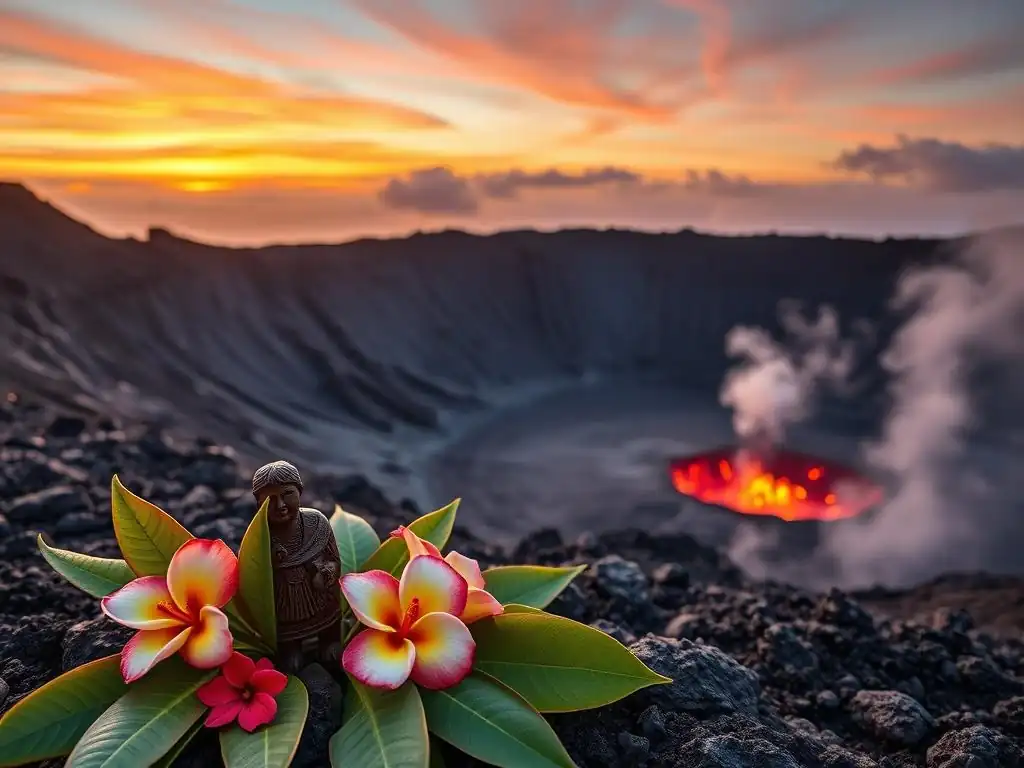
Offerings to Pele traditionally include ʻohelo berries, sacred to the goddess, as well as gin, flowers, and chants (oli). It is considered disrespectful to remove rocks or lava from volcanic areas, as these are believed to be part of Pele's body. Traditional protocols are observed when visiting volcanic sites, such as asking permission to enter Pele's domain and expressing gratitude for her presence. These practices are not mere superstitions but represent a profound cultural understanding of the volcanic landscape and the importance of maintaining a respectful relationship with the natural world, acknowledging Pele as a powerful and ever-present force.
Cultural Significance of Pele in Modern Hawaii
Pele in Hawaiian Art and Literature
Pele's influence extends far beyond ancient myths, permeating modern Hawaiian art and literature. She serves as a powerful muse, inspiring artists, writers, and musicians to explore themes of creation, destruction, nature's power, and Hawaiian identity. Pele's image and stories are frequently depicted in paintings, sculptures, carvings, and contemporary art forms, reflecting her enduring presence in the cultural landscape.
In literature, Pele appears in numerous poems, novels, and plays, often as a central figure representing the volcanic dynamism of Hawaii and the complex relationship between humans and nature. Hawaiian writers draw upon Pele's myths to explore contemporary issues, such as environmentalism, cultural preservation, and the impact of tourism on Hawaiian culture. Musicians also incorporate Pele's stories and imagery into their compositions, using traditional chants and modern musical styles to celebrate her legacy. Through these artistic expressions, Pele remains a vital and evolving symbol of Hawaiian culture, constantly reinterpreted and reimagined for new generations.
Pele and Tourism: Balancing Respect and Exploration
The allure of volcanoes, particularly Kilauea and the legends of Pele, draws significant tourism to Hawaii. While tourism can bring economic benefits, it also presents challenges in balancing respect for Hawaiian culture and the sacredness of Pele's domain with the desire for exploration and visitor experiences. Responsible tourism practices are crucial to ensure that cultural sites are protected and that visitors engage with Pele's legends in a respectful and informed manner.
Educational initiatives play a vital role in promoting responsible tourism. Volcanoes National Park, for example, provides interpretive programs that educate visitors about Hawaiian culture, Pele mythology, and the geological processes at work. Tour operators are increasingly incorporating cultural sensitivity training for their staff and educating visitors about appropriate behavior at volcanic sites, such as avoiding the removal of lava rocks and respecting sacred areas. Finding a balance between sharing the wonders of Hawaii's volcanic landscape and preserving the cultural integrity of Pele's myths is an ongoing challenge that requires collaboration between tourism stakeholders, cultural practitioners, and the local community.
The Ongoing Influence of Hawaiian Volcano Goddess Myths
Even in the 21st century, Hawaiian volcano goddess myths, particularly those of Pele, retain a profound influence on Hawaiian society. They continue to shape cultural identity, environmental consciousness, and the relationship between Hawaiians and their volcanic homeland. Pele's stories are not relics of the past but living narratives that provide a framework for understanding the natural world and navigating the challenges of living in a volcanically active environment.
The ongoing eruptions of Kilauea and other Hawaiian volcanoes constantly reinforce the relevance of Pele's myths. Each eruption is interpreted through the lens of these traditional narratives, providing a cultural context for understanding these powerful natural events. Pele's stories also serve as a reminder of the interconnectedness of nature and culture, emphasizing the importance of living in balance with the environment and respecting the forces that shape the islands. In a rapidly changing world, the enduring influence of Hawaiian volcano goddess myths provides a sense of continuity, cultural resilience, and a deep connection to the land.
Modern Interpretations of Pele: Science and Mythology Intertwined
Understanding Volcanic Activity Through Scientific Lenses
Modern volcanology offers a scientific understanding of the processes behind volcanic activity, providing insights into the geological forces that create phenomena traditionally attributed to Pele. Scientists study magma generation, plate tectonics, and eruption dynamics to explain the mechanisms behind volcanic eruptions, lava flows, and the formation of volcanic landscapes. This scientific knowledge complements and enriches the cultural understanding of volcanoes provided by Pele's myths.
For example, the Hawaiian hotspot theory explains the formation of the island chain, mirroring the narrative of Pele's journey across the Pacific. Studies of Kilauea's magma plumbing system and eruption history provide detailed data on the volcano's behavior, allowing for more accurate predictions and hazard assessments. Seismic monitoring, gas measurements, and ground deformation studies offer real-time insights into volcanic activity, helping to understand the physical processes behind events that Hawaiians traditionally interpreted as Pele's actions. Science provides a different but equally valuable perspective on the forces of nature that Pele embodies in Hawaiian mythology.
Connecting Pele's Legends to Geological Processes
Interestingly, many aspects of Pele's myths resonate with scientific observations of volcanic processes, suggesting a deep traditional understanding of the natural world. The myths often accurately reflect the dynamic and cyclical nature of volcanic activity, the creation of new land through lava flows, and the destructive power of eruptions. The rivalry between Pele and Na-maka-o-Kaha'i mirrors the geological interplay between volcanic land and oceanic erosion.
The detailed descriptions of different lava types in Hawaiian legends, such as pāhoehoe and ʻaʻā, align with scientific classifications based on lava texture and flow characteristics. Traditional knowledge of volcanic hazards, such as laze (lava haze) and volcanic gases, is also evident in some myths and practices. This alignment between mythology and scientific observation suggests that Hawaiian ancestors possessed a sophisticated understanding of their volcanic environment, developed through generations of careful observation and cultural transmission. Pele's legends, therefore, can be seen as a form of encoded environmental knowledge, passed down through storytelling and cultural practices.
The Future of Pele: Predicting Volcanic Activity and Preserving Cultural Heritage
The future of Pele and Hawaiian volcano goddess myths is intertwined with both scientific advancements in volcano monitoring and ongoing efforts to preserve cultural heritage. Continued research in volcanology will enhance our ability to predict volcanic eruptions and mitigate hazards, contributing to the safety and well-being of communities living near active volcanoes. At the same time, preserving and promoting Hawaiian language, culture, and mythology is crucial for maintaining the cultural significance of Pele for future generations.
Efforts to integrate traditional Hawaiian knowledge with scientific understanding are gaining momentum. Collaborative projects between scientists, cultural practitioners, and educators are exploring ways to incorporate Pele's myths into educational programs and public outreach initiatives. This interdisciplinary approach recognizes the value of both scientific and cultural perspectives in understanding and responding to volcanic hazards. The future of Pele lies in fostering a holistic approach that honors both the scientific and spiritual dimensions of volcanoes, ensuring that her legacy continues to inspire and inform our relationship with the dynamic Earth.
Conclusion: The Enduring Legacy of Pele, the Fire Goddess of Hawaii
Reflecting on the Power and Beauty of Hawaiian Volcano Mythology
Hawaiian volcano mythology, centered around the figure of Pele, offers a rich tapestry of stories that illuminate the power and beauty of volcanic landscapes. These myths are more than just tales; they are a profound expression of Hawaiian cultural identity, environmental understanding, and spiritual connection to the land. Pele's dual nature as both creator and destroyer encapsulates the dynamic forces that shape the Hawaiian Islands, reminding us of the constant interplay between creation and destruction in the natural world.
The enduring legacy of Pele lies in her ability to connect people to the raw power of nature and the profound mysteries of the Earth. Her stories have been passed down through generations, shaping values, traditions, and a deep respect for the volcanic environment. Even in the modern era, Pele continues to inspire artists, writers, and scientists, demonstrating the timeless relevance of these ancient myths. By exploring Hawaiian volcano goddess myths, we gain a deeper appreciation for the cultural significance of volcanoes and the rich tapestry of human-nature relationships.
Further Exploration of Hawaiian Volcanoes with VolcanoExplorers.org
VolcanoExplorers.org invites you to continue your exploration of Hawaiian volcanoes and the captivating myths of Pele. Through detailed articles, informative resources, and engaging content, the website provides a platform to delve deeper into the science, culture, and mythology of volcanoes worldwide. Discover more about Kilauea, Halemaʻumaʻu, and the geological wonders of Hawaii. Learn about other volcano goddess myths from around the globe and compare cultural interpretations of volcanic phenomena.
VolcanoExplorers.org aims to be your comprehensive resource for understanding and appreciating the dramatic and awe-inspiring world of volcanoes. Whether you are interested in the scientific aspects of volcanic eruptions, the cultural significance of volcanoes in different societies, or the captivating stories of volcano deities like Pele, VolcanoExplorers.org offers a wealth of information to satisfy your curiosity and deepen your knowledge. Join us in exploring the fiery heart of our planet and the enduring power of volcano mythology.
Frequently Asked Questions
What is Pele known for in Hawaiian mythology?
Pele is revered as the Hawaiian goddess of volcanoes, fire, lightning, wind, and dance. She is known for her powerful temper and her ability to both create and destroy land.
Where does Pele traditionally reside?
Pele's primary residence is believed to be within Halemaʻumaʻu, the crater of Kīlauea volcano on the Big Island of Hawai'i. It is considered her sacred home.
How are volcanic eruptions explained through Pele's myths?
Eruptions are often attributed to Pele's anger or her battles with other gods and goddesses, especially her sister Hiʻiaka. The lava flows are seen as manifestations of her fiery power.
Are there specific offerings or rituals performed to honor Pele?
Traditionally, offerings of ʻōhelo berries, flowers, and other items are left at the volcanoes to appease Pele and seek her blessings. These are signs of respect.
What role do Pele myths play in modern Hawaiian culture?
The myths of Pele continue to be a vital part of Hawaiian culture, serving as a source of inspiration, cultural identity, and a reminder of the power and fragility of the natural world.
Final Reflection: The Enduring Flame of Pele
The myths and legends surrounding Pele, the Hawaiian volcano goddess, are not mere relics of the past; they are living narratives that continue to shape the cultural landscape of Hawaii and beyond. Her stories, filled with passion, destruction, and creation, resonate deeply because they mirror the powerful forces that shape our planet and the human spirit. They remind us of the raw, untamed energy that lies beneath the surface, both within the earth and within ourselves.
The enduring power of Pele's stories lies in their ability to connect us to something larger than ourselves. These myths are not just entertainment; they are a vital part of Hawaiian identity and a powerful reminder of the interconnectedness of nature and culture. They teach us about respect, resilience, and the cyclical nature of life, death, and rebirth. E uhi ana ka honua i ka ʻāina, e uhi ana ka ʻāina i ke kai, e uhi ana ke kai i ka lani
- "The earth covers the land, the land covers the sea, the sea covers the sky." This ancient Hawaiian proverb encapsulates the holistic worldview that Pele embodies, a worldview that is increasingly relevant in our modern world.
As you reflect on the myths and legends of Pele, consider the fire that burns within you. What passions drive you? What creative forces are waiting to be unleashed? Let the stories of this powerful goddess inspire you to embrace your own inner fire, to face challenges with courage, and to create a world that is both beautiful and sustainable. Let the enduring flame of Pele guide you.
Unleash Your Inner Explorer: Discover Pele's Power!
Mahalo for exploring the captivating myths and legends surrounding Pele, Hawai'i's fiery goddess. We hope you've gained a deeper appreciation for the powerful stories woven into the islands' landscape. Now, it's time to embark on your own adventure!
Here's how you can further connect with Pele's legacy:
- Plan a visit to Hawai'i Volcanoes National Park. Immerse yourself in the landscapes shaped by Pele's volcanic power and reflect on the awe-inspiring force of nature. Witnessing these formations firsthand is the best way to connect with the story of Pele.
- Share your favorite Pele legend or a photo of volcanic landscapes on social media using #VolcanoExplorers and #PeleGoddess. Let's share the wonder!
- Delve deeper: Research the cultural significance of the ʻōhiʻa lehua flower in Hawaiian mythology and consider planting one, if it's environmentally suitable for your region, as a gesture of respect for Pele and the environment.
What aspects of Pele's story resonated most with you, and how will you integrate this newfound understanding into your life? Share your thoughts below!