Volcanoes in Music and Performing Arts: Where Earth’s Fury Meets Artistic Expression
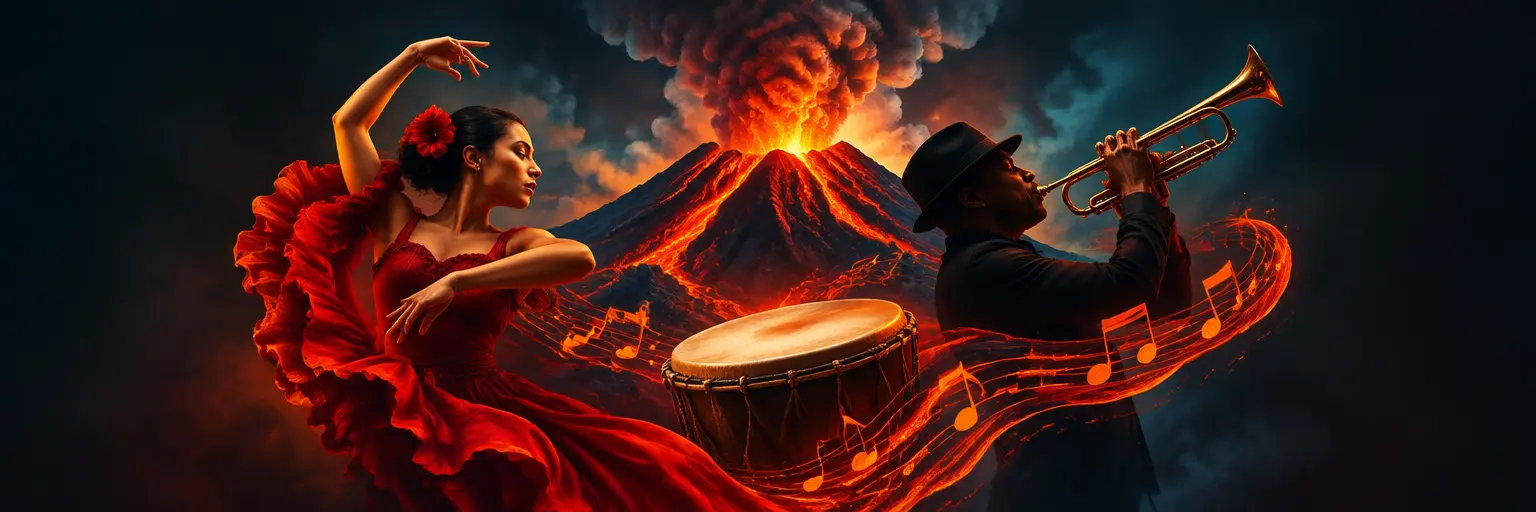
Welcome to a fiery intersection of nature and creativity. On this page, we explore how volcanoes have inspired composers, choreographers, playwrights, and performance artists for centuries, transforming raw geological power into emotional, auditory, and visual experiences that resonate with audiences worldwide.
🎵 Symphonies and Operatic Eruptions: Classical Compositions
From the trembling strings of a pre-eruption rumble to triumphant brass choruses, classical music has long used volcanoes as an allegory for passion, destruction, and rebirth. Key works include Jean-Philippe Rameau’s *Les Indes galantes* and the dramatic finale of Verdi’s *Aida*, where a volcanic tomb becomes a stage. Composers manipulate tempo and dynamics to mimic pyroclastic flows, creating soundscapes that feel both terrifying and sublime. Expect to discover how orchestral arrangement techniques—such as tremolo and glissando—have become shorthand for seismic anxiety in film scores.
Modern classical innovators, like Icelandic composer Ólafur Arnalds, use field recordings of actual volcanic activity sampled into neoclassical pieces, blurring the line between earth science and music. This subcategory will guide you through historical milestones and contemporary audio interpretations, proving that a volcano’s voice can be as poignant as a human choir.
🩰 Dance, Ballet, and Physical Theater: Movement as Magma
Choreographers have embraced volcanic themes to explore human vulnerability and explosive emotion. Notable productions include the Martha Graham Company’s *Lamentation Variations* and the Japanese butoh piece *Tsuchi*, where dancers embody molten lava through slow, contorted gestures. Physical theater uses fire props, red silks, and earth-toned costumes to simulate eruptions, while dancers’ breath and heartbeat become rhythmic metaphors for volcanic unrest.
In this section, you’ll learn how stage direction and lighting design—such as strobe lights mimicking ash flashes—translate geological timescales into human-scale drama. We also highlight educational workshops where performers use improvisation based on seismic data, making science accessible through kinetic storytelling. Whether you’re a dancer seeking inspiration or a teacher creating a cross-curricular unit, these performances demonstrate that movement is the most primal language of Earth’s inner fire.
🎭 Theatrical Narratives and Epic Dramas: Myths on Stage
Theater has reimagined volcanic events from Pompeii to Mount Pelée, using them as backdrops for moral dilemmas, love tragedies, and social critiques. Classic plays like *The Last Days of Pompeii* (adapted from Edward Bulwer-Lytton’s novel) and modern one-person shows about vulcanologists blend historical accuracy with dramatic license. Immersive theater companies now stage performances in abandoned quarries or with real heat lamps, allowing audiences to feel the rising temperature as tension escalates.
Moreover, puppet theater and shadow plays have used volcanic silhouettes for centuries, particularly in Indonesian *wayang kulit* performances that incorporate Mount Merapi’s legends. This subcategory unpacks how playwrights structure acts around eruption phases—rising action as magma ascent, climax as blast, denouement as cooling aftermath—creating a narrative rhythm that mirrors natural disasters. Expect case studies of productions that have successfully educated audiences about volcanic hazards while delivering high drama.
🎸 Rock, Pop, and Electronic Music: Sonic Eruptions
Volcanoes have ignited popular music across genres, from the raw guitar riff in Jimi Hendrix’s “Fire” to the synthesized explosions in Kraftwerk’s “The Robots.” Iconic songs like the Yeah Yeah Yeahs’ “Maps” (with its volcanic music video) and U2’s “Mysterious Ways” use volcanic motifs to evoke passion and unpredictability. Electronic artists often sample seismic sonification data—converting earthquake vibrations into audible frequencies—to create tracks that are literally of the Earth.
This section explores how album art, concert visuals, and stage pyrotechnics (e.g., real volcanic rock dust on the floor) enhance the listener’s experience. We also examine how festival culture, such as Iceland’s *Eistnaflug* metal festival near volcanic sites, creates a symbiotic relationship between music tourism and geology. Discover playlists curated by volcanologists that track rumbling tempos to eruption intensity, offering a unique audio-visual guide to understanding volcanic behavior.
🎉 Festivals and Live Art Installations: Communal Fire
Communities living near active volcanoes have developed performing arts festivals that both celebrate and honor the mountain’s presence. Examples include the Mount Fuji Jazz Festival, the Etna on Stage event in Sicily, and Hawaii’s Merrie Monarch hula festival, where chants (*mele*) and dance (*hula*) narrate Pele’s myths. These events often incorporate fire dancing, traditional drumming, and collaborative murals painted with heat-sensitive pigments that change color with rising temperature.
Beyond local tradition, global art collectives like *Sensing Salience* create temporary installations where performers trigger sounds using Arduino sensors connected to real-time volcanic seismographs, turning geological data into interactive performance art. This subcategory provides a practical guide to organizing or attending such festivals, including safety protocols for outdoor stages near volcanic zones. You’ll also find interviews with artists who explain how they balance awe and risk, ensuring that creativity never undermines scientific awareness.
📚 Film, Multimedia, and Virtual Reality: Volcanoes Beyond the Stage
While not strictly live performance, film and VR have revolutionized how we experience volcanic drama. Directors like Werner Herzog (*Into the Inferno*) and Katia and Maurice Krafft’s documentary archives blend actual eruption footage with narrative voiceovers, making you feel the ash on your face. Innovative VR experiences now allow users to stand on a virtual crater rim while a synthetic orchestra plays, with haptic vests simulating ground tremors.
This section discusses how motion capture technology records dancers’ movements and projects them as lava flows on stage screens, merging physical and digital realms. We also cover the use of 3D-printed volcanic rock replicas as percussion instruments in experimental music groups—a union of geology and sound design that pushes boundaries. Expect reviews of must-see immersive exhibits, plus tips for educators on using these multimedia tools to teach volcanic hazards in a gripping, sensory way.
Frequently Asked Questions
What is the most famous volcano-themed opera?
Giuseppe Verdi’s *Aida* is arguably the most famous, with its final scene set in a sealed tomb reminiscent of a volcanic burial. Additionally, the opera *The Last Days of Pompeii* (by John Barnett) and newer works like *Volcano* by David T. Little explore volcanic themes with historical depth.
How do volcanoes influence modern pop songs?
Pop songs use volcanoes as metaphors for romantic passion, explosive anger, or sudden change—think Katy Perry’s “Eruption” or Elton John’s “Goodbye Yellow Brick Road.” Producers often add low-frequency rumbles (subsonic waves) to mimic volcanic infrasound, creating subconscious tension that makes listeners feel uneasy yet excited.
Are there any dance companies that incorporate real volcano monitoring data?
Yes, some pioneering companies collaborate with volcanologists. For instance, the Belgian group *Heliograf* used real-time tremor data from Mount Etna to choreograph a piece where dancers mirror the acceleration patterns. Similar projects exist in Japan and Iceland, blending science with expressive motion.
Can virtual reality accurately simulate volcanic eruptions for education?
Absolutely. VR platforms like *Erupt!* use physics-based models of pyroclastic flows and ash dispersion, allowing users to choose evacuation routes. Haptic suits add heat and vibration feedback, making simulations highly realistic for disaster preparedness training without physical risk.
What traditional performances are tied to volcanic deities?
Polynesian hula honoring Pele, Japanese kagura dances for Mount Fuji’s goddess, and Indonesian *wayang* shows featuring Mahameru’s spirits are prominent. These traditions often carry strict protocols, as performers believe disrespecting the mountain could trigger eruptions, blending art with spiritual stewardship.