
The Rhythm of Ruapehu: Maori Performance and New Zealand's Volcanoes

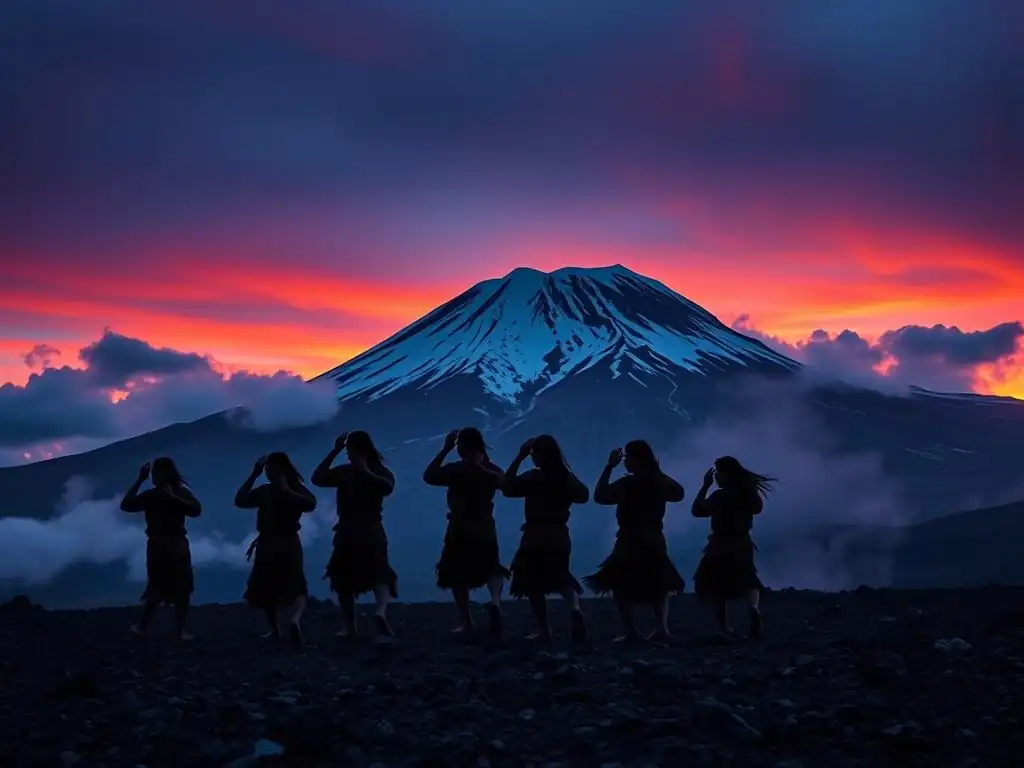
Welcome to Volcano Explorers!
Prepare to journey to the heart of the Earth's fiery breath. But this isn't just about molten rock and seismic shifts. Today, we uncover a deeper story – one woven into the very fabric of a nation. Discover how the powerful forces that sculpted New Zealand's landscape have resonated through generations, influencing art, ritual, and the very soul of a people. Intrigued? Then delve into the captivating connection between Maori culture and New Zealand volcanoes and prepare to witness the rhythm of Ruapehu like never before...
- The Rhythm of Ruapehu: Māori Performance and New Zealand's Volcanoes
- Introduction: Exploring the Intertwined Worlds of Māori Culture and New Zealand Volcanoes
- Ruapehu's Reverberations: Māori Perspectives on a Sacred Volcano
- Māori Performance as a Dialogue with Volcanoes
- The Role of Māori Oral Traditions in Understanding Volcanic History
- Contemporary Māori Performance and the Volcanic Landscape
- Case Study: Tūhoe and the Te Urewera National Park
- The Future of Māori Cultural Expression and Volcanic Awareness
- Conclusion: Honoring the Rhythm of Ruapehu and Māori Culture
-
Frequently Asked Questions
- How are volcanoes viewed within Maori culture?
- What role does performance play in respecting volcanoes in Maori tradition?
- How does the volcano Ruapehu feature in Maori narratives and legends?
- What are some modern examples of Maori engagement with volcanoes?
- How can visitors learn more about the relationship between Maori culture and New Zealand volcanoes?
- Final Reflection: Echoes in the Ash
- Rediscover the Spirit of Ruapehu: Your Next Adventure Awaits!
The Rhythm of Ruapehu: Māori Performance and New Zealand's Volcanoes
Introduction: Exploring the Intertwined Worlds of Māori Culture and New Zealand Volcanoes
Te Papa Tongarewa: Bridging Science and Culture in Volcanic Landscapes
Te Papa Tongarewa, New Zealand's national museum, serves as a crucial bridge connecting scientific understanding of volcanoes with the rich cultural heritage of Māori people. Within its exhibitions, visitors can explore the geological forces that shape Aotearoa's volcanic landscapes, alongside taonga (treasures) and narratives that reveal the profound relationship Māori have maintained with these dynamic environments for centuries. The museum's approach emphasizes the interconnectedness of nature and culture, showcasing how Māori knowledge systems, passed down through generations, offer unique insights into the volcanic world that complement scientific research.
Te Papa’s commitment to Te Tiriti o Waitangi (The Treaty of Waitangi) principles ensures that Māori perspectives are central to the interpretation and presentation of volcanic themes. This is evident in exhibitions that incorporate Māori language, art, and oral histories, providing a holistic understanding of volcanoes that goes beyond purely scientific explanations. By bringing together scientific data and indigenous knowledge, Te Papa Tongarewa fosters a deeper appreciation for the multifaceted significance of New Zealand's volcanoes, both as geological phenomena and as integral parts of Māori cultural identity.
The Cultural Significance of Volcanoes in Aotearoa
For Māori, volcanoes are not merely geological formations; they are living entities, imbued with whakapapa (genealogy), mana (prestige), and spiritual significance. These towering peaks are often considered tupuna (ancestors), forming a crucial link between the human world and the atua (spiritual realm). The volcanic landscape of Aotearoa, shaped by millennia of eruptions and geothermal activity, is therefore deeply interwoven with Māori identity, history, and cosmology. This connection is reflected in place names, oral traditions, and artistic expressions that celebrate and acknowledge the power and presence of volcanoes.
The active nature of New Zealand's volcanoes further amplifies their cultural importance. Eruptions and geothermal features are seen as manifestations of atua, demanding respect and understanding. Māori communities living in volcanic regions have developed intricate systems of knowledge for interpreting volcanic signs, mitigating risks, and maintaining harmonious relationships with these powerful forces of nature. This deep cultural connection to the volcanic landscape underscores the importance of understanding Māori perspectives in environmental management and disaster preparedness within New Zealand.
Ruapehu's Reverberations: Māori Perspectives on a Sacred Volcano
Mount Ruapehu: A Tapu Landscape in Māori Tradition
Mount Ruapehu, an active stratovolcano on the North Island’s Volcanic Plateau, holds immense cultural significance for Māori, particularly for iwi (tribes) such as Ngāti Rangi, Uenuku, and Ngāti Tūwharetoa. Considered tapu (sacred), Ruapehu is not just a mountain but a living ancestor, treated with utmost reverence and respect. Its peaks, valleys, and geothermal features are all imbued with spiritual meaning, and access to certain areas may be restricted or governed by traditional protocols, reflecting the mountain's sacred status.
The concept of tapu extends to all aspects of interaction with Ruapehu. Activities like climbing, skiing, or even resource gathering are traditionally undertaken with careful consideration of cultural protocols and respect for the mountain's spiritual essence. Stories and whakapapa link specific features of Ruapehu to ancestral figures and events, reinforcing its place as a central element in the cultural landscape. This deep connection means that any discussion of Ruapehu, whether scientific or recreational, must acknowledge and respect its profound cultural significance to Māori.
The Spiritual Significance of Volcanic Activity in Māori Belief
Volcanic activity, such as eruptions, geothermal vents, and hot springs, is interpreted within Māori belief systems as manifestations of powerful spiritual forces. These events are not seen as random geological occurrences but as expressions of atua, often carrying messages or warnings. Eruptions, in particular, can be viewed as displays of mana, reminding people of the immense power of the natural world and the need to maintain balance and respect. Geothermal areas are often associated with healing properties and are considered tapu sites with specific protocols for access and use.
The interpretation of volcanic events is deeply embedded in oral traditions and ancestral knowledge. Māori communities have long observed and interpreted volcanic signs, developing sophisticated understandings of eruption patterns and potential hazards. This knowledge, passed down through generations, informs responses to volcanic activity and emphasizes the importance of living in harmony with the dynamic forces of nature. Understanding the spiritual significance of volcanic activity is crucial for appreciating the depth of Māori connection to their environment and for developing culturally appropriate approaches to volcanic risk management.
Māori Performance as a Dialogue with Volcanoes
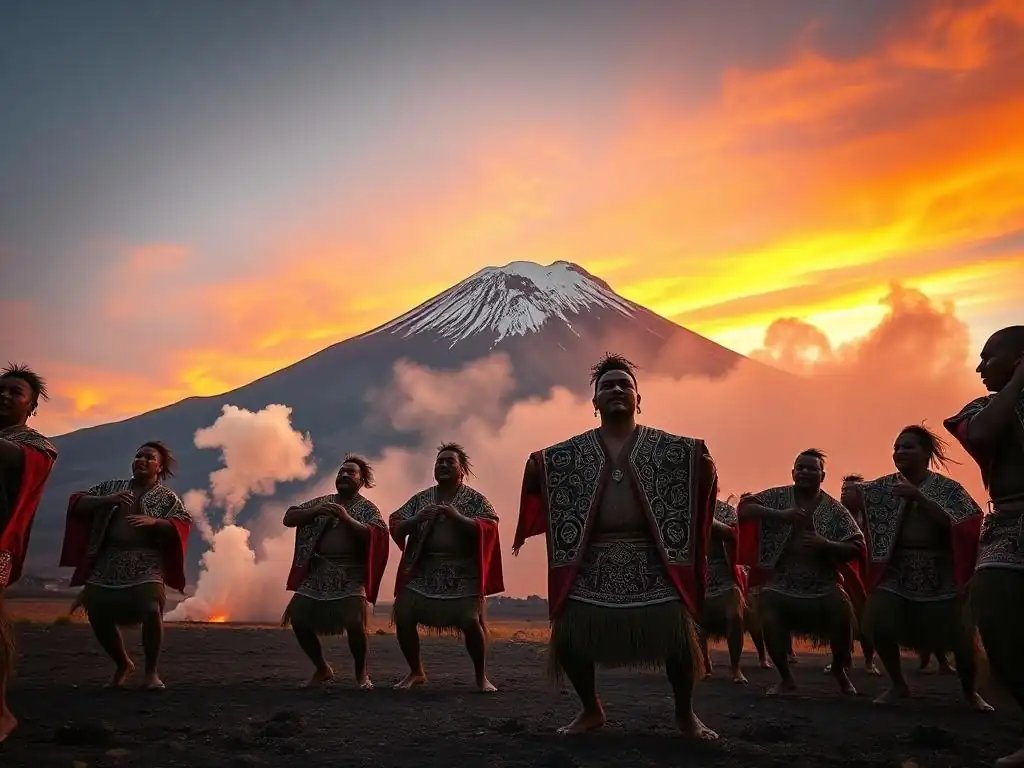
Haka and Volcanic Power: Expressing Respect and Awe
Haka, the powerful and dynamic Māori performance art, serves as a potent form of dialogue with the volcanic landscape. The movements, chants, and expressions of haka can be interpreted as expressions of respect, awe, and even challenge towards the immense forces embodied by volcanoes. The stomping feet can be seen as mimicking the tremors of the earth, while the rhythmic chanting and powerful gestures evoke the raw energy and intensity of volcanic eruptions.
Through haka, performers can embody the spirit of the land and communicate their relationship with the volcanic environment. The haka can be used in various contexts, from welcoming ceremonies near volcanic sites to expressing grief or resilience in the face of volcanic events. The performance becomes a way to connect with the spiritual power of the volcanoes, acknowledge their presence, and reinforce the cultural bonds between people and place. In this way, haka transcends mere performance; it becomes a living expression of the intertwined destinies of Māori culture and the volcanic world.
Waiata and the Voices of the Mountains: Storytelling through Song
Waiata, or Māori songs, offer another profound avenue for cultural expression related to volcanoes. These songs often weave together historical narratives, ancestral connections, and observations of the natural world, including volcanic landscapes. Waiata can recount specific volcanic events, celebrate the beauty or power of particular mountains, or express the emotions and experiences of people living in volcanic regions.
Through metaphor and imagery, waiata can give voice to the mountains themselves, allowing the landscape to speak through the performers. The melodies and lyrics often evoke the moods and rhythms of the volcanic environment, from the rumble of subterranean activity to the stillness of a snow-capped peak. Waiata serve as important vehicles for transmitting cultural knowledge about volcanoes across generations, preserving oral histories and reinforcing the deep spiritual and emotional connections between Māori people and their volcanic homeland.
The Role of Māori Oral Traditions in Understanding Volcanic History
Legends of Ruapehu: The Story of Ngātoroirangi and the Tongariro Mountains
Māori oral traditions are rich with legends that provide invaluable insights into the history and cultural understanding of volcanic activity in New Zealand. The legend of Ngātoroirangi, a high priest who climbed Mount Tongariro and called upon fire from his homeland Hawaiki to warm himself, is a central narrative in the volcanic plateau region. This story not only explains the volcanic origins of Tongariro, Ruapehu, and Ngauruhoe but also establishes the spiritual significance of these mountains and their interconnectedness.
The legend recounts how Ngātoroirangi, freezing on the summit, prayed to his sisters, the fire goddesses, who sent fire which traveled underground from Hawaiki, erupting at Tongariro and then spreading to the other mountains. This narrative encapsulates a deep understanding of volcanic processes, linking geothermal activity to a spiritual source and explaining the volcanic chain as a connected system. Such legends are not merely entertaining stories; they are repositories of accumulated knowledge and cultural interpretations of natural phenomena, offering valuable perspectives on volcanic history.
Preserving Knowledge: How Māori Oral Histories Document Volcanic Events
Māori oral histories serve as a vital form of documenting volcanic events, predating written records and offering unique perspectives on past eruptions and their impacts. These histories, passed down through generations, often contain detailed descriptions of volcanic activity, including eruption styles, ashfall distribution, and the effects on the environment and communities. By analyzing these oral accounts alongside geological evidence, researchers can gain a more comprehensive understanding of New Zealand's volcanic past.
The accuracy and longevity of Māori oral histories are remarkable. For example, oral traditions have been shown to correlate with geological evidence of significant eruptions occurring centuries ago, demonstrating the effectiveness of this knowledge transmission system. These histories not only provide chronological information but also capture the social, cultural, and spiritual dimensions of volcanic events, offering insights that are often absent from purely scientific records. Recognizing and valuing Māori oral histories is crucial for a more complete and culturally sensitive understanding of volcanic hazards and long-term environmental change in New Zealand.
Contemporary Māori Performance and the Volcanic Landscape
Modern Interpretations: Kapa Haka Performances Reflecting Environmental Concerns
Contemporary Kapa Haka, Māori performing arts groups, increasingly incorporate themes of environmental awareness and kaitiakitanga (guardianship) into their performances, reflecting growing concerns about climate change and environmental degradation, including volcanic impacts. Performances may address issues such as the effects of tourism on volcanic landscapes, the importance of sustainable resource management in geothermal areas, or the need for greater protection of culturally significant volcanic sites.
Through powerful choreography, waiata, and haka, Kapa Haka groups can raise awareness about environmental challenges and promote Māori values of respect for nature and intergenerational responsibility. These performances become platforms for advocating for environmental protection and for asserting Māori rights and responsibilities as kaitiaki of the land. By blending traditional art forms with contemporary messages, Kapa Haka demonstrates the ongoing relevance of Māori culture in addressing modern environmental issues within volcanic regions and beyond.
Engaging with Volcanic Risks: Māori Perspectives on Disaster Preparedness
Māori communities living in volcanic areas actively engage with volcanic risk management, drawing upon both traditional knowledge and contemporary scientific information. This engagement is often expressed through performance, using waiata and haka to communicate preparedness messages, reinforce community resilience, and maintain cultural connections in the face of potential volcanic hazards. Performance can serve as a powerful tool for community education and mobilization during times of volcanic unrest.
For example, Kapa Haka groups may create performances that incorporate safety messages, evacuation procedures, or reminders of ancestral resilience in the face of past volcanic events. These performances can be particularly effective in reaching audiences within Māori communities, using culturally relevant forms of communication to promote preparedness and build community cohesion. By integrating cultural expression with disaster preparedness, Māori communities demonstrate a holistic and culturally grounded approach to living with volcanic risk.
Case Study: Tūhoe and the Te Urewera National Park
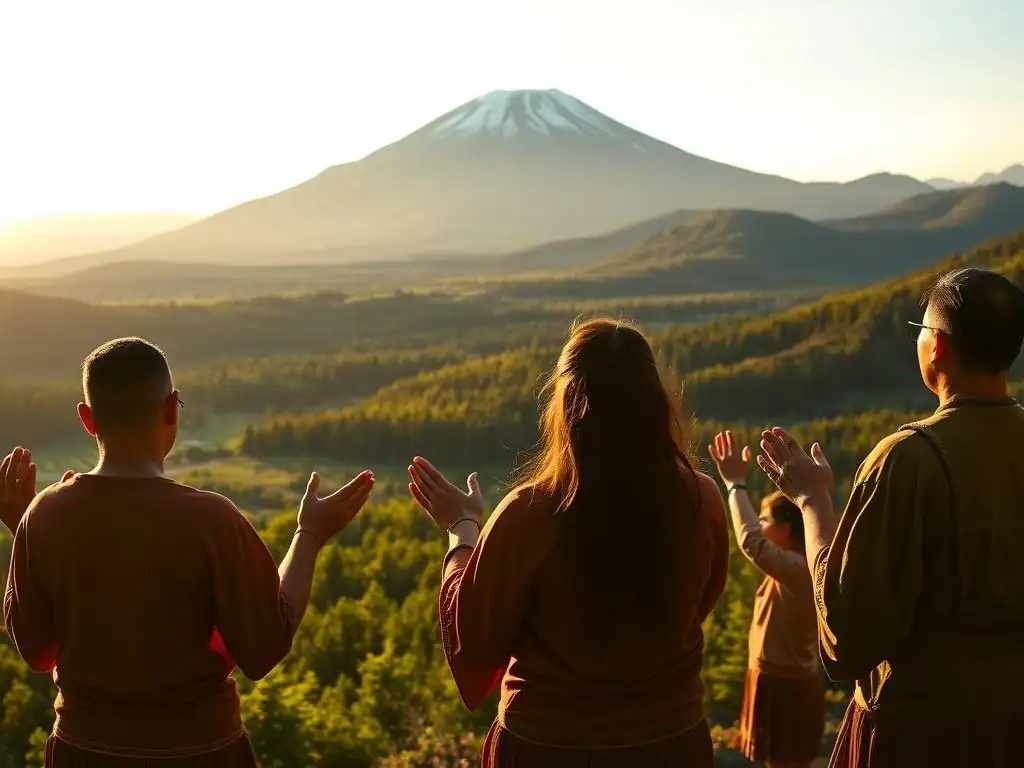
Context and Background: Tūhoe's Deep Connection to Te Urewera and its Geothermal Features
Tūhoe, an iwi with a strong sense of self-determination and deep connection to Te Urewera National Park, provides a compelling case study of the relationship between Māori culture, performance, and volcanic landscapes. Te Urewera, while not dominated by towering volcanoes like Ruapehu, features significant geothermal areas, hot springs, and volcanic landforms that are integral to Tūhoe identity and history. The iwi’s long-standing presence in this region has fostered a profound understanding of the geothermal environment and its cultural significance.
Tūhoe's relationship with Te Urewera is characterized by kaitiakitanga and a strong commitment to environmental stewardship. Their traditional practices and knowledge systems reflect a deep understanding of the interconnectedness of the natural world, including the geothermal features within their rohe (territory). This connection is further reinforced through performance, which plays a crucial role in expressing Tūhoe sovereignty, cultural identity, and environmental advocacy in relation to Te Urewera.
Meaning and Interpretation: Performance as a Claim to Sovereignty and Environmental Stewardship
For Tūhoe, performance, particularly waiata and haka, serves as a powerful means of expressing their mana motuhake (self-determination) and asserting their rights and responsibilities as kaitiaki of Te Urewera. Performances often incorporate narratives that highlight their historical connection to the land, their traditional knowledge of the environment, and their ongoing commitment to protecting Te Urewera's unique ecological and cultural values, including its geothermal features.
Through performance, Tūhoe can communicate their perspectives on environmental management, challenge external pressures on Te Urewera, and reinforce their cultural authority within their rohe. The act of performing itself becomes a form of cultural assertion and a demonstration of their enduring relationship with the land. In this context, performance is not just art; it is a vital tool for cultural survival and environmental advocacy.
Impact and Legacy: Continued Advocacy for Environmental Protection
Tūhoe's performance traditions have played a significant role in their ongoing advocacy for environmental protection and recognition of their rights in Te Urewera. Their cultural expressions have contributed to raising public awareness about the importance of Te Urewera's unique values and have supported their efforts to achieve greater autonomy in the management of the National Park. The legacy of Tūhoe's performance-based advocacy continues to inspire and influence environmental movements within Aotearoa and beyond.
The establishment of the Te Urewera Act 2014, which recognizes Te Urewera as a legal entity with its own rights and interests, represents a significant achievement for Tūhoe and a testament to their long-term advocacy. While performance is just one aspect of their broader efforts, it has been a powerful and culturally resonant tool for communicating their aspirations and mobilizing support for environmental protection and cultural preservation in the face of ongoing challenges.
The Future of Māori Cultural Expression and Volcanic Awareness
Maintaining Cultural Connections: Language Revitalization and Intergenerational Knowledge Transfer
The future of Māori cultural expression in relation to volcanoes is intrinsically linked to the revitalization of Te Reo Māori (the Māori language) and the effective transfer of traditional knowledge across generations. Language is the lifeblood of culture, and Te Reo Māori is essential for understanding the nuances of Māori perspectives on the natural world, including volcanoes. Efforts to revitalize the language and strengthen intergenerational knowledge transmission are crucial for ensuring the continued vitality of Māori cultural connections to volcanic landscapes.
Initiatives such as immersion schools (Kura Kaupapa Māori), language nests (Kōhanga Reo), and community-based language programs are vital for fostering fluency in Te Reo Māori among younger generations. Alongside language revitalization, programs that focus on transmitting traditional ecological knowledge, including knowledge about volcanoes and volcanic hazards, are essential for empowering future generations to act as kaitiaki and maintain the deep cultural relationship with the land.
Collaborative Approaches: Partnerships Between GNS Science and Iwi on Volcanic Monitoring
Increasingly, collaborative partnerships between GNS Science (New Zealand's geological science agency) and iwi are emerging as a promising approach to volcanic monitoring and risk management. These partnerships recognize the value of integrating Māori knowledge systems with scientific expertise, leading to more effective and culturally appropriate approaches to understanding and mitigating volcanic hazards. Collaborative projects can involve sharing data, co-developing monitoring strategies, and incorporating Māori perspectives into volcanic hazard communication.
By working together, scientists and iwi can create a more holistic understanding of volcanic activity, drawing upon both scientific instruments and traditional environmental indicators. These partnerships also foster mutual respect and understanding between scientific and cultural knowledge systems, promoting more inclusive and equitable approaches to environmental management and disaster preparedness in volcanic regions. Such collaborations represent a positive step towards honoring Te Tiriti o Waitangi principles and ensuring that Māori voices are central to the future of volcanic science and risk management in New Zealand.
Conclusion: Honoring the Rhythm of Ruapehu and Māori Culture
The Enduring Relationship Between Māori People and New Zealand's Volcanoes
The relationship between Māori people and New Zealand's volcanoes is a testament to the enduring power of culture to shape human understanding and interaction with the natural world. For centuries, Māori have lived alongside these dynamic forces of nature, developing intricate knowledge systems, spiritual beliefs, and cultural practices that reflect a deep respect for and connection to the volcanic landscape. This relationship, expressed through performance, oral traditions, and everyday life, continues to evolve and adapt in the face of contemporary challenges.
The rhythm of Ruapehu, and indeed all of Aotearoa's volcanoes, resonates deeply within Māori culture. It is a rhythm of creation and destruction, of power and vulnerability, of spiritual significance and practical necessity. Honoring this rhythm requires recognizing and valuing Māori perspectives, knowledge systems, and cultural expressions as integral to understanding and managing New Zealand's volcanic environment.
Further Exploration: Resources on Māori Environmental Knowledge and Volcanic Science
For those seeking to deepen their understanding of the intertwined worlds of Māori culture and New Zealand volcanoes, several valuable resources are available. Te Papa Tongarewa’s website and exhibitions offer rich insights into Māori perspectives on natural history and science. GNS Science provides accessible information on volcanic activity and research in New Zealand, and increasingly incorporates Māori perspectives into their outreach materials.
Websites and publications from iwi organizations offer firsthand accounts and cultural interpretations of volcanic landscapes and events. Exploring these resources provides a pathway to appreciating the depth and complexity of the relationship between Māori people and their volcanic homeland.
Frequently Asked Questions
How are volcanoes viewed within Maori culture?
Volcanoes in Maori culture are often seen as ancestral figures and are deeply intertwined with spiritual beliefs. They are considered tapu, meaning sacred or restricted.
What role does performance play in respecting volcanoes in Maori tradition?
Performance, such as waiata (songs) and haka (dances), is used to honor and appease the volcanic spirits. These performances maintain a connection to the land and its power.
How does the volcano Ruapehu feature in Maori narratives and legends?
Ruapehu is a particularly significant volcano, often personified in Maori legends. It holds a prominent place in tribal history and is considered a guardian of the region.
What are some modern examples of Maori engagement with volcanoes?
Modern engagement includes sustainable tourism practices that respect the tapu nature of the volcanoes. Maori communities also participate in monitoring and managing volcanic risks.
How can visitors learn more about the relationship between Maori culture and New Zealand volcanoes?
Visitors can learn through cultural tours offered by Maori-owned businesses, visiting local museums, and respecting the tikanga (customs) and protocols of the area.
Final Reflection: Echoes in the Ash
The story of Ruapehu, intertwined with the vibrant tapestry of Maori performance, isn't just a historical account; it's a living testament to the enduring power of cultural connection to the land. The echoes of ancestral voices, resonating through song and dance, continue to shape our understanding of New Zealand's volcanic landscapes and the profound respect they demand. This connection, far from being relegated to the past, offers invaluable lessons for navigating our relationship with the natural world today.
The rhythmic pulse of Maori performance, born from observation and reverence for the volcanoes, profoundly influences how we perceive and interact with these powerful forces of nature. This understanding, passed down through generations, reminds us that true stewardship comes from a deep, spiritual connection to place. Ko au te whenua, ko te whenua ko au - I am the land, and the land is me.
This ancient proverb encapsulates the inseparable bond between Maori and their environment, a bond that continues to inspire sustainable practices and a profound sense of responsibility.
As we conclude this exploration of Maori culture and New Zealand's volcanoes, let us carry forward the wisdom embedded within these traditions. Consider how you, too, can cultivate a deeper connection to the land around you, listening to the stories it whispers and honoring the delicate balance of nature. Let the rhythm of Ruapehu inspire you to embrace a more mindful and respectful relationship with the world, ensuring that the echoes of the past resonate with hope for the future.
Rediscover the Spirit of Ruapehu: Your Next Adventure Awaits!
Thank you for exploring the profound connection between Māori performance and New Zealand's majestic volcanoes. We hope this journey has ignited a deeper appreciation for the rich cultural and geological wonders of this land. Now, let's turn that inspiration into action!
Here's how you can continue your exploration:
- Plan a trip to Tongariro National Park and witness the power of Ruapehu firsthand. Remember to approach the area with respect for its cultural significance.
- Learn more about indigenous communities worldwide who live near volcanoes and the unique cultural practices they've developed. Help preserve and share these stories.
- Consider learning some basic te reo Māori—even a few words can deepen your connection to the land and its traditions.
Share your thoughts and experiences connecting culture and volcanic landscapes below!