
Volcanic Rhythms: Unearthing the Percussive Power of Earth in Music

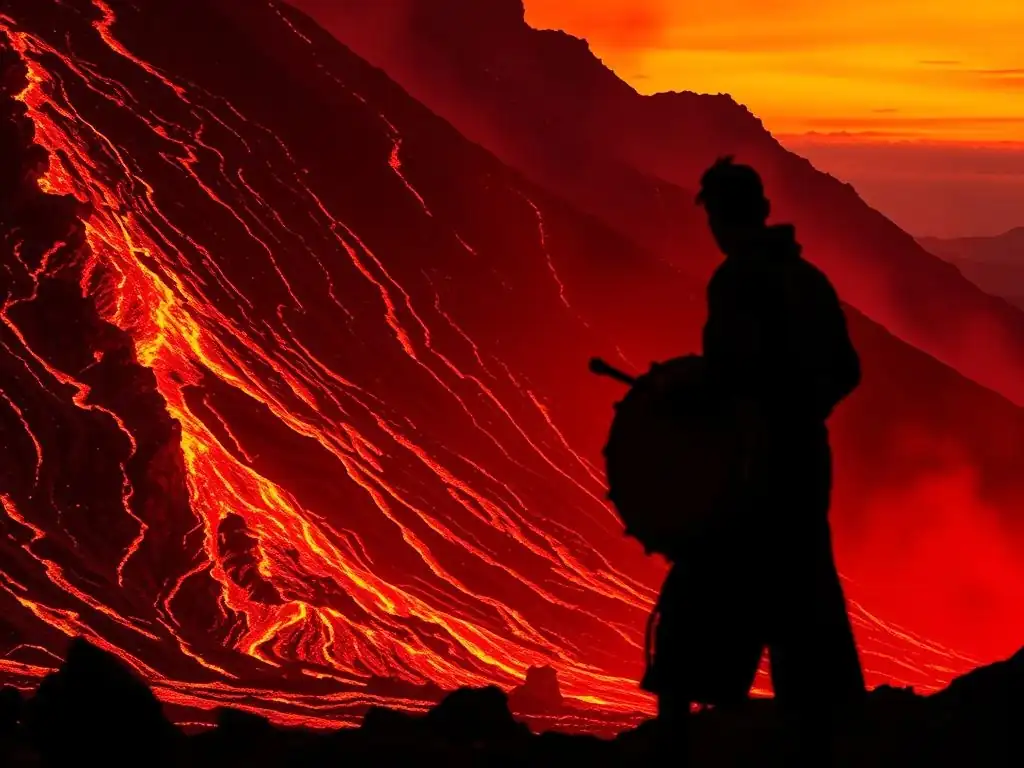
Welcome to Volcano Explorers, where the Earth roars and the landscapes ignite! Ever wondered if the fiery heart of a volcano could inspire melody? Prepare to be amazed as we delve into an unexpected connection – the volcanic influence on music. Discover how the raw power and primal energy of these geological giants have resonated through sound and rhythm across cultures. Intrigued? The journey into the percussive power of the Earth is just beginning...
- Introduction: The Unexpected Symphony of Volcanoes
- The Raw Sounds of the Earth: Volcanoes as Natural Instruments
- Volcanic Influence on Music: Inspiration and Composition
- Case Studies: Musical Works Inspired by Volcanic Activity
- Instruments of Fire: Volcanoes and Musical Instrument Design
- The Cultural Significance of Volcanic Music
- Conclusion: The Enduring Resonance of Volcanoes in Music
-
Frequently Asked Questions
- How can volcanic activity directly inspire musical composition?
- Are there specific musical genres that are more influenced by volcanic themes?
- Besides sound, what other aspects of volcanoes can influence music?
- Can you provide an example of music that demonstrably reflects volcanic influence?
- Does the cultural significance of volcanoes play a role in musical expression?
- Final Reflection: Echoes of Eruption
- Ignite Your Inner Rhythm: Explore Earth's Volcanic Beat!
Introduction: The Unexpected Symphony of Volcanoes
Volcanoes, colossal forces of nature, are often perceived solely through the lens of destruction and geological upheaval. Yet, beneath the fiery spectacle and seismic tremors lies a subtle, often overlooked, symphony of sounds. From the deep rumbles within the Earth's crust to the explosive roars of eruption, volcanoes generate a complex soundscape that has resonated with humanity for millennia.
This article delves into the fascinating intersection of volcanology and music, exploring the profound volcanic influence on music across cultures and genres. We will uncover how the raw power and sonic character of volcanoes have not only inspired musical compositions but also shaped the very instruments used to create music, revealing a deep and percussive connection between the Earth's fiery heart and human artistic expression.
The Raw Sounds of the Earth: Volcanoes as Natural Instruments
Volcanoes are inherently musical instruments in their own right, producing a diverse range of sounds that are both terrifying and captivating. These natural sonic emissions extend far beyond the dramatic booms of eruptions. Before an eruption, the movement of magma deep underground creates low-frequency tremors and rumbles, often inaudible to the human ear but detectable by sensitive instruments.
During periods of quiescence, hydrothermal activity within volcanic systems releases hissing steam vents and gurgling mud pots, adding layers to the volcanic soundscape. Even the cooling and cracking of lava flows contribute to this natural orchestra, creating a constant, if often subtle, sonic backdrop around active volcanic regions.
Capturing the Aural Landscape: Recording Volcanic Sounds
The scientific study of volcanic sounds, known as infrasound monitoring and seismic acoustics, has become increasingly sophisticated, allowing researchers to capture the full spectrum of the Earth's voice. Specialized microphones and seismographs are deployed near volcanoes to record these sounds, often in extreme and challenging environments. For instance, scientists from institutions like the Alaska Volcano Observatory routinely use infrasound arrays to monitor Alaskan volcanoes, which are often remote and inaccessible.
These recordings not only aid in predicting eruptions by detecting changes in pre-eruptive rumbling but also provide a rich archive of raw volcanic sounds. These recordings capture everything from the subsonic groans of magma movement to the sharp cracks of rock fracturing, offering a detailed sonic portrait of volcanic activity.
Transcribing the Earth's Voice: From Volcanic Sounds to Musical Notation
Beyond scientific analysis, these recorded volcanic sounds can be viewed as raw musical material. Sound artists and musicians have begun to explore the potential of directly incorporating volcanic sounds into their compositions. This process often involves analyzing the frequency, rhythm, and timbre of volcanic recordings and then transcribing them into musical notation or directly manipulating them using digital audio workstations.
For example, some artists have used spectrogram analysis of volcanic tremor recordings to identify melodic patterns and rhythmic structures hidden within the seemingly chaotic sounds. This approach, while still relatively niche, represents a direct and literal way to explore the volcanic influence on music, moving beyond mere inspiration to the incorporation of the Earth's own sonic output into human musical creation.
Volcanic Influence on Music: Inspiration and Composition
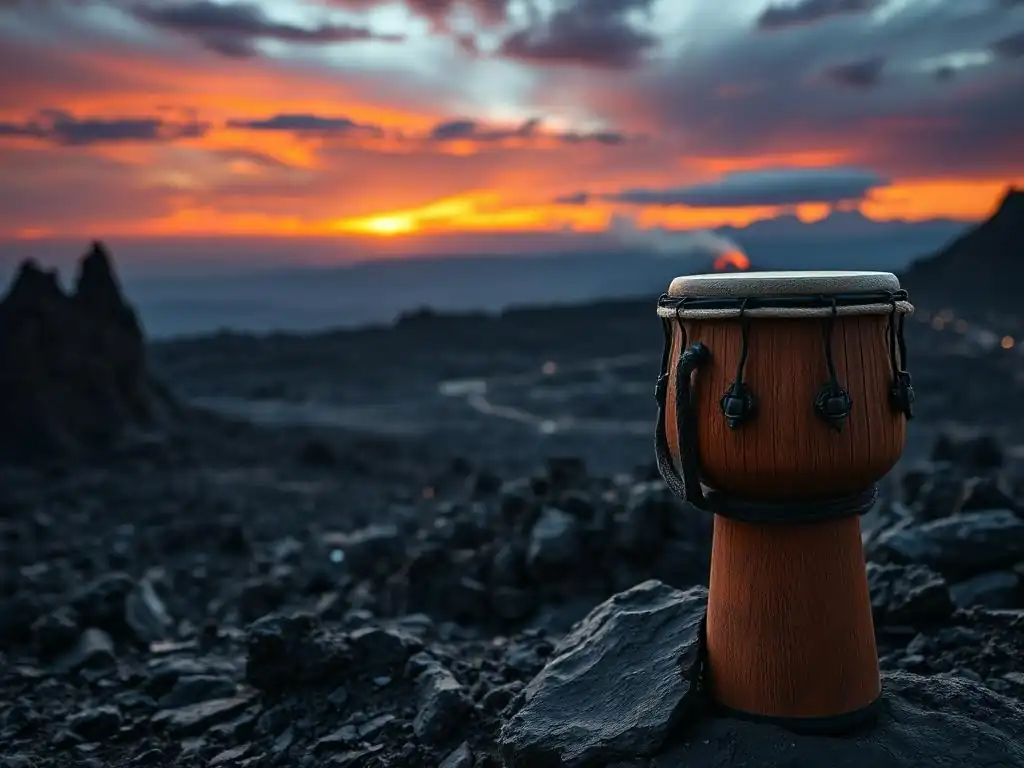
The volcanic influence on music extends far beyond the direct use of volcanic sounds. Volcanoes, with their dramatic power and awe-inspiring displays, have served as potent muses for composers across diverse musical traditions. The sheer scale of volcanic eruptions, the terrifying beauty of lava flows, and the profound geological changes they enact evoke powerful emotions – fear, awe, respect, and wonder – all of which are fertile ground for artistic expression. This inspiration manifests in various forms, from programmatic pieces that attempt to sonically depict volcanic events to more abstract works that capture the emotional essence of volcanic power.
Eruptions of Creativity: Volcanoes as Muses for Composers
Throughout history, composers have drawn inspiration from natural phenomena, and volcanoes, with their dramatic and unpredictable nature, have proven to be particularly compelling. Think of Igor Stravinsky's "The Rite of Spring," while not explicitly about volcanoes, its primal rhythms and dissonant harmonies evoke a sense of raw, untamed natural power that resonates with the force of volcanic eruptions. More directly, many composers have created works inspired by specific volcanic events or volcanic landscapes.
For example, after the devastating eruption of Mount Vesuvius in 79 AD, Roman poets and musicians likely grappled with the event's impact, though specific musical works from that period directly attributable to the eruption are lost to time. However, the enduring fascination with Vesuvius and Pompeii continues to inspire contemporary artists, demonstrating the lasting volcanic influence on music and other art forms.
The Power of Percussion: Volcanoes' Rhythmic Influence
One of the most striking aspects of volcanic activity is its inherent percussive nature. Explosions, rockfalls, and the constant cracking and rumbling of the Earth provide a rhythmic foundation that can be directly translated into musical terms. The irregular but powerful rhythms of volcanic eruptions, the steady pulse of magma movement, and the sharp bursts of steam vents all offer a rich palette of percussive sounds.
This inherent rhythmicity of volcanoes has likely influenced the development of percussion instruments and rhythmic patterns in music across cultures, particularly in regions with active volcanic landscapes. Indigenous musical traditions from volcanic regions often feature strong rhythmic elements, potentially reflecting the pervasive percussive sounds of their environment.
Shaping Soundscapes: Volcanic Sound Effects in Modern Music
In modern music, particularly in genres like film scores, electronic music, and experimental music, the volcanic influence on music is evident in the use of sound effects and synthesized sounds that evoke volcanic imagery. Sound designers often employ recordings of volcanic sounds or create synthesized textures that mimic the rumble of the Earth, the hiss of steam vents, or the explosive roar of eruptions.
These sonic elements are used to create atmosphere, build tension, and underscore dramatic moments, particularly in films and video games depicting natural disasters or geological themes. For instance, the sound design in films depicting volcanic eruptions often relies heavily on low-frequency rumbles and explosive sound effects to immerse the audience in the experience and convey the sheer power of these events.
Case Studies: Musical Works Inspired by Volcanic Activity
Examining specific musical works inspired by volcanic activity provides concrete examples of the diverse ways in which volcanoes have shaped musical expression. From historical events to cultural legends, volcanoes have served as a source of inspiration for composers across different eras and musical styles.
Krakatoa (1883) - A Sonic Reconstruction
The catastrophic eruption of Krakatoa in 1883, one of the loudest events in recorded history, sent sonic waves around the globe and profoundly impacted the global climate. While no known musical work was immediately composed directly after the eruption in a traditional sense, the event itself can be considered a massive, albeit tragic, sonic event. Contemporary sound artists and composers have revisited the Krakatoa eruption, not to recreate the destruction, but to explore the sonic dimensions of such a colossal natural event.
Through sound installations and electronic music compositions, artists attempt to sonically reconstruct the experience of Krakatoa, using scientific data and historical accounts to inform their work. This approach highlights the enduring volcanic influence on music by reinterpreting a historical volcanic event through a modern sonic lens.
Pele Hymns - Ancient Hawaiian Chants
In Hawaiian culture, Pele, the goddess of volcanoes and fire, holds a central place in mythology and tradition. Ancient Hawaiian chants and hymns dedicated to Pele, known as mele, are a powerful example of the direct volcanic influence on music within a specific cultural context. These chants are not merely descriptive; they are invocations, prayers, and stories that embody the power and duality of Pele and her volcanic domain.
Often accompanied by percussive instruments like gourds and drums, Pele hymns feature rhythmic structures and vocal styles that evoke the dynamic energy of volcanic landscapes. These chants are a living tradition, demonstrating how deeply interwoven volcanic reverence and musical expression can be within a culture intimately connected to volcanic activity.
Instruments of Fire: Volcanoes and Musical Instrument Design
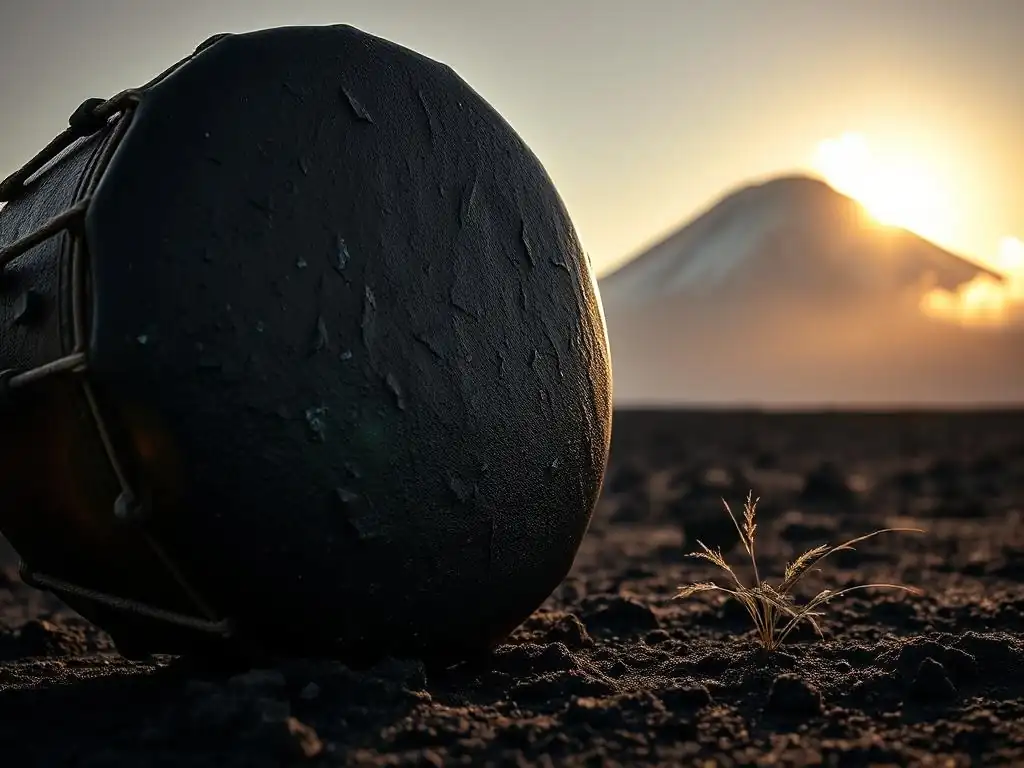
The volcanic influence on music extends beyond inspiration and composition to the very materials and designs of musical instruments. Volcanic regions offer unique materials and geological formations that have been incorporated into instrument construction, and the shapes and sounds of volcanoes themselves have inspired instrument design.
From Earth to Instrument: Volcanic Materials in Instrument Construction
Volcanic rock, particularly lava rock and basalt, possesses unique acoustic properties that make it suitable for certain types of musical instruments. For example, lava rocks can be used to create lithophones, percussion instruments made from tuned stones. The dense and resonant nature of volcanic rock allows for the creation of instruments with distinct timbres and sustained tones.
Furthermore, volcanic ash, when mixed with clay, can alter the properties of ceramic materials used in instrument making, potentially affecting the resonant qualities of instruments like ocarinas or ceramic drums. While not as widespread as wood or metal, the use of volcanic materials in instrument construction represents a tangible link between the Earth's geological processes and the creation of musical sound.
Echoes of the Earth: Instrument Design Inspired by Volcanic Shapes
Beyond materials, the dramatic shapes of volcanoes, from conical peaks to caldera basins, can also inspire instrument design. The resonant chambers of stringed instruments or wind instruments could potentially be shaped to mimic volcanic forms, perhaps influencing their acoustic properties or visual aesthetics.
While direct examples of instruments explicitly designed to resemble volcanoes might be less common, the underlying principle of drawing inspiration from natural forms in instrument design is well-established. The idea that the Earth's forms, including volcanic landscapes, can inform and shape musical instrument creation represents a more subtle, yet potentially significant, aspect of the volcanic influence on music.
The Cultural Significance of Volcanic Music
The relationship between volcanoes and music transcends mere aesthetic appreciation or scientific curiosity; it is deeply embedded in cultural narratives and symbolic representations. Volcanoes, as powerful and often feared natural forces, have become potent symbols in mythology, folklore, and artistic expression, including music.
Volcanoes in Myth and Music: Ancient Traditions and Legends
Across cultures residing near active volcanoes, myths and legends often feature volcanic deities or spirits who are associated with music, dance, and ritualistic sounds. As seen in the example of Pele in Hawaiian culture, volcanic gods and goddesses are not merely figures of destruction but also sources of creation, inspiration, and cultural identity.
Musical rituals and performances are often integral to these traditions, serving to appease volcanic deities, celebrate their power, or narrate their mythological stories. These ancient traditions demonstrate the long-standing volcanic influence on music as a cultural and spiritual practice, where music becomes a means of communicating with and understanding the volcanic world.
Volcanoes as a Symbol of Power and Destruction in Music
In contemporary music, volcanoes often serve as potent symbols of power, destruction, and transformation. Composers and songwriters may use volcanic imagery and metaphors to explore themes of societal upheaval, personal turmoil, or the overwhelming forces of nature. The raw energy and destructive potential of volcanoes can be musically represented through dissonant harmonies, aggressive rhythms, and dramatic dynamic contrasts.
Conversely, the creative and transformative aspects of volcanic activity, the renewal of landscapes after eruptions, can be symbolized through more melodic and hopeful musical passages. This symbolic use of volcanoes in music demonstrates their enduring relevance as a metaphor for profound and transformative forces, both destructive and creative, within the human experience.
Conclusion: The Enduring Resonance of Volcanoes in Music
The volcanic influence on music is a multifaceted and enduring phenomenon, extending from the raw sounds of the Earth itself to the creative inspiration and cultural symbolism that volcanoes embody. From capturing volcanic sounds for scientific study and artistic incorporation to drawing inspiration from volcanic landscapes for musical composition and instrument design, the connection between volcanoes and music is rich and varied.
The percussive power of volcanic activity, the dramatic imagery of eruptions, and the cultural significance of volcanoes across different societies have all contributed to a vibrant and ongoing dialogue between the Earth's fiery heart and human musical expression. As we continue to explore and understand the complex soundscapes of volcanoes, and as artists continue to draw inspiration from their power and beauty, the resonant connection between volcanoes and music will undoubtedly continue to evolve and deepen, echoing the percussive rhythms of the Earth for generations to come.
Frequently Asked Questions
How can volcanic activity directly inspire musical composition?
Volcanic sounds, like rumbling and explosions, can be sampled and incorporated into musical scores. The raw power and elemental energy of volcanoes can also inspire thematic elements in music.
Are there specific musical genres that are more influenced by volcanic themes?
While not exclusive, genres like experimental, ambient, and metal often explore themes of destruction, power, and the sublime, which resonate with the imagery of volcanoes. Composers of soundtracks for documentaries may also be inspired to use the sounds of volcanoes.
Besides sound, what other aspects of volcanoes can influence music?
The visual imagery of lava flows, volcanic landscapes, and the dramatic aftermath of eruptions can inspire musical themes and arrangements. The emotional impact of living near a volcano can also translate into musical expression.
Can you provide an example of music that demonstrably reflects volcanic influence?
Many artists have used field recordings of volcanic activity to create soundscapes. Certain metal bands use the rhythmic pulse of the earth as a metaphor for their heavy, powerful sound.
Does the cultural significance of volcanoes play a role in musical expression?
Yes, in cultures where volcanoes are revered or feared, music may be used to appease volcanic deities or to commemorate volcanic events. Traditional music may also incorporate rhythms and melodies inspired by volcanic landscapes.
Final Reflection: Echoes of Eruption
The exploration of volcanic influence on music reveals more than just a geological curiosity; it unearths a primal connection between the earth's raw power and the human impulse to create. The rhythmic pulse of magma, the explosive force of eruption, and the slow, transformative creep of lava flows all find their echoes in the melodies and rhythms we craft, reminding us that art, at its core, is often an imitation of life – and death – on a grand scale.
The enduring impact of volcanic imagery and sonic textures on music underscores its profound ability to evoke awe and fear, destruction and creation. This connection, deeply rooted in our collective unconscious, speaks to the enduring power of nature to shape our artistic expression. The best and most beautiful things in the world cannot be seen or even touched - they must be felt with the heart.
- Helen Keller, a sentiment that resonates deeply when considering the intangible yet palpable influence of volcanic forces on music.
As we conclude this journey through the volcanic rhythms of music, I invite you to listen anew. Listen not just with your ears, but with your soul. Hear the rumble of the earth in the bass line, the crackle of fire in the high notes, and the slow, steady flow of time in the overall composition. Let the echoes of eruption inspire you to find the power and beauty in the raw, untamed forces that shape our world, and to translate that inspiration into your own creative endeavors.
Okay, I'm ready to craft the Call to Action (CTA) based on the article title "Volcanic Rhythms: Unearthing the Percussive Power of Earth in Music" for Volcano Explorers (volcanoexplorers.org). Here it is:
Ignite Your Inner Rhythm: Explore Earth's Volcanic Beat!
Thanks for delving into the fascinating world where music and volcanoes collide! We hope you've enjoyed discovering the powerful connection between Earth's raw energy and the percussive inspiration it offers. Ready to channel that volcanic spirit into your own creative expression?
Here's how you can continue your exploration:
- Compose a short musical piece inspired by a specific volcanic eruption or landscape. Let the rhythm of the Earth guide your creative flow.
- Research indigenous cultures that incorporate volcanic imagery or sounds into their music and share your findings with a friend or on social media.
- Surprise yourself: Try creating an instrument using natural materials found near a (dormant and safe!) volcanic area, like hardened lava rock or volcanic ash.
What volcanic sound will you bring to life first?