
Sakurajima's Serenade: Japanese Performing Arts and Volcanic Inspiration

Welcome to Volcano Explorers!
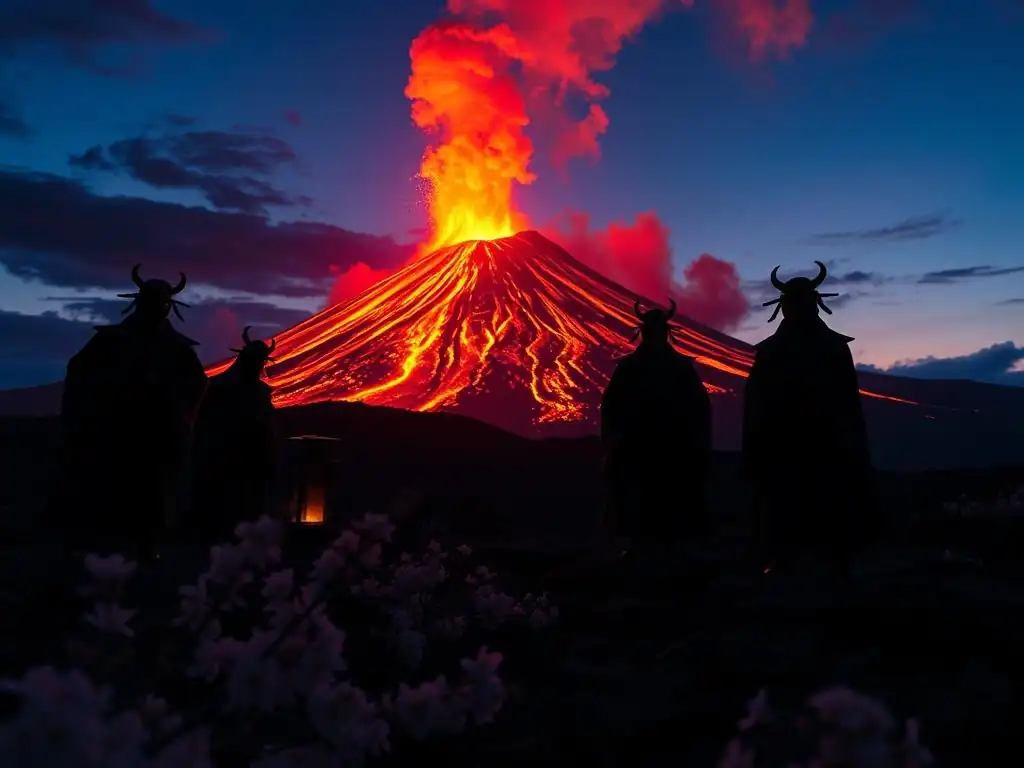
Ever wondered how the raw power and beauty of a volcano can inspire art that moves the soul? Prepare to be captivated. Our current journey takes us to Japan, where the majestic Sakurajima volcano has breathed fire and ash into the very heart of the nation's performing arts.
Uncover the fascinating connection between earth's fiery breath and the elegance of Japanese tradition in " Sakurajima's Serenade: Japanese Performing Arts and Volcanic Inspiration." What stories do these performances tell, and how deeply are they intertwined with the volcano's presence? Explore further and discover the secrets held within this unique cultural landscape...
- Introduction: The Dramatic Muse - Sakurajima and Japanese Art
- Sakurajima: A Volcanic Stage for Japanese Performing Arts
- Traditional Japanese Performing Arts Inspired by Volcanoes
- Contemporary Japanese Performing Arts Reflecting Volcanic Activity
- The Enduring Legacy: Volcanoes and Japanese Artistic Identity
- Conclusion: The Volcanic Heartbeat of Japanese Culture
-
Frequently Asked Questions
- How has Sakurajima volcano inspired Japanese performing arts?
- What types of Japanese performing arts are most influenced by volcanic activity?
- Where can I see performances inspired by Sakurajima volcano?
- What are some common themes or motifs used in volcano-inspired performances?
- Are there any contemporary Japanese performing arts that explore volcanic themes?
- Final Reflection: Echoes of Fire and Art
- Embrace Sakurajima's Muse: Ignite Your Creative Fire!
Introduction: The Dramatic Muse - Sakurajima and Japanese Art
Volcanoes as Inspiration: A Cultural Overview
Volcanoes, with their raw power and transformative potential, have served as potent muses across cultures and throughout history. From ancient myths attributing volcanic eruptions to divine wrath or creation myths emerging from primordial fires, these geological phenomena have profoundly impacted human imagination. Civilizations around the world, residing in volcanic regions, have incorporated volcanic landscapes and events into their folklore, religious practices, and artistic expressions.
Consider Mount Vesuvius's looming presence over Pompeii, inspiring Roman artists, or the volcanic deities revered in Polynesian cultures, each example demonstrates the deep-seated connection between volcanoes and human creativity. This global tapestry of volcanic inspiration reveals a universal fascination with the earth's dynamic forces and their reflection in art.
In Japan, this relationship is particularly pronounced. The archipelago's geological identity is intrinsically linked to volcanic activity, shaping not only the landscape but also the cultural and spiritual ethos. With numerous active volcanoes dotting the islands, including iconic peaks like Mount Fuji and Sakurajima, the Japanese have lived alongside these powerful forces for millennia.
This co-existence has fostered a unique artistic sensibility, where the awe-inspiring yet sometimes destructive nature of volcanoes is deeply embedded in various forms of artistic expression, from visual arts to literature and, notably, performing arts. The dramatic displays of volcanic eruptions and the serene beauty of volcanic landscapes provide a rich source of metaphors and imagery, influencing the aesthetics and narratives of Japanese artistic traditions.
Exploring the Intersection of Nature and Art in Japan
Japanese aesthetics are deeply rooted in a profound appreciation for nature, often expressed through concepts like wabi-sabi, which finds beauty in imperfection and transience, and yūgen, which evokes a sense of profound mystery and subtle grace. This inherent respect for the natural world extends to even its most formidable aspects, including volcanoes.
Unlike cultures that might solely perceive volcanoes as destructive forces, Japanese artistic and philosophical traditions often embrace them as symbols of both creation and destruction, recognizing the cyclical nature of life and the earth's constant transformation. This nuanced perspective allows for a multifaceted artistic engagement with volcanoes, moving beyond simple fear or reverence to explore deeper philosophical and emotional resonances.
The integration of nature and art in Japan is not merely about depicting natural scenes; it's about capturing the essence and spirit of nature, imbuing artistic creations with a sense of vitality and connection to the natural world. This principle is evident in various art forms, from meticulously crafted gardens designed to mimic natural landscapes to ikebana (flower arrangement) that seeks to capture the inherent beauty of plants in their natural form.
In performing arts, this translates into incorporating natural elements, sounds, and themes to create immersive and evocative experiences for the audience. Volcanoes, with their dramatic presence and profound impact on the environment, naturally become powerful subjects for artistic interpretation, reflecting the Japanese cultural inclination to find beauty and meaning in the dynamic interplay between humanity and nature.
Sakurajima: A Volcanic Stage for Japanese Performing Arts
Sakurajima's Volcanic Landscape: Shaping Artistic Expression
Sakurajima, an active stratovolcano in Kagoshima Prefecture, Kyushu, is not merely a geographical feature; it is a living, breathing entity that profoundly shapes the cultural and artistic landscape of the region. Its near-constant activity, characterized by ash plumes and occasional larger eruptions, provides a perpetual reminder of the earth's immense power.
This ever-present volcanic dynamism is woven into the fabric of local life and, consequently, deeply influences artistic expression in Kagoshima. The dramatic silhouette of Sakurajima against the skyline, the fertile volcanic soil that nourishes the land, and the ash that periodically blankets the surroundings all contribute to a unique environmental and sensory experience that artists draw upon.
The visual drama of Sakurajima – the smoke billowing from its summit, the stark contrast of volcanic rock against lush vegetation, and the fiery glow during eruptions – provides a constant source of inspiration for visual artists and performers alike. The sounds of Sakurajima, from the rumbling deep within the earth to the whistling steam vents, also permeate the soundscape of Kagoshima, influencing musical compositions and the sonic elements of performances.
The very texture of the volcanic landscape, with its rugged terrain and unique geological formations, can be seen as a stage in itself, inspiring performances that interact with and respond to the natural environment. Artists in Kagoshima don't just depict Sakurajima; they engage in a dialogue with it, reflecting its energy, dynamism, and profound impact on the human experience.
The Significance of Sakurajima in Kagoshima's Culture
For the people of Kagoshima, Sakurajima is more than just a volcano; it is a symbol of home, resilience, and a deeply ingrained part of their identity. Living in the shadow of an active volcano necessitates a unique relationship with nature, one that balances respect for its power with a pragmatic approach to co-existence.
Generations have learned to adapt to Sakurajima's rhythms, from clearing ashfall to celebrating its beauty, fostering a strong sense of community and shared experience. This intimate connection with the volcano is reflected in local folklore, festivals, and, importantly, performing arts, which often serve as a medium to express collective emotions, historical narratives, and spiritual beliefs tied to Sakurajima.
Sakurajima's presence permeates Kagoshima's cultural identity in tangible ways. Local festivals often incorporate rituals and performances that acknowledge and appease the volcano's spirit, seeking protection and prosperity. Traditional crafts and culinary practices also bear the mark of the volcanic environment, utilizing volcanic ash or geothermal energy in unique ways.
In performing arts, this cultural significance translates into narratives and themes that explore the human relationship with Sakurajima, often depicting stories of resilience, adaptation, and the enduring spirit of the Kagoshima people in the face of volcanic challenges. Sakurajima, therefore, acts not only as a backdrop but as a central protagonist in the cultural drama of Kagoshima, deeply informing its performing arts traditions.
Traditional Japanese Performing Arts Inspired by Volcanoes
Noh Theatre: Echoes of Volcanic Power and Ancient Myths
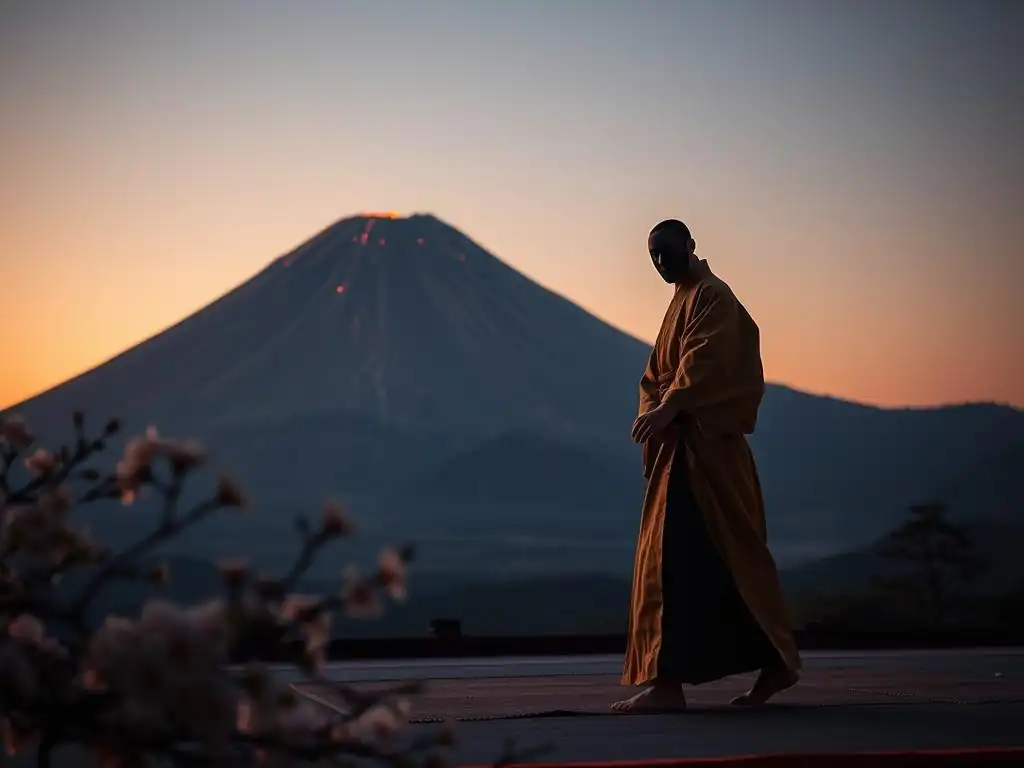
Noh theatre, a classical Japanese musical drama, is characterized by its stylized movements, masked actors, and poetic language, often exploring themes of mythology, history, and the supernatural. The solemn and ritualistic nature of Noh, with its emphasis on subtle gestures and evocative chanting, lends itself well to portraying the awe-inspiring and sometimes fearsome aspects of volcanic phenomena.
The slow, deliberate movements of Noh actors can be interpreted as mirroring the slow, inexorable build-up of volcanic pressure, while the dramatic unmasking or sudden shifts in tempo can represent the explosive release of volcanic energy. Furthermore, the mythical narratives often depicted in Noh theatre frequently feature powerful deities and elemental spirits, aligning with the perception of volcanoes as manifestations of potent natural forces.
The use of masks in Noh theatre is particularly significant in conveying volcanic themes. Masks can represent not only human characters but also spirits of nature, including volcanic deities or elemental forces embodied by volcanoes. The fixed expressions of Noh masks, while seemingly static, are designed to convey a range of emotions through subtle shifts in posture and lighting, mirroring the complex and often inscrutable nature of volcanic activity.
The chanting and musical accompaniment in Noh, often incorporating flute and percussion, can evoke the sounds and atmosphere associated with volcanoes, from the deep rumbling of the earth to the sharp cracks of volcanic explosions. Through these elements, Noh theatre provides a powerful medium for exploring the mythical and spiritual dimensions of volcanic inspiration in Japanese performing arts.
Tamamizu: A Noh Play Reflecting Volcanic Themes
While a specific, widely recognized Noh play explicitly titled "Volcano" or directly centered solely on Sakurajima might be less prominent in the standard Noh repertoire, the themes and motifs associated with volcanic power, particularly purification and transformation through fire and water, resonate within existing Noh plays. Plays featuring powerful deities, dragons, or natural disasters often implicitly or symbolically touch upon volcanic themes.
For instance, plays that depict moments of great upheaval or divine intervention can be interpreted through a volcanic lens, understanding the eruptions as moments of both destruction and renewal, mirroring cycles of creation and destruction found in nature.
Consider the Noh play Tamamizu (Jewel Water). While not overtly about volcanoes, it tells the story of a dragon deity who controls water and, by extension, can be seen as representative of powerful natural forces. Dragons in Japanese mythology are often associated with both water and fire, embodying elemental power that can be both benevolent and destructive.
The themes of controlling natural forces, appeasing powerful entities, and the delicate balance between humanity and nature found in Tamamizu and similar Noh plays can be interpreted as reflecting the Japanese relationship with volcanoes. The ritualistic performances of Noh, like Tamamizu, then become a symbolic act of engaging with and seeking harmony with powerful natural forces, much like the way communities living near volcanoes develop rituals and traditions to coexist with these dynamic landscapes.
Kagura Dance: Celebrating Volcanic Deities and Natural Forces
Kagura, a form of Japanese ritualistic Shinto dance, is deeply rooted in agricultural festivals and community celebrations, often performed to honor deities and ensure bountiful harvests. In volcanic regions like Kagoshima, Kagura dances frequently incorporate elements that acknowledge and celebrate the volcanic landscape and the spirits associated with it.
The energetic and often improvisational nature of Kagura, with its vibrant costumes, rhythmic music, and dynamic movements, provides a contrasting approach to Noh, offering a more direct and celebratory expression of the relationship between humans and volcanic forces. Kagura dances can be seen as a form of communal engagement with the volcanic environment, expressing gratitude, seeking protection, and reaffirming the community's connection to the land.
The movements in Kagura dances often mimic natural phenomena, including volcanic activity. Stomping feet can represent the rumbling of the earth, swirling movements can evoke ash plumes, and dramatic gestures can symbolize eruptions. Costumes and props may incorporate volcanic imagery, using colors like red and black to represent lava and ash, or incorporating natural materials found in volcanic landscapes.
Music in Kagura, typically featuring drums, flutes, and chanting, creates a lively and rhythmic atmosphere that complements the dynamic movements of the dancers, further enhancing the expression of volcanic energy and reverence for natural forces. In regions dominated by volcanoes, Kagura acts as a vital cultural practice that integrates volcanic themes into community rituals and artistic expression.
Kamimai: Kagura Performances Dedicated to Sakurajima's Spirits
Within Kagura traditions in Kagoshima, specific dances, known as Kamimai (神舞 - deity dance), are often performed to honor local deities and spirits, including those associated with Sakurajima. While there might not be a single, universally codified "Sakurajima Kagura," local communities around Sakurajima often adapt and perform Kamimai variations that are specifically tailored to acknowledge and venerate the volcano's spirit. These performances serve as a direct expression of the community’s relationship with Sakurajima, seeking blessings, protection from eruptions, and expressing gratitude for the fertile volcanic land.
These Kamimai performances could incorporate specific narratives or symbolic actions related to Sakurajima's history and mythology. Dancers might enact stories of volcanic eruptions, local legends about the volcano's origins, or rituals aimed at appeasing the volcanic deity believed to reside within Sakurajima.
The use of local dialects, songs, and musical styles within these Kamimai variations further grounds them in the specific cultural context of Kagoshima and strengthens the connection between the community, their traditions, and the ever-present volcanic force of Sakurajima. Through these dedicated Kagura performances, the people of Kagoshima actively engage with Sakurajima not just as a geological entity, but as a living, spiritual presence that shapes their cultural and artistic identity.
Bunraku Puppet Theatre: Depicting Volcanic Legends and Eruptions
Bunraku, traditional Japanese puppet theatre, is renowned for its intricate puppets, elaborate staging, and dramatic storytelling, often tackling complex historical narratives and emotional dramas. While Bunraku might not directly and frequently depict volcanic eruptions as central plot points, the dramatic potential of volcanic events – particularly themes of destruction, upheaval, and the power of nature – can be woven into the narratives and visual spectacle of Bunraku performances. The scale and visual dynamism of Bunraku staging allow for compelling representations of natural disasters, including volcanic eruptions, using puppetry, set design, and lighting to create impactful scenes.
The narrative flexibility of Bunraku allows for the incorporation of volcanic legends and folktales into its repertoire. Stories about volcanic deities, mythical creatures associated with volcanoes (like dragons or giant serpents), or historical accounts of volcanic eruptions and their impact on communities can be adapted for Bunraku performance.
Puppets, with their expressive capabilities and ability to portray both human and supernatural characters, can be used to bring these volcanic narratives to life. Furthermore, the musical accompaniment in Bunraku, featuring shamisen and chanting, can be used to enhance the dramatic tension and emotional impact of scenes depicting volcanic events, creating a powerful and immersive theatrical experience.
The Tale of the Heike: Bunraku Adaptations of Volcanic Folktales
While a direct adaptation of The Tale of the Heike focusing solely on volcanic events is not a standard Bunraku piece, The Tale of the Heike itself, a classic epic narrative of war and societal upheaval, provides a framework through which volcanic themes can be explored in Bunraku. The epic recounts the Genpei War, a period of immense social and political turmoil in 12th-century Japan, marked by battles, natural disasters, and shifts in power.
Within this broader narrative, opportunities exist to integrate volcanic imagery or allegorical references to volcanic power to underscore the themes of destruction, change, and the forces of nature shaping human destiny, which are already prevalent in The Tale of the Heike.
Bunraku adaptations of stories inspired by The Tale of the Heike or similar historical and legendary narratives could incorporate volcanic elements to heighten dramatic effect. For example, scenes depicting battles or moments of societal collapse could be staged with visual and auditory cues suggesting volcanic eruptions or seismic activity, symbolizing the overwhelming forces at play.
Furthermore, within the rich tapestry of Japanese folklore surrounding The Tale of the Heike era, there are likely to be local legends and folktales that incorporate volcanic events or imagery. Bunraku performances could draw upon these lesser-known narratives, adapting them into puppet plays that explore the specific relationship between historical events, human drama, and the powerful presence of volcanoes in the Japanese landscape and imagination.
Contemporary Japanese Performing Arts Reflecting Volcanic Activity
Modern Dance: Interpreting Volcanic Energy and Transformation
Modern dance, with its emphasis on expressive movement, abstract storytelling, and exploration of physical and emotional states, offers a unique medium for interpreting the raw energy and transformative power of volcanic activity. Unlike traditional forms with established conventions, modern dance allows for greater freedom in movement vocabulary, staging, and thematic exploration, making it well-suited to capturing the dynamic and unpredictable nature of volcanoes. Choreographers and dancers can use their bodies to embody volcanic forces, exploring themes of eruption, flow, pressure, and transformation through abstract and evocative movements.
Modern dance performances inspired by volcanoes often move beyond literal depictions to explore deeper metaphorical and emotional resonances. Dancers might use sharp, explosive movements to represent eruptions, fluid gestures to evoke lava flows, or grounded, powerful movements to convey the earth's immense geological forces.
Stage design, lighting, and soundscapes can further enhance the volcanic atmosphere, creating immersive environments that evoke the sights, sounds, and even tactile sensations associated with volcanic landscapes. Through abstract and symbolic representation, modern dance can offer profound insights into the human relationship with volcanoes, exploring themes of awe, fear, resilience, and the constant cycle of creation and destruction inherent in nature.
Saburo Teshigawara's Volcanic-Inspired Work
Saburo Teshigawara, a highly acclaimed contemporary Japanese choreographer and dancer, is known for his innovative and often avant-garde approach to dance, frequently incorporating multimedia elements and exploring themes of physicality, perception, and the relationship between humans and the environment. While Teshigawara may not have created a work explicitly titled "Volcano," his choreographic style, characterized by its dynamic energy, exploration of bodily limits, and engagement with natural elements like light and space, resonates with the themes and aesthetics associated with volcanic landscapes.
His performances often evoke a sense of raw power and elemental force, which can be seen as mirroring the energy and dynamism of volcanic activity.
Teshigawara's exploration of the human body as a site of transformation and resilience aligns with the transformative power of volcanoes, which reshape landscapes and force adaptation. His use of lighting and stage design to create stark contrasts and dramatic atmospheres can be interpreted as reflecting the visual drama of volcanic environments, from the darkness of volcanic rock to the fiery glow of lava.
While not directly themed around volcanoes, Teshigawara’s overall artistic sensibility and choreographic language provides a contemporary lens through which to understand and interpret the aesthetic and emotional impact of volcanic phenomena in Japanese performing arts. His abstract yet visceral approach to dance allows for a nuanced exploration of volcanic energy and its impact on the human psyche and physical experience.
Theatre: Exploring the Human Impact of Volcanic Disasters
Contemporary Japanese theatre, encompassing a wide range of styles from realistic drama to experimental performance, provides a platform for exploring the human impact of volcanic disasters and the social, emotional, and ethical challenges they present. Unlike traditional forms that might focus on mythical or symbolic representations, contemporary theatre can directly address the lived experiences of communities affected by volcanic activity, examining themes of displacement, resilience, community solidarity, and the complex relationship between human agency and natural forces.
Plays can depict the immediate aftermath of eruptions, the long-term challenges of rebuilding and recovery, and the psychological toll of living in a volcanically active region.
Theatre productions addressing volcanic disasters can serve multiple purposes: raising awareness about volcanic risks, promoting preparedness and mitigation strategies, and providing a space for collective mourning, healing, and community building. Documentary theatre approaches can be used to incorporate real-life testimonies and experiences of volcanic survivors, lending authenticity and emotional depth to the narratives.
Plays can also explore the ethical dilemmas surrounding volcanic risk management, such as resource allocation, evacuation policies, and the balance between economic development and community safety in volcanic areas. Through realistic portrayals and nuanced character development, contemporary theatre can offer a powerful and empathetic understanding of the human dimension of living with volcanoes, moving beyond sensationalism to explore the complex realities of volcanic risk and resilience.
Plays Addressing Volcanic Preparedness and Resilience
While specific play titles directly focused on volcanic preparedness in contemporary Japanese theatre might be less readily available in English translation, the themes of disaster preparedness and community resilience are increasingly relevant and likely to be explored in contemporary Japanese dramatic works, particularly in regions with active volcanoes like Kagoshima. Given Japan's long history of natural disasters, including earthquakes, tsunamis, and volcanic eruptions, there is a growing awareness of the need for public education, community engagement, and proactive measures to mitigate risks and enhance resilience. Contemporary theatre can play a vital role in this process.
Plays addressing volcanic preparedness could take various forms. They might depict fictional scenarios based on real volcanic events, highlighting the importance of evacuation plans, emergency communication systems, and community cooperation in the face of volcanic crises. They could also explore the psychological aspects of living with volcanic risk, examining themes of fear, anxiety, and the coping mechanisms individuals and communities develop.
Furthermore, theatre can be used as a tool for community engagement, with workshops and performances designed to educate audiences about volcanic hazards, promote preparedness measures, and foster a sense of collective responsibility in mitigating volcanic risks. While explicit titles may be scarce in broader documentation, the thematic relevance of volcanic preparedness and resilience makes it a likely and important area of exploration within contemporary Japanese theatre, particularly in volcanic regions.
Music: Compositions Inspired by Sakurajima's Sounds and Fury
Music, in its diverse forms, from traditional Japanese instruments to contemporary orchestral compositions, offers a powerful medium for capturing the sonic landscape of volcanic environments and the emotional impact of volcanic activity. The sounds of volcanoes – the deep rumbling, explosive booms, hissing steam vents, and the rustling of ashfall – provide a rich palette of auditory experiences that composers can draw upon for inspiration.
Music can evoke the raw power and awe-inspiring nature of volcanoes, as well as the sense of unease, fear, and even beauty associated with these dynamic geological phenomena. Japanese composers, both traditional and contemporary, have found inspiration in volcanic sounds and imagery, translating these experiences into musical expressions.
Compositions inspired by volcanoes can range from direct sonic representations of volcanic sounds using instruments and electronic manipulation to more abstract and evocative musical interpretations of volcanic themes. Traditional Japanese instruments like the taiko drum, with its deep resonance and percussive power, can effectively evoke the rumbling of the earth and volcanic explosions.
Contemporary composers can utilize orchestral instruments, electronic sounds, and unconventional techniques to create complex soundscapes that capture the multifaceted sonic environment of a volcano. Musical compositions can also explore the emotional spectrum associated with volcanoes, from the terror of eruptions to the serene beauty of volcanic landscapes, offering a nuanced and evocative auditory experience of volcanic phenomena.
Toru Takemitsu's Requiem
While Toru Takemitsu's renowned orchestral work Requiem (1957) is not explicitly titled or thematically advertised as being directly inspired by Sakurajima or volcanic activity, Takemitsu's broader artistic sensibility and his engagement with Japanese aesthetics and natural imagery suggest a potential connection. Requiem, composed as a memorial piece, is characterized by its somber tone, introspective mood, and exploration of themes of loss and remembrance.
The sense of profound power and underlying tension within Requiem, coupled with Takemitsu's broader interest in capturing the essence of Japanese landscapes and natural phenomena in his music, allows for an interpretation of the piece as potentially resonating with the emotional and atmospheric qualities associated with volcanic landscapes.
The dramatic contrasts in dynamics and texture within Requiem, from quiet, introspective passages to moments of intense orchestral power, can be seen as mirroring the dynamic and often unpredictable nature of volcanic activity. The sense of awe and solemnity evoked by the music could also be interpreted as reflecting the profound respect and sometimes fear that volcanoes inspire.
While not definitively volcanic in theme, Requiem’s emotional depth and powerful sonic landscape, combined with Takemitsu’s Japanese artistic background, allows for a reading where the work can be appreciated as implicitly resonating with the awe-inspiring and sometimes melancholic beauty of volcanic forces, particularly in the context of Japanese artistic sensibilities that often find profound meaning in nature's power and transience.
The Enduring Legacy: Volcanoes and Japanese Artistic Identity
How Volcanoes Shape the Japanese Sense of Place
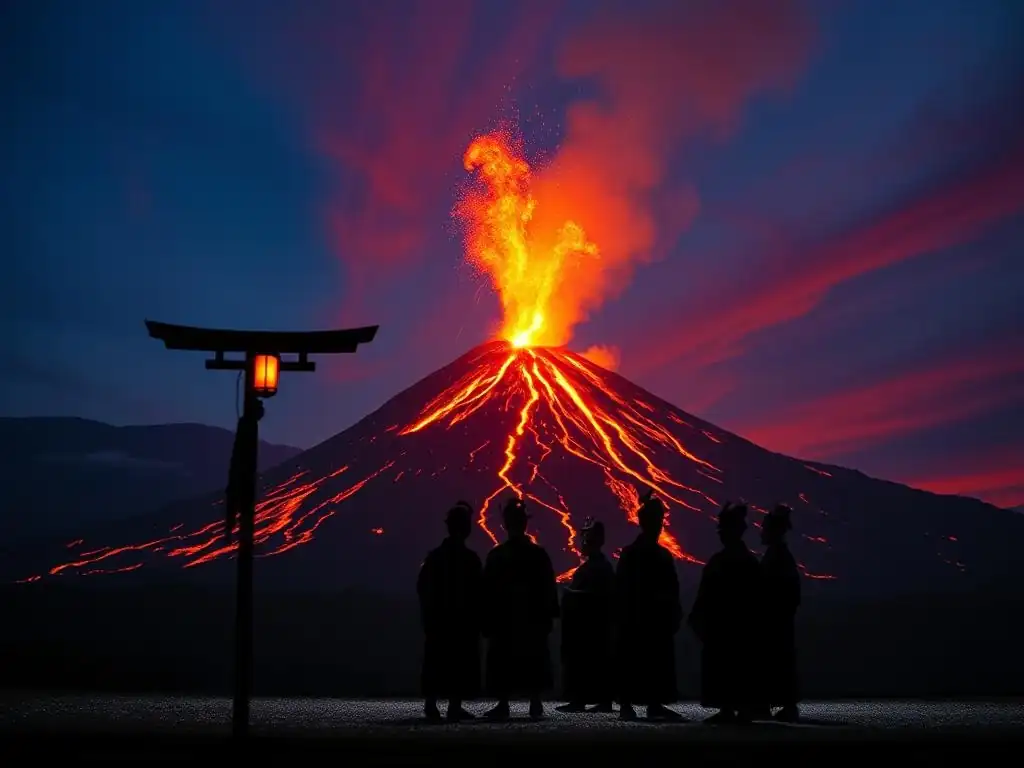
Volcanoes are not merely geological features in Japan; they are integral components of the nation's identity and sense of place. Their dramatic presence, both visually and culturally, has profoundly shaped the Japanese landscape, mythology, and artistic expression for centuries. The constant reminder of the earth's dynamic forces, embodied by active volcanoes like Sakurajima and Mount Fuji, fosters a unique relationship with the natural world, one that balances reverence and respect with a pragmatic understanding of nature's power. This co-existence has instilled a sense of resilience, adaptability, and a deep connection to the land among the Japanese people.
The volcanic landscape itself, with its unique topography, fertile soil, and geothermal resources, has directly influenced settlement patterns, agricultural practices, and even architectural styles in Japan. Volcanic hot springs ( onsen) are deeply embedded in Japanese culture and leisure, while volcanic ash-rich soils have supported agriculture for generations.
Culturally, volcanoes are often imbued with spiritual significance, appearing in myths, legends, and religious practices. This multifaceted interaction with volcanoes – ecological, practical, and spiritual – has forged a distinctive Japanese sense of place, where the dynamic and sometimes volatile forces of nature are not seen as separate from human life but as deeply intertwined with it, shaping both the physical environment and the cultural identity of the nation.
The Future of Japanese Volcano-Inspired Performing Arts
The tradition of Japanese volcano-inspired performing arts is not a static relic of the past; it is a dynamic and evolving aspect of Japanese culture that continues to adapt and find new forms of expression in the contemporary era. As environmental awareness grows and as communities living near volcanoes grapple with the challenges of risk management and sustainable co-existence, performing arts will likely continue to serve as a vital medium for exploring these complex issues.
Contemporary artists are increasingly engaging with environmental themes and using performing arts to raise awareness about climate change, natural disasters, and the human relationship with the planet.
The future of Japanese volcano-inspired performing arts may see a fusion of traditional forms with contemporary technologies and artistic approaches. Digital media, interactive technologies, and interdisciplinary collaborations could be used to create immersive and engaging performances that explore volcanic themes in new and innovative ways.
Furthermore, as global interconnectedness increases, Japanese volcano-inspired performing arts may find new audiences and collaborators internationally, contributing to a broader global dialogue about human-nature relationships and the power of artistic expression to address environmental challenges. The enduring legacy of volcanoes as a source of artistic inspiration ensures that this unique cultural tradition will continue to evolve and resonate in the years to come.
Conclusion: The Volcanic Heartbeat of Japanese Culture
Volcanoes are more than just geological formations in Japan; they are the very heartbeat of the nation's cultural landscape. From the iconic silhouette of Sakurajima to the mythical Mount Fuji, these fiery peaks have profoundly shaped Japanese artistic expression, particularly in the realm of performing arts. Traditional forms like Noh, Kagura, and Bunraku, and contemporary expressions in dance, theatre, and music, all bear the indelible mark of volcanic inspiration. This artistic serenade, echoing the sounds and fury of volcanoes, reflects a deep-seated cultural relationship with these powerful forces of nature.
The enduring legacy of Japanese volcano-inspired performing arts lies in its ability to capture not only the awe-inspiring spectacle of volcanic eruptions but also the complex human emotions and experiences associated with living in a volcanic archipelago. From ancient myths to contemporary narratives of resilience and preparedness, these performances offer a profound and nuanced understanding of the Japanese sense of place, shaped by the dynamic and transformative power of volcanoes.
As Japan continues to co-exist with its volcanic landscape, the vibrant tradition of volcano-inspired performing arts will undoubtedly continue to evolve, ensuring that the volcanic heartbeat remains a vital and resonant pulse within Japanese culture for generations to come.
Frequently Asked Questions
How has Sakurajima volcano inspired Japanese performing arts?
Sakurajima's dramatic presence and frequent eruptions have deeply influenced Japanese performing arts, serving as a powerful motif for strength, destruction, and renewal. The volcano's imagery and dynamic energy are often incorporated into dance, theater, and music.
What types of Japanese performing arts are most influenced by volcanic activity?
Traditional forms like Noh and Kabuki theater are particularly receptive to volcanic themes. These art forms often utilize symbolic representations of eruptions and volcanic landscapes, exploring themes of nature's power.
Where can I see performances inspired by Sakurajima volcano?
Performances inspired by Sakurajima are most commonly found in the Kagoshima prefecture, where the volcano is located. Local theaters and festivals often feature pieces that directly reference the volcano's significance.
What are some common themes or motifs used in volcano-inspired performances?
Common themes include the cycle of destruction and rebirth, the relationship between humans and nature, and the power of the Earth. Motifs often involve fire, smoke, and the dramatic transformation of the landscape.
Are there any contemporary Japanese performing arts that explore volcanic themes?
Yes, contemporary dance and experimental theater also draw inspiration from volcanoes. These newer art forms often explore the psychological and emotional impact of living near an active volcano, and environmental concerns related to volcanic activity.
Final Reflection: Echoes of Fire and Art
The enduring power of Sakurajima, a volcano that both threatens and inspires, is a testament to the human spirit's capacity for finding beauty amidst adversity. The fusion of natural wonder and artistic expression, particularly in Japanese performing arts, remains a potent force, shaping cultural identity and providing a unique lens through which to understand our relationship with the natural world.
The influence of Sakurajima, and volcanoes in general, on Japanese art is undeniable. It's a reminder that even the most destructive forces can spark creativity and offer profound insights into the cyclical nature of life and death. Art is not a mirror to hold up to reality, but a hammer with which to shape it.
- Bertolt Brecht. This quote resonates deeply when considering how artists transform the raw power of a volcano into something beautiful and meaningful, shaping our perception of both nature and ourselves.
As we conclude this exploration of Japanese volcano-inspired performing arts, I invite you to consider the forces that shape your own creative expression. What "volcano" in your life – be it a challenge, a passion, or a source of inspiration – can you harness to create something truly unique and meaningful? Let the fiery spirit of Sakurajima ignite your own artistic endeavors and remind you of the enduring power of the human spirit to transform even the most formidable obstacles into sources of beauty and inspiration.
Embrace Sakurajima's Muse: Ignite Your Creative Fire!
Thank you for exploring the powerful connection between Sakurajima's volcanic spirit and the vibrant world of Japanese performing arts. Inspired by the volcano's dramatic beauty and raw energy, why not translate that inspiration into your own creative expression?
Here are a few ideas to get you started:
- Write a short poem or haiku inspired by Sakurajima's imagery, and share it with friends and family!
- Dive deeper into a traditional Japanese art form, such as Noh theatre or Kabuki, and explore how it reflects the power of nature.
- Create a piece of abstract art—a painting, sculpture, or even a digital design—that captures the energy and beauty of a volcanic eruption.
Consider what aspect of Sakurajima—the ash, the sound, its imposing form—most captivates you artistically, and how you can best express that in your own work.