Volcanoes in Film and Popular Culture: When Nature Becomes a Character
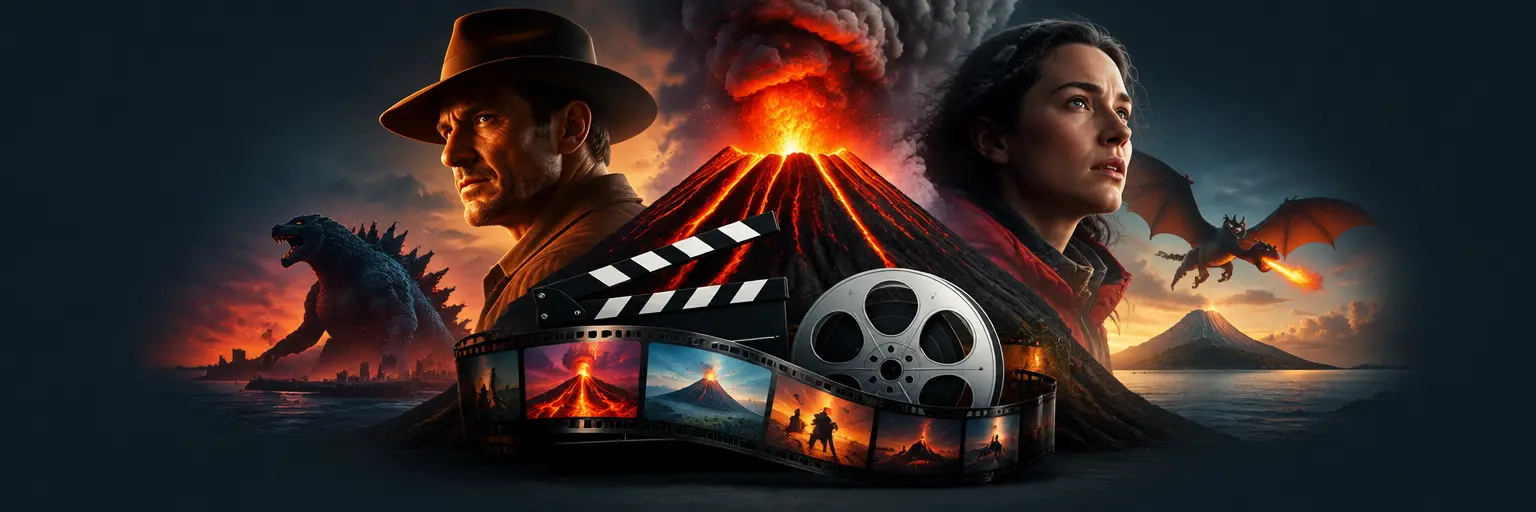
From the silent era's smoky special effects to modern CGI spectacles, volcanoes have long held a blazing spot in our collective imagination. This subcategory of Volcano Explorers explores how these fiery mountains transcend geology to become symbols of destruction, rebirth, and raw, untamable power. Discover how filmmakers, authors, and artists have shaped public perception of volcanic risk and wonder, often blurring the line between scientific fact and dramatic fiction. Perfect for pop culture enthusiasts and geology buffs alike, this page uncovers the cultural lava flow that has made volcanoes unforgettable icons.
🌋 Iconic Eruption Scenes in Movie History
Cinema has given us some of the most visceral depictions of volcanic fury, from the 1958 classic The Vikings to the adrenaline-fueled Dante’s Peak (1997) and Volcano (1997). These films often prioritize spectacle over science, yet they powerfully convey the sheer scale of pyroclastic flows and lava rivers. Expect deep dives into practical effects vs. computer-generated imagery, and how filmmakers used real volcanic footage—like Mount Etna’s eruptions—to enhance authenticity.
Beyond thrillers, documentaries like Fire of Love (2022) showcase real-life volcanologists Katia and Maurice Krafft, turning science into poetry. This section discusses how specific scenes influence public risk perception and even inspire future geologists. You’ll also learn why Hollywood consistently chooses volcanoes as the ultimate disaster, representing uncontrollable nature that no hero can fully defeat, making them perfect metaphors for climate change and existential threats.
🎬 Volcanoes in Science Fiction and Fantasy
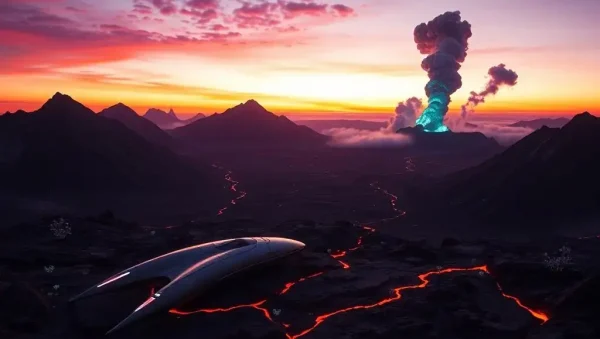
From Star Wars’ fiery Mustafar to The Lord of the Rings’ Mount Doom, volcanic landscapes serve as dramatic backdrops for epic battles and moral dilemmas. In sci-fi, volcanoes often symbolize creation and destruction, with lava acting as a crucible for forging powerful artifacts or harboring alien life. Explore how franchises use volcanic settings to amplify tension—think of the unforgettable final confrontation in Return of the King, where the Crack of Doom becomes a character itself.
This section also examines how fantasy worlds borrow from real geology, like the volcanic plains of Iceland doubling as alien worlds in Prometheus and Game of Thrones’ Dragonstone. Understand how these portrayals shape audience expectations about volcanic environments, from glowing lava tubes to toxic gas. We’ll also highlight lesser-known indie films and anime that give volcanoes a spiritual or sentient presence, showcasing the genre’s creative range and its reflection of human fears about nature’s unpredictability.
📺 Volcanoes on Television: From Documentaries to Dramas
TV has brought volcanic science into living rooms, with series like National Geographic’s Volcano Live and NOVA’s Deadliest Volcanoes offering immersive, educational experiences. But scripted shows also embrace volcanic drama—think of Lost’s mysterious island or Walking Dead’s eerie parallels between undead hordes and volcanic ash. This part analyzes how episodic storytelling builds long-term interest in volcanology, often featuring real-time monitoring dashboards and expert interviews.
Reality survival shows like Naked and Afraid have even dared participants to trek across volcanic fields, blending entertainment with practical survival tips. We’ll discuss the educational power of television in normalizing volcano science for kids and adults, plus how streaming platforms like Netflix have revived interest with series like Earth’s Greatest Spectacles. Expect a balanced view of both educational value and dramatic license, helping you separate fact from fiction in your next binge-watch.
🎨 Volcanoes in Art, Literature, and Video Games
Beyond screens, volcanoes ignite creativity across mediums. Literature from Mary Shelley’s The Last Man to Jules Verne’s Journey to the Center of the Earth uses volcanic settings to explore human hubris and adventure. Meanwhile, video games like Minecraft and Horizon Zero Dawn let players interact with eruptive mechanics, teaching resource management and hazard awareness through gameplay. Here, we review famous paintings like Joseph Wright of Derby’s Vesuvius in Eruption, showing how artists romanticized volcanic light long before photography.
This section also traces how folklore and mythology from Pompeii to Pele of Hawaii inform modern storytelling. Whether it’s a board game about volcano survival or a graphic novel about a volcanic apocalypse, these cultural artifacts reinforce the volcano’s dual nature—a giver of fertile soil and a bringer of swift doom. By examining these diverse expressions, you’ll see how deeply volcanoes are woven into human narrative, not just as scenery but as catalysts for character growth and philosophical reflection.
🌍 The Influence of Pop Culture on Volcano Tourism
Movies and media have directly boosted tourism to volcanic destinations. After Dante’s Peak, visits to Mount St. Helens surged, and Iceland’s volcanic sites became must-see spots after Game of Thrones filming. This section explores how pop culture shapes travel behavior, from “volcano chasing” tours to volcano-themed theme park rides. Learn how local economies capitalize on this fascination while balancing safety and conservation—imagine walking on hardened lava fields that were once the backdrop for a blockbuster.
We also discuss the rise of influencer culture, where Instagram-worthy shots of glowing lava at Kilauea or Eyjafjallajökull encourage photogenic treks. However, we critically assess the risks when social media meets active volcanoes, highlighting cases where tourists ignored safety barriers after seeing viral posts. Additionally, discover how virtual reality experiences and volcano cams are opening access for those who can’t travel, making both film sets and real active sites more approachable—and more responsible—for exploring these natural marvels.
Frequently Asked Questions
Which movie features the most scientifically accurate volcano eruption?
Dante’s Peak (1997) is often praised for its realistic portrayal of volcano hazards, including acidic lakes, pyroclastic surges, and lahars. Geologists consulted by the studio commended the film for depicting the 1980 Mount St. Helens eruption accurately. However, the action-packed final escape scene defies real physics, as a truck cannot outrun a pyroclastic flow. For pure documentary realism, watch Fire of Love instead.
Are volcanoes in movies ever based on real eruptions?
Yes—many films use real volcanic footage as a baseline. For example, Krakatoa: The Last Days based its events on the 1883 eruption, while Volcano used imagery from Hawaii’s Kilauea for visual inspiration. Documentaries frequently feature live eruptions like Mount Merapi or Mount Etna. However, dramatic timing and scale are often exaggerated for cinematic effect.
How do films shape public perception of volcano safety?
Hollywood often portrays volcanic eruptions as sudden with minimal evacuation time, which can create anxiety but also encourages preparedness. Studies show that films like Volcano increased public interest in learning about evacuation routes. Conversely, they may trivialize the speed of lava flows. Educational campaigns often harness this curiosity to teach real safety measures, like staying indoors and avoiding valleys.
Can you visit locations where famous volcano films were shot?
Absolutely! Dante’s Peak was filmed at Mount St. Helens and the Columbia River Gorge, both accessible via visitor centers. The Star Wars Mustafar scenes were shot in Italy’s Vulcano and Sicily’s Mount Etna, where you can hike safely. Iceland’s Vatnajökull glacier and its volcanic craters starred in Game of Thrones and are featured in guided tours. Always check current volcanic activity before visiting.
What is the cultural significance of volcanoes in indigenous folklore?
Many cultures view volcanoes as living beings. Pele, the Hawaiian goddess, inhabits Kilauea, while Japanese mythology worships Mount Fuji as a sacred spirit. These stories often explain eruptions as emotional expressions of deities, guiding community behavior. Modern films and shows sometimes incorporate these legends, like in Moana or Kubo and the Two Strings, blending ancient beliefs with contemporary cinema to honor cultural heritage.