
Volcanic Landscapes as Alien Worlds: When Earth's Fury Inspires SciFi

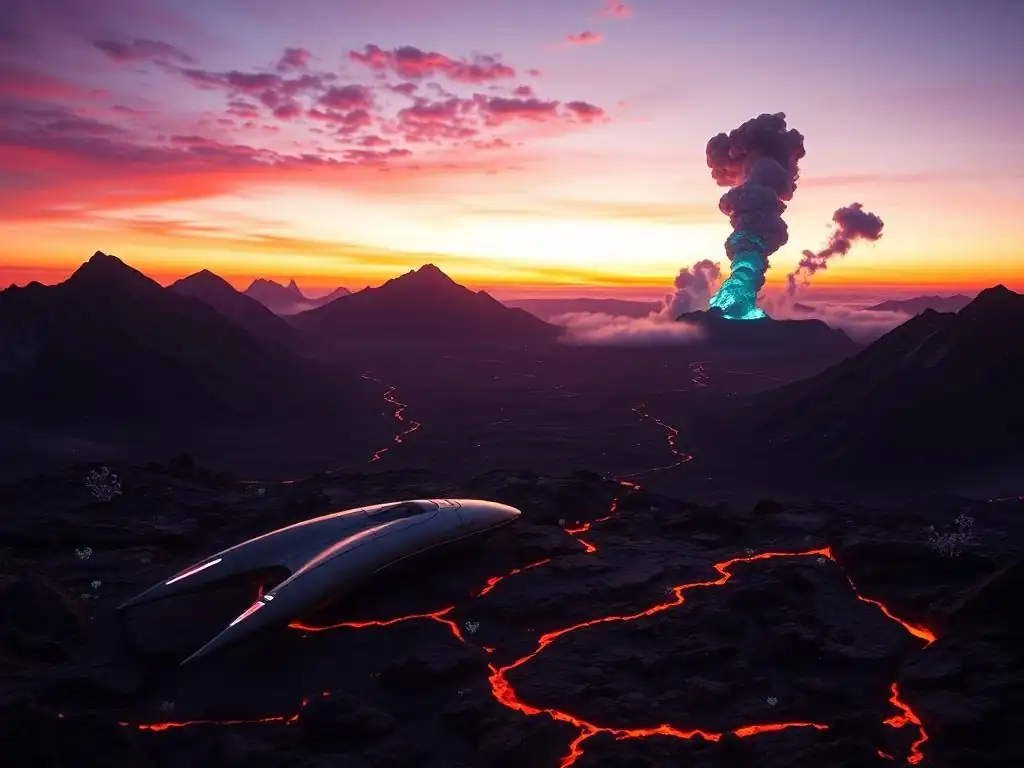
Welcome to Volcano Explorers! Ever wondered if the landscapes of your favorite sci-fi worlds are closer to home than you think? Prepare to be amazed as we delve into how the fiery majesty of Earth's volcanoes – its volcanic landscapes in particular – have fueled the imaginations of countless science fiction creators. What secrets lie beneath the smoking peaks that inspire alien worlds? Keep reading to discover the surprising connections between earthly eruptions and the furthest reaches of the galaxy!
- Introduction: The Allure of Volcanic Terrains in Science Fiction
- Earth's Volcanic Wonders: A Palette for Imaginary Worlds
- Exploring Iconic Sci-Fi Worlds Inspired by Volcanic Activity
- The Science Behind the Fiction: Volcanic Processes and Planetary Geology
- Volcanic Hazards and Alien Survival: Lessons from Earth
- Beyond the Visuals: The Symbolic Power of Volcanoes in Sci-Fi Narratives
- Conclusion: The Enduring Fascination with Volcanic Worlds in Sci-Fi
-
Frequently Asked Questions
- What makes volcanic landscapes appealing for sci-fi world-building?
- How do real-world volcanic landscapes influence sci-fi depictions?
- What are some common volcanic features seen in sci-fi settings?
- How does the science of volcanology inform the portrayal of volcanic planets in sci-fi?
- Beyond visuals, how else do volcanoes contribute to sci-fi narratives?
- Final Reflection: Echoes of Earth's Fury in Distant Stars
- Ignite Your Imagination: Explore Volcanoes Like Never Before!
Introduction: The Allure of Volcanic Terrains in Science Fiction
Volcano Explorers: Bridging Earth's Fiery Reality and Sci-Fi Imagination
VolcanoExplorers.org serves as a portal into the captivating realm of volcanology, offering enthusiasts and curious minds a chance to understand the powerful forces shaping our planet. From the molten depths of magma chambers to the dramatic surface expressions of eruptions, the website explores the science, history, and cultural impact of volcanoes. But the fascination with these geological marvels extends beyond scientific study; it ignites our imaginations, particularly in the realm of science fiction. The stark, often surreal, beauty of volcanic landscapes provides a rich source of inspiration for creators seeking to build believable and awe-inspiring alien worlds.
This article delves into the fascinating intersection of real-world volcanology and science fiction world-building. We'll explore how Earth's fiery terrains, sculpted by volcanic activity, have served as templates for imagining extraterrestrial environments. From the desolate plains of Iceland to the otherworldly landscapes of the Danakil Depression, we will uncover the real-world locations that fuel the cinematic and literary visions of alien planets. By understanding the geological processes behind volcanic landscapes, we can better appreciate the artistry and scientific grounding present in the most compelling sci-fi worlds.
Why Volcanic Landscapes Captivate Sci-Fi Creators
Science fiction, at its heart, thrives on the creation of worlds that are both unfamiliar and yet resonant with human experience. Volcanic landscapes, with their inherent drama and visual spectacle, offer a perfect canvas for this imaginative endeavor. The raw power of volcanic eruptions, the stark beauty of lava fields, and the eerie stillness of geothermal areas all contribute to an aesthetic that feels distinctly "otherworldly." For filmmakers, novelists, and game developers, these terrains provide a readily available and profoundly impactful visual vocabulary to depict alien planets.
Moreover, volcanic landscapes are not just visually striking; they also suggest environments of extreme conditions and potential danger, elements that are central to many sci-fi narratives. The heat, toxic gases, and unstable ground associated with volcanic regions naturally lend themselves to stories of survival, exploration, and conflict.
Think of the iconic imagery of lava flows and smoking craters – these are instantly recognizable symbols of both destruction and geological dynamism, creating a sense of place that is both compelling and inherently dramatic. The inherent challenges and visual drama of these environments make them ideal settings for stories that push the boundaries of human resilience and technological adaptation in the face of planetary forces.
Earth's Volcanic Wonders: A Palette for Imaginary Worlds
Iceland's Stark Beauty: A Popular Template for Extraterrestrial Planets
Iceland, often dubbed the "Land of Fire and Ice," presents a breathtaking array of volcanic landscapes that have captivated filmmakers and sci-fi creators for decades. Its black sand beaches, vast lava fields, and towering volcanoes, often shrouded in mist and steam, offer a readily accessible and visually stunning analog for alien worlds. The island's geological youth, constantly being reshaped by volcanic and glacial forces, creates a sense of primordial rawness that resonates deeply with our perception of extraterrestrial environments.
The stark beauty of Iceland's diverse volcanic features, from the basalt columns of Reynisfjara to the geothermal areas of Hverir, has been directly translated into numerous science fiction films. For example, the desolate, black sand beaches of Iceland served as the backdrop for the planet Lah'mu in Rogue One: A Star Wars Story, and its glacial landscapes were used to depict the alien planet in Interstellar.
The readily available infrastructure and diverse, yet easily accessible, volcanic landscapes make Iceland a prime location for filmmakers seeking to ground their sci-fi visions in real-world geological wonders, lending an immediate sense of authenticity and visual grandeur to their fictional worlds.
The Danakil Depression: An Earthly Analog for Harsh Alien Environments
The Danakil Depression in Ethiopia stands as one of the most extreme and alien-like environments on Earth. This geological depression, part of the Afar Triangle, is a scorching hot, tectonically active region characterized by salt flats, acidic hot springs, and active volcanoes.
The Danakil's volcanic landscape is not only visually stunning but also chemically unique, with hydrothermal vents spewing out sulfur, salt, and other minerals, creating vibrant and otherworldly colors across the terrain. This extreme environment, with its average temperatures exceeding 34°C (93°F) and minimal rainfall, pushes the boundaries of terrestrial habitability, making it an ideal real-world stand-in for harsh, alien planets.
Scientists studying extremophiles in the Danakil Depression have discovered microorganisms thriving in conditions that were once thought to be sterile, further fueling the idea that such volcanic landscapes, despite their apparent hostility, could potentially harbor life, even on other planets. The vibrant colors created by the mineral deposits, coupled with the stark, desolate terrain, make the Danakil Depression a compelling visual reference for sci-fi creators aiming to depict truly alien and challenging environments. Its unique combination of geothermal activity, extreme heat, and otherworldly mineral formations offers a tangible glimpse into what truly alien volcanic landscapes might resemble.
Volcanic Features in Sci-Fi Film: Craters, Lava Flows, and Geothermal Fields
Science fiction cinema frequently draws upon specific volcanic features to create believable and visually arresting alien worlds. Craters, the scars left by explosive eruptions or meteorite impacts, are a common visual motif, suggesting a history of dramatic geological events. Lava flows, both ancient and fresh, paint landscapes in stark blacks and reds, conveying a sense of geological dynamism and potential danger. Geothermal fields, with their steaming vents and brightly colored mineral deposits, introduce an element of otherworldly beauty and hint at subterranean energy sources.
Films like Prometheus and Alien: Covenant utilize volcanic features extensively to depict alien planets. Craters are used to create a sense of vastness and age, while lava flows suggest recent geological activity and potential instability. Geothermal areas, often depicted with swirling steam and vibrant, unnatural colors, add an element of the bizarre and the potentially hostile. By carefully selecting and combining these volcanic features, filmmakers can construct alien worlds that feel both visually compelling and geologically plausible, grounding their fantastical narratives in the recognizable, yet still awe-inspiring, forms of Earth's volcanic landscapes.
Exploring Iconic Sci-Fi Worlds Inspired by Volcanic Activity
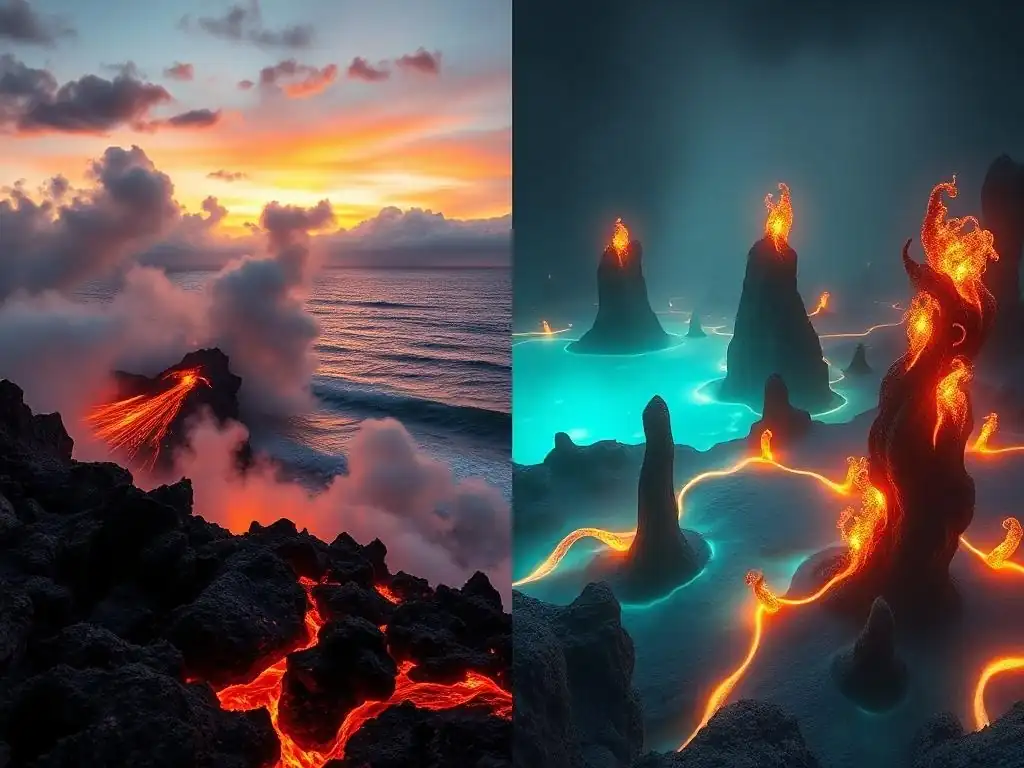
Mustafar (Star Wars): Echoes of Volcanic Formations
The fiery planet of Mustafar from the Star Wars saga is perhaps one of the most iconic examples of a volcanic landscape in science fiction. Visually dominated by active volcanoes, rivers of lava, and a perpetually smoke-filled sky, Mustafar embodies the raw power and destructive potential of volcanism. The planet's design, particularly in Star Wars: Episode III – Revenge of the Sith, draws heavily from real-world volcanic landscapes, evoking imagery of places like Mount Etna in Italy or volcanic regions of Hawaii, albeit amplified to a planetary scale.
The constant eruptions, lavafalls, and geysers of fire on Mustafar create an atmosphere of intense heat and danger, perfectly reflecting the dramatic events that unfold on its surface. The stark, black volcanic landscapes, punctuated by glowing lava flows, provide a visually striking and emotionally charged backdrop for the climactic duel between Obi-Wan Kenobi and Anakin Skywalker. Mustafar's reliance on exaggerated but recognizable volcanic formations demonstrates how filmmakers can utilize Earth's geological features to create alien worlds that are both fantastical and grounded in a sense of geological reality, making the fictional setting all the more impactful.
Planet Vulcan (Star Trek): Where Lava Shapes the Landscape
Planet Vulcan, the homeworld of Spock in Star Trek, is characterized by its arid, desert-like environment and, importantly, its underlying volcanic landscape. While not as overtly fiery as Mustafar, Vulcan’s description and visual representations, particularly in later Star Trek iterations, hint at a planet shaped by significant volcanic activity. The planet's reddish hues and rocky terrain, combined with references to its harsh climate and thin atmosphere, suggest a world where volcanic processes have played a major role in its geological history.
Although not always explicitly depicted with active volcanoes on screen, the underlying concept of Vulcan as a hot, arid world with a volcanic landscape is crucial to understanding the Vulcan culture and their adaptation to their environment. The planet's harsh conditions are often cited as a contributing factor to the Vulcan philosophy of logic and emotional control, suggesting a civilization that has learned to thrive in a challenging, geologically active world.
Even subtle hints of volcanic formations in Vulcan's visual design contribute to the planet's unique identity and reinforce the idea that planetary geology significantly influences the development of alien civilizations within the Star Trek universe.
Surtsey (Foundation Series): Geothermal Energy and Alien Civilizations
In Isaac Asimov's Foundation series, the planet Surtsey plays a pivotal role as a source of geothermal energy for the technologically advanced planet Trantor. While Surtsey itself is not extensively described in terms of its volcanic landscape, its name directly references the real-world volcanic island of Surtsey, which emerged off the coast of Iceland in the 1960s. This connection to a real-world volcanic formation immediately suggests that Surtsey in the Foundation universe is likely a geothermally active planet, rich in volcanic resources.
The use of "Surtsey" as a planet name is a deliberate nod to the power and potential of geothermal energy, a resource directly linked to volcanic landscapes. In the Foundation universe, Surtsey's geothermal energy is vital for Trantor's vast, city-planet infrastructure, highlighting the importance of planetary resources in shaping civilizations, even fictional ones.
While the visual details of Surtsey's volcanic landscape are left to the reader's imagination, the name itself serves as a powerful reminder of how volcanic activity can be a crucial element in the development and sustainability of civilizations, both on Earth and in the realm of science fiction.
The Science Behind the Fiction: Volcanic Processes and Planetary Geology
Understanding Volcanic Activity: From Earth to Exoplanets
Understanding volcanic activity on Earth provides a crucial framework for imagining volcanism on other planets and even exoplanets. The fundamental processes that drive volcanic eruptions – the movement of magma, plate tectonics, and the release of pressure – are universal geological principles that likely operate across the cosmos. While the specific composition of magma and the style of eruptions might vary depending on a planet's geological history and atmospheric conditions, the underlying physics and chemistry remain consistent.
Volcanologists study various types of volcanic eruptions on Earth, from effusive eruptions producing slow-moving lava flows, like those seen in Hawaii, to explosive eruptions that eject ash and gas high into the atmosphere, such as those of Mount St. Helens. These diverse eruption styles, shaped by magma viscosity and gas content, offer a range of scenarios that can be extrapolated to volcanic landscapes on alien planets.
Furthermore, the study of planetary geology, including data from missions to Mars and Venus, reveals evidence of past and present volcanic activity on other celestial bodies, providing real-world examples of volcanic landscapes beyond Earth and informing more realistic and scientifically grounded sci-fi world-building.
How Planetary Geology Influences World-Building in Sci-Fi
Planetary geology is increasingly recognized as a vital component of effective world-building in science fiction. Moving beyond purely aesthetic considerations, incorporating realistic geological processes, including volcanism, adds depth and believability to fictional worlds. The type of planet – rocky, gaseous, icy – fundamentally dictates the potential for volcanic activity and the resulting volcanic landscapes. Rocky planets, like Earth and Mars, are more likely to exhibit silicate volcanism, while icy moons, like Europa or Enceladus, might experience cryovolcanism, the eruption of water, ammonia, or methane instead of molten rock.
By considering factors like planetary size, internal heat, and atmospheric composition, sci-fi creators can design volcanic landscapes that are not only visually compelling but also geologically plausible within the context of their fictional universe. For example, a planet with active plate tectonics might feature linear volcanic ranges and frequent earthquakes, while a planet with "hotspot" volcanism, like Earth's Hawaii, could display shield volcanoes and vast lava plains. This attention to geological detail enhances the immersive quality of sci-fi worlds, making them feel more real and scientifically grounded, even within fantastical narratives.
The Role of Volcanism in Shaping Alien Ecosystems
Volcanism is not just a geological force; it plays a crucial role in shaping planetary environments and potentially influencing the development of ecosystems, even alien ones. Volcanic eruptions release gases into the atmosphere, contributing to its composition and influencing climate. On Earth, volcanic outgassing over billions of years played a key role in creating our atmosphere and oceans. Similarly, on other planets, volcanic activity could be a significant factor in determining habitability and the types of life that might evolve.
Volcanic landscapes, despite their often-harsh appearance, can also provide unique habitats for life. On Earth, extremophiles thrive in volcanic hot springs and hydrothermal vents, demonstrating life's ability to adapt to extreme conditions. In science fiction, this concept can be expanded to imagine alien ecosystems that are directly dependent on volcanic activity.
Perhaps alien life forms could derive energy from geothermal vents or utilize minerals and nutrients released by volcanic eruptions. By considering the scientific understanding of volcanism's impact on Earth's biosphere, sci-fi creators can imagine alien worlds where volcanic landscapes are not just visually striking but also integral to the planet's ecology and the potential for life.
Volcanic Hazards and Alien Survival: Lessons from Earth
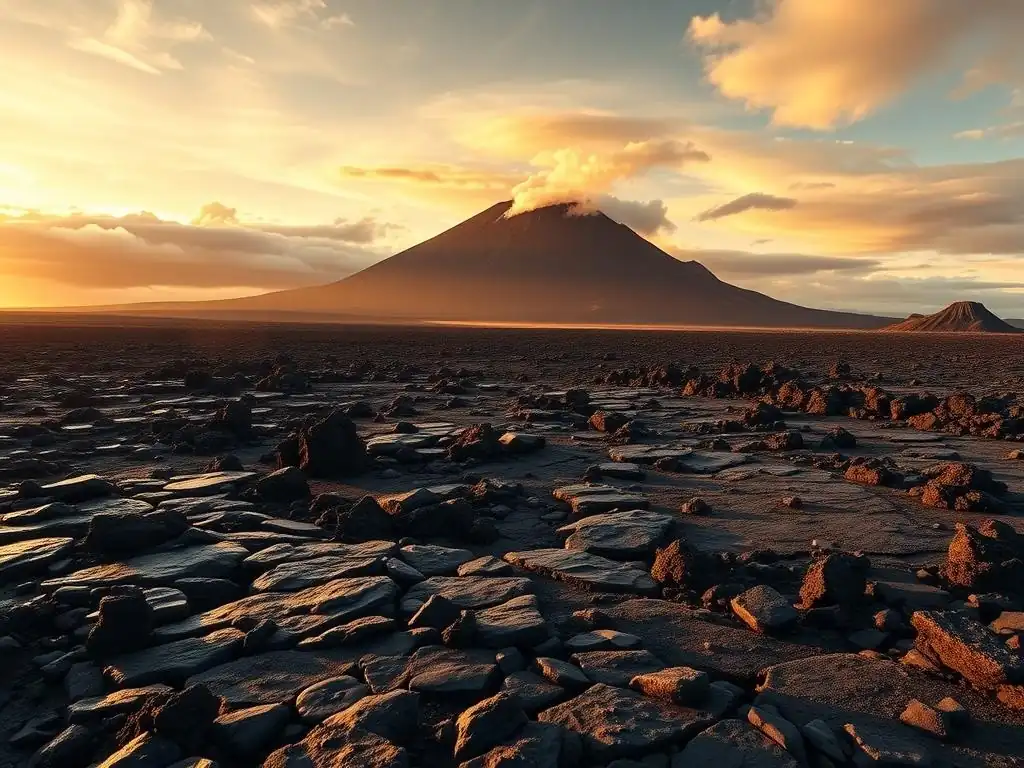
Adapting to Extreme Environments: Human Resilience in Volcanic Regions
Human communities living near active volcanoes on Earth have developed remarkable strategies for adapting to these dynamic and potentially hazardous environments. From constructing buildings with earthquake-resistant designs to developing sophisticated monitoring systems for eruption prediction, human ingenuity has enabled coexistence with volcanic forces. Populations in regions like Iceland, Japan, and Italy have learned to live with the risks and even harness the benefits of volcanic landscapes, utilizing geothermal energy and fertile volcanic soils.
These real-world examples of human resilience in volcanic regions provide valuable insights for imagining scenarios of human or alien survival on volcanically active planets in science fiction. The challenges faced by communities living near volcanoes – ashfall, lava flows, pyroclastic flows, and gas emissions – can be translated into compelling narrative elements in sci-fi stories. By studying how humans adapt to volcanic landscapes on Earth, sci-fi creators can develop more realistic and nuanced portrayals of survival and adaptation on alien worlds facing similar geological hazards.
Sci-Fi Scenarios: Facing Volcanic Eruptions on Other Planets
Science fiction offers countless scenarios where characters must confront volcanic eruptions on alien planets. These scenarios often serve as tests of survival, resourcefulness, and technological prowess. From escaping lava flows in high-speed vehicles to constructing shelters against ashfall, these narratives explore the dramatic and often perilous consequences of living in volcanic landscapes. Films like Volcano (though set on Earth) and episodes of various sci-fi series often depict characters grappling with volcanic eruptions as a central plot element.
These fictional scenarios, while often exaggerated for dramatic effect, can be informed by real-world volcanic hazards and mitigation strategies. Imagining how humans or alien species might respond to a large-scale volcanic eruption on another planet requires considering factors like the eruption type, the planet's atmosphere, and the available technology. By grounding these sci-fi scenarios in the scientific understanding of volcanic landscapes and their associated hazards, creators can craft more compelling and believable narratives of survival and adaptation in extreme alien environments.
Volcanic Threat Assessment: Applying Earthly Knowledge to Alien Worlds
The field of volcanic hazard assessment on Earth provides a framework for thinking about potential volcanic threats on alien planets. Volcanologists use various techniques to monitor volcanoes, predict eruptions, and assess the potential impact of volcanic hazards on human populations. These methods include seismic monitoring, gas analysis, ground deformation measurements, and geological mapping of past eruptions. While applying these techniques directly to alien worlds is currently impossible, the underlying principles of volcanic threat assessment can inform sci-fi world-building.
By considering factors like a planet's geological activity, the types of volcanoes present, and the potential eruption styles, sci-fi creators can develop a sense of volcanic risk for their fictional worlds. This approach allows for the creation of volcanic landscapes that are not just visually dramatic but also realistically hazardous, adding a layer of tension and consequence to narratives set in these environments. Understanding the principles of volcanic threat assessment on Earth can contribute to more scientifically informed and compelling depictions of volcanic dangers and survival in science fiction.
Beyond the Visuals: The Symbolic Power of Volcanoes in Sci-Fi Narratives
Volcanoes as Symbols of Destruction and Rebirth
Volcanoes, in both reality and fiction, are powerful symbols of destruction and rebirth. Their eruptions can devastate landscapes and ecosystems, representing destructive forces of nature. However, volcanic activity also creates new land, enriches soils, and releases gases that are essential for life. This duality of destruction and creation makes volcanoes potent symbols in storytelling, particularly in science fiction, where themes of planetary change, societal upheaval, and renewal are often explored.
In sci-fi narratives, volcanic landscapes can represent periods of planetary crisis or transformation. A volcanic eruption might symbolize the collapse of an old order, while the emergence of new land from lava flows can represent the potential for a new beginning. The fiery, transformative nature of volcanism makes it a compelling metaphor for societal and personal change. By utilizing volcanoes as symbolic elements, sci-fi creators can add layers of meaning and depth to their narratives, going beyond the purely visual spectacle of volcanic landscapes.
The Volcanic Underworld: Exploring Themes of Isolation and Transformation
The imagery associated with volcanoes – molten magma, deep craters, subterranean chambers – often evokes a sense of an "underworld," a hidden and potentially dangerous realm beneath the surface. This concept of a volcanic underworld can be explored in science fiction to represent themes of isolation, transformation, and the hidden aspects of both planets and characters. Stories set within volcanic caves or subterranean lava tubes can create a sense of claustrophobia and psychological pressure, forcing characters to confront their inner selves as they navigate a challenging and alien environment.
The intense heat and pressure within volcanic landscapes can also symbolize transformative processes. Characters venturing into volcanic depths might undergo physical or psychological changes, mirroring the geological transformations occurring around them. The volcanic underworld can become a metaphorical space for personal growth, facing fears, and emerging changed, much like raw magma transforming into solid rock. By exploring these symbolic dimensions of volcanic landscapes, sci-fi narratives can delve into deeper psychological and thematic territories.
Volcanic Landscapes as Metaphors for Inner Turmoil
The turbulent and volatile nature of volcanic landscapes can also serve as powerful metaphors for inner turmoil and emotional upheaval. Just as volcanoes erupt with explosive force, characters might experience emotional outbursts or internal conflicts that mirror the geological forces at play. The visual imagery of lava flows, smoking vents, and unstable ground can be used to represent feelings of anger, fear, or instability.
In science fiction, a character's internal state can be reflected in the surrounding environment. A protagonist struggling with inner conflict might find themselves in a volcanic landscape that mirrors their emotional turbulence. The external environment becomes a visual representation of their internal struggles, enhancing the emotional impact of the narrative. By using volcanic landscapes as metaphorical mirrors of inner turmoil, sci-fi creators can add emotional resonance and psychological depth to their characters and stories.
Conclusion: The Enduring Fascination with Volcanic Worlds in Sci-Fi
The Future of Volcanic World-Building in Science Fiction
The fascination with volcanic landscapes in science fiction is likely to endure and evolve. As our scientific understanding of volcanism on Earth and other planets deepens, and as visual technologies advance, the potential for creating even more realistic and awe-inspiring volcanic worlds in sci-fi expands. Future sci-fi may explore more nuanced aspects of volcanic landscapes, moving beyond purely visual spectacle to delve into the complex geological, ecological, and even cultural implications of living on volcanically active planets.
We may see more stories that focus on the challenges and opportunities presented by geothermal energy on alien worlds, or narratives that explore the potential for unique ecosystems adapted to volcanic landscapes. As we discover more exoplanets and learn more about their potential geological characteristics, science fiction will undoubtedly continue to draw inspiration from the fiery power of volcanoes, pushing the boundaries of imaginative world-building.
Volcano Explorers: Continuing the Journey of Discovery
VolcanoExplorers.org remains committed to exploring the multifaceted world of volcanoes, bridging the gap between scientific understanding and cultural fascination. By highlighting the connections between real-world volcanic landscapes and their fictional counterparts in science fiction, we aim to inspire a deeper appreciation for both the power of nature and the boundless creativity of human imagination. The website will continue to provide resources for learning about volcanology, exploring real-world volcanic destinations, and delving into the cultural significance of volcanoes, including their enduring presence in science fiction.
The journey of discovery into volcanic landscapes, both real and imagined, is an ongoing one. VolcanoExplorers.org invites you to join us as we continue to explore the fiery heart of our planet and the alien worlds inspired by its volcanic wonders.
Further Exploration: Dive Deeper into Volcanic Sci-Fi
For those eager to further explore the intersection of volcanic landscapes and science fiction, numerous resources are available. Consider revisiting classic sci-fi films and novels with a focus on their volcanic settings. Explore documentaries about real-world volcanic regions to gain a deeper appreciation for the geological realities that inspire these fictional worlds.
Engage with online communities and forums dedicated to both volcanology and science fiction to share your insights and discoveries. The exploration of volcanic landscapes in sci-fi is a rich and rewarding journey, offering a unique perspective on both the power of nature and the boundless potential of human creativity.
Frequently Asked Questions
What makes volcanic landscapes appealing for sci-fi world-building?
Volcanic landscapes offer a unique and otherworldly aesthetic due to their extreme geological features, such as lava flows, craters, and unusual rock formations. This makes them ideal for creating believable alien environments.
How do real-world volcanic landscapes influence sci-fi depictions?
Sci-fi often draws inspiration from places like Iceland, Hawaii, or even Mars (which had extensive volcanism). These places provide a visual library of textures, colors, and shapes which can then be exaggerated or combined to create something new.
What are some common volcanic features seen in sci-fi settings?
Common features include lava rivers, active volcanoes, geothermal vents, and ash plains. These elements contribute to a sense of danger and inhospitability, often used to create dramatic tension.
How does the science of volcanology inform the portrayal of volcanic planets in sci-fi?
Understanding volcanic processes helps sci-fi writers create more plausible and compelling worlds. For example, knowing about different types of eruptions can lead to varied and realistic planetary disasters.
Beyond visuals, how else do volcanoes contribute to sci-fi narratives?
Volcanoes can symbolize destruction, rebirth, or powerful, untamed forces. They can be used metaphorically to represent inner turmoil, societal upheaval, or the raw power of nature in a sci-fi story.
Final Reflection: Echoes of Earth's Fury in Distant Stars
The exploration of volcanic landscapes in sci-fi isn't just about fantastical world-building; it's a mirror reflecting our planet's raw power and the enduring human fascination with the extreme. These fiery vistas, born from Earth's tumultuous heart, continue to ignite the imaginations of writers, filmmakers, and gamers, shaping the very fabric of the science fiction genre and influencing how we perceive the potential for life beyond our own world.
The enduring appeal of volcanic landscapes in sci-fi lies in their ability to evoke a sense of both awe and terror. This fascination, I believe, stems from a primal connection to the forces that shaped our own world, a reminder of the volatile nature of existence. The best science fiction is really about the present, not the future,
as Margaret Atwood wisely stated. And in these volcanic worlds, we see our own planet's past, present, and potential future, magnified and distorted through the lens of imagination.
So, the next time you gaze upon a volcanic landscape in a sci-fi film, book, or game, remember that you're not just witnessing a fictional creation. You're experiencing a powerful echo of Earth's own story, a testament to the enduring power of nature and the boundless creativity of the human spirit. Let the fiery landscapes inspire you to contemplate the forces that shape our world and the infinite possibilities that lie beyond.
Ignite Your Imagination: Explore Volcanoes Like Never Before!
Thanks for exploring the mesmerizing world of volcanic landscapes! We hope you found inspiration in the way these earthly wonders spark our imagination and influence science fiction. Now, let's put that inspiration to work.
Here are a few ways to continue your volcanic adventure:
- Craft your own sci-fi short story inspired by a specific volcano's unique features. Imagine the alien life that might thrive there!
- Share this article with fellow sci-fi fans and volcano enthusiasts. Let's spread the inspiration!
- Explore our website, VolcanoExplorers.org, and delve into our extensive database of volcanic locations around the globe. Which volcano will fuel your next creative endeavor?
Ready to turn volcanic fury into fictional masterpieces? What's the first volcanic landscape that comes to mind when you think of alien worlds? Share your ideas in the comments below!