
Fear of Eruption: Exploring the Human Response to Volcanic Threat in Culture

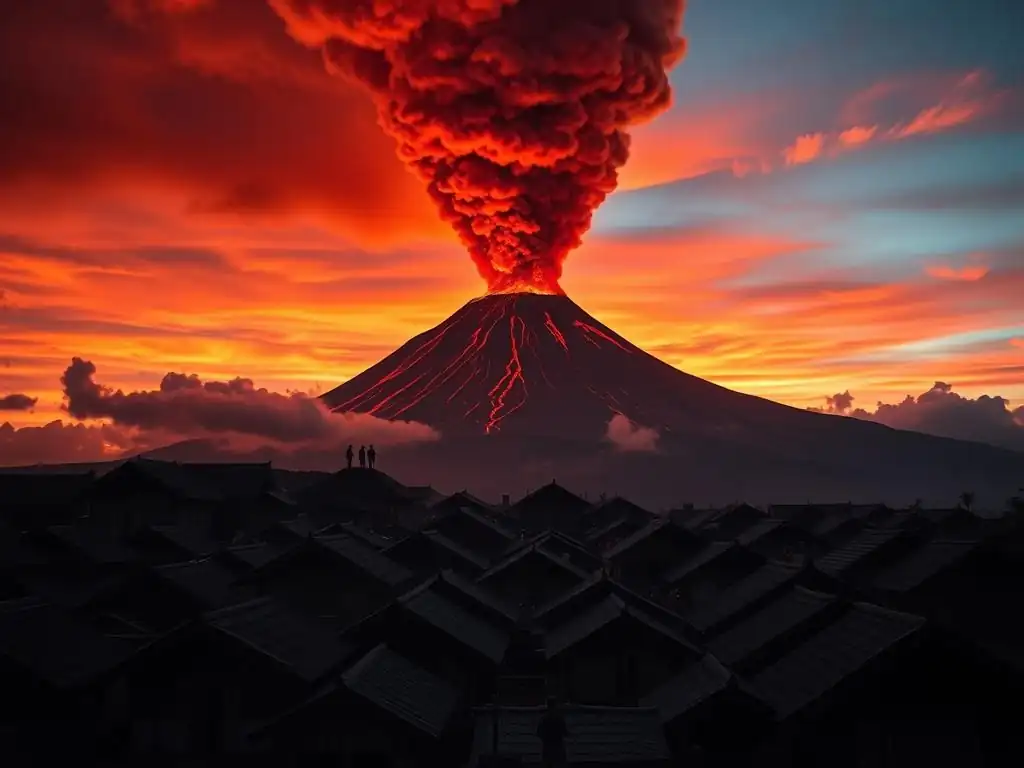
Welcome to Volcano Explorers.
What compels us to live in the shadow of giants? Delve into the fascinating, and sometimes terrifying, human response to volcanic eruptions, exploring how cultures around the world have grappled with these forces of nature. Prepare to uncover the myths, anxieties, and ingenious strategies humans have developed in the face of potential devastation. But is it enough? Let's find out.
- Introduction: Volcanoes, Culture, and the Human Psyche
- The Spectrum of Human Reactions to Volcanic Activity
- Volcanoes in Mythology and Folklore: Shaping Cultural Narratives
- Volcanoes in Literature and Art: Reflecting Human Anxiety and Fascination
- Volcanoes in Film: Hollywood's Portrayal of Volcanic Disasters
- The Impact of Real-Life Volcanic Eruptions on Culture and Society
- Coping Mechanisms and Adaptation: Living with Volcanic Risk
- Conclusion: Understanding the Enduring Influence of Volcanoes on Human Culture
-
Frequently Asked Questions
- What are some common human responses to volcanic eruptions?
- How does culture influence human response to volcanic eruptions?
- What role does risk perception play in human response to volcanic eruptions?
- How can real-time updates on volcanic activity improve human response to volcanic eruptions?
- What are some strategies for effective communication during a volcanic crisis to improve human response to volcanic eruptions?
- Final Reflection: Embracing Uncertainty in the Shadow of Giants
- Unearth Your Own Volcanic Connection!
Introduction: Volcanoes, Culture, and the Human Psyche
Setting the Stage: The Smithsonian Global Volcanism Program and the Cultural Significance of Volcanoes
The Smithsonian Institution's Global Volcanism Program (GVP) stands as a crucial resource for understanding volcanoes, their eruptions, and their broader impact. Beyond the purely scientific data, the GVP implicitly acknowledges the profound cultural significance of volcanoes. Volcanoes are not merely geological formations; they are powerful forces that have shaped human societies, mythologies, and artistic expressions for millennia. The very existence of a program dedicated to global volcanism highlights the enduring human fascination and concern with these dramatic natural phenomena, extending beyond scientific curiosity into realms of culture and societal impact.
The cultural significance of volcanoes is multifaceted and deeply rooted in human history. For communities living near volcanic regions, these geological features are integral to their environment, influencing agriculture through fertile volcanic soils, providing geothermal energy, and shaping landscapes that define their sense of place. Volcanoes have also served as powerful symbols across cultures, representing creation and destruction, the divine and the demonic, and the raw power of nature. From ancient myths explaining volcanic activity to contemporary art inspired by volcanic landscapes, the cultural imprint of volcanoes is undeniable and warrants exploration.
The Dual Nature of Volcanoes: Awe and Apprehension
Volcanoes evoke a powerful duality in human perception, inspiring both awe and apprehension. This dual nature stems from their spectacular beauty and immense destructive potential. The breathtaking sight of a glowing lava flow, the towering plume of ash rising from an erupting cone, and the dramatic reshaping of landscapes are all awe-inspiring displays of nature's power. This awe often translates into a sense of wonder and respect, drawing people to witness volcanic activity and capture its grandeur through art and photography.
Conversely, the destructive capacity of volcanoes instills a deep-seated apprehension. Volcanic eruptions can unleash pyroclastic flows, lahars, ashfall, and lava flows, posing significant threats to human life and property. The unpredictability of volcanic activity further amplifies this fear, as communities living near active volcanoes must constantly contend with the potential for sudden and devastating eruptions. This apprehension is reflected in cultural narratives, disaster preparedness efforts, and the psychological responses of individuals and communities living under volcanic threat.
The Spectrum of Human Reactions to Volcanic Activity
Psychological Responses to Volcanic Threat: Fear, Anxiety, and Fatalism
The psychological responses to volcanic threat are diverse and complex, ranging from acute fear and anxiety during an eruption to a more chronic sense of unease in volcanically active regions. Fear is a natural and immediate reaction to the perceived danger of an eruption, triggered by sensory cues like earthquakes, steam emissions, and ashfall. This fear can be intense and debilitating, especially during periods of heightened volcanic activity or actual eruptions, leading to stress, panic, and displacement.
Anxiety, a more prolonged and diffuse emotional state, often characterizes the psychological landscape of communities living near active volcanoes. This anxiety stems from the uncertainty and unpredictability of volcanic eruptions. Even during periods of volcanic quiescence, the potential for future eruptions looms, creating a background level of stress.
In some cases, particularly in communities with limited resources or coping mechanisms, fatalism – a sense of resignation to the perceived inevitability of volcanic disasters – can develop, influencing risk perception and preparedness behaviors. Studies in areas like the Philippines and Indonesia, for instance, reveal a spectrum of psychological responses including heightened vigilance, avoidance behaviors, and in some cases, a normalization of volcanic risk.
Societal Responses: Community Resilience and Disaster Preparedness
Societal responses to volcanic activity are crucial in mitigating the impacts of eruptions and fostering community resilience. Disaster preparedness is paramount, involving a range of measures from early warning systems and evacuation plans to infrastructure development and public education. Effective preparedness requires collaboration between scientists, government agencies, and local communities to ensure timely and appropriate responses to volcanic crises. Japan, with its extensive network of volcano monitoring and disaster management infrastructure, provides a compelling example of proactive societal response.
Community resilience, the capacity of a community to recover and adapt after a volcanic event, is equally vital. This resilience is built upon social networks, local knowledge, economic resources, and effective governance. Communities with strong social cohesion and established coping mechanisms are better equipped to withstand and recover from volcanic eruptions. For example, communities around Mount Rainier in Washington State have developed robust emergency response plans and community support networks to enhance their resilience to potential volcanic hazards. Furthermore, indigenous communities often possess traditional knowledge and practices that contribute to resilience, having lived with volcanic activity for generations.
Cultural Interpretations: Volcanoes as Sources of Life, Destruction, and Spiritual Significance
Cultural interpretations of volcanoes are incredibly varied, reflecting the diverse ways in which different societies understand and interact with these powerful natural forces. In many cultures, volcanoes are viewed as sources of both life and destruction. Volcanic soils are often exceptionally fertile, supporting agriculture and sustaining livelihoods. Geothermal energy, harnessed from volcanic areas, provides a renewable energy source. Thus, volcanoes are not solely seen as threats but also as providers of essential resources.
However, the destructive potential of volcanoes cannot be ignored, and this aspect is also deeply embedded in cultural interpretations. Volcanic eruptions are powerful reminders of nature's capacity for devastation, capable of reshaping landscapes and disrupting human societies. In many cultures, volcanic eruptions are interpreted as acts of divine wrath, punishment for human transgressions, or omens of societal upheaval. Furthermore, volcanoes often hold spiritual significance, seen as sacred mountains, abodes of deities, or gateways to the underworld. This spiritual dimension adds another layer to the complex human relationship with volcanoes, influencing rituals, beliefs, and cultural practices.
Volcanoes in Mythology and Folklore: Shaping Cultural Narratives
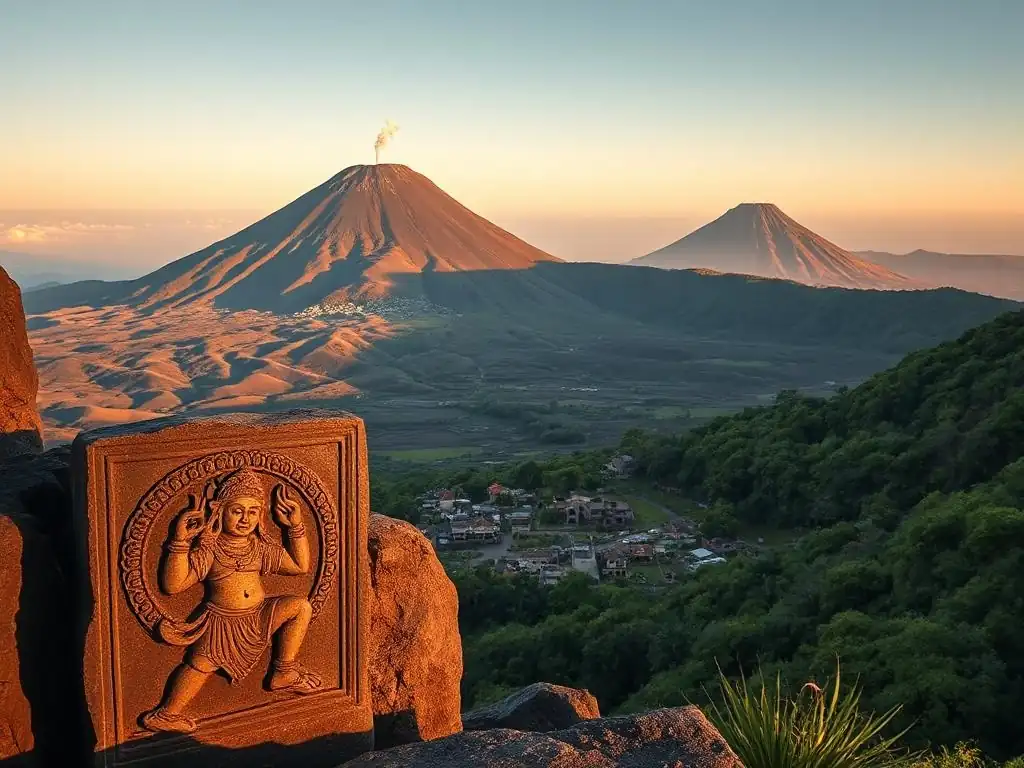
Ancient Beliefs: Appeasing Volcanic Deities
Ancient civilizations living in volcanic regions frequently attributed volcanic activity to divine forces, developing elaborate mythologies and rituals to appease volcanic deities. Volcanoes were often personified as gods or spirits who controlled the fiery depths and could unleash their power at will. To maintain harmony and prevent eruptions, communities engaged in various practices, including offerings, sacrifices, and prayers directed towards these volcanic deities. The ancient Romans, for example, worshipped Vulcan, the god of fire and volcanoes, and held festivals in his honor to seek his favor and avert volcanic disasters.
Across diverse cultures, similar beliefs and practices emerged. In Hawaiian mythology, Pele is the volatile goddess of volcanoes, and legends detail her fiery temper and destructive power. Offerings and traditional dances are still performed to honor Pele and seek her goodwill. Similarly, in Japanese Shinto beliefs, mountains, including volcanoes, are considered sacred and inhabited by kami, or spirits. Rituals and shrines are often established on or near volcanoes to honor these kami and maintain balance with the natural world. These ancient beliefs demonstrate the profound influence of volcanoes on shaping early religious and spiritual practices.
Volcanic Eruptions as Divine Retribution: Myths and Legends
Volcanic eruptions have often been interpreted as acts of divine retribution in myths and legends across cultures, serving as cautionary tales and explanations for societal misfortunes. When eruptions occurred, they were frequently seen as punishments from angered deities, provoked by human sins or failures to uphold religious or moral codes. These narratives served to reinforce social norms and encourage adherence to religious doctrines, framing volcanic disasters as consequences of human actions.
The biblical story of Sodom and Gomorrah, while not explicitly volcanic, shares thematic similarities, portraying divine destruction upon cities deemed sinful. Volcanic eruptions, with their fire and brimstone imagery, easily lent themselves to interpretations of divine wrath. In Greek mythology, the eruption of Mount Etna was sometimes attributed to the wrath of Hephaestus, the god of fire and blacksmiths.
Indigenous cultures in Central and South America also have myths linking volcanic eruptions to divine displeasure, often emphasizing the need for respect towards nature and adherence to traditional ways. These myths highlight the powerful role of volcanoes in shaping moral narratives and religious beliefs.
Volcanoes as Creators and Destroyers: Duality in Folklore
The duality of volcanoes as both creators and destroyers is a recurring theme in folklore worldwide, reflecting the complex relationship humans have with these geological forces. Folklore often acknowledges the destructive power of eruptions while also recognizing the life-giving aspects of volcanic landscapes. Stories and legends frequently depict volcanoes as ambivalent forces, capable of immense devastation but also responsible for creating fertile lands and shaping the environment in beneficial ways.
In Icelandic folklore, for example, volcanoes are both feared and respected. While eruptions are acknowledged as dangerous events, the geothermal energy and fertile soils resulting from volcanic activity are also recognized as essential to life in Iceland. Similarly, in many Pacific Island cultures, volcanic islands are seen as gifts from the gods, providing land for settlement and resources, even though the volcanoes themselves can also pose threats. This duality in folklore underscores the nuanced understanding of volcanoes that has developed in communities living in volcanic regions, acknowledging both their destructive and creative potential.
Volcanoes in Literature and Art: Reflecting Human Anxiety and Fascination
Volcanic Eruptions in Literature: From Pliny the Younger's Account to Contemporary Disaster Novels
Volcanic eruptions have served as compelling subjects in literature across centuries, from historical accounts to fictional narratives. Pliny the Younger's detailed letters describing the eruption of Mount Vesuvius in 79 AD offer a vivid eyewitness account of a catastrophic volcanic event, capturing the fear, chaos, and scientific observations of the time. These letters are among the earliest and most influential pieces of volcanic literature, shaping perceptions of volcanic disasters for generations.
In more contemporary literature, volcanic eruptions have become a recurring motif in disaster novels and thrillers. These fictional portrayals often explore themes of human vulnerability in the face of natural disasters, societal breakdown, and the struggle for survival. Novels like "Pompeii" by Robert Harris or "Escape from Pompeii" by Christina Balit, reimagine the Vesuvius eruption, focusing on human stories amidst the volcanic catastrophe. Modern authors also use volcanic eruptions as metaphors for societal upheaval or personal transformation, reflecting the enduring power of volcanoes to capture the human imagination.
Volcanoes in Art: Capturing the Power and Beauty of Volcanic Landscapes
Volcanoes have long captivated artists, inspiring paintings, sculptures, and other forms of artistic expression. Artists have sought to capture both the awe-inspiring beauty and the terrifying power of volcanic landscapes. 18th and 19th-century Romantic painters, such as Joseph Wright of Derby, often depicted volcanic eruptions with dramatic flair, emphasizing the sublime and overwhelming forces of nature. Their paintings conveyed a sense of both fascination and fear, reflecting the Romantic era's interest in the power of the natural world.
Contemporary artists continue to be inspired by volcanoes, exploring various aspects of volcanic phenomena through diverse media. Photographers document volcanic eruptions and landscapes, capturing the raw beauty and geological processes. Sculptors use volcanic materials like lava rock to create artwork, directly incorporating the volcanic element into their creations. From traditional landscape paintings to modern abstract interpretations, volcanoes remain a potent subject for artistic exploration, reflecting their enduring visual and emotional impact.
The Use of Volcanic Imagery as a Metaphor for Societal Upheaval
Volcanic imagery frequently serves as a powerful metaphor for societal upheaval, revolution, and periods of intense change in literature, film, and political discourse. The explosive and transformative nature of volcanic eruptions makes them a compelling symbol for dramatic social transformations. Volcanoes can represent pent-up societal pressures erupting into open conflict or revolution, mirroring the build-up of magma beneath the Earth's surface culminating in an eruption.
Political rhetoric often employs volcanic metaphors to describe periods of social unrest or impending change. Phrases like "volcanic tensions," "social eruption," or "simmering discontent" evoke the image of a volcano about to erupt, signaling potential instability and dramatic shifts in the social or political landscape. In literature and film, volcanic eruptions can symbolize societal collapse, the destruction of old orders, and the emergence of new realities. This metaphorical use of volcanic imagery underscores the powerful resonance of volcanoes as symbols of transformative and often disruptive forces.
Volcanoes in Film: Hollywood's Portrayal of Volcanic Disasters
The Evolution of Volcano Films: From Spectacle to Scientific Accuracy
Volcano films have evolved significantly over time, reflecting changing cinematic trends and advancements in scientific understanding of volcanic phenomena. Early volcano films often prioritized spectacle and dramatic disaster scenarios, sometimes at the expense of scientific accuracy. These films focused on visual effects and thrilling action sequences, portraying volcanoes as purely destructive forces and emphasizing human drama against the backdrop of volcanic chaos.
More recent volcano films have shown a trend towards incorporating greater scientific accuracy and realism. While still maintaining dramatic elements, these films often consult volcanologists and incorporate scientific concepts into their narratives. Films like "Dante's Peak" (1997) and "Volcano" (1997), while still featuring exaggerated scenarios, attempted to portray volcanic processes and hazards with a degree of scientific plausibility. This evolution reflects a growing audience interest in more grounded and scientifically informed disaster narratives.
Exaggerated Dangers vs. Realistic Threats: Analyzing the Accuracy of Volcanic Disaster Films
Volcanic disaster films often take liberties with scientific accuracy to enhance dramatic effect, exaggerating certain dangers while sometimes downplaying or misrepresenting realistic threats. Films frequently depict lava flows moving at unrealistically high speeds or pyroclastic flows as giant fireballs, sensationalizing volcanic hazards for cinematic impact. While these exaggerations can make for thrilling viewing, they can also contribute to public misconceptions about volcanic risks.
Conversely, some volcano films, while aiming for spectacle, inadvertently highlight certain realistic threats. The portrayal of ashfall, lahars (volcanic mudflows), and the disruption of infrastructure are often depicted with some degree of accuracy. Analyzing volcano films through a scientific lens reveals a mix of exaggerated dangers and occasionally accurate representations of volcanic hazards. It is important for viewers to distinguish between cinematic license and scientifically sound information when watching these films.
The Human Drama: Focusing on Survival and Resilience in Volcano Movies
Despite the focus on volcanic disaster, the core of most volcano movies is the human drama of survival and resilience. These films often center on characters facing extraordinary challenges, forced to overcome personal conflicts and work together to survive the volcanic catastrophe. The volcanic eruption serves as a catalyst for exploring human relationships, courage, and the will to survive in the face of overwhelming odds.
Volcano films frequently feature themes of heroism, sacrifice, and community spirit as characters band together to help each other and escape the volcanic danger. These narratives resonate with audiences because they tap into universal human experiences of fear, hope, and the desire to overcome adversity. While the volcanic setting provides a dramatic backdrop, the enduring appeal of volcano movies lies in their exploration of human resilience and the strength of the human spirit in the face of disaster.
The Impact of Real-Life Volcanic Eruptions on Culture and Society
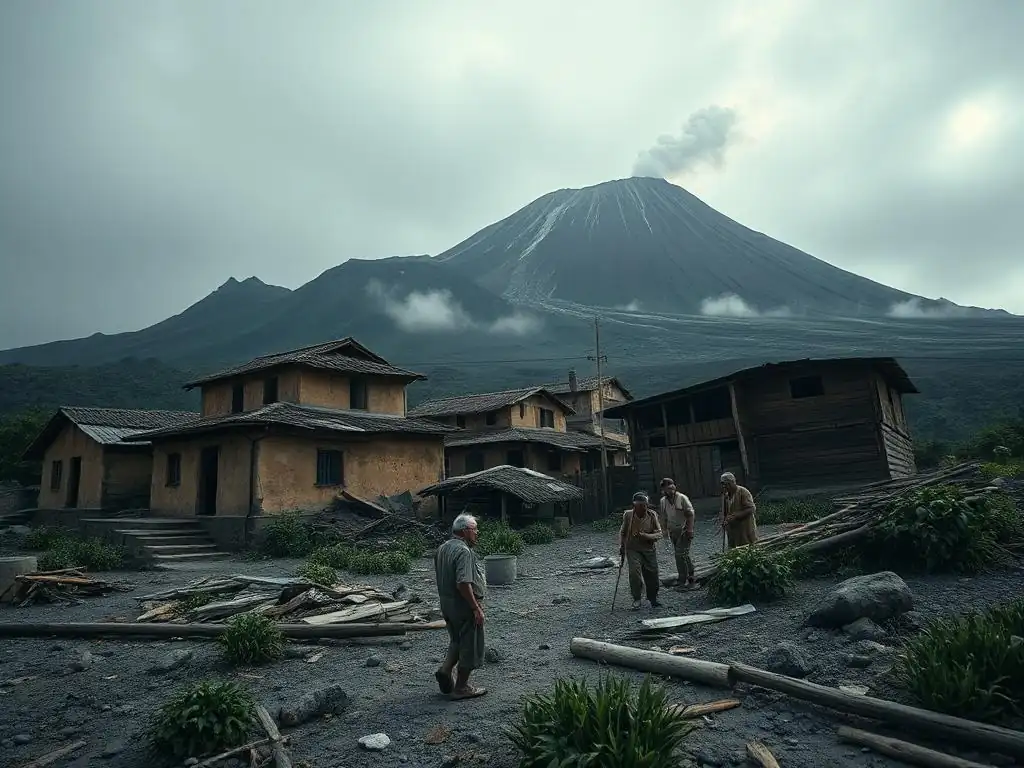
Case Studies: Analyzing the Cultural Impact of Specific Eruptions (e.g., Mount Vesuvius, Mount Tambora)
Real-life volcanic eruptions have had profound and lasting impacts on culture and society, leaving indelible marks on history, art, and collective memory. The eruption of Mount Vesuvius in 79 AD, which buried Pompeii and Herculaneum, not only caused immense destruction but also preserved Roman life in remarkable detail, providing invaluable archaeological insights into Roman society. The rediscovery of Pompeii centuries later sparked renewed interest in classical antiquity and influenced artistic and architectural styles.
The 1815 eruption of Mount Tambora in Indonesia, one of the largest volcanic eruptions in recorded history, had global cultural and societal consequences. The massive ash cloud caused a "year without a summer" in 1816, leading to widespread crop failures, famine, and social unrest in Europe and North America. This period of environmental and social upheaval is believed to have influenced literary and artistic movements, including the emergence of Romanticism and possibly inspiring Mary Shelley's "Frankenstein" with its themes of darkness and societal disruption. These case studies demonstrate the far-reaching cultural and societal impacts of major volcanic eruptions.
Long-Term Cultural Shifts: How Volcanic Events Shape Societies
Volcanic events can trigger long-term cultural shifts, altering societal structures, beliefs, and ways of life. In regions frequently impacted by volcanic eruptions, societies often develop unique cultural adaptations and coping mechanisms. Traditional knowledge systems related to volcanic hazards, early warning signs, and evacuation strategies become deeply ingrained in cultural practices and passed down through generations.
Volcanic eruptions can also lead to shifts in religious beliefs and spiritual practices. Following a major eruption, societies may reinterpret their understanding of divine forces, reassess their relationship with nature, and develop new rituals or beliefs to explain and cope with volcanic events. Furthermore, volcanic disasters can foster a sense of shared identity and community solidarity, strengthening social bonds and promoting collective action in the face of future threats. The long-term cultural shifts resulting from volcanic events demonstrate the dynamic interplay between natural disasters and societal evolution.
The Role of Volcanoes in Shaping Landscapes and Cultural Identity
Volcanoes play a significant role in shaping landscapes, which in turn contribute to the formation of cultural identity and sense of place. Volcanic landforms, such as mountains, calderas, and lava fields, become distinctive features of the environment, influencing settlement patterns, agricultural practices, and economic activities. Communities living in volcanic regions often develop a strong connection to their volcanic landscape, incorporating volcanoes into their cultural narratives and sense of identity.
Volcanic landscapes can also become iconic symbols of a region or nation, attracting tourism and contributing to economic development. Mount Fuji in Japan, for example, is not only a prominent volcanic peak but also a national symbol deeply embedded in Japanese art, literature, and cultural identity. Volcanoes, therefore, are not just geological features but also integral components of cultural landscapes, shaping both the physical environment and the cultural identity of the communities who live in their shadow.
Coping Mechanisms and Adaptation: Living with Volcanic Risk
Community Resilience: Building Stronger Communities in Volcanic Regions
Building community resilience is essential for mitigating the impacts of volcanic risk and enabling communities to thrive in volcanically active regions. Resilient communities are characterized by strong social networks, effective communication systems, robust infrastructure, and proactive disaster preparedness measures. Fostering community resilience requires a multi-faceted approach involving government agencies, scientists, community organizations, and local residents working collaboratively.
Community-based disaster risk reduction programs, empowering local communities to participate in risk assessments, preparedness planning, and early warning systems, are crucial for building resilience. Strengthening local economies, improving infrastructure, and promoting education and awareness about volcanic hazards also contribute to enhanced community resilience. Examples of successful community resilience initiatives can be found in regions like Iceland and Japan, where communities have developed effective strategies for living with volcanic risk.
Disaster Preparedness: Education and Mitigation Strategies
Effective disaster preparedness is paramount for minimizing the loss of life and property during volcanic eruptions. Education plays a crucial role in raising public awareness about volcanic hazards, evacuation procedures, and safety measures. Public education campaigns, community drills, and accessible information resources are essential components of volcanic disaster preparedness.
Mitigation strategies, aimed at reducing the impacts of volcanic hazards, include land-use planning, infrastructure reinforcement, and the development of early warning systems. Restricting development in high-risk zones, designing buildings to withstand ashfall, and establishing clear evacuation routes are examples of mitigation measures. Advanced volcano monitoring technologies and effective communication networks are crucial for providing timely warnings and enabling communities to take appropriate action during volcanic crises.
Technological Advancements: Monitoring Volcanoes and Predicting Eruptions
Technological advancements have significantly improved our ability to monitor volcanoes and predict eruptions, enhancing volcanic hazard assessment and early warning capabilities. Seismic monitoring, ground deformation measurements, gas emission analysis, and thermal imaging are among the key technologies used to track volcanic activity and detect signs of unrest. Global networks of monitoring stations and satellite-based observation systems provide continuous data on volcanoes worldwide.
While predicting the precise timing and magnitude of volcanic eruptions remains a scientific challenge, advancements in monitoring technologies and modeling techniques are continually improving forecasting accuracy. Real-time monitoring data, combined with sophisticated analytical tools, allows volcanologists to detect subtle changes in volcanic behavior and issue timely warnings when eruptions become more likely. Continued investment in research and technological development is essential for further enhancing our ability to predict and prepare for volcanic eruptions.
Conclusion: Understanding the Enduring Influence of Volcanoes on Human Culture
The Complex Relationship Between Humanity and Volcanoes: A Summary
The relationship between humanity and volcanoes is complex and multifaceted, characterized by a mixture of fear, fascination, respect, and adaptation. Volcanoes have profoundly influenced human culture, shaping mythologies, art, literature, and societal structures. They are both destructive forces and sources of life, inspiring awe and apprehension in equal measure. Human responses to volcanic threat range from psychological fear and anxiety to community resilience and proactive disaster preparedness.
Cultural interpretations of volcanoes vary widely, reflecting diverse beliefs and values across different societies. Volcanoes are seen as deities, sources of divine retribution, and symbols of both creation and destruction. In literature and art, volcanoes serve as powerful metaphors for societal upheaval and human vulnerability. Hollywood's portrayal of volcanic disasters, while often exaggerated, reflects enduring public fascination with these dramatic natural phenomena.
The Importance of Understanding and Respecting Volcanic Power
Understanding and respecting volcanic power is crucial for living safely and sustainably in volcanically active regions. Volcanoes are dynamic and unpredictable forces of nature, capable of causing significant disruption and devastation. However, they are also integral parts of the Earth's system, contributing to geological processes, shaping landscapes, and providing valuable resources.
By enhancing our scientific understanding of volcanoes, improving monitoring capabilities, and fostering community resilience, we can mitigate the risks associated with volcanic activity and coexist more harmoniously with these powerful natural forces. Respecting volcanic power means acknowledging the potential hazards while also appreciating the beauty, scientific significance, and cultural importance of volcanoes.
Further Exploration: Resources for Learning More About Volcanoes and Culture
For those interested in delving deeper into the fascinating world of volcanoes and their cultural significance, numerous resources are available. The Smithsonian Global Volcanism Program (GVP) website ( volcano.si.edu ) offers a wealth of scientific data, eruption histories, and educational materials on volcanoes worldwide. Books, documentaries, and online articles explore various aspects of volcanology, volcanic hazards, and the cultural impact of volcanoes.
Museums and science centers often feature exhibits on volcanoes, providing interactive learning experiences. Volcanic National Parks and geological sites offer opportunities to witness volcanic landscapes firsthand and learn about their geological and cultural history. Engaging with these resources can deepen our understanding of the complex and enduring relationship between humanity and volcanoes, fostering both scientific knowledge and cultural appreciation.
Frequently Asked Questions
What are some common human responses to volcanic eruptions?
People exhibit a range of reactions including fear, anxiety, and denial. These responses can be influenced by cultural beliefs, risk perception, and access to information.
How does culture influence human response to volcanic eruptions?
Cultural beliefs and traditions can significantly shape how communities interpret and react to volcanic activity. Some cultures may view eruptions as acts of divine punishment, while others might have traditional coping mechanisms passed down through generations.
What role does risk perception play in human response to volcanic eruptions?
An individual's perception of the risk involved directly affects their preparedness and reaction. Factors like past experiences, trust in authorities, and information accuracy shape their risk perception.
How can real-time updates on volcanic activity improve human response to volcanic eruptions?
Access to timely and accurate information empowers people to make informed decisions. Early warning systems and evacuation plans based on real-time data can significantly improve safety and reduce casualties.
What are some strategies for effective communication during a volcanic crisis to improve human response to volcanic eruptions?
Clear, concise, and consistent communication is crucial. Using multiple channels, addressing cultural sensitivities, and building trust with local communities are essential for effective dissemination of critical information.
Final Reflection: Embracing Uncertainty in the Shadow of Giants
The exploration of the human response to volcanic eruptions reveals a profound truth: our relationship with nature is a complex dance of awe, fear, and resilience. From ancient myths to modern scientific endeavors, humanity has consistently sought to understand and mitigate the risks posed by these geological titans. This enduring fascination, and the strategies we develop to cope, highlight our inherent drive to survive and adapt, even in the face of seemingly insurmountable odds.
The enduring power of volcanoes lies not only in their destructive potential but also in their capacity to shape landscapes and cultures. My own understanding of this connection has deepened through this exploration, revealing the intricate ways in which volcanic activity influences art, literature, and even our collective psyche. As the Roman philosopher Seneca eloquently stated, Every new beginning comes from some other beginning's end.
This quote encapsulates the cyclical nature of destruction and renewal that volcanoes represent, reminding us that even amidst chaos, there is the potential for rebirth and growth.
Now, as you reflect on the insights shared within this article, consider your own response to the uncertainties that life presents. How can you cultivate a sense of resilience and adaptability in the face of unpredictable challenges? Embrace the lessons learned from communities living in the shadow of volcanoes, and find strength in the knowledge that even in the face of immense power, the human spirit can endure, adapt, and ultimately, thrive.
Okay, here's a Call to Action (CTA) tailored for an article titled "Fear of Eruption: Exploring the Human Response to Volcanic Threat in Culture" on Volcano Explorers (volcanoexplorers.org):
Unearth Your Own Volcanic Connection!
Thanks for joining us on this journey through the cultural impact of volcanic fear. We hope you've gained a new perspective on the powerful ways eruptions have shaped our stories and beliefs. Now, it's time to put that understanding into action:
- Brave the Depths: Share your own experience: dealing with volcanic anxiety or awe. Even if it's just a feeling, connecting to these deeper emotions can help us understand each other.
- Dive Deeper: Explore the legends and myths associated with volcanoes in your own culture. What stories are told? What lessons are learned?
- Join the Conversation: Propose a solution or idea on how to address and mitigate the fear and anxiety surrounding volcanic risks within your local community.
What specific cultural tradition or belief about volcanoes has resonated most with you, and how might we use that understanding to build more resilient communities?