
From Minecraft to Mythology: Volcanoes in Gaming Culture

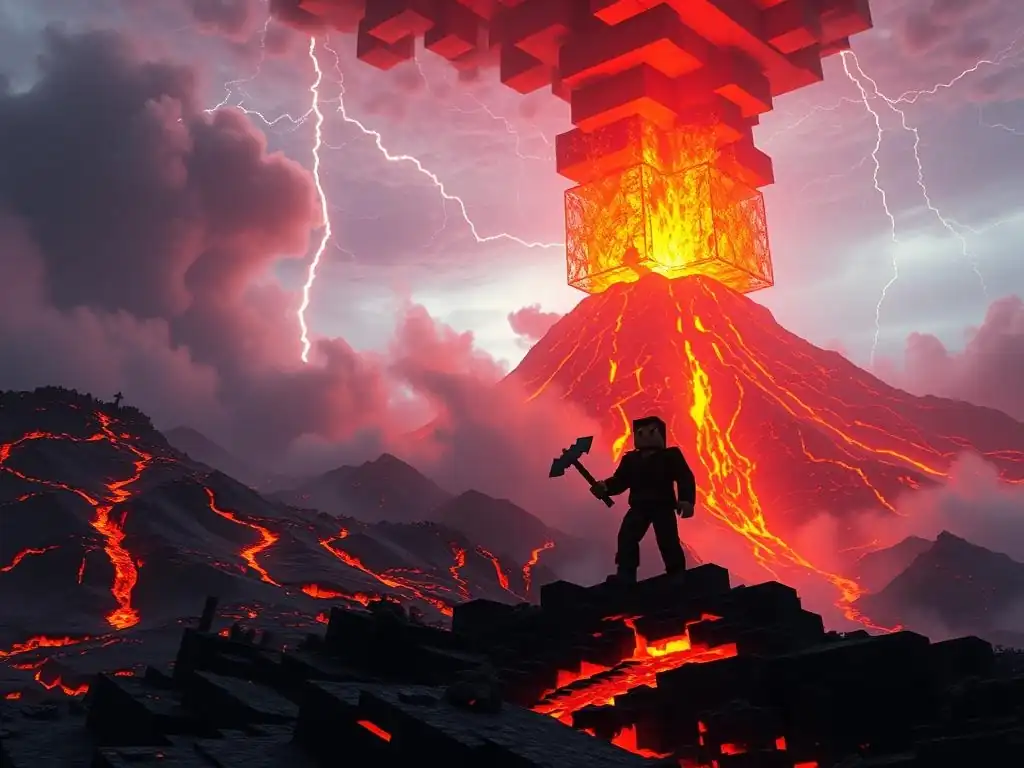
Welcome to Volcano Explorers! Ever wondered how the raw power of a volcano translates from the real world to the digital realm? Prepare to have your perceptions ignited as we delve into the fascinating phenomenon of volcanoes in video games. Discover how developers harness the fiery force of nature to craft immersive landscapes, challenging gameplay, and captivating narratives. Are you ready to explore the lava-filled levels and explosive storylines that await? Let's erupt!
- From Earth's Fury to Digital Flames: Volcanoes in Gaming Culture
- The Allure of Volcanoes in Video Games: An Introduction
- Volcanoes in Survival Games: A Test of Skill and Endurance
- Mythological Volcanoes: Drawing Inspiration from Legends
- Volcanoes as Obstacles and Challenges in Video Games
- Case Studies: Notable Volcanoes in Specific Video Games
- The Science of Volcanoes in Games: Accuracy vs. Entertainment
- The Future of Volcanoes in Gaming: Enhanced Realism and Immersion
- Volcanoes in Video Games: A Summary of Their Enduring Appeal
-
Frequently Asked Questions
- What role do volcanoes typically play in video game narratives?
- How accurately are volcanic eruptions depicted in video games?
- Beyond physical landscapes, how are volcanoes used symbolically in games?
- What are some specific examples of popular video games featuring prominent volcanoes?
- Where can I learn more about the real-world science behind the volcanoes depicted in video games?
- Final Reflection: The Enduring Allure of Volcanic Landscapes
- Ignite Your Inner Explorer: Adventure Beyond the Screen!
From Earth's Fury to Digital Flames: Volcanoes in Gaming Culture
The Allure of Volcanoes in Video Games: An Introduction
Exploring the Fascination with Volcanoes in Interactive Entertainment
Volcanoes, with their raw power and dramatic eruptions, have long captured the human imagination. This fascination extends beyond the real world and into the digital realm of video games. The inclusion of volcanoes in video games is not merely a matter of aesthetic choice; it reflects a deeper connection to these geological marvels.
From early arcade games to modern, graphically rich titles, volcanoes have consistently appeared as compelling settings, formidable obstacles, and sources of both danger and opportunity. Their inherent drama and unpredictability translate perfectly into interactive entertainment, offering game developers a rich canvas upon which to build engaging and challenging gameplay experiences. The imposing presence of a volcano in a game world immediately signals a region of heightened stakes and potential for both triumph and disaster.
The enduring popularity of volcanoes in video games stems from their multifaceted nature. They represent a confluence of natural forces that are both destructive and creative, chaotic and beautiful. This duality makes them incredibly versatile within game design. A volcano can serve as a central narrative point, a challenging environmental hazard, a source of unique resources, or even a symbolic representation of overwhelming power.
Consider the visual spectacle of a volcanic eruption: the fiery glow of lava, the towering plumes of ash, and the earth-shattering explosions. These elements are inherently cinematic and translate exceptionally well to the visual medium of video games, providing developers with a ready-made source of awe-inspiring moments and memorable gameplay scenarios. This inherent spectacle, combined with the inherent dangers and potential rewards associated with volcanic environments, solidifies volcanoes as a recurring and captivating theme within the gaming world.
Why Volcanoes Captivate Gamers: Danger, Power, and Visual Spectacle
The captivation that volcanoes exert on gamers is deeply rooted in the primal human response to forces of nature that are both immensely powerful and inherently unpredictable. Volcanoes embody danger in its most spectacular form. The threat of fiery lava flows, suffocating ash clouds, and explosive eruptions provides a constant sense of tension and urgency, elements that are crucial for engaging gameplay.
This inherent danger is not just a backdrop; it actively shapes the player's experience, forcing them to adapt, strategize, and overcome environmental challenges that are far more dynamic and threatening than simple enemy encounters. The very landscape around a volcano is often treacherous, demanding careful navigation and resourcefulness from the player.
Beyond danger, volcanoes also represent immense power. The sheer scale of a volcanic eruption, capable of reshaping entire landscapes and altering climates, is awe-inspiring. In video games, this power can be translated into gameplay mechanics in various ways.
Volcanoes can be the source of powerful resources, like geothermal energy or rare minerals, incentivizing players to brave the hazardous environment. They can also be the setting for climactic events, such as boss battles or narrative finales, where the volcanic environment amplifies the sense of epic scale and high stakes. Furthermore, the visual spectacle of volcanoes is undeniable.
The vibrant colors of molten rock, the dynamic movement of lava flows, and the dramatic silhouettes of volcanic peaks against the sky all contribute to visually stunning game environments. This visual appeal, combined with the inherent danger and power, makes volcanoes a consistently compelling element in video game design, ensuring their continued presence and popularity across various genres and gaming platforms.
Volcanoes in Survival Games: A Test of Skill and Endurance
Adapting to Volcanic Environments: Resource Management and Hazard Avoidance
Survival games, by their very nature, thrive on challenge and resource scarcity, making volcanic environments a perfect fit for testing players' skills and endurance. In games like Minecraft, ARK: Survival Evolved, and Don't Starve, volcanic biomes often represent late-game areas, signifying a significant increase in difficulty and environmental hazards. Players entering these volcanic regions must adapt to extreme temperatures, often requiring specialized armor or protective gear to mitigate heat damage.
Resource management becomes even more critical, as traditional resources may be scarce or replaced by volcanic-specific materials. Water sources might be limited or contaminated, forcing players to find alternative methods of hydration, such as collecting condensation or utilizing specific volcanic flora and fauna.
Hazard avoidance is paramount in volcanic survival scenarios. Beyond the constant threat of extreme heat, players must contend with unpredictable volcanic events. These can range from minor fumarole eruptions to major lava flows and ashfall events. Games often simulate these hazards through dynamic environmental effects, requiring players to monitor for warning signs and seek shelter or evacuate when necessary.
For example, in some survival games, tremors might precede a volcanic eruption, giving players a limited time to prepare. Lava flows might dynamically alter the landscape, cutting off routes and creating new dangers. Ash clouds can reduce visibility, impact player stamina, and even damage unprotected equipment. Successfully navigating these volcanic environments in survival games demands a deep understanding of the game's mechanics, strategic resource management, and a constant awareness of the dynamic and often hostile volcanic landscape.
Utilizing Volcanic Resources: Geothermal Energy and Rare Minerals
Volcanic regions in video games are not just sources of danger; they often present unique opportunities for resource acquisition and technological advancement. Geothermal energy, a real-world resource harnessed from volcanic areas, frequently appears as a valuable power source in games. Games like Factorio and Satisfactory, focused on industrial automation, might feature geothermal vents that players can tap into for clean and efficient energy production.
This encourages players to venture into the hazardous volcanic zones to unlock advanced technology and expand their industrial capabilities. The risk-reward dynamic is clearly established: the danger of the volcanic environment is balanced by the potential for significant technological and industrial gains.
Beyond energy, volcanic areas are often depicted as rich in rare minerals and resources. In games with crafting and progression systems, volcanic ores and minerals might be essential for creating high-tier equipment, weapons, or building materials. Games like Terraria and Starbound feature volcanic biomes that yield unique ores necessary for crafting advanced tools and armor.
This incentivizes players to explore and exploit these dangerous areas, driving gameplay forward and rewarding risk-taking behavior. The concept of volcanic mineralization is grounded in real-world geology, where volcanic activity does indeed concentrate certain valuable minerals. Video games often exaggerate this phenomenon for gameplay purposes, but the underlying principle of volcanoes as sources of rare and valuable resources remains a consistent and engaging theme.
Modding and Customization: Expanding Volcanic Gameplay
The inherent appeal of volcanoes has also led to significant community-driven content through modding and customization in various games. Games with robust modding communities, such as Minecraft, Skyrim, and Cities: Skylines, often see players creating and sharing mods that enhance or expand upon volcanic gameplay. In Minecraft, for example, mods introduce more realistic volcanic eruptions, new volcanic biomes with unique resources, and even volcanic creatures.
These mods can drastically alter the gameplay experience, adding new layers of challenge and exploration to the game world. Players can customize the frequency and intensity of eruptions, the types of volcanic materials, and even the geological processes simulated within the game.
In city-building games like Cities: Skylines, mods can introduce volcanic disasters that players must manage, adding a new dimension to city planning and emergency response. Players can simulate volcanic eruptions in specific areas, forcing them to evacuate populations, rebuild infrastructure, and mitigate the long-term effects of volcanic activity. These mods not only enhance the realism and challenge of the game but also allow players to explore different scenarios and experiment with disaster management strategies.
The modding community's engagement with volcanic themes highlights the enduring fascination with these natural phenomena and their potential to enrich and diversify gameplay experiences across various game genres. This community-driven expansion further solidifies the place of volcanoes within the gaming landscape, demonstrating a continuous desire for more nuanced and engaging volcanic gameplay.
Mythological Volcanoes: Drawing Inspiration from Legends
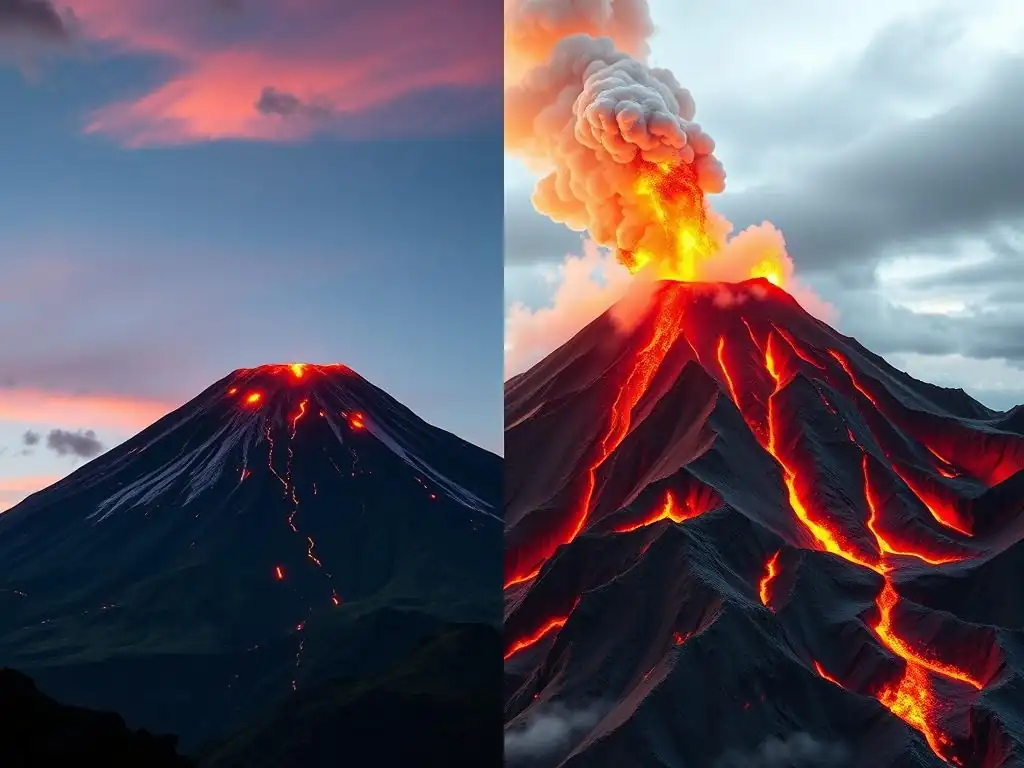
Mount Etna and Beyond: Volcanoes as Sites of Mythical Power
Volcanoes, with their earth-shaking power and fiery displays, have been sources of awe and fear throughout human history, naturally weaving their way into mythology and folklore. Mount Etna in Sicily, for instance, was believed by the ancient Greeks to be the forge of Hephaestus (Vulcan in Roman mythology), the god of fire and metalworking.
The frequent eruptions and seismic activity of Etna were attributed to the god’s divine craftsmanship, shaping weapons and armor for the gods. This association is a prime example of how real-world volcanic phenomena were interpreted through a mythological lens, imbuing volcanoes with a sense of sacred and powerful significance.
Beyond Mount Etna, numerous other volcanoes around the world have become focal points for local myths and legends. In Hawaiian mythology, volcanoes are deeply connected to the goddess Pele, who is believed to reside in the Kīlauea volcano. Her fiery temper and creative power are reflected in the volcanic eruptions and the formation of new land.
Similarly, in Japanese mythology, Mount Fuji, though currently dormant, has long been revered as a sacred mountain and a dwelling place of deities. These examples demonstrate a widespread cultural tendency to associate volcanoes with divine or supernatural forces, recognizing them as places of immense power and mystery. This rich tapestry of mythological associations provides fertile ground for game developers seeking to enrich their game worlds and narratives with volcanic themes.
Volcano Gods and Goddesses: From Vulcan to Pele
The personification of volcanoes as deities is a recurring motif across various mythologies, highlighting the profound impact these geological forces have had on human cultures. Vulcan, the Roman god of fire, metalworking, and volcanoes, is perhaps one of the most well-known examples. His forge, often placed beneath volcanoes like Mount Etna, symbolized the creative and destructive power of volcanic fire. Vulcan’s character, often depicted as both skilled craftsman and volatile deity, mirrors the dual nature of volcanoes themselves – capable of creation and devastation. His influence is evident in the very word "volcano," derived from his Roman name.
Pele, the Hawaiian goddess of fire, lightning, wind, and volcanoes, is another powerful figure associated with volcanic activity. Her legends speak of her travels across the Hawaiian islands, shaping the landscape through volcanic eruptions. Pele is often portrayed as both a creator and a destroyer, embodying the dynamic and transformative nature of volcanoes.
Her fiery temper is said to be reflected in volcanic eruptions, while her benevolent side is seen in the fertile volcanic soil that sustains life. Other cultures also have their own volcano deities, reflecting localized interpretations of volcanic power and integrating these natural phenomena into their spiritual and cosmological frameworks. These mythological figures, from Vulcan to Pele, offer rich narrative and symbolic potential for game developers seeking to incorporate volcanic themes into their games, adding depth and cultural resonance to their virtual worlds.
Incorporating Mythological Volcanoes into Game Design
The rich tapestry of volcanic mythology offers game designers a wealth of inspiration for creating compelling game worlds and narratives. Mythological volcanoes can be directly incorporated into game settings, transforming them into locations imbued with history, mystery, and a sense of the sacred. Imagine a role-playing game where players explore a virtual Mount Etna, encountering mythical creatures and uncovering secrets related to the forge of Vulcan.
Or consider a strategy game where players must appease a volcano goddess like Pele to prevent devastating eruptions and gain her favor. These mythological elements can add layers of depth and intrigue to gameplay, moving beyond purely scientific or realistic interpretations of volcanoes.
Furthermore, mythological themes can inform game mechanics and narrative structures. Volcano gods and goddesses can serve as powerful antagonists or benevolent patrons, influencing the game world and player progression. Quests could revolve around appeasing or challenging these deities, leading to epic confrontations or rewarding alliances.
Game environments can be designed to reflect mythological interpretations of volcanoes, incorporating symbolic elements and visual motifs drawn from folklore. By drawing inspiration from the myths and legends surrounding volcanoes, game developers can create more immersive, culturally resonant, and narratively rich gaming experiences that tap into the deep-seated human fascination with these powerful and awe-inspiring natural phenomena.
Volcanoes as Obstacles and Challenges in Video Games
Volcanic terrain in video games presents a unique set of navigational challenges and environmental hazards that test players' skills and adaptability. Lava flows, a quintessential volcanic feature, are often depicted as deadly obstacles that players must carefully traverse or avoid altogether. Games may employ various mechanics to represent lava's danger, from instant death upon contact to gradual damage over time, requiring players to find safe paths, utilize environmental tools, or even manipulate the lava flows themselves to progress. The visual representation of flowing lava, with its glowing textures and dynamic movement, creates a visually striking and inherently threatening obstacle.
Ash clouds, another common volcanic hazard, can significantly impair visibility and create breathing difficulties in games. Reduced visibility adds to the sense of disorientation and danger, making navigation more challenging and combat encounters more unpredictable. Ash clouds may also introduce gameplay mechanics like coughing or reduced stamina, forcing players to seek shelter or use protective gear.
Volcanic explosions and eruptions, while often scripted events, can also serve as dynamic environmental hazards, forcing players to react quickly to avoid damage or being thrown off course. The unpredictable nature of volcanic activity, even in a game setting, contributes to a sense of constant tension and requires players to remain vigilant and adaptable to the ever-changing volcanic landscape.
Volcanoes as Climactic Boss Arenas: Epic Battles in Volcanic Environments
The dramatic and imposing nature of volcanoes makes them ideal settings for climactic boss battles in video games. The sheer scale of a volcanic caldera, the fiery glow of lava, and the potential for dramatic eruptions create a visually stunning and inherently epic backdrop for high-stakes confrontations.
Games across various genres, from action-adventure to role-playing games, frequently utilize volcanoes as the final or penultimate battle arena, signifying the culmination of the player's journey and the ultimate test of their skills. The volcanic environment itself can become an integral part of the boss fight, introducing environmental hazards that both the player and the boss must contend with.
Imagine battling a fire-based dragon on the rim of an active volcano, dodging lava projectiles and navigating treacherous terrain while simultaneously fighting the boss. The volcanic setting amplifies the sense of danger and epic scale, making the boss encounter feel more significant and memorable.
The visual contrast between the fiery environment and the player character, the dramatic sound effects of volcanic activity, and the high-stakes nature of the boss fight all combine to create a truly unforgettable gaming experience. Volcanoes, as boss arenas, leverage their inherent drama and visual spectacle to enhance the emotional impact and challenge of these critical gameplay moments, solidifying their role as iconic locations in video game history.
The Psychological Impact of Volcanoes in Game Design: Fear and Awe
Beyond their function as obstacles and boss arenas, volcanoes in video games also exert a significant psychological impact on players, evoking a mixture of fear and awe. The visual representation of volcanic landscapes, with their desolate terrain, fiery lava flows, and towering volcanic peaks, can create a sense of unease and apprehension. The sounds of volcanic activity, such as rumbling, hissing steam vents, and explosive eruptions, further contribute to an atmosphere of tension and danger. This carefully crafted environment design can tap into primal human fears associated with natural disasters and the unpredictable forces of nature.
However, volcanoes also inspire awe and wonder. The sheer scale of volcanic eruptions, the raw power on display, and the breathtaking beauty of volcanic landscapes can be simultaneously terrifying and captivating. Games often capitalize on this duality, presenting volcanoes as both dangerous threats and awe-inspiring spectacles.
The visual grandeur of a volcanic sunset, the mesmerizing patterns of lava flows, and the dramatic silhouettes of volcanic peaks against the skyline can create moments of visual beauty amidst the danger. This interplay of fear and awe creates a complex and emotionally engaging player experience, making volcanic environments in video games particularly memorable and impactful. By effectively leveraging the psychological impact of volcanoes, game designers can create virtual worlds that are not only challenging and engaging but also deeply resonant with players' emotions and perceptions of the natural world.
Case Studies: Notable Volcanoes in Specific Video Games
The Legend of Zelda: Breath of the Wild: Death Mountain and Volcanic Integration
The Legend of Zelda: Breath of the Wild masterfully integrates the volcanic region of Death Mountain into its open-world design, showcasing a compelling example of volcanic gameplay. Death Mountain is not just a static backdrop; it is a dynamic environment that actively influences gameplay. The extreme heat of the volcanic region necessitates specific preparations, such as acquiring heat-resistant armor or elixirs, forcing players to adapt their strategies and resource management. This environmental challenge is not merely a superficial obstacle; it is deeply interwoven with the game's mechanics and progression.
The volcanic landscape of Death Mountain is meticulously crafted, featuring active lava flows, fumaroles, and volcanic rock formations that create a visually distinct and hazardous environment. The Goron City, nestled within Death Mountain, is a culturally rich hub inhabited by fire-resistant Gorons, further enriching the volcanic region with lore and narrative depth.
The Divine Beast Vah Rudania, located atop Death Mountain, is a key narrative element and dungeon, directly tied to the volcanic setting. The integration of Death Mountain into Breath of the Wild demonstrates how volcanoes can be more than just environmental hazards; they can be central to gameplay mechanics, narrative progression, and world-building, creating a cohesive and immersive volcanic experience.
Minecraft: How Volcanoes Shape Gameplay and Narrative
While Minecraft does not feature naturally spawning volcanoes in its base game, the modding community has extensively explored and implemented volcanic gameplay, demonstrating the inherent appeal of volcanoes within the Minecraft sandbox. Numerous Minecraft mods introduce realistic volcanoes that generate dynamically in the game world, adding a new layer of environmental challenge and geological dynamism. These modded volcanoes often feature realistic eruption cycles, lava flows, ashfall events, and unique volcanic resources. Players must adapt to the presence of these volcanoes, building defenses against eruptions, mining volcanic ores, and even harnessing geothermal energy.
Furthermore, Minecraft players often construct their own volcanoes, both for aesthetic purposes and as gameplay challenges within custom maps and servers. These player-created volcanoes can range from simple decorative structures to elaborate automated lava farms and complex obstacle courses. The Minecraft community's embrace of volcanoes, through both modding and player-generated content, underscores the enduring fascination with these geological features and their potential to enrich the Minecraft gameplay experience. The sandbox nature of Minecraft allows for diverse and creative interpretations of volcanic themes, showcasing the versatility of volcanoes in interactive entertainment.
Subnautica: Exploring the Visual Representation of Underwater Volcanoes
Subnautica, an underwater exploration and survival game, offers a unique perspective on volcanoes by focusing on underwater volcanic vents and hydrothermal activity. The game world is teeming with volcanic features, from active lava flows deep beneath the ocean surface to hydrothermal vents teeming with unique life forms. Subnautica excels at visually representing these underwater volcanic environments, creating stunning and often perilous landscapes for players to explore. The bioluminescent flora and fauna thriving around hydrothermal vents contrast sharply with the dark, imposing volcanic rock formations and the glowing lava flows, creating a visually captivating and otherworldly experience.
The volcanic activity in Subnautica is not just a visual backdrop; it is integral to gameplay. Hydrothermal vents provide warmth and energy sources, while also posing hazards like extreme temperatures and toxic gases. Players must navigate these volcanic environments carefully, utilizing specialized submarines and equipment to withstand the extreme conditions.
The narrative of Subnautica also incorporates volcanic elements, with the player uncovering the secrets of the planet's geological history and the role of volcanic activity in shaping its ecosystem. Subnautica demonstrates how volcanoes, even in underwater settings, can be visually stunning, gameplay-relevant, and narratively significant, expanding the scope of volcanic themes in video games beyond terrestrial environments.
The Science of Volcanoes in Games: Accuracy vs. Entertainment
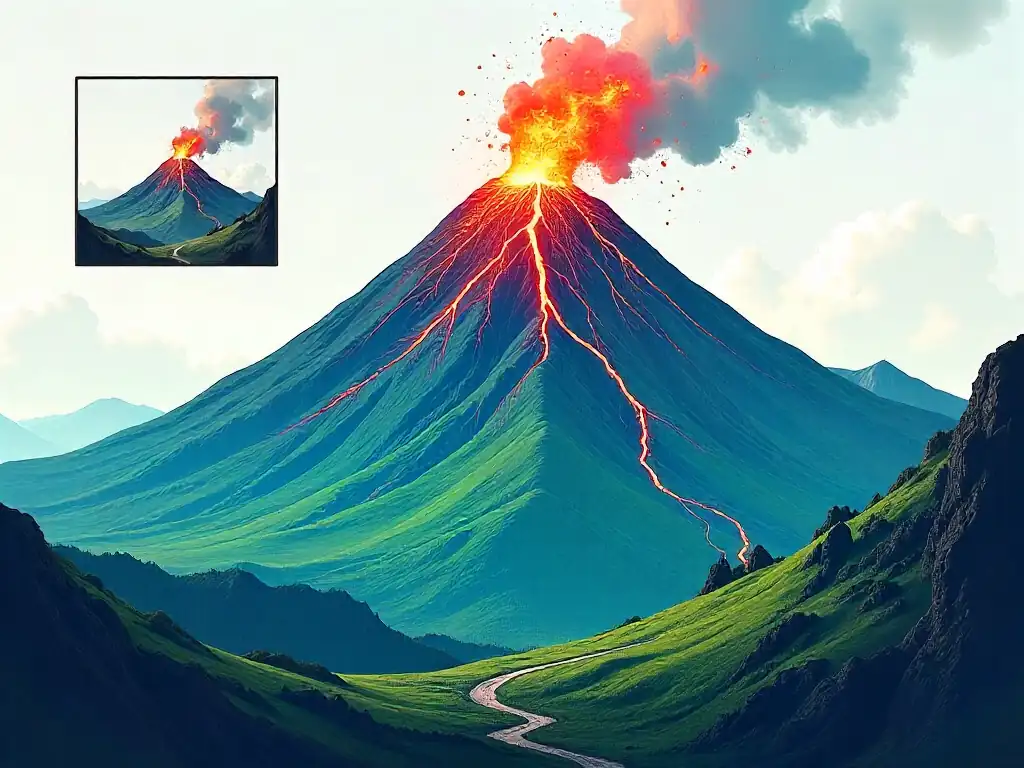
Balancing Realism and Fun: Designing Believable Volcanic Eruptions
Game developers face the challenge of balancing scientific accuracy with engaging gameplay when depicting volcanic eruptions and environments. While striving for realism can enhance immersion, strict adherence to scientific detail might sometimes compromise the fun and accessibility of the game. Therefore, game design often involves a degree of artistic license and simplification of complex volcanic processes. For instance, the scale and frequency of volcanic eruptions in games might be exaggerated for dramatic effect, creating more frequent and visually spectacular events than typically occur in real-world volcanoes.
The behavior of lava flows, ash clouds, and other volcanic hazards might also be simplified for gameplay clarity and to ensure that players can effectively interact with and react to these elements. However, many games also incorporate elements of scientific accuracy to enhance believability and educational value.
The types of volcanic rocks, the gases emitted during eruptions, and the geological formations depicted in games can often be grounded in real-world volcanology. The key is to find a balance between scientific plausibility and gameplay enjoyment, creating volcanic experiences that are both engaging and reasonably believable, even if they are not perfectly scientifically accurate.
Educational Opportunities: Learning About Volcanoes Through Gaming
Video games, despite their primary purpose of entertainment, can also serve as surprisingly effective educational tools, particularly when it comes to complex scientific topics like volcanology. Games that accurately or plausibly depict volcanic processes can introduce players to fundamental concepts of geology, plate tectonics, and volcanic hazards in an engaging and interactive way. Playing a game that requires players to understand volcanic eruption cycles, manage resources in a volcanic environment, or navigate volcanic terrain can indirectly impart knowledge about real-world volcanic phenomena.
Some games even explicitly incorporate educational elements, providing in-game information about volcano types, eruption styles, and safety measures. Strategy games might require players to manage cities near volcanoes, teaching them about volcanic risk assessment and disaster preparedness. Exploration-based games can encourage players to learn about different volcanic formations and geological features through in-game discoveries and environmental storytelling. While not a replacement for formal education, video games can be a valuable supplementary tool for learning about volcanoes, making complex scientific concepts more accessible and engaging for a wider audience, especially younger players.
The Role of Scientific Inspiration in Game Development
Scientific research and real-world volcanology often serve as a significant source of inspiration for game developers when designing volcanic environments and gameplay mechanics. Volcanic maps, geological surveys, and scientific data on eruption patterns can inform the visual design and behavior of volcanoes in games. Game developers may consult with volcanologists or geological experts to ensure a degree of scientific accuracy and plausibility in their depictions of volcanic phenomena. Documentaries, scientific publications, and even field research on active volcanoes can provide valuable visual references and conceptual frameworks for creating immersive and believable volcanic game worlds.
The study of real-world volcanic disasters, such as the eruption of Mount Vesuvius or Mount St. Helens, can also inspire narrative elements and gameplay challenges in games. Understanding the societal impacts of volcanic eruptions, the scientific responses to volcanic crises, and the long-term environmental consequences of volcanic activity can enrich the depth and realism of volcanic game narratives. By drawing upon scientific inspiration, game developers can create more authentic, informative, and engaging volcanic experiences that resonate with players on both an entertainment and educational level.
The Future of Volcanoes in Gaming: Enhanced Realism and Immersion
Technological Advancements: Improved Visuals and Physics
The future of volcanoes in gaming is poised to be significantly shaped by ongoing technological advancements in graphics rendering, physics simulation, and virtual reality technologies. Improved graphics capabilities will allow for even more realistic and visually stunning depictions of volcanic eruptions, lava flows, and ash clouds. Real-time fluid dynamics simulations will enable more accurate and dynamic lava behavior, creating more unpredictable and visually impressive volcanic hazards. Advanced particle effects and volumetric rendering will enhance the realism of ash plumes, volcanic gases, and explosive eruptions, creating truly breathtaking and immersive volcanic spectacles.
Physics-based destruction and environmental interaction will further enhance volcanic gameplay. Imagine games where volcanic eruptions dynamically reshape the landscape, altering terrain, creating new pathways, and destroying player-built structures. Realistic physics simulations will allow for more believable rockfalls, landslides, and volcanic debris flows, adding to the dynamic and unpredictable nature of volcanic environments. These technological advancements will collectively contribute to creating volcanic experiences in games that are not only visually stunning but also more physically realistic and dynamically engaging.
Exploring New Volcanic Settings: Underwater Volcanoes and Alien Landscapes
The future of volcanoes in gaming also holds exciting potential for exploring new and less conventional volcanic settings. Underwater volcanoes, as showcased in Subnautica, offer a unique and largely untapped frontier for game development. Imagine games that delve into the extreme environments of deep-sea hydrothermal vents, exploring the unique ecosystems and geological processes associated with underwater volcanic activity. These settings could offer visually stunning and scientifically fascinating gameplay experiences, expanding the definition of volcanic gaming beyond terrestrial landscapes.
Furthermore, the concept of alien volcanoes opens up even more creative possibilities. Games set on alien planets could feature volcanoes with entirely different compositions, eruption styles, and environmental effects, based on hypothetical or scientifically plausible alien geology. Imagine volcanoes erupting with exotic liquids, creating bizarre and visually stunning landscapes, or volcanoes that are active on moons with different gravitational forces and atmospheric conditions. Exploring these new volcanic settings, both underwater and extraterrestrial, will allow game developers to push the boundaries of creativity and scientific imagination, creating truly novel and captivating volcanic gaming experiences.
The Potential for Immersive Volcanology: Using Games for Education
The convergence of advanced gaming technology and scientific data opens up exciting possibilities for using games as immersive volcanology education tools. Imagine virtual reality simulations that allow users to experience the inside of a volcanic caldera, witness a volcanic eruption up close (but safely! ), or explore different types of volcanoes in detail. These immersive experiences could be used for educational purposes in schools, museums, and research institutions, making volcanology more accessible and engaging for students and the general public.
Interactive volcanic simulations could allow users to experiment with different eruption scenarios, manipulate geological parameters, and observe the consequences of volcanic activity in a controlled virtual environment. Games could be designed to teach about volcanic hazards, risk assessment, and disaster preparedness in a hands-on and engaging way. By leveraging the immersive potential of gaming technology, volcanology education can move beyond textbooks and lectures, offering interactive and memorable learning experiences that foster a deeper understanding and appreciation of these powerful and awe-inspiring natural phenomena.
Volcanoes in Video Games: A Summary of Their Enduring Appeal
The Cultural Significance of Volcanoes in Gaming
Volcanoes in video games are more than just environmental obstacles or visually striking backdrops; they represent a deeply ingrained cultural fascination with these powerful and transformative forces of nature. From mythological associations to real-world scientific understanding, volcanoes have long held a significant place in human imagination and cultural narratives. Their incorporation into video games reflects this enduring fascination, tapping into primal human responses to danger, power, and the sublime beauty of the natural world. Volcanoes serve as potent symbols in gaming, representing both destruction and creation, chaos and order, fear and awe.
The consistent presence of volcanoes across various game genres and platforms underscores their enduring appeal and cultural significance within the gaming world. Whether as challenging survival environments, epic boss arenas, mythological settings, or educational tools, volcanoes consistently provide compelling gameplay experiences and enrich game worlds with depth and drama. Their versatility and symbolic richness make them a recurring and iconic theme in video game design, reflecting a broader cultural recognition of volcanoes as powerful and captivating natural phenomena.
Embracing the Power and Beauty of Volcanoes in Interactive Experiences
Video games offer a unique and powerful medium for exploring the multifaceted nature of volcanoes, allowing players to engage with these geological wonders in interactive and immersive ways. From navigating treacherous lava flows to battling mythical creatures within volcanic calderas, games provide opportunities to experience the danger, power, and beauty of volcanoes firsthand, albeit in a virtual setting. This interactive engagement can foster a deeper appreciation for the scientific complexity, cultural significance, and sheer awe-inspiring nature of volcanoes.
As technology continues to advance, the potential for even more realistic, immersive, and educational volcanic gaming experiences is immense. From enhanced visual fidelity to sophisticated physics simulations and virtual reality applications, the future of volcanoes in gaming promises to be even more captivating and engaging. By embracing the power and beauty of volcanoes in interactive experiences, game developers can continue to tap into the enduring human fascination with these dynamic and transformative forces of nature, creating virtual worlds that are both entertaining and deeply resonant with our understanding and perception of the planet we inhabit.
Frequently Asked Questions
What role do volcanoes typically play in video game narratives?
Volcanoes often serve as dramatic backdrops or challenging environments, frequently associated with danger, powerful enemies, or crucial plot points. They can also be the source of valuable resources or hidden locations.
How accurately are volcanic eruptions depicted in video games?
Accuracy varies greatly. Some games prioritize realism with detailed lava flows and ash plumes, while others use volcanoes primarily for visual spectacle and gameplay mechanics, sacrificing scientific accuracy.
Beyond physical landscapes, how are volcanoes used symbolically in games?
Volcanoes can symbolize destruction, rebirth, or hidden power. Their fiery nature is often linked to themes of passion, rage, or the emergence of something new and transformative.
What are some specific examples of popular video games featuring prominent volcanoes?
Minecraft, The Legend of Zelda: Breath of the Wild, and World of Warcraft all feature notable volcanic areas. These games showcase volcanoes as environmental hazards, adventure zones, or even story-driving locations.
Where can I learn more about the real-world science behind the volcanoes depicted in video games?
VolcanoExplorers.org offers a wealth of information on volcanic activity, eruption types, and the scientific principles that govern these powerful geological phenomena. Explore our site for in-depth educational content!
Okay, here's a final reflection crafted for your article "From Minecraft to Mythology: Volcanoes in Gaming Culture," designed to resonate with readers and encourage further thought, while also subtly reinforcing the keyword "volcanoes in video games."
Final Reflection: The Enduring Allure of Volcanic Landscapes
The journey through virtual worlds, from the blocky depths of Minecraft to the fiery realms of mythology, reveals the unmistakable power of volcanoes in video games to captivate and challenge us. What began as a simple exploration of digital landscapes has unveiled a profound connection between our fascination with these geological titans and the narratives we craft within interactive entertainment.
The enduring presence of volcanoes in gaming speaks volumes about their symbolic weight. They represent not just destruction, but also creation, transformation, and the raw, untamed forces of nature. Personally, I've always been drawn to the challenge and the beauty of navigating these virtual volcanic landscapes, a feeling I believe many gamers share. The mountains are calling and I must go.
- John Muir. This sentiment echoes the primal urge to explore the unknown, to confront danger, and to emerge stronger, a feeling perfectly embodied by the trials presented by volcanoes in video games.
As we close this exploration of volcanoes in video games, I invite you to consider the role these fiery mountains play in your own gaming experiences. What lessons have you learned from their digital slopes? How have they shaped your understanding of risk, reward, and the power of the natural world? Let the fiery landscapes of these games inspire you to embrace challenges, to appreciate the beauty of destruction and rebirth, and to recognize the enduring power of nature, both real and virtual.
Okay, here's a CTA crafted for your "From Minecraft to Mythology: Volcanoes in Gaming Culture" article, tailored for Volcano Explorers and volcanoexplorers.org:
Ignite Your Inner Explorer: Adventure Beyond the Screen!
Thanks for diving into the fascinating world of volcanoes in gaming! We hope you found new appreciation for these fiery features and their surprisingly diverse representation. Now, it's time to translate that inspiration into action!
Here's how you can continue your exploration:
- Create Your Own Volcanic World: Using what you've learned, design a volcano-themed level in Minecraft or another game. Share your creation with the Volcano Explorers community! This is your primary action.
- Dive Deeper: Research a real-world volcano mentioned (or inspired by) in your favorite game. What unique geological features does it possess?
- Share the Heat: Tell us, what video game about volcanoes do you want to see? Start a discussion about it with friends, or share this article with others who are as into volcanoes as you!
What other creative ways will you explore the volcanic realm beyond the screen? Share your ideas in the comments below!