Volcanoes as Tourist Attractions and Cultural Heritage
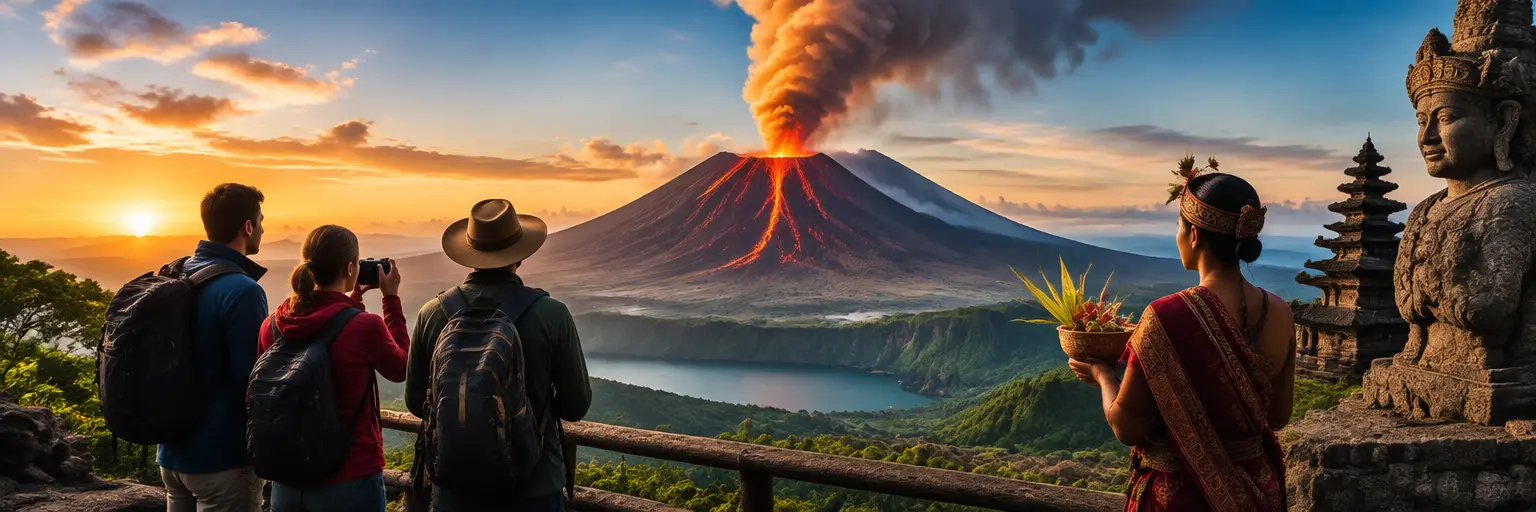
Volcanoes are far more than geological marvels; they are living landmarks that shape identities, traditions, and economies. This subcategory explores how volcanic sites draw millions of travelers each year, from steaming craters in Iceland to sacred peaks in Japan, while also preserving indigenous myths, rituals, and communal heritage. By blending adventure with cultural immersion, these destinations offer unique experiences that educate visitors about both Earth’s raw power and humanity’s enduring reverence for it.
🌋 Iconic Volcano Destinations for Thrill-Seeking Travelers
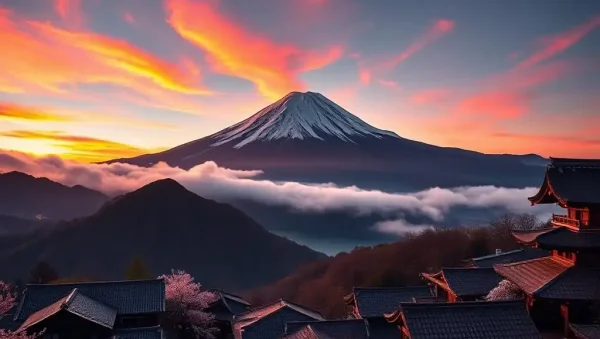
You’ll discover world-renowned volcanic sites like Mount Fuji, Etna, Kilauea, and Villarrica, each offering distinct activities such as crater hikes, lava viewing, and volcano boarding. These destinations are equipped with guided tours, observation decks, and safety protocols, making them accessible for varied fitness levels. Expect practical travel tips, including best seasons to visit, permits required, and how to stay safe while capturing stunning panoramic views.
Beyond the adrenaline, these sites are often surrounded by unique flora, hot springs, and geological museums that deepen your appreciation for volcanic processes. Many tours integrate local storytelling, letting you hear firsthand legends of fire gods or creation myths tied to each peak. Whether you’re a casual sightseer or an adventure enthusiast, these volcanoes deliver unforgettable landscapes and cultural narratives that enrich every step of your journey.
🏛️ Preserving Mythology, Rituals, and Sacred Volcanic Landscapes
Volcanoes frequently hold sacred status, serving as homes for deities, ancestral spirits, or cosmic forces. This section examines how communities maintain ancient rituals—from offerings to fire goddess Pele in Hawaii to the annual ascent of Mount Bromo’s crater by the Tenggerese people. You’ll learn about UNESCO-recognized cultural landscapes where volcanic activity intersects with intangible heritage, including festivals, dances, and shamanic ceremonies.
Equally important is the conservation balance between tourism and sanctity. Local authorities often limit visitor access to summit areas during rituals, while interpretive centers explain the cultural taboos and respectful behavior expected. By understanding these practices, travelers can engage meaningfully without disrupting spiritual continuity. This knowledge transforms a simple visit into a profound cross-cultural exchange, fostering respect for both nature and tradition.
🏺 Volcanic Artifacts, Architecture, and Culinary Traditions
Volcanic landscapes have inspired everything from indigenous rock carvings and temple architecture to modern sculptures and jewelry made from obsidian or basalt. This part highlights museums and artisan workshops where you can observe these crafts being made, plus ancient ruins—like Pompeii’s preserved villas—that owe their existence to volcanic ash. Expect insights into how pumice and lava stones are used in construction, from churches in the Azores to terraced farms in Cappadocia.
Your taste buds also get a tour: volcanic soil imparts unique flavors to coffee, wine, and produce, such as Kona coffee from Hawaii or volcanic wines from Sicily’s Etna region. Visitors can join vineyard tastings, coffee plantation tours, or local cooking classes that incorporate heritage recipes. These experiences connect you to the land’s bounty, showing how volcanic fertility sustains both cuisine and community identity across generations.
🧭 Responsible Volcano Tourism: Safety, Ethics, and Local Benefits
While volcano tourism drives significant economic growth, it must be managed responsibly. This segment covers essential safety guidelines, including hazard zone awareness, gas emission checks, and evacuation protocols—especially near active craters. You’ll also learn about ethical considerations: respecting closed areas, not removing rocks, and hiring certified local guides who ensure both visitor safety and cultural sensitivity.
Community-based tourism models are highlighted as a way to ensure income directly benefits residents, funding schools, infrastructure, and conservation efforts. Examples include cooperative guesthouses near Mount Nyiragongo or indigenous-led trekking ventures in the Andes. By choosing responsible operators, you support sustainable development while minimizing environmental impact. This balanced approach ensures that future generations can continue to appreciate these majestic sites both safely and respectfully.
📸 Capturing the Sublime: Photography and Inspirational Volcanic Art
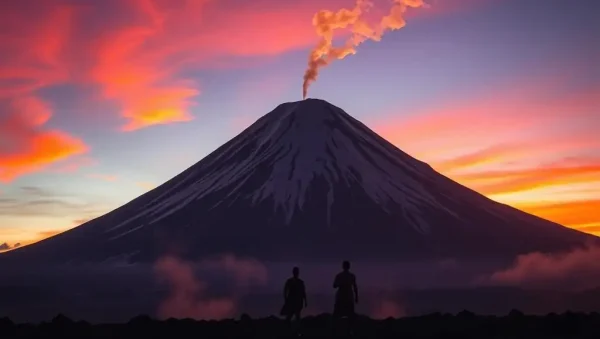
For artists and photographers, volcanoes offer dramatic contrasts—glowing lava rivers, ash plumes, and serene caldera lakes. This section provides composition tips, gear recommendations (like ND filters and sturdy tripods), and the best times for lighting, from golden hour to night star fields. You’ll find galleries of award-winning volcanic imagery and interviews with photographers who specialize in capturing these transient moments.
Beyond photography, volcanic landscapes have inspired painters, writers, and filmmakers, from Hokusai’s famous Fuji prints to cinematic scenes in “Journey to the Center of the Earth.” We delve into how these creative works shape public perception and contribute to a site’s cultural mystique. Whether you aim to improve your own shots or simply appreciate artistic interpretations, this section links visual storytelling to the heritage that makes volcanoes so iconic.
Frequently Asked Questions
Are all volcano tourist attractions safe to visit?
Not all volcanoes are safe; active ones require careful monitoring and expert guidance. Always check official volcanic activity alerts and stick to designated paths. Choose tours led by certified volcanologists or local rangers who assess gas emissions and seismic data daily. Inactive or dormant volcanoes are generally safer, but still demand physical fitness and weather awareness. Never approach lava flows or enter closed zones for any reason.
What cultural etiquette should I follow at sacred volcano sites?
Respect local customs by not removing volcanic rocks, plants, or artifacts. Ask permission before photographing ceremonies or people. Some sites require covering your head, removing shoes, or avoiding certain areas on ritual days. Small offerings—like flowers, fruit, or tobacco—may be placed at shrines if guided by locals. Showing humility and curiosity, rather than entitlement, helps maintain positive relationships with host communities.
How can I support local communities when visiting volcanic areas?
Stay in community-run lodges, eat at family-owned eateries, and hire official guides who reinvest income into their villages. Purchase handcrafted items directly from artisans, not mass-produced souvenirs. Contribute to voluntary trail cleanups or conservation fees. Avoid bargains that exploit workers or damage the environment. By prioritizing small enterprises, you ensure your spending directly enhances local livelihoods and cultural preservation.
What is the best time of year to visit popular volcano sites worldwide?
It varies by region: Mount Fuji is best July–September, while Etna is pleasant in spring and fall. Hawaii’s Kilauea is accessible year-round but check for eruption pauses. For tropical islands like Bali, avoid the rainy season (November–March). Always verify seasonal weather patterns, since high winds, snow, or fog can close trails. Early mornings often offer clearer views, while fewer crowds come during shoulder seasons.
Do I need special equipment or training to hike volcanic terrains?
For most well-maintained trails, sturdy footwear, layered clothing, and plenty of water suffice. However, rugged routes may require trekking poles, helmets, and dust masks, which tours usually provide. For high-altitude volcanoes like Cotopaxi, prior acclimatization and sometimes crampons or ropes are necessary. Always check with your tour operator about required fitness levels and consider a local guide if you lack experience with steep, loose volcanic gravel or sudden weather shifts.