
Volcanoes and National Parks: Preserving Volcanic Landscapes for Future Generations of Tourists

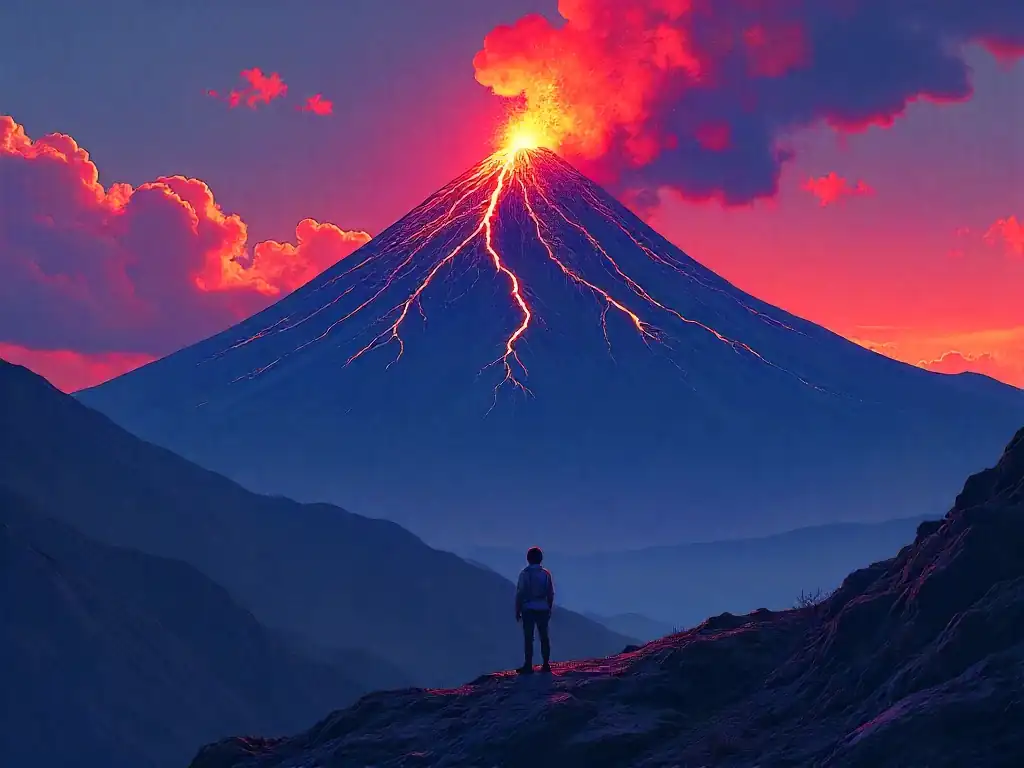
Welcome to Volcano Explorers, where the Earth breathes fire! Ever wondered how we can preserve the breathtaking volcanic landscapes we cherish for generations to come? Dive in to explore the delicate balance between nature's raw power and responsible tourism. Uncover the secrets of these fiery giants and learn how we can protect them. The adventure begins now...
- Volcanoes and National Parks: Preserving Volcanic Landscapes for Future Generations
- Introduction: Volcanoes, Tourism, and Conservation
- Challenges of Volcanic Landscape Preservation for Tourism
- Strategies for Sustainable Volcanic Tourism
- Case Studies: Volcanic Landscape Preservation
- Stakeholder Roles in Volcanic Landscape Preservation
- Future Directions: Long-Term Sustainability of Volcanic Tourism
- Conclusion: Preserving Volcanic Landscapes for the Future
-
Frequently Asked Questions
- What is the main goal of preserving volcanic landscapes for tourism?
- How does tourism impact volcanic landscapes?
- What are some examples of strategies used to preserve volcanic landscapes in national parks?
- How can local communities benefit from preserving volcanic landscapes?
- What role do volcanologists play in preserving volcanic landscapes for tourism?
- Final Reflection: Embracing the Volcanic Legacy
- Unearth Your Volcanic Adventure!
Volcanoes and National Parks: Preserving Volcanic Landscapes for Future Generations
Introduction: Volcanoes, Tourism, and Conservation
The Allure of Volcanic National Parks
Volcanoes, with their raw power and dramatic landscapes, have always captivated humanity. For tourists seeking unique and awe-inspiring experiences, volcanic national parks offer an unparalleled opportunity to witness the Earth's geological forces firsthand. These parks showcase a diverse range of volcanic features, from towering stratovolcanoes like Mount Fuji in Japan, attracting millions annually, to sprawling caldera landscapes such as Yellowstone National Park in the United States, visited by over 4 million people each year.
The draw is multifaceted: the stark beauty of volcanic rock formations, the geothermal wonders like geysers and hot springs, and the sheer scale of volcanic landscapes provide a stark contrast to more conventional natural attractions. This allure drives significant tourism, contributing substantially to local and national economies. The unique ecosystems that evolve in volcanic environments, often harboring specialized flora and fauna, add another layer of interest for nature enthusiasts and scientists alike.
The appeal extends beyond just visual spectacle. Volcanic regions often hold deep cultural and historical significance. For indigenous populations around the world, volcanoes are frequently imbued with spiritual meaning, serving as sacred sites and integral parts of their cultural narratives. This rich cultural heritage, interwoven with the dramatic geological history, further enhances the tourist experience. Consider the Polynesian cultures of Hawai'i, where volcanoes like Kīlauea are deeply revered and featured prominently in their mythology and traditions. Volcanic national parks, therefore, become not just sites of natural wonder, but also living museums of both geological and cultural history.
The Importance of Preserving Volcanic Landscapes
Preserving volcanic landscapes is paramount for a multitude of reasons, extending far beyond their tourism potential. These areas are vital natural laboratories for scientific research, offering insights into Earth's internal processes, geological evolution, and even the origins of life. Volcanic regions are dynamic environments where geologists study plate tectonics, magma generation, and volcanic eruption mechanisms, contributing to our understanding of natural hazards and planetary science. For example, studies at active volcanoes like Italy's Mount Etna, which experiences frequent eruptions, provide invaluable data on volcanic monitoring and forecasting, crucial for mitigating risks to nearby communities.
Furthermore, volcanic landscapes are biodiversity hotspots. Despite their seemingly harsh environments, these areas support unique ecosystems adapted to volcanic soils and geothermal conditions. From the hardy plant species that colonize lava flows to specialized microbes thriving in hot springs, volcanic regions harbor a wealth of biological diversity.
Preserving these landscapes safeguards these unique ecosystems and the ecological processes they support. In places like Lassen Volcanic National Park in California, the diverse hydrothermal features support specialized microbial communities that are of interest to astrobiologists studying life in extreme environments. The preservation of volcanic landscapes is therefore an investment in both scientific advancement and the conservation of Earth's natural heritage.
Challenges of Volcanic Landscape Preservation for Tourism
Volcanic Hazards: Tourist Safety in Active Areas
One of the most significant challenges in preserving volcanic landscapes for tourism is managing the inherent volcanic hazards. Active volcanoes are dynamic and unpredictable environments, posing risks from eruptions, lava flows, pyroclastic flows, ashfall, and volcanic gases. Ensuring tourist safety in these areas requires robust monitoring systems, effective emergency preparedness plans, and clear communication strategies. For instance, during the 2018 eruption of Kīlauea in Hawai'i, sections of Hawai'i Volcanoes National Park were closed to visitors due to lava flows and volcanic smog (vog), demonstrating the need for adaptable park management in response to volcanic activity.
The challenge is compounded by the varying levels of volcanic activity and the diverse range of hazards. Some volcanoes, like those in Iceland, experience frequent but relatively predictable eruptions, allowing for tourism activities to be adapted and managed around volcanic events. Others, like Mount Vesuvius in Italy, are capable of explosive eruptions with potentially devastating consequences, requiring stringent monitoring and evacuation plans for nearby populations and tourists.
Balancing the desire to provide access to these spectacular landscapes with the imperative to protect human life is a constant and complex task for park authorities and tourism operators. Effective risk assessment, hazard zoning, and visitor education are crucial components of safe volcanic tourism.
Balancing Tourism and Environmental Protection
Another critical challenge is balancing the economic benefits of tourism with the need to protect the fragile volcanic environments. Increased tourist traffic can lead to environmental degradation through trail erosion, habitat disturbance, waste generation, and pollution. Volcanic soils are often nutrient-poor and slow to recover from disturbance, making these ecosystems particularly vulnerable to the impacts of unsustainable tourism practices. For example, in heavily visited areas of volcanic national parks, like the geyser basins of Yellowstone, boardwalks and designated trails are essential to protect delicate hydrothermal features from trampling and erosion.
Finding the right balance requires careful planning and management. This includes implementing sustainable tourism practices such as limiting visitor numbers, promoting responsible behavior through education and interpretation, and investing in infrastructure that minimizes environmental impact. The concept of carrying capacity is particularly relevant in volcanic national parks, where the fragile ecosystems and potential hazards necessitate careful consideration of how many visitors can be accommodated without causing unacceptable damage or risk. Effective waste management, minimizing light and noise pollution, and controlling access to sensitive areas are all important aspects of environmentally responsible volcanic tourism.
Climate Change Impacts on Volcanic Landscapes
Climate change presents an escalating threat to volcanic landscapes and the tourism they support. Rising global temperatures are accelerating glacial melt on volcanic mountains, impacting water resources, increasing the risk of glacial outburst floods (jökulhlaups) in regions like Iceland and the Pacific Northwest of the United States, and altering ecosystems.
Changes in precipitation patterns can also affect vegetation cover and soil stability in volcanic areas, potentially leading to increased erosion and landslides. For instance, the retreat of glaciers on Mount Rainier is altering the landscape and impacting the hydrological regime of the park, posing challenges for water management and infrastructure.
Furthermore, climate change can indirectly affect volcanic activity through mechanisms such as changes in ice load on volcanoes, which can influence magma production and eruption frequency over long timescales. While the precise impacts are still being researched, the potential for climate change to exacerbate existing volcanic hazards and alter volcanic landscapes is a growing concern.
For volcanic national parks, adapting to climate change requires incorporating climate resilience into park management plans, monitoring climate-related changes, and implementing strategies to mitigate impacts on both the natural environment and tourism infrastructure. This includes developing adaptive management strategies for trails, water resources, and visitor facilities in the face of a changing climate.
Strategies for Sustainable Volcanic Tourism
Effective Park Management and Conservation
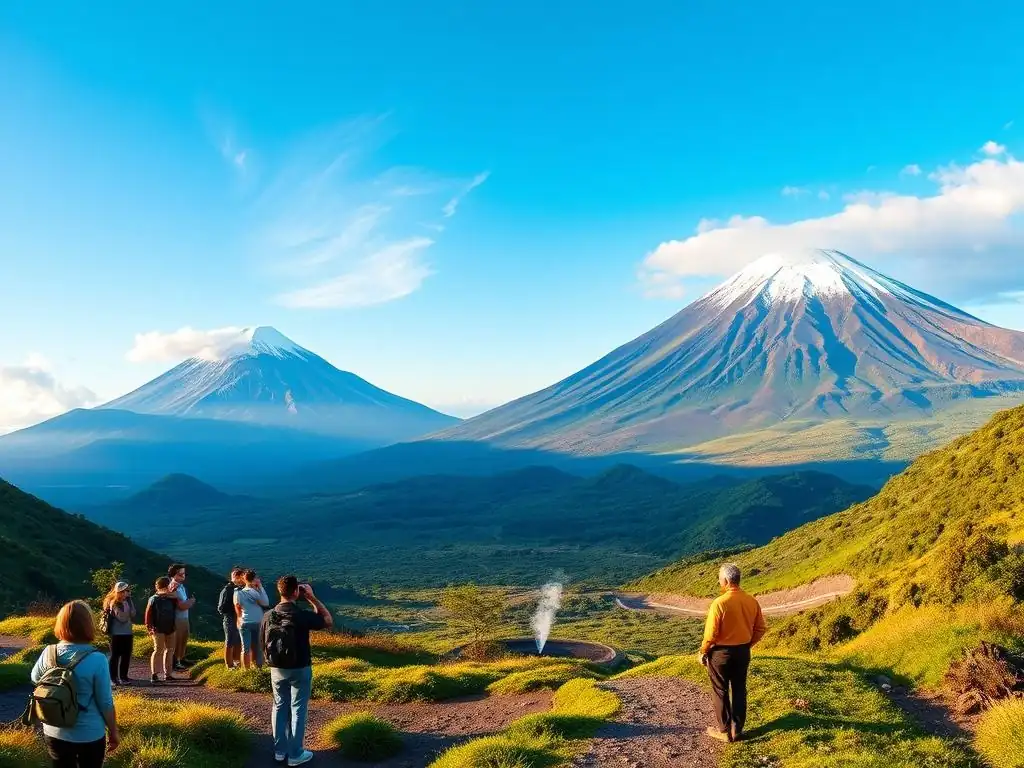
Effective park management is the cornerstone of preserving volcanic landscapes for sustainable tourism. This involves a holistic approach encompassing conservation, visitor management, and community engagement. Robust conservation strategies are essential to protect the unique geological features, ecosystems, and cultural heritage within volcanic national parks. These strategies include habitat restoration, invasive species control, and the protection of geological formations from damage and vandalism. For example, in Volcanoes National Park in Rwanda, efforts to protect mountain gorilla habitat also contribute to the overall conservation of the volcanic landscape and its biodiversity.
Visitor management is equally critical, focusing on minimizing the environmental and social impacts of tourism. This can be achieved through various measures such as zoning regulations to separate high-use areas from sensitive zones, permit systems to limit visitor numbers in particularly fragile or hazardous areas, and well-designed trail systems to concentrate visitor traffic and minimize off-trail disturbance.
Effective interpretation and education programs play a vital role in promoting responsible visitor behavior and fostering an appreciation for the values of volcanic landscapes. Park management must also be adaptive and responsive to changing conditions, including volcanic activity, climate change, and evolving tourism trends.
Sustainable Tourism Initiatives
Implementing sustainable tourism initiatives is crucial for minimizing the negative impacts of tourism and maximizing its positive contributions to volcanic landscape preservation. This involves adopting practices that are environmentally responsible, socially equitable, and economically viable. Ecotourism principles are highly relevant in volcanic national parks, emphasizing low-impact activities, respect for local cultures, and economic benefits for local communities. Examples of sustainable tourism initiatives include promoting hiking and guided tours as primary activities, encouraging the use of public transportation or shuttle services within parks to reduce traffic congestion and emissions, and supporting local businesses that adhere to sustainable practices.
Green building practices for visitor facilities, such as using renewable energy sources and water-efficient designs, can significantly reduce the environmental footprint of tourism infrastructure. Waste reduction and recycling programs are essential to minimize pollution. Furthermore, engaging local communities in tourism planning and management ensures that tourism benefits local livelihoods and cultures, fostering a sense of stewardship and shared responsibility for volcanic landscape preservation. Community-based tourism initiatives, where local communities directly benefit from and manage tourism activities, can be particularly effective in promoting sustainable development around volcanic national parks.
Tourist Education on Volcanic Conservation
Tourist education is a powerful tool for promoting volcanic landscape conservation. By informing visitors about the geological significance, ecological values, cultural heritage, and threats facing volcanic regions, parks can foster a sense of stewardship and encourage responsible behavior. Effective educational programs can take various forms, including interpretive centers, guided tours, signage along trails, brochures, and online resources. These programs should highlight the fragility of volcanic ecosystems, the importance of staying on marked trails, the potential hazards of volcanic activity, and the principles of Leave No Trace ethics.
Educating tourists about the cultural significance of volcanoes, particularly for indigenous communities, can foster respect and appreciation for the cultural heritage associated with these landscapes. Interactive exhibits, ranger talks, and cultural demonstrations can bring these stories to life and enhance the visitor experience. Furthermore, educating tourists about climate change impacts on volcanic landscapes and the importance of sustainable practices can encourage them to make environmentally conscious choices during their visits and beyond. By empowering tourists with knowledge and fostering a sense of connection to volcanic landscapes, education can play a vital role in long-term conservation efforts.
Case Studies: Volcanic Landscape Preservation
Hawai'i Volcanoes National Park: Conservation Strategies and Impacts
Hawai'i Volcanoes National Park, a UNESCO World Heritage Site, provides a compelling case study in volcanic landscape preservation. The park encompasses two of the world's most active volcanoes, Kīlauea and Mauna Loa, showcasing a dynamic volcanic landscape and unique ecosystems. Conservation strategies in the park are multifaceted, focusing on protecting native Hawaiian rainforests, volcanic features, and cultural sites.
Invasive species management is a major ongoing effort, targeting plants and animals that threaten native ecosystems. For example, projects to control feral ungulates, such as pigs and goats, are crucial for protecting native vegetation and preventing soil erosion in sensitive volcanic areas.
The park implements strict regulations to minimize visitor impacts, including designated trails, restricted access to certain areas, and educational programs promoting responsible visitation. During periods of heightened volcanic activity, adaptive management plans are activated to ensure visitor safety while still providing access to view volcanic phenomena where possible. The 2018 Kīlauea eruption, while causing significant landscape changes, also presented opportunities for scientific research and for the park to adapt its management strategies.
The park's long-term monitoring programs, including volcano observatories and ecological research, provide crucial data for informed conservation decision-making and hazard mitigation. The park's success in balancing tourism with conservation is evident in its continued popularity and the preservation of its remarkable volcanic landscapes.
Mount Rainier National Park: Addressing Challenges and Lessons Learned
Mount Rainier National Park in Washington State offers another valuable case study, focusing on the challenges of preserving a glaciated stratovolcano landscape in the face of climate change and increasing visitation. Mount Rainier, an active volcano covered in glaciers, presents unique conservation challenges related to glacial melt, changing hydrology, and visitor impacts on fragile alpine ecosystems. The park faces increasing pressure from tourism, particularly during peak season, requiring effective visitor management strategies to protect sensitive areas and maintain visitor experience. Trail maintenance, waste management, and parking management are ongoing priorities.
Climate change is significantly impacting Mount Rainier's glaciers, with noticeable glacial retreat and changes in snowpack. This has implications for water resources, ecosystem health, and the stability of volcanic slopes. The park is actively monitoring glacial changes and their impacts, incorporating climate change considerations into park management plans.
Lessons learned from Mount Rainier include the importance of long-term ecological monitoring, adaptive management in response to climate change, and collaboration with surrounding communities and stakeholders to address regional challenges related to tourism and resource management. The park's efforts to balance recreation, conservation, and climate change adaptation provide valuable insights for other volcanic national parks facing similar challenges.
Stakeholder Roles in Volcanic Landscape Preservation
Collaboration Between Park Services and Communities
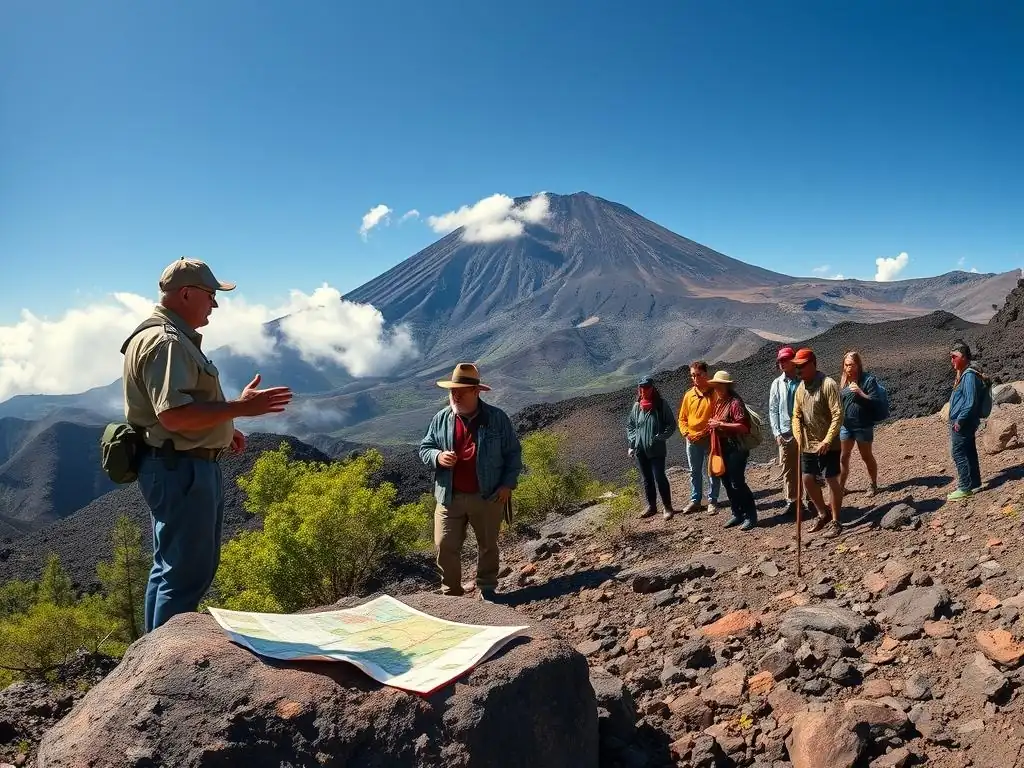
Effective volcanic landscape preservation requires strong collaboration between park services and surrounding communities. National parks are not isolated entities; they are embedded within larger social and ecological landscapes. Engaging local communities in park planning and management is essential for ensuring that conservation efforts are aligned with local needs and values, and that tourism benefits local economies and cultures. Collaborative partnerships can take various forms, including joint management agreements, community advisory boards, and cooperative research projects.
Local communities often possess valuable traditional knowledge about volcanic landscapes, ecosystems, and cultural heritage, which can inform conservation strategies. Involving local businesses in sustainable tourism initiatives can create economic opportunities and foster local stewardship of volcanic resources. Addressing potential conflicts between park management and community interests requires open communication, dialogue, and a commitment to finding mutually beneficial solutions. Successful collaboration builds trust, strengthens community support for conservation, and enhances the long-term sustainability of volcanic tourism.
Scientific Research in Conservation Planning
Scientific research plays a crucial role in informing effective conservation planning and management in volcanic national parks. Research provides the evidence base for understanding volcanic processes, ecosystem dynamics, and the impacts of tourism and climate change. Volcano observatories, geological surveys, and ecological research institutions are essential partners for park services, providing expertise and data for hazard assessment, ecosystem monitoring, and conservation decision-making. Long-term monitoring programs are crucial for tracking changes in volcanic activity, glacial extent, biodiversity, and other key indicators of environmental health.
Research findings inform the development of adaptive management strategies, allowing park managers to respond effectively to changing conditions and emerging threats. Scientific research also contributes to public education and interpretation, enhancing visitor understanding and appreciation of volcanic landscapes. Parks can facilitate research by providing access to study sites, supporting research infrastructure, and collaborating with scientists on research projects. Investing in scientific research is an investment in the long-term preservation of volcanic landscapes and the sustainable management of volcanic tourism.
Tourist Engagement in Preservation
Tourists themselves are important stakeholders in volcanic landscape preservation, and their engagement is crucial for the success of conservation efforts. While park management and community involvement are vital, the collective behavior of millions of tourists can have a significant impact on volcanic environments. Encouraging tourists to adopt responsible behaviors, respect park regulations, and support sustainable tourism practices is essential. This can be achieved through effective education and interpretation programs, clear communication of park rules and guidelines, and opportunities for tourists to contribute to conservation efforts.
Tourist engagement can go beyond simply following rules; it can involve active participation in citizen science projects, volunteer programs, and donations to park conservation funds. Providing opportunities for tourists to learn about conservation challenges and contribute to solutions can foster a sense of stewardship and inspire long-term commitment to environmental protection. Positive visitor experiences, combined with effective education and engagement, can transform tourists from passive observers to active partners in preserving volcanic landscapes for future generations.
Future Directions: Long-Term Sustainability of Volcanic Tourism
Innovative Technologies for Monitoring and Management
The future of volcanic landscape preservation and sustainable tourism will be increasingly shaped by innovative technologies. Advanced monitoring technologies, such as remote sensing, drone surveys, and real-time sensor networks, are enhancing our ability to monitor volcanic activity, glacial changes, and ecosystem health. These technologies provide more detailed and timely data, enabling more effective hazard assessment and adaptive management. For example, drone-based thermal imaging can be used to monitor volcanic activity and hydrothermal features with greater efficiency and safety.
Geographic Information Systems (GIS) and spatial modeling are powerful tools for park planning and management, enabling visualization and analysis of complex spatial data related to volcanic hazards, visitor use patterns, and ecological resources. Mobile applications and digital platforms can enhance visitor information delivery, wayfinding, and educational experiences, promoting responsible tourism behavior and reducing reliance on printed materials.
Virtual and augmented reality technologies can offer immersive experiences of volcanic landscapes, providing educational and recreational opportunities while minimizing physical impacts on fragile environments. Embracing and integrating these innovative technologies will be crucial for enhancing the efficiency and effectiveness of volcanic landscape preservation and tourism management.
Sustainable Tourism Models
Developing and implementing sustainable tourism models is essential for ensuring the long-term viability of volcanic tourism while minimizing environmental and social impacts. This includes exploring alternative tourism models that move beyond mass tourism towards more responsible and low-impact approaches. Ecotourism, adventure tourism, and cultural tourism, when implemented sustainably, can provide economic benefits while promoting conservation and community development. Diversifying tourism offerings beyond traditional sightseeing to include educational programs, volunteer opportunities, and community-based experiences can enhance visitor engagement and distribute tourism impacts.
Promoting off-season tourism and dispersing visitor traffic to less crowded areas can reduce pressure on popular sites and extend the economic benefits of tourism throughout the year. Developing partnerships with private sector tourism operators to promote sustainable practices and incentivize responsible tourism businesses is crucial. Certification programs for sustainable tourism businesses can help to raise standards and provide consumers with informed choices. Adopting a holistic approach to tourism planning and management, integrating environmental, social, and economic considerations, is key to creating truly sustainable volcanic tourism models.
Ongoing Research and Education
Ongoing research and education are fundamental to the long-term sustainability of volcanic tourism and the preservation of volcanic landscapes. Continued scientific research is needed to deepen our understanding of volcanic processes, ecosystem dynamics, climate change impacts, and the effectiveness of conservation strategies. Long-term monitoring programs are essential for tracking environmental changes and informing adaptive management. Research on sustainable tourism practices and visitor behavior is crucial for developing effective strategies to minimize tourism impacts and maximize its benefits.
Investing in education at all levels, from school programs to public outreach initiatives, is vital for raising awareness about the importance of volcanic landscapes, promoting responsible environmental stewardship, and building a culture of conservation. Educational programs for park staff, tourism operators, and local communities are essential for building capacity and fostering a shared commitment to sustainable volcanic tourism. By continuously expanding our knowledge base through research and sharing that knowledge through education, we can ensure that future generations inherit these magnificent volcanic landscapes in a healthy and vibrant state.
Conclusion: Preserving Volcanic Landscapes for the Future
Preserving Volcanic Beauty
Preserving volcanic beauty is not merely about safeguarding scenic vistas; it is about protecting the awe-inspiring manifestations of Earth's power and the unique ecosystems they foster. Volcanic landscapes offer unparalleled aesthetic experiences, from the fiery glow of molten lava to the serene majesty of snow-capped volcanic peaks. These landscapes inspire wonder, curiosity, and a profound connection to the natural world. Preserving this beauty for future generations ensures that they too can experience the transformative power of volcanic landscapes and appreciate the dynamic forces that shape our planet.
The intrinsic value of volcanic landscapes extends beyond their visual appeal. They are living laboratories, biodiversity hotspots, and cultural heritage sites. Preserving volcanic beauty is inextricably linked to preserving the scientific, ecological, and cultural values they embody. It is a commitment to safeguarding a vital part of Earth's natural and cultural heritage.
Responsibilities of Tourists and Park Management
The responsibility for preserving volcanic landscapes is shared between tourists and park management. Tourists have a responsibility to be informed, respectful, and mindful of their impacts. This includes adhering to park regulations, practicing Leave No Trace ethics, supporting sustainable tourism businesses, and engaging with educational programs. By making conscious choices and adopting responsible behaviors, tourists can minimize their footprint and contribute to conservation efforts.
Park management bears the primary responsibility for developing and implementing effective conservation strategies, managing visitor use sustainably, and engaging with communities and stakeholders. This requires robust park planning, adaptive management, investment in infrastructure, and a commitment to ongoing research and education. Effective park management is crucial for creating a framework within which sustainable tourism can thrive and volcanic landscapes can be protected for the long term.
Ensuring Sustainable Tourism
Ensuring sustainable tourism in volcanic regions is not just an aspiration; it is a necessity for the long-term preservation of these extraordinary landscapes. Sustainable tourism is about finding a balance between economic development, environmental protection, and social equity. It requires a holistic approach that integrates conservation, visitor management, community engagement, and ongoing research and education.
By embracing sustainable tourism principles and practices, we can ensure that volcanic landscapes continue to inspire, educate, and enrich lives for generations to come. Preserving volcanic landscapes tourism is an investment in the future, safeguarding both natural wonders and the economic and cultural benefits they provide.
Frequently Asked Questions
What is the main goal of preserving volcanic landscapes for tourism?
The primary goal is to protect unique geological formations and biodiversity while allowing future generations to enjoy and learn from these natural wonders.
How does tourism impact volcanic landscapes?
Tourism can cause both positive and negative impacts. Positive impacts include economic benefits for local communities, while negative impacts can involve environmental degradation and habitat disturbance.
What are some examples of strategies used to preserve volcanic landscapes in national parks?
Strategies include regulated access, conservation efforts, and educational programs that promote responsible tourism and environmental awareness.
How can local communities benefit from preserving volcanic landscapes?
Preservation can lead to sustainable tourism opportunities, creating jobs and income while fostering a sense of environmental stewardship within the community.
What role do volcanologists play in preserving volcanic landscapes for tourism?
Volcanologists provide scientific expertise to help understand volcanic activity, assess potential hazards, and inform conservation strategies to ensure visitor safety and landscape protection.
Final Reflection: Embracing the Volcanic Legacy
The journey through volcanic landscapes, as explored in this article, reveals more than just geological wonders; it underscores the critical importance of preserving these dynamic environments for sustainable tourism. The delicate balance between accessibility and conservation is paramount, ensuring that future generations can witness the raw power and beauty of volcanoes within our national parks.
The impact of responsible tourism on these volcanic ecosystems is profound, shaping not only the physical landscape but also the cultural narratives surrounding them. My hope is that this article inspires a deeper appreciation for the interconnectedness of nature and human activity. We do not inherit the earth from our ancestors; we borrow it from our children.
This ancient proverb resonates deeply when considering the long-term stewardship of these irreplaceable volcanic treasures.
Now, I invite you to reflect on your own relationship with nature. How can you, as a traveler, a citizen, or a steward of the planet, contribute to the preservation of volcanic landscapes and promote responsible tourism? Let us all strive to be mindful visitors, leaving only footprints and taking only memories, ensuring that the awe-inspiring power of volcanoes continues to inspire wonder for generations to come.
Unearth Your Volcanic Adventure!
Thank you for exploring the importance of preserving our breathtaking volcanic landscapes! We hope you've gained a newfound appreciation for the delicate balance between tourism and conservation in these unique national parks. Ready to take the next step?
Here are a few ways to further your exploration and contribute to the preservation of these incredible places:
- Plan your visit to a national park with volcanic features, remembering to practice Leave No Trace principles and support local conservation efforts. Experience the power and beauty firsthand!
- Share this article with friends and family to spread awareness about responsible volcano tourism. Let's inspire others to join the cause!
- Research volunteer opportunities with organizations dedicated to preserving volcanic landscapes, and consider lending a helping hand. Even a small contribution can make a significant difference!
What action will you take today to protect these volcanic wonders for future generations?