
The Magnetic Mountain: Unraveling the Spiritual Significance of Volcanoes in Indigenous Cultures

Welcome to Volcano Explorers!
Prepare to be mesmerized. Beyond the fiery eruptions and molten rock, volcanoes hold a profound spiritual significance for cultures around the globe. Dive into our exploration of the spiritual significance of volcanoes and discover how these magnetic mountains have shaped beliefs, rituals, and the very fabric of indigenous societies. What ancient secrets lie dormant within the heart of the Earth? The answer might just surprise you...
- Introduction: Volcanoes - More Than Just Geological Wonders
- Volcanoes as Sacred Spaces in Indigenous Beliefs
- Case Studies: Spiritual Significance of Volcanoes Across Different Cultures
- The Connection Between Volcanoes and Shamanic Practices
- Volcanoes in Art, Music, and Storytelling: Reflecting the Spiritual Connection
- Modern Interpretations: Preserving the Spiritual Heritage of Volcanoes
- Conclusion: A Lasting Legacy of Spiritual Connection to Volcanoes
-
Frequently Asked Questions
- What is the primary focus of the VolcanoExplorers.org website?
- Why does the article focus on the "spiritual significance of volcanoes"?
- How do indigenous cultures often view volcanoes?
- What kind of information does VolcanoExplorers.org provide for people living near active volcanoes?
- Besides their destructive power, what other aspects of volcanoes does VolcanoExplorers.org celebrate?
- Final Reflection: The Earth's Fiery Soul
- Ignite Your Inner Explorer: Connect with the Volcano's Spirit!
Introduction: Volcanoes - More Than Just Geological Wonders
Exploring the Cultural Significance of Volcanoes Worldwide
Volcanoes, majestic and formidable, are often perceived through a purely scientific lens – geological formations resulting from tectonic plate movement and magma eruptions. However, for many cultures around the world, particularly indigenous communities, volcanoes transcend this scientific definition. They are imbued with deep spiritual significance, acting as potent symbols, sacred spaces, and integral parts of their cosmologies. From the fiery peaks of Japan to the volcanic landscapes of Central America and the Pacific Islands, volcanoes have shaped not only the physical terrain but also the spiritual and cultural landscapes of countless societies.
Across diverse cultures, volcanoes are not merely mountains that erupt; they are living entities, powerful deities, or gateways to other realms. This perception stems from the awe-inspiring and often destructive power of volcanic eruptions, which can simultaneously create and destroy, mirroring the cycles of life, death, and rebirth. The dramatic displays of fire, smoke, and earth-shaking tremors naturally evoke a sense of the supernatural, leading to the incorporation of volcanoes into mythologies, rituals, and belief systems. Understanding this cultural significance offers a richer and more complete appreciation of volcanoes beyond their geological aspects.
The Enduring Mystery of Volcanoes: A Spiritual Perspective
The enduring mystery surrounding volcanoes has profoundly influenced their spiritual interpretations. Before the advent of modern geology, the inner workings of volcanoes were entirely enigmatic. People witnessed colossal mountains spewing fire and molten rock, events that defied everyday comprehension. This lack of scientific explanation naturally fostered a sense of wonder, fear, and reverence, positioning volcanoes within the realm of the divine or the supernatural. The unpredictable nature of eruptions further solidified this spiritual perspective, as these events were often interpreted as expressions of divine will, warnings, or punishments.
Even today, despite our scientific understanding of plate tectonics and magma chambers, the sheer power and scale of volcanic phenomena retain an element of mystery. The ability of volcanoes to reshape landscapes in moments, to unleash forces that dwarf human endeavors, and to connect the depths of the Earth with the surface world continues to inspire awe and a sense of the sublime.
For many, this inherent mystery reinforces the spiritual dimension of volcanoes, even in a world increasingly dominated by scientific explanations. The spiritual perspective, therefore, persists not as a rejection of science, but as a complementary way of understanding these powerful natural forces, acknowledging the emotional, cultural, and existential impact they have on human societies.
Volcanoes as Sacred Spaces in Indigenous Beliefs
Mountains of Power: Volcanoes as Dwellings of Deities
In numerous indigenous cultures, volcanoes are revered as sacred mountains, often considered the dwelling places of powerful deities or spirits. This reverence stems from the immense power that volcanoes embody, mirroring the perceived power of gods. For instance, in Hawaiian mythology, Pele, the goddess of fire, lightning, wind, and volcanoes, is believed to reside in Kīlauea volcano.
Her volatile nature is reflected in the eruptions of Kīlauea, and traditional Hawaiian chants and rituals are performed to appease her and maintain harmony with the volcanic landscape. Similarly, in various Andean cultures, mountains, including volcanoes, are considered apus, powerful spirits that govern the natural world and protect communities.
The imposing physical presence of volcanoes, often towering over the surrounding landscape, naturally lends itself to this association with divinity. Their height, their internal fire, and their capacity for both creation and destruction make them potent symbols of cosmic forces. The connection to the sky through their peaks and to the earth's depths through their vents further reinforces their role as intermediaries between different realms. Thus, volcanoes are not just geographical features, but sacred sites imbued with spiritual energy, demanding respect and reverence from those who live in their shadow.
Connecting with Ancestors: Volcanoes and the Afterlife
Beyond being homes of deities, volcanoes are also frequently perceived as links to the afterlife or the realm of ancestors in indigenous belief systems. The idea of the Earth's interior as a netherworld or underworld is prevalent in many cultures, and volcanoes, as openings to this interior, naturally become associated with this realm.
For some cultures in Vanuatu, for example, the active volcano Mount Yasur on Tanna Island is considered a sacred post office, a place where messages to deceased ancestors can be sent through the volcanic smoke and ash. This belief system highlights the volcano as a conduit between the living and the dead, a place of communication and connection across the veil of mortality.
In other instances, the fertile volcanic soil, born from destruction, is seen as symbolic of cyclical renewal and rebirth, further linking volcanoes to concepts of afterlife and ancestral spirits. The ashes from eruptions, while destructive in the short term, enrich the land, fostering new life. This regenerative capacity reinforces the idea of death not as an end, but as a transformation, a cycle mirrored by the volcanic processes. Therefore, volcanoes become not just places of power, but also places of remembrance, where the living can connect with their lineage and honor those who came before them.
Case Studies: Spiritual Significance of Volcanoes Across Different Cultures
Mount Fuji and its Role in Shinto Mythology
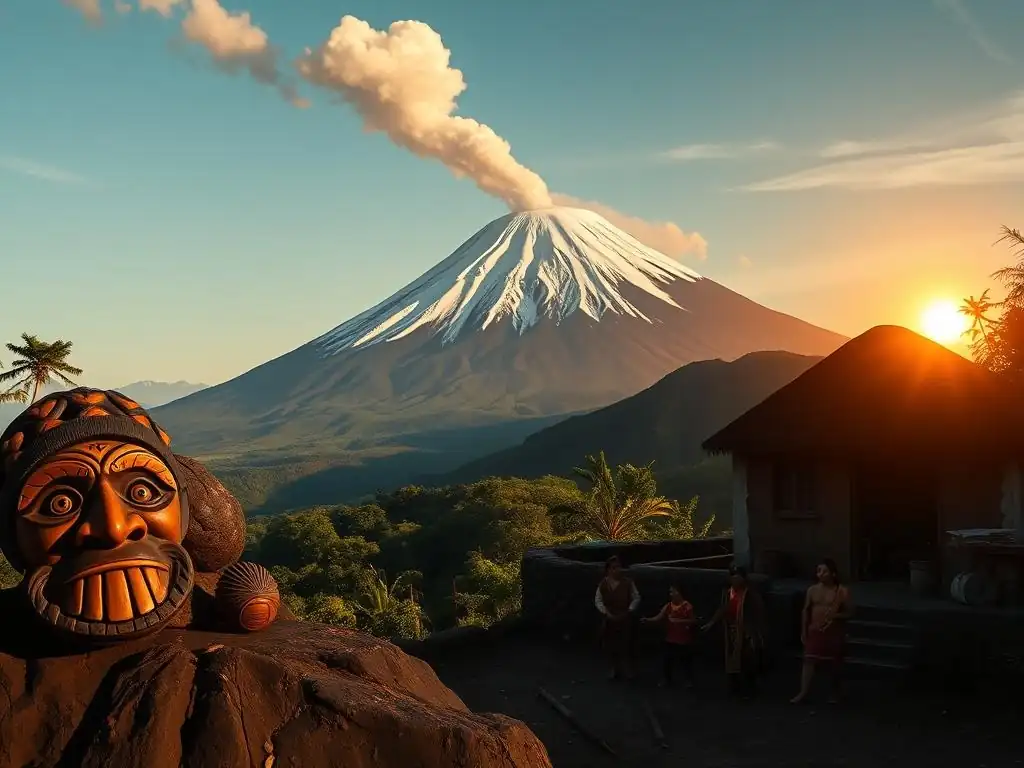
Mount Fuji, an iconic stratovolcano in Japan, holds immense spiritual significance within Shinto and Japanese culture. Revered as one of Japan's three holy mountains, Fuji-san, as it is affectionately called, is considered a sacred space inhabited by deities and imbued with spiritual energy. Its perfectly symmetrical cone shape has inspired artists and poets for centuries, and its presence dominates the landscape, reflecting its central role in Japanese identity. The mountain is not just a scenic landmark, but a living embodiment of nature's power and beauty, deserving of respect and veneration.
The Legend of Konohanasakuya-hime
Central to Mount Fuji's spiritual significance is the Shinto goddess Konohanasakuya-hime, Princess Blossom-of-Trees, who is considered the deity of Mount Fuji. According to mythology, she is associated with cherry blossoms, delicate beauty, and earthly life. Her name, meaning "tree-flower-blooming-princess," reflects her connection to nature and fleeting beauty.
The legend states that she descended from heaven and chose Mount Fuji as her dwelling place. She is also associated with fire safety and easy childbirth, further solidifying her importance in Japanese folklore and daily life. Shrines dedicated to Konohanasakuya-hime are found at the base and summit of Mount Fuji, attracting pilgrims and worshippers seeking blessings and paying homage to the mountain's divine essence.
Pilgrimages and Ceremonies performed at Mount Fuji
For centuries, Mount Fuji has been a destination for pilgrimages and religious ceremonies. Ascending Mount Fuji is considered a spiritual journey, a way to purify oneself and connect with the divine. Traditionally, pilgrims, often dressed in white, would climb the mountain to visit the shrines at the summit and witness the sunrise, Goraiko, from the peak, a deeply spiritual experience.
These pilgrimages, known as Fuji-ko, are rooted in Shinto and Buddhist traditions, reflecting the syncretic nature of Japanese spirituality. Even today, despite its popularity as a tourist destination, the tradition of climbing Mount Fuji as a spiritual practice persists, with thousands of people undertaking the ascent each year, seeking both physical challenge and spiritual renewal. Various festivals and ceremonies are also held at the base of Mount Fuji throughout the year, celebrating the mountain and its deity, further reinforcing its enduring spiritual significance.
Popocatépetl in Aztec Culture: A Symbol of Love and Sacrifice
Popocatépetl, an active volcano near Mexico City, held immense spiritual significance for the Aztec civilization. Its name, meaning "Smoking Mountain" in Nahuatl, the Aztec language, reflects its volcanic activity and the awe it inspired. Popocatépetl was not just a geographical feature but a sacred entity deeply interwoven with Aztec mythology, cosmology, and ritual practices. It was viewed as a powerful force of nature, both revered and feared, and its eruptions were interpreted as messages from the gods.
The Creation Story of Popocatépetl and Iztaccíhuatl
One of the most famous legends associated with Popocatépetl is the tragic love story of Popocatépetl and Iztaccíhuatl, the "Sleeping Woman," the dormant volcano adjacent to Popocatépetl. According to Aztec mythology, Popocatépetl was a warrior who fell in love with Princess Iztaccíhuatl. Her father, the emperor, sent Popocatépetl to war, promising him Iztaccíhuatl's hand in marriage upon his victorious return. However, a rival falsely informed Iztaccíhuatl of Popocatépetl's death, leading her to die of grief.
Upon his return and discovering her death, Popocatépetl, heartbroken, carried her body to the mountaintops, where they transformed into the two volcanoes. Popocatépetl's smoke is said to be his eternal torch, mourning his lost love. This poignant tale cemented the volcanoes as symbols of enduring love, sacrifice, and tragic fate within Aztec culture.
How the Aztecs Viewed Volcanic Eruptions
For the Aztecs, volcanic eruptions of Popocatépetl were deeply significant events, interpreted as communications from the gods, often warnings or signs of divine displeasure. Priests and diviners would closely observe volcanic activity, seeking to decipher the messages contained within the smoke, ash, and tremors. Eruptions could be seen as signs of impending famine, war, or other calamities, prompting ritual responses aimed at appeasing the deities and restoring cosmic balance.
Conversely, periods of quiescence might be interpreted as divine favor. Evidence suggests that the Aztecs may have even performed human sacrifices, particularly during times of volcanic unrest, believing that such offerings could placate the volcano's spirit and prevent further eruptions. This practice underscores the profound spiritual importance attributed to Popocatépetl and the Aztec worldview that saw humans as integral to maintaining the delicate balance of the natural and supernatural worlds.
The Spiritual Significance of Volcanic Activity: Fire, Destruction, and Rebirth
Across many cultures, volcanic activity itself, with its dramatic displays of fire, destruction, and subsequent renewal, holds profound spiritual significance. The element of fire, central to volcanic eruptions, is often associated with purification, transformation, and divine power. Destruction, while seemingly negative, is recognized as a necessary precursor to rebirth and renewal in cyclical worldviews. Volcanic eruptions, therefore, are not solely seen as catastrophes, but as powerful demonstrations of natural forces that can both destroy and create, mirroring the fundamental cycles of life, death, and regeneration.
The fertile volcanic soil, which arises from the ashes of destruction, serves as a tangible manifestation of this cycle of death and rebirth. In volcanic regions like parts of Indonesia or Iceland, communities have long understood the paradoxical nature of volcanic eruptions: while initially devastating, they ultimately enrich the land, making it exceptionally fertile for agriculture.
This natural process reinforces the spiritual understanding of destruction as a necessary stage in the cycle of creation, and volcanoes become symbols of resilience, renewal, and the interconnectedness of opposing forces in the universe. The dramatic and transformative nature of volcanic activity, thus, contributes significantly to its spiritual interpretation across diverse cultures.
The Connection Between Volcanoes and Shamanic Practices
Volcanoes as Portals: Shamanic Journeys and the Spirit World
In various shamanic traditions, volcanoes are perceived as powerful portals or gateways to the spirit world. Shamans, acting as intermediaries between the human and spirit realms, may utilize volcanoes as focal points for their spiritual journeys and rituals. The volcanic landscape, with its raw energy and connection to the Earth's depths, is considered conducive to altered states of consciousness and communication with spirits. The volcanic vent, in particular, can be seen as a direct link to the underworld or other spiritual dimensions, facilitating shamanic travel and interaction with supernatural entities.
The sensory experiences associated with volcanoes – the heat, the sounds of rumbling and explosions, the visual spectacle of lava and smoke – can also contribute to inducing altered states of consciousness, essential for shamanic practices. The very act of being in the presence of a volcano, a place of immense natural power, can be a transformative experience, facilitating a shift in perception and allowing shamans to access different levels of reality. Volcanoes, therefore, are not just geographical features in shamanic practice, but active participants in spiritual processes, serving as conduits to other realms and empowering shamanic rituals.
Harnessing Volcanic Energy: Healing and Rituals
The potent energy associated with volcanoes is often harnessed in shamanic practices for healing and ritual purposes. Volcanic heat, steam, and minerals are believed to possess therapeutic properties, and volcanic landscapes may be utilized as natural healing spaces. Traditional medicine practices in volcanic regions often incorporate volcanic materials, such as geothermal waters or volcanic mud, for their perceived healing benefits. Shamans may also conduct rituals at volcanic sites to draw upon the Earth's energy for healing individuals or communities, or for purposes of spiritual cleansing and renewal.
Beyond physical healing, the transformative energy of volcanoes is also used in rituals aimed at spiritual transformation and empowerment. The fiery and dynamic nature of volcanoes is seen as a catalyst for change, and shamanic rituals performed at these sites may seek to harness this energy for personal or collective transformation, for overcoming obstacles, or for connecting with primal forces of nature.
The use of volcanic energy in shamanic practices underscores the deep understanding of volcanoes not just as destructive forces, but also as sources of life-giving energy and transformative power, capable of influencing both the physical and spiritual well-being of individuals and communities.
Volcanoes in Art, Music, and Storytelling: Reflecting the Spiritual Connection
Depicting Volcanoes in Indigenous Art Forms
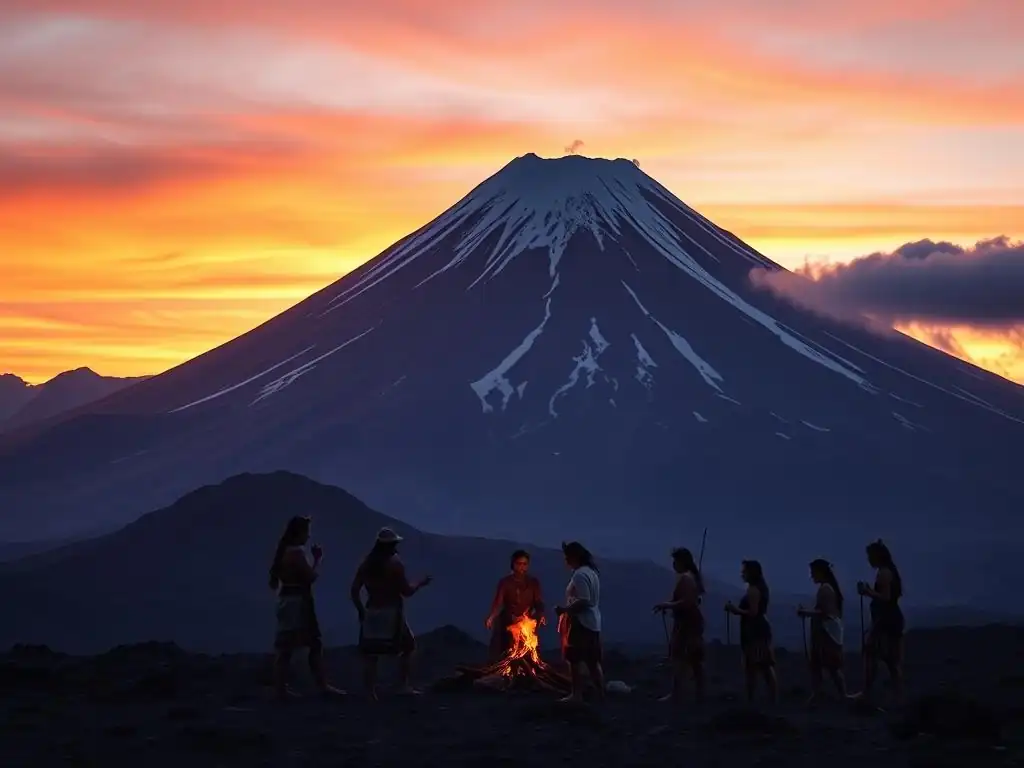
The profound spiritual connection to volcanoes is frequently reflected in indigenous art forms. From ancient petroglyphs and rock carvings to contemporary paintings and sculptures, volcanoes are depicted as powerful symbols, deities, and sacred landscapes. These artistic representations are not merely aesthetic; they serve as visual narratives, conveying cultural beliefs, myths, and spiritual understandings of volcanoes. The style and symbolism used in these artworks often vary across cultures, reflecting the diverse interpretations of volcanic phenomena and their place in different cosmologies.
For example, indigenous art from volcanic regions of the Pacific Northwest often features stylized representations of volcanoes, incorporating animal spirits and mythical figures associated with these mountains. In Mesoamerican cultures, volcanoes are frequently depicted in codices and murals, often anthropomorphized as deities or integrated into complex cosmological scenes. These artistic expressions serve to preserve and transmit cultural knowledge about volcanoes, reinforcing their spiritual significance across generations and providing visual reminders of their enduring presence in the cultural landscape.
Volcano-Inspired Music and Dance: Expressions of Awe and Respect
Music and dance also play a significant role in expressing the spiritual connection to volcanoes. Indigenous communities living near volcanoes often have traditional songs, chants, and dances that are inspired by volcanic phenomena and reflect their reverence for these natural forces. These artistic expressions can range from solemn chants performed during times of volcanic activity to celebratory dances that acknowledge the power and beauty of volcanoes. The rhythms and melodies may mimic the sounds of volcanic eruptions – the rumbling, explosions, and flowing lava – creating an immersive and evocative experience that reinforces the spiritual bond.
In some cultures, specific musical instruments may be associated with volcanoes, their sounds believed to resonate with the Earth's energies or to communicate with volcanic spirits. Dances may imitate volcanic movements, such as the flow of lava or the eruption of ash clouds, transforming the human body into a vessel for expressing the power and dynamism of volcanoes. These volcano-inspired musical and dance traditions serve as powerful forms of cultural expression, embodying reverence, fear, awe, and the deep spiritual connection between communities and their volcanic landscapes.
Oral Traditions: Passing Down the Spiritual Significance Through Generations
Oral traditions, including myths, legends, and folktales, are crucial for transmitting the spiritual significance of volcanoes across generations. These narratives encode cultural knowledge, beliefs, and values related to volcanoes, shaping how communities understand and interact with these powerful natural forces. Stories about the creation of volcanoes, the deities residing within them, and the consequences of disrespecting them are passed down through storytelling, ensuring the continuity of spiritual traditions and fostering a sense of collective identity linked to the volcanic landscape.
Myths and legends often explain volcanic eruptions within a spiritual framework, attributing them to divine actions, mythical battles, or moral lessons. These stories not only provide explanations for natural phenomena but also reinforce ethical codes and social norms, guiding human behavior in relation to volcanoes and the environment. Oral traditions, therefore, serve as living repositories of cultural memory, preserving and perpetuating the spiritual significance of volcanoes, ensuring that future generations continue to understand and respect these sacred mountains and their profound influence on human lives.
Modern Interpretations: Preserving the Spiritual Heritage of Volcanoes
Challenges to Preserving Indigenous Traditions
Despite the enduring spiritual significance of volcanoes for indigenous cultures, preserving these traditions in the modern era faces numerous challenges. Globalization, modernization, and the encroachment of dominant cultures can erode traditional belief systems and practices. The pressure to assimilate, the loss of traditional languages, and the displacement of indigenous communities from their ancestral lands all contribute to the weakening of cultural heritage associated with volcanoes. Economic development, including mining and tourism, can also impact sacred volcanic sites, disrupting traditional practices and threatening the integrity of these landscapes.
Furthermore, the scientific worldview, while providing valuable understanding of volcanic processes, can sometimes overshadow or dismiss indigenous spiritual interpretations, leading to a devaluation of traditional knowledge. Documenting and revitalizing indigenous languages and cultural practices, securing land rights, and promoting intercultural dialogue are crucial steps in addressing these challenges and ensuring the preservation of the spiritual heritage of volcanoes. Recognizing the value of indigenous knowledge and incorporating it into conservation efforts and tourism management is essential for respecting and safeguarding these cultural treasures.
The Role of Volcano Tourism in Cultural Preservation
Volcano tourism, if managed sensitively and respectfully, can play a positive role in cultural preservation. When tourism is community-based and benefits local indigenous communities, it can provide economic incentives for maintaining traditional cultural practices and safeguarding sacred sites. Cultural tourism that emphasizes respectful engagement with indigenous cultures and their spiritual beliefs can raise awareness and appreciation for the value of this heritage among visitors and the wider public. Volcano tourism can also provide opportunities for cultural exchange and dialogue, fostering understanding and mutual respect between different worldviews.
However, it is crucial that volcano tourism is developed and managed in a sustainable and ethical manner, ensuring that it does not lead to the commodification or exploitation of indigenous cultures. Consultation and collaboration with indigenous communities are essential in planning and implementing tourism initiatives, ensuring that their rights, values, and spiritual beliefs are respected and prioritized. Revenue generated from tourism should be reinvested in community development and cultural preservation efforts, creating a mutually beneficial relationship between tourism and the safeguarding of indigenous heritage.
The Importance of Respectful Engagement with Sacred Sites
Respectful engagement with sacred volcanic sites is paramount, whether for tourism, research, or any other purpose. Recognizing volcanoes as more than just geological features, but as living entities or sacred spaces in indigenous worldviews, is essential for ethical and responsible interaction.
This respect entails adhering to local customs and protocols, seeking permission before entering sacred sites, and avoiding any activities that could desecrate or disrespect these places. Understanding and acknowledging the spiritual significance of volcanoes requires a shift in perspective, moving beyond a purely scientific or utilitarian approach to embrace a more holistic and culturally sensitive understanding of these natural wonders.
Education plays a crucial role in promoting respectful engagement. Providing information about the cultural significance of volcanoes to visitors, researchers, and the general public can foster greater awareness and appreciation for indigenous perspectives. Promoting ethical tourism practices, supporting indigenous-led conservation initiatives, and advocating for the protection of sacred volcanic sites are vital steps in ensuring that these culturally significant landscapes are respected and preserved for future generations. Respectful engagement is not just about avoiding harm, but about actively contributing to the well-being of indigenous communities and the safeguarding of their cultural heritage.
Conclusion: A Lasting Legacy of Spiritual Connection to Volcanoes
Understanding the Deep Respect for These Natural Wonders
The enduring spiritual connection to volcanoes across diverse indigenous cultures underscores a deep respect for these natural wonders that transcends mere geological understanding. This respect stems from a recognition of volcanoes as powerful forces of nature, embodying both creation and destruction, and as sacred entities deeply interwoven with cosmologies, mythologies, and ritual practices. Understanding this spiritual dimension provides a richer and more complete appreciation of volcanoes, acknowledging their profound impact on human societies beyond their scientific attributes. It highlights the importance of respecting indigenous knowledge and worldviews in our interactions with the natural world.
The reverence for volcanoes reflects a broader indigenous perspective that sees humans as interconnected with nature, rather than separate from or dominant over it. Volcanoes, in this view, are not just resources to be exploited or risks to be managed, but living entities deserving of respect and consideration. This deep respect is rooted in centuries of lived experience in volcanic landscapes, shaped by both the challenges and the blessings that volcanoes provide. Acknowledging this legacy of respect is crucial for fostering a more sustainable and ethical relationship with volcanoes and the environment as a whole.
The Future of Volcanoes as Sacred Landscapes
The future of volcanoes as sacred landscapes depends on our collective commitment to preserving indigenous cultures and respecting their spiritual traditions. As globalization and modernization continue to impact indigenous communities, it is crucial to actively support their efforts to maintain their cultural heritage and safeguard their sacred sites. This requires a collaborative approach, involving indigenous communities, governments, researchers, and the wider public, working together to protect volcanic landscapes and promote cultural understanding. Sustainable tourism, community-based conservation initiatives, and intercultural dialogue are essential tools in ensuring the future of volcanoes as both geological wonders and sacred spaces.
Recognizing the intrinsic value of indigenous knowledge and incorporating it into environmental management and conservation policies is vital for protecting not only the physical integrity of volcanic landscapes but also their cultural and spiritual significance. Empowering indigenous communities to be stewards of their ancestral lands and cultural heritage is key to ensuring the long-term preservation of volcanoes as sacred landscapes. The future of these sites rests on our willingness to learn from and collaborate with indigenous peoples, embracing a more inclusive and holistic approach to conservation that values both natural and cultural heritage.
Further Exploration: Learning More About the Spiritual Significance of Volcanoes
To further explore the spiritual significance of volcanoes, there are numerous avenues for learning and engagement. Researching specific indigenous cultures and their relationships with volcanoes is a valuable starting point. Books, documentaries, and academic articles can provide in-depth information about the mythologies, rituals, and belief systems associated with volcanoes in different parts of the world. Visiting museums and cultural centers that showcase indigenous art and artifacts related to volcanoes can offer visual and material insights into this spiritual connection. Engaging with indigenous communities directly, through respectful and ethical tourism or cultural exchange programs, can provide firsthand experiences and perspectives.
Online resources, including websites and databases dedicated to indigenous cultures and volcanology, can also be valuable tools for exploration. Learning about the scientific aspects of volcanoes alongside their cultural significance can foster a more comprehensive understanding of these complex natural phenomena. By actively seeking out diverse sources of information and engaging with different perspectives, we can deepen our appreciation for the profound spiritual significance of volcanoes and contribute to the ongoing effort to preserve this rich cultural heritage for generations to come.
Frequently Asked Questions
What is the primary focus of the VolcanoExplorers.org website?
The website primarily focuses on exploring the science of volcanoes, including their formation, types, and eruptions, while also providing safety information and highlighting their cultural significance.
Why does the article focus on the "spiritual significance of volcanoes"?
The article highlights the spiritual significance of volcanoes in indigenous cultures, exploring their role in myths, rituals, and beliefs, showcasing how they are often viewed as sacred or powerful entities.
How do indigenous cultures often view volcanoes?
Many indigenous cultures view volcanoes as sacred or powerful entities, often associating them with deities, spirits, or ancestral figures who control the forces of nature.
What kind of information does VolcanoExplorers.org provide for people living near active volcanoes?
The website provides safety guides and evacuation tips for people living near active volcanoes, along with real-time updates on volcanic activity worldwide.
Besides their destructive power, what other aspects of volcanoes does VolcanoExplorers.org celebrate?
VolcanoExplorers.org celebrates the beauty and danger of volcanoes, with sections dedicated to photography, travel, and their overall cultural importance across the globe.
Final Reflection: The Earth's Fiery Soul
The exploration of volcanoes as sacred sites in indigenous cultures, as we’ve seen, isn't just an anthropological exercise; it’s a profound reminder that our connection to the natural world is intrinsically spiritual. In a world increasingly dominated by technology and detachment, remembering the reverence with which past generations viewed these powerful geological forces offers a vital perspective on our own place within the cosmos.
The enduring influence of volcanic landscapes on indigenous beliefs underscores the power of nature to shape our understanding of life, death, and renewal. This understanding, often dismissed as primitive, holds invaluable lessons for navigating our current environmental challenges. We do not inherit the earth from our ancestors; we borrow it from our children.
This ancient proverb resonates deeply when considering the stewardship entrusted to those who lived in harmony with volcanic landscapes, recognizing their inherent sacredness.
As we conclude this journey into the spiritual significance of volcanoes, let us carry forward the wisdom gleaned from these ancient perspectives. Consider how you might reconnect with the natural world in your own life, seeking out moments of awe and reverence. Perhaps it's a hike in the mountains, a quiet observation of a sunset, or simply a moment of gratitude for the earth that sustains us. Embrace the fiery soul of the planet and allow it to ignite a deeper appreciation for the interconnectedness of all things.
Ignite Your Inner Explorer: Connect with the Volcano's Spirit!
Thank you for exploring the powerful spiritual connection between indigenous cultures and volcanoes. We hope this article has deepened your appreciation for these magnificent mountains and their profound influence. Now, let's put that newfound understanding into action!
Here are a few ways to connect with the spirit of volcanoes:
- Plan a mindful visit to a volcanic region, reflecting on its cultural significance before, during, and after your trip. Remember to respect the land and any local customs. This is a powerful way to deepen your connection.
- Share fascinating stories of volcanoes from different indigenous traditions on social media, amplifying their voices and perspectives.
- Explore the work of artists and writers inspired by volcanoes. Consider creating your own art, poem, or story reflecting your personal connection to these powerful landscapes.
What resonated most with you about the spiritual power of volcanoes, and how will you carry that understanding forward? Share your thoughts in the comments below!