
Volcanoes as Time Capsules: Discovering Archaeological Sites Frozen in Volcanic Ash

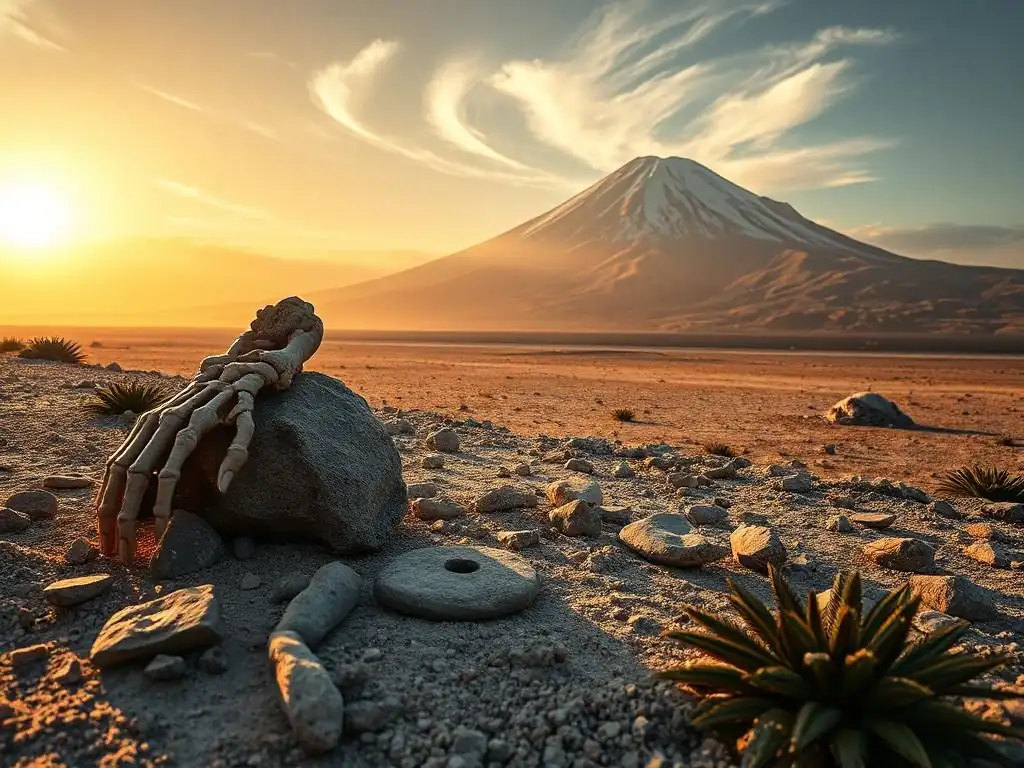
Welcome to Volcano Explorers, where the earth breathes fire and history sleeps beneath layers of ash. Ever wondered what secrets lie buried beneath the volcanic giants? Our latest exploration unveils the fascinating world of archaeological sites in volcanic ash, places where entire civilizations were frozen in time by nature's raw power. Join us as we uncover the stories etched in stone and preserved by the very forces that threatened to erase them. What will we discover together?
Volcanoes, often perceived as agents of destruction, hold a fascinating and paradoxical role as preservers of history. While their eruptions can obliterate landscapes and civilizations, they also possess the unique ability to freeze moments in time, encapsulating entire settlements and artifacts under layers of volcanic ash and pumice. These volcanic deposits, known as tephra, act as natural time capsules, safeguarding archaeological sites from the ravages of erosion, decay, and human disturbance. This phenomenon offers archaeologists an unparalleled glimpse into past societies, providing detailed snapshots of daily life, societal structures, and even the dramatic moments of volcanic catastrophe.
The study of archaeological sites in volcanic ash provides invaluable insights that are often unattainable from other types of archaeological contexts. Unlike typical burial sites or settlements that undergo gradual degradation over centuries, volcanic eruptions can bury sites rapidly, creating a sealed environment that minimizes decomposition and preserves organic materials with remarkable fidelity. From perfectly preserved buildings and household items to the casts of fleeing individuals, these sites offer a poignant and detailed record of the past, allowing us to connect with ancient civilizations in a profoundly intimate way.
- Cultural Significance of Volcanoes: A Dual Nature
- Archaeological Sites in Volcanic Ash: A Window to the Past
- The Science Behind Volcanic Preservation: Tephrochronology and Taphonomy
- Challenges and Opportunities in Volcanic Archaeology
- Volcanoes as Tourist Attractions: Exploring the Past
- Conclusion: Volcanoes, Time Capsules, and the Enduring Legacy of the Past
-
Frequently Asked Questions
- How does volcanic ash preserve archaeological sites?
- What types of archaeological finds are typically discovered in volcanic ash deposits?
- Can the age of archaeological sites preserved in volcanic ash be accurately determined?
- What are some famous examples of archaeological sites preserved by volcanic ash?
- What challenges do archaeologists face when excavating sites buried in volcanic ash?
- Final Reflection: Echoes of the Past in Volcanic Embrace
- Unearth Your Own Volcanic Adventure!
Cultural Significance of Volcanoes: A Dual Nature
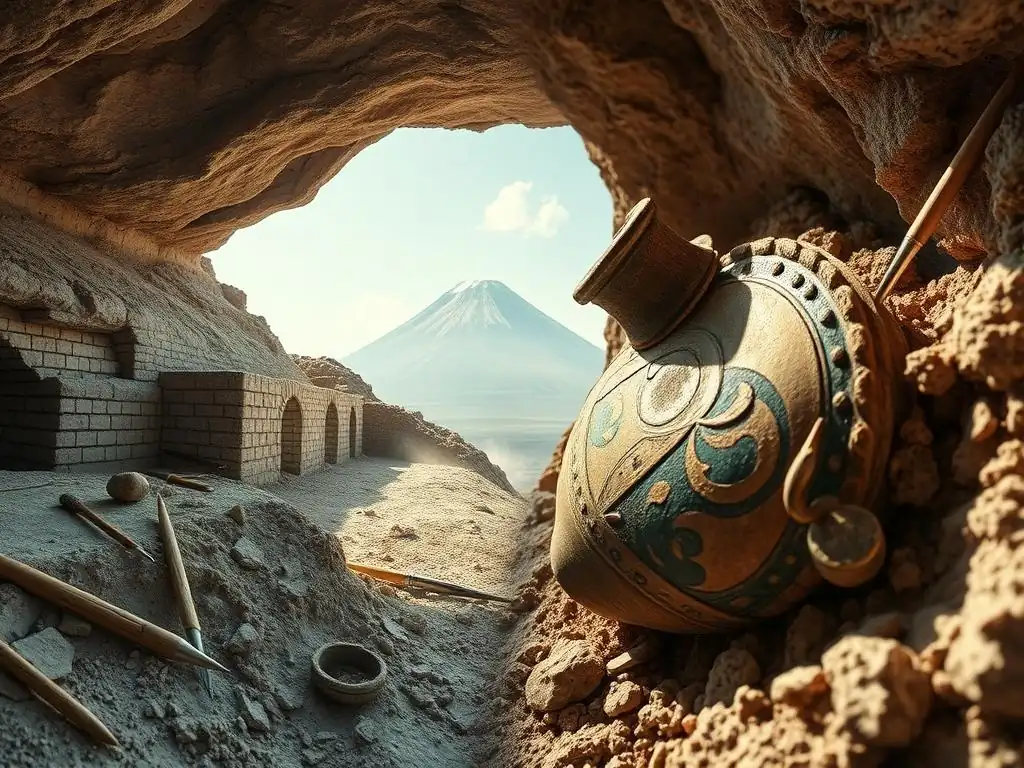
Volcanoes have held a complex and often contradictory place in human cultures throughout history. On one hand, they are forces of immense destruction, capable of unleashing devastating eruptions that bring about widespread death and destruction. Historical accounts and geological records are replete with examples of volcanic eruptions that have reshaped landscapes, altered climates, and toppled civilizations.
The eruption of Mount Vesuvius in 79 AD, which buried Pompeii and Herculaneum, serves as a stark reminder of the destructive power of volcanoes, claiming an estimated 16,000 lives. Similarly, the Tambora eruption in 1815 caused the "Year Without a Summer," leading to global famine and societal upheaval, demonstrating the far-reaching impact of these natural events.
On the other hand, volcanoes have also been revered as sources of creation and fertility. Volcanic soils are rich in minerals, making them exceptionally fertile for agriculture. Regions surrounding volcanoes, despite the inherent risks, are often densely populated due to the agricultural bounty provided by volcanic ash.
Furthermore, in many cultures, volcanoes are considered sacred mountains, dwelling places of gods, or powerful symbols of nature's force. Ancient Romans worshipped Vulcan, the god of fire and volcanoes, while indigenous populations in volcanic regions often have rich mythologies and rituals centered around these geological features. This duality – destruction and creation, fear and reverence – is deeply embedded in the cultural significance of volcanoes, making them powerful symbols in human history and mythology.
Archaeological Sites in Volcanic Ash: A Window to the Past
Archaeological sites in volcanic ash represent an exceptional category within the broader field of archaeology, offering a unique and often remarkably detailed window into the past. The rapid burial by volcanic deposits, primarily ash and pumice, creates a seal that protects organic materials and delicate artifacts from decomposition and disturbance. This process, often referred to as "volcanic preservation," stands in stark contrast to the gradual burial and decay processes typical of other archaeological contexts. As a result, sites buried by volcanic eruptions can preserve entire landscapes, buildings, and even the fleeting moments of daily life with astonishing fidelity.
The significance of archaeological sites in volcanic ash lies in their ability to provide a snapshot of a specific moment in time. Unlike sites that accumulate layers over centuries, volcanic sites often capture a single, catastrophic event, freezing the archaeological record at that precise point.
This “Pompeii effect,” named after the famously preserved Roman city, allows researchers to study not only the grand structures and societal norms of past civilizations but also the intimate details of daily life, the immediate responses to disaster, and the very last moments of a community. The study of these sites offers unparalleled opportunities to understand past societies in their full complexity, revealing aspects of life that are rarely preserved elsewhere.
Pompeii and Herculaneum: Iconic Examples of Volcanic Preservation
Pompeii and Herculaneum, the Roman cities buried by the eruption of Mount Vesuvius in 79 AD, are perhaps the most iconic and well-known examples of archaeological sites preserved by volcanic ash. The eruption, a Plinian event characterized by explosive ejection of ash, pumice, and hot gas, engulfed the cities in a matter of hours.
Pompeii, located further from the volcano, was primarily buried under layers of ash and pumice, reaching depths of up to 6 meters (20 feet). Herculaneum, situated closer to Vesuvius, was overwhelmed by pyroclastic flows – superheated avalanches of gas and volcanic debris – which carbonized organic materials and sealed the city under a thick, hardened layer.
The preservation at Pompeii and Herculaneum is extraordinary. Buildings stand largely intact, complete with frescoes, mosaics, and furniture. Loaves of bread were found in ovens, jars of food in pantries, and personal belongings scattered throughout homes, offering a vivid glimpse into Roman daily life. Perhaps most poignantly, the eruption preserved the casts of thousands of victims, capturing their final moments of life as they succumbed to the volcanic fumes and heat.
These sites have provided an unparalleled wealth of information about Roman urban planning, architecture, social structures, diet, and even artistic tastes. Ongoing excavations continue to reveal new discoveries, further enriching our understanding of Roman society and the catastrophic event that preserved it for millennia. It is estimated that only about two-thirds of Pompeii has been excavated to date, suggesting that further secrets still lie buried beneath the volcanic ash.
Cerén, El Salvador: The "Pompeii of the Americas"
Often referred to as the "Pompeii of the Americas," Cerén in El Salvador offers a remarkable parallel to the Roman cities, showcasing the preservation of a pre-Columbian Maya farming village by volcanic ash. Around 650 AD, the Loma Caldera volcano erupted, burying the village of Cerén under approximately 5 meters (16 feet) of volcanic ash. Unlike Pompeii, which was a bustling city, Cerén was a small agricultural community, providing a unique perspective on Maya rural life during the Late Classic period.
The volcanic ash at Cerén preserved not only buildings but also cultivated fields, household tools, pottery, and even food remains. Thatched-roof houses, storehouses filled with maize and beans, and pottery workshops were discovered virtually intact. Remarkably, the footprints of the villagers fleeing the eruption were also preserved in the ash, capturing the panic and urgency of their escape.
Cerén provides an unparalleled window into the daily lives of ordinary Maya farmers, offering insights into their agricultural practices, social organization, and material culture. The site has yielded valuable information about Maya agriculture, demonstrating sophisticated farming techniques and crop diversification. The exceptional preservation at Cerén underscores the power of volcanic eruptions to act as time capsules, safeguarding not just grand monuments but also the everyday lives of past populations.
The Science Behind Volcanic Preservation: Tephrochronology and Taphonomy
The scientific study of archaeological sites in volcanic ash relies on two key disciplines: tephrochronology and taphonomy. Tephrochronology is a geochronological method that uses layers of volcanic ash, or tephra, to create a chronological framework. Each volcanic eruption produces a distinct tephra layer with a unique chemical fingerprint, allowing geologists and archaeologists to identify and correlate tephra deposits across vast distances. This method is crucial for dating archaeological sites buried by volcanic eruptions, providing precise timelines for both the volcanic event and the associated human occupation.
Taphonomy, on the other hand, is the study of the processes that affect organic remains after death, from the moment of death to their discovery as fossils or archaeological artifacts. In the context of volcanic sites, taphonomy examines how volcanic burial affects the preservation of both biological and cultural materials.
This includes understanding the effects of heat, pressure, and the chemical composition of volcanic ash on organic matter, as well as the processes that lead to the exceptional preservation observed at sites like Pompeii and Cerén. By combining tephrochronology and taphonomy, researchers can reconstruct the sequence of volcanic events, date archaeological layers with precision, and understand the processes that contributed to the unique preservation of these extraordinary sites.
Tephra Analysis: Unlocking Secrets of Past Eruptions
Tephra analysis is a cornerstone of tephrochronology, involving the detailed examination of volcanic ash to unlock secrets about past eruptions and the archaeological contexts they encapsulate. Scientists collect tephra samples from archaeological sites and surrounding geological formations, subjecting them to a range of analytical techniques. Microscopic analysis allows for the identification of volcanic glass shards and mineral crystals within the ash, revealing the type of volcanic eruption and the source volcano.
Geochemical analysis, using techniques like electron microprobe and inductively coupled plasma mass spectrometry (ICP-MS), determines the precise chemical composition of the tephra. Each eruption produces a unique geochemical fingerprint, acting as a marker bed that can be traced across wide geographical areas.
By comparing the geochemical fingerprints of tephra layers found at archaeological sites with those from known volcanic eruptions, researchers can establish precise dates for the burial events. For instance, tephra analysis at Cerén confirmed that the site was buried by the Loma Caldera eruption around 650 AD, aligning with radiocarbon dates and providing a robust chronological framework. Furthermore, tephra analysis can provide insights into the nature of the eruption itself, including its intensity, duration, and the type of volcanic materials ejected.
This information is crucial for understanding the environmental impact of past eruptions and their effects on human populations. Tephra analysis not only dates archaeological sites but also reconstructs the volcanic events that shaped the landscapes and preserved these invaluable records of the past.
Challenges and Opportunities in Volcanic Archaeology
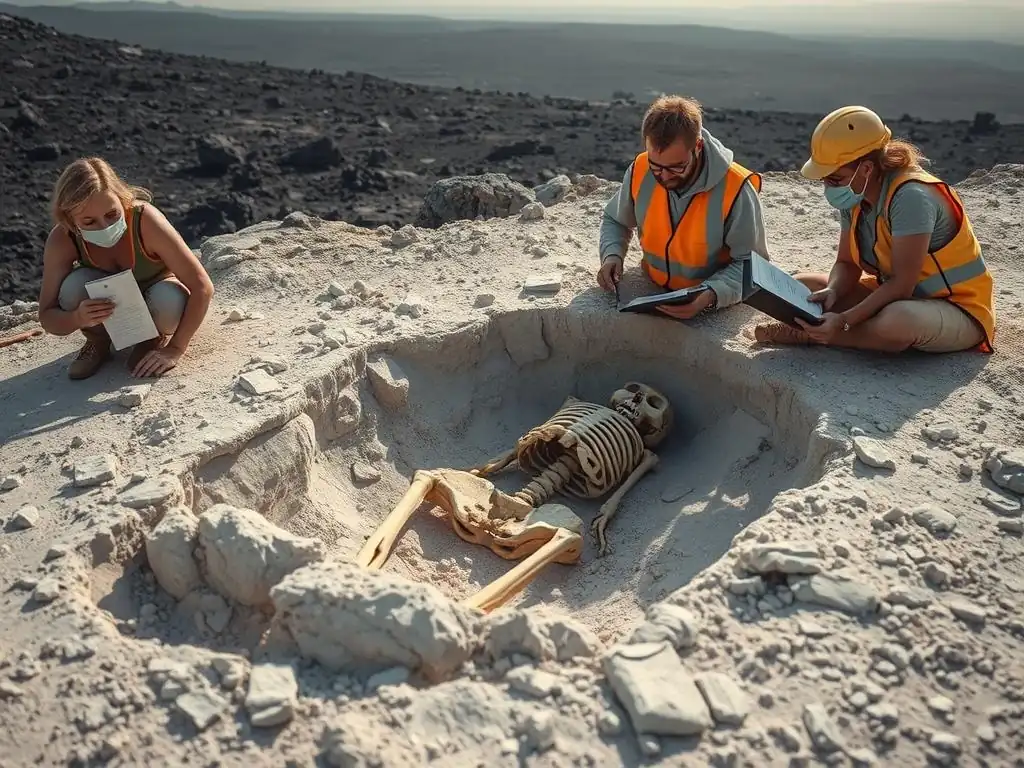
Volcanic archaeology, while offering unparalleled opportunities for understanding the past, also presents unique challenges. Excavating sites buried under thick layers of volcanic ash is often a laborious and time-consuming process. The hardened nature of some volcanic deposits, particularly pyroclastic flows, can require specialized excavation techniques and tools. Furthermore, the very nature of volcanic eruptions, often catastrophic and unpredictable, means that archaeological sites may be located in remote or hazardous areas, posing logistical and safety challenges for researchers.
Preservation and conservation are also critical concerns. Once excavated, artifacts and structures exposed to the open air are vulnerable to rapid deterioration. Volcanic ash, while initially protective, can also be corrosive over time, and the sudden exposure to humidity and temperature changes can accelerate decay. Therefore, careful planning for on-site conservation and long-term preservation is essential for volcanic archaeological sites.
Despite these challenges, the opportunities presented by volcanic archaeology are immense. These sites offer uniquely detailed and well-preserved snapshots of past societies, providing insights into daily life, social structures, and human responses to environmental disasters that are rarely found elsewhere. The potential for new discoveries and the richness of the information contained within volcanic archaeological sites make them a vital area of ongoing research and exploration.
Protecting Volcanic Archaeological Heritage Sites
Protecting volcanic archaeological heritage sites is crucial for ensuring that these invaluable records of the past are preserved for future generations. These sites are inherently fragile, and their long-term survival depends on proactive conservation efforts. One of the primary challenges is the inherent vulnerability of excavated sites to weathering and erosion once the protective layer of volcanic ash is removed. Conservation strategies must address both the immediate needs of excavated artifacts and structures and the long-term management of the site as a whole.
On-site conservation measures often include the use of protective shelters to shield exposed structures from rain, sun, and wind. Consolidation treatments may be applied to fragile materials to prevent further decay. For artifacts removed from the site, careful documentation, cleaning, and storage in controlled environments are essential. Beyond physical conservation, legal protection and site management are also vital.
Designating volcanic archaeological sites as protected heritage areas can help prevent looting, development encroachment, and other forms of damage. Sustainable tourism practices are also important, ensuring that visitor access is managed in a way that minimizes impact on the site while allowing for public appreciation and education. International collaborations and funding are often necessary to support the long-term protection and research of these globally significant archaeological sites.
Volcanoes as Tourist Attractions: Exploring the Past
Volcanic archaeological sites, with their dramatic stories of destruction and preservation, hold significant appeal as tourist attractions. Sites like Pompeii and Herculaneum draw millions of visitors annually, eager to witness firsthand the remnants of Roman life frozen in time. These sites offer a unique form of cultural heritage tourism, allowing visitors to connect with the past in a tangible and immersive way. The allure of volcanic sites stems from a combination of factors: the inherent drama and spectacle of volcanic eruptions, the exceptional preservation of ancient remains, and the poignant human stories embedded within the archaeological record.
Volcanoes themselves, even without archaeological sites, are often tourist destinations, attracting visitors with their scenic beauty and geological wonders. Combining volcanic landscapes with archaeological sites creates a powerful synergy, enhancing the visitor experience and offering a multi-faceted exploration of both natural and cultural heritage. Sustainable tourism at volcanic archaeological sites can bring significant economic benefits to local communities, generating revenue, creating jobs, and fostering cultural pride.
However, it is crucial to manage tourism responsibly to minimize negative impacts on the fragile archaeological remains and the surrounding environment. Visitor management strategies, including controlled access, guided tours, and educational programs, are essential for ensuring the long-term preservation and sustainable enjoyment of these remarkable sites.
Conclusion: Volcanoes, Time Capsules, and the Enduring Legacy of the Past
Volcanoes, often perceived as symbols of destruction, paradoxically serve as extraordinary time capsules, preserving invaluable records of past civilizations in layers of volcanic ash. Archaeological sites in volcanic ash, from the iconic Pompeii and Herculaneum to the Maya village of Cerén, offer unparalleled glimpses into the daily lives, societal structures, and dramatic moments of past populations. The rapid burial by volcanic eruptions creates a unique preservation environment, safeguarding organic materials and delicate artifacts with remarkable fidelity, providing snapshots of history frozen in time.
The scientific study of these sites, through disciplines like tephrochronology and taphonomy, allows researchers to date volcanic events and understand the processes of volcanic preservation. While volcanic archaeology presents unique challenges in excavation and conservation, the opportunities for discovery and understanding are immense. Protecting these fragile heritage sites is paramount, ensuring that their stories continue to inform and inspire future generations.
As tourist attractions, volcanic archaeological sites offer a powerful connection to the past, reminding us of the enduring legacy of human civilizations and the dynamic forces of nature that shape our world. Volcanoes, in their dual role as destroyers and preservers, stand as potent reminders of the cyclical nature of history and the enduring power of the past to speak to the present.
Frequently Asked Questions
How does volcanic ash preserve archaeological sites?
Volcanic ash, particularly when deposited rapidly, can act like a natural sealant, protecting archaeological remains from erosion, decay, and disturbance. This creates a time capsule effect, preserving artifacts and structures.
What types of archaeological finds are typically discovered in volcanic ash deposits?
Discoveries range widely, including human remains, buildings and structures, tools and implements, and even preserved footprints, offering insights into past civilizations. The specific finds depend on the location and time period of the eruption.
Can the age of archaeological sites preserved in volcanic ash be accurately determined?
Yes, radiometric dating of the volcanic ash layer itself provides a relatively accurate method for determining the age of the artifacts and the timeframe in which the site was buried. This technique is crucial for dating sites.
What are some famous examples of archaeological sites preserved by volcanic ash?
Pompeii and Herculaneum, buried by the eruption of Mount Vesuvius in 79 AD, are perhaps the most well-known, offering a remarkable glimpse into Roman daily life. Other sites exist across the globe, offering unique snapshots of past cultures.
What challenges do archaeologists face when excavating sites buried in volcanic ash?
The sheer volume of ash can be a significant challenge, requiring careful and methodical excavation techniques. Also, the ash can be highly compacted, making the removal of artifacts a delicate process.
Final Reflection: Echoes of the Past in Volcanic Embrace
The exploration of archaeological sites preserved within volcanic ash offers more than just a glimpse into the past; it provides a tangible connection to human stories frozen in time. In a world increasingly focused on the future, these sites serve as powerful reminders of the resilience and vulnerability of past civilizations, offering invaluable lessons for navigating our own uncertain present.
The enduring allure of these volcanic time capsules lies in their ability to transport us, allowing us to almost physically walk in the footsteps of those who came before. This connection to our shared human history is profoundly moving, reminding us that we are all part of a continuous narrative. We are not the first and certainly not the last to face challenges, but by understanding the past, we can better navigate the future.
This sentiment underscores the importance of preserving and studying these sites, not just for academic understanding, but for the wisdom they offer to us all.
Let us carry the lessons learned from these archaeological sites forward, recognizing the fragility of our own existence and the importance of preserving our cultural heritage. Consider how you can contribute to the understanding and protection of these invaluable resources, whether through supporting research, advocating for preservation efforts, or simply sharing the stories they tell. The echoes of the past are calling; will you listen?
Unearth Your Own Volcanic Adventure!
Thank you for exploring the fascinating world of volcanic archaeology! We hope you enjoyed learning how these natural events preserve history. Now, let's turn that knowledge into action.
Here are a few ways to continue your exploration:
- Research specific archaeological sites preserved by volcanic eruptions. Choose a site that intrigues you and uncover its story.
- Share this article with friends and family who share your passion for history and geology—ignite their curiosity about volcano archaeology!
- Join the "Volcano Explorers" forums and discuss your favorite volcanic site—let's build a community of volcanic enthusiasts!
Which historical volcanic eruption site captures your interest and why? Share your thoughts below!