
Popocatépetl's Power: Does Mexico's Guardian Volcano Define its Identity?

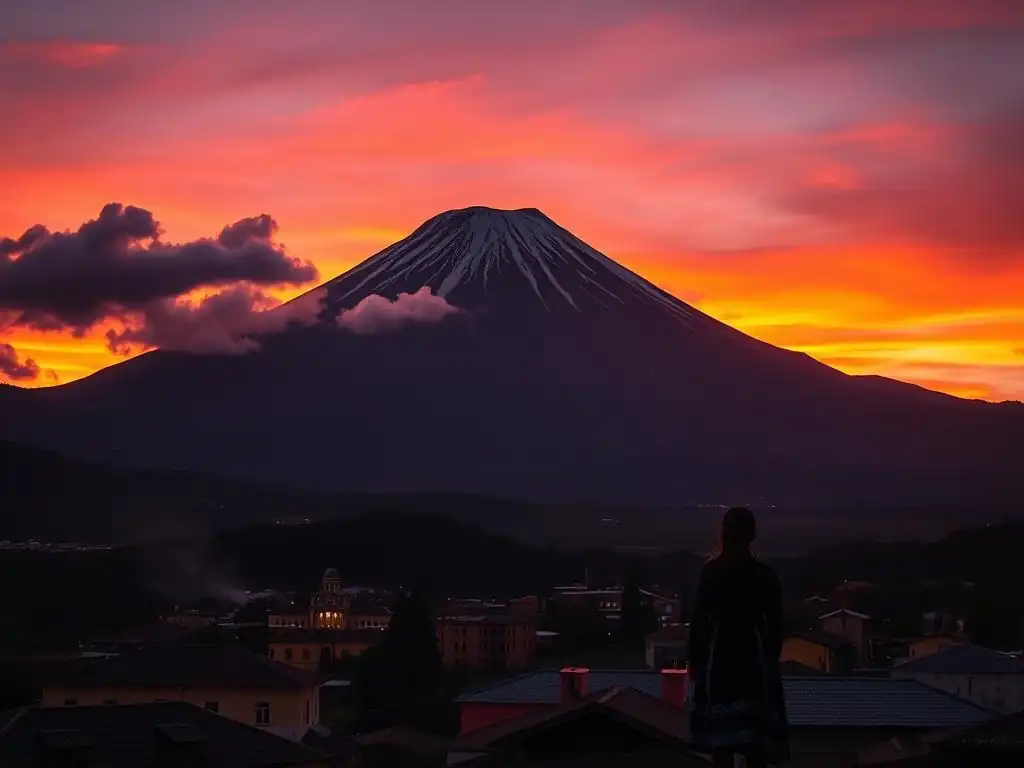
Welcome to Volcano Explorers!
Prepare to be captivated by the fiery heart of the Earth. Ever wondered how a volcano can shape not just the landscape, but the very soul of a nation? In this article, we journey to Mexico to explore the profound cultural significance of Popocatépetl, the towering guardian volcano. But is its influence purely symbolic, or does its volatile nature hold a deeper, more primal meaning for the people who live in its shadow? Discover the ancient myths, modern anxieties, and enduring legacy of this magnificent, and potentially dangerous, giant.
- Mount Fuji: Japan's Sacred Symbol and Cultural Icon
- Introduction: Mount Fuji and Japanese Cultural Identity
- The Legend of Princess Kaguya and Mount Fuji: A Foundation of Japanese Folklore
- Mount Fuji: More Than Just a Mountain - A Living Symbol
- Mount Fuji's Role in Shinto and Buddhist Beliefs
- Mount Fuji's Impact on the Landscape and Its People
- The Modern Cultural Significance of Mount Fuji
- Preserving Mount Fuji: Balancing Respect and Sustainability
- Mount Fuji: A Defining Feature of Japanese Identity?
- Conclusion: Mount Fuji's Enduring Legacy
-
Frequently Asked Questions
- What is the significance of Popocatépetl volcano to Mexican culture?
- How does Popocatépetl influence the identity of communities living nearby?
- Why is understanding Popocatépetl's cultural importance relevant to volcanologists?
- Beyond folklore, does Popocatépetl have any tangible cultural impact, like in art or traditions?
- How do modern perspectives on Popocatépetl's "power" blend its natural force with its cultural meaning?
- Final Reflection: The Enduring Echo of Popocatépetl
- Unearth Your Inner Explorer: Connect with Popocatépetl!
Mount Fuji: Japan's Sacred Symbol and Cultural Icon
Introduction: Mount Fuji and Japanese Cultural Identity
Exploring the Deep Connection Between Mount Fuji and Japanese Heritage
Mount Fuji, or Fuji-san as it is respectfully known in Japanese, is far more than just a mountain; it is a profound symbol deeply intertwined with the cultural and spiritual identity of Japan. For centuries, this majestic stratovolcano has stood as a silent guardian, its perfectly symmetrical cone inspiring awe and reverence across generations. Its image permeates Japanese art, literature, religion, and daily life, acting as a constant reminder of the nation's rich history and unique spirit. From ancient folklore to modern advertising, Mount Fuji's presence is ubiquitous, reflecting its ingrained significance within the Japanese psyche.
The mountain's profound influence stems from a complex interplay of factors, including its striking natural beauty, its volcanic nature imbued with both power and fragility, and its historical role as a sacred site for various religious practices. Its snow-capped peak, often shrouded in mist, evokes a sense of serenity and timelessness, while its occasional eruptions remind of the potent forces of nature that shape the world. This duality, coupled with its geographical prominence and accessibility, has cemented Mount Fuji's place not merely as a landmark, but as a cornerstone of Japanese cultural heritage.
[Organization Name]: Unveiling the Cultural Significance of Mountains
[Organization Name], a dedicated research institute focused on cultural geography and heritage studies, has long recognized the profound impact mountains have on shaping human societies and identities. Mountains, in their imposing grandeur and ecological diversity, often become focal points for cultural narratives, spiritual beliefs, and economic activities. [Organization Name]'s research explores how specific mountains around the world, like Mount Fuji, are not just physical formations but are transformed into powerful symbols that reflect and reinforce the values, traditions, and collective memory of the communities that live in their shadow.
Through interdisciplinary research projects, [Organization Name] investigates the multifaceted relationships between mountains and culture. This includes examining the role of mountains in folklore and mythology, their significance in religious practices and pilgrimages, their representation in art and literature, and their impact on local economies and tourism. By studying iconic mountains like Mount Fuji, [Organization Name] aims to provide a deeper understanding of how natural landscapes contribute to the formation of national and regional identities, and how these cultural connections can be preserved and celebrated for future generations.
The Legend of Princess Kaguya and Mount Fuji: A Foundation of Japanese Folklore
The Celestial Maiden's Ascent: Shaping the Mountain's Cultural Narrative
One of the most enchanting tales that intertwines Mount Fuji with Japanese folklore is the legend of Princess Kaguya, found in the 10th-century narrative The Tale of the Bamboo Cutter (Taketori Monogatari). In this story, Princess Kaguya, a celestial maiden discovered as a baby inside a bamboo stalk, is of extraordinary beauty and wisdom. She attracts numerous suitors, including the Emperor of Japan, but ultimately reveals that she must return to the moon. On the day of her departure, she leaves behind a letter for the Emperor and the elixir of immortality.
Overwhelmed with grief and realizing he cannot live forever without her, the Emperor orders his men to take the letter and the elixir to the mountain closest to heaven and burn them there. This mountain is said to be Mount Fuji.
The smoke from the burning elixir is believed to be the origin of Mount Fuji's name, which can be written with characters meaning "mountain abounding with warriors" or "mountain of immortality." This legend not only links Mount Fuji to the heavens and immortality but also imbues it with a sense of tragic beauty and longing, themes that resonate deeply within Japanese aesthetics.
Mount Fuji as a Symbol of Beauty, Purity, and Transcendence
Beyond the specific legend of Princess Kaguya, Mount Fuji's perfectly conical shape and often snow-capped peak have universally come to symbolize beauty, purity, and transcendence in Japanese culture. Its aesthetic perfection, as captured in countless works of art, evokes a sense of harmony and balance that is highly valued in Japanese aesthetics. The pristine snow that often adorns its summit further reinforces the imagery of purity and spiritual elevation.
The act of viewing Mount Fuji, especially from afar or in moments of serene contemplation, is often seen as a way to connect with something larger than oneself, to transcend the mundane and reach a state of spiritual clarity. This association with transcendence is further strengthened by its elevation and its historical role as a sacred mountain. Whether in classical paintings or modern photography, Mount Fuji consistently embodies these ideals, solidifying its place as a visual and spiritual touchstone for the Japanese people.
Mount Fuji: More Than Just a Mountain - A Living Symbol
The Majestic Mountain as a Constant Presence in Japanese Life
Mount Fuji is not a distant, untouchable monument; it is a living, breathing presence in the daily lives of millions of Japanese people. For those living in the surrounding regions, particularly in Shizuoka and Yamanashi prefectures, the mountain is a constant backdrop, shaping their perspectives and routines. Its visibility varies with the seasons and weather, becoming a daily topic of conversation and a natural compass point. The changing appearance of Mount Fuji throughout the year, from snow-covered winter majesty to lush green summer slopes, provides a visual rhythm to life, marking the passage of time and seasons.
Even for those living further away, Mount Fuji's image is pervasive. It is featured on everything from currency and company logos to travel brochures and advertisements. This omnipresence ensures that Mount Fuji remains a constant symbol in the collective consciousness, even for urban dwellers who may rarely see the actual mountain. Its iconic form serves as a powerful reminder of national identity and shared heritage, connecting Japanese people across geographical divides.
Mount Fuji's Impact on Art, Literature, and Music
Mount Fuji's influence on Japanese art, literature, and music is immeasurable. For centuries, it has served as a primary subject and source of inspiration for artists across various mediums. In the Edo period (1603-1868), ukiyo-e woodblock prints, such as Hokusai's Thirty-six Views of Mount Fuji and Hiroshige's The Fifty-three Stations of the Tōkaidō, popularized images of Mount Fuji both domestically and internationally, cementing its iconic status. These prints captured Mount Fuji from diverse perspectives and in different seasons, showcasing its multifaceted beauty.
Beyond visual arts, Mount Fuji frequently appears in Japanese literature, from classical poetry like waka and haiku to modern novels and manga. Its majestic presence is used to evoke emotions, set scenes, and symbolize themes of nature, beauty, and national identity. Similarly, in Japanese music, Mount Fuji is often referenced, either directly or indirectly, to convey a sense of awe, tranquility, or national pride. Its enduring presence across artistic disciplines highlights its profound and multifaceted cultural significance.
Mount Fuji's Role in Shinto and Buddhist Beliefs
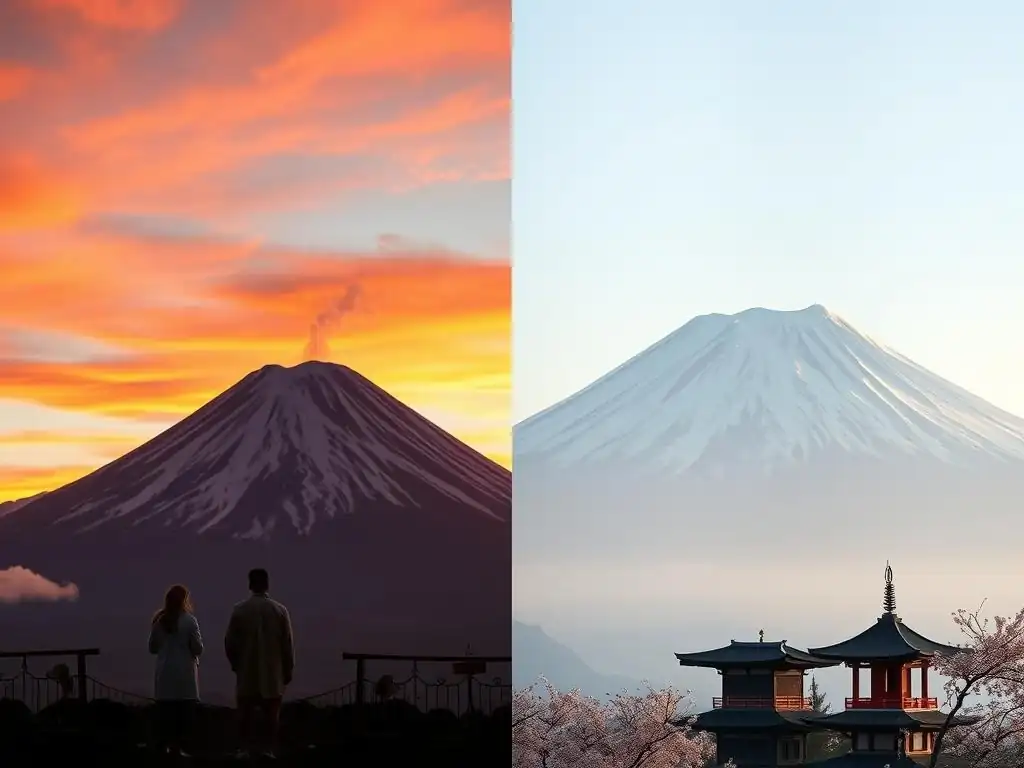
Ancient Beliefs and Rituals Centered Around Mount Fuji
Mount Fuji has long been revered as a sacred mountain in both Shinto and Buddhist traditions. In Shinto, the indigenous religion of Japan, Mount Fuji is considered a kami, a divine spirit inhabiting a natural place. Sengen-Sama, the Shinto deity associated with volcanoes and fire prevention, is particularly venerated at Mount Fuji. The Fujisan Hongū Sengen Taisha shrine, located at the base of the mountain, is the head shrine for over 1,300 Sengen shrines across Japan, highlighting the central role of Mount Fuji in this faith.
Buddhist influence also became prominent over time. By the Heian period (794-1185), Mount Fuji became a significant site for Shugendō, a syncretic religion incorporating Shinto and Buddhist beliefs, focused on mountain asceticism. Enryakuji Temple, a major Buddhist temple complex near Kyoto, established a presence on Mount Fuji, further solidifying its religious importance. For centuries, both Shinto priests and Buddhist monks have conducted rituals and pilgrimages on and around Mount Fuji, reinforcing its spiritual significance for both faiths.
Pilgrimages and Sacred Sites on Mount Fuji
Pilgrimages to Mount Fuji have been a vital aspect of its religious and cultural significance for centuries. Ascending Mount Fuji is not merely a physical challenge but also a spiritual journey, a way to purify oneself and connect with the sacred. Traditionally, pilgrimages were undertaken by devout followers of Shinto and Buddhism, often wearing white robes and carrying walking sticks. These pilgrimages were meticulously planned, with specific routes and sacred sites to visit along the way.
Several key sacred sites are located on Mount Fuji and around its base. The Oshirasama shrines, small wooden structures dedicated to mountain deities, are found along the trails. The crater rim itself is considered highly sacred, and circling it, known as ohachi-meguri, is a traditional part of the pilgrimage.
The ascent and descent are often undertaken overnight to witness the sunrise from the summit, known as goraiko, a deeply spiritual experience for many pilgrims. Even today, while many climb Mount Fuji for recreational purposes, the tradition of pilgrimage and the sense of spiritual ascent remain deeply ingrained in the cultural understanding of the mountain.
Mount Fuji's Impact on the Landscape and Its People
The Mountain's Influence on the Region's Ecology and Tourism
Mount Fuji's volcanic activity has profoundly shaped the surrounding landscape, creating a unique and fertile environment. Volcanic soil, rich in minerals, supports diverse ecosystems and agriculture. The Fuji Five Lakes region, formed by past eruptions, is renowned for its stunning scenery and recreational opportunities. The mountain's presence influences weather patterns, creating distinct microclimates that support specialized flora and fauna.
Furthermore, Mount Fuji is a major driver of tourism in the region and for Japan as a whole. Millions of tourists visit annually to climb the mountain, explore the surrounding national park, and enjoy the scenic views. This tourism industry provides significant economic benefits to local communities, supporting hotels, restaurants, transportation services, and souvenir shops. The delicate balance between tourism and environmental preservation is a constant consideration in managing the region sustainably.
Adapting to Life Near a Sacred Mountain: Benefits and Responsibilities
Living in the shadow of a sacred and active volcano like Mount Fuji presents both benefits and responsibilities for local communities. The aforementioned fertile volcanic soil supports agriculture, particularly tea and fruit cultivation, which are economically important in the region. The abundant spring water, filtered through volcanic rock, is highly valued and used for various purposes, including drinking water and sake production. The stunning natural beauty attracts residents and provides a strong sense of place and cultural identity.
However, living near an active volcano also necessitates preparedness and awareness. While Mount Fuji has been dormant since its last eruption in 1707, volcanic activity is always a potential risk. Local communities have developed comprehensive disaster preparedness plans, including evacuation routes and public education programs. Monitoring volcanic activity and maintaining infrastructure are crucial responsibilities to ensure the safety and well-being of those living near this powerful natural force. Respect for the mountain, both as a sacred entity and a potentially hazardous natural phenomenon, is deeply ingrained in the local culture.
The Modern Cultural Significance of Mount Fuji
Mount Fuji as a National Icon: Tourism and Identity
In the modern era, Mount Fuji's cultural significance has only intensified, solidifying its status as Japan's quintessential national icon. It is prominently featured in national symbols, advertising campaigns promoting Japan domestically and internationally, and is recognized globally as a representation of Japanese identity. Tourism surrounding Mount Fuji continues to grow, attracting visitors from around the world eager to experience its beauty and cultural aura.
Mount Fuji's designation as a UNESCO World Heritage site in 2013 further cemented its international recognition and cultural importance. This designation acknowledged not only its natural beauty but also its profound cultural and artistic influence throughout history. The influx of tourists, both domestic and international, contributes significantly to the Japanese economy and reinforces Mount Fuji's role as a central pillar of national pride and identity.
Contemporary Art and Expressions Inspired by the Mountain
Mount Fuji continues to inspire contemporary artists and creative expressions in diverse forms. From photography and digital art to fashion and design, Mount Fuji's iconic silhouette and symbolic meaning are constantly reinterpreted and reimagined. Contemporary artists explore themes of nature, technology, and cultural heritage, often using Mount Fuji as a focal point to reflect on Japan's past, present, and future.
Social media platforms are filled with images of Mount Fuji, shared by millions of individuals capturing its beauty from various angles and perspectives. This constant stream of imagery ensures that Mount Fuji remains a relevant and evolving symbol in the digital age. Its enduring appeal to contemporary artists and the public alike demonstrates its timeless and adaptable cultural significance, transcending generations and artistic movements.
Preserving Mount Fuji: Balancing Respect and Sustainability
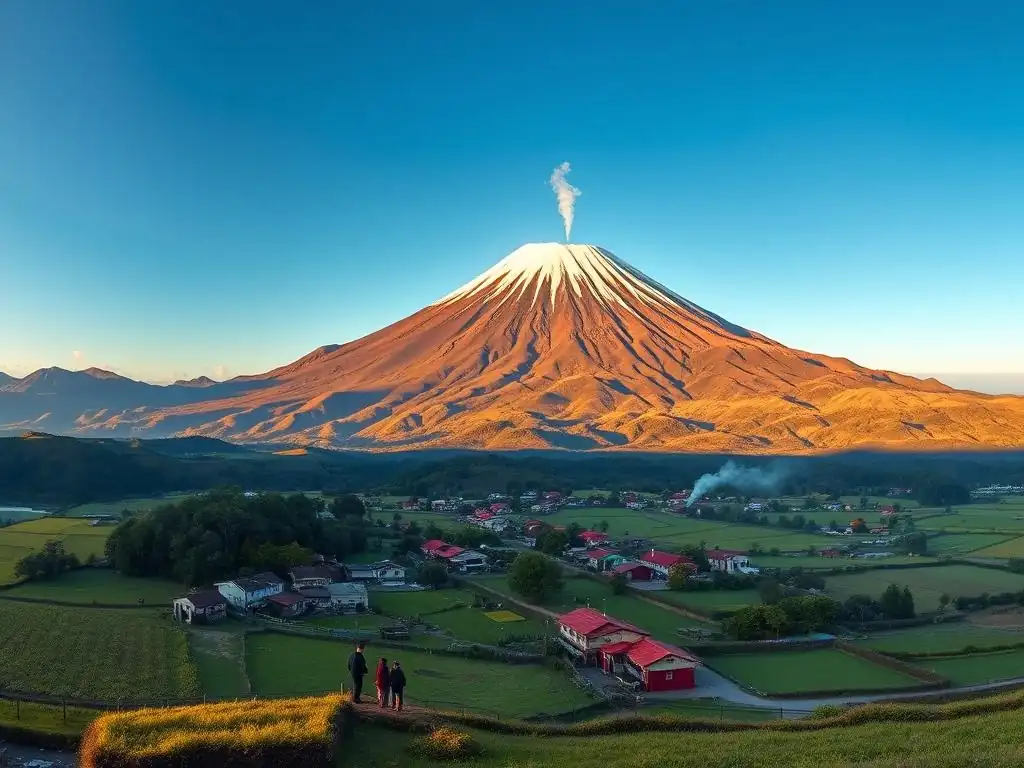
Environmental Protection and Cultural Preservation: A Delicate Balance
Preserving Mount Fuji for future generations requires a delicate balance between environmental protection and cultural preservation. The increasing influx of tourists, while economically beneficial, puts pressure on the mountain's fragile ecosystem and infrastructure. Waste management, trail maintenance, and preventing erosion are crucial environmental challenges that require ongoing attention and resources.
Cultural preservation efforts focus on maintaining the sacred sites, traditional pilgrimage routes, and the intangible cultural heritage associated with Mount Fuji. This includes supporting local communities in maintaining their traditions, promoting respectful tourism practices, and ensuring that development around the mountain is sensitive to its cultural and environmental significance. Finding sustainable solutions that protect both the natural environment and the cultural heritage of Mount Fuji is paramount.
[Community Initiatives for Sustainable Tourism around Mount Fuji]
[Community Initiatives for Sustainable Tourism around Mount Fuji] play a critical role in ensuring the long-term preservation of Mount Fuji. These initiatives often involve local residents, businesses, and government agencies working collaboratively to promote responsible tourism practices. Examples include promoting eco-friendly transportation options, implementing stricter waste management policies on trails, and educating tourists about respecting the natural environment and cultural sensitivities.
[Community Initiatives for Sustainable Tourism around Mount Fuji] may also focus on diversifying tourism activities to reduce pressure on the most popular areas, promoting off-season tourism, and supporting local businesses that prioritize sustainability. By empowering local communities and fostering a sense of shared responsibility, these initiatives are vital in ensuring that Mount Fuji remains a treasured natural and cultural icon for generations to come.
Mount Fuji: A Defining Feature of Japanese Identity?
Analyzing the Complex Relationship Between the Mountain and National Consciousness
While Mount Fuji is undoubtedly a powerful symbol of Japanese identity, the question of whether it "defines" Japanese identity is complex. Mount Fuji serves as a potent visual shorthand for Japan, evoking a sense of national pride, cultural heritage, and natural beauty. Its image is used to represent Japan both domestically and internationally, and it resonates deeply with many Japanese people as a symbol of their nation.
However, Japanese identity is multifaceted and encompasses a wide range of regional, social, and historical factors beyond a single geographical landmark. While Mount Fuji is a unifying symbol, regional identities, diverse cultural traditions, and evolving social values also contribute to the richness and complexity of Japanese national consciousness. Therefore, while Mount Fuji is undeniably a defining feature and a powerful symbol of Japanese identity, it is not the sole defining element.
[Perspectives from Local Communities on the Significance of Mount Fuji]
[Perspectives from Local Communities on the Significance of Mount Fuji] offer valuable insights into the lived experiences and nuanced understandings of the mountain's cultural importance. Interviews with residents in the Fuji Five Lakes region, mountain guides, Shinto priests, and local artisans reveal a deep and personal connection to Mount Fuji that goes beyond national symbolism. For these communities, Mount Fuji is not just a symbol but a living entity that shapes their daily lives, livelihoods, and cultural practices.
[Perspectives from Local Communities on the Significance of Mount Fuji] often highlight the spiritual and emotional significance of the mountain, passed down through generations. They emphasize the importance of preserving both the natural beauty and the cultural heritage of Mount Fuji for future generations, underscoring the deep and enduring bond between the mountain and the people who live in its shadow. These local perspectives provide a richer and more grounded understanding of Mount Fuji's multifaceted cultural significance.
Conclusion: Mount Fuji's Enduring Legacy
The Future of Mount Fuji's Cultural Importance
Mount Fuji's cultural importance is poised to endure far into the future. Its timeless beauty, deep spiritual significance, and powerful symbolic value ensure its continued relevance in Japanese culture and global perception. As Japan navigates the challenges of the 21st century, Mount Fuji remains a constant source of national pride and a reminder of the country's rich heritage.
Efforts to promote sustainable tourism, preserve the environment, and maintain cultural traditions will be crucial in ensuring that Mount Fuji's legacy continues to thrive. By balancing respect for its sacred nature with the needs of a modern society, Japan can ensure that Mount Fuji remains a source of inspiration and cultural identity for generations to come.
[Organization Name]: Continuing to Explore the Cultural Significance of Mountains Worldwide
[Organization Name] remains committed to exploring the cultural significance of mountains worldwide, including Mount Fuji. Through ongoing research, educational initiatives, and collaborative projects, [Organization Name] aims to deepen the understanding of how mountains shape human cultures and identities. By studying the multifaceted relationships between people and mountains, [Organization Name] seeks to contribute to the preservation of both natural and cultural heritage for the benefit of global communities.
Frequently Asked Questions
What is the significance of Popocatépetl volcano to Mexican culture?
Popocatépetl, often called "Popo", holds deep cultural significance in Mexico, representing a powerful guardian and symbol of the land. Its presence is woven into ancient legends and folklore.
How does Popocatépetl influence the identity of communities living nearby?
Communities near Popocatépetl often view the volcano as a living entity, deeply connected to their cultural identity and daily lives. Their traditions and beliefs are intertwined with the volcano's presence and behavior.
Why is understanding Popocatépetl's cultural importance relevant to volcanologists?
Understanding the cultural significance of Popocatépetl helps volcanologists build trust and communicate risks effectively with local communities. This is crucial for implementing safety measures and evacuation plans.
Beyond folklore, does Popocatépetl have any tangible cultural impact, like in art or traditions?
Yes, Popocatépetl's image frequently appears in Mexican art, music, and literature, reinforcing its cultural significance. Traditional festivals and dances often celebrate the volcano's power and legacy.
How do modern perspectives on Popocatépetl's "power" blend its natural force with its cultural meaning?
Today, Popocatépetl's "power" encompasses both its potential for volcanic activity and its enduring cultural impact. This blend creates a unique understanding of the volcano as a force of nature and a symbol of national identity.
Final Reflection: The Enduring Echo of Popocatépetl
The rumbling presence of Popocatépetl is more than just a geological phenomenon; it's a living embodiment of Mexican history and identity. From ancient myths to modern anxieties, the volcano's influence permeates the cultural landscape, shaping narratives, inspiring art, and reminding us of the powerful forces that both threaten and define our existence. Its ongoing activity serves as a constant reminder of the earth's volatile nature and humanity's precarious place within it.
The enduring fascination with Popocatépetl speaks to our innate desire to connect with something larger than ourselves, something ancient and powerful. The volcano's presence is woven into the fabric of daily life, a silent witness to generations past and a looming presence for those to come. As Octavio Paz eloquently stated, Mexico is not only a nation, but a civilization, and Popocatépetl is its symbol.
This quote encapsulates the deep-seated connection between the volcano and the Mexican spirit, a connection that transcends mere geography and delves into the realm of collective memory and cultural identity.
Consider the lessons Popocatépetl offers. Just as the volcano demands respect and vigilance, so too does our cultural heritage. Let us strive to understand and appreciate the forces that shape our identity, to learn from the past, and to face the future with both courage and humility. Let the enduring echo of Popocatépetl remind us of the power of nature, the resilience of the human spirit, and the enduring strength of cultural identity.
Unearth Your Inner Explorer: Connect with Popocatépetl!
Thanks for journeying with us into the heart of Popocatépetl's story. We hope you found new appreciation for how this majestic volcano shapes Mexico's cultural landscape. Now, it's time to turn your newfound knowledge into action!
Here's how you can connect with Popocatépetl's legacy:
- Share your own photos or stories of Popocatépetl if you've ever seen it in person. Let's build a community of volcano enthusiasts!
- Delve deeper into the geological forces that shape Popocatépetl’s eruptions. Understanding the science helps appreciate the immense power at play.
- Discover and support local artisans from communities surrounding the volcano. Their crafts often depict Popocatépetl, blending art with cultural identity.
What aspect of Popocatépetl's influence on Mexican identity resonated most with you, and how does understanding volcanoes change your perspective of a region? Let's talk in the comments below!