
National Parks of Fire: Protecting Volcanoes, Promoting National Pride?

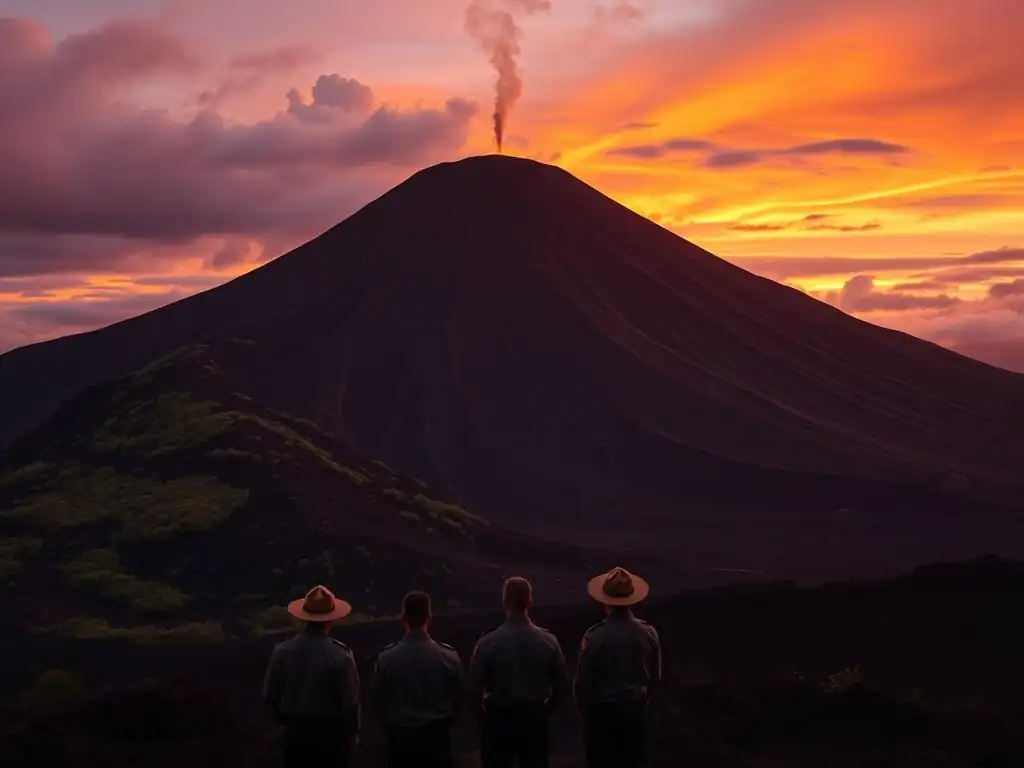
Welcome to Volcano Explorers!
Prepare to be captivated by the raw power and breathtaking beauty of volcanoes. Ever wondered how we balance preserving these fiery giants with celebrating their cultural significance? Dive into our latest exploration of protecting volcanoes in national parks, and uncover the complex relationship between scientific preservation and national pride. The secrets hidden within these volcanic landscapes are waiting to be unearthed... Dare to explore further?
- Volcanoes and National Identity: A Fiery Heritage
- Protecting Volcanoes in National Parks: A Global Perspective
- The Benefits of Protecting Volcanoes in National Parks
- National Pride and Volcanic Landscapes: A Symbiotic Relationship
- Balancing Preservation and Access: The Future of Volcano National Parks
- Volcano National Park Designation: A Pathway to Conservation and Pride
-
Frequently Asked Questions
- What is the primary focus of VolcanoExplorers.org?
- Why is it important to consider protecting volcanoes in national parks?
- What kind of information does VolcanoExplorers.org offer for people living near active volcanoes?
- How does VolcanoExplorers.org address the cultural significance of volcanoes?
- What is the connection between "National Parks of Fire" and "National Pride?"
- Final Reflection: The Enduring Power of Fire and Pride
- Ignite Your Inner Explorer!
Volcanoes and National Identity: A Fiery Heritage
Exploring the Intersection of Volcanic Landscapes and National Pride
Volcanoes, with their awe-inspiring power and dramatic landscapes, often transcend their geological significance to become potent symbols of national identity. For nations fortunate enough to host these natural wonders, volcanoes can represent a shared heritage, a source of pride, and a testament to the raw, untamed forces of nature that have shaped their lands.
Consider Japan’s Mount Fuji, an iconic stratovolcano whose symmetrical cone is instantly recognizable and deeply interwoven with Japanese art, culture, and national consciousness. Its presence is not merely geographical; it's a cultural cornerstone, symbolizing beauty, strength, and resilience – qualities often projected onto the national character itself.
This connection between volcanic landscapes and national pride stems from several factors. Volcanoes are often geographically unique features within a country, setting it apart from others. They are also powerful reminders of a nation's deep history, often predating modern borders and human settlements.
The fertile soils they create can sustain agriculture and life, further linking them to the sustenance and prosperity of a nation. Furthermore, the inherent drama and occasional eruptions of volcanoes can evoke a sense of shared experience and resilience among citizens, fostering a collective identity rooted in living alongside these powerful forces of nature. In countries like Iceland, where volcanic activity is a defining characteristic of the landscape and even the energy source, this connection is even more profound.
The Role of National Parks in Volcano Preservation
National parks serve as crucial instruments in the preservation of volcanic landscapes, acting as designated areas where these geological treasures are protected for future generations. By establishing national park status around volcanoes, governments commit to safeguarding not only the volcanic structures themselves but also the unique ecosystems they support and the cultural heritage associated with them. In the United States, for example, the National Park Service manages several volcanic parks, including Lassen Volcanic National Park in California and Crater Lake National Park in Oregon, implementing regulations that restrict development, resource extraction, and activities that could harm the volcanic environment.
The role of national parks extends beyond mere protection; they also actively promote understanding and appreciation of volcanoes. These parks often feature visitor centers, educational programs, and guided tours, offering opportunities for the public to learn about volcanology, geological processes, and the ecological significance of volcanic regions.
Moreover, national parks frequently support scientific research, providing crucial platforms for volcanologists and other scientists to study volcanic activity, monitor potential hazards, and gain deeper insights into Earth's dynamic systems. This combination of protection, education, and research makes national parks indispensable for ensuring the long-term preservation of volcanoes and fostering a sense of national responsibility towards these natural wonders.
Protecting Volcanoes in National Parks: A Global Perspective
Case Studies of Volcano Protection in National Parks Worldwide
Hawai'i Volcanoes National Park: A Study in Ecosystem and Cultural Preservation
Hawai'i Volcanoes National Park, established in 1916, offers a compelling example of comprehensive volcano protection within a national park framework. Encompassing the summits of Kīlauea and Mauna Loa, two of the world's most active volcanoes, the park's mission is deeply rooted in preserving both the geological wonders and the rich cultural heritage of the Native Hawaiian people.
The park's proactive management includes continuous monitoring of volcanic activity by the USGS Hawaiian Volcano Observatory, ensuring public safety and providing valuable data for volcanic research. Furthermore, significant efforts are dedicated to ecosystem restoration, combating invasive species that threaten native Hawaiian flora and fauna unique to volcanic environments.
Culturally, Hawai'i Volcanoes National Park plays a vital role in safeguarding sacred sites and traditional practices associated with volcanoes within Hawaiian culture. The park collaborates closely with Native Hawaiian communities to manage cultural resources and incorporate traditional ecological knowledge into park management strategies. For instance, the park actively protects wahi pana (sacred places) and ensures access for cultural practitioners to perform traditional ceremonies.
This dual focus on geological and cultural preservation makes Hawai'i Volcanoes National Park a model for integrating natural and cultural heritage in volcano national park management. Approximately 1.5 to 2 million people visit the park annually, demonstrating the potential for combining conservation with tourism.
Mount Teide National Park: Balancing Tourism and Scientific Research
Mount Teide National Park in Tenerife, Canary Islands, Spain, showcases a different approach to volcano protection, emphasizing the balance between tourism and scientific research in a highly accessible volcanic environment. Centered around Mount Teide, Spain's highest peak and a dormant stratovolcano, the park was declared a UNESCO World Heritage Site in 2007, recognizing its outstanding geological significance and unique biodiversity. The park management prioritizes scientific research, hosting numerous international research projects focused on volcanology, astrophysics (due to the clear, high-altitude skies), and high-mountain ecosystems. The Teide Observatory, located within the park, is a major center for astronomical research.
Mount Teide National Park also caters to significant tourist numbers, attracting around 4 million visitors annually, making it one of the most visited national parks in Europe. To manage this influx, the park implements strict regulations, including controlled access to the summit via cable car and permits to hike certain trails, minimizing environmental impact and ensuring visitor safety.
The park's success lies in its ability to accommodate large-scale tourism while simultaneously fostering cutting-edge scientific research and maintaining the integrity of its volcanic landscape. This demonstrates a model where scientific exploration and public access can coexist effectively in volcano national parks.
The Challenges of Volcano Preservation in National Parks
Balancing Tourism and Conservation
One of the most persistent challenges in managing volcano national parks is striking the delicate balance between promoting tourism and ensuring effective conservation. Volcanoes, with their dramatic beauty and geological intrigue, naturally attract large numbers of visitors, bringing economic benefits to surrounding regions. However, unchecked tourism can lead to significant environmental pressures, including habitat degradation, trail erosion, waste accumulation, and disruption to wildlife. For example, in heavily visited volcanic areas, the sheer volume of foot traffic can compact soils, damage fragile vegetation, and alter natural drainage patterns.
Effective management strategies are crucial to mitigate these impacts. These can include implementing permit systems to limit visitor numbers, developing and maintaining designated trails to concentrate foot traffic in less sensitive areas, providing robust waste management and recycling facilities, and educating visitors about responsible park behavior.
Furthermore, investment in sustainable infrastructure, such as eco-friendly transportation options within parks and visitor centers built with sustainable materials, is essential to minimize the environmental footprint of tourism. Finding the optimal level of tourism that supports local economies without compromising the long-term ecological health of volcanic environments remains a key challenge for park managers worldwide.
Managing Geothermal Resources Responsibly
Volcanic regions are often associated with geothermal activity, a valuable source of renewable energy and minerals. However, the exploitation of geothermal resources within or near volcano national parks presents a significant challenge to preservation efforts. Geothermal energy extraction, if not carefully managed, can lead to environmental impacts, including habitat destruction, water depletion, alteration of hydrothermal systems, and potential induced seismicity. For instance, drilling for geothermal energy can disrupt underground water flows crucial for sustaining unique geothermal ecosystems, such as hot springs and geysers, which are often integral parts of volcanic landscapes and biodiversity hotspots.
Responsible management of geothermal resources in volcanic national parks requires a precautionary approach. This involves rigorous environmental impact assessments before any geothermal development is permitted, careful site selection to minimize impacts on sensitive areas, implementation of best practices in drilling and resource extraction to prevent pollution and habitat damage, and continuous monitoring of environmental conditions to detect and mitigate any adverse effects.
In some cases, a complete prohibition of geothermal resource extraction within national park boundaries may be necessary to prioritize conservation. Finding sustainable solutions that balance energy needs with the imperative to protect volcanic environments is a crucial challenge for policymakers and park managers.
The Benefits of Protecting Volcanoes in National Parks
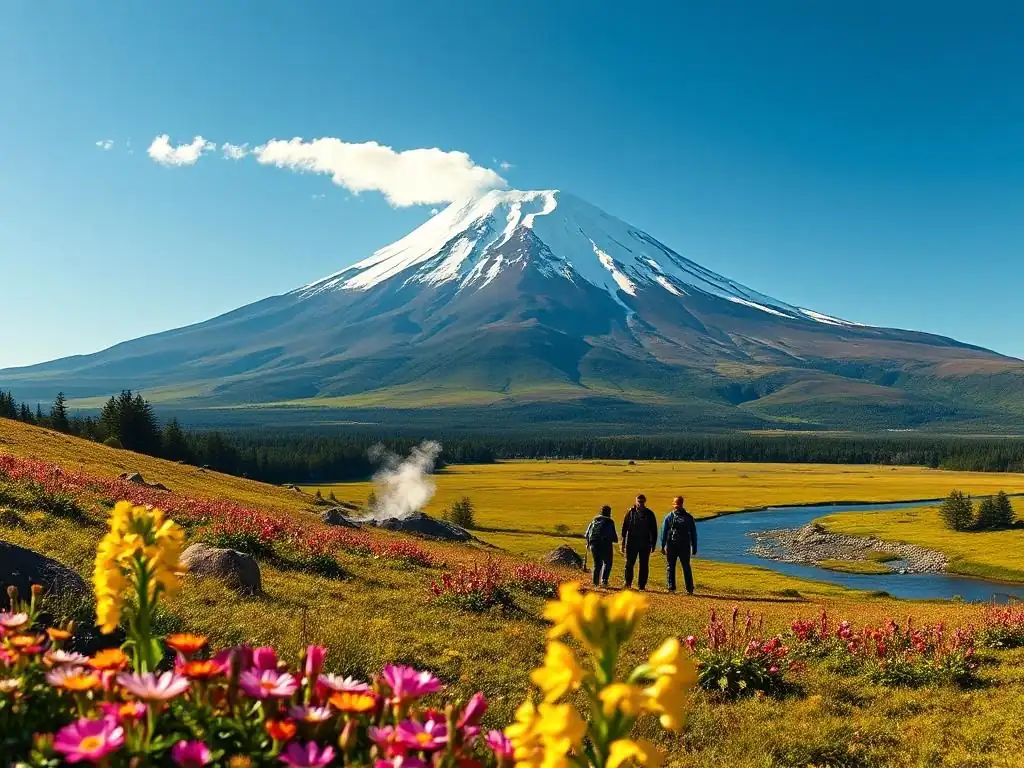
Environmental Conservation: Safeguarding Unique Ecosystems
Protecting volcanoes within national parks is paramount for environmental conservation, primarily because volcanic landscapes often harbor exceptionally unique and fragile ecosystems. Volcanic areas, despite their seemingly harsh environments, are biodiversity hotspots, supporting specialized plant and animal communities adapted to volcanic soils, geothermal activity, and varying altitudes.
For example, volcanic islands like the Galapagos or Canary Islands are renowned for their high levels of endemism – species found nowhere else on Earth – many of which are specifically adapted to volcanic habitats. National park designation provides a crucial layer of protection for these vulnerable ecosystems, safeguarding them from habitat destruction, invasive species, and unsustainable resource exploitation.
Volcanic national parks contribute to broader conservation efforts by preserving a range of habitats, from lava fields and volcanic craters to geothermal areas and associated forests or alpine zones. These parks often act as refugia for endangered species, providing safe havens where populations can thrive without the pressures of human development. Moreover, the protection of volcanic ecosystems contributes to the maintenance of vital ecological processes, such as nutrient cycling, water purification, and carbon sequestration. By safeguarding these natural systems, volcano national parks play a critical role in regional and global biodiversity conservation.
Promoting Scientific Research and Understanding of Volcanic Activity
Volcano national parks are invaluable for promoting scientific research and enhancing our understanding of volcanic activity and related geological processes. These parks provide readily accessible and relatively undisturbed natural laboratories for volcanologists, geologists, ecologists, and other scientists. The continuous monitoring of volcanic activity within parks, often conducted by dedicated volcano observatories situated nearby or within park boundaries, generates crucial data for hazard assessment, eruption forecasting, and fundamental research on volcanic systems. For instance, the ongoing monitoring of Kīlauea volcano in Hawai'i Volcanoes National Park has yielded decades of invaluable data on lava flows, volcanic gases, and caldera dynamics.
Furthermore, volcano national parks facilitate interdisciplinary research, fostering collaborations between scientists from various fields. Ecologists study the unique adaptations of life in volcanic environments, geochemists analyze volcanic gases and rocks to understand magma sources and eruption triggers, and geophysicists investigate the Earth's crust and mantle beneath volcanoes. The knowledge gained from research in volcano national parks not only advances scientific understanding but also informs effective park management strategies, improves volcanic hazard preparedness for surrounding communities, and contributes to broader Earth science education.
Enhancing Tourism and Economic Development in Volcanic Regions
The designation of volcano national parks can significantly enhance tourism and stimulate economic development in surrounding regions. Volcanoes, with their dramatic landscapes and inherent appeal, are major tourist attractions, drawing visitors from around the world. National park status elevates the profile of these areas, signaling their natural and cultural significance and attracting tourists seeking unique and well-managed destinations. Volcano national parks often generate substantial economic benefits for local communities through tourism-related businesses, including accommodation, restaurants, tour operators, and souvenir shops.
For example, communities surrounding Vesuvius National Park in Italy benefit significantly from tourism associated with the iconic volcano and the preserved Roman city of Pompeii nearby. Similarly, the tourism industry around Mount Fuji in Japan and Teide National Park in Spain provides substantial economic support to local economies. However, it is crucial to ensure that tourism development is sustainable and benefits local communities equitably, minimizing negative environmental and social impacts while maximizing long-term economic gains. Well-managed volcano national parks can serve as engines for sustainable tourism, fostering economic prosperity while preserving natural and cultural heritage.
National Pride and Volcanic Landscapes: A Symbiotic Relationship
Volcanoes as Symbols of National Identity and Resilience
Volcanoes often transcend their geological nature to become powerful symbols of national identity and resilience. Their imposing presence on the landscape, coupled with their capacity for both creation and destruction, resonates deeply with national narratives and collective consciousness. For nations with prominent volcanoes, these natural features can embody national strength, endurance, and the ability to overcome challenges. Mount Rainier in the United States, for instance, stands as a majestic icon of the Pacific Northwest, frequently featured in regional symbols and representing the rugged beauty and resilience of the landscape and its people.
The symbolism of volcanoes extends to their dynamic nature. Volcanic eruptions, while potentially destructive, are also processes of creation, building new land and reshaping landscapes. This duality can be interpreted as a metaphor for national renewal and adaptation, reflecting a nation's ability to recover from adversity and emerge stronger. In countries like the Philippines, which experiences frequent volcanic activity, the resilience of communities living alongside volcanoes is often highlighted as a testament to national fortitude and adaptability. Volcanoes, therefore, can serve as potent emblems of national character, reflecting a nation's perceived strengths and values.
The Cultural Significance of Volcanoes in Different Nations
The cultural significance of volcanoes varies greatly across different nations, reflecting diverse historical, mythological, and spiritual connections to these natural wonders. In many indigenous cultures, volcanoes are revered as sacred mountains, deities, or ancestral homes. For the Maori people of New Zealand, volcanoes are deeply intertwined with their creation myths and spiritual beliefs, with certain volcanoes holding significant ancestral and cultural importance. Similarly, in many parts of Indonesia, volcanoes are considered sacred sites, with traditional ceremonies and rituals performed to appease volcanic spirits and ensure community well-being.
In other cultures, volcanoes have inspired artistic expression, literature, and folklore. Japanese art, for example, frequently depicts Mount Fuji, often imbuing it with symbolic and spiritual meaning. Volcanoes have also featured prominently in myths and legends around the world, often representing powerful forces of nature, creation, or destruction. Understanding and respecting the diverse cultural significance of volcanoes is crucial for effective volcano national park management, particularly when working with local communities and indigenous populations who have deep-rooted connections to these landscapes.
Fostering Environmental Stewardship Through National Pride in Volcanic Heritage
National pride in volcanic heritage can be a powerful catalyst for fostering environmental stewardship and promoting volcano protection. When citizens view volcanoes as integral parts of their national identity and cultural heritage, they are more likely to support conservation efforts and advocate for responsible management of volcanic landscapes. National pride can translate into increased public awareness of the importance of volcano protection, greater support for national park initiatives, and a stronger sense of collective responsibility for safeguarding these natural treasures.
National campaigns that highlight the cultural and natural significance of volcanoes can effectively cultivate this sense of national pride and stewardship. Educational programs in schools and communities, media outreach, and public events celebrating volcanic heritage can all contribute to building a culture of volcano conservation. By connecting volcano protection to national identity and pride, nations can mobilize public support for long-term conservation efforts and ensure the sustainable management of these iconic landscapes for generations to come.
Balancing Preservation and Access: The Future of Volcano National Parks
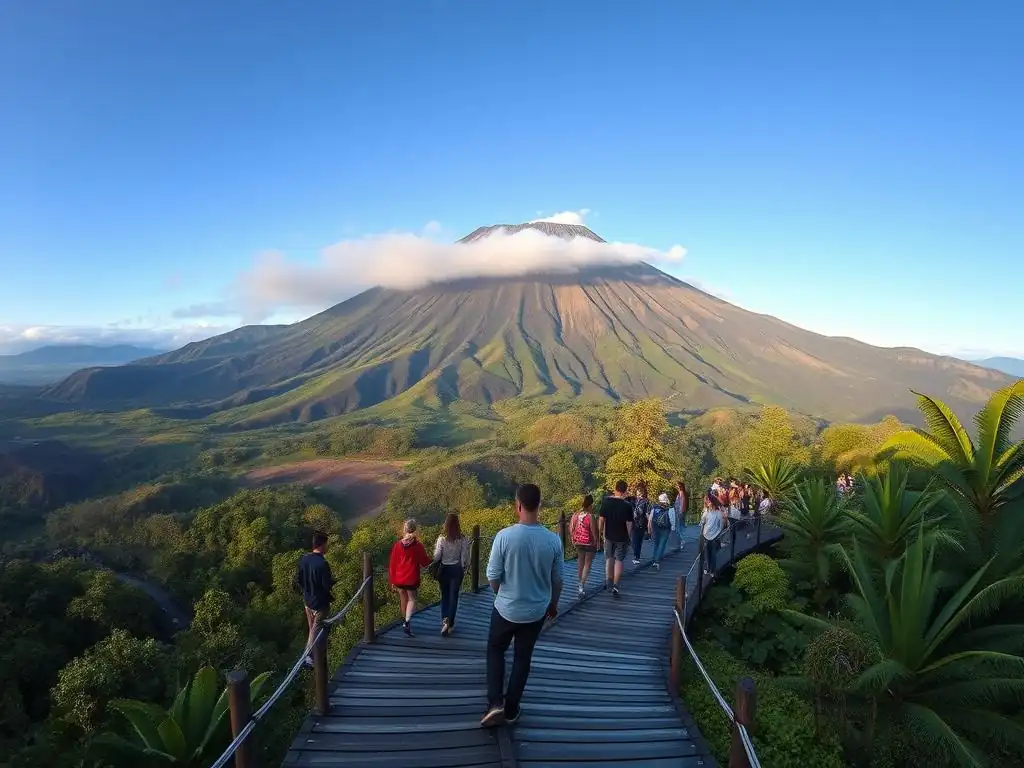
Sustainable Tourism Practices in Volcanic National Parks
The future of volcano national parks hinges on implementing sustainable tourism practices that balance preservation with public access. Sustainable tourism aims to minimize the negative environmental and cultural impacts of tourism while maximizing its economic and social benefits, ensuring the long-term viability of both tourism and conservation.
In volcano national parks, this involves carefully managing visitor numbers, promoting responsible visitor behavior, and investing in sustainable infrastructure. For instance, parks can implement carrying capacity limits for popular trails or viewpoints, encourage the use of public transportation or shuttle services to reduce traffic congestion and emissions, and develop eco-friendly accommodation options within or near park boundaries.
Promoting responsible visitor behavior is also crucial. This can be achieved through effective interpretation and education programs that inform visitors about the fragility of volcanic ecosystems, the importance of staying on designated trails, and the principles of Leave No Trace. Engaging local communities in tourism development and ensuring that they benefit from tourism revenues is another key aspect of sustainable tourism in volcano national parks. By adopting a holistic approach that integrates environmental, social, and economic considerations, volcano national parks can ensure that tourism contributes positively to both conservation and local livelihoods.
Community Involvement in Volcano Protection Efforts
Effective volcano protection requires meaningful community involvement and collaboration. Local communities living near volcano national parks often have deep historical, cultural, and economic connections to these landscapes. Engaging these communities in park management decisions, conservation initiatives, and tourism development is essential for ensuring the long-term success of volcano protection efforts. Community involvement can take various forms, including participation in park advisory boards, collaborative research projects, joint management agreements, and benefit-sharing mechanisms that channel tourism revenues back into local communities.
Empowering local communities to become stewards of their volcanic heritage can significantly enhance conservation outcomes. Local knowledge and traditional ecological practices can provide valuable insights for park management, particularly in areas related to ecosystem restoration, cultural resource protection, and sustainable resource use. Building strong partnerships between park agencies and local communities fosters a sense of shared ownership and responsibility for volcano protection, creating a more resilient and sustainable conservation model.
The Ongoing Need for Research and Monitoring of Volcanic Activity Within National Park Boundaries
The dynamic nature of volcanoes necessitates an ongoing commitment to research and monitoring of volcanic activity within national park boundaries. Volcanoes are constantly evolving, and the potential for eruptions and other volcanic hazards remains a persistent reality in many volcanic regions. Continuous monitoring of volcanic activity, using a range of techniques including seismology, geodesy, gas geochemistry, and thermal remote sensing, is crucial for detecting changes in volcanic behavior, assessing volcanic hazards, and providing timely warnings of potential eruptions. Volcano national parks often serve as ideal locations for establishing and maintaining volcano observatories and monitoring networks.
Furthermore, ongoing research is essential for deepening our understanding of volcanic processes, improving eruption forecasting capabilities, and developing effective strategies for mitigating volcanic risks. Research within volcano national parks can also contribute to broader scientific understanding of Earth's dynamic systems, climate change, and the evolution of life in extreme environments. Sustained investment in research and monitoring infrastructure, coupled with strong collaborations between scientists and park managers, is vital for ensuring the long-term safety and sustainable management of volcano national parks.
Volcano National Park Designation: A Pathway to Conservation and Pride
The Process of Establishing a Volcano National Park
The process of establishing a volcano national park is a multifaceted undertaking that typically involves several key stages. It often begins with initial proposals and feasibility studies, assessing the geological, ecological, cultural, and socio-economic significance of the volcanic area under consideration. These studies evaluate the area's suitability for national park status, considering factors such as biodiversity, geological uniqueness, cultural heritage, potential threats, and local community support. Following positive feasibility assessments, formal proposals are typically submitted to relevant government agencies responsible for national park designations.
The designation process often involves extensive consultations with stakeholders, including local communities, indigenous groups, scientists, conservation organizations, and tourism industry representatives. These consultations aim to gather input, address concerns, and build consensus around the proposed national park. Environmental impact assessments are typically conducted to evaluate the potential environmental and social consequences of national park designation. Ultimately, the final decision on national park designation rests with the relevant government authority, often requiring legislative action or executive decree. Once established, a management plan is developed to guide the park's operations, conservation efforts, and visitor management strategies.
The Long-Term Impact of National Park Status on Volcano Protection
National park status has a profound and long-term positive impact on volcano protection. It provides a robust legal and institutional framework for conservation, ensuring the long-term safeguarding of volcanic landscapes, ecosystems, and cultural heritage. National park designation typically entails legal protection against activities that could harm the volcanic environment, such as mining, logging, and unsustainable development. It also establishes dedicated park management agencies with the mandate and resources to implement conservation programs, conduct research, manage visitor access, and enforce regulations.
Furthermore, national park status enhances the visibility and recognition of volcanic areas, both nationally and internationally. This can attract increased funding for conservation, research, and infrastructure development, as well as boost tourism revenues that can support park management and local economies. National park designation also fosters a sense of national pride and stewardship towards volcanoes, promoting public awareness of their importance and encouraging greater support for conservation efforts. The long-term impact of national park status is to create a lasting legacy of volcano protection for future generations.
Addressing Climate Change Impacts on Volcano National Park Ecosystems
Climate change poses a growing and complex challenge to volcano national park ecosystems. Rising global temperatures, altered precipitation patterns, and increased frequency of extreme weather events are already impacting volcanic environments, threatening biodiversity, altering ecological processes, and potentially increasing volcanic hazards. For example, changes in snowpack and glacier meltwater in volcanic regions can affect water availability, alter hydrological regimes, and impact downstream ecosystems. Climate change can also exacerbate the spread of invasive species, disrupt plant and animal communities adapted to specific volcanic environments, and increase the risk of wildfires in forested volcanic areas.
Addressing climate change impacts in volcano national parks requires proactive and adaptive management strategies. This includes conducting vulnerability assessments to identify climate change risks, implementing mitigation measures to reduce greenhouse gas emissions from park operations and tourism, and developing adaptation strategies to enhance the resilience of volcanic ecosystems to climate change.
These adaptation strategies may include restoring degraded habitats, managing water resources sustainably, controlling invasive species, and promoting climate-resilient tourism practices. International collaboration and knowledge sharing are crucial for effectively addressing the global challenge of climate change in volcano national parks and ensuring the long-term preservation of these unique and valuable natural treasures.
Frequently Asked Questions
What is the primary focus of VolcanoExplorers.org?
The website focuses on exploring the science of volcanoes, including their formation, eruption types, and the work of volcanologists. It also covers safety and cultural aspects related to volcanoes.
Why is it important to consider protecting volcanoes in national parks?
Protecting volcanoes in national parks helps to preserve unique geological features and ecosystems. It also allows for responsible tourism and education about these natural wonders.
What kind of information does VolcanoExplorers.org offer for people living near active volcanoes?
The website provides safety guides and evacuation tips specifically for people living near active volcanoes. It also offers real-time updates on volcanic activity worldwide.
How does VolcanoExplorers.org address the cultural significance of volcanoes?
The site includes sections dedicated to the cultural significance of volcanoes across the globe. This explores their role in mythology, art, and local traditions.
What is the connection between "National Parks of Fire" and "National Pride?"
The title suggests that protecting volcanic landscapes within national parks fosters a sense of national pride. It implies valuing and preserving a country's natural heritage.
Okay, here's a final reflection designed to fit your article "National Parks of Fire: Protecting Volcanoes, Promoting National Pride?" and optimize for the keyword "protecting volcanoes in national parks," while adhering to the requested Markdown format and tone:
Final Reflection: The Enduring Power of Fire and Pride
The preceding exploration of volcanic national parks underscores a crucial reality: protecting volcanoes in national parks is not merely an environmental imperative, but a profound act of cultural preservation and national identity. These fiery landscapes, both destructive and life-giving, demand our respect and continued commitment to their safeguarding, ensuring their geological wonders remain accessible for generations to come.
The impact of these volcanic landscapes extends far beyond their scientific significance; they shape our collective imagination and sense of place. My own experiences witnessing the raw power of these natural wonders have instilled a deep appreciation for the delicate balance between human activity and the preservation of these dynamic ecosystems. As the renowned volcanologist Katia Krafft once said: Volcanoes are the beginning of the Earth and the end of the Earth.
This quote encapsulates the cyclical nature of creation and destruction that defines these landscapes, urging us to act as responsible stewards.
Let us, therefore, embrace the challenge of protecting these volcanic treasures. Consider how you can contribute to the ongoing efforts to conserve these unique environments, whether through supporting national park initiatives, advocating for responsible tourism, or simply educating yourself and others about the importance of protecting volcanoes in national parks. The future of these fiery landscapes, and the national pride they inspire, rests in our hands.
Ignite Your Inner Explorer!
Thank you for joining us on this fiery journey through the world of volcanic national parks! We hope you've gained a deeper appreciation for these incredible landscapes and their vital role in our planet's story and national heritage. Now, it's time to translate that knowledge into action.
Here's how you can get involved and further explore the fascinating world of volcanoes:
- Become a Volcano Advocate: Contact your elected officials to express your support for increased funding and protection of volcanic national parks. This is a powerful way to make a difference.
- Share the Spark: Spread awareness by sharing this article with friends and family who might be interested in volcanic conservation and national park preservation. Let's ignite a wider conversation!
- Discover the Unseen: Research a lesser-known volcano—perhaps one in your region or another country—and learn about its unique geological features and cultural significance. You might be surprised by what you uncover!
What steps will you take this week to help preserve and promote the wonders of volcanic national parks? Share your ideas in the comments below!