
Kilimanjaro's Crown: Tanzania's Volcanic Icon A Symbol of National Pride?

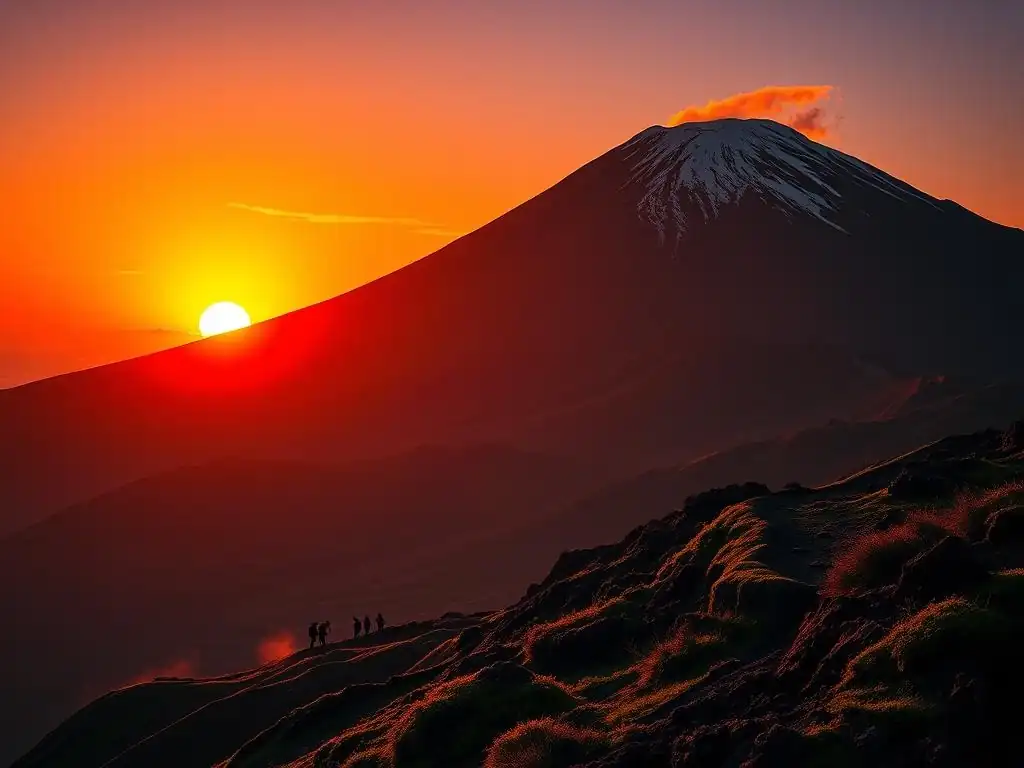
Welcome to Volcano Explorers!
Ever wondered how fire and ice can sculpt a nation's identity? Journey with us into the heart of Tanzania, where the majestic Mount Kilimanjaro isn't just a volcano; it's a symbol etched into the soul of a nation. Uncover the secrets behind volcanic tourism in Tanzania and discover how these natural giants shape culture, economy, and the very landscape itself. Prepare to be captivated by a story as fiery and breathtaking as the volcanoes themselves... read on to ignite your curiosity!
- Introduction: Mount Kilimanjaro - Tanzania's Volcanic Majesty
- Kilimanjaro and Tanzanian National Identity
- Tourism and the Kilimanjaro National Park
- The Cultural Significance of Kilimanjaro: Beyond Tourism
- Environmental Conservation within Kilimanjaro National Park
- The Future of Kilimanjaro and Sustainable Tourism
- Conclusion: Kilimanjaro - A Volcanic Legacy and a Source of National Pride
-
Frequently Asked Questions
- What makes Kilimanjaro significant in the context of Volcanic Tourism in Tanzania?
- Besides climbing, what other Volcanic Tourism activities are available around Kilimanjaro?
- What are some safety considerations for engaging in Volcanic Tourism on Kilimanjaro?
- How does Volcanic Tourism impact the local communities surrounding Kilimanjaro?
- Are there other notable volcanic sites in Tanzania that contribute to Volcanic Tourism besides Kilimanjaro?
- Final Reflection: Reaching New Heights in Volcanic Tourism
- Embark on Your Own Kilimanjaro Adventure!
Introduction: Mount Kilimanjaro - Tanzania's Volcanic Majesty
Unveiling Kilimanjaro: More Than Just a Mountain
Mount Kilimanjaro, often simply referred to as 'Kili', is far more than just a towering peak in the African landscape. It is a dormant volcano, a geological marvel, and a cultural cornerstone for Tanzania. Rising majestically from the plains of East Africa, it is the continent's highest mountain and one of the world's largest freestanding volcanoes, reaching approximately 5,895 meters (19,341 feet) at its Uhuru Peak. Its snow-capped summit, often seemingly floating above the surrounding savanna, creates a breathtaking vista that has captivated explorers, artists, and dreamers for centuries.
Beyond its sheer altitude and stunning beauty, Kilimanjaro holds a profound significance. It is an ecosystem of remarkable biodiversity, ranging from lush rainforests at its base to alpine meadows and glacial ice at its peak. This ecological richness, combined with its imposing volcanic structure, makes Kilimanjaro a unique natural wonder and a focal point for both scientific study and adventure tourism. For Tanzania, Kilimanjaro is not just a mountain; it is a powerful symbol of national identity, resilience, and the country's natural heritage.
A Volcanic Giant: Understanding Kilimanjaro's Formation
Kilimanjaro's dramatic profile is a direct result of its volcanic origins. It is not a single peak but a complex of three dormant volcanoes: Kibo, Mawenzi, and Shira. These volcanic cones were formed through a series of eruptions that began approximately 2.5 million years ago during the Pliocene epoch and continued into the Pleistocene. The formation process is linked to the East African Rift System, a zone of tectonic divergence where the Earth's crust is pulling apart, leading to volcanic activity.
The oldest of the three volcanoes, Shira, collapsed first, forming a plateau at about 4,000 meters. Mawenzi and Kibo erupted later. Mawenzi, the second highest peak, is characterized by its rugged, jagged peaks resulting from erosion.
Kibo, the youngest and highest cone, is where Uhuru Peak is located. While Kilimanjaro is currently dormant, with the last major eruption occurring approximately 360,000 years ago, and minor activity around 200 years ago, it is still considered a potentially active volcano. Scientists continue to monitor fumaroles emitting volcanic gases in Kibo's crater, reminding us of the powerful geological forces that shaped this iconic mountain.
Kilimanjaro and Tanzanian National Identity
The Mountain as a National Emblem: Kilimanjaro's Symbolic Power
Kilimanjaro's significance transcends its geographical and geological importance; it is deeply interwoven with Tanzanian national identity. Upon independence in 1961, Kilimanjaro was consciously adopted as a powerful national symbol. Its image is prominently featured in Tanzanian iconography, from banknotes and postage stamps to national tourism campaigns. The mountain represents the country's grandeur, stability, and natural wealth. Its enduring presence, seemingly untouched by time, offers a sense of permanence and pride for Tanzanians.
The snow-capped peak, often referred to as the "Roof of Africa," embodies aspirations of reaching great heights, both literally and metaphorically. In a nation striving for development and progress, Kilimanjaro serves as a constant reminder of the potential for achievement and the majestic beauty inherent in their homeland. The mountain's image is carefully curated and promoted, not just for tourism, but as a visual representation of Tanzania's national spirit and its place on the global stage.
Kilimanjaro on the World Stage: Representing Tanzania Globally
Kilimanjaro's global recognition extends far beyond its geographical location. It is arguably Tanzania's most recognizable landmark internationally, instantly associating the country with breathtaking landscapes and adventure. The image of Kilimanjaro is a potent marketing tool for Tanzania, attracting tourists, investors, and international attention. Its iconic status helps to brand Tanzania as a premier destination for nature-based tourism and cultural experiences.
Furthermore, Kilimanjaro's prominence in literature, film, and popular culture has cemented its place in the global imagination. Ernest Hemingway's "The Snows of Kilimanjaro" is perhaps the most famous literary example, but countless other works have referenced or featured the mountain. This cultural footprint amplifies Kilimanjaro's role as a global symbol, indirectly promoting Tanzania and fostering a sense of international connection to the nation's natural heritage. For Tanzanians, the global admiration for Kilimanjaro reinforces national pride and strengthens their sense of place in the world.
Tourism and the Kilimanjaro National Park
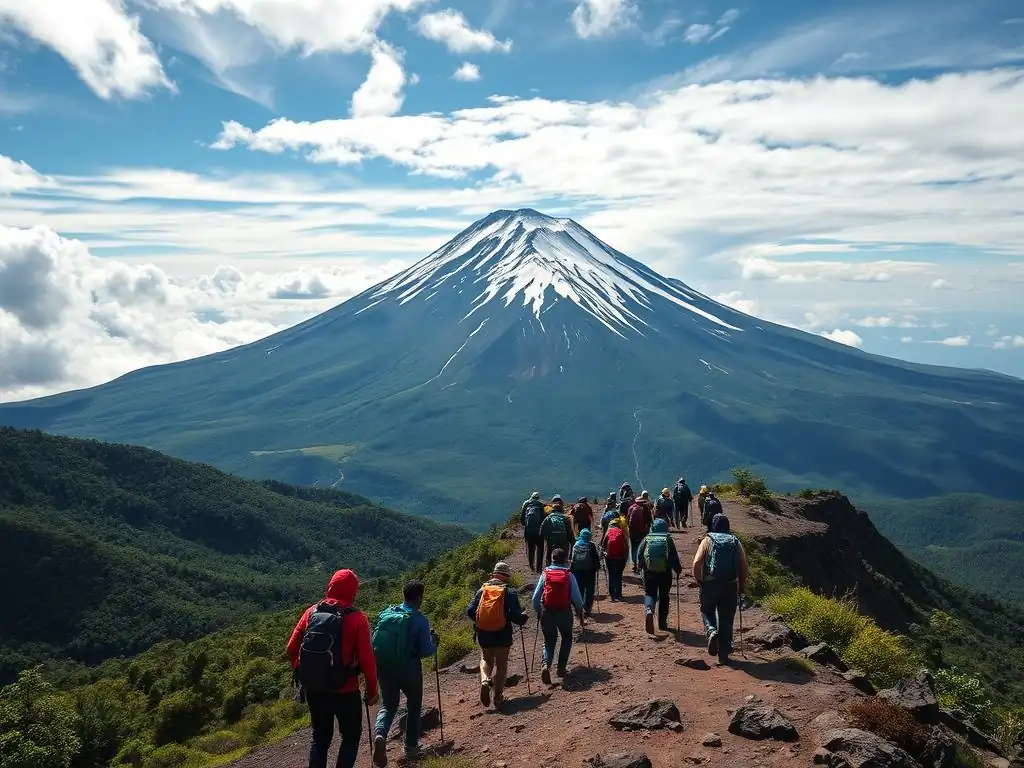
Trekking Kilimanjaro: Routes and Experiences
Volcanic tourism in Tanzania is intrinsically linked to Mount Kilimanjaro, primarily through trekking. Kilimanjaro National Park, established in 1973 and designated a UNESCO World Heritage Site in 1987, is the gateway to experiencing this volcanic giant. Several established routes cater to varying levels of experience and acclimatization needs. The Marangu route, often called the "Coca-Cola" route, is known for being relatively easier and having hut accommodations. The Machame route, or "Whiskey" route, is more scenic but also steeper and requires camping. Other popular routes include the Lemosho, Shira, Rongai, and Northern Circuit, each offering unique perspectives and challenges.
Annually, approximately 30,000 to 50,000 people attempt to summit Kilimanjaro. The trek is not technically demanding in terms of mountaineering skills, but the altitude poses a significant challenge. Trekkers ascend through diverse ecological zones, from rainforests to moorlands, alpine deserts, and finally, the glacial summit zone. The experience is not just about reaching the top; it is a journey through breathtaking landscapes and a personal test of endurance, drawing visitors from across the globe to engage with Tanzania's volcanic majesty.
The Economic Impact of Tourism on Local Communities
Volcanic tourism in Tanzania, centered around Kilimanjaro, has a substantial economic impact, particularly on local communities surrounding the national park. Tourism directly generates revenue through park fees, trekking permits, and accommodation within and around the park. A significant portion of the local economy is dependent on tourism-related employment. This includes roles as guides, porters, cooks, and staff in hotels, lodges, and tour operating companies. It is estimated that the tourism sector contributes significantly to the GDP of the Kilimanjaro region, providing livelihoods for tens of thousands of people.
Beyond direct employment, tourism also stimulates related industries such as agriculture, transportation, and handicrafts. Local farmers supply food to hotels and trekking groups, transport companies benefit from moving tourists and supplies, and artisans sell souvenirs and crafts. The economic benefits of Kilimanjaro tourism are crucial for regional development, providing income opportunities and supporting infrastructure improvements in areas that might otherwise be economically marginalized. However, it is also essential to manage tourism sustainably to ensure that these benefits are shared equitably and that the environment and local cultures are protected.
The Cultural Significance of Kilimanjaro: Beyond Tourism
Kilimanjaro in Chagga Legends and Traditions
For the Chagga people, who have lived on the slopes of Kilimanjaro for centuries, the mountain is far more than a geological feature; it is deeply embedded in their cultural fabric. In Chagga traditions, Kilimanjaro, often referred to as 'Kilema' or 'Kifaro', is considered sacred and imbued with spiritual significance. Legends and folklore abound, explaining the mountain's origins and its role in the Chagga worldview. Stories passed down through generations often feature Kilimanjaro as the dwelling place of gods or spirits, a source of rain, and a protector of the land and its people.
Traditional Chagga society was intricately linked to the mountain's resources. The fertile volcanic soils on Kilimanjaro's slopes supported agriculture, and the forests provided timber, medicinal plants, and hunting grounds. Chagga rituals and ceremonies were often performed facing Kilimanjaro, acknowledging its power and seeking blessings. While modern life has brought changes, the mountain continues to hold a central place in Chagga cultural identity, representing ancestral connection, spiritual heritage, and a profound sense of belonging to the land.
The Spiritual Connection: Kilimanjaro as a Sacred Site
Beyond Chagga traditions, Kilimanjaro holds a broader spiritual significance for many people, both within Tanzania and globally. Its imposing presence and natural grandeur inspire a sense of awe and reverence. For some, the act of climbing Kilimanjaro is a pilgrimage, a spiritual journey of self-discovery and connection with nature's power. The summit, often shrouded in mist and ice, can evoke a feeling of transcendence and spiritual elevation.
Even for those who do not climb, Kilimanjaro's majestic silhouette against the African sky can inspire a sense of wonder and spiritual reflection. Its enduring presence over millennia connects people to a deeper sense of time and the planet's natural forces. While not formally a religious site in the conventional sense, Kilimanjaro serves as a sacred space for many, a place where the natural world intersects with the spiritual realm, fostering respect for the environment and a deeper appreciation for the interconnectedness of life.
Environmental Conservation within Kilimanjaro National Park
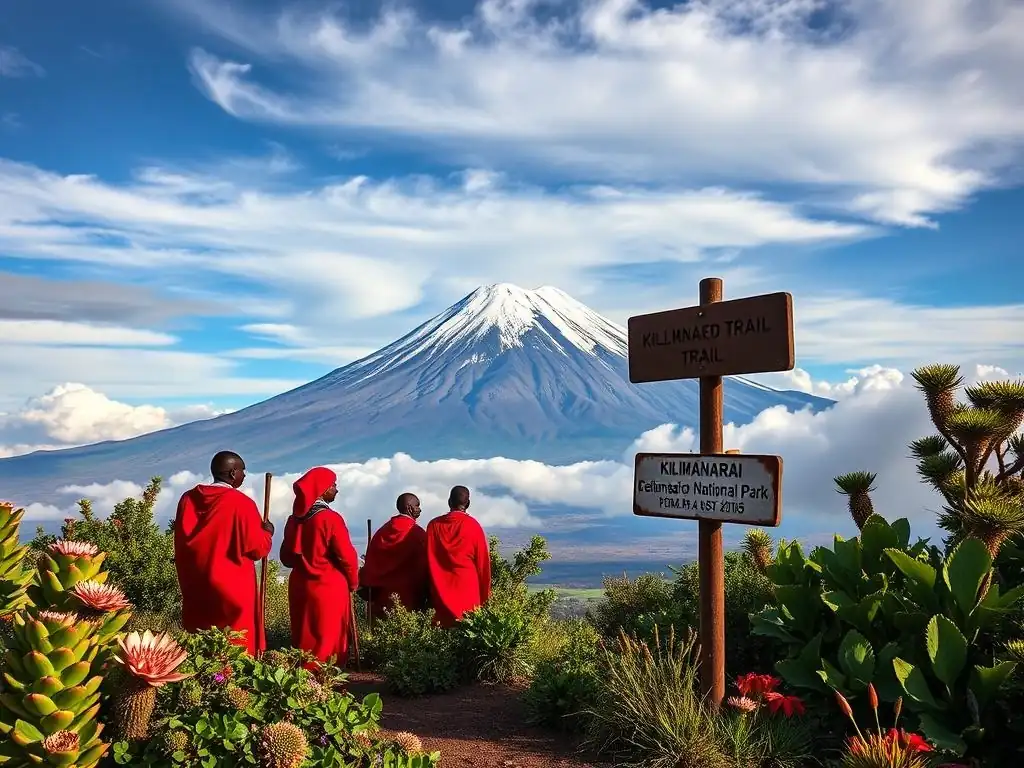
Protecting Kilimanjaro's Ecosystem: Balancing Tourism and Conservation
Kilimanjaro National Park faces significant challenges in balancing the economic benefits of volcanic tourism in Tanzania with the imperative of environmental conservation. The park's diverse ecosystems, from montane forests to glaciers, are vulnerable to the impacts of tourism, deforestation, and climate change. Sustainable tourism practices are crucial to minimize negative impacts and ensure the long-term health of the Kilimanjaro environment. Park authorities and conservation organizations work to manage visitor numbers, regulate trekking activities, and promote responsible waste disposal and resource use.
Efforts to combat deforestation, both within and outside the park boundaries, are essential to protect Kilimanjaro's water catchment areas and biodiversity. Reforestation projects and community engagement initiatives aim to restore degraded habitats and promote sustainable land management practices. Balancing the needs of local communities with conservation goals is a key aspect of park management, ensuring that conservation efforts are effective and equitable in the long run.
Climate Change and Kilimanjaro's Glaciers: A Call to Action
One of the most visible and concerning environmental challenges facing Kilimanjaro is the rapid retreat of its glaciers due to climate change. Scientific studies indicate that Kilimanjaro's ice cap has significantly diminished over the past century, and some projections suggest that the glaciers could disappear entirely within the next few decades. This glacial retreat has profound implications for the mountain's hydrology, ecosystems, and iconic appearance. The loss of glaciers also has symbolic resonance, representing the broader impacts of global warming on vulnerable environments.
The shrinking glaciers of Kilimanjaro serve as a stark visual reminder of the urgency of addressing climate change. They highlight the need for global action to reduce greenhouse gas emissions and mitigate the impacts of a warming planet. For Tanzania, the preservation of Kilimanjaro's glaciers is not only an environmental concern but also a matter of national pride and cultural heritage. The mountain's iconic snow-capped peak is deeply ingrained in the national identity, and its potential loss underscores the importance of environmental stewardship and international cooperation to protect natural wonders for future generations.
The Future of Kilimanjaro and Sustainable Tourism
Promoting Responsible and Sustainable Tourism Practices
The future of volcanic tourism in Tanzania, particularly around Kilimanjaro, hinges on the adoption and widespread implementation of responsible and sustainable tourism practices. This includes minimizing the environmental footprint of trekking activities, supporting local communities equitably, and promoting cultural sensitivity. Sustainable tourism aims to ensure that tourism benefits both the environment and local populations, creating a positive and lasting impact.
Key aspects of sustainable tourism in Kilimanjaro National Park involve responsible waste management, water conservation, and energy efficiency. Promoting eco-friendly trekking practices, such as "leave no trace" principles, and encouraging tourists to support local businesses and initiatives are also crucial. Furthermore, ensuring fair wages and working conditions for porters and guides is an essential element of ethical and sustainable tourism development.
Preserving Kilimanjaro for Future Generations: A National Imperative
Preserving Kilimanjaro for future generations is not just an environmental goal; it is a national imperative for Tanzania. Kilimanjaro is a natural treasure, a vital ecosystem, and a powerful symbol of national identity. Its continued health and well-being are essential for Tanzania's cultural heritage, economic prosperity, and environmental sustainability. Effective conservation management, coupled with sustainable tourism practices and community engagement, is crucial to ensure that Kilimanjaro remains a source of pride and wonder for generations to come.
The responsibility for preserving Kilimanjaro rests not only with the Tanzanian government and park authorities but also with the global community. International collaboration in research, conservation funding, and sustainable tourism development can play a vital role in supporting Tanzania's efforts. By working together, we can ensure that Kilimanjaro's volcanic legacy endures, and that this iconic mountain continues to inspire awe, respect, and a commitment to environmental stewardship for years to come.
Conclusion: Kilimanjaro - A Volcanic Legacy and a Source of National Pride
Kilimanjaro stands as a testament to the power and beauty of volcanic forces and a potent symbol of Tanzanian national identity. From its geological formation as a volcanic giant to its cultural significance in Chagga traditions and its global recognition as a tourism icon, Kilimanjaro's multifaceted importance is undeniable. Volcanic tourism in Tanzania, centered around this majestic mountain, provides significant economic benefits, but also necessitates a commitment to sustainable practices and environmental conservation.
As climate change and other pressures mount, the ongoing efforts to protect Kilimanjaro's fragile ecosystems and cultural heritage are more critical than ever. Kilimanjaro is not merely a mountain to be climbed; it is a volcanic legacy to be cherished and a source of national pride to be safeguarded for future generations.
Frequently Asked Questions
What makes Kilimanjaro significant in the context of Volcanic Tourism in Tanzania?
Kilimanjaro is Tanzania's highest peak and a stratovolcano, attracting many tourists. Its fame boosts Volcanic Tourism in Tanzania, being a major draw for climbers and nature enthusiasts. It's a national symbol.
Besides climbing, what other Volcanic Tourism activities are available around Kilimanjaro?
While climbing is primary, the area offers wildlife safaris around the base of the mountain. You can also experience local cultural tours in nearby villages and visit coffee plantations benefiting from the volcanic soil.
What are some safety considerations for engaging in Volcanic Tourism on Kilimanjaro?
Acclimatization to altitude is crucial to prevent altitude sickness when climbing. Following guide instructions and being aware of weather conditions are essential for a safe experience. Adequate preparation is key.
How does Volcanic Tourism impact the local communities surrounding Kilimanjaro?
Volcanic tourism creates employment opportunities in guiding, portering, and hospitality. It also generates revenue that can be used to support local development and conservation efforts.
Are there other notable volcanic sites in Tanzania that contribute to Volcanic Tourism besides Kilimanjaro?
Yes, Tanzania has other volcanic features like Mount Meru which is suitable for hiking and wildlife viewing. There's also the Ngorongoro Crater, a collapsed volcano caldera with exceptional biodiversity.
Final Reflection: Reaching New Heights in Volcanic Tourism
The journey to understand Kilimanjaro's significance as a symbol of national pride and a driver of volcanic tourism in Tanzania reveals a powerful intersection of natural wonder and cultural identity. The mountain's enduring presence, both physically and symbolically, continues to shape the nation's narrative and attract visitors from across the globe, making its preservation and sustainable tourism practices paramount.
The allure of Kilimanjaro extends far beyond its geological formation; it's deeply intertwined with the Tanzanian spirit. Witnessing the impact of tourism on local communities and the environment underscores the responsibility we all share in ensuring its longevity. We do not inherit the earth from our ancestors; we borrow it from our children.
This profound statement reminds us that our actions today will determine whether future generations can experience the majesty of Kilimanjaro and benefit from its presence.
As you reflect on the potential of volcanic tourism in Tanzania, consider your own role in promoting responsible travel. How can you contribute to preserving this natural wonder, supporting local communities, and ensuring that Kilimanjaro continues to inspire awe and wonder for generations to come? Let us all strive to climb higher, not just physically, but also in our commitment to sustainable and ethical tourism practices.
Embark on Your Own Kilimanjaro Adventure!
Thank you for exploring the majestic Kilimanjaro and its significance to Tanzania with us. We hope you've gained a deeper appreciation for this incredible volcano and its cultural importance. Ready to translate your newfound inspiration into action?
Here are a few ways to continue your exploration:
- Plan Your Kilimanjaro Climb: Begin researching reputable tour operators and start planning your ascent of the "Roof of Africa"—make this dream a reality!
- Delve deeper into the geological history of Kilimanjaro and other East African volcanoes to expand your knowledge.
- Share your thoughts: Join the conversation in our comments section and tell us about your connection to the volcano and your perspective on its role as a symbol of national pride.
Ready to turn your Kilimanjaro dreams into a plan? Share your first step in the comments below!